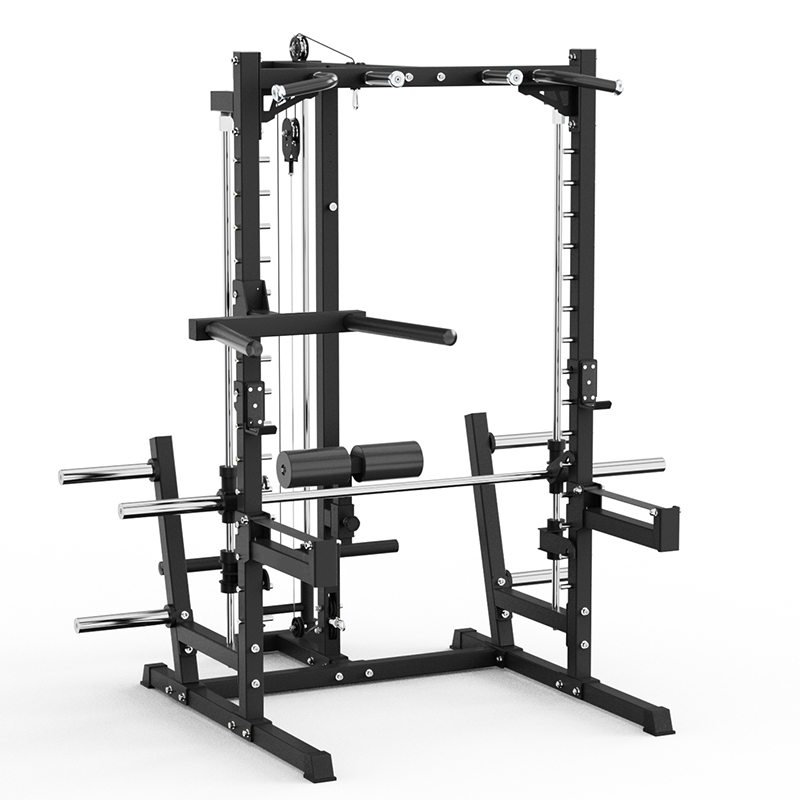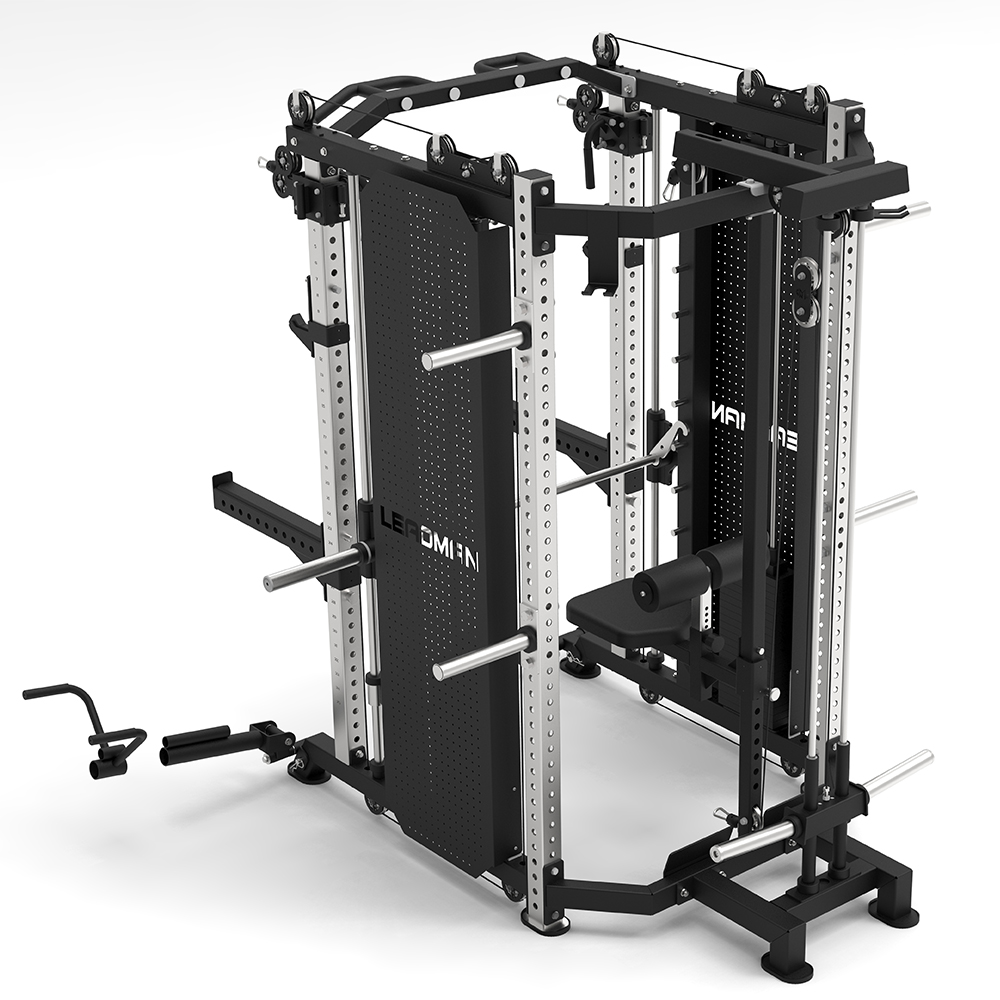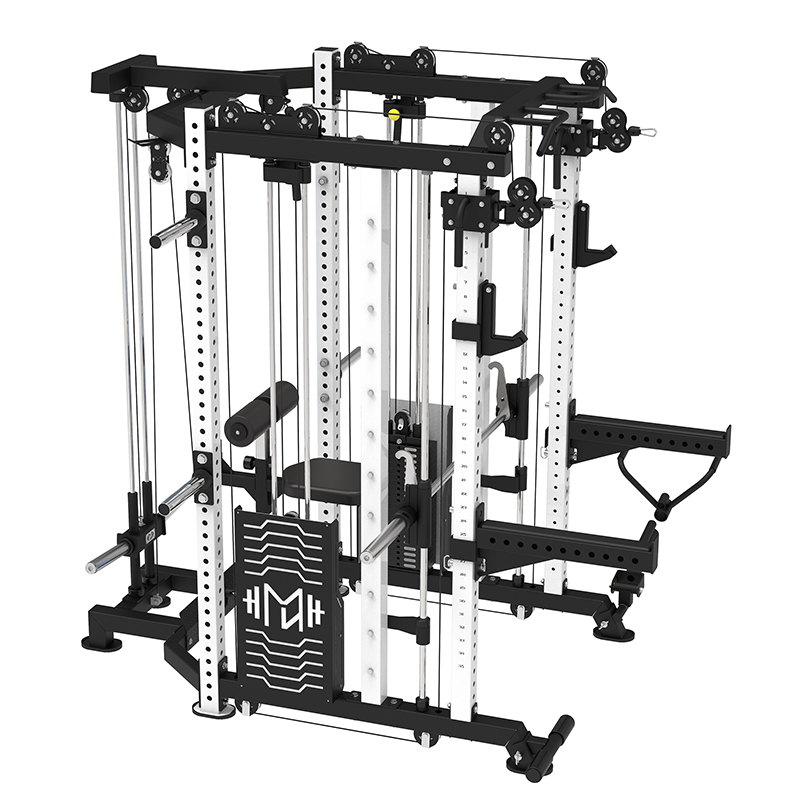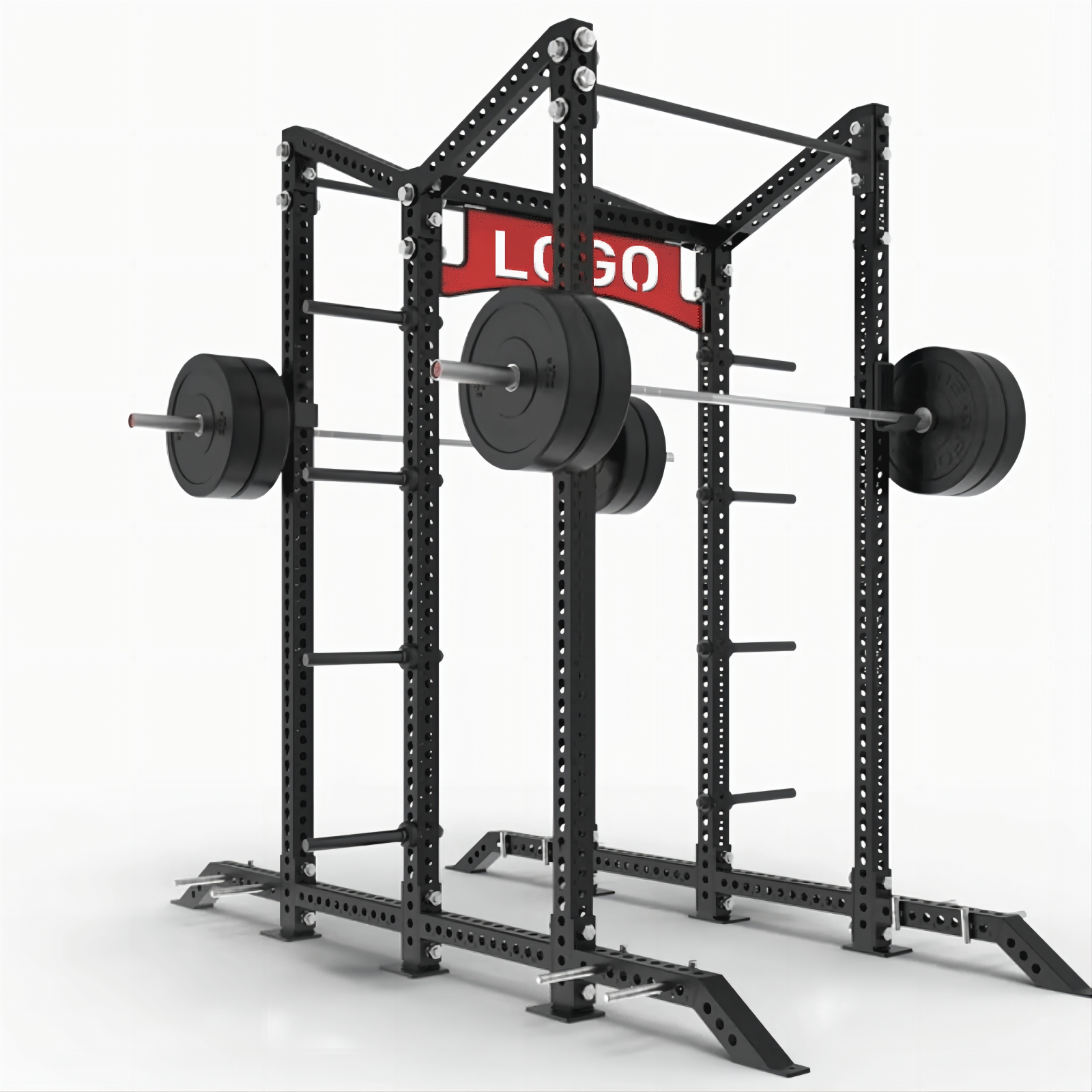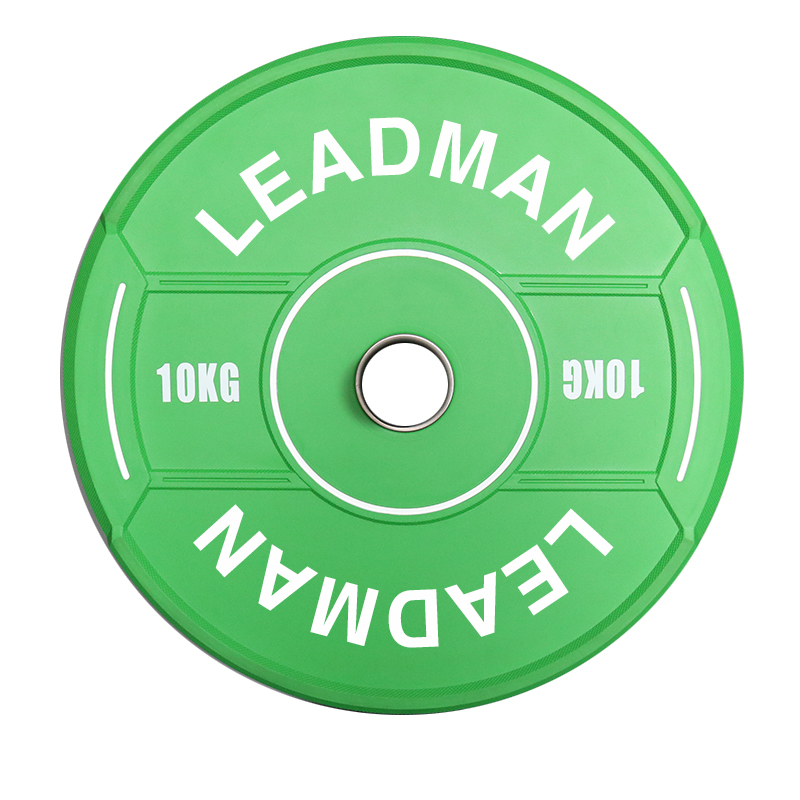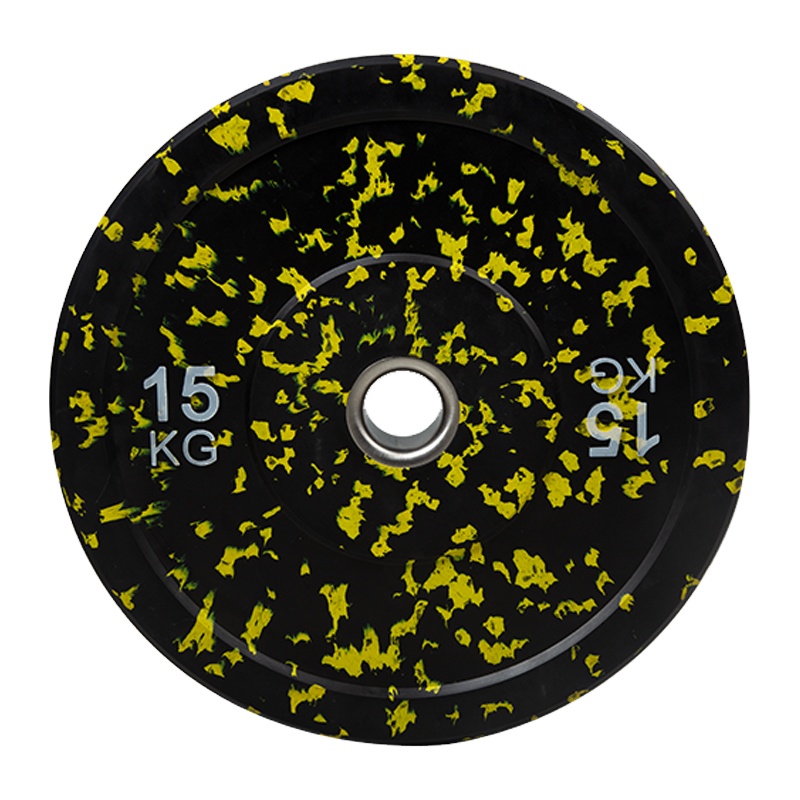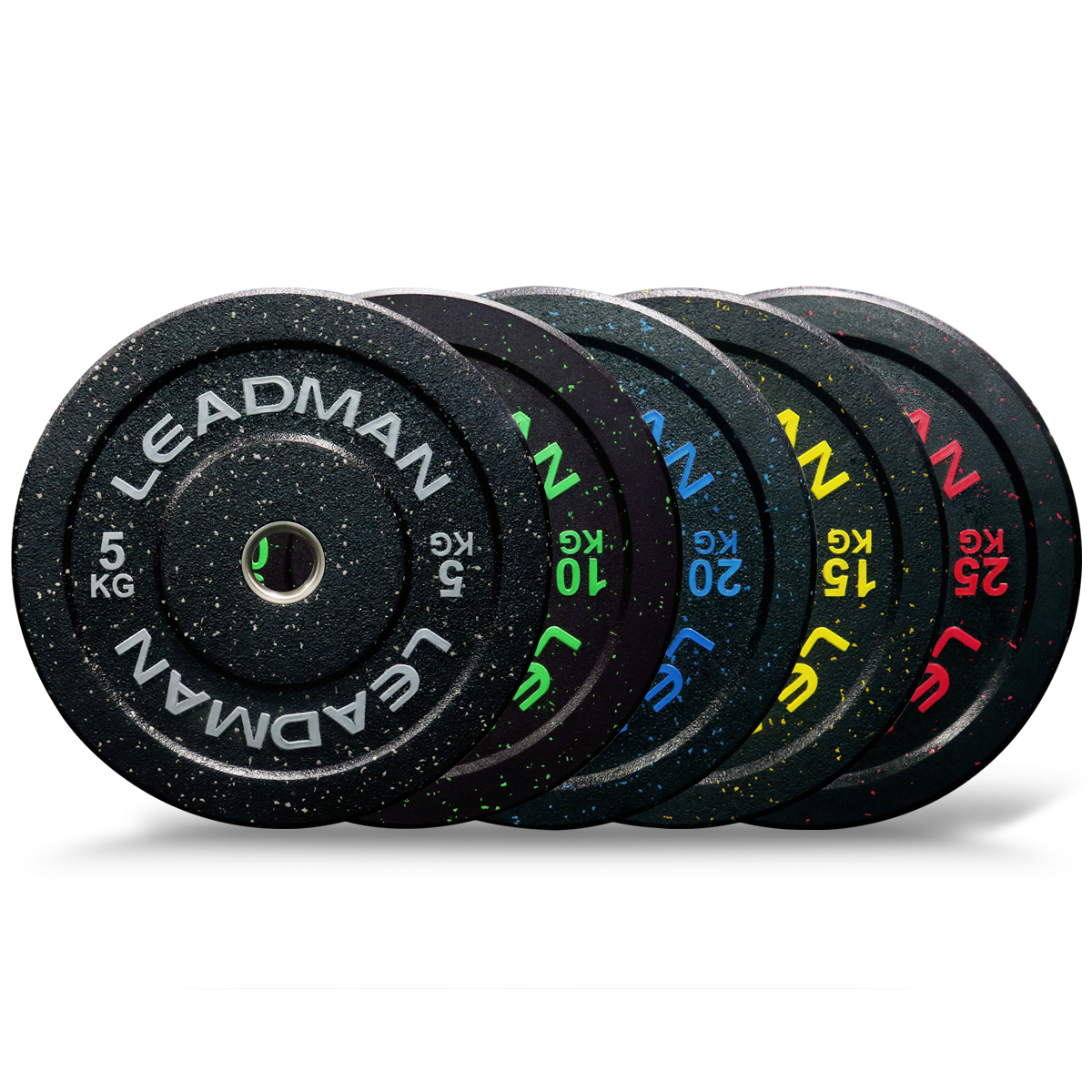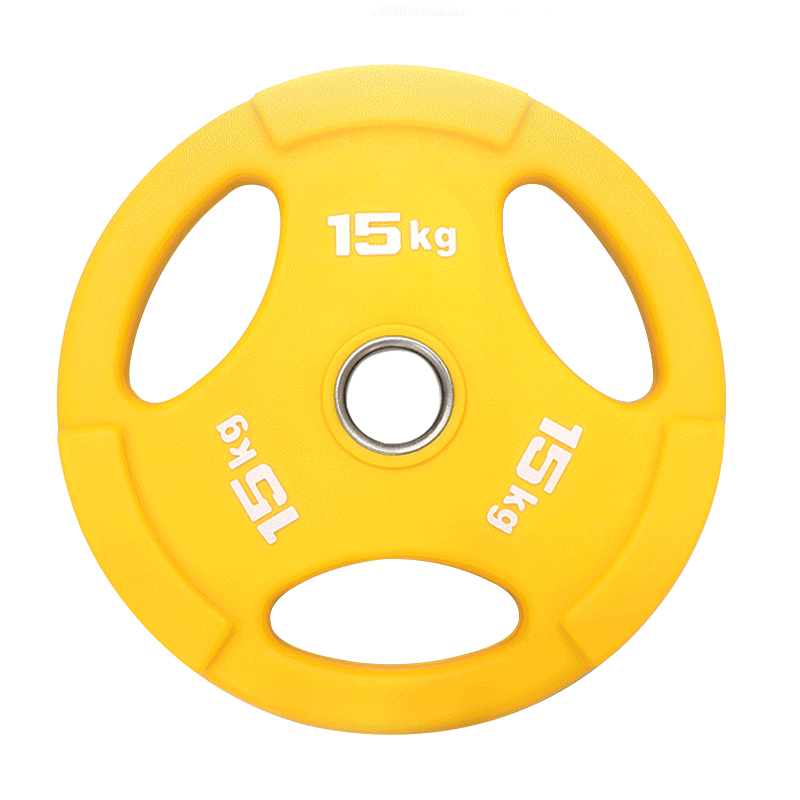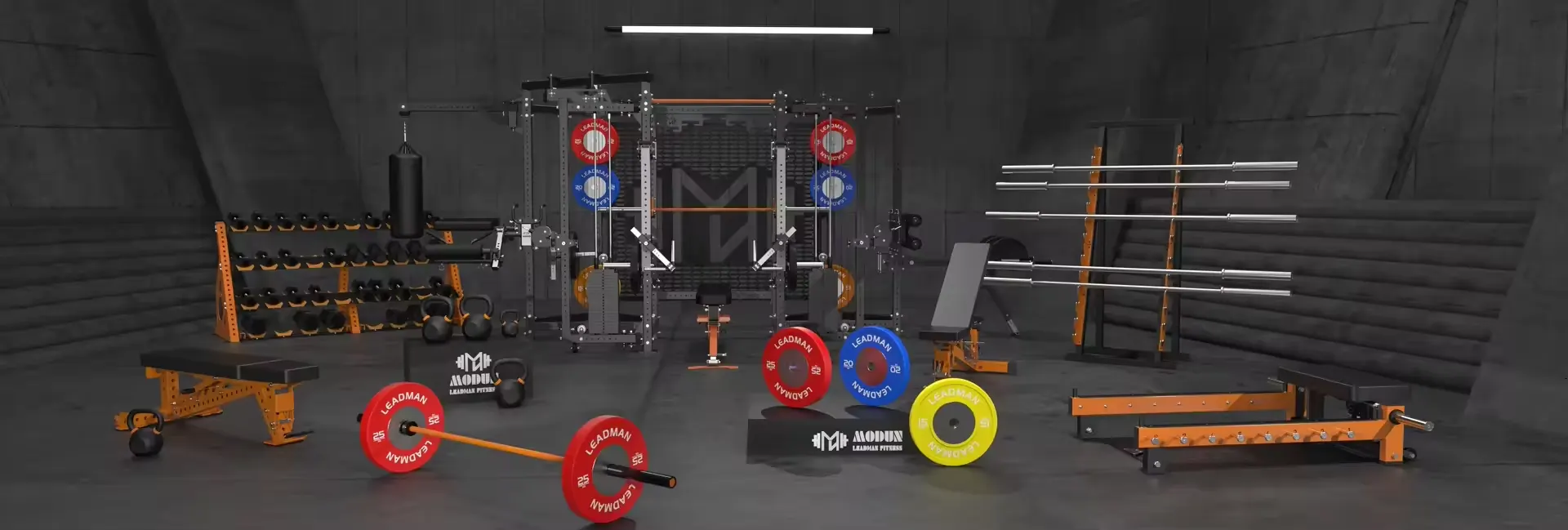
The phrase "gym China" has evolved from a simple geographic indicator to a complex signifier of manufacturing scale, supply chain resilience, and quality diversification within the global fitness equipment industry. Over the past two decades, China has emerged as the dominant hub for commercial and residential gym equipment production, producing an estimated 65–70% of the world's strength and cardio equipment by volume. This concentration is driven by deep industrial ecosystems—spanning raw steel processing, rubber compounding, electronics manufacturing, and precision machining—that enable unprecedented cost efficiency, with wholesale prices often 40–60% lower than equivalent European or North American production. However, the narrative is no longer solely about cost; a parallel movement toward premium, design-forward manufacturing is reshaping global perceptions of Chinese fitness equipment.
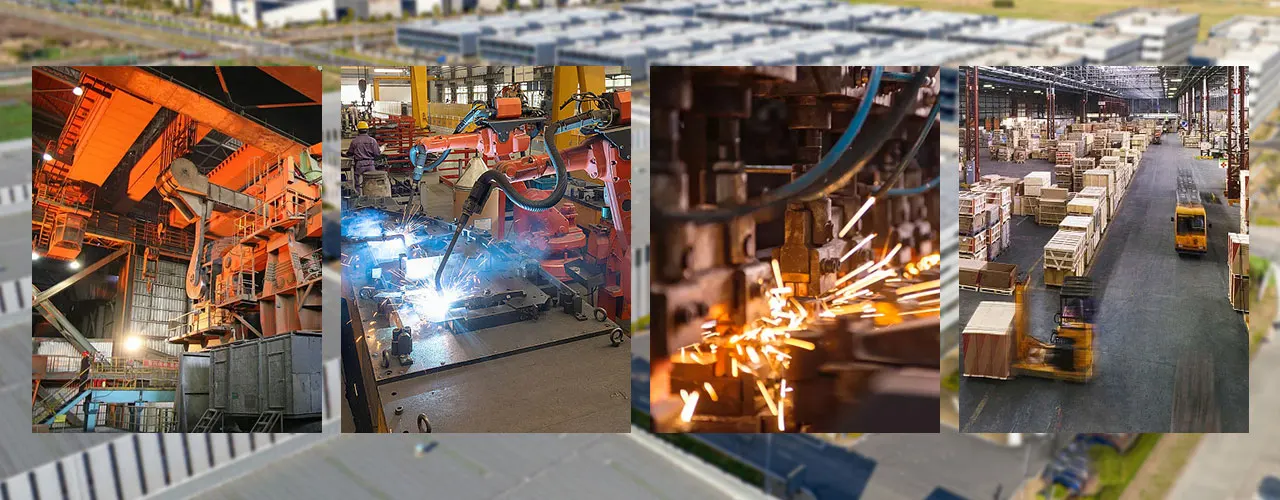
Understanding the Chinese gym equipment landscape requires distinguishing between distinct tiers of manufacturing capability. At the base tier, vast clusters in regions like Ningbo and Guangzhou produce high-volume, budget-oriented products primarily for residential and entry-level commercial use. These facilities often operate on thin margins, prioritizing rapid turnover and competitive pricing over detailed engineering. The middle tier—exemplified by the Xiamen and Qingdao industrial zones—features ISO-certified plants with advanced robotic welding, automated powder coating lines, and in-house R&D teams capable of product customization. This tier produces the majority of private-label equipment for international brands, balancing cost with acceptable quality. The premium tier, representing perhaps 10–15% of production capacity, houses facilities that match Western manufacturing standards in metallurgy, weld quality, and finish durability. These manufacturers invest in fatigue-testing machines, material spectrometers, and proprietary urethane compounding, achieving products that meet or exceed EN20957 and ASTM commercial standards.
Supply chain dynamics have positioned China as both a source of opportunity and vulnerability for global buyers. The concentration of ancillary suppliers—from specialty fastener manufacturers to custom pigment providers—creates a dense network that accelerates prototyping and reduces component lead times to as little as 7–10 days for standard parts. This ecosystem enables rapid scaling: a facility that can produce 500 units per month can often expand to 5,000 units within 12–18 months with relatively low capital reinvestment. However, geopolitical factors, container shipping volatility, and shifting tariff regimes have prompted many international buyers to adopt hybrid sourcing strategies, maintaining Chinese relationships for core commodity items while diversifying to Southeast Asian or domestic sources for premium or urgent orders. Data from 2025 import-export records show that while total gym equipment volume from China rose 8%, the share of premium-grade exports increased by 22%, indicating a clear shift toward value-added production.
Navigating the procurement landscape requires more than comparing unit prices. Conduct a comprehensive manufacturer audit that reviews welding certifications, material traceability, and third-party test reports—not just factory tour brochures. Assess the responsiveness of technical teams: can they interpret and implement ASTM or EN specifications accurately? Evaluate sample run capability; request pre-production samples with clear pass/fail criteria for dimensions, finish thickness, and assembly fit. Consider the management of intellectual property: many reputable factories offer original design manufacturing (ODM) services but may require NDAs and design registration to prevent unauthorized replication. Factor in logistics lead times and the availability of consolidated shipping options; some manufacturers offer container-load bundling with other equipment categories to reduce freight costs. For facilities seeking to differentiate themselves, explore Chinese custom manufacturing partners who specialize in powder coat color matching, logo engraving, and packaging personalization. Finally, maintain ongoing quality surveillance through periodic third-party inspections during production, recognizing that consistency—not just initial quality—determines long-term operational success.
Let our experts design the perfect gym solution for your business. Get a free consultation and quote today.