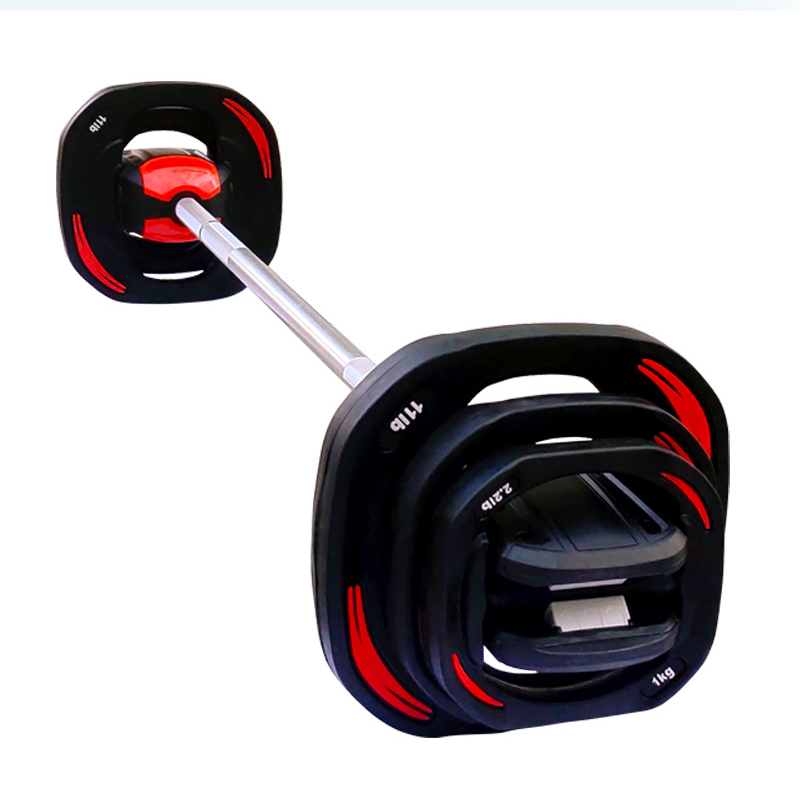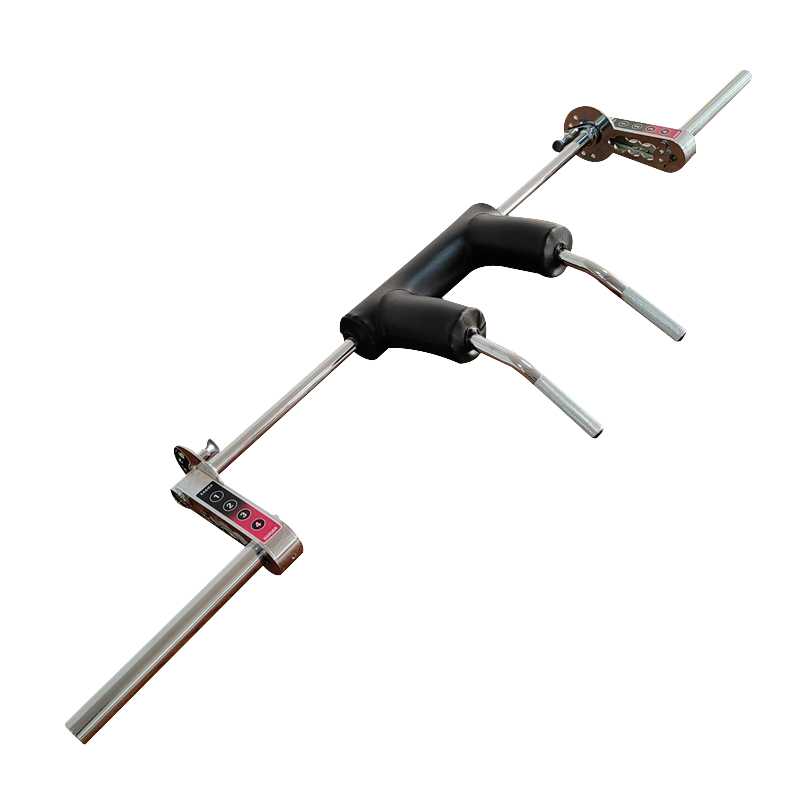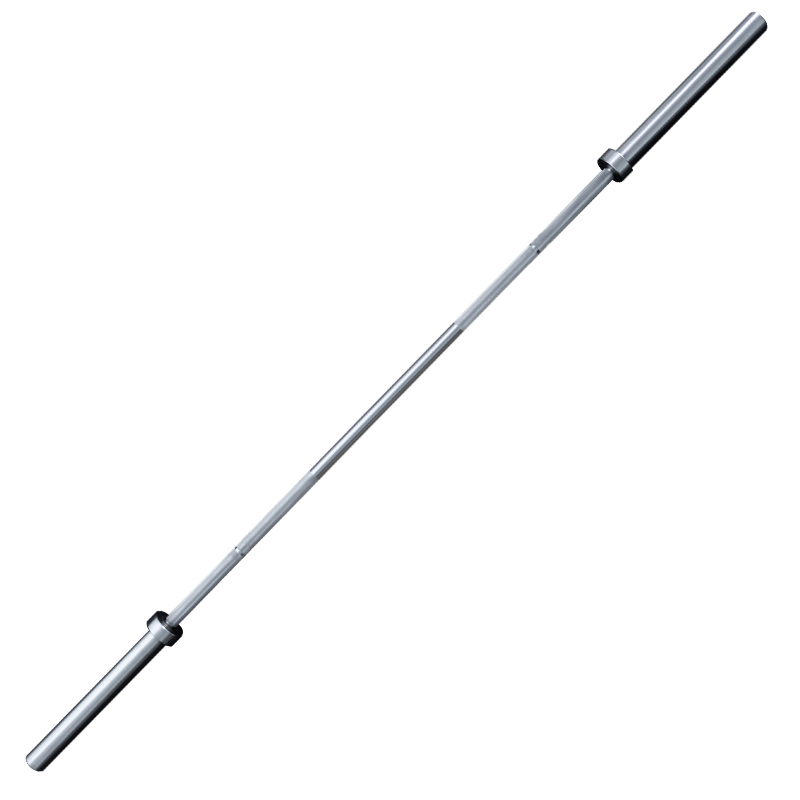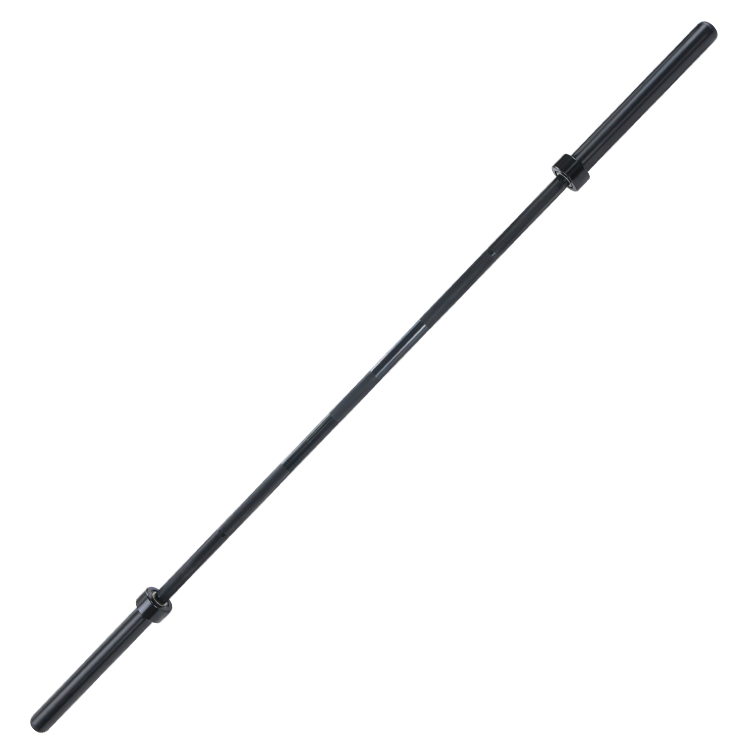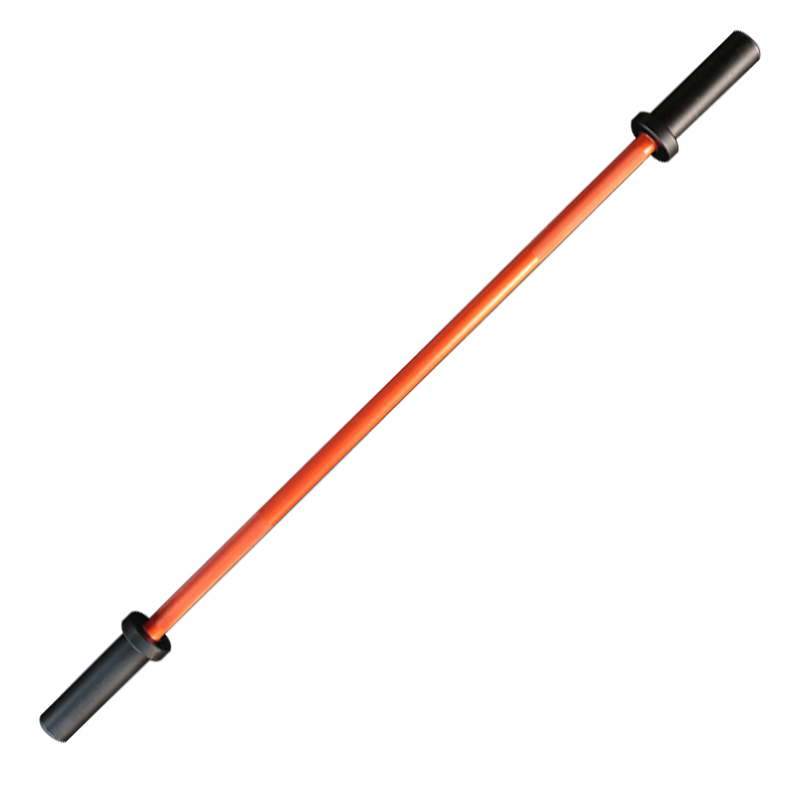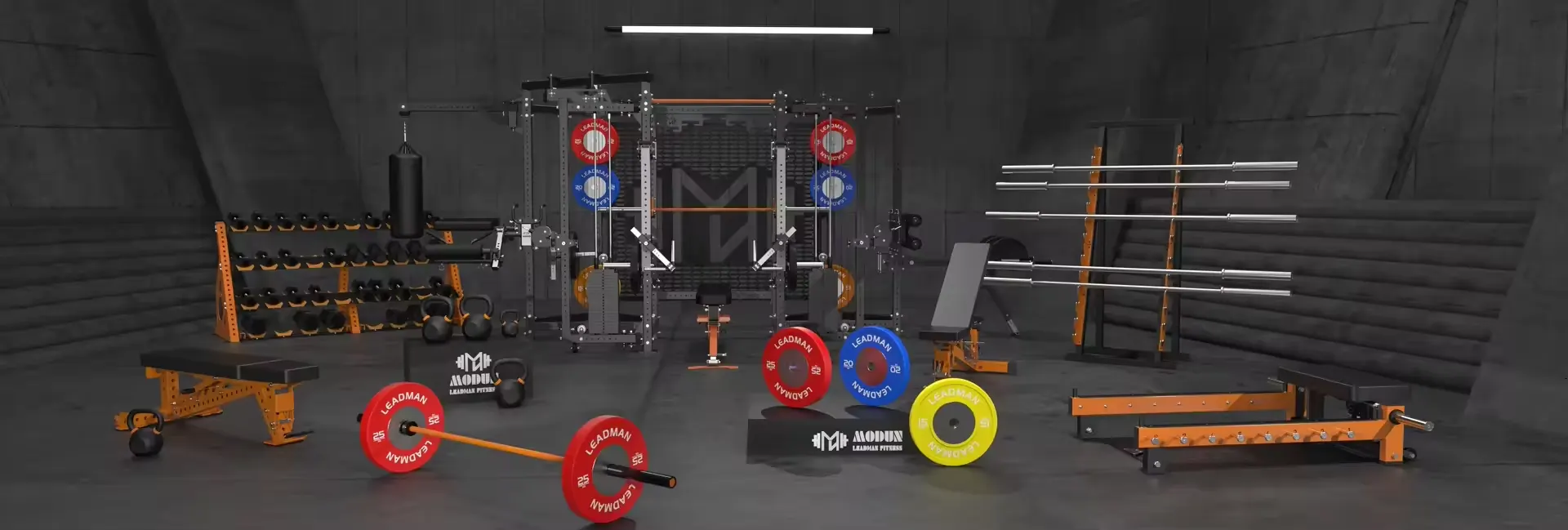
Identifying a good barbell requires moving beyond superficial metrics like tensile strength ratings or aesthetic coatings to evaluate the nuanced interplay of knurling feel, whip characteristics, and spin consistency that collectively define the barbell's suitability for specific training applications. The quality barbell serves as the primary interface between athlete and load, transmitting force feedback through the hands while providing the mechanical reliability essential for safe, productive training sessions. For commercial facilities, selecting the good barbell directly influences member satisfaction, equipment longevity, and the ability to accommodate diverse training modalities—from Olympic weightlifting and powerlifting to functional fitness and general strength programming.
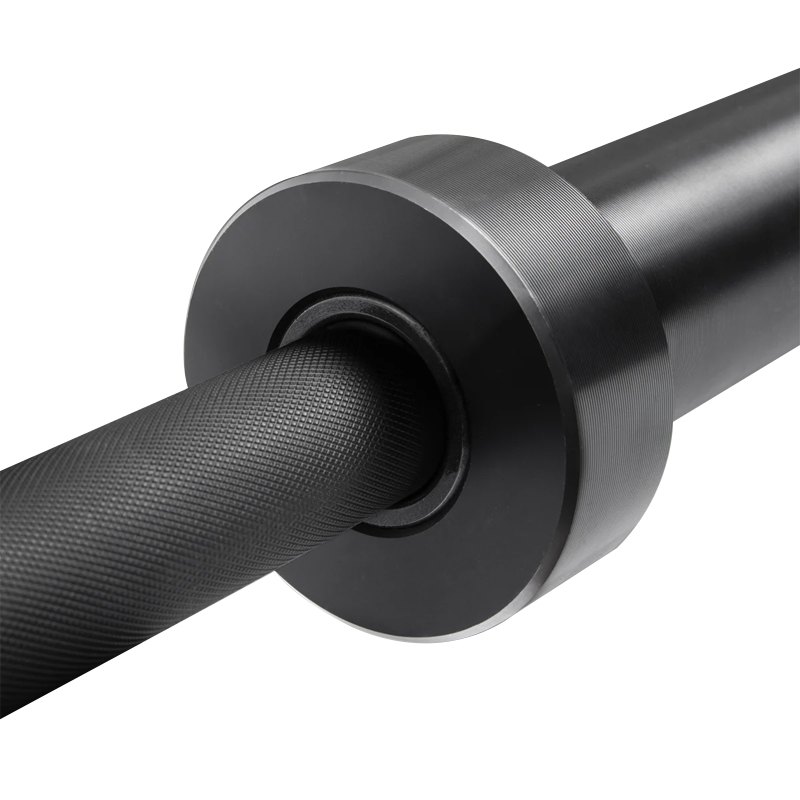
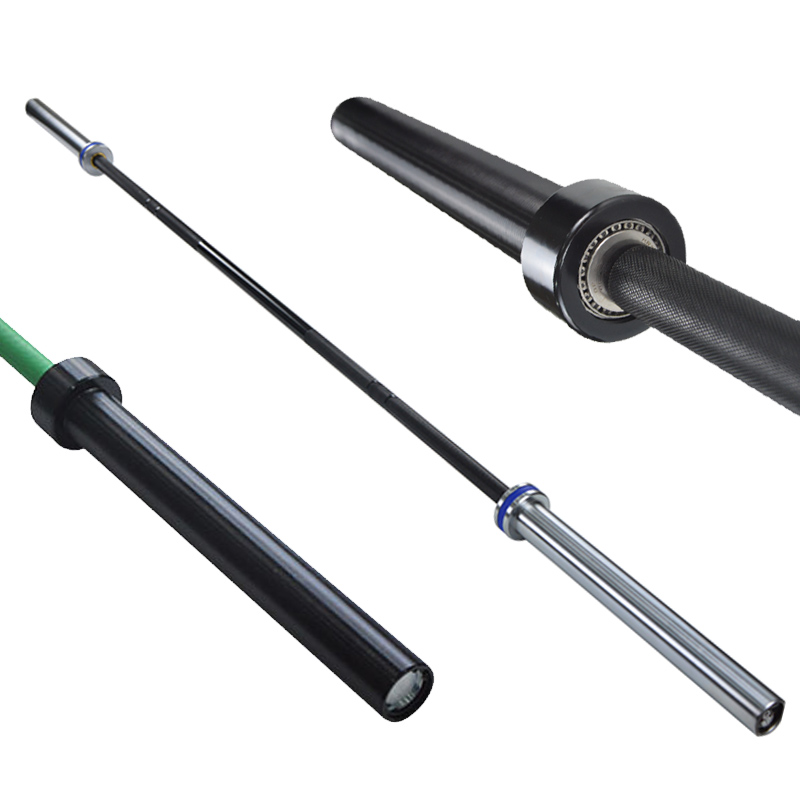
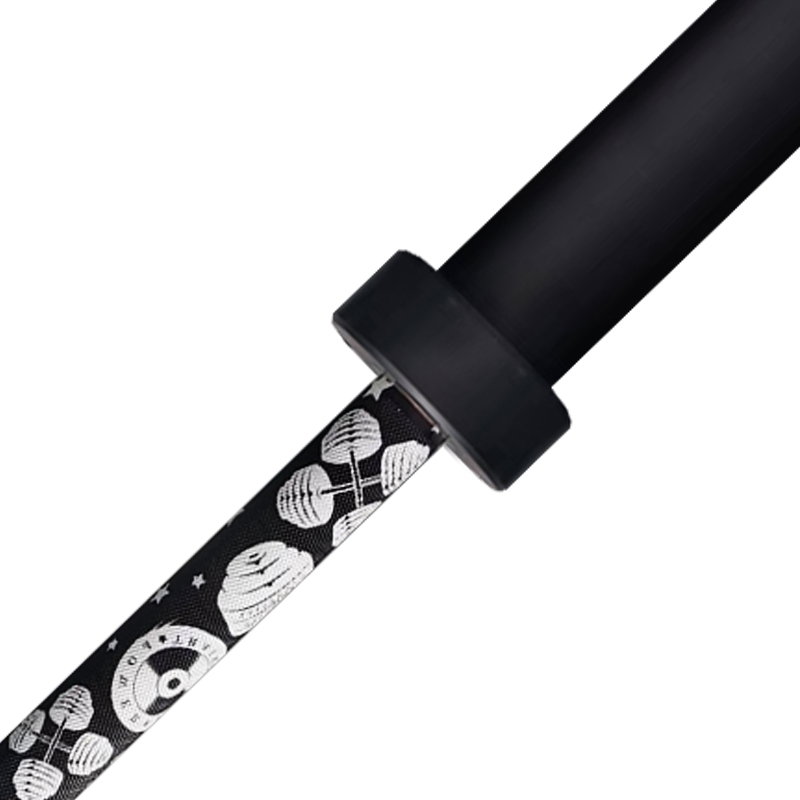
The defining characteristics of a quality barbell emerge from the manufacturing precision applied to the shaft, sleeve construction, and bearing system. Premium barbells utilize 28mm to 28.5mm shaft diameters with precision-machined knurling that provides secure grip without excessive abrasion—a delicate balance achieved through optimized depth, pitch, and pattern configuration. The barbell sleeve construction employs high-tensile steel with precision-machined grooves that ensure plate retention while facilitating smooth loading and unloading. For facilities prioritizing multipurpose use, the good barbell should incorporate a moderate whip profile that provides sufficient flex for Olympic lifts without compromising stability during heavy squats and presses. The bearing selection—needle bearings for Olympic lifting, composite bushings for powerlifting, or hybrid arrangements for general use—determines spin characteristics that affect both performance and user confidence during complex movements.
Commercial viability of the good barbell depends on durability testing that simulates years of high-frequency usage under realistic conditions. Premium manufacturers conduct fatigue testing exceeding 100,000 cycles at 80% of rated capacity, validating both structural integrity and long-term performance consistency. The finish quality—hard chrome for durability, black oxide for corrosion resistance, or cerakote for enhanced longevity—must demonstrate resistance to wear, oxidation, and chemical exposure common in commercial environments. For facilities evaluating good barbells for their training zones, maintaining consistent specifications across all bars ensures uniform feel for athletes transitioning between stations—eliminating the performance variation that undermines training confidence and progression accuracy.

Let our experts design the perfect gym solution for your business. Get a free consultation and quote today.