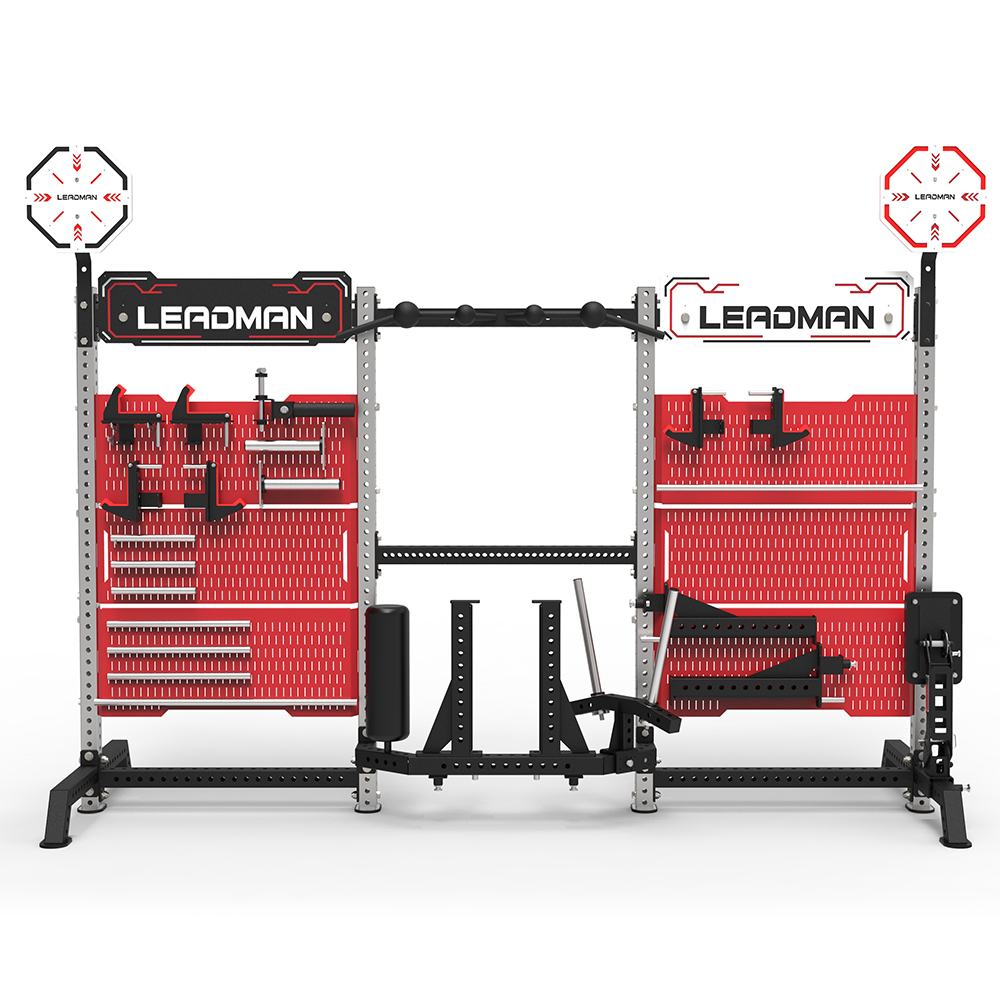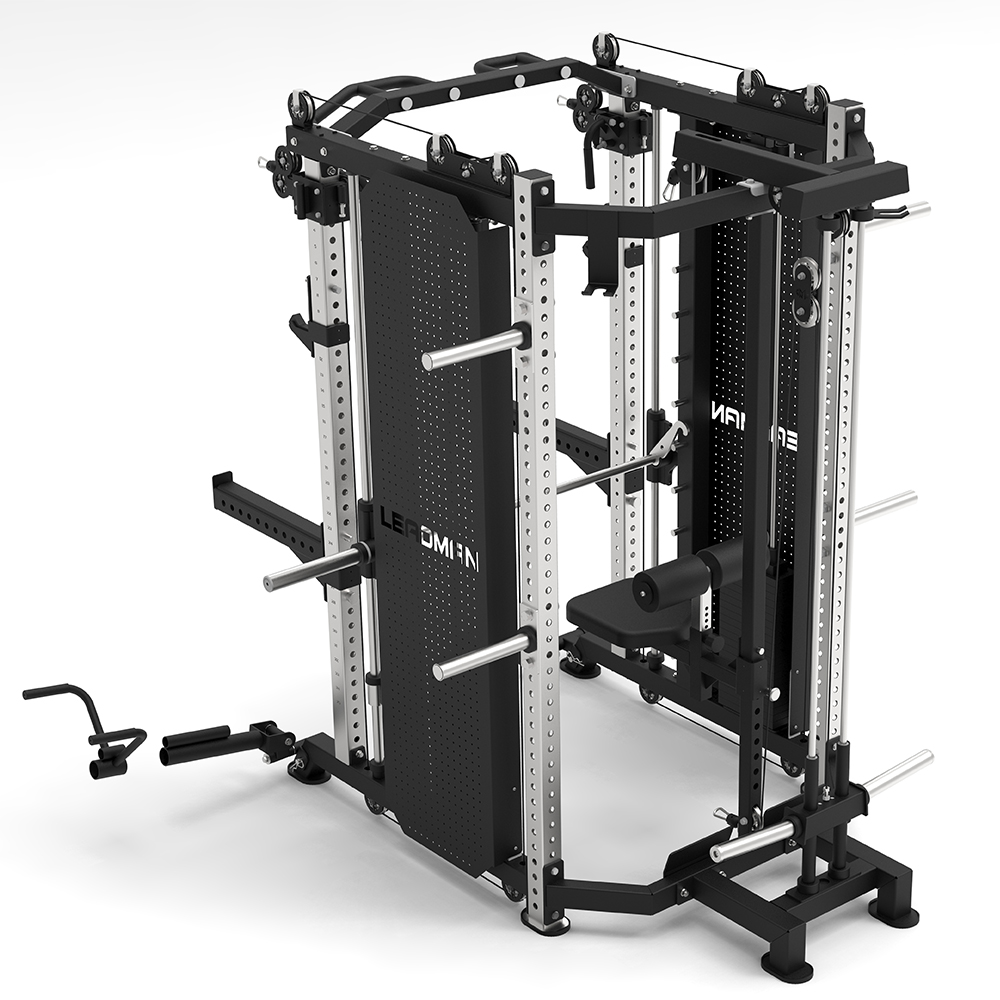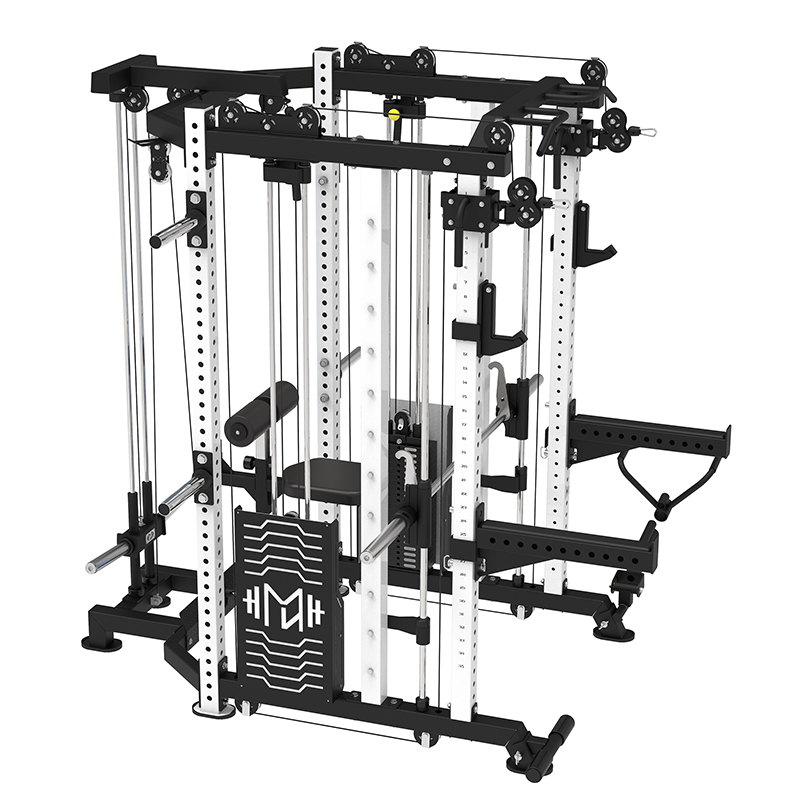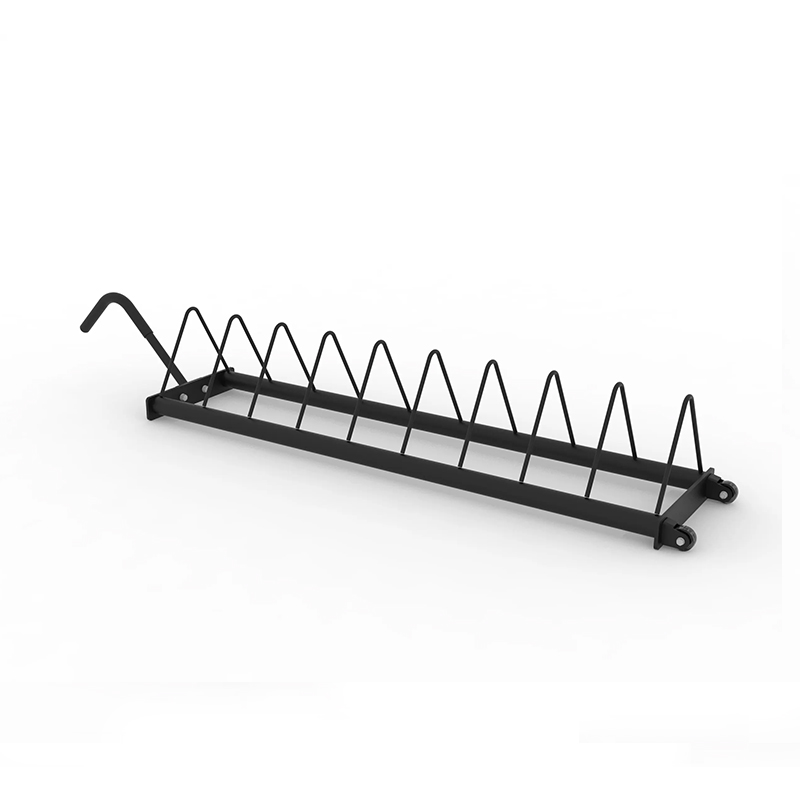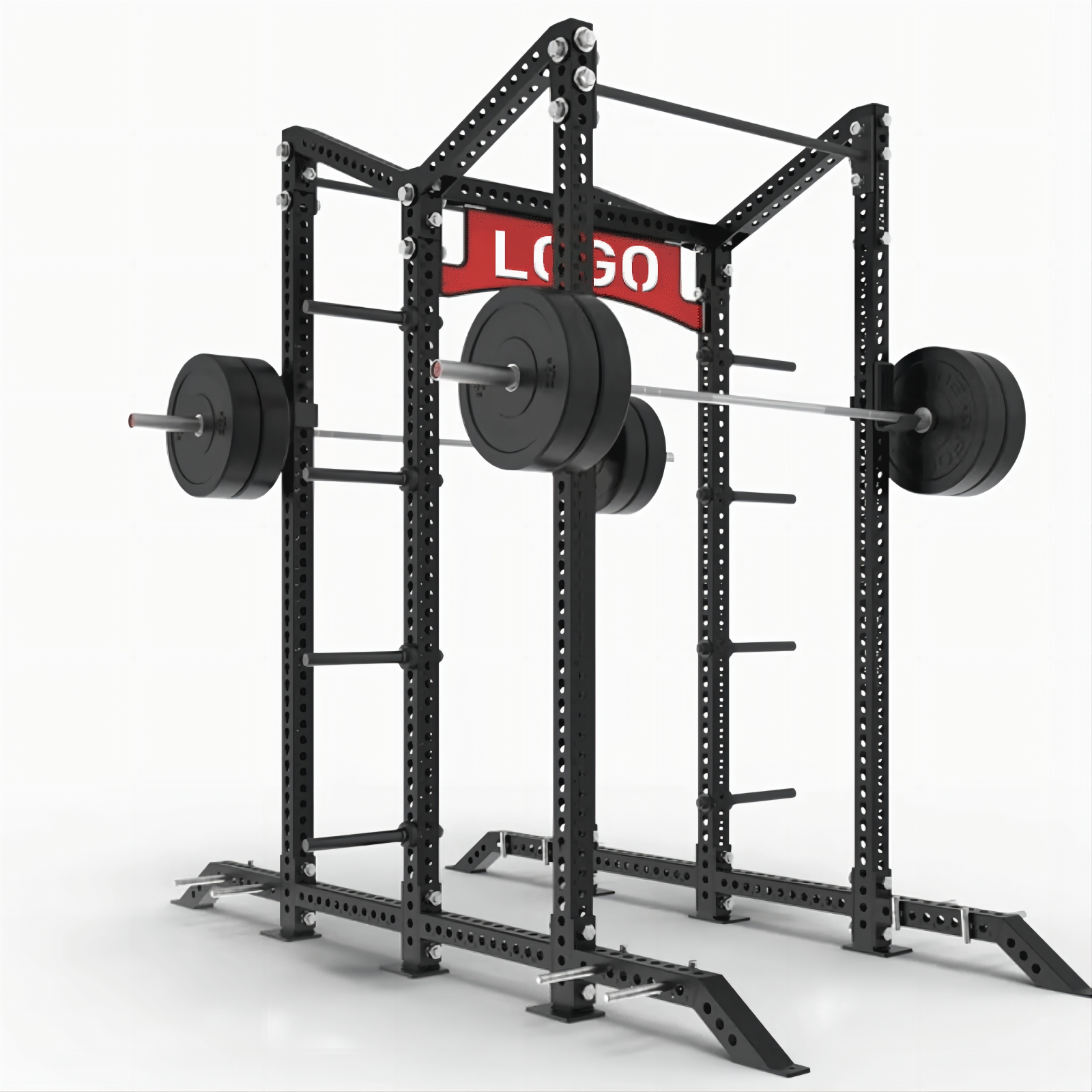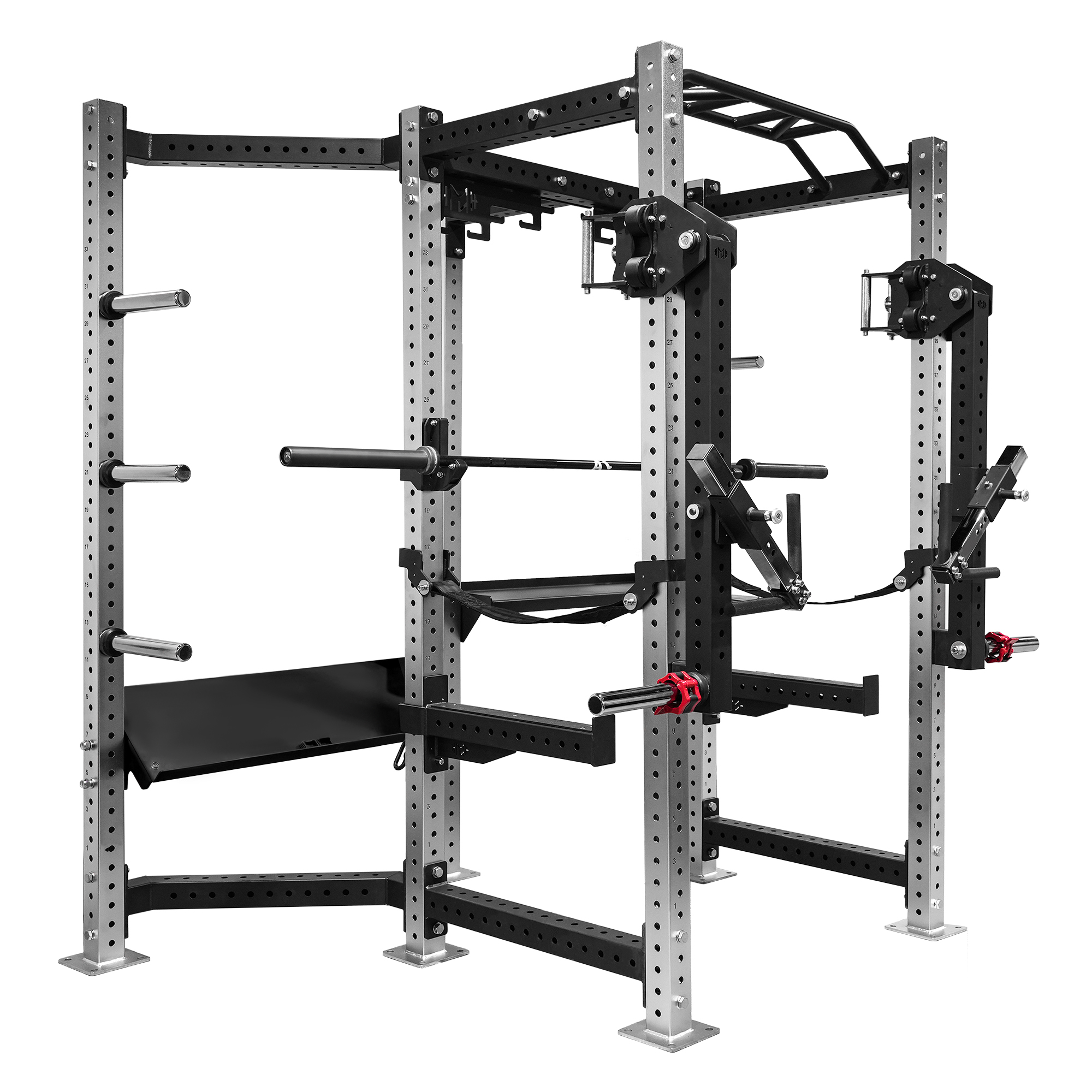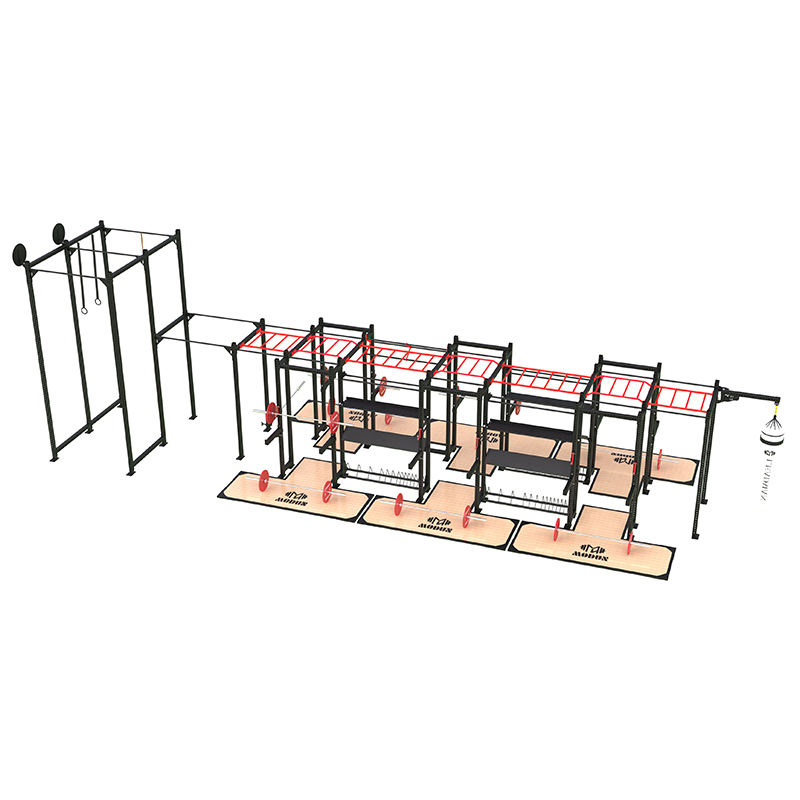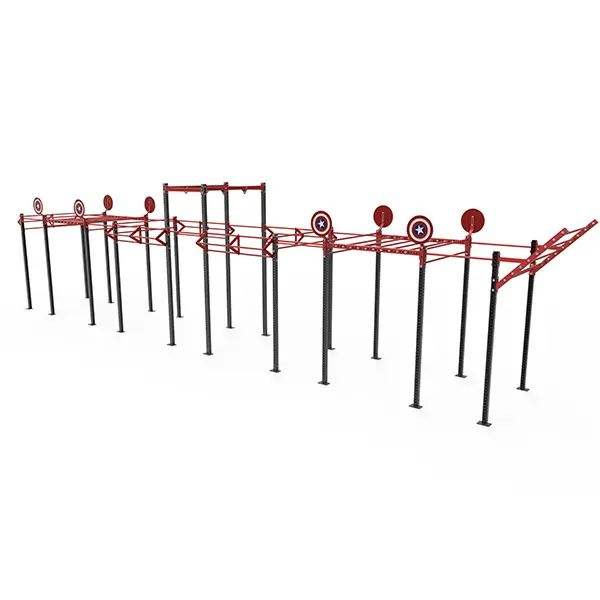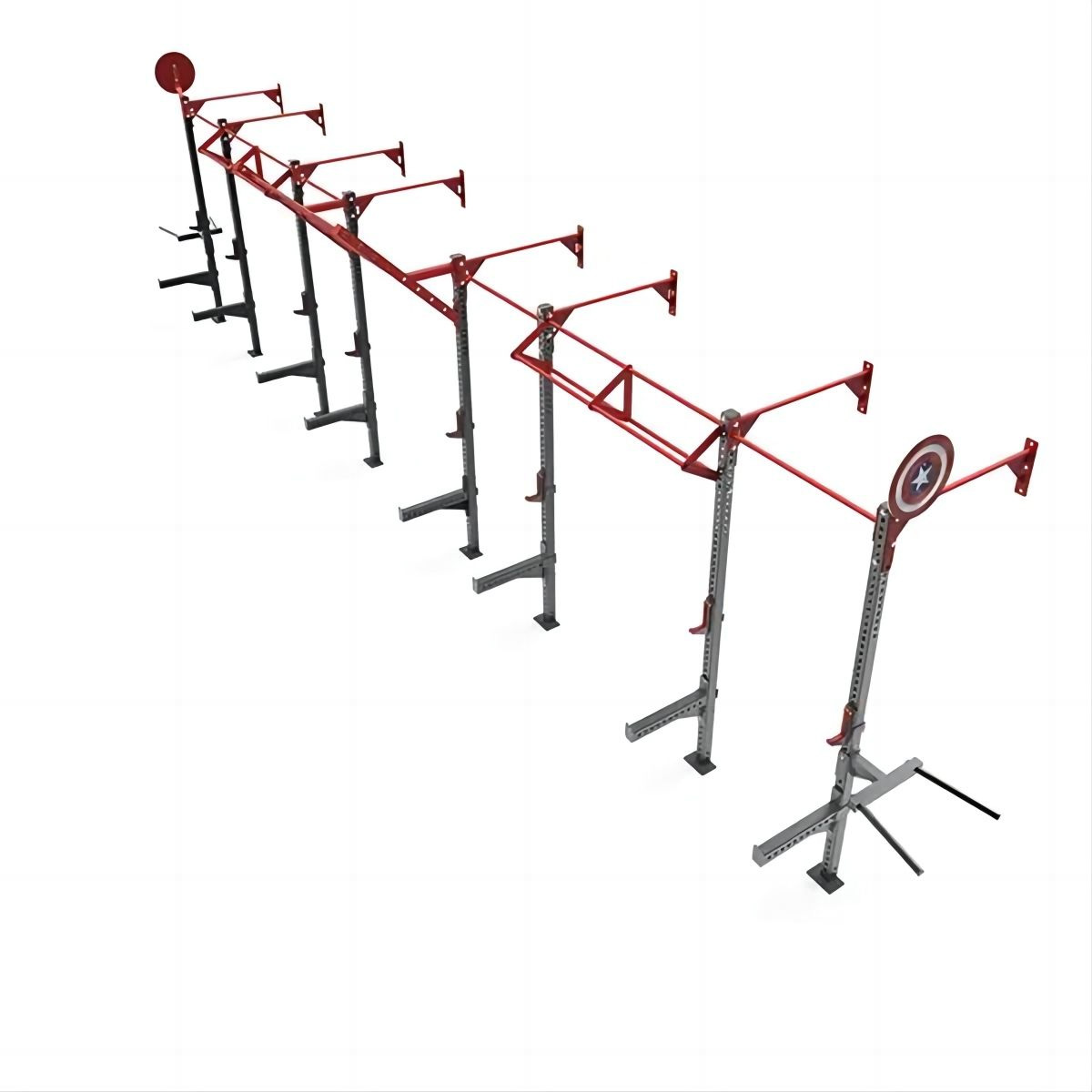
A fixed squat rack offers a permanent, heavy-duty alternative to collapsible stands or power racks with moving components. Unlike adjustable racks that require repositioning j-hooks or safety arms, fixed models have welded-in or bolted height settings, prioritizing absolute stability over versatility.
The structural advantage of a fixed squat rack lies in its continuous frame design. Rather than relying on bolts or pop pins for height changes, the rack's j-hooks and safety catches are placed at predetermined positions, typically 3-5 height options. This eliminates wobble and misalignment risks, making fixed racks ideal for high-traffic commercial facilities where users repeatedly re-rack heavy loads. The footplate and rear stabilizer integration further prevents forward tipping during failed reps or aggressive racking.
Evidence from gym equipment maintenance logs indicates that fixed squat racks require 60% less adjustment-related service than adjustable models. The absence of moving locking pins, telescoping uprights, or sliding plastic bushings removes common failure points. However, a survey of facility managers also showed that fixed racks only suit facilities with predictable user heights—multi-user gyms may need two racks at different heights or a compromise medium setting.
For buyers evaluating fixed squat racks, scrutinize the j-hook depth and liner material. Shallow hooks (under 3 inches) risk barbell roll-off during lateral movement. UHMW plastic liners protect knurling better than bare steel or rubber pads. Additionally, verify that the safety catch spacing aligns with typical bench heights—a common oversight leads to safeties either too high to touch the chest or too low to catch failed bench presses.

Let our experts design the perfect gym solution for your business. Get a free consultation and quote today.