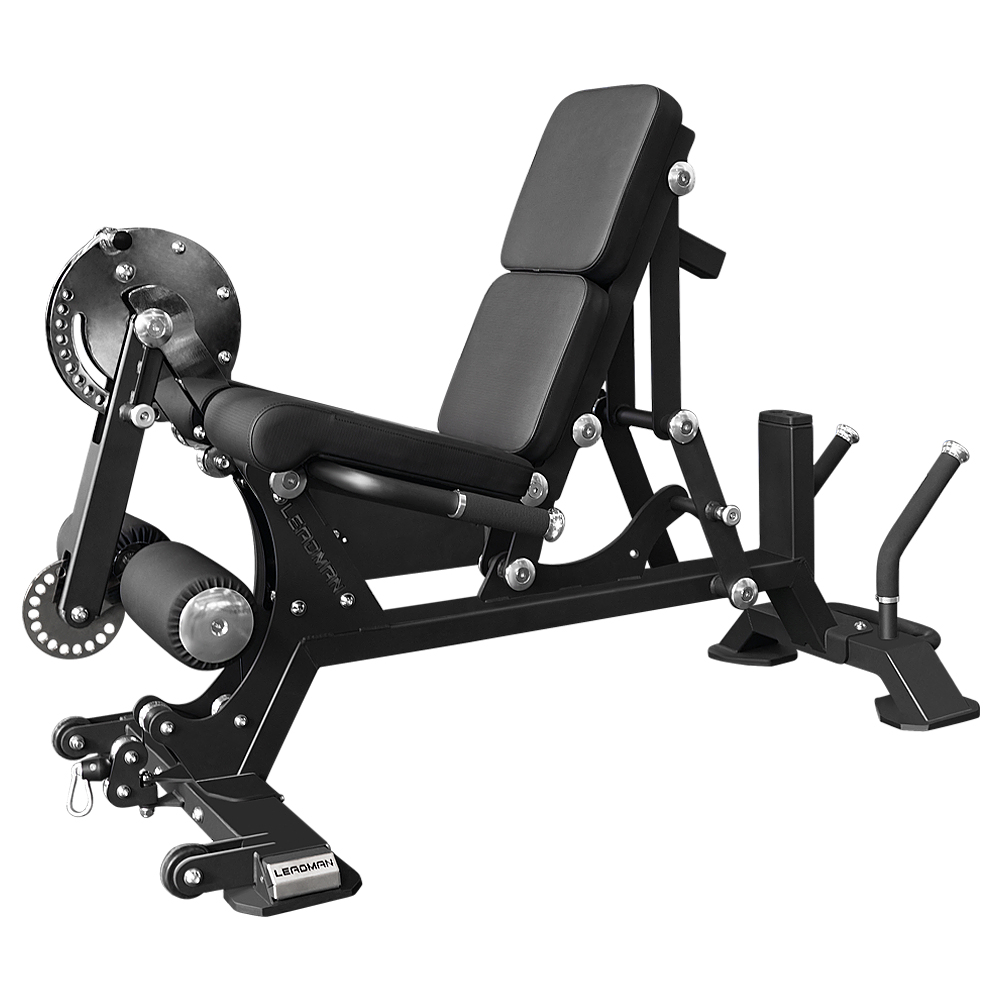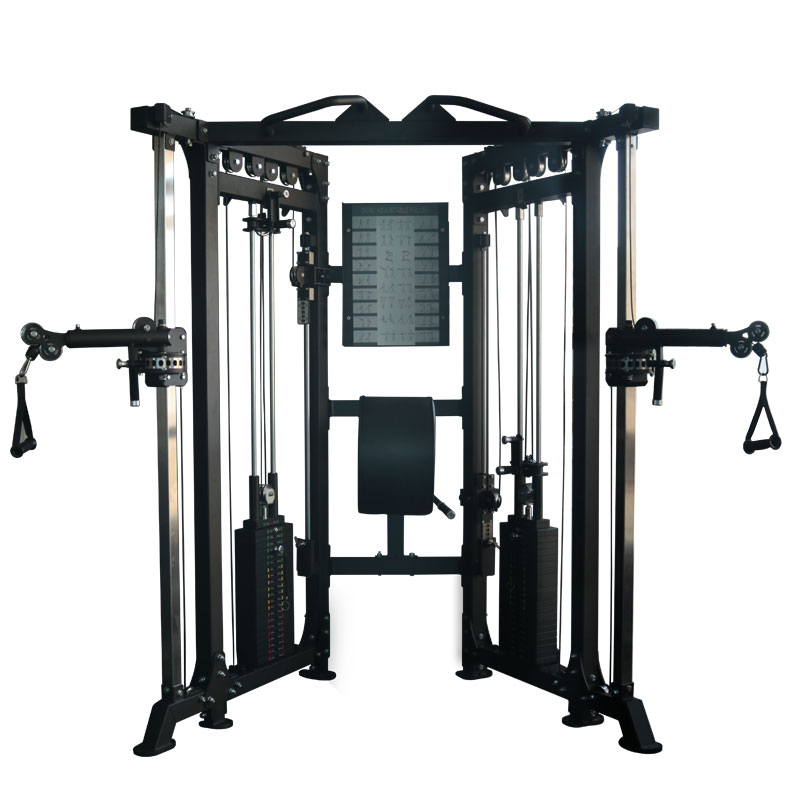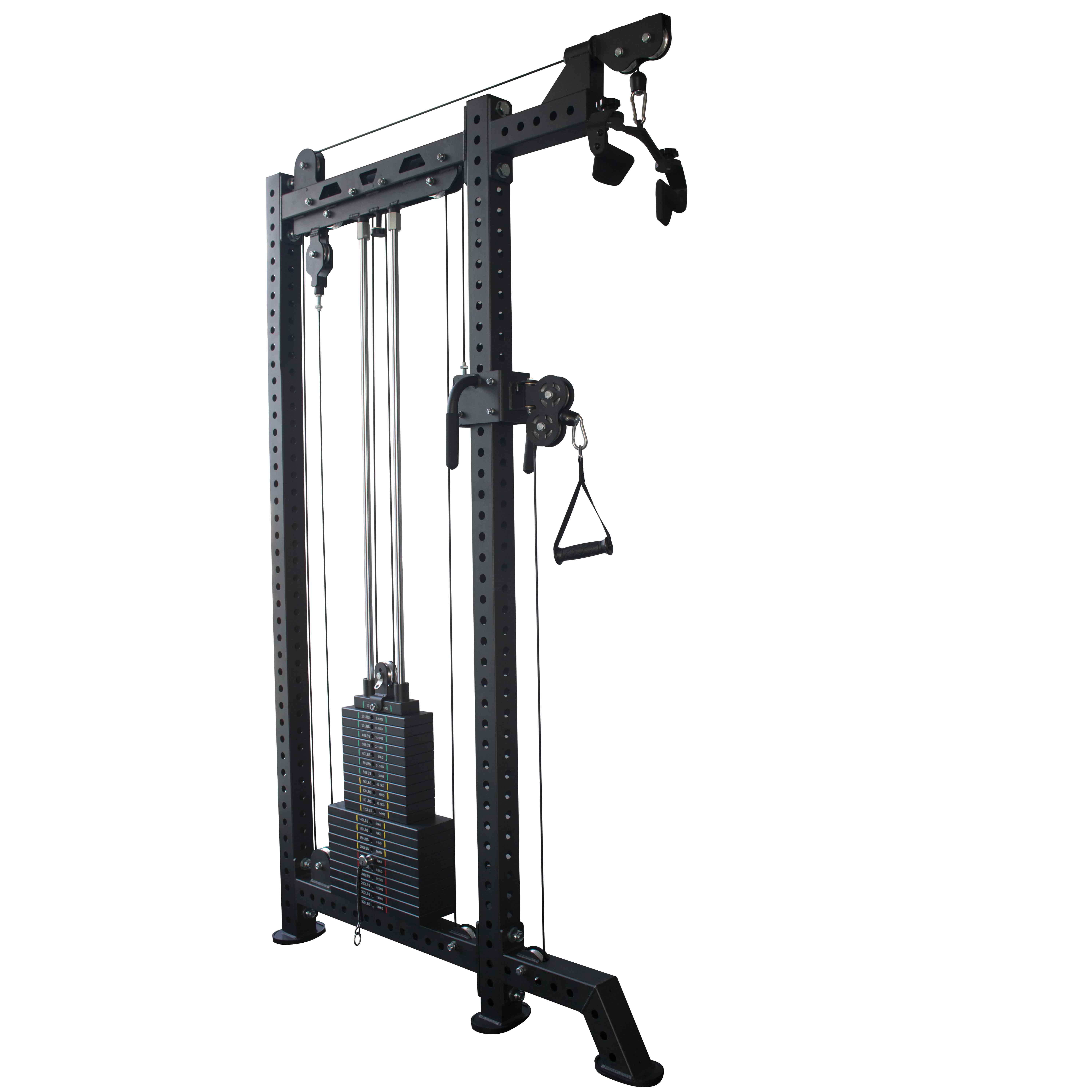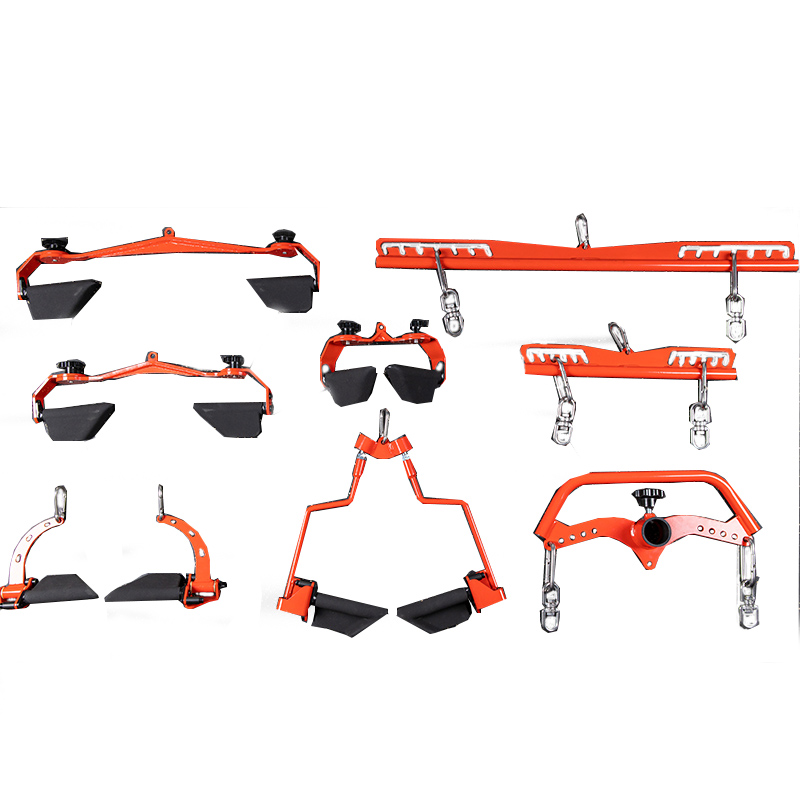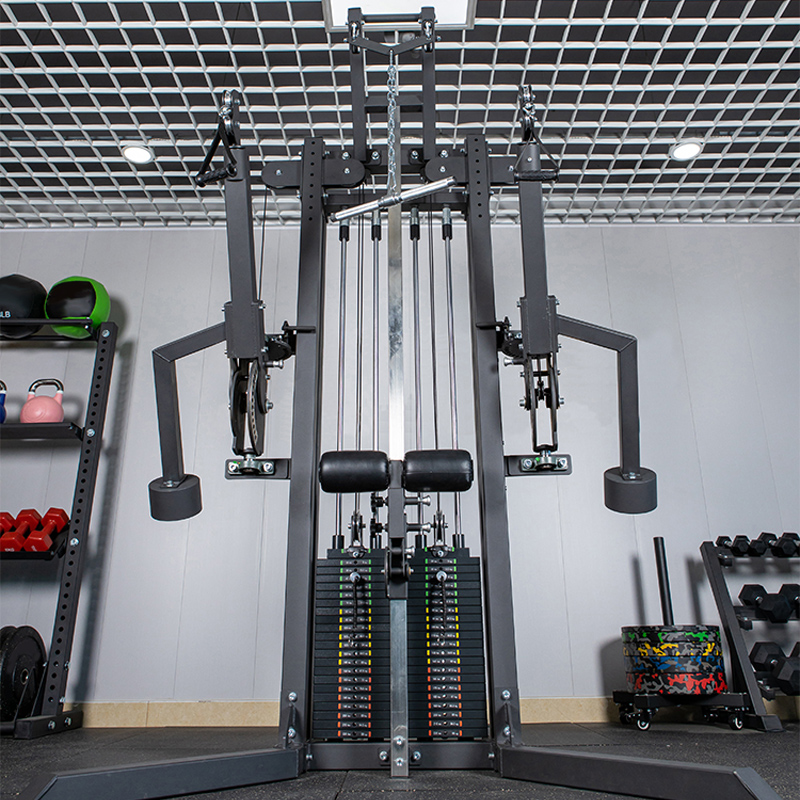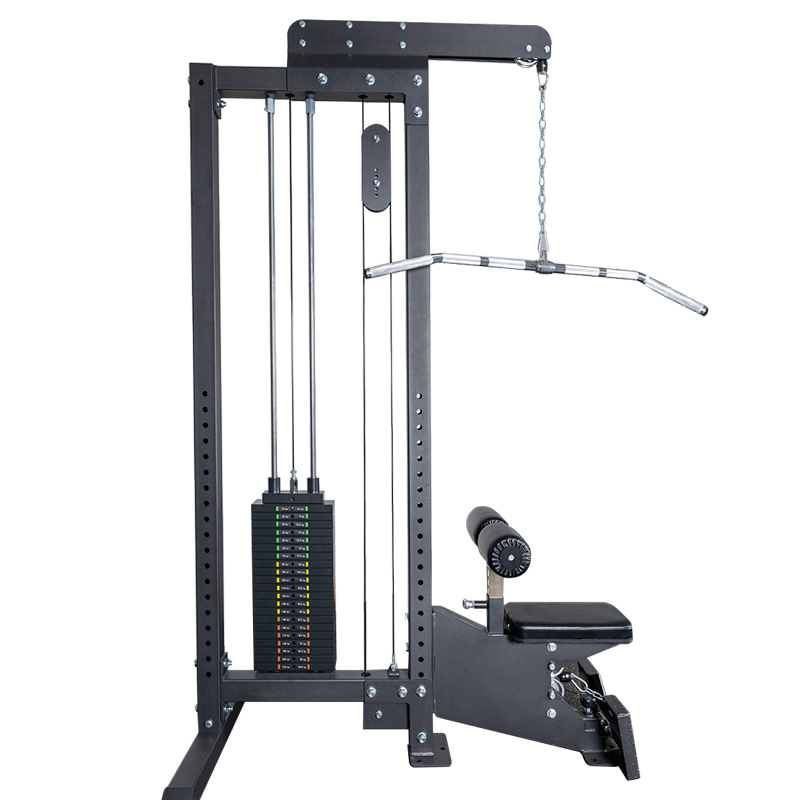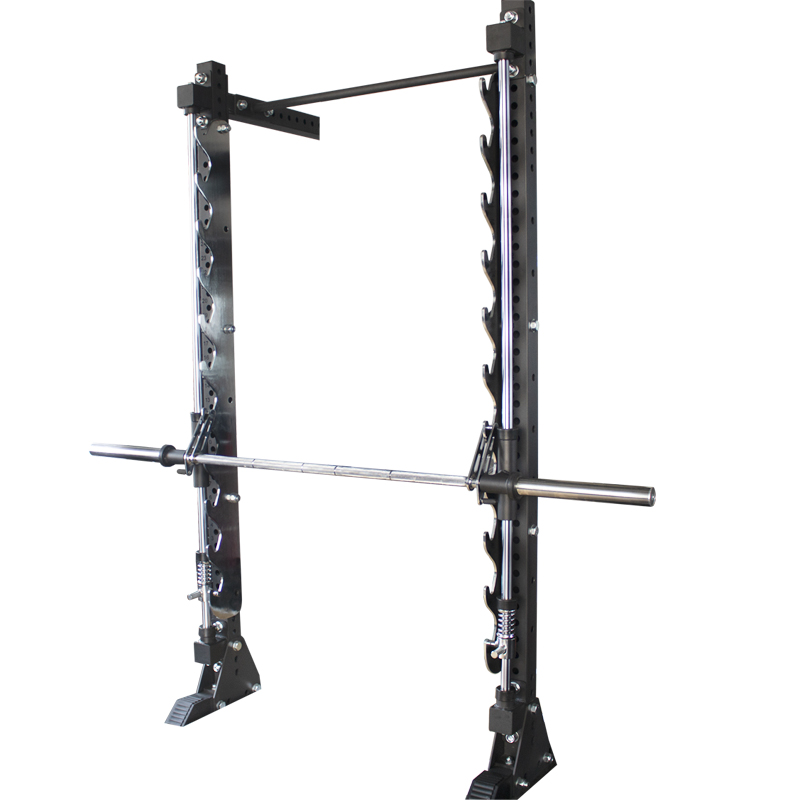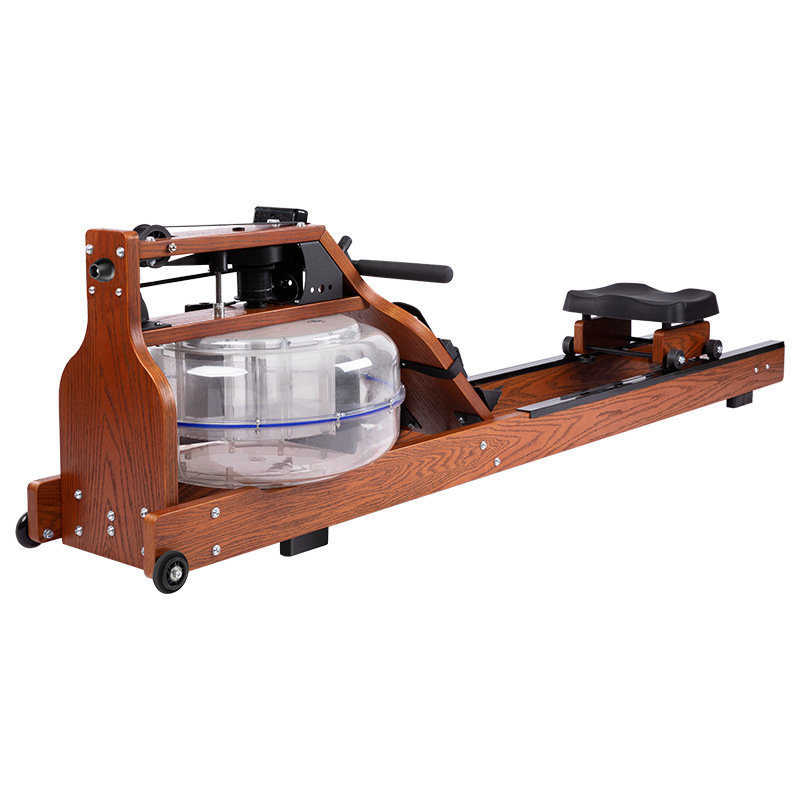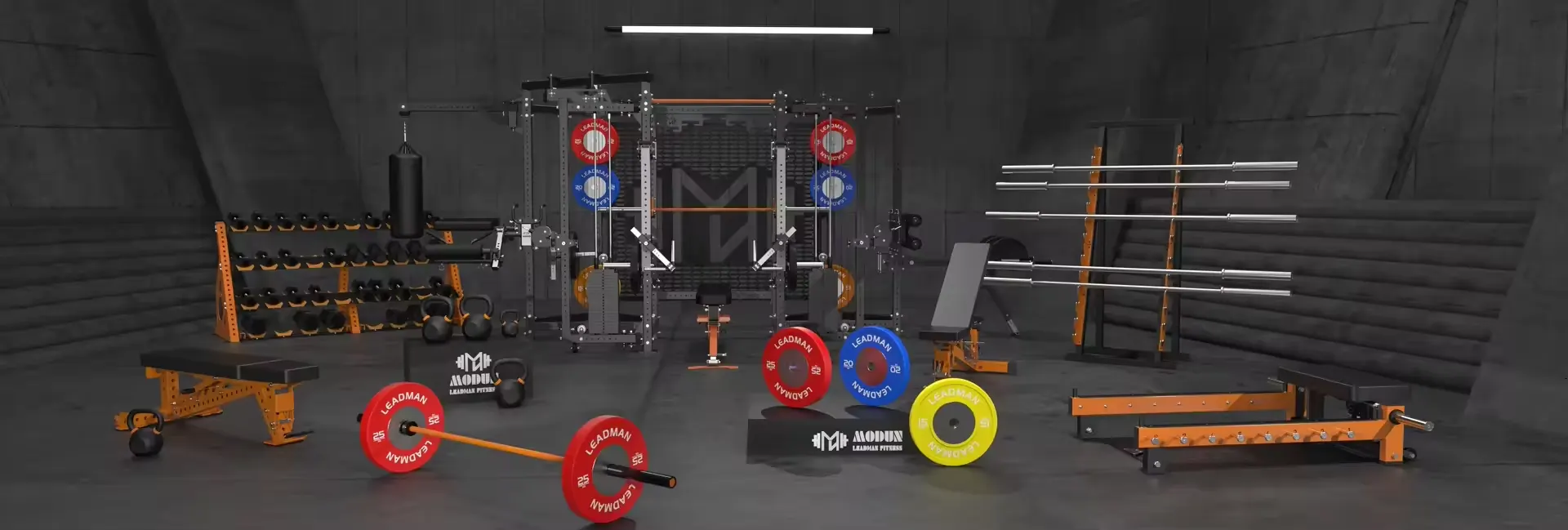
The landscape of commercial fitness equipment companies is defined by a relentless pursuit of durability, biomechanical precision, and user engagement. These firms cater to a discerning clientele—gyms, hotels, corporate wellness centers, and athletic training facilities—where equipment must withstand constant, heavy usage while delivering a premium user experience. The primary differentiator in this sector is not just the quality of steel and bearings, but the integration of sophisticated data ecosystems that transform raw workout metrics into actionable performance insights.
Commercial buyers typically seek total facility solutions rather than individual machines. Commercial fitness equipment companies respond by offering modular systems and cohesive design languages that maximize floor space and aesthetic appeal. This approach simplifies maintenance and brand consistency for the facility operator. A recent market analysis indicates that the global commercial fitness equipment market is projected to grow at a steady compound annual growth rate, largely fueled by the expansion of high-end boutique studios and the retrofitting of traditional gyms with technologically advanced stations.
Strategic partnerships are reshaping the industry. Commercial gym equipment suppliers are increasingly collaborating with software developers to create closed-loop experiences, where the equipment communicates with wearables and mobile apps. This synergy not only enhances the user's journey but also provides gym owners with valuable occupancy and performance data. Such intelligence enables dynamic pricing models, personalized member retention strategies, and predictive maintenance schedules, effectively reducing downtime and operational costs.
However, the industry faces significant pressure from rising raw material costs and complex supply chains. Leading commercial fitness brands are navigating these hurdles by diversifying their supplier base and exploring alternative materials without compromising structural integrity. Many are also investing in digital twins and simulation technology to streamline product development, ensuring new models meet safety and performance standards before physical prototyping begins. This strategic agility is becoming a hallmark of market leadership.
Looking ahead, the trajectory for commercial equipment hinges on creating a hospitality-level experience within the fitness environment. Fitness equipment for commercial use must now be intuitive, whisper-quiet, and visually striking to attract a consumer base accustomed to luxury retail. The integration of immersive media, such as virtual racecourses and augmented reality coaching, is moving from a novelty to a baseline expectation. Consequently, the most successful companies are those that blend robust engineering with the finesse of consumer electronics.
Let our experts design the perfect gym solution for your business. Get a free consultation and quote today.