

Why Equipment Branding Matters for Commercial Facilities
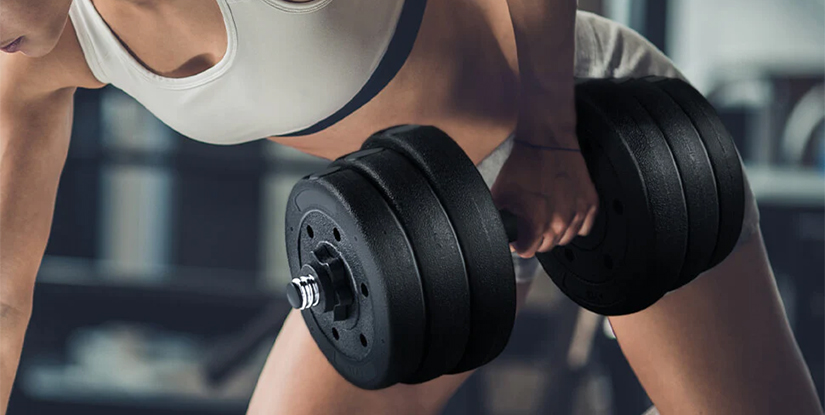
Facility managers often overlook the subtle but critical distinction between unbranded hardware and professionally branded commercial-grade equipment. On the surface, a generic weight bench or a non-branded treadmill appears functionally equivalent to a branded unit. However, the true value of branding in a commercial environment extends far beyond a visible logo; it serves as a technical indicator of accountability, parts standardization, and operational reliability. When a facility experiences a mechanical failure, the lack of a distinct brand identity often leads to a total breakdown in the maintenance pipeline, causing prolonged downtime and increased total cost of ownership.
The Operational Risk of Unbranded Equipment Procurement
The primary problem encountered when sourcing unbranded or generic equipment is the lack of a clear technical lineage. Without a reliable brand name, an operator is essentially purchasing a 'black box' component. This becomes a critical failure mode during the first significant mechanical breakdown or when a specialized replacement part is required.
The cause of this issue is the fragmented manufacturing landscape where generic parts are produced across various non-standardized assembly lines. Because there is no centralized brand oversight, there is no guarantee that a replacement bolt, bearing, or electronic controller will match the original specifications. This lack of standardization forces facility managers to engage in 'trial-and-error' procurement, which is both expensive and time-consuming.
To mitigate this risk, procurement teams must shift their focus from initial purchase price to long-term technical support availability. A branded approach ensures that every component has a documented history and a verifiable path for replacement.
Identifying the 'Ghost Component' Trap
A 'ghost component' is a part that exists in your facility but has no identifiable manufacturer or technical documentation. When these parts fail, the technician is forced to guess the dimensions, tolerances, and material compositions. This leads to the following negative outcomes:
- Extended Downtime: Waiting for a custom-machined part because a standard replacement does not fit.
- Safety Non-Compliance: Using a generic part that does not meet the original safety tolerance of the machine.
- Warranty Invalidity: Using non-standardized components that void any remaining manufacturer assurances.
Technical Standardizations and the Role of Brand Identity
Professional branding serves as a proxy for standardized engineering. When a manufacturer invests in a brand, they are essentially publishing a technical promise that every unit produced under that name will adhere to a specific set of tolerances and material grades. This standardization is the backbone of efficient commercial operations.
In a high-traffic commercial facility, the mechanism of reliability is built on predictability. An operator needs to know that if a cable snaps on a cable machine, the replacement cable will have the exact same tensile strength and diameter as the original. Branded equipment provides a reliable specification sheet that allows for this precision. Without a brand, these specifications are often non-existent or highly variable.
| Feature Parameter | Branded Equipment Standards | Unbranded/Generic Outcomes |
|---|---|---|
| Part Interchangeability | High; standardized across models | Low; unique to every unit |
| Technical Documentation | Comprehensive manuals and CAD files | Limited or non-existent |
| Material Verification | Standardized steel grades and coatings | Variable and unverified materials |
| Support Response | Direct access to technical engineers | Requires third-party guesswork |
Explore the complete technical specifications:
Hidden Costs of Choosing the Wrong Fitness Equipment Manufacturer
Preventing Maintenance Cascades Through Part Uniformity
A maintenance cascade occurs when the failure of one poorly documented part leads to the failure of multiple adjacent systems. In unbranded equipment, this is a frequent occurrence. For example, if a generic bearing fails and is replaced by a non-standardized version, the increased friction may place undue stress on the motor or the drive belt, leading to a secondary failure.
The fix for this is the implementation of a strictly branded inventory system. By ensuring all critical wear parts originate from the same manufacturer or are specifically approved by that brand’s engineering standards, the facility maintains a controlled technical environment.
Verification Checklist for Procurement Officers
Before approving a purchase order for high-use equipment, use the following verification steps to ensure technical accountability:
- Request a Technical Spec Sheet: Does the vendor provide a detailed breakdown of material grades and tolerances?
- Verify Parts Catalog Availability: Can the vendor provide a digital parts manual for the specific model?
- Confirm Long-term Support: Is there a documented process for sourcing replacement components 24–36 months after purchase?
- Check Compliance Certifications: Does the brand hold recognized industry safety certifications?
Explore the complete technical specifications:
The Financial Impact of Brand-Driven Reliability
While the initial acquisition cost of branded equipment is typically higher, the Total Cost of Ownership (TCO) is often significantly lower than that of unbranded alternatives. The financial logic rests on the reduction of 'hidden costs'—those associated with downtime, specialized labor, and frequent replacements.
Consider the mechanism of labor efficiency. A technician can repair a branded piece of equipment much faster because the parts are readily available and the assembly process is documented. With unbranded gear, the technician must spend hours researching, measuring, and sourcing, which inflates the billable hours per repair incident.
Comparing Lifecycle Costs: A Theoretical Overview
The following table illustrates how a slight increase in initial capital expenditure (CAPEX) translates to long-term operational expenditure (OPEX) savings through branding.
| Cost Element | Unbranded (Low CAPEX/High OPEX) | Branded (High CAPEX/Low OPEX) |
|---|---|---|
| Initial Purchase | $ (Baseline) | $$ (15-30% higher) |
| Annual Maintenance Labor | High (Due to troubleshooting) | Low (Predictable cycles) |
| Average Downtime Per Year | Significant (Parts sourcing delays) | Minimal (Standardized parts) |
| Equipment Lifespan | Shortened (Unpredictable wear) | Extended (Engineered durability) |
Explore the complete technical specifications:
Standardizing Facility Safety with Recognized Brands
Safety is the most critical factor in any commercial facility. Branding is not just a marketing tool; in the context of industrial and commercial equipment, it is a safety standard. High-quality brands adhere to strict quality control (QC) protocols that ensure every unit leaving the factory meets specific safety thresholds.
The failure mode in unbranded equipment is often related to 'material fatigue.' A generic steel frame might look identical to a high-grade frame, but if the carbon content or the tempering process is incorrect, it may fail under stress. This creates a massive liability for the facility operator. When a branded piece of equipment fails, the brand assumes a level of responsibility through their technical oversight and documented testing procedures.
Pro-Tip for Operators: Always verify the ASTM or equivalent material standards on a brand's technical spec sheet before committing to a large-scale facility installation.
Optimizing Asset Management Through Brand Consolidation
A common mistake made by expanding facilities is 'brand drift'—purchasing various types of equipment from different, unrelated suppliers to save money on small individual orders. This creates a nightmare for the facility's asset management team.
The cause of this complexity is the lack of a centralized technical database. When every machine has a different part number, a different maintenance requirement, and a different vendor contact, the management system becomes too heavy to maintain. The result is skipped maintenance and eventual equipment failure.
To optimize your facility, consolidate your equipment under a few reliable brands. This allows for:
- Bulk Parts Ordering: Reducing shipping costs and inventory complexity.
- Simplified Staff Training: Technicians only need to learn a few standardized operating and repair protocols.
- Streamlined Vendor Management: One point of contact for all technical issues and warranty claims.
Future-Proofing Your Facility with Technical Provenance
As commercial facilities move toward more automated and integrated environments, the need for equipment with a clear digital footprint is increasing. Modern branded equipment often comes with integrated IoT capabilities or at least a robust digital documentation trail that can be integrated into Building Management Systems (BMS).
Unbranded equipment, by its very nature, remains isolated. It cannot easily integrate into a smart facility because it lacks the standardized communication protocols and the verifiable data required for predictive maintenance. Choosing branded equipment today is an investment in the technological readiness of your facility for the next decade.
Final Verification Step: When reviewing a new equipment line, ask the supplier: "Does this equipment provide a digital maintenance log or a standard interface for facility management software integration?" If the answer is no, you are purchasing a legacy tool, not a future-proofed asset.