

How to Reduce Grid Dependency in Your Fitness Center
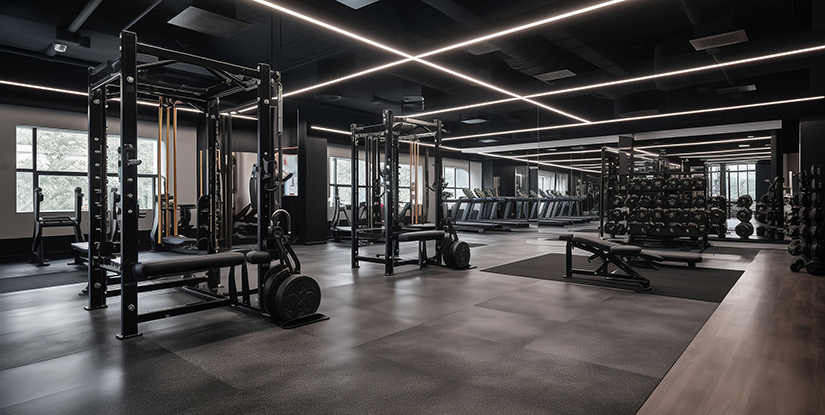
A prevalent misconception among facility operators is that a fitness center's energy consumption is an unchangeable fixed cost. Many assume that because heavy-duty treadmills, large-scale HVAC systems, and high-intensity lighting are non-negotiable, the facility is permanently tethered to the volatility of the electrical grid. However, this view ignores the rapid evolution of kinetic energy harvesting, smart load management, and decentralized power systems. Reducing grid dependency is not merely about installing solar panels; it is about a fundamental shift from being a passive consumer to an active energy manager.
Challenging the Myth of Static Energy Consumption
Many gym owners believe that high-intensity training environments inherently require massive, uninterrupted draws from the grid. This stems from a misunderstanding of how modern commercial-grade equipment operates. Traditional cardio machines are pure energy sinks, but a new generation of equipment is designed to be energy-neutral or even energy-positive. By failing to integrate kinetic recovery and intelligent load shedding, operators leave significant margins for cost reduction on the table.
The problem lies in the 'always-on' mentality. When every treadmill and air conditioning unit is set to a default state of high readiness, the facility incurs massive 'phantom loads.' This inefficiency causes high peak demand charges, which often represent a larger portion of a utility bill than total kilowatt-hour usage. To move away from total grid reliance, an operator must first identify these hidden drains.
The Transition from Passive Consumption to Active Generation
Transitioning to a more autonomous model requires a multi-layered approach. It starts with the equipment itself—moving from machines that only draw power to those that can harvest the mechanical energy produced by users. This is the first step in creating a micro-ecosystem within the facility where the activity of the members directly supports the operational overhead.
Explore the complete technical specifications:
Leveraging Kinetic Energy Harvesting Equipment
The most direct way to reduce dependency is through the procurement of energy-generating exercise equipment. Unlike standard electrical machines, kinetic-recovery units utilize the mechanical work performed by the athlete to generate electricity. This generated power can be fed back into the facility's internal circuit or used to charge internal battery banks.
Mechanism of Action: When a user operates a commercial-grade kinetic bike or rower, the resistance mechanism acts as a generator. This process converts mechanical energy into electrical energy. In advanced configurations, this energy is stored in localized supercapacitors or lithium-ion battery arrays, which can then power low-voltage systems like LED lighting or digital display consoles, effectively decoupling these systems from the main grid during peak hours.
| Equipment Type | Energy Potential | Primary Benefit | Implementation Complexity |
|---|---|---|---|
| Kinetic Cardio Machines | Low to Moderate | Offsets treadmill/bike internal power needs | Medium (Requires specific wiring) |
| Self-Powered Training Stations | Low | Eliminates plug-in requirements for specific zones | Low (Plug-and-play) |
| Regenerative Weight Stacks | Very Low | Minimal energy contribution; high tech appeal | High (Specialized integration) |
Common Failure Mode: A frequent mistake is purchasing kinetic equipment without verifying the facility's electrical compatibility. If the equipment generates power but the facility's inverter system cannot handle the fluctuating input, the energy is simply lost or can even cause circuit instability. Verification: Ensure your electrical contractor verifies the 'inverter-to-grid' or 'inverter-to-battery' capacity before installation.
Explore the complete technical specifications:
Optimizing HVAC Systems for Reduced Thermal Load
In most fitness centers, the HVAC system is the single largest consumer of electricity, often accounting for up to 50% of total energy expenditure. The problem is the extreme variance in thermal load: a room goes from empty (low heat) to a high-intensity HIIT class (extremely high heat and humidity) in minutes. Most systems react too late, causing massive spikes in energy draw.
The Fix: Demand-Controlled Ventilation (DCV). Instead of running fans and compressors at a constant high speed, DCV systems use CO2 and humidity sensors to adjust air exchange rates in real-time. This prevents the system from over-cooling a room that has low occupancy or over-ventilating during low-intensity hours.
Smart Thermal Zoning and Airflow Management
Rather than treating the entire gym as one large thermal zone, operators should implement micro-zoning. For instance, the heavy cardio zone requires significantly more cooling and ventilation than the yoga or stretching area. By installing localized ventilation controls, you can direct energy only where it is needed, drastically reducing the constant pull from the grid.
Implementing Intelligent Lighting and Control Protocols
Lighting is often treated as a secondary concern, yet it is one of the easiest areas to automate for energy independence. The misconception is that high-quality lighting must be 'always on' to maintain a professional atmosphere. In reality, the human eye and modern sensors can maintain safety and aesthetics with far less continuous power.
- Occupancy-Based Dimming: Instead of full brightness, use sensors to maintain 20% brightness in low-traffic areas (like locker rooms or weight aisles), ramping up to 100% only when movement is detected.
- Daylight Harvesting: Use sensors to detect natural light from windows and automatically dim the internal LED arrays.
- Circadian Lighting Schedules: Program the intensity to decrease during evening hours when heavy-duty equipment usage typically drops.
Verification: Use a lux meter or a smartphone light-meter app to check that 'dimmed' zones still meet minimum safety standards (typically 150-300 lux for walkways) during low-occupancy periods.
Advanced Strategies: Solar Integration and Battery Storage
To truly achieve a state of reduced grid dependency, an operator must look toward external generation and storage. Solar photovoltaics (PV) are the gold standard, but for a fitness center, the goal isn't just generating power—it's managing the timing of power usage.
The Battery Buffer Concept: A major problem for gyms is 'Peak Demand Charges.' These occur when the facility draws a massive amount of power at once (e.g., when all treadmills and the AC kick in at 5:00 PM). A battery storage system allows you to charge the batteries during the morning (when solar production is high or utility rates are low) and discharge that power during the afternoon peak. This 'shaves' the peak, making the facility appear less taxing to the utility provider.
| Strategy | Investment Level | Complexity | Primary Goal |
|---|---|---|---|
| Solar PV Array | High | High | Direct energy generation |
| BESS (Battery Energy Storage System) | High | Medium | Peak shaving and load leveling |
| Smart Microgrid Controller | Medium | High | Automated energy distribution |
Operational Maintenance and Verification Checklists
Implementing technology is only half the battle; maintaining the efficiency of these systems is where the long-term ROI is realized. A common mistake is treating energy-saving hardware as 'install and forget.' If a sensor is dirty or a battery cell is degraded, the system reverts to inefficient modes without the operator even noticing.
The Daily/Weekly Operational Checklist
To ensure your reduction in grid dependency remains effective, implement the following routine inspections:
- Sensor Calibration (Monthly): Check that CO2 and occupancy sensors are responding to movement and air quality changes.
- Solar Panel Inspection (Quarterly): Check for debris, dust, or shade obstructions that may be reducing the yield of your PV system.
- Battery State-of-Health (Weekly): Monitor the discharge/charge cycles through your central management software to identify any anomalous energy drops.
- HVAC Filter Replacement (Bi-Monthly): Clogged filters force motors to work harder, increasing electricity draw and reducing the efficiency of your demand-controlled systems.
How to Verify System Performance
The only way to truly know if your strategies are working is through rigorous data analysis. Do not rely on a single monthly bill. Instead, use a smart energy meter that provides real-time data on: 1) Total consumption, 2) Peak demand levels, and 3) Self-generation yield. If your peak demand spikes correlate exactly with certain class times, you need to adjust your battery discharge or HVAC pre-cooling schedules.
Explore the complete technical specifications:
Fitness Equipment Factory vs. Trading Company: 7 Ways to Tell the Difference
The Future of Autonomous Fitness Facilities
As the technology matures, the gap between a standard consumer gym and a 'smart' facility will widen. We are moving toward an era where fitness centers function as small-scale microgrids. In this future, the energy produced by a thousand morning cardio sessions doesn't just disappear; it is stored, managed, and deployed to power the facility's evening lighting and ventilation.
Reducing grid dependency is no longer a luxury or a marketing gimmick; it is a strategic operational imperative. By addressing the root causes of high energy draw—from unoptimized HVAC to non-regenerative equipment—operators can build more resilient, profitable, and sustainable businesses.