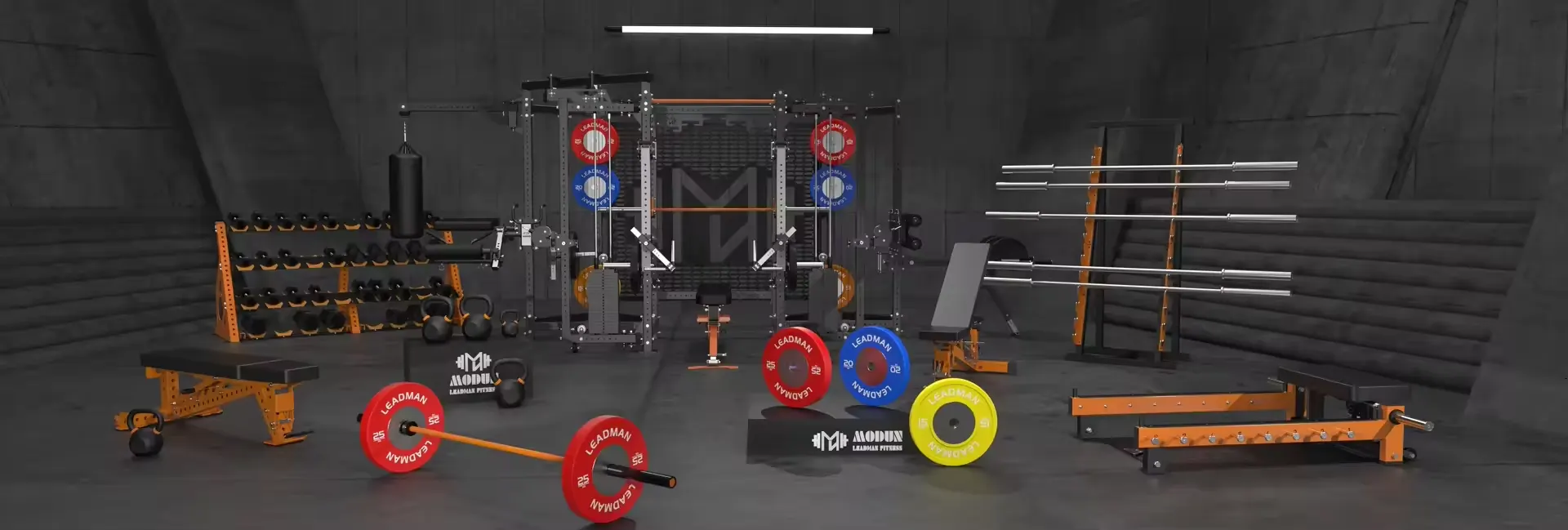
Wholesale gym plates represent a critical procurement category for commercial fitness facilities, with inventory decisions directly influencing operational efficiency, member satisfaction, and capital allocation. Unlike retail purchasing, wholesale procurement involves ordering large quantities—typically 200 to 1,000 plates per facility—with the objective of securing favorable pricing while ensuring sufficient equipment availability across multiple training stations. For facility operators and procurement managers, navigating wholesale gym plates requires understanding material configurations, sizing standards, and long-term cost considerations that extend beyond the initial purchase price.
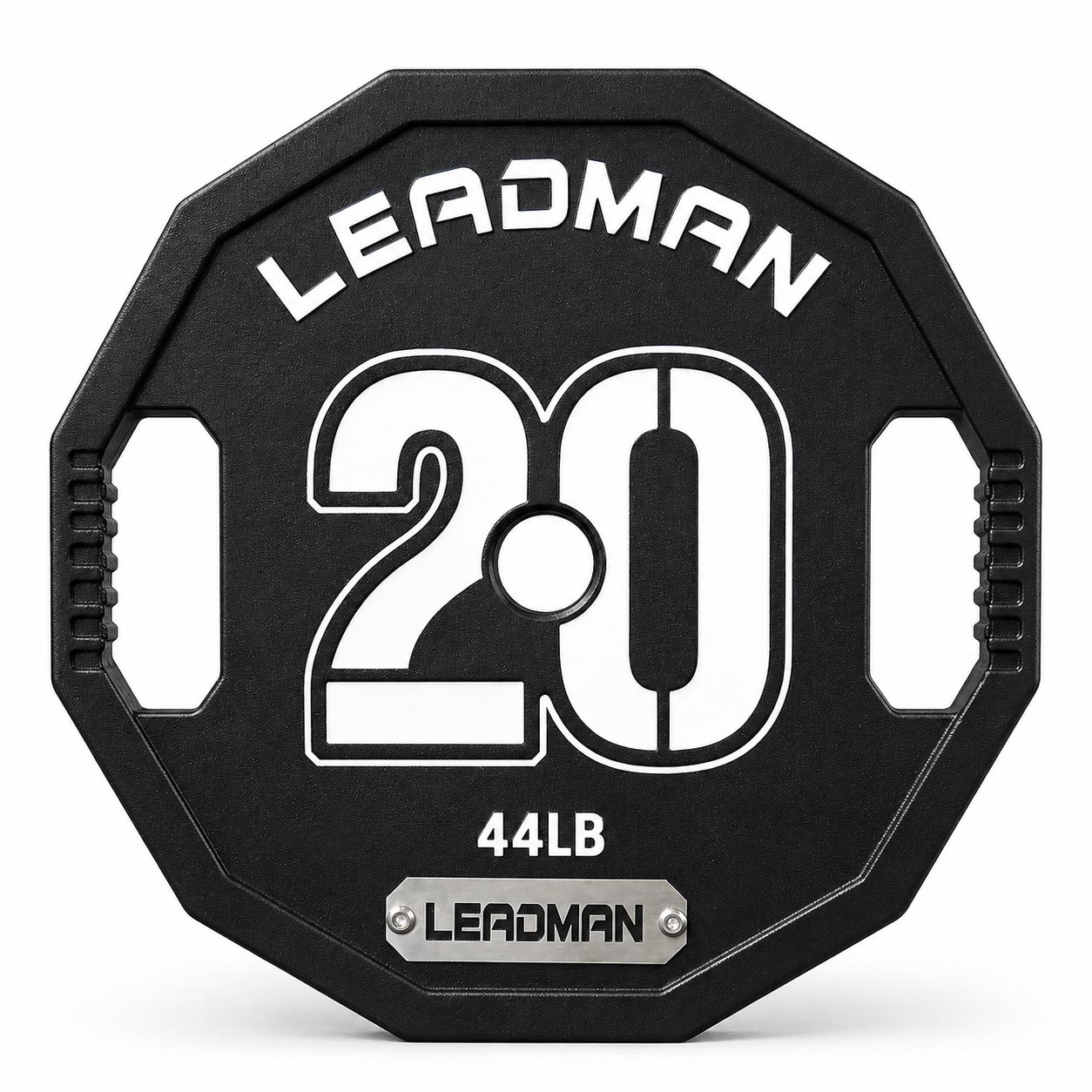
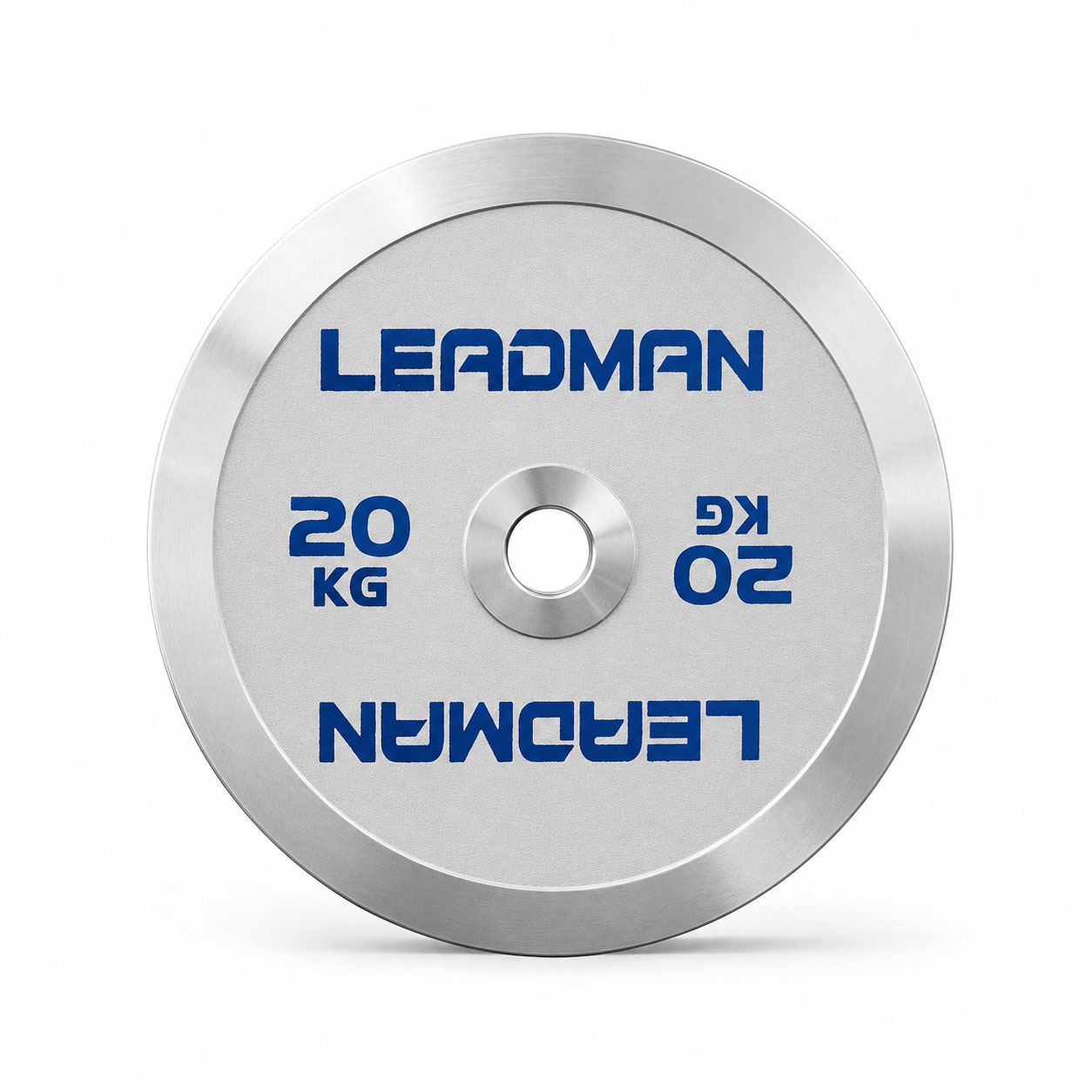
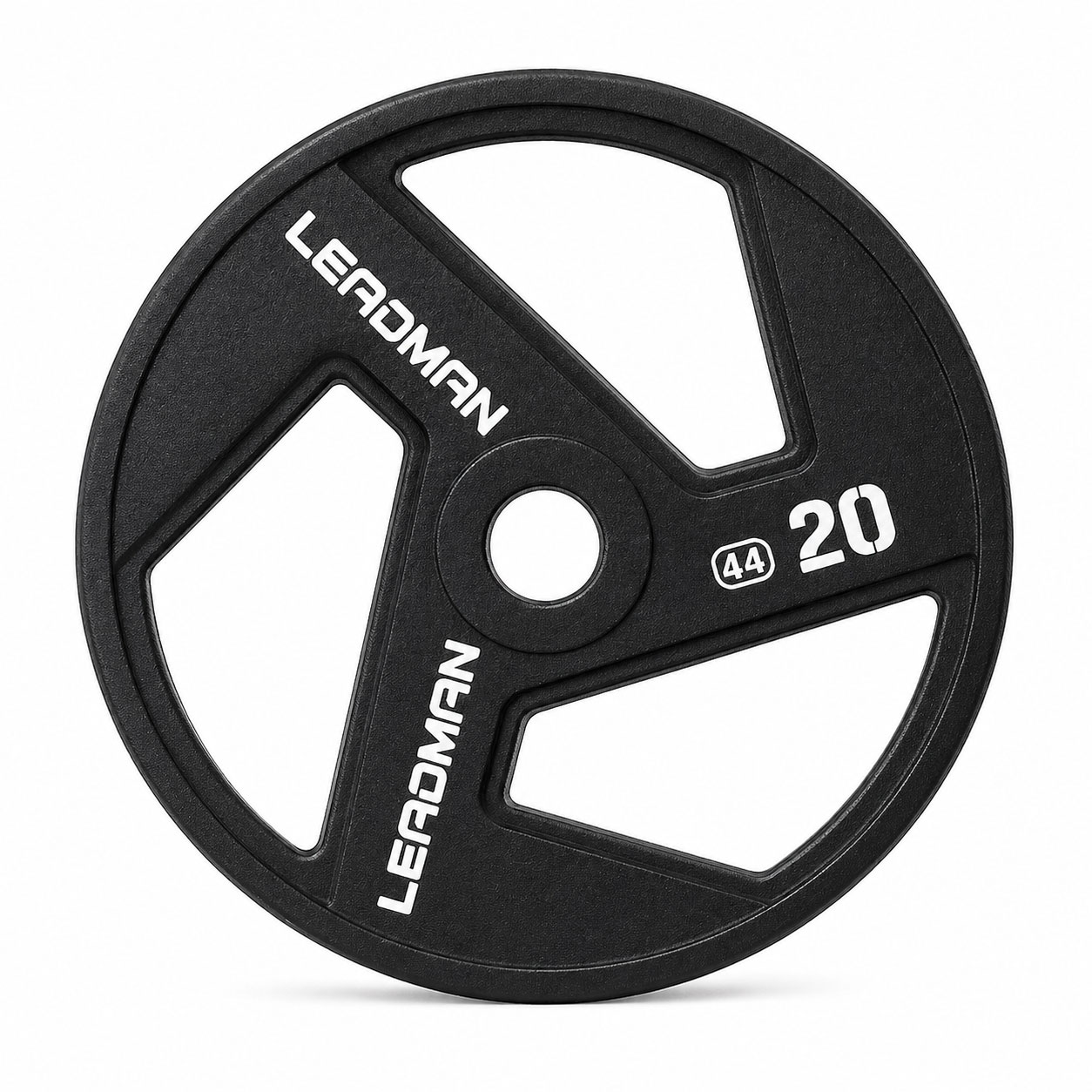
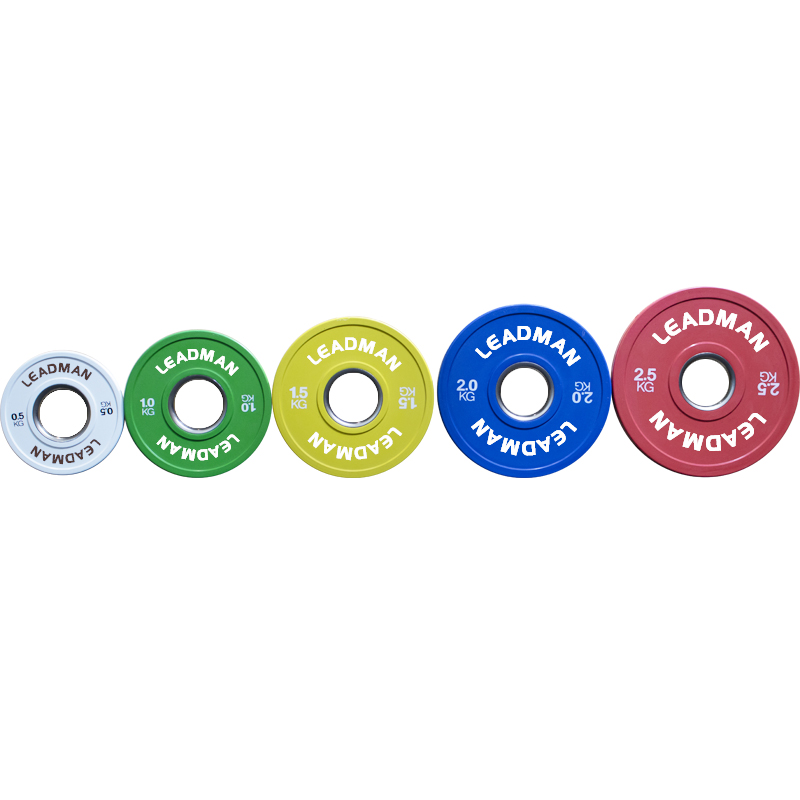
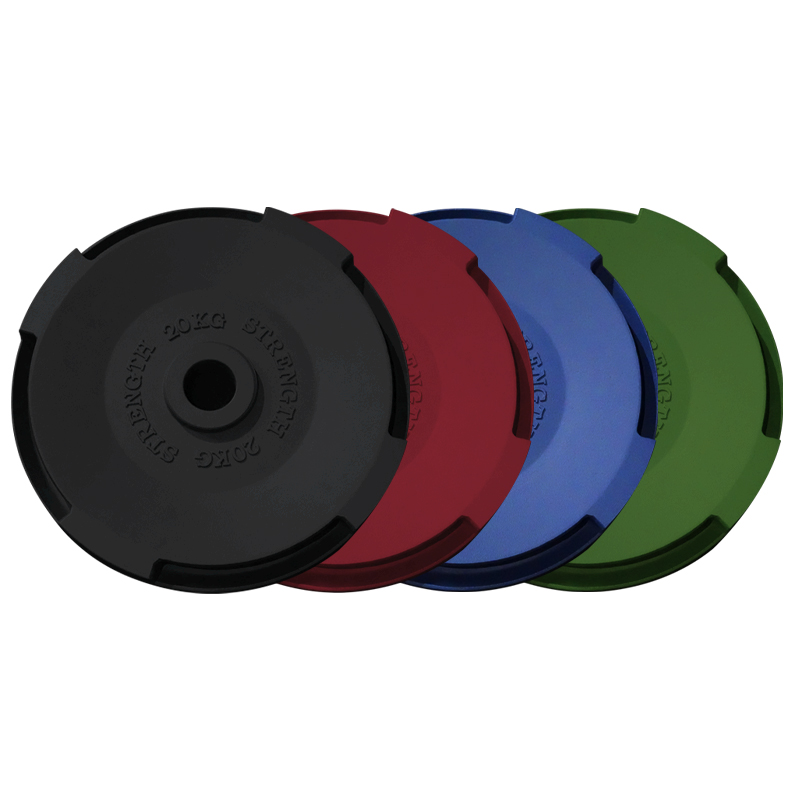
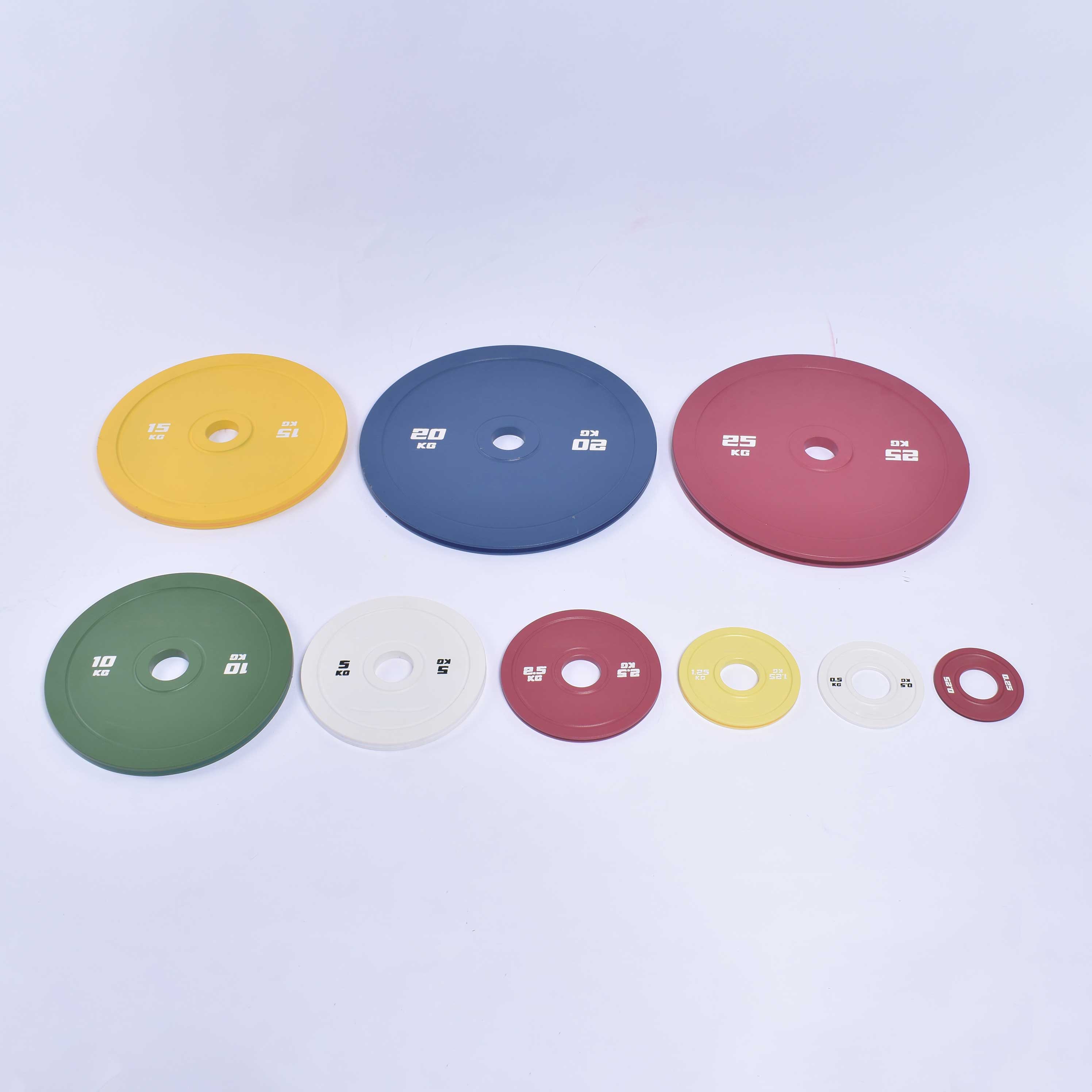
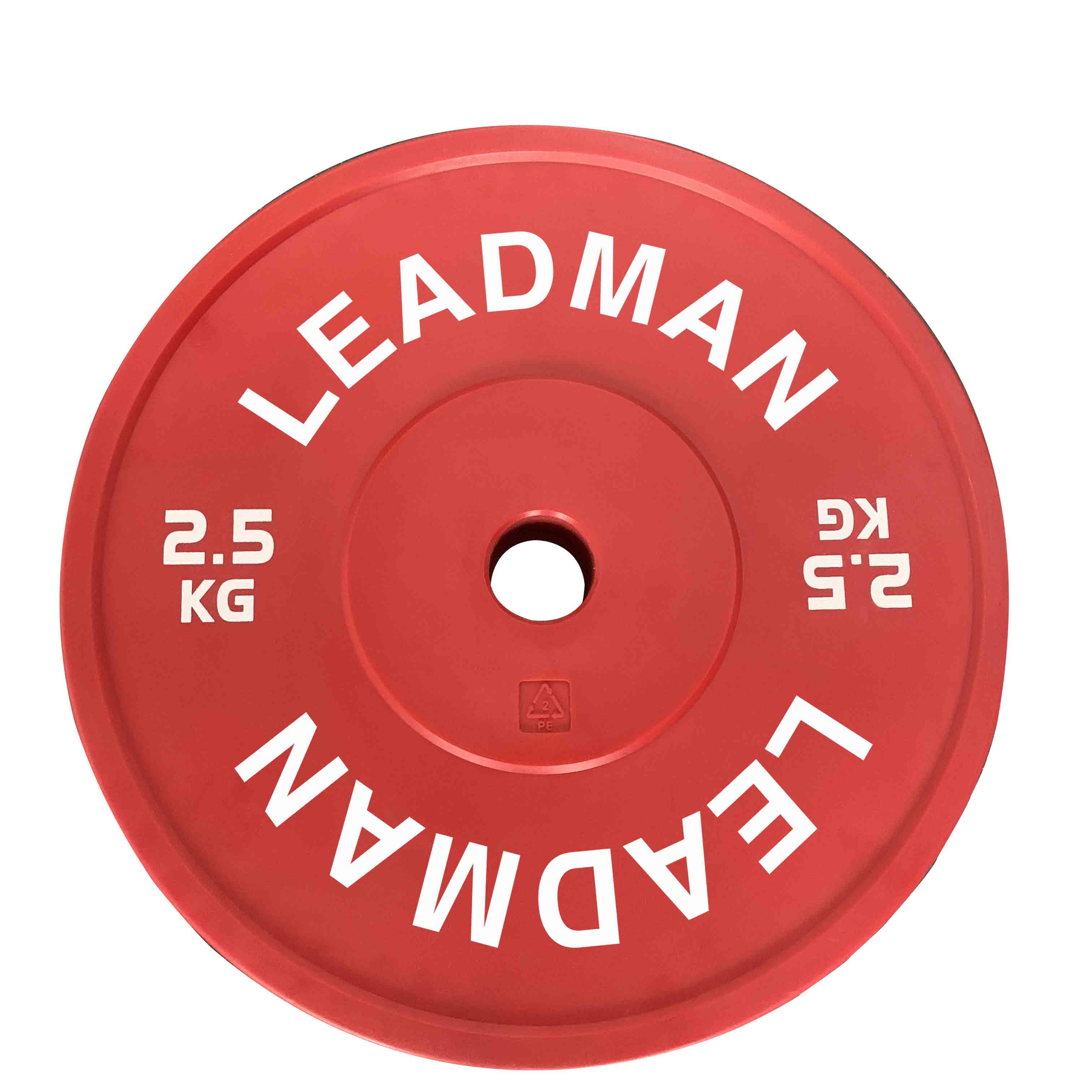
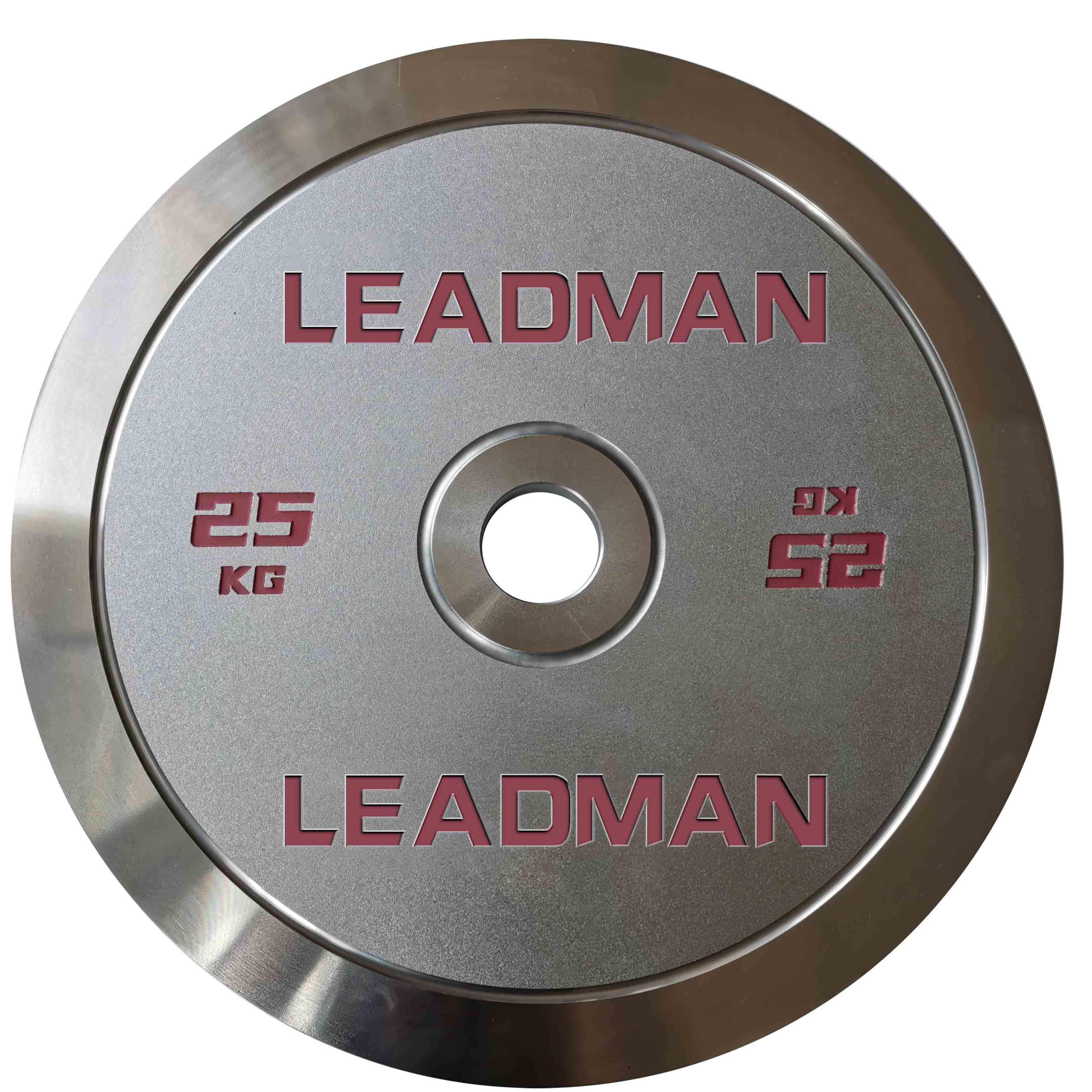
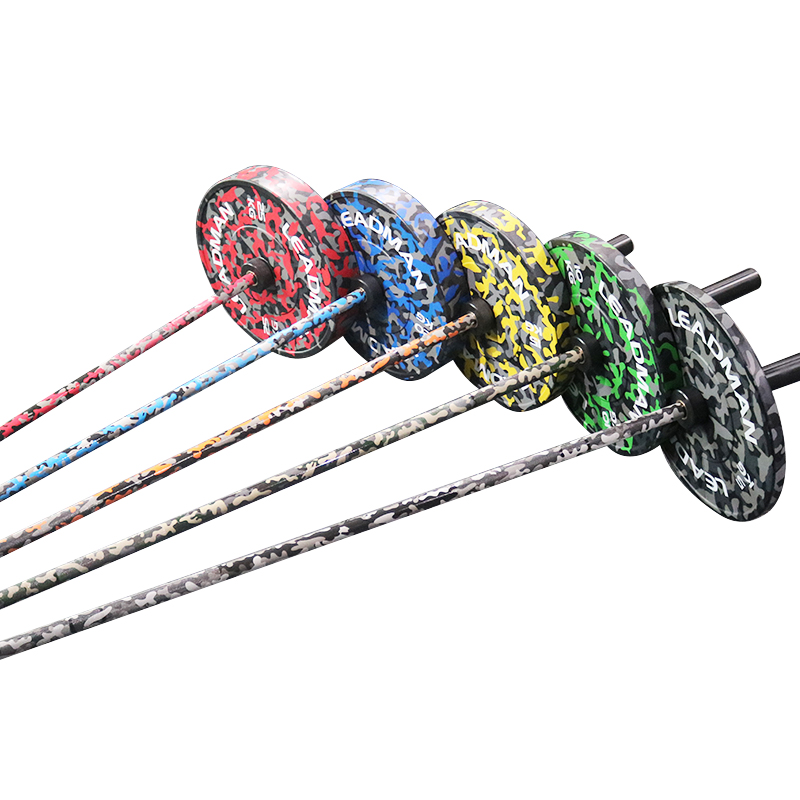
From a commercial procurement perspective, wholesale gym plates are available in two primary material configurations: cast iron and rubber-coated or solid rubber options. Cast iron plates remain the most cost-effective solution for general strength training, offering durability and reliability at a lower price point. Rubber plates—including bumper plates and rubber-coated alternatives—provide noise reduction and floor protection advantages that justify their higher cost for facilities where impact protection is a priority. A strategic inventory approach often involves a combination of plate types: rubber plates for Olympic lifting platforms and high-impact zones, with cast iron plates for general strength areas and plate-loaded machines where dropping is less frequent. Weight markings on wholesale plates must be clear and durable, with raised or engraved numbering that resists wear over years of handling in high-traffic environments.
Logistical considerations are paramount in wholesale gym plate procurement, with shipping weight and packaging representing significant cost variables. A complete plate set for a commercial facility typically weighs hundreds or thousands of kilograms, requiring specialized freight handling and delivery. Palletization—the strategic arrangement of plates on shipping pallets to maximize container space while ensuring product protection—directly affects shipping costs and should be evaluated during supplier selection. For bulk orders, suppliers often offer tiered pricing structures, with deeper discounts corresponding to higher purchase volumes. Minimum order quantities of 200-500 plates are typical for wholesale pricing, though smaller facilities or specialized training zones may meet minimums for less extensive orders. Establishing purchasing relationships with reliable wholesale gym plates suppliers also ensures priority allocation during supply constraints and access to competitive pricing on future equipment expansions.

Let our experts design the perfect gym solution for your business. Get a free consultation and quote today.