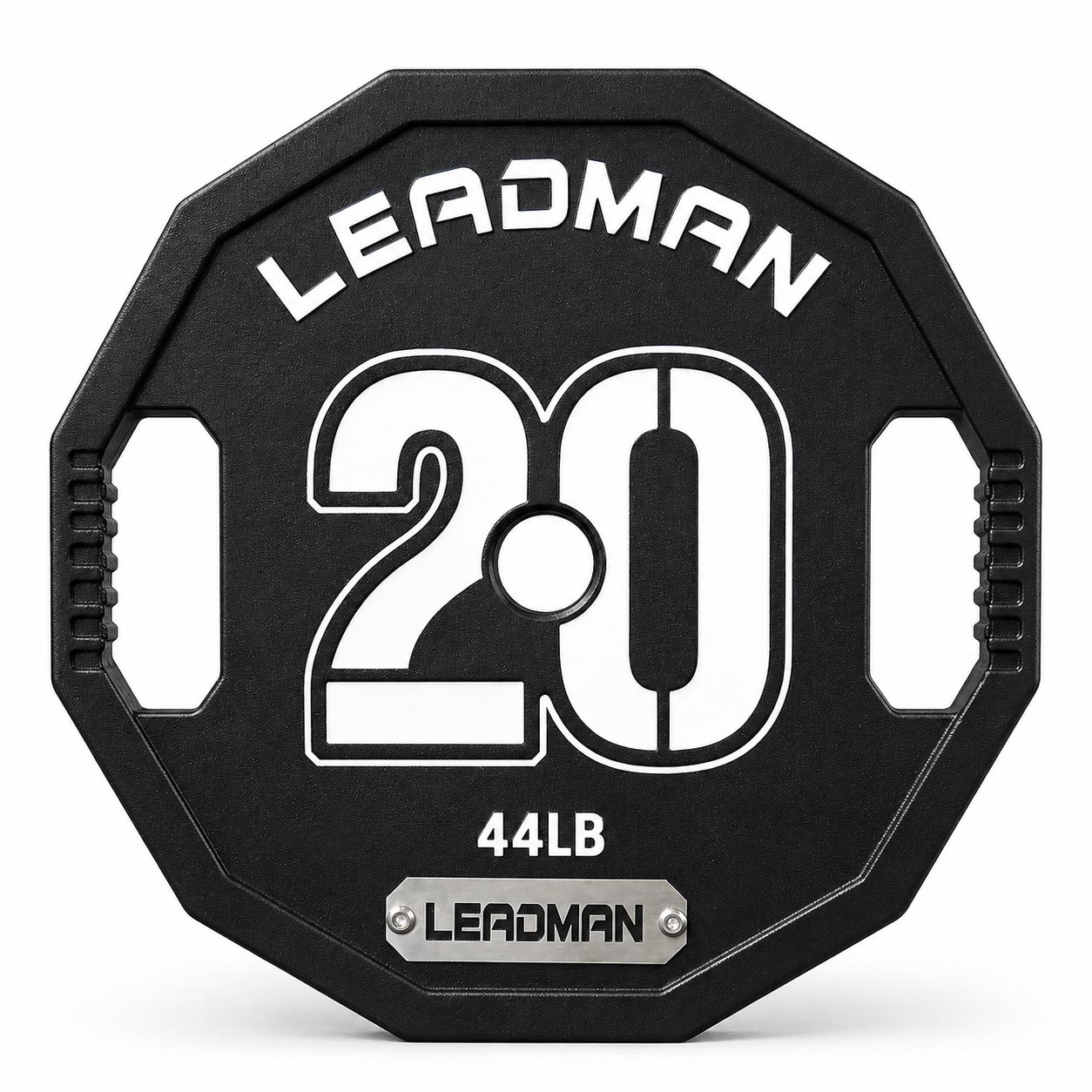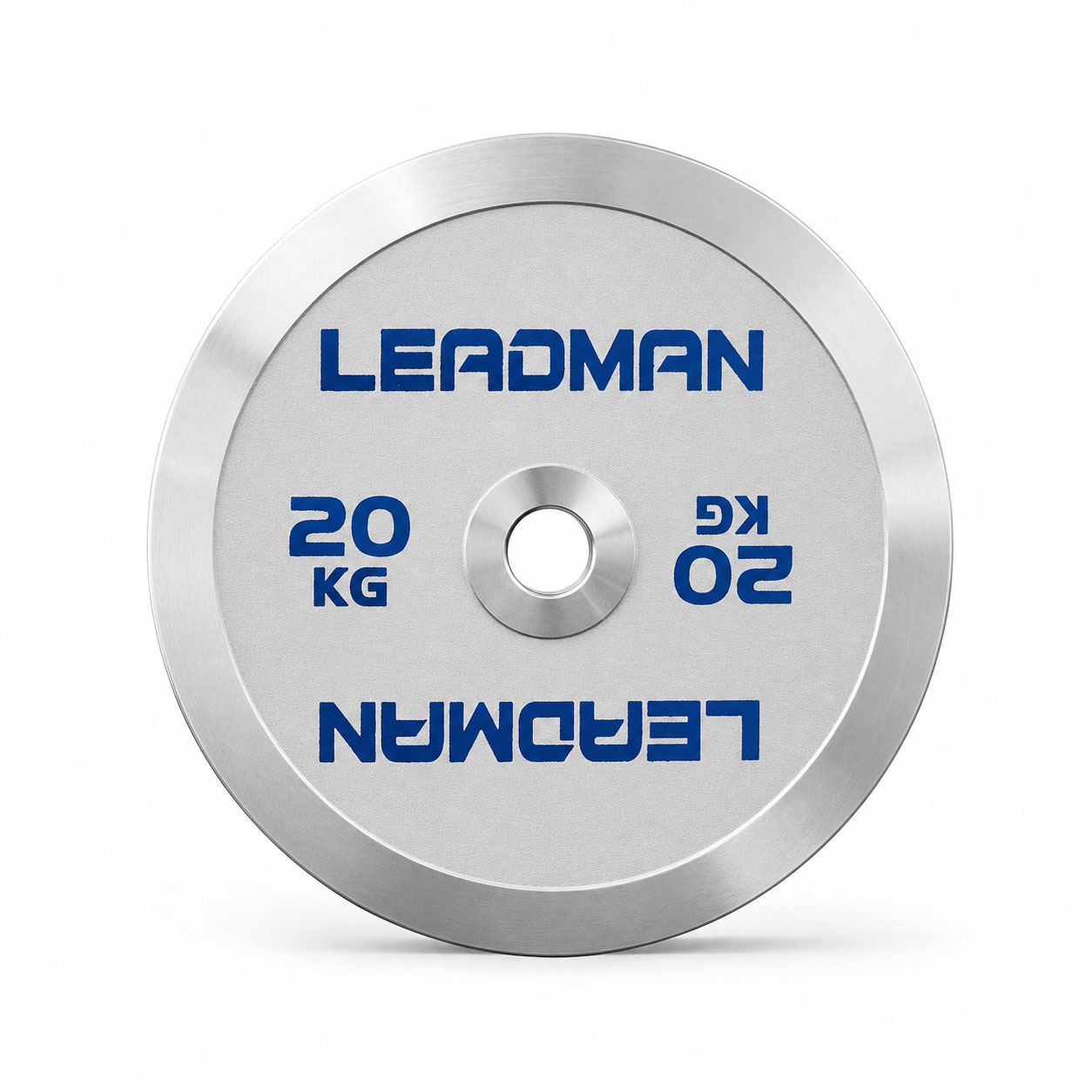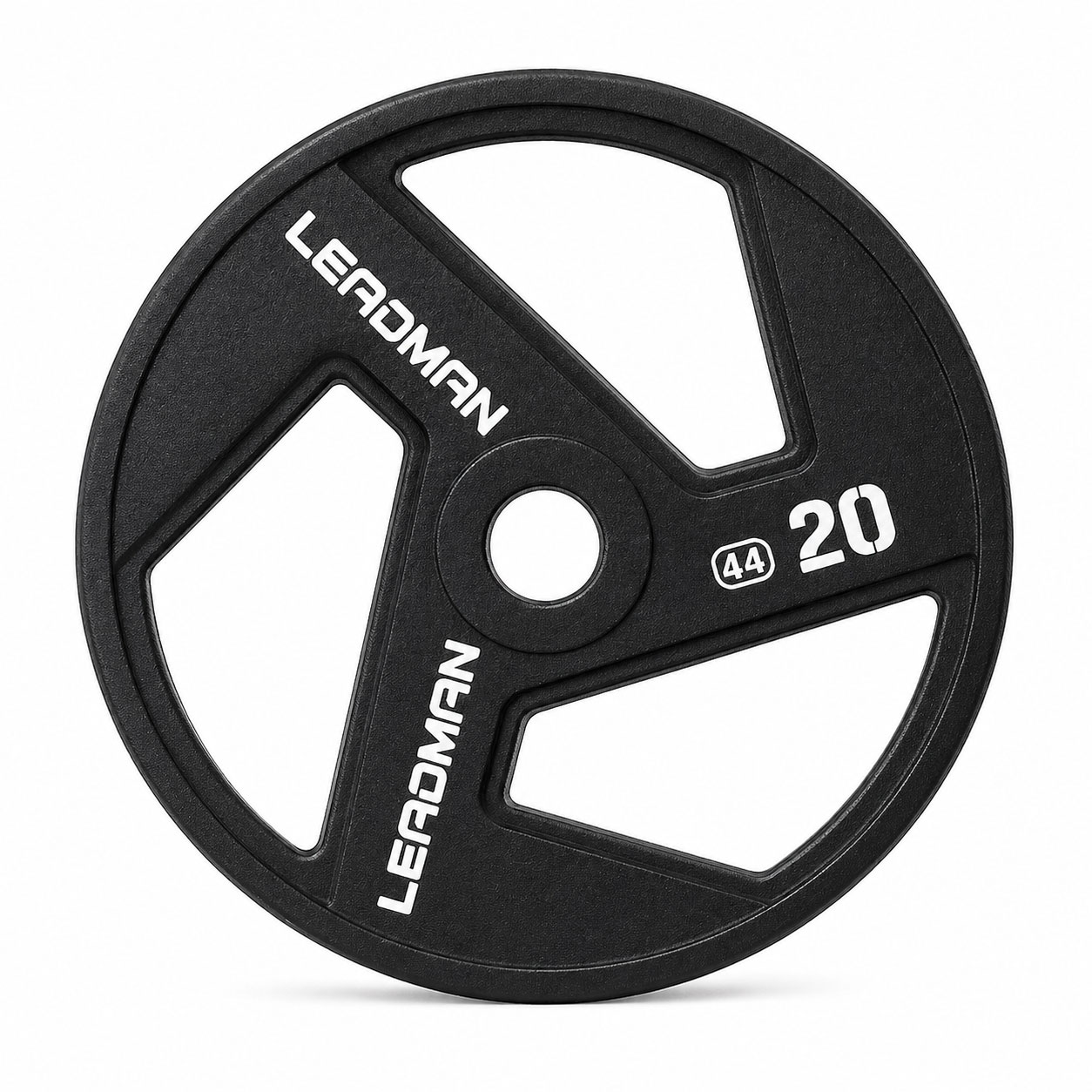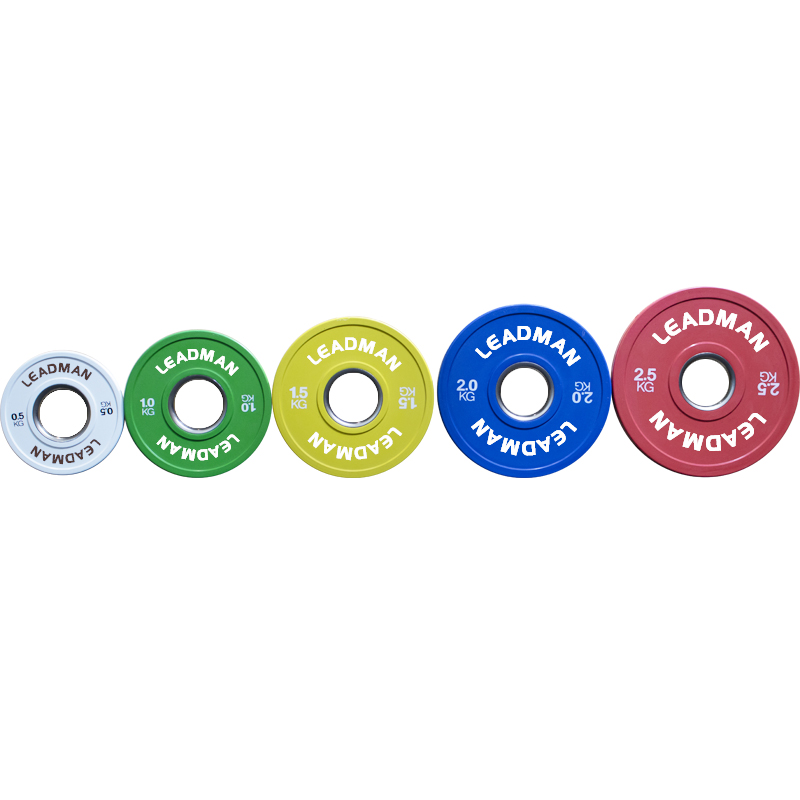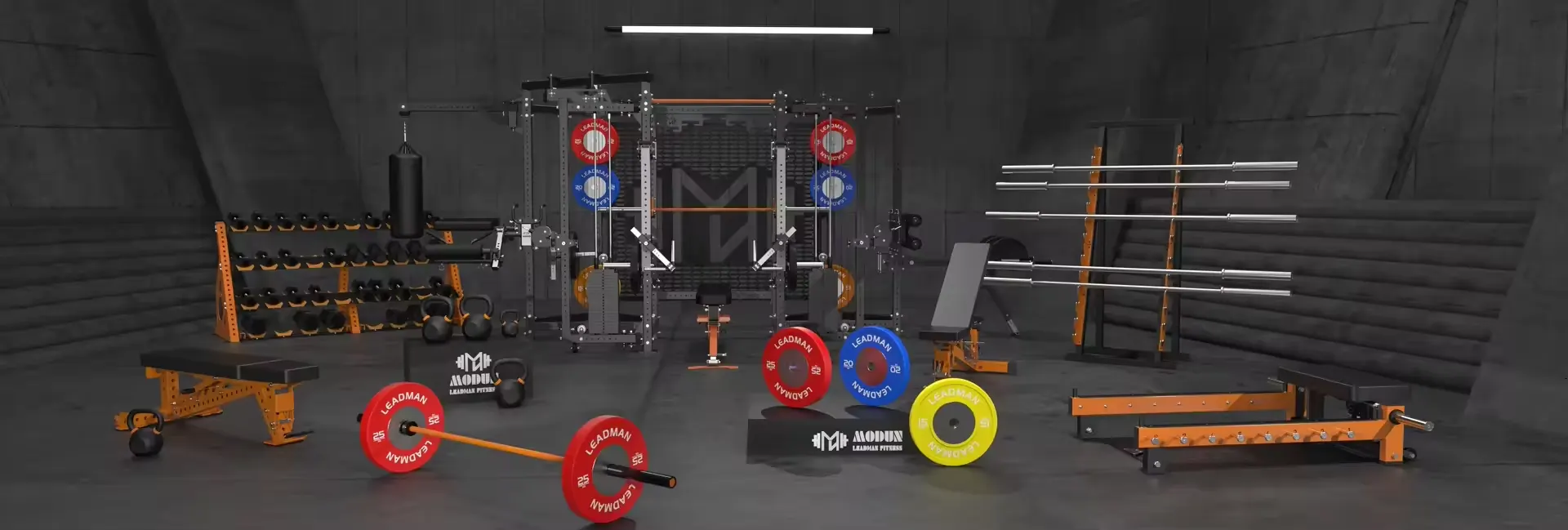
China has established itself as the world's primary manufacturing hub for fitness equipment, with weight plates representing a significant portion of the nation's export portfolio to commercial gyms globally. The scale of production offers undeniable cost advantages, with wholesale pricing often 40-60% lower than comparable Western-made equivalents. However, for procurement managers and facility operators, navigating the Chinese supply chain requires more than price comparison; it demands rigorous quality verification, logistics planning, and an understanding of how regional manufacturing clusters specialize in different types of weight plates.
The manufacturing landscape across China's fitness equipment industry is highly segmented. Factories located in the Pearl River Delta—particularly around Guangdong and Dongguan—specialize in rubber bumper plates, leveraging proximity to synthetic rubber suppliers and established shipping ports. Meanwhile, the Yangtze River Delta region, including Zhejiang and Jiangsu provinces, has traditionally focused on cast iron and urethane-coated plates, benefiting from local steel mills and a mature metalworking industry. For buyers, this geographical specialization means the same supplier may not be optimal for both rubber and cast iron plate procurement, making targeted sourcing strategies essential for cost and quality optimization.
Quality control remains the primary concern for international buyers sourcing weight plates from China. Reputable manufacturers adhere to international standards such as EN 957 and ASTM F2216, but buyers must independently verify compliance through third-party inspections. The most significant variable affecting plate longevity is the precision of the center hole machining—a poorly machined hub insert leads to excessive barbell sleeve wear and plate wobble, compromising the user experience and increasing equipment replacement frequency. For bulk purchasers, conducting factory audits, requesting material composition certificates, and implementing random batch sampling protocols are non-negotiable steps to ensure consistent product quality across large-scale orders.
Let our experts design the perfect gym solution for your business. Get a free consultation and quote today.