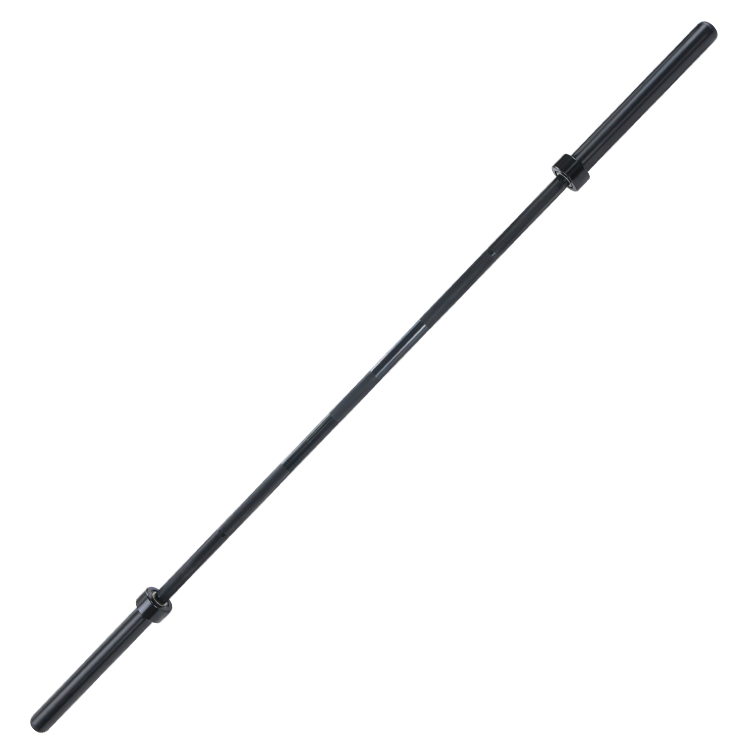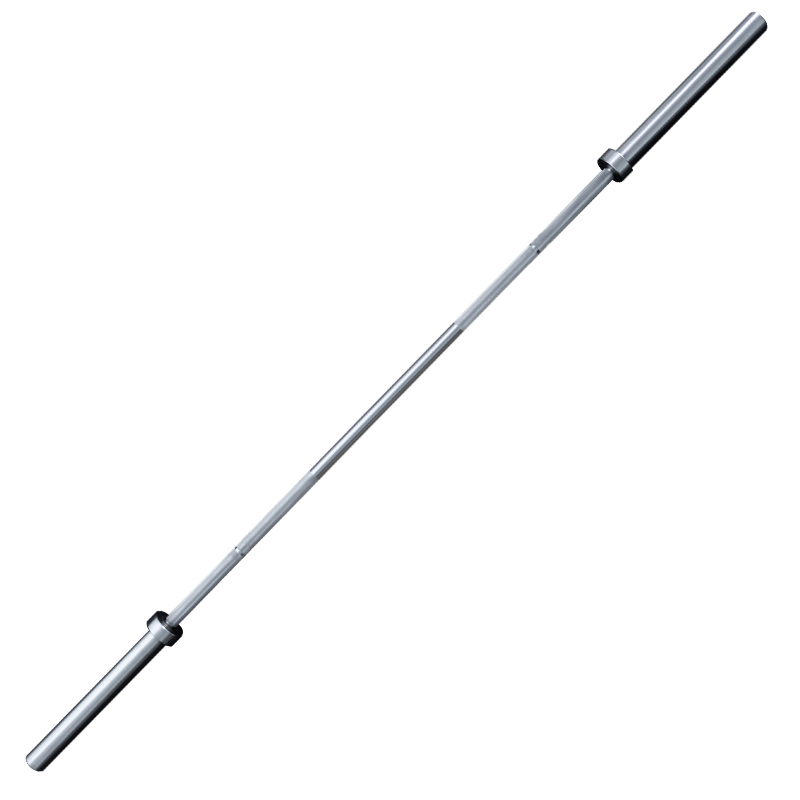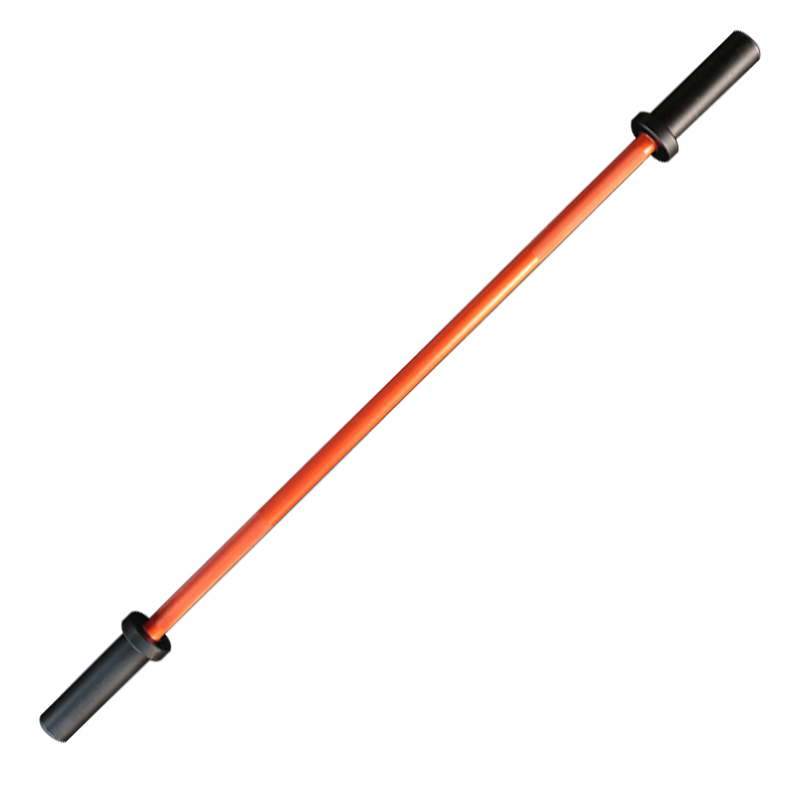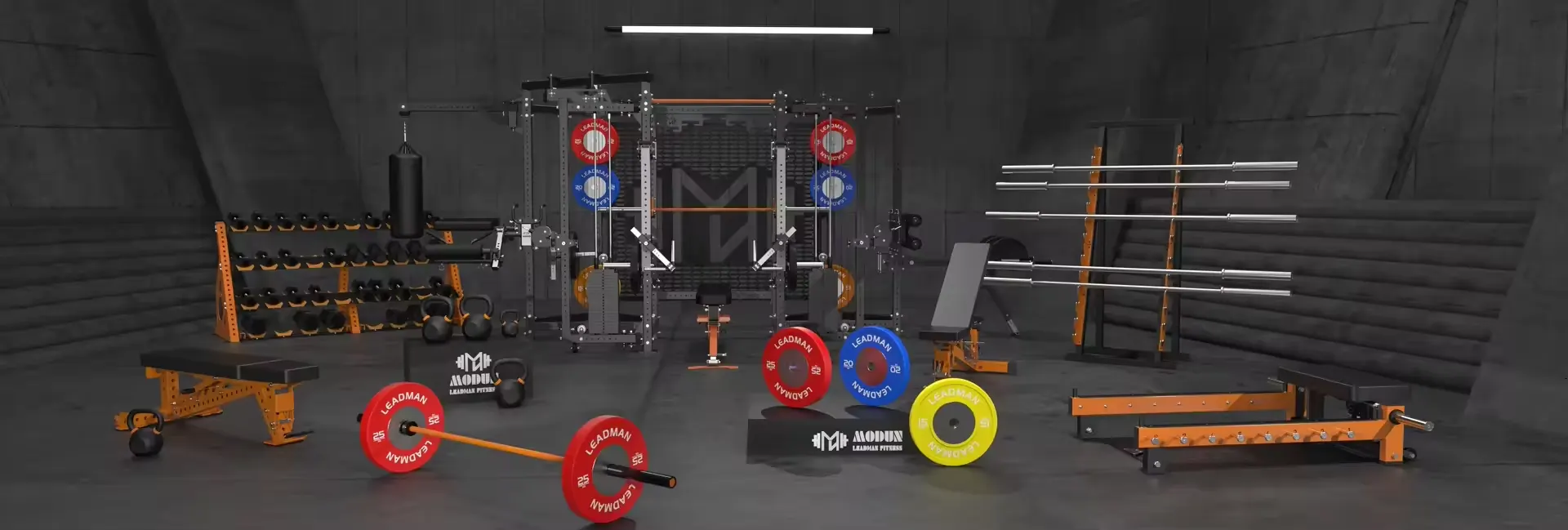
The weight of a bar might seem like a trivial detail reserved for equipment manuals, yet it is one of the most misunderstood variables in strength training. Knowing the precise mass of the barbell you are lifting is not merely a matter of record-keeping; it directly impacts load calculation, program progression, and safety. A standard Olympic barbell weighs 20 kilograms (44 pounds) for men and 15 kilograms (33 pounds) for women, but variations abound across specialty bars, training bars, and technique bars. This seemingly simple figure becomes critical when designing periodized training blocks, as even a 5-kilogram discrepancy can skew intensity percentages and compromise long-term athletic development.
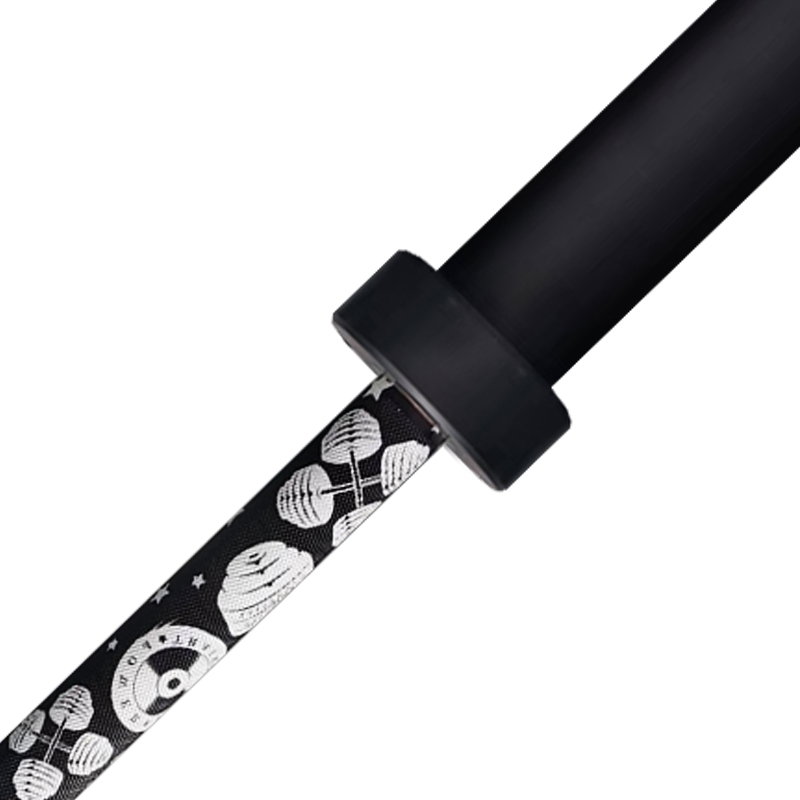
Olympic barbell weight specifications are governed by international standards, yet the real-world application often reveals inconsistencies. The International Weightlifting Federation (IWF) mandates that a men's competition bar weighs exactly 20 kg with a shaft diameter of 28 millimeters, while women's bars measure 25 millimeters in diameter and weigh 15 kg. However, barbell weight standards differ across powerlifting and general fitness applications, where bars may range from 20 kg to 25 kg depending on manufacturer and intended use. Weightlifting bar specifications also include factors like knurling depth, whip (flexibility), and sleeve rotation speed, all of which influence performance but do not alter the fundamental importance of knowing the exact starting weight for accurate loading.
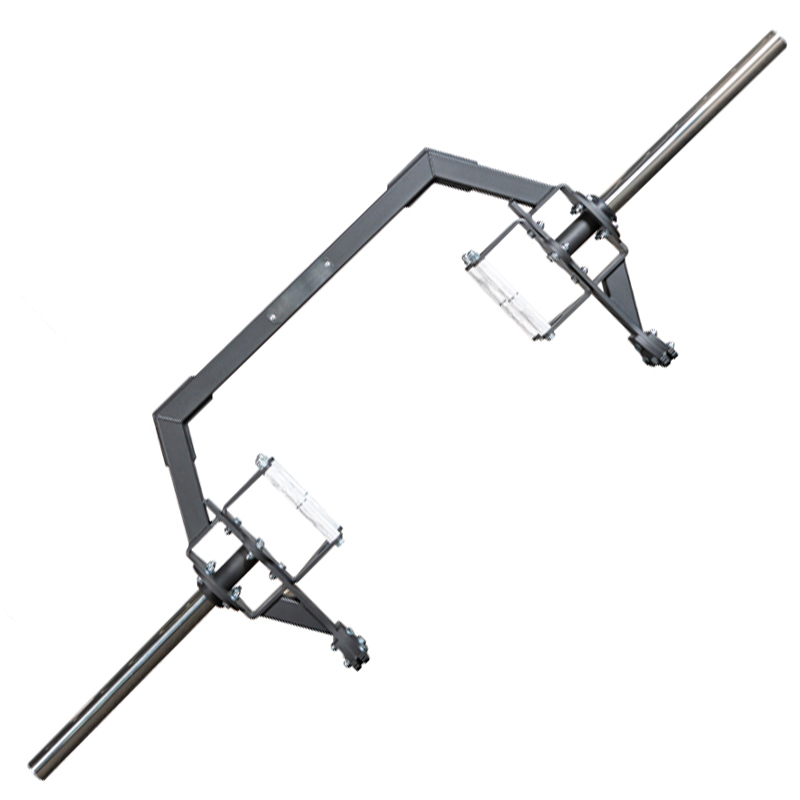
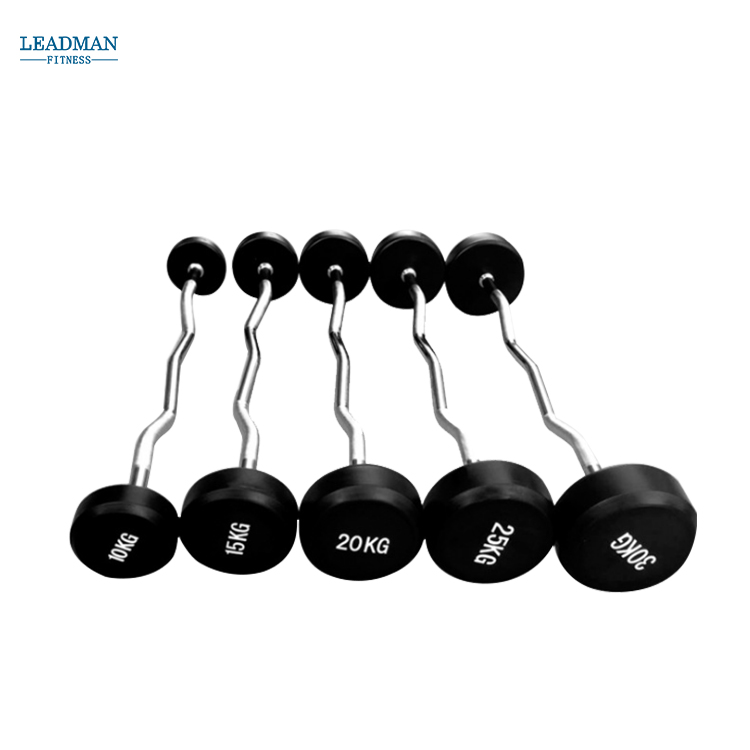
For facility managers and personal trainers, the barbell weight measurement extends beyond the bar itself. The total load experienced by the lifter includes collars, clips, and sometimes specialty attachments. A standard barbell collar can add between 2.5 and 5 pounds per side, a variable often overlooked in programming calculations. This nuance becomes particularly significant in commercial gyms where multiple bar types coexist—from EZ bar weight (typically 5–10 kg) to trap bars (15–25 kg) and safety squat bars (25–30 kg). Understanding these weights ensures that group classes, individualized coaching, and progressive overload strategies remain consistent and measurable across all equipment types.
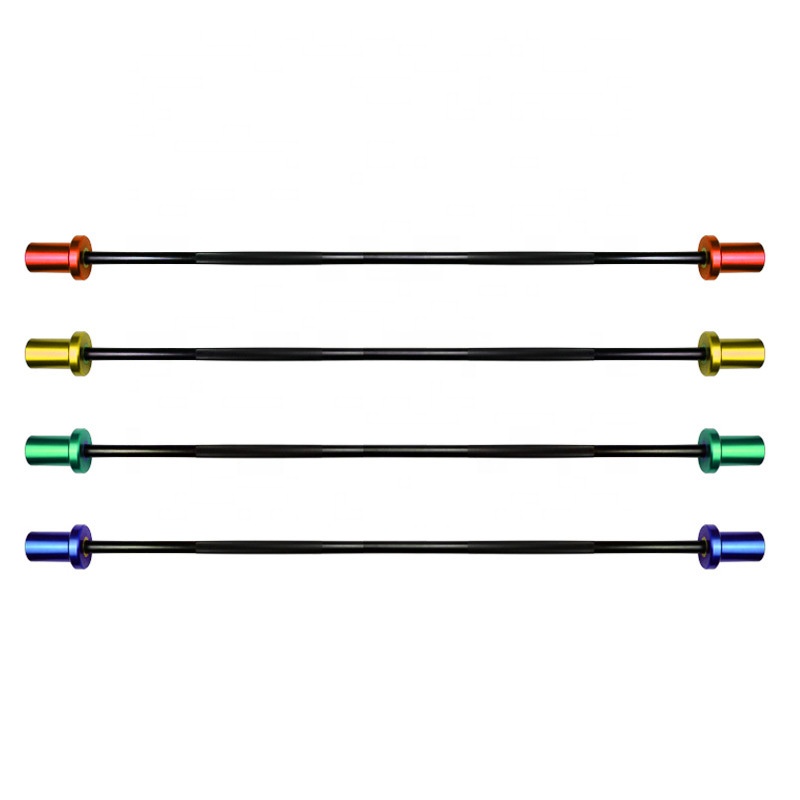
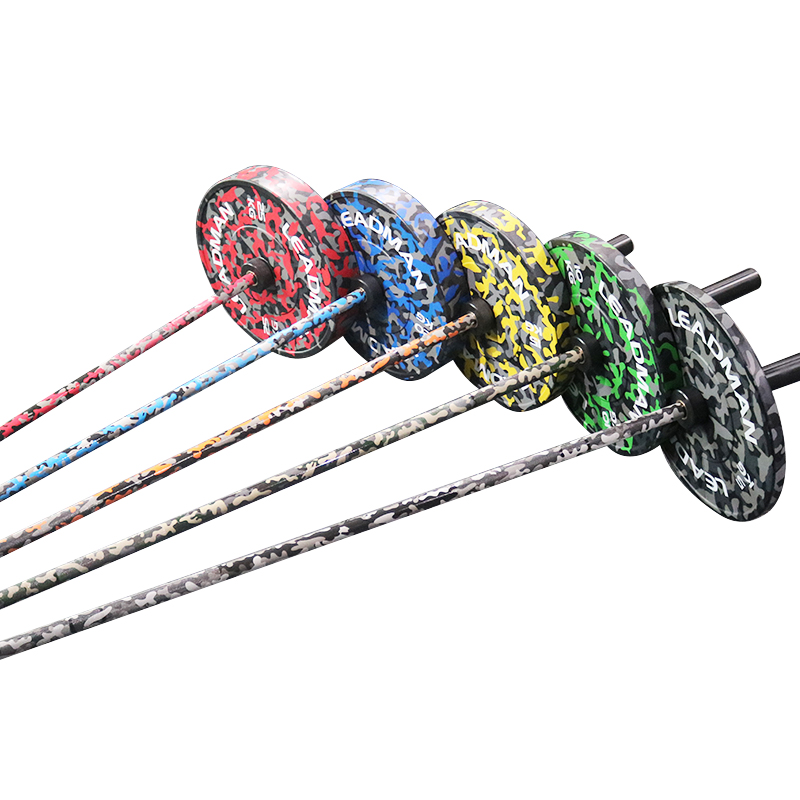
Recent industry research indicates that nearly 60% of gym-goers underestimate or are unaware of the specific bar weight they are using, leading to incorrect load tracking and plateaued progress. The most practical solution involves color-coding bars, displaying weight placards on racks, and training staff to verify equipment during orientations. Manufacturers such as Eleiko, Rogue, and York have responded by etching weights directly onto the bar shaft and implementing standardized color rings—men's bars often feature a red ring, women's bars a yellow ring—to aid visual identification. For wholesale buyers, verifying standard barbell weight consistency across bulk orders is essential, as even minor deviations can compromise the integrity of multi-station training environments and professional competition preparation.

Let our experts design the perfect gym solution for your business. Get a free consultation and quote today.