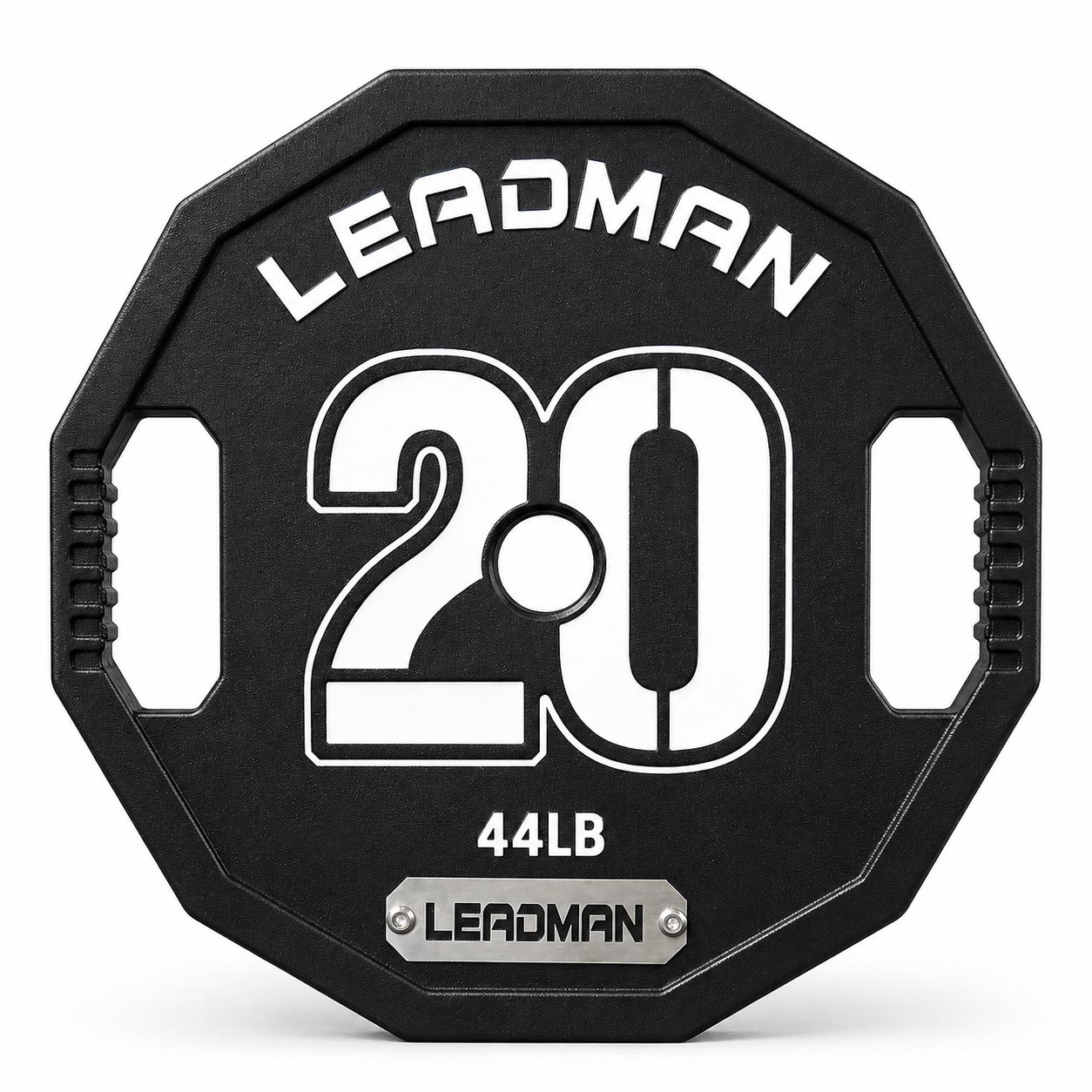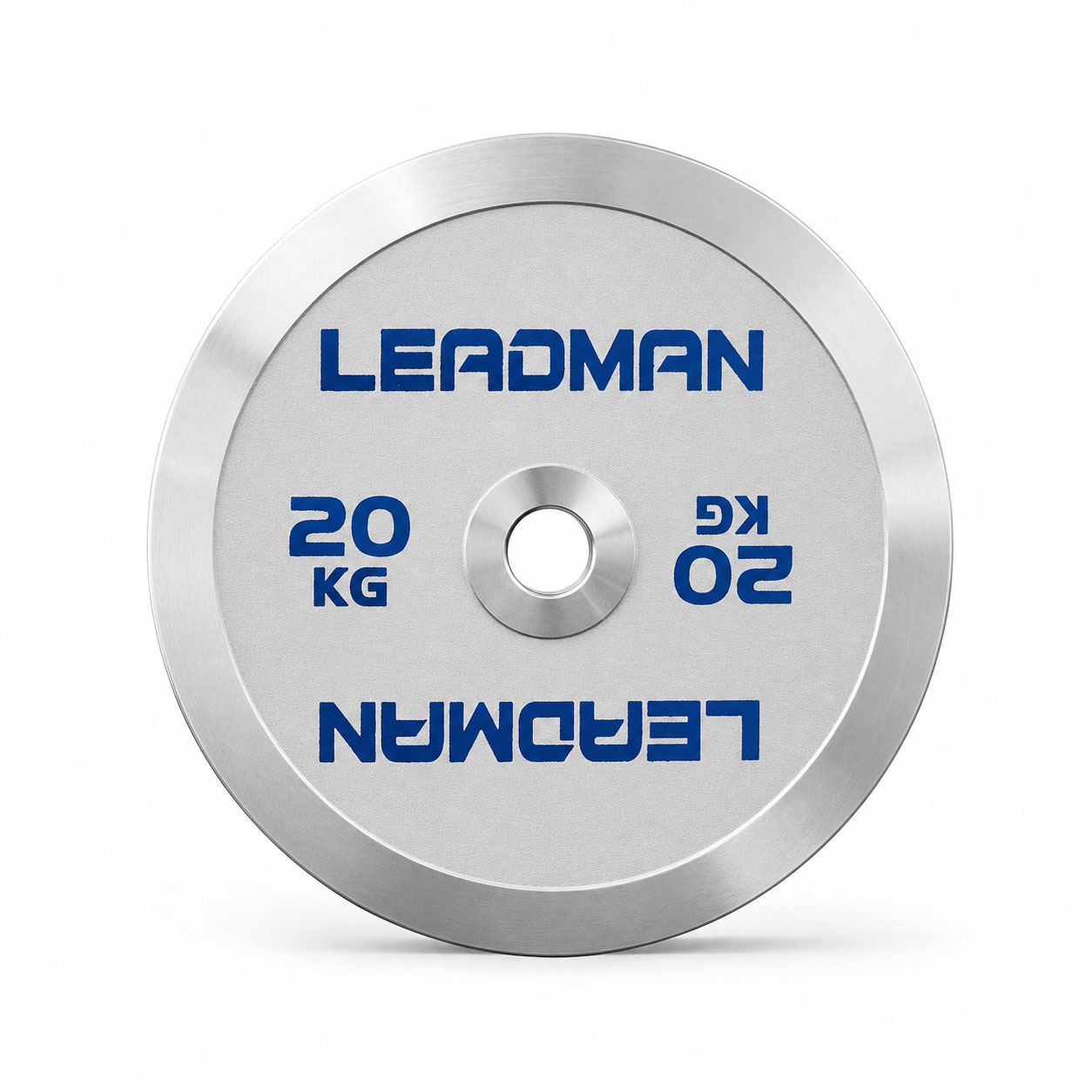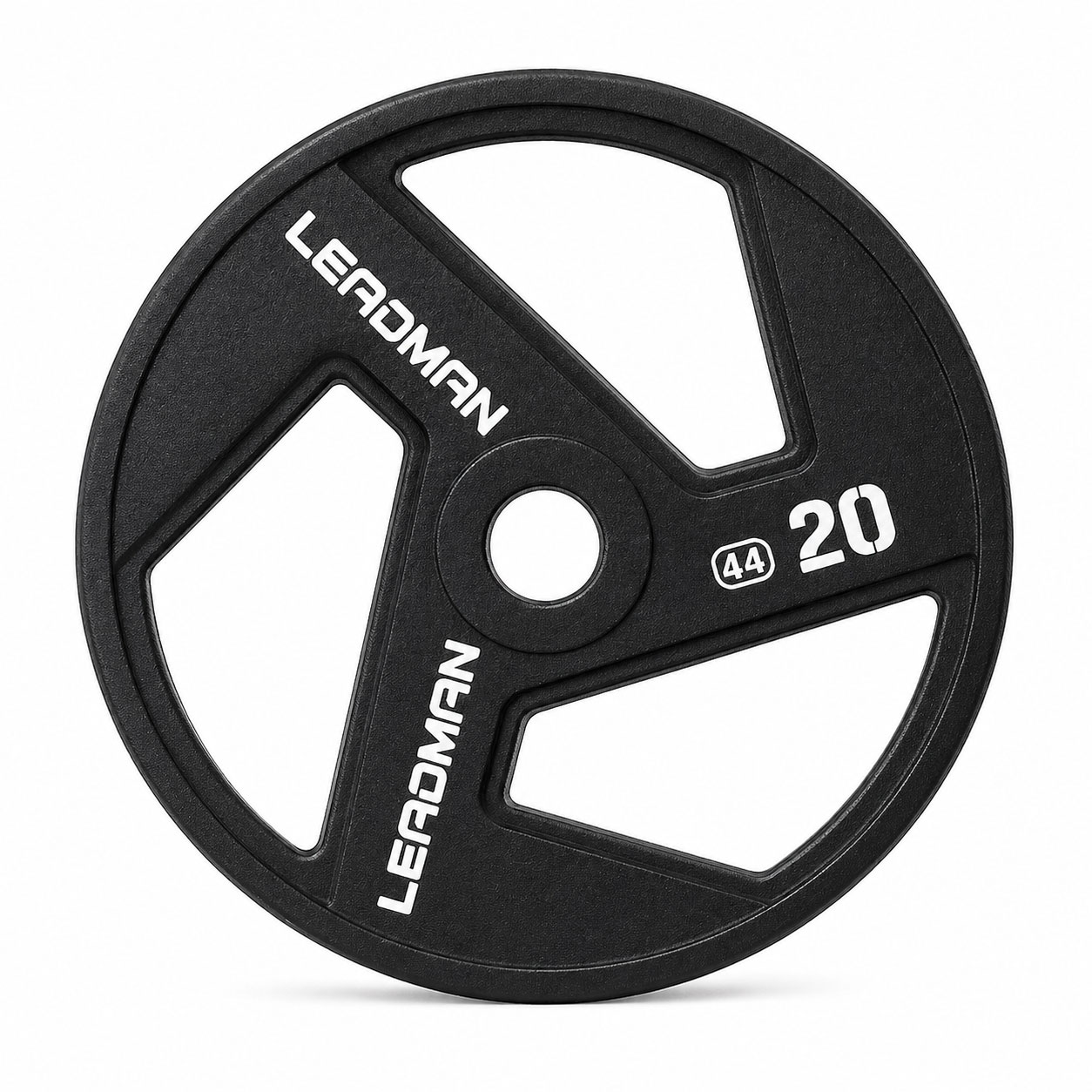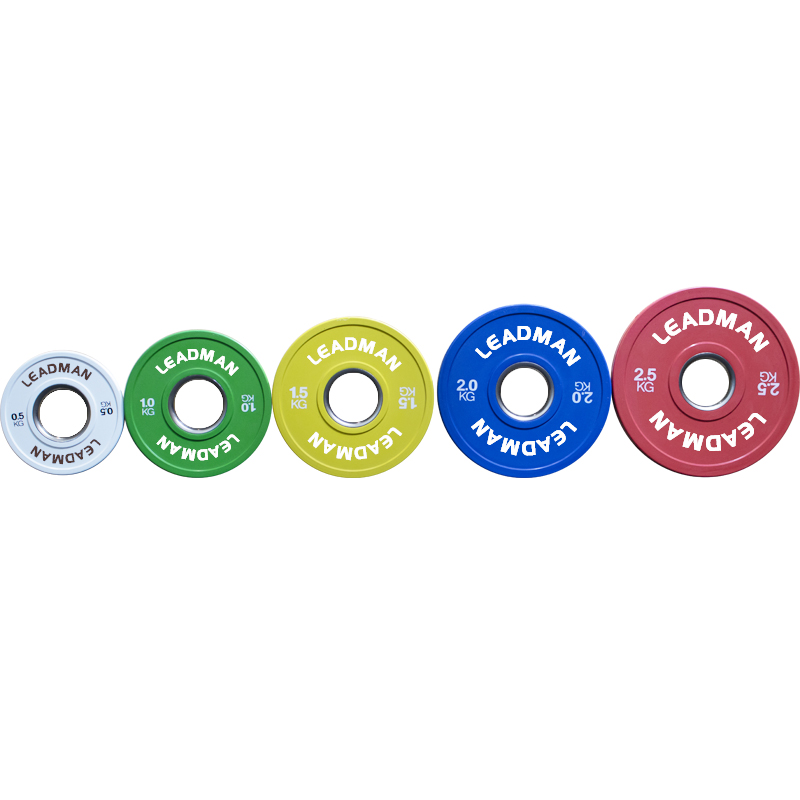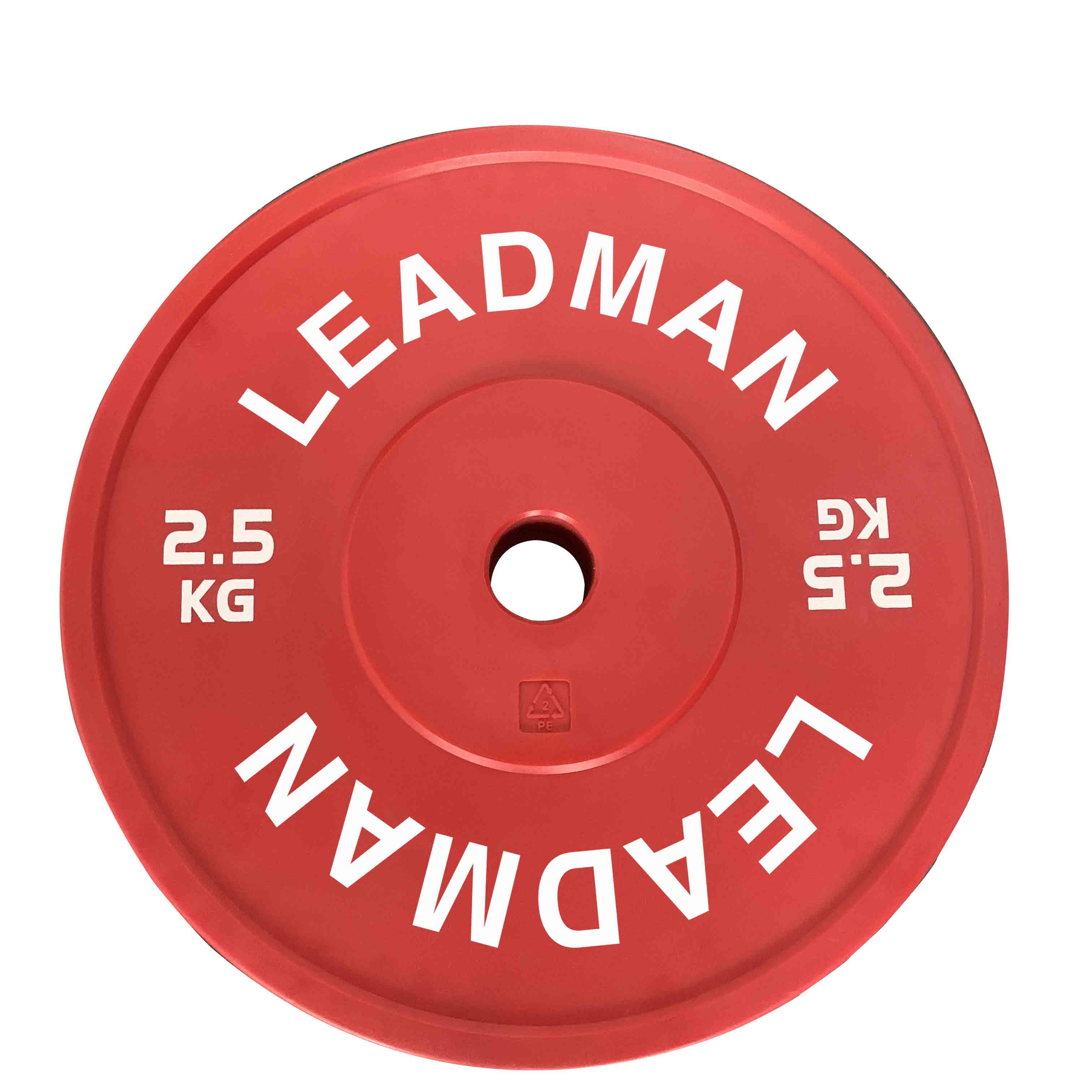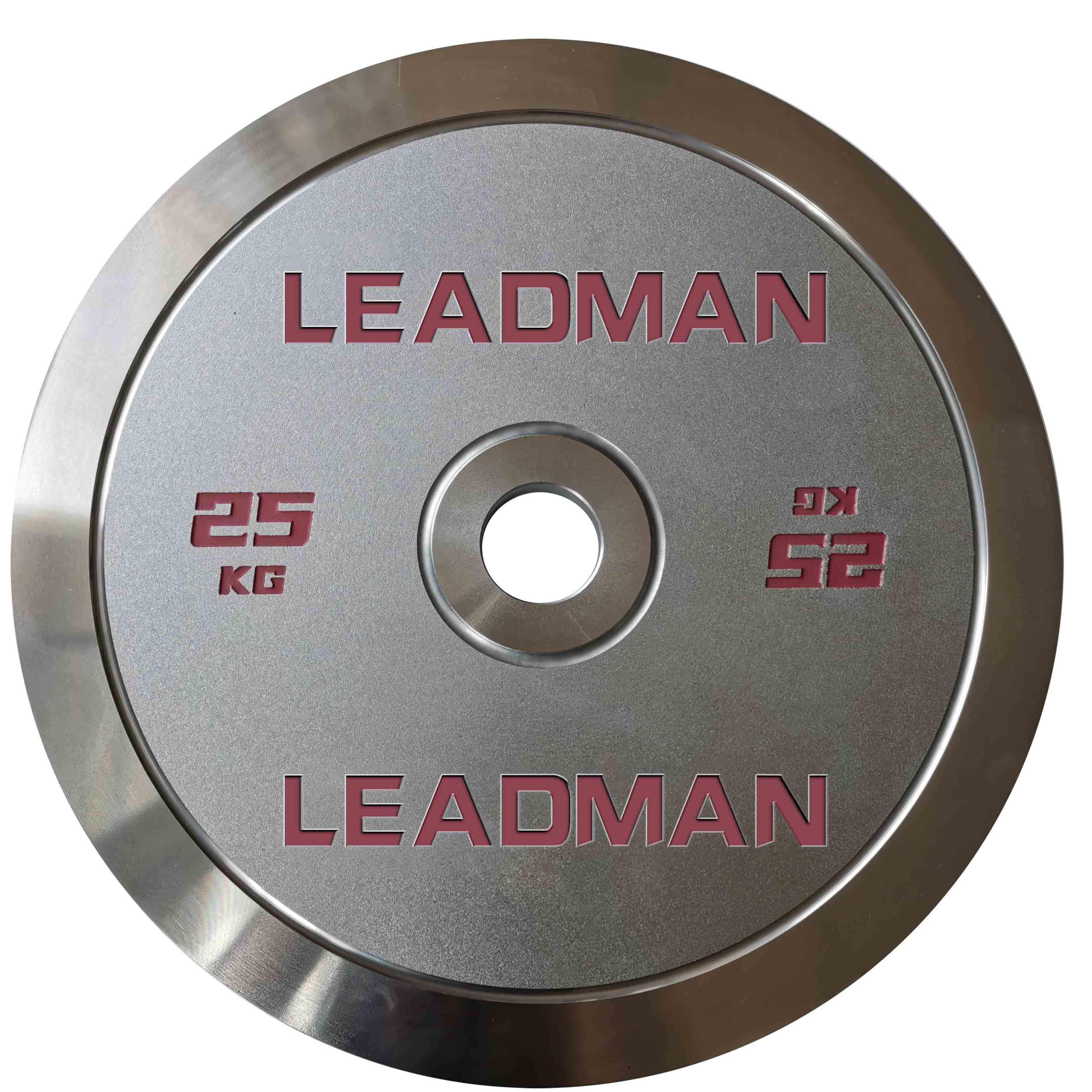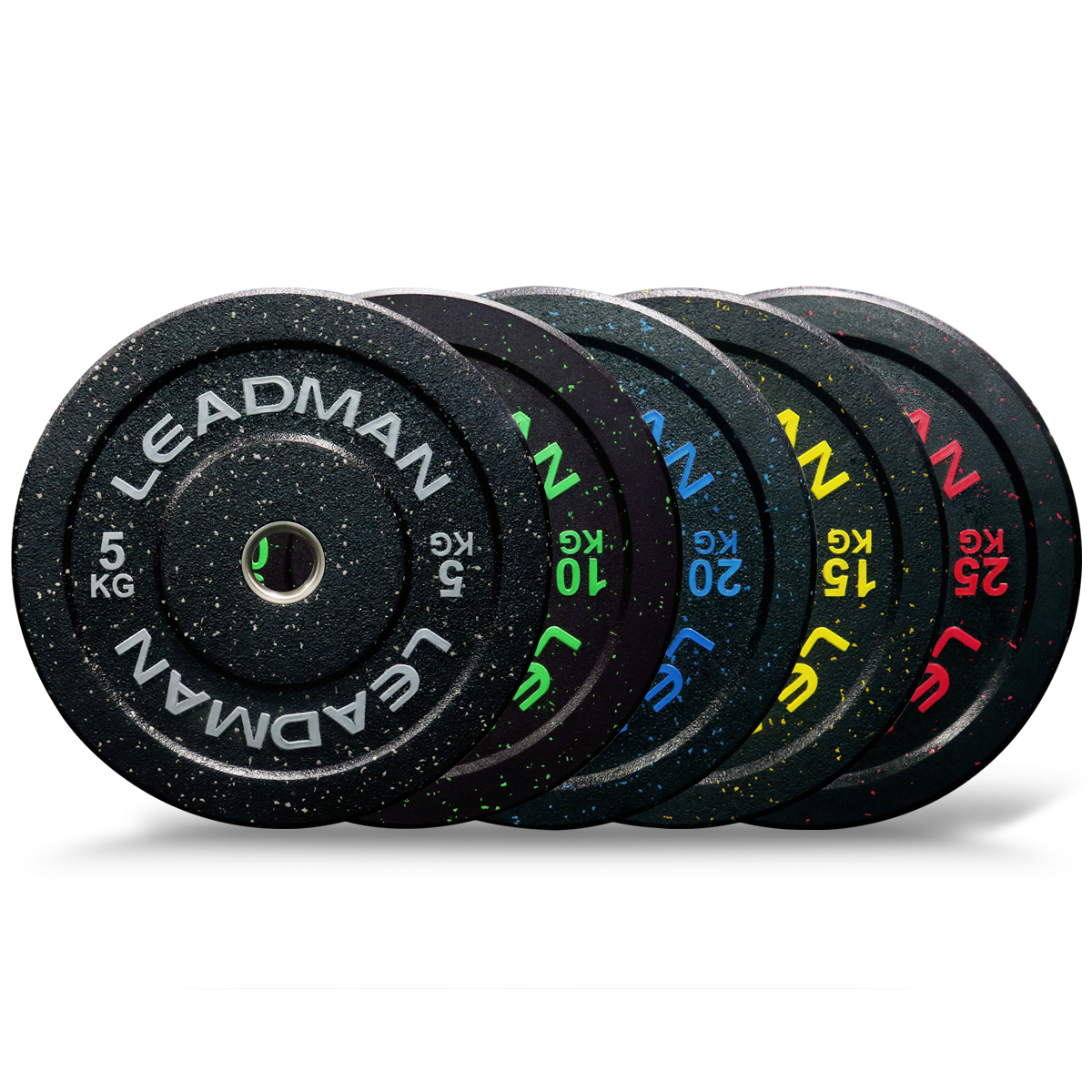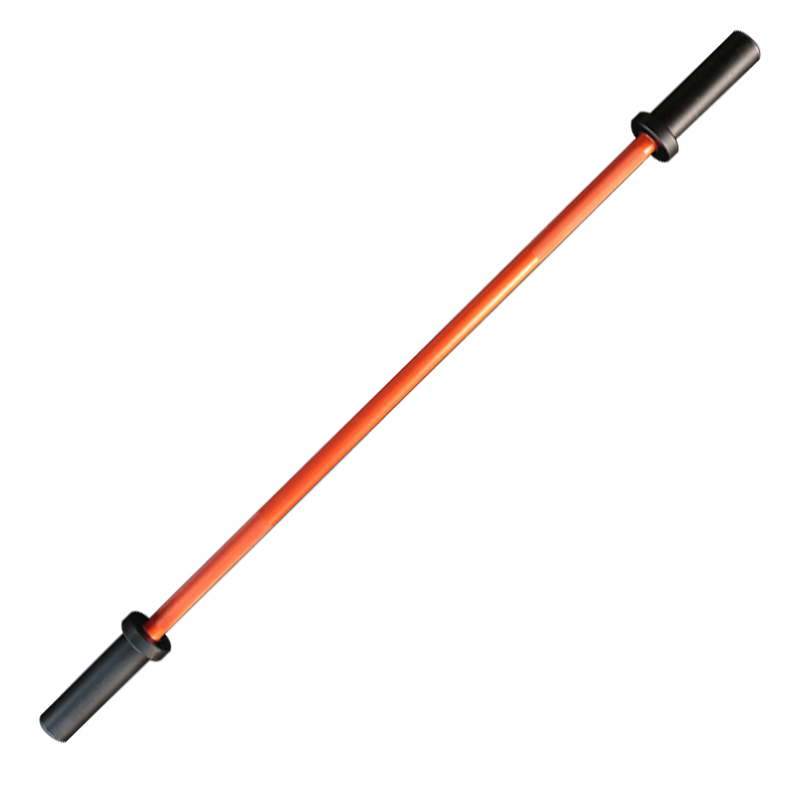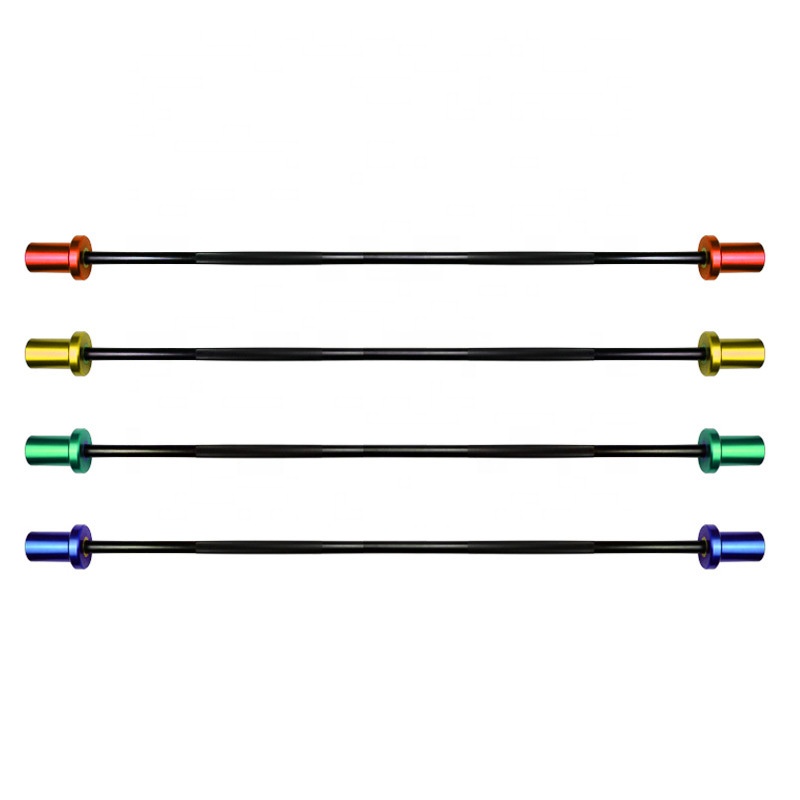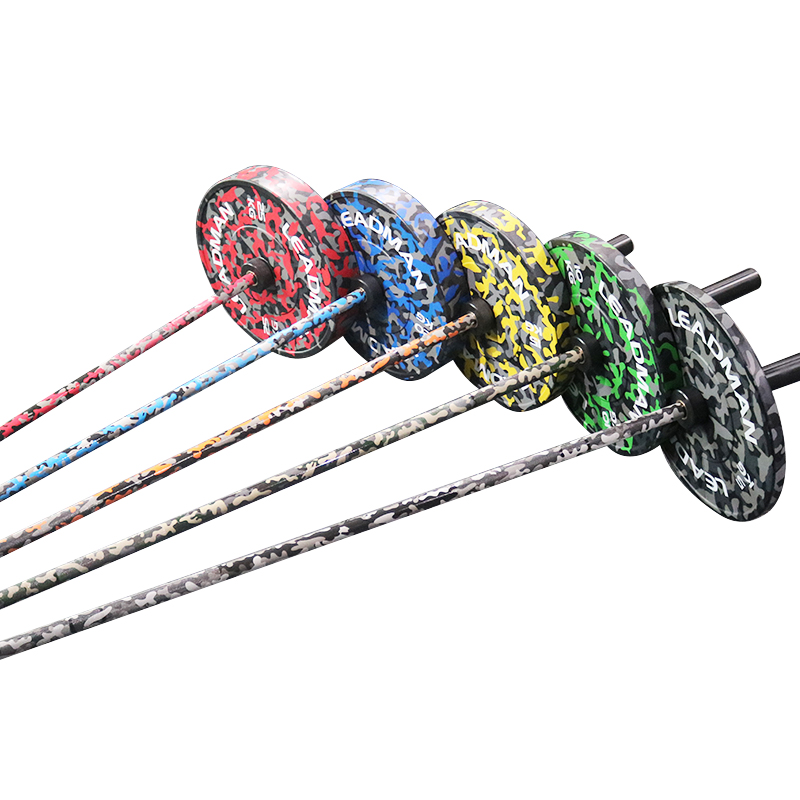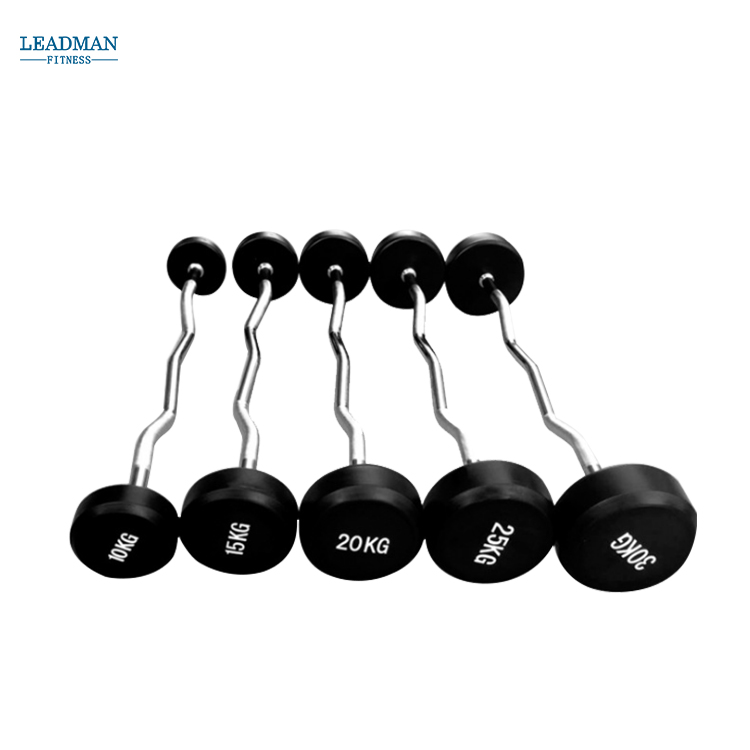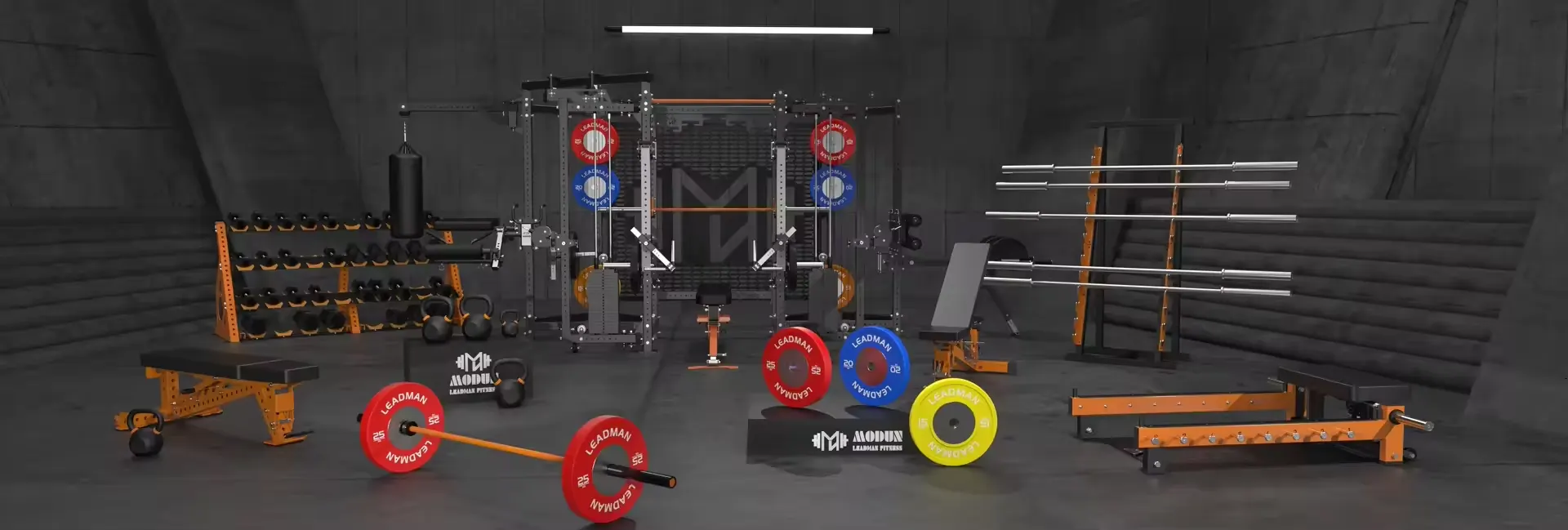
Weight bumper plates have fundamentally transformed resistance training by enabling athletes to perform explosive Olympic lifts, high-volume drop sets, and functional movements without damaging floors, barbells, or joint integrity. Unlike traditional cast iron plates, which transmit impact forces directly to the subfloor and produce ear-shattering clatter, bumper plates feature a thick, resilient rubber encasement that absorbs shock, dampens noise, and protects training surfaces. This engineering breakthrough has democratized advanced lifting techniques, making movements like snatches, clean-and-jerks, and high-rep deadlifts accessible not only to elite weightlifters but also to everyday gym-goers in commercial and home settings. The rubber compound serves as a sacrificial layer, absorbing the kinetic energy of a dropped barbell and dissipating it gradually, which significantly reduces the risk of catastrophic equipment failure and structural fatigue in floor systems.
The construction of high-quality bumper plates involves a meticulous compression molding process that bonds a dense rubber exterior to a solid steel insert hub. The steel hub—typically chromium-plated or zinc-coated—ensures a precise, durable interface with the barbell sleeve, maintaining a snug fit that eliminates rattling and minimizes wear on the barbell knurling. Premium bumpers feature a Shore hardness of 85–90A, striking an optimal balance between rebound control and long-term resilience; softer compounds (70–80A) offer superior noise reduction but may deform under heavy loads, while harder compounds (>90A) last longer but transmit more impact energy. The bond between rubber and steel is critical; top-tier manufacturers employ advanced adhesive systems and mechanical interlocks that prevent separation even after thousands of high-impact drops. A well-constructed bumper plate maintains its weight accuracy—within ±1% of stated mass—and its diameter consistency (typically 450mm for standard Olympic plates) ensuring uniform bar height and predictable bounce characteristics across the entire set.
Market data illustrates the explosive growth of bumper plate adoption across all segments of the fitness industry. Sales volume for Olympic bumper plates increased by more than 35% year-over-year in the post-pandemic period, driven by the proliferation of CrossFit and functional fitness communities. Commercial facilities report that investing in bumper plates reduces floor maintenance costs by up to 60% compared to iron-only environments, while also lowering noise complaints from adjacent businesses by over 50%. For home gym users, the acoustic benefits are transformative—many urban dwellers who previously avoided heavy lifts due to neighbor concerns now train confidently with quality bumpers. One study tracking equipment longevity in 15 commercial gyms found that premium bumper plates showed less than 5% measurable wear after 30,000 drop cycles, maintaining consistent diameter and bounce characteristics that kept members satisfied and trainers confident in exercise execution.
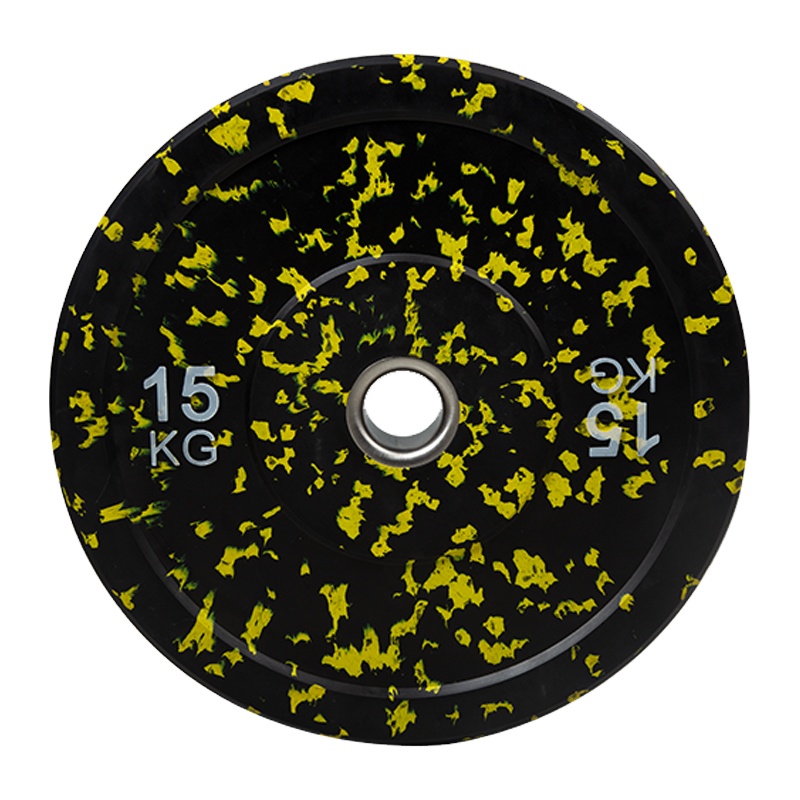
Selecting the ideal bumper plate set requires evaluating several performance and logistical variables beyond simple price per kilogram. First, differentiate between training bumpers (with steel inserts, durable rubber, and calibrated weight) and crumb rubber bumpers (made from recycled tire material, softer bounce, lower cost, but faster wear). For intensive Olympic lifting, choose virgin rubber or high-grade recycled compounds with verified durometer ratings and steel hub inserts. For general conditioning and functional fitness, crumb rubber bumpers offer sufficient performance at a lower entry price. Second, assess hub thickness and bore precision: a tight-fitting hub prevents shifting on the barbell, which reduces internal wear and protects your barbell's sleeves. Third, consider diameter uniformity across your set; inconsistent diameters alter barbell height during load changes, potentially affecting lift mechanics. For facilities planning multiple bars in simultaneous use, ensure sufficient plate inventory to support concurrent sessions—a typical commercial setup includes 4–6 bumper plates per barbell station. Finally, storage planning is essential; vertical storage racks with rubberized pins prevent edge flattening, while horizontal racks with adequate spacing reduce color transfer between plates of different hues.

Let our experts design the perfect gym solution for your business. Get a free consultation and quote today.