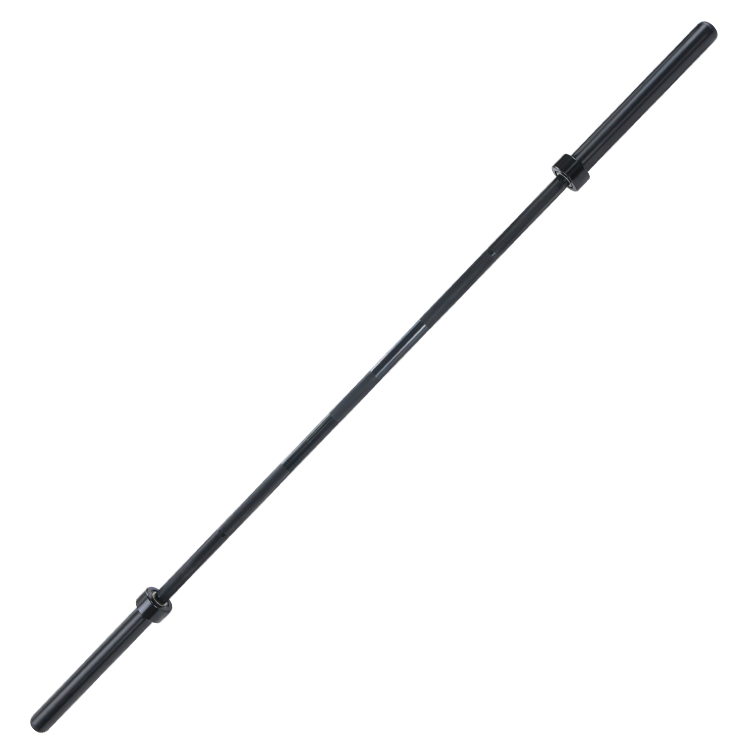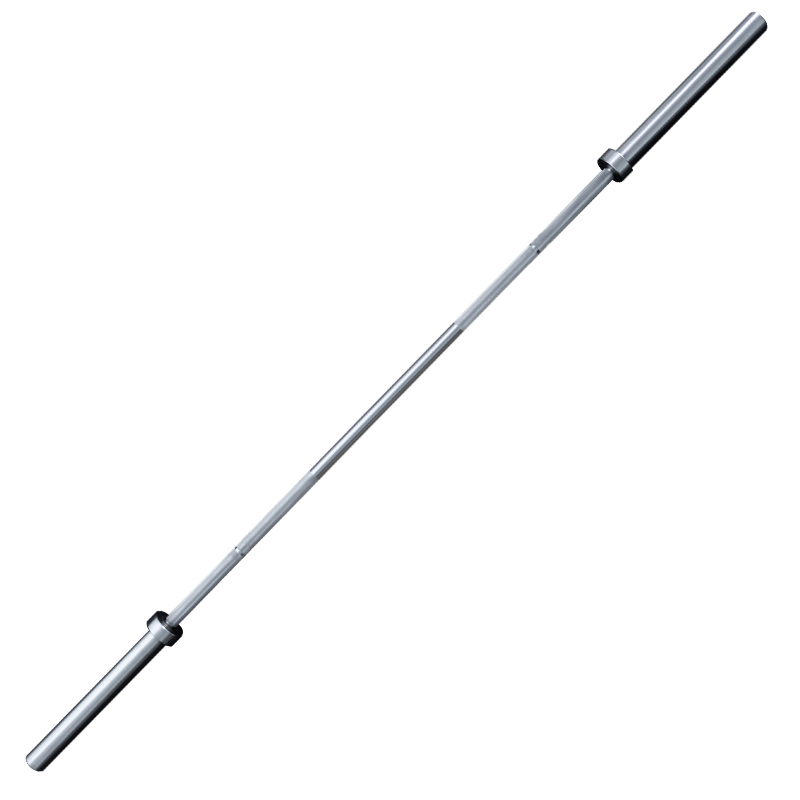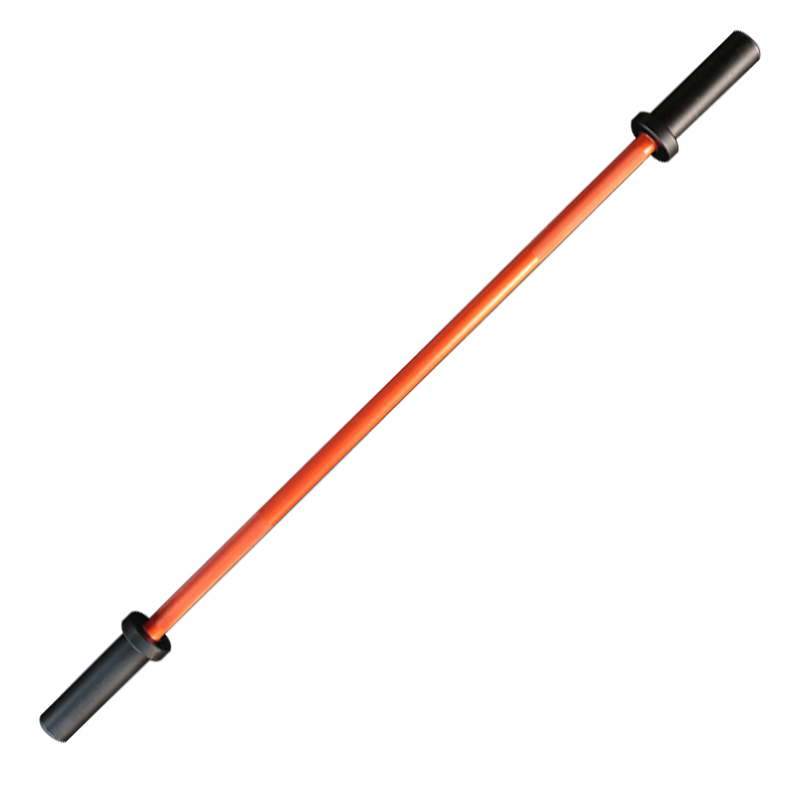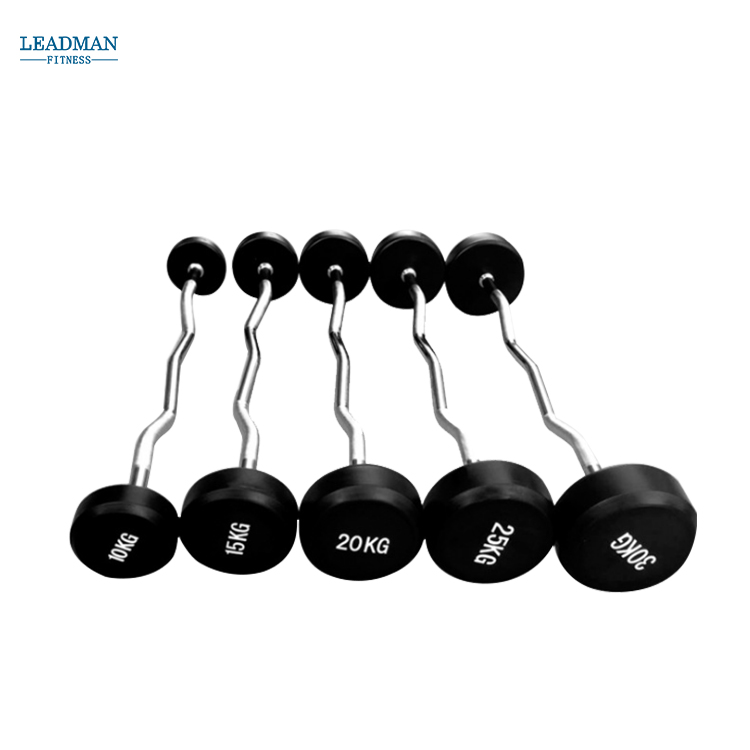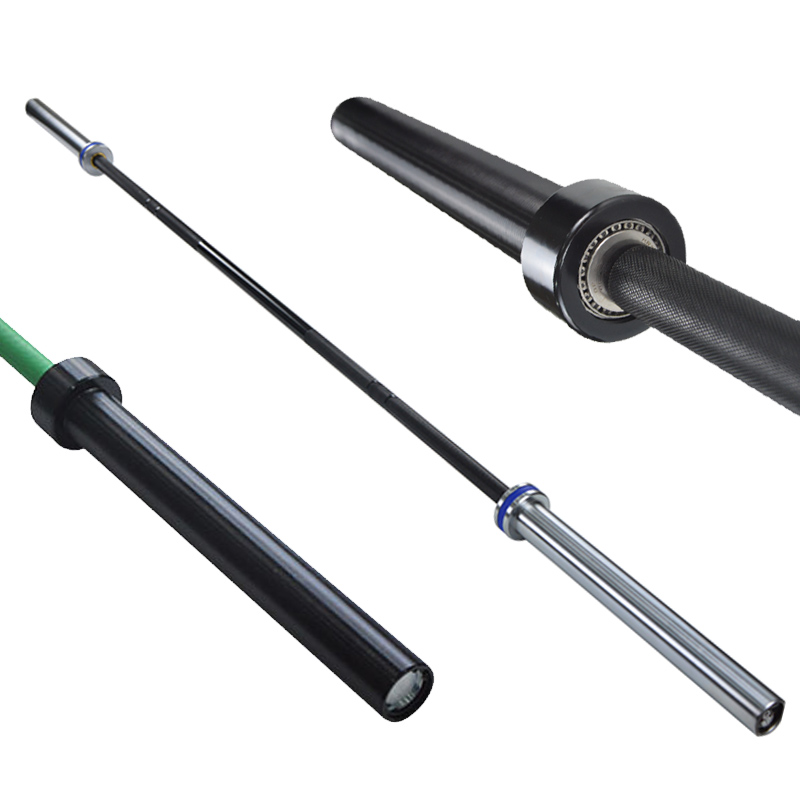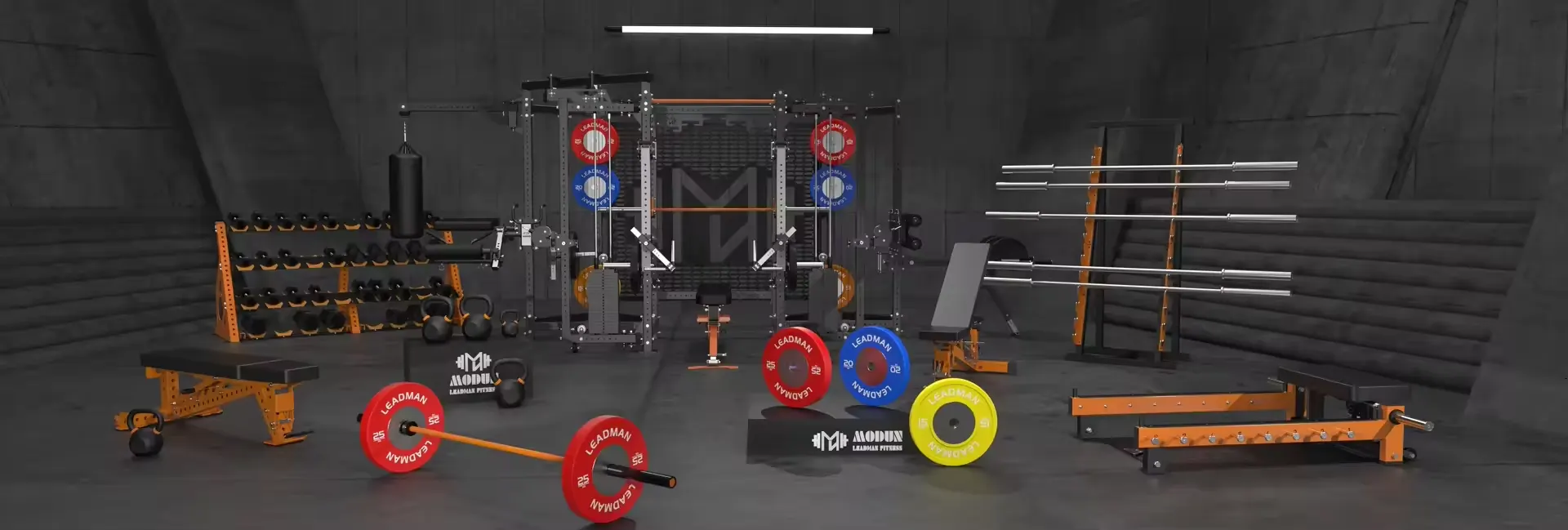
For anyone outfitting a gym—from a garage setup to a commercial facility—the standard barbell bar size is not merely a trivial measurement but a foundational specification that dictates compatibility, safety, and performance. While the image of a barbell often appears uniform, these bars come in distinct diameters, lengths, and sleeve dimensions tailored for different purposes. The most ubiquitous variant is the men's Olympic bar, measuring 2.0 meters (approximately 6.6 feet) in length with a shaft diameter of 28 to 29 millimeters and sleeves (the ends where weight plates are loaded) measuring 50 millimeters (about 2 inches) in diameter. This specification is governed by the International Weightlifting Federation (IWF) for competition use, ensuring plates from any manufacturer fit securely. However, the standard barbell bar size for general fitness often diverges: many gyms use a 1-inch (25.4 mm) diameter shaft with sleeves sized for standard (1-inch hole) plates, which are lighter and more affordable but less robust for heavy loading.
Understanding the standard barbell bar size goes beyond a single number; it requires recognizing the two major classes: Olympic and standard. Olympic bars are the gold standard for serious strength training and competitive lifting. Their 50 mm sleeves are non-negotiable for Olympic plates, which use a 50 mm center hole to ensure a tight, rattling-free fit during dynamic lifts like the clean and jerk or snatch. In contrast, standard bars—often found in budget home gyms—feature 25 mm to 28 mm shafts and 1-inch (25.4 mm) sleeves. While cheaper, they typically have lower tensile strength (often under 150,000 PSI) and lower weight capacity, usually rated around 200 to 400 pounds, making them unsuitable for heavy squats or deadlifts. For commercial and serious home gyms, the Olympic bar is overwhelmingly preferred, and its standard barbell bar size is what most buyers should prioritize unless they are focusing on very light, beginner-oriented training.
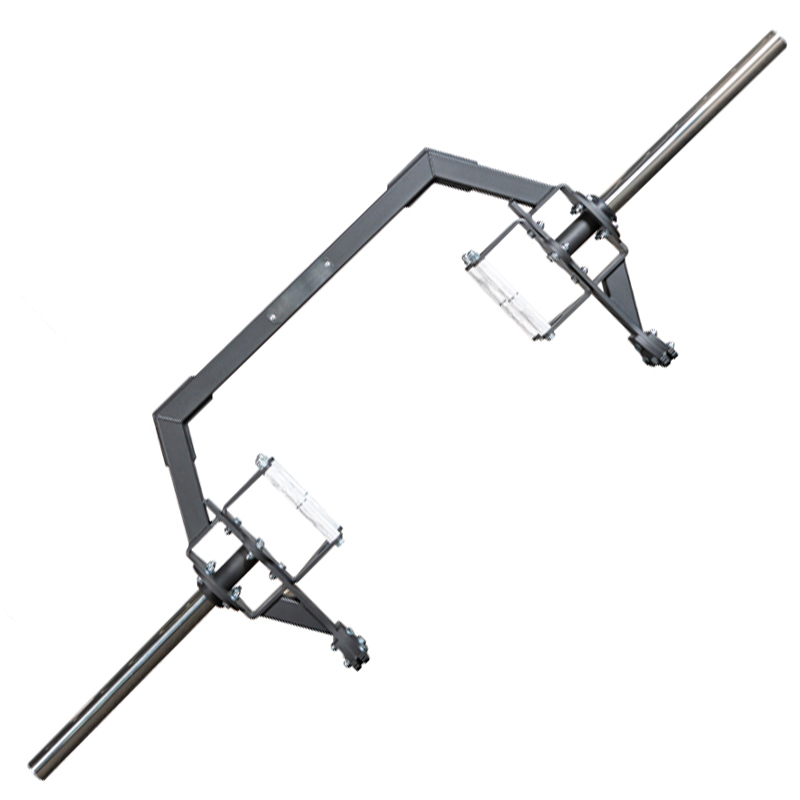
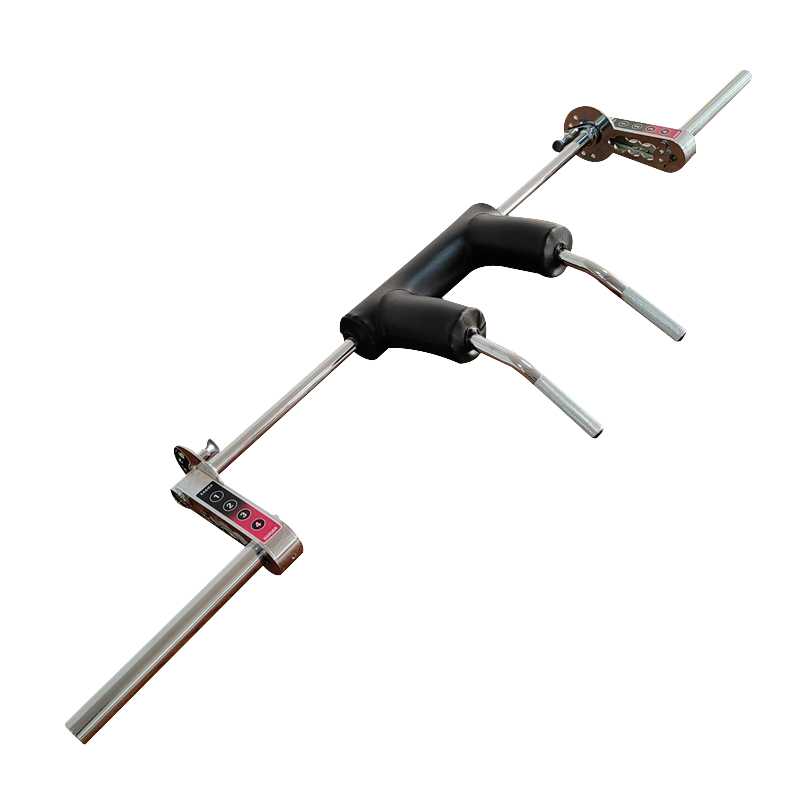
Beyond the Olympic versus standard dichotomy, the standard barbell bar size varies further in specialized variants. For instance, women's Olympic bars are slightly shorter at 2.01 meters (about 6.6 feet) with a thinner 25 mm shaft and weigh 15 kg (33 pounds) versus the men's 20 kg (44 pounds). This design accommodates smaller hand sizes and lighter competition weights. Similarly, specialty bars like the trap bar (hex bar) or curl bars have non-standard lengths and sleeve diameters; for example, a trap bar might have a 27 mm shaft with standard 50 mm sleeves but a shorter loadable length to reduce leverage. Additionally, rack-compatible bars often feature a shorter overall length—around 2.1 meters (7 feet) instead of the 2.2-meter (7.2-foot) competition bars—to fit within power racks without colliding with uprights during squats. When selecting, buyers must confirm the standard barbell bar size for their specific plates and rack dimensions to avoid compatibility issues, such as plates that wobble on a mismatched sleeve or a bar that cannot be racked safely.
Real-world procurement experience highlights a common pitfall: assuming all bars are the same. Many gym owners have purchased weight plate sets only to discover their new plates have 50 mm holes but their existing bar has 1-inch sleeves, requiring either a costly adapter or a new bar purchase. Data from fitness equipment suppliers indicates that Olympic bars account for over 70% of all commercial gym barbell sales, while standard bars make up the bulk of entry-level home market sales. A case study from a mid-sized fitness chain found that standardizing on Olympic standard barbell bar size across all 12 locations reduced plate inventory errors by 35% and simplified maintenance, as only one plate type needed to be stocked. Conversely, a home gym enthusiast might choose a standard bar to save 40-50% on the initial investment but should weigh that against the limitation of plate availability, as 1-inch plates are less common in higher weight increments (above 45 pounds/20 kg).
For a practical, actionable approach, when evaluating a standard barbell bar size, consider the barbell's tensile strength, which directly impacts its load capacity and longevity. A high-quality Olympic bar has a tensile strength of at least 190,000 PSI, supporting loads over 1,000 pounds, while standard bars often max out around 150,000 PSI and are not rated for heavy deadlifts. Always check the barbell's load rating and compare it with your training goals: if you plan to squat or deadlift over 315 pounds, an Olympic bar with 28.5 mm diameter is the minimum recommendation. Also, examine the knurling—the textured pattern on the shaft. Aggressive knurling is essential for heavy pulling exercises, while passive knurling is more comfortable for high-volume Olympic lifting. Finally, factor in the bar's finish (chrome, black oxide, or stainless steel) as it affects corrosion resistance and grip; stainless steel is premium but doubles the cost, while chrome offers a balanced trade-off. Ultimately, selecting the right standard barbell bar size is about matching the bar's specifications to your training demands, plate inventory, and budget, ensuring safety and maximizing performance.

Let our experts design the perfect gym solution for your business. Get a free consultation and quote today.