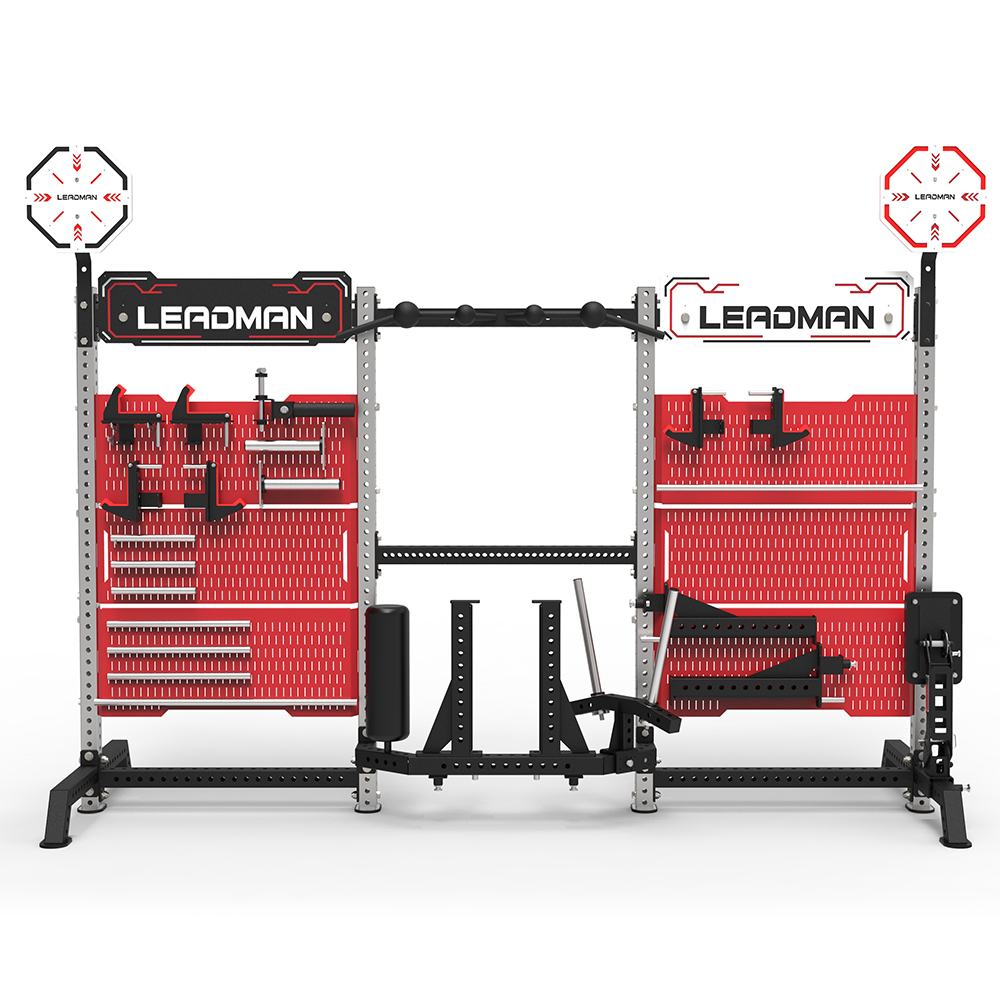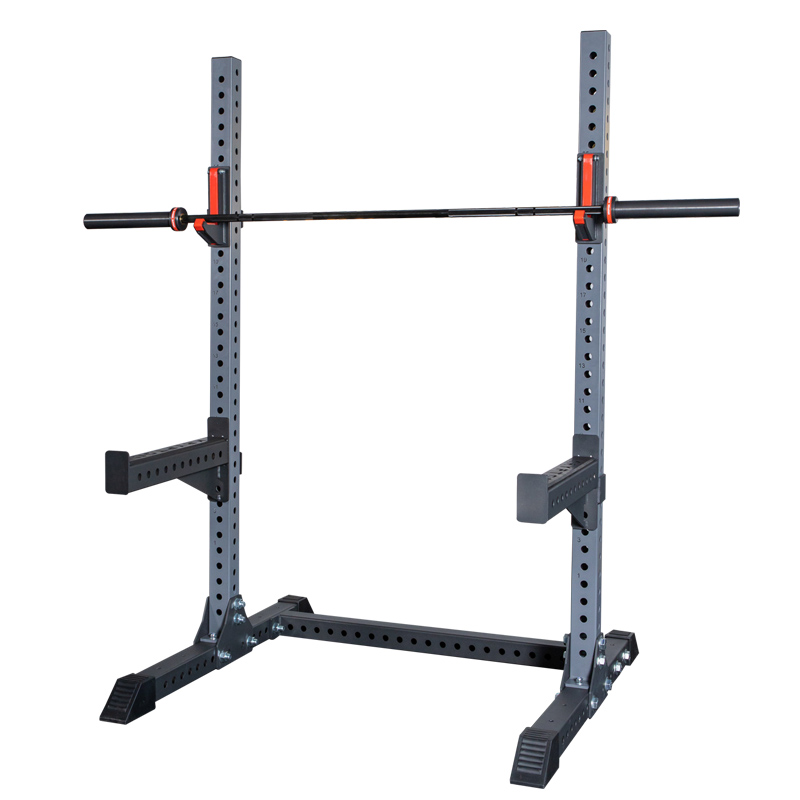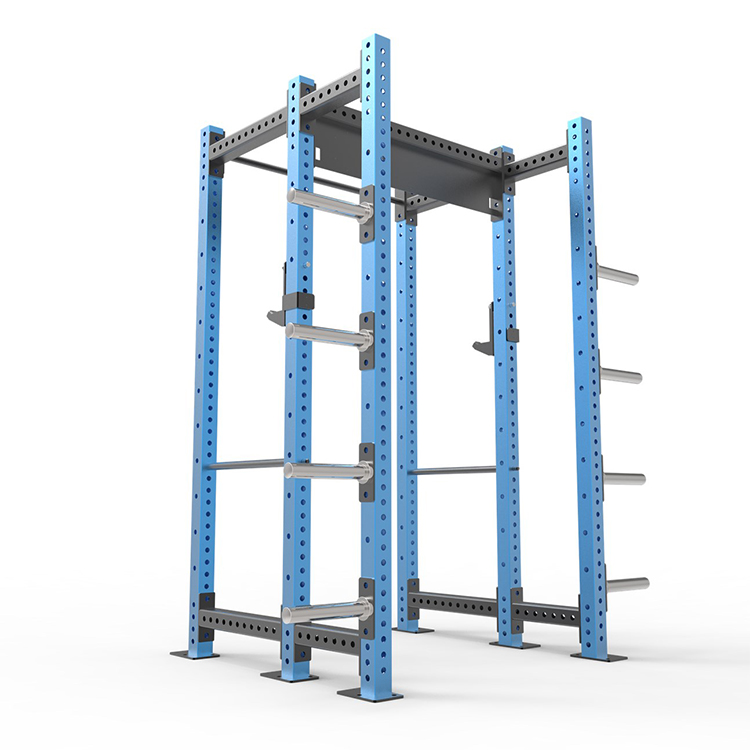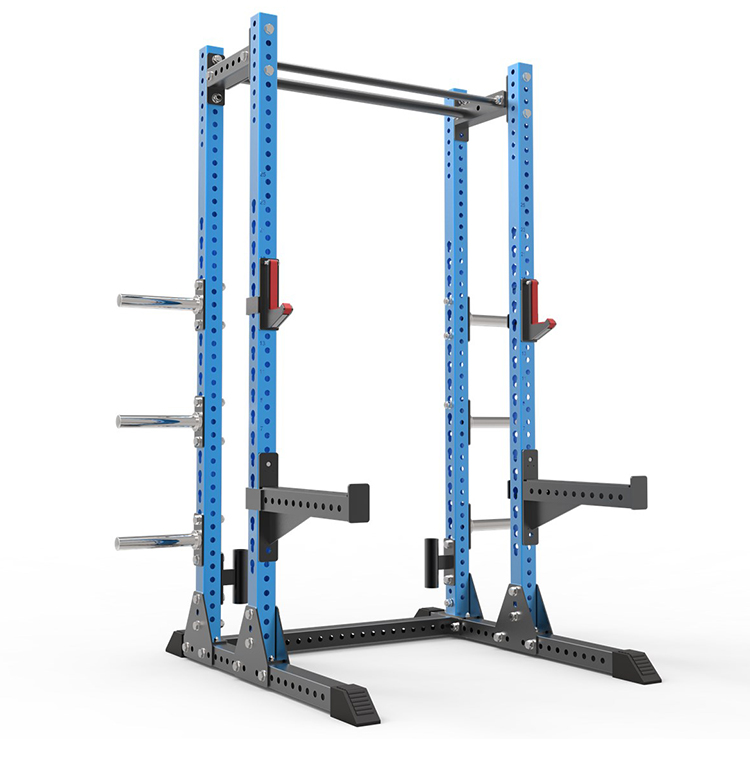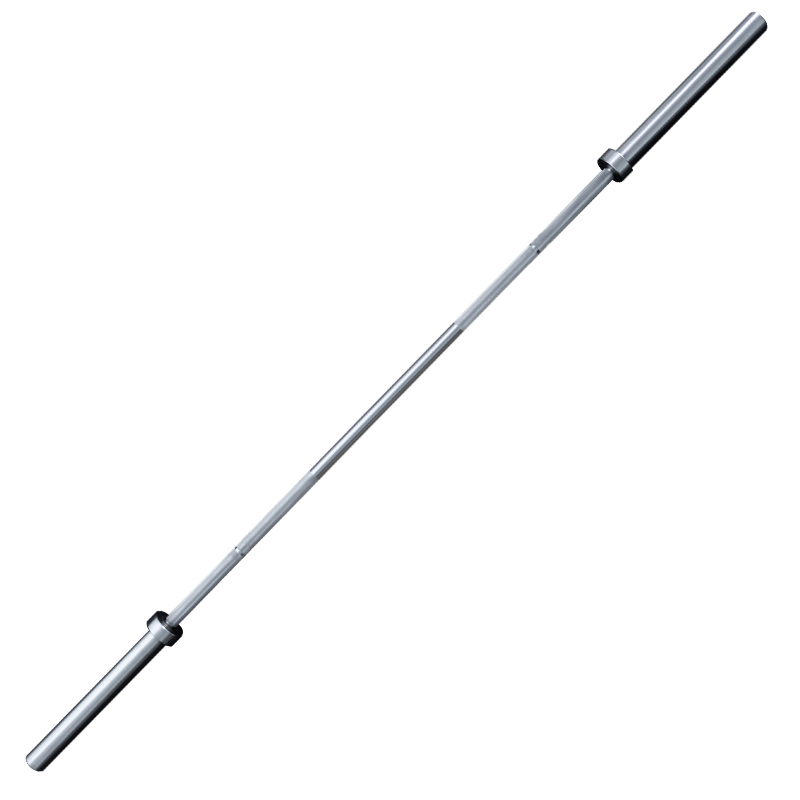
The term squat rack machine occupies an ambiguous space in strength equipment terminology, sometimes referring to plate-loaded squat racks with integrated linear bearings, sometimes to selectorized squat press machines, and occasionally to Smith machines with restricted bar paths. This confusion matters because each configuration serves a different training population and carries distinct engineering requirements. Understanding what a squat rack machine actually is—and whether your facility needs one—requires examining the underlying mechanical principles.
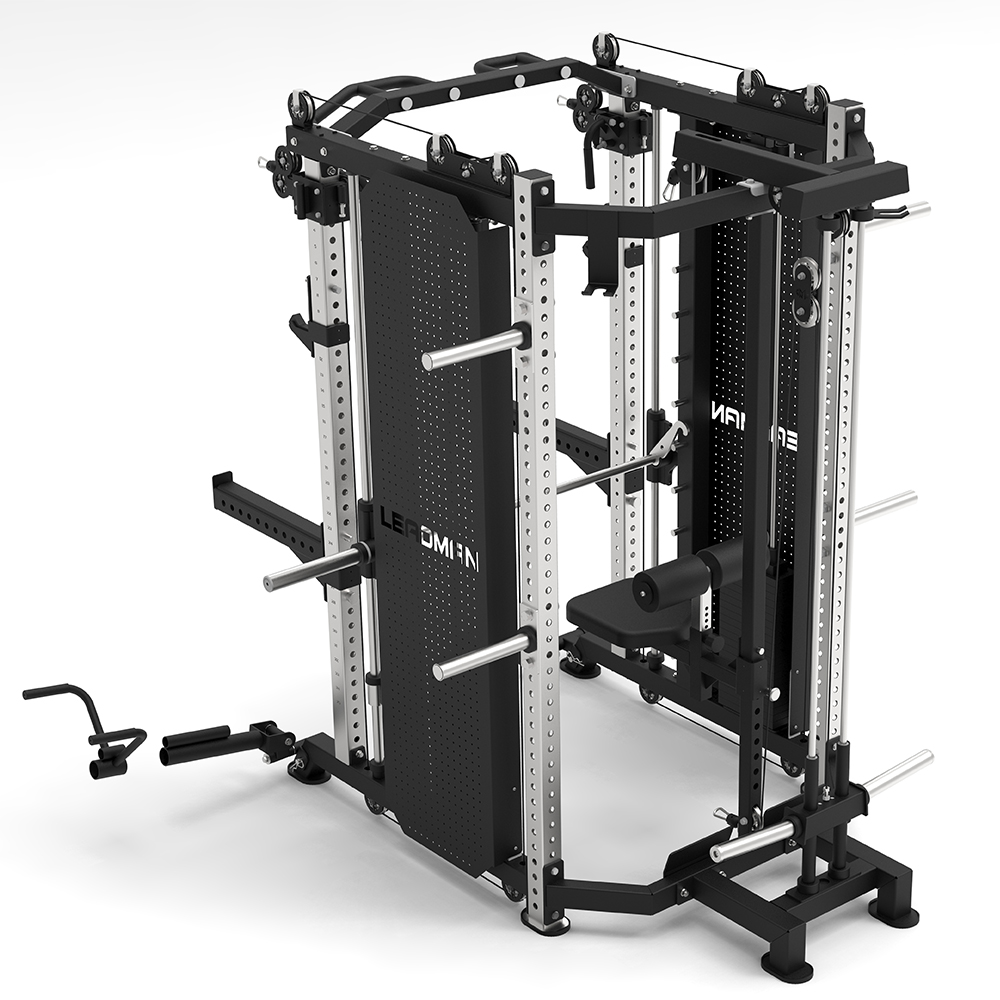
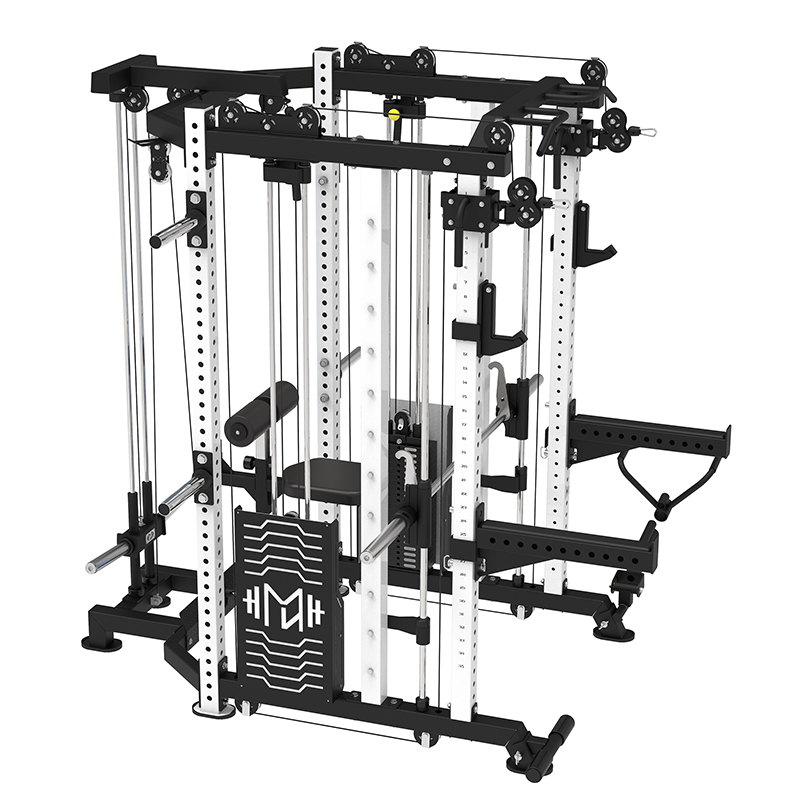
A true squat rack machine, distinct from a standard squat stand or power rack, incorporates guided movement mechanics. Unlike free squatting where the bar can drift forward, backward, or laterally, a squat rack machine constrains the bar path to a fixed vertical plane. Constraint mechanisms fall into two categories: linear guide systems using chrome shafts and linear bearings, or cable-based systems using pulley tracks. The engineering goal is to provide stability for users who lack the proprioceptive skill to squat freely, while still allowing natural hip and knee flexion patterns—something a Smith machine often fails to achieve due to its fixed vertical-only or slight-angled bar path.
The linear bearing squat rack machine represents the higher-performance category. Chrome-plated guide rods extend vertically from the base frame, with the barbell carriage riding on sealed linear bearings. This design offers minimal friction, consistent resistance through the full range of motion, and enough lateral stability to allow the user to focus on leg drive rather than bar control. Commercial-grade units use bearings rated for tens of thousands of cycles and guide rods with surface hardness exceeding 60 HRC to resist scoring from dust and chalk. The carriage typically includes multiple handle positions and J-hook-style catches that engage safety stops at the bottom of each repetition.
Biomechanically, the squat rack machine addresses a specific gap between the Smith machine and free squatting. Smith machines force the user into an unnatural vertical bar path that does not account for the body's natural backward and forward sway during a deep squat. A properly designed squat rack machine allows the bar to tilt slightly—the bearings accommodate angular misalignment—while preventing lateral drift. This compromises between safety and natural movement. For users with significant mobility limitations, knee pathologies, or neurological conditions affecting balance, this constraint makes squatting accessible where free squatting would be impossible or dangerous.
From an equipment density perspective, the squat rack machine offers advantages over traditional power racks in certain layouts. A typical power rack occupies a six-foot by six-foot footprint and requires clearance for loading plates on both sides. A well-designed squat rack machine mounts weights on storage pegs within the same frame, reducing the operating footprint to approximately four feet by four feet. For commercial facilities with limited square footage—hotel gyms, corporate fitness centers, or urban boutique studios—this space efficiency justifies the higher per-unit cost compared to standard racks.
Weight load ratings for squat rack machines require careful interpretation. Unlike a free-standing rack where the structure only needs to support static weight, a machine with linear bearings must withstand dynamic loading at the moment of squat initiation and during the reversal at the bottom of the movement. Peak forces during a fast eccentric or bounce at depth can reach three to four times the loaded weight. Commercial-grade squat rack machines are engineered with a safety factor of at least 4:1, meaning a unit rated for 200kg of plate weight must withstand 800kg of peak dynamic force without deformation or bearing failure. Procurement documents should request dynamic load test reports, not just static ratings.
The quality of the counterbalance system distinguishes premium squat rack machines from entry-level units. When the barbell carriage has significant mass—typically 25kg to 40kg—unloading the machine between sets becomes physically taxing. A counterbalance system using gas springs or weight stacks reduces the effective carriage weight to 5kg to 10kg, making height adjustments and repositioning effortless. Without proper counterbalancing, users may avoid adjusting the bar height between exercises or between users of different statures, leading to compromised squat mechanics and increased injury risk.
For facilities serving diverse populations, the adjustability range of a squat rack machine determines its utility. Safety catch heights must accommodate users from 150cm to 195cm. Starting bar height should adjust from approximately 100cm for seated shoulder press variations to 140cm for standing squats. Handle positions should offer both neutral and pronated grip options. The best designs use gas-assisted telescoping adjustment columns or pin-and-plate mechanisms with clearly marked height indicators. Avoid machines requiring tools for basic adjustments—they will not be adjusted between users, defeating the purpose of having adjustable equipment.
Maintenance considerations for squat rack machines exceed those of standard racks. Linear bearings require periodic cleaning and lubrication. Manufacturer specifications typically recommend lubricating guide rods every three to six months depending on usage frequency and environmental dust levels. In commercial facilities with chalk use, more frequent cleaning is mandatory—chalk dust mixed with bearing lubricant forms an abrasive paste that accelerates guide rod wear. Facilities without maintenance staff should consider machines with sealed bearings and wiper seals that exclude contaminants, accepting higher upfront cost in exchange for lower ongoing maintenance burden.
The procurement decision between a squat rack machine and a traditional power rack ultimately depends on the user population. For facilities serving primarily experienced lifters who value movement freedom and perform competition-specific training, a standard power rack with a quality barbell is superior. For facilities serving older adults, rehabilitation populations, deconditioned beginners, or general fitness users who prioritize safety over specificity, the squat rack machine provides legitimate value. The worst outcome is purchasing a low-quality machine that offers neither the safety of guided movement nor the freedom of free weights—a compromise that satisfies no user group.
Let our experts design the perfect gym solution for your business. Get a free consultation and quote today.