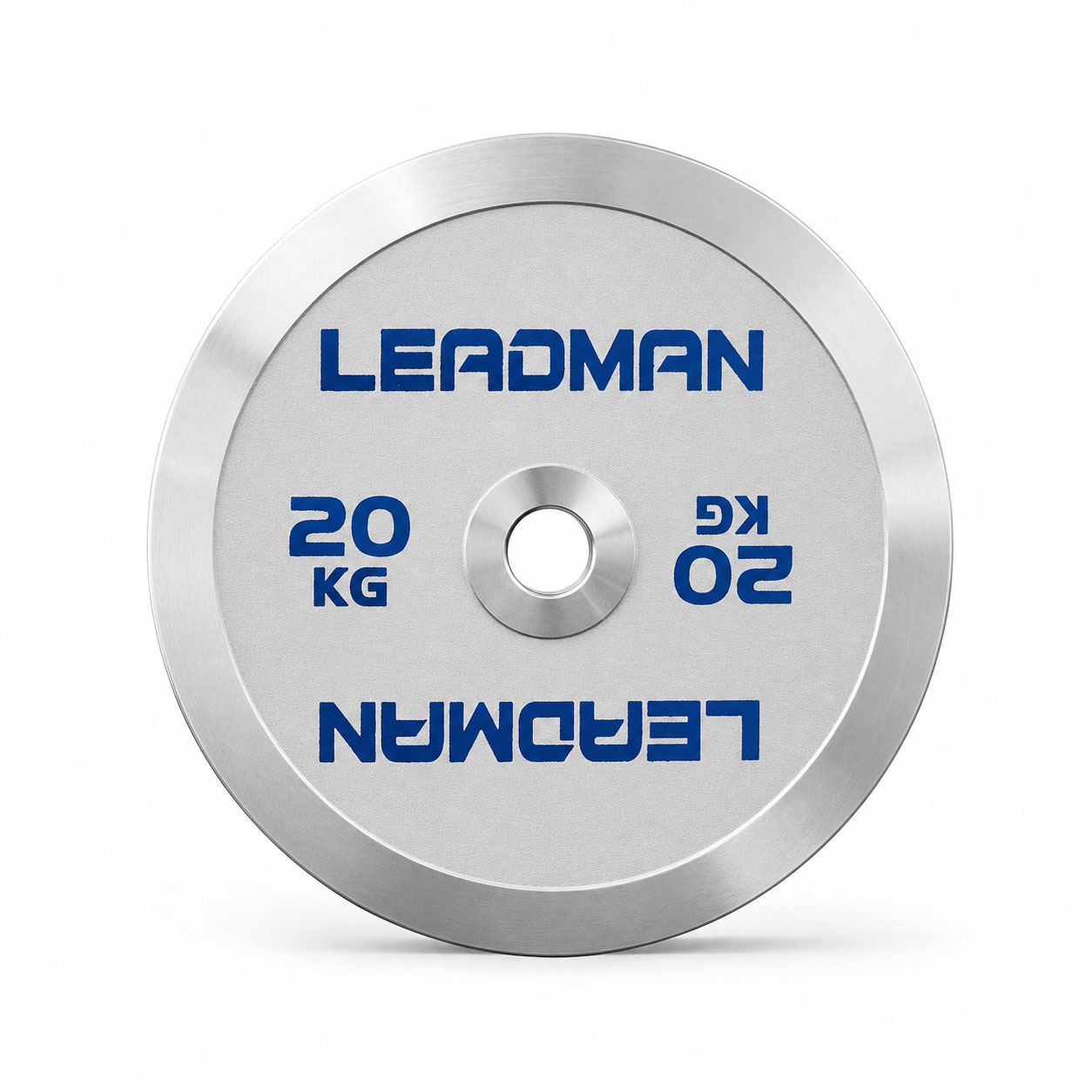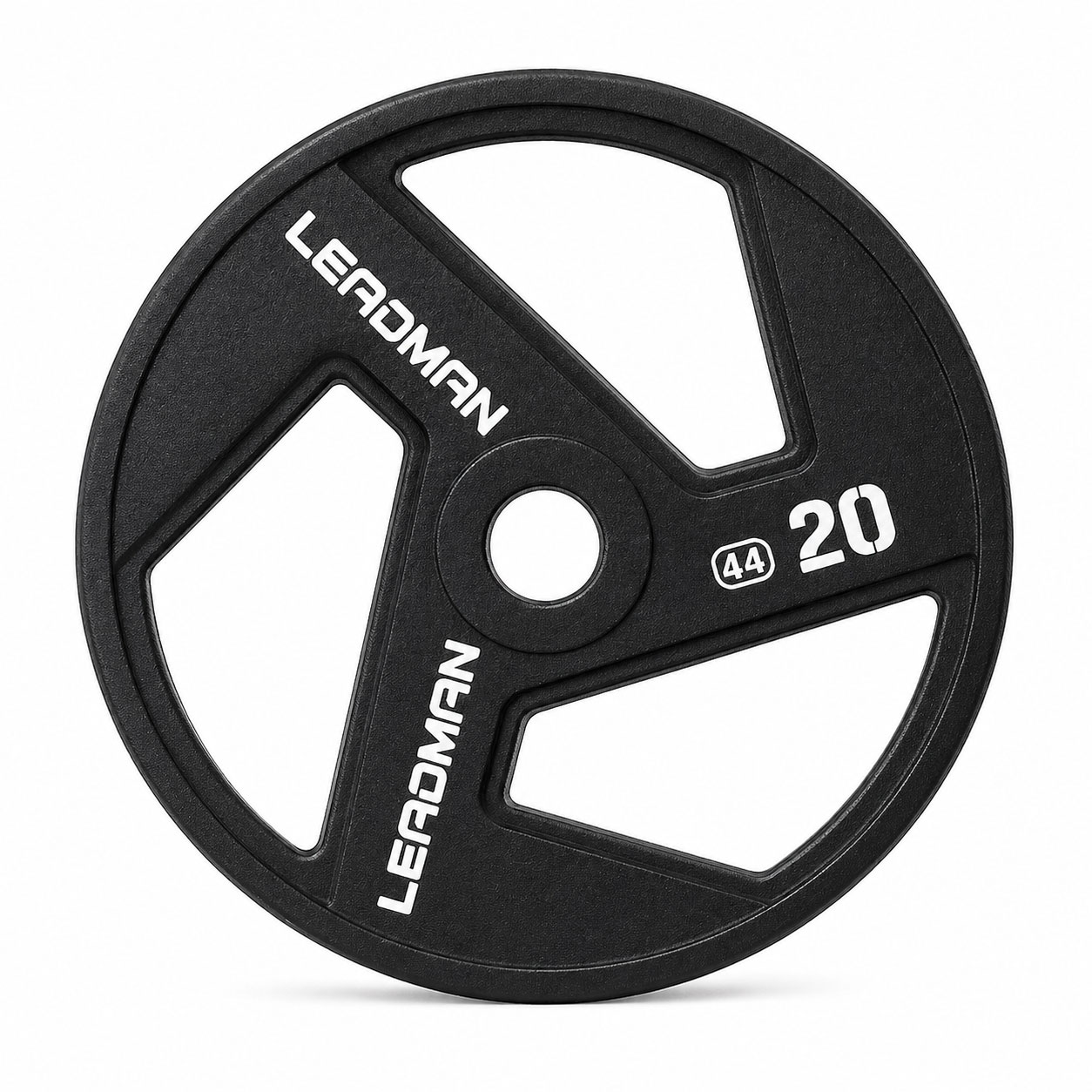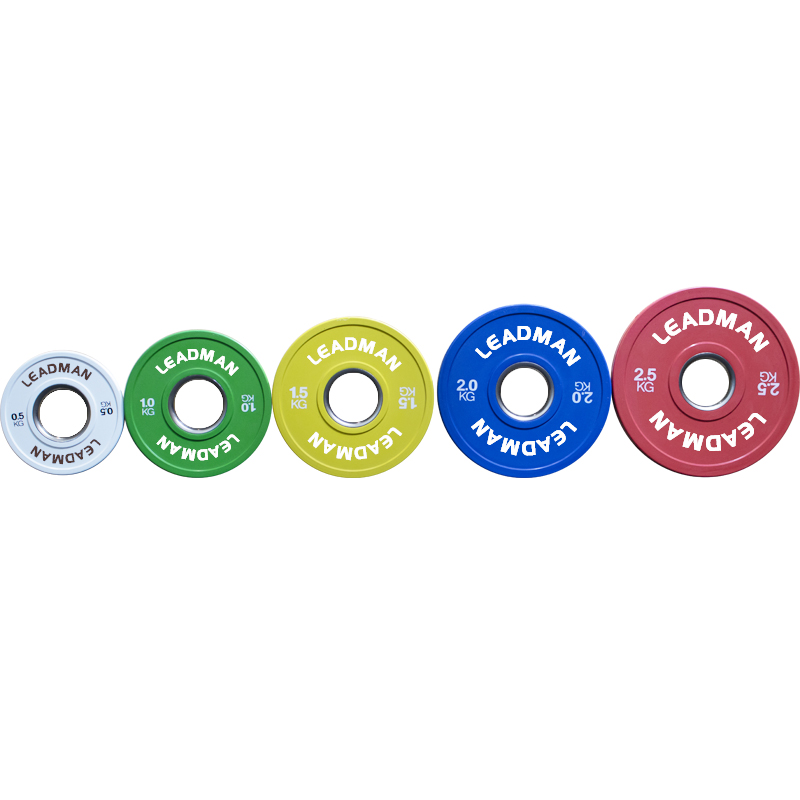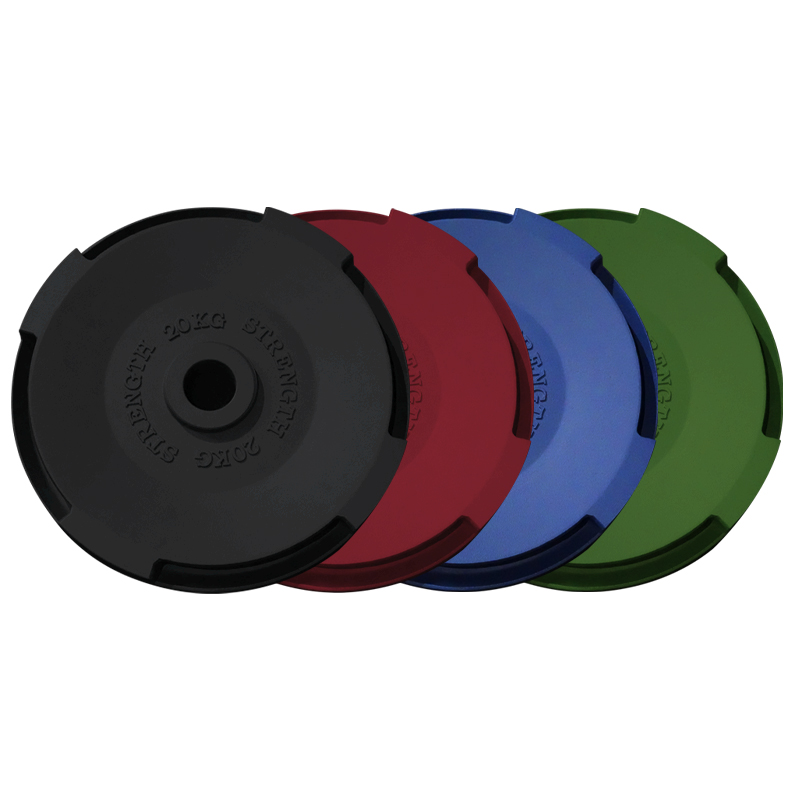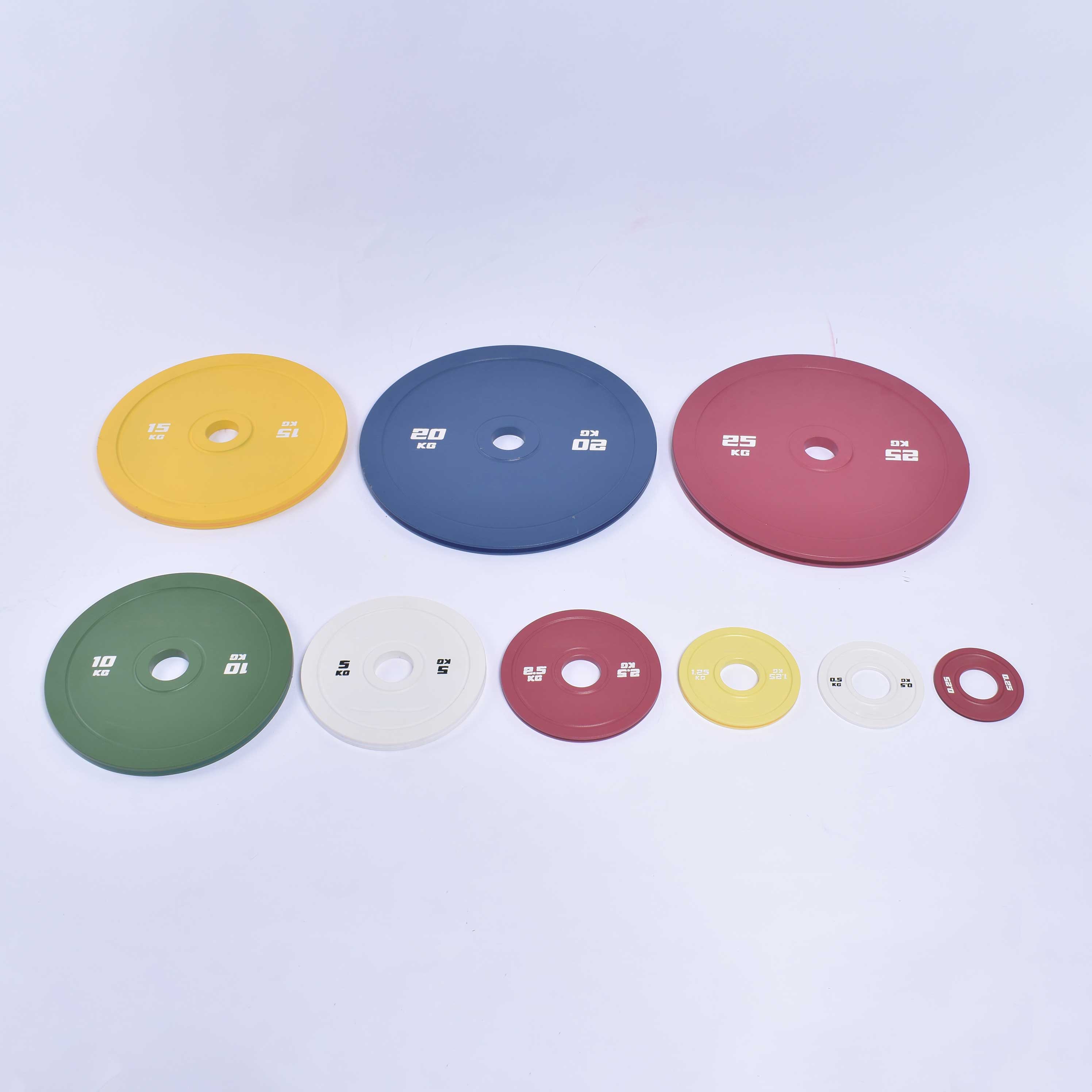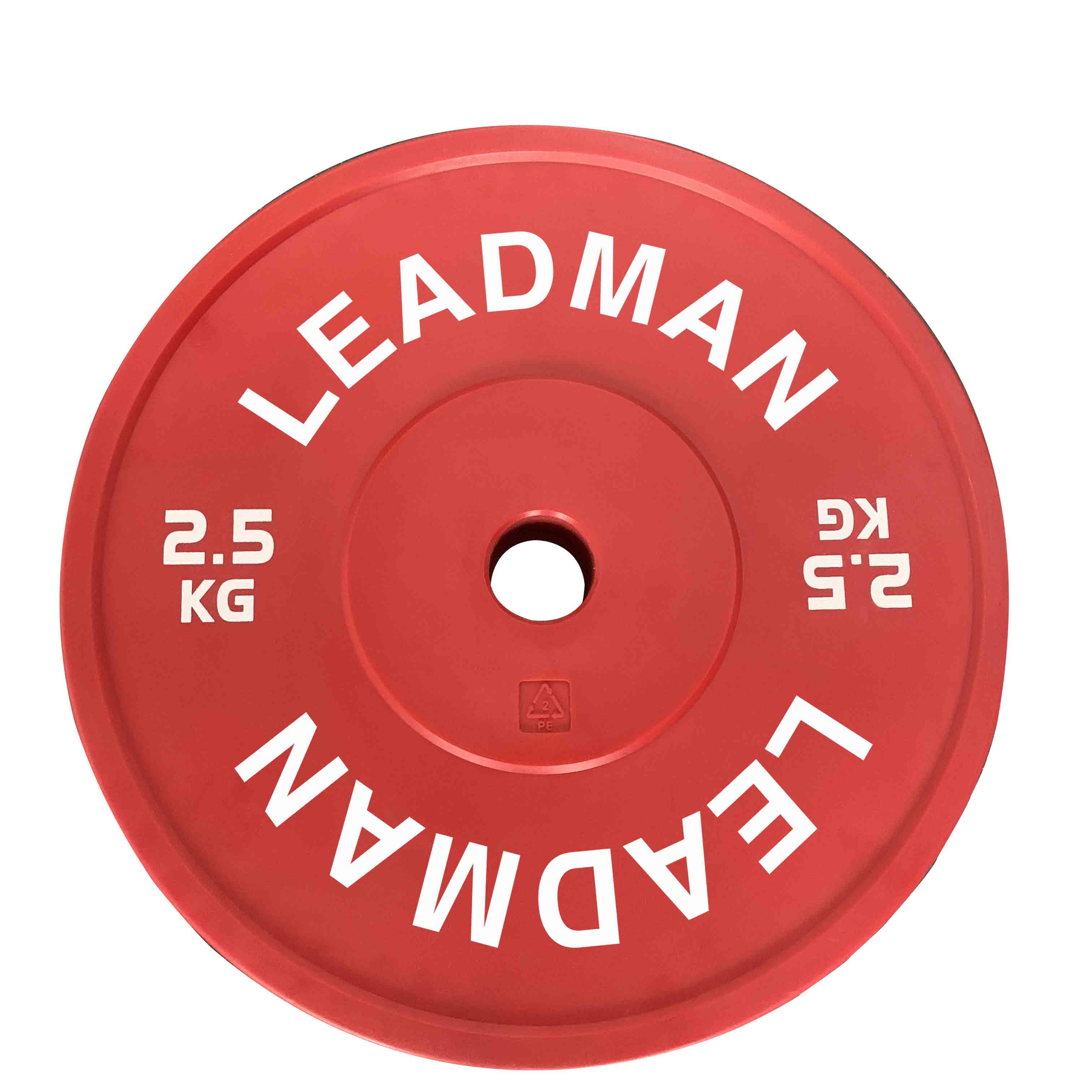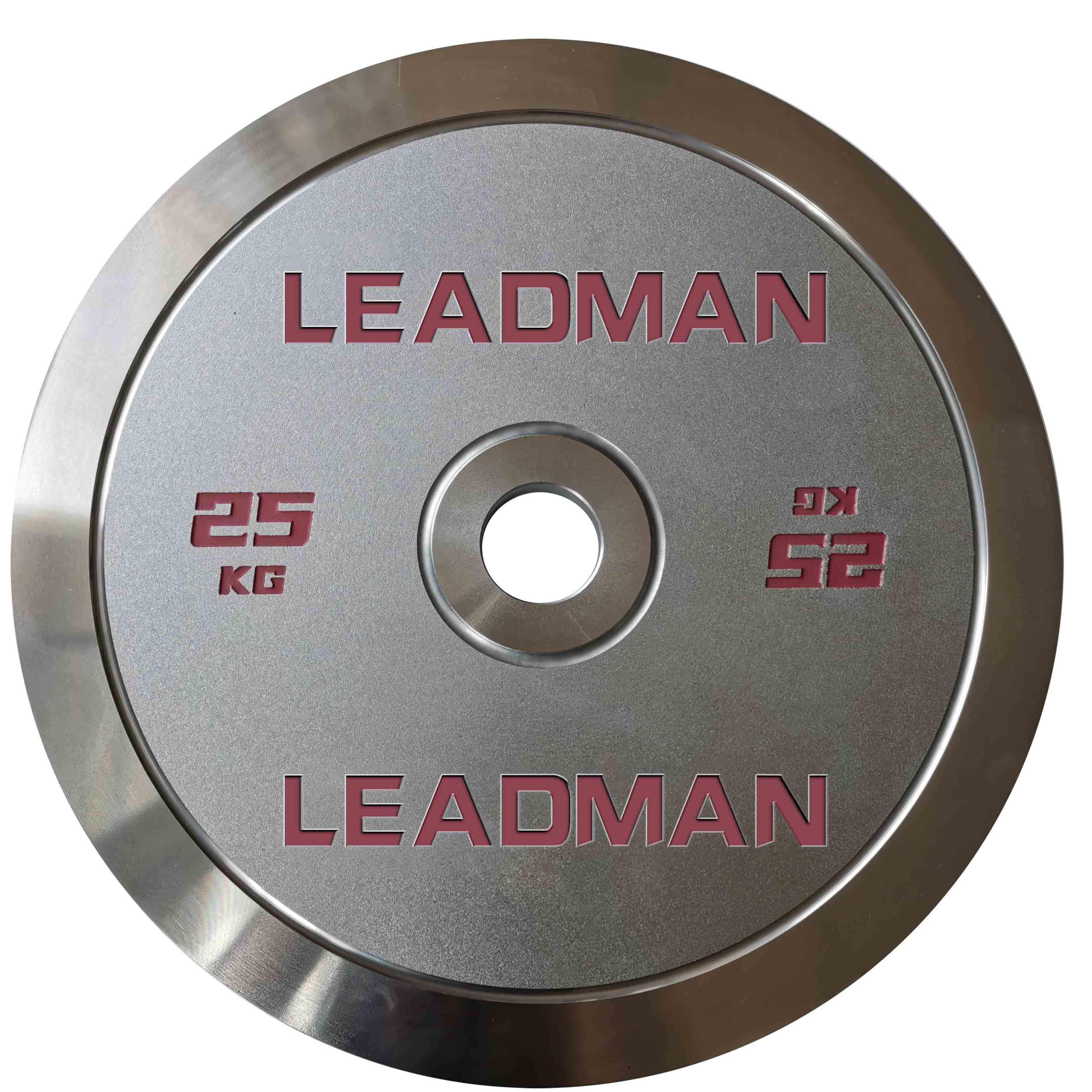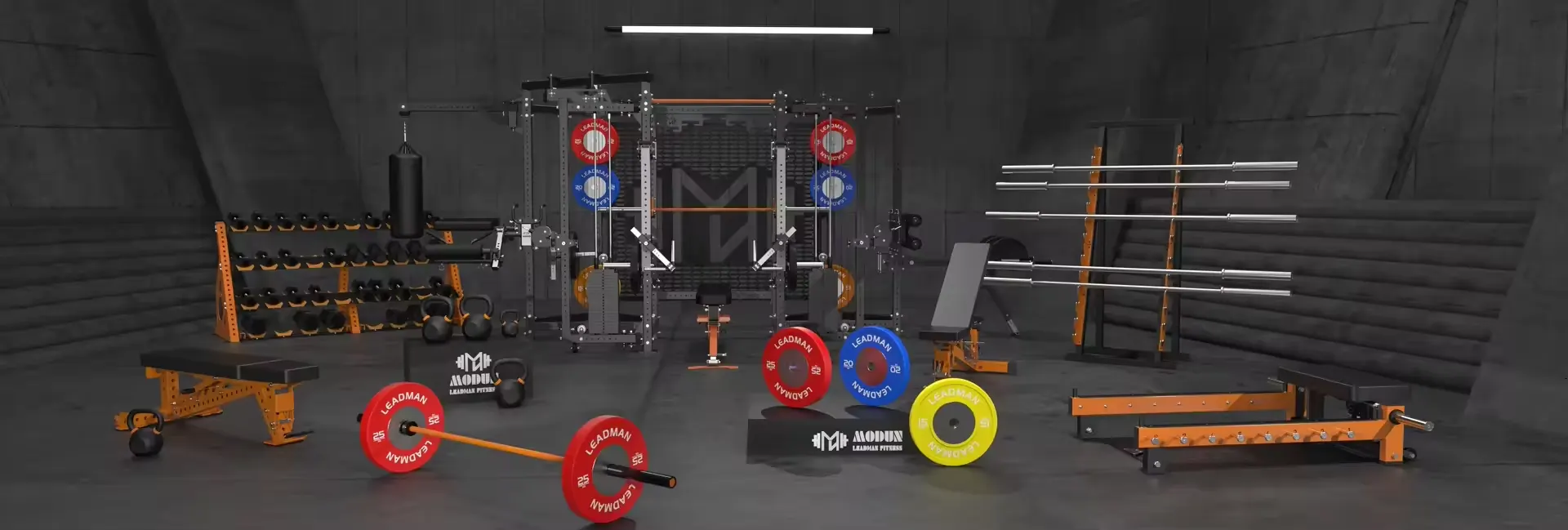
Within the demanding ecosystem of commercial strength training, the selection of weight plates is a decision that carries significant implications for safety, equipment longevity, and user experience. Rubber weightlifting plates have emerged as an industry standard, offering a superior balance of impact absorption, noise reduction, and floor protection. Unlike their iron or steel counterparts, these plates are engineered with a durable rubber encasement that mitigates the shock of heavy drops, safeguarding both the subfloor and the barbell itself, while also creating a more acoustically pleasant environment within the gym.
The manufacturing of high-quality rubber plates involves a meticulous process to ensure consistency in weight, density, and durability. Premium plates are often produced using a vulcanization process, which bonds the rubber to the steel hub under high heat and pressure, creating a cohesive unit that resists separation even under extreme stress. This process, combined with the use of virgin rubber rather than recycled materials, results in a denser, more durable plate with a lower bounce coefficient, ensuring that the barbell remains stable and manageable when dropped. The use of virgin rubber also limits the release of volatile organic compounds (VOCs) and unpleasant odors, which is an important consideration for indoor facilities.
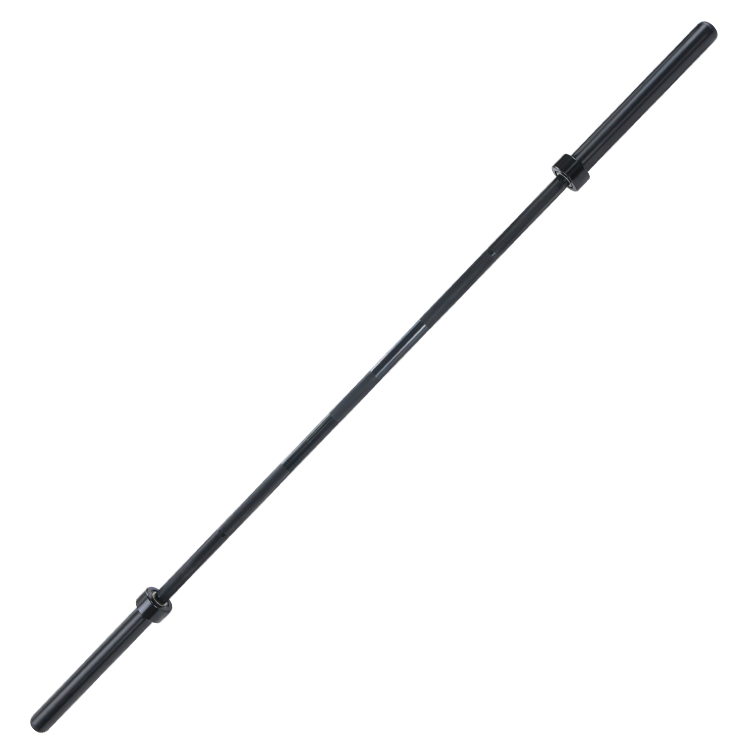
The design of rubber weightlifting plates is inherently user-centric, with features aimed at enhancing grip and ease of handling. The raised lip on the side of the plate allows for easier handling, making it simpler for athletes to grab and maneuver the plates when loading and unloading the barbell. This feature is particularly beneficial during high-volume training sessions where speed of equipment changeover is key. The steel hub insert, which includes a precise 2-inch hole to fit Olympic barbells, is engineered to ensure a secure fit, minimizing wobble and preserving the integrity of the plate and barbell sleeve.
From a biomechanical standpoint, rubber plates contribute to a more controlled lifting experience. The moderate shock absorption of the rubber helps to reduce the "bounce" of the barbell during the catch phase of Olympic lifts. This stable landing surface allows for a more controlled and safe lift, minimizing the risk of the barbell bouncing unpredictably and potentially causing injury. For powerlifting, the dense construction provides a solid, stable foundation for the start of a deadlift or squat, ensuring consistent performance.
For commercial gym operators, the investment in rubber weightlifting plates is a strategic choice that enhances safety, reduces noise complaints, and prolongs the lifespan of the gym's infrastructure. The durability of these plates translates to a lower total cost of ownership, as they require less frequent replacement compared to more fragile options. Their modern aesthetic also contributes to a professional and high-end facility image, appealing to discerning members who value quality and attention to detail.

Let our experts design the perfect gym solution for your business. Get a free consultation and quote today.