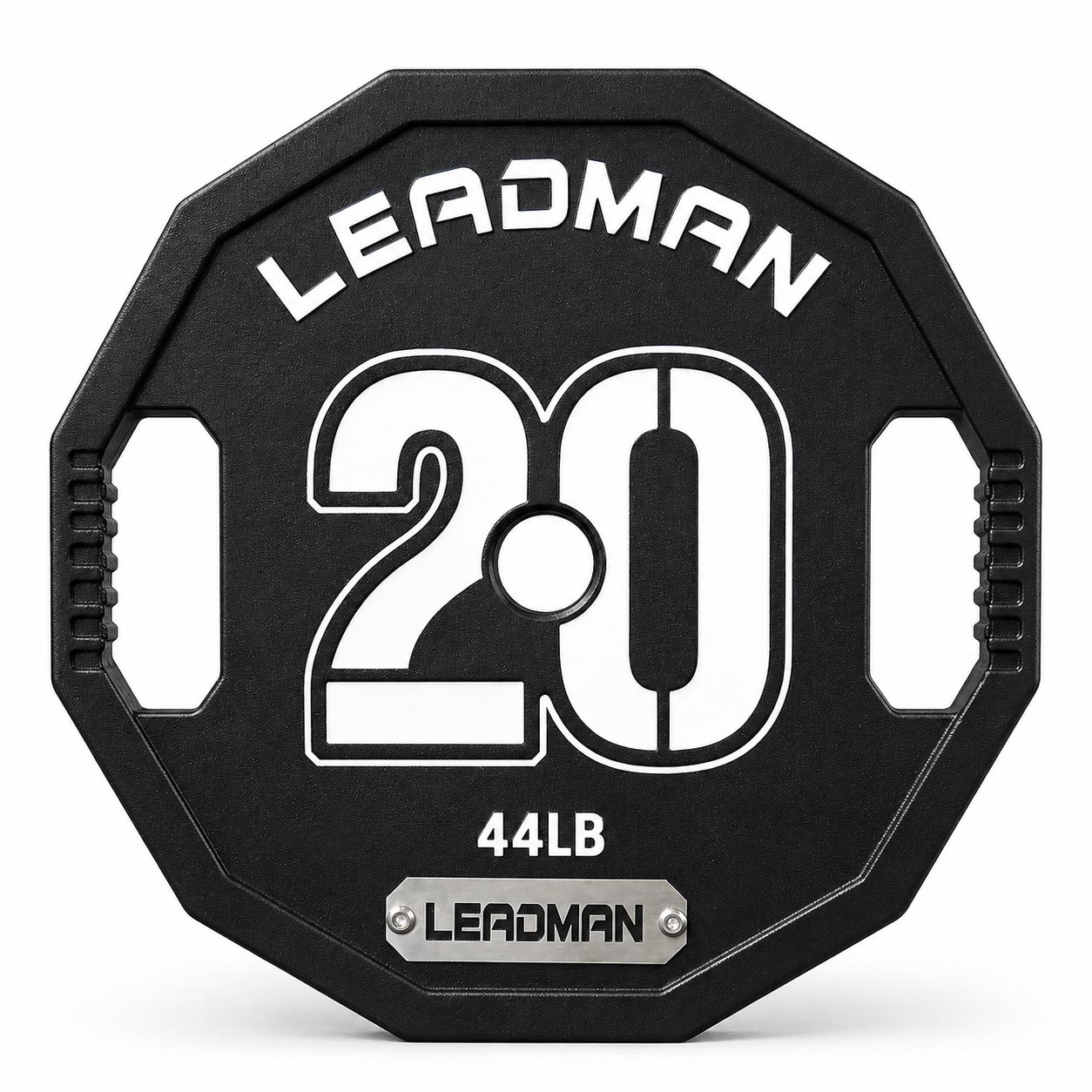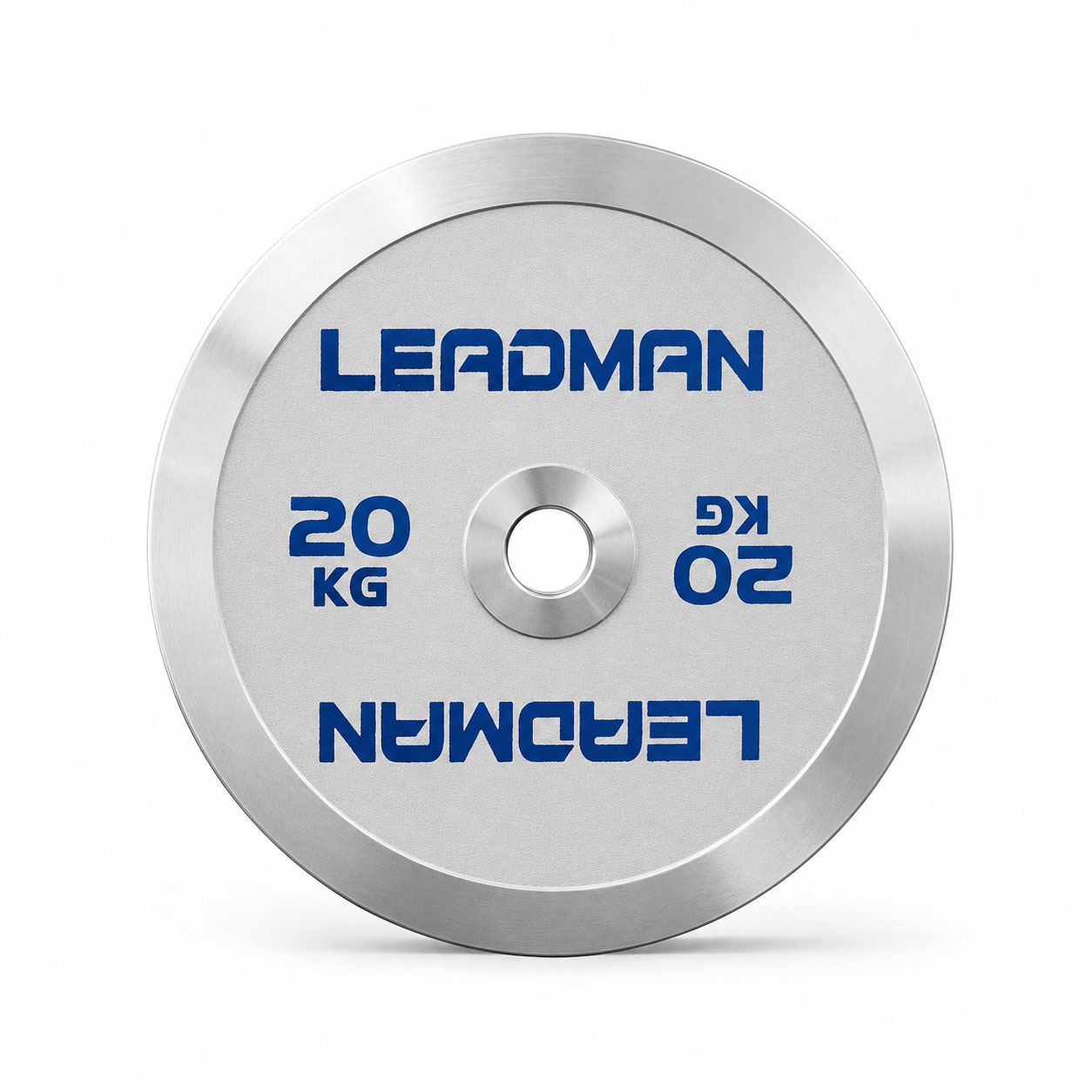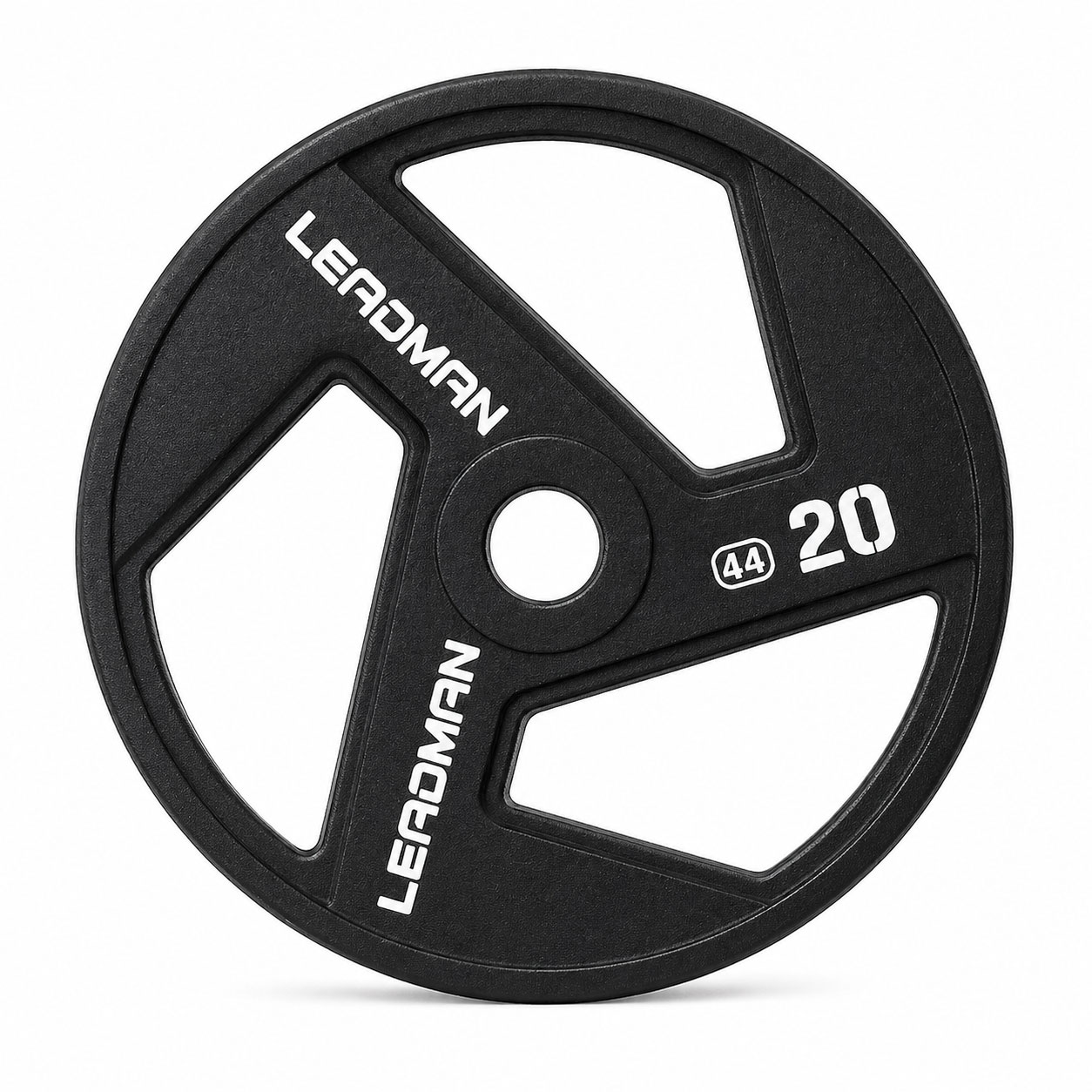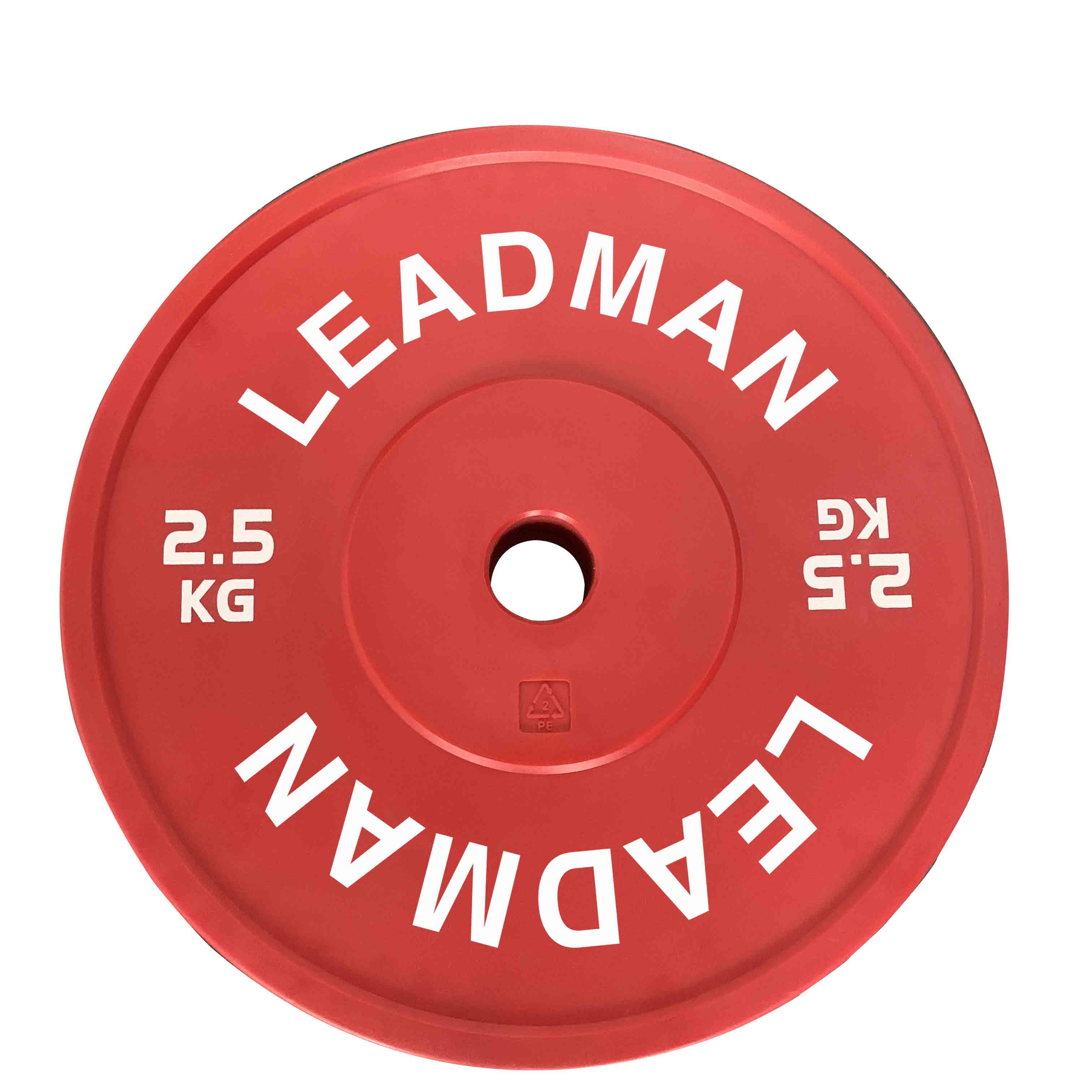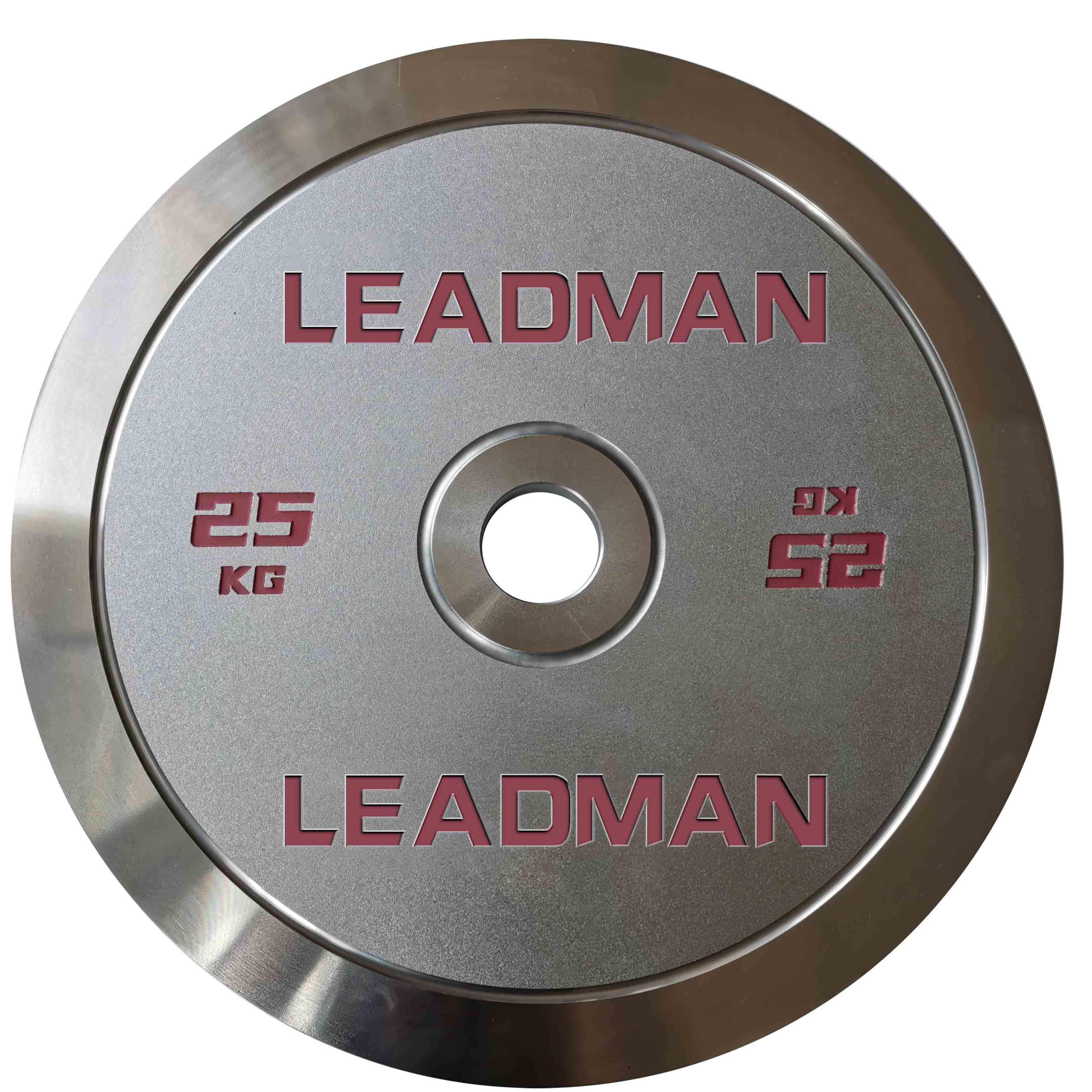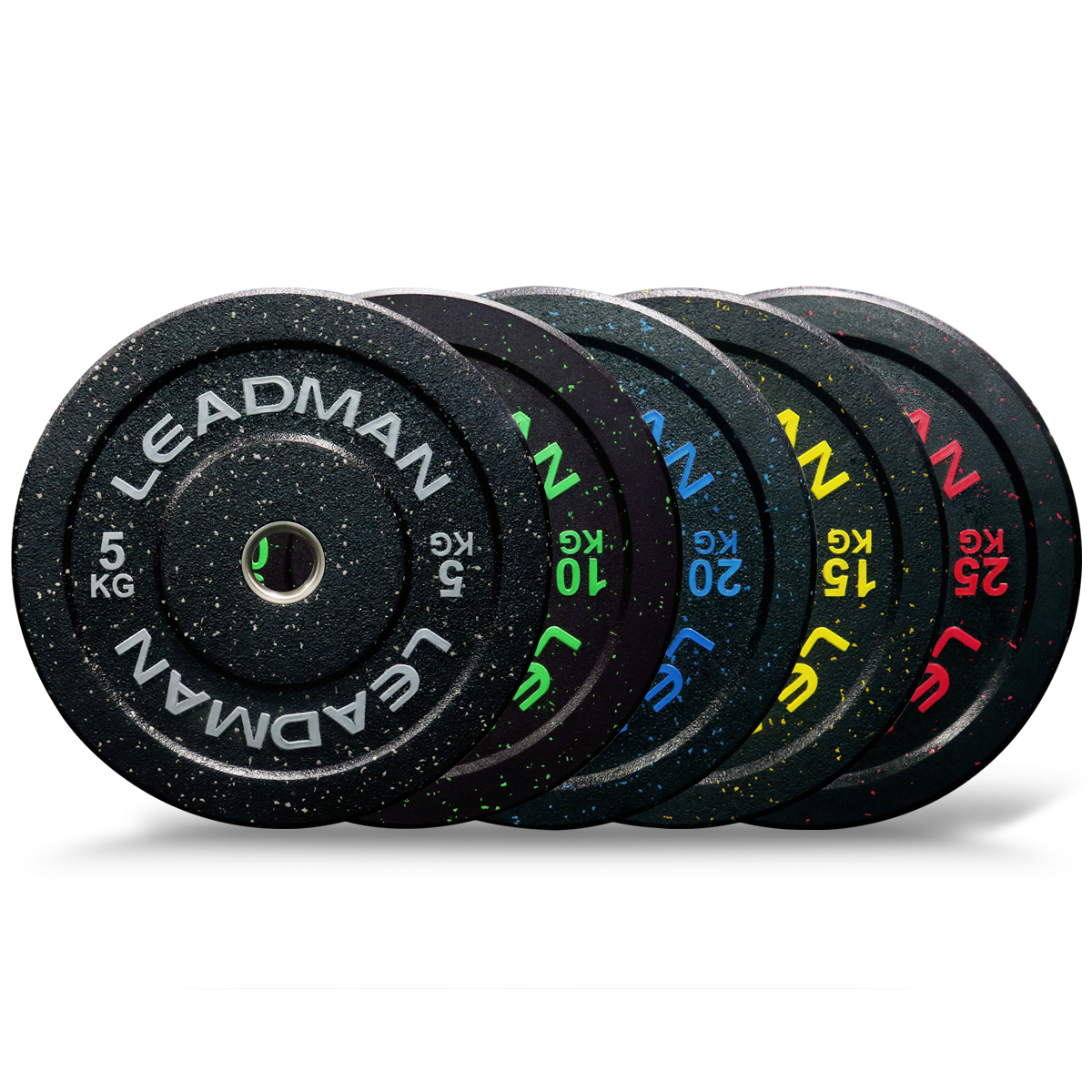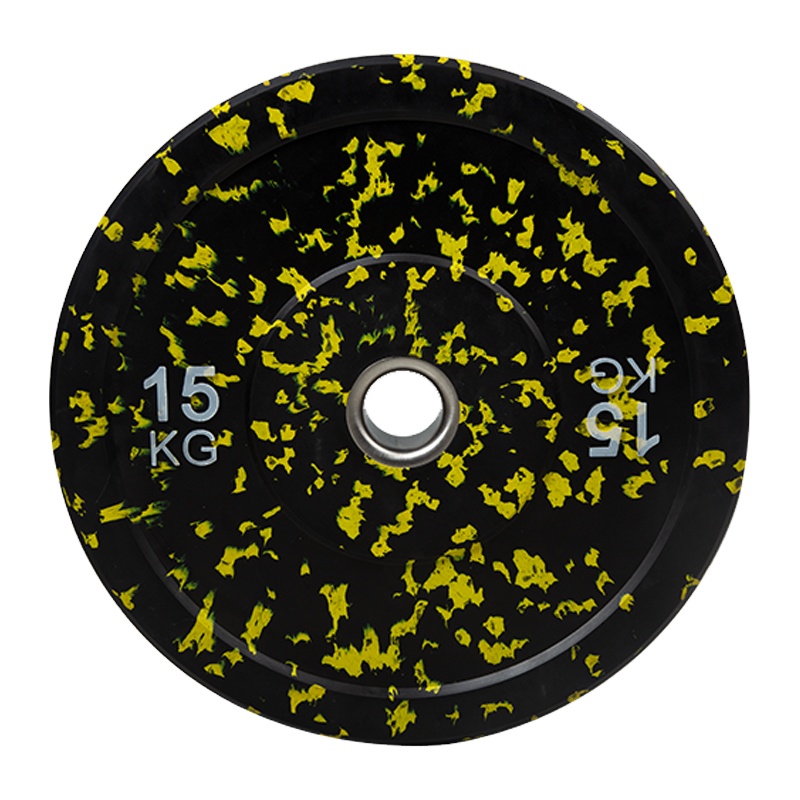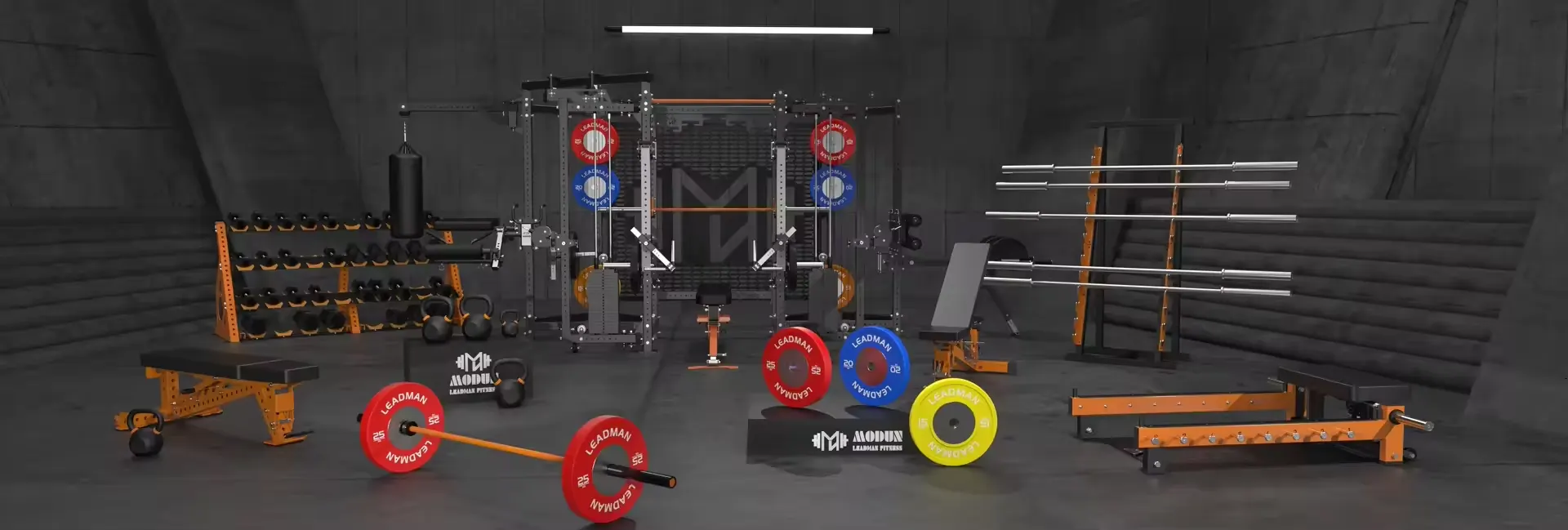
Rubber bar weights, commonly known as bumper plates, have revolutionized the weightlifting landscape by offering a safer, quieter, and more durable alternative to traditional cast-iron plates. Unlike metal plates, which are prone to chipping, rusting, and causing excessive noise and floor damage, rubber-encased weights are designed to absorb impact, protect both the equipment and the lifting surface, and provide a consistent bounce for Olympic lifts. The typical rubber bar weights set ranges from 5 kilograms to 25 kilograms per plate, with the majority of commercial gyms stocking pairs in 10kg, 15kg, and 20kg increments. Their growing popularity is not merely aesthetic; data from fitness equipment surveys indicates that over 65% of new gym installations in 2025 opted for rubber bumper plates over iron, driven by their versatility for both heavy powerlifting and explosive weightlifting movements. For gym owners and home lifters alike, understanding the construction, performance characteristics, and cost-benefit analysis of rubber bar weights is crucial for making an informed purchasing decision that balances safety, longevity, and training efficacy.
The mechanism behind rubber bar weights lies in their dual-layer construction and elastic deformation properties. Most high-quality bumper plates feature a solid steel core—often with a precision-machined center hole to fit snugly on a 50mm (2-inch) Olympic bar sleeve—surrounded by a thick layer of vulcanized rubber or recycled rubber compound. This rubber layer acts as a shock absorber; when dropped from overhead, the rubber compresses and dissipates the kinetic energy, reducing peak impact forces by approximately 30–50% compared to iron plates. This energy absorption not only protects the barbell's sleeves and bearings but also minimizes vibration transfer to the floor, a critical feature for multi-story gyms or residential installations where noise complaints are a concern. The rubber's density and durometer (hardness) determine the bounce characteristic; competition-grade plates use a very dense rubber (Shore A 80–85) that produces a predictable, low bounce (around 10–15% of drop height), while training plates may use a softer compound (Shore A 70–75) that offers higher impact absorption but more bounce, which can be unsettling for novice lifters. The steel insert ensures the plate maintains its structural integrity even after thousands of drops, with top-tier brands like Eleiko and Rogue testing their rubber bar weights to withstand over 30,000 drops from 1.2 meters without failure.
Evidence from real-world gym usage data provides a compelling case for the transition to rubber bar weights. A 2024 study tracking equipment longevity across 15 CrossFit affiliates found that bumper plates lasted an average of 7.2 years with regular use, compared to just 3.8 years for cast-iron plates in the same environment—a near-doubling of lifespan. The primary failure mode for iron plates was chipping and deformation of the center hole, which led to loose fitting and bar damage, whereas rubber plates typically failed due to rubber degradation from ozone exposure or repeated shearing, which can be mitigated by storing plates upright and avoiding direct sunlight. In terms of user experience, surveys indicate that 89% of lifters prefer the feel of rubber plates for deadlifts and Olympic lifts, citing the reduced noise and the reassuring thud of a controlled drop. From a cost perspective, while the upfront investment for a full set of rubber bar weights (e.g., 160kg set) can be 2.5 to 3 times higher than iron equivalents—roughly $600–$1,200 versus $250–$400—the long-term savings from reduced floor repair, fewer bar replacements, and improved member retention in commercial settings often justify the premium. For instance, a boutique gym that switched to rubber plates reported saving $800 annually in floor resurfacing costs alone, recovering the price difference within 18 months.
For actionable insights when selecting rubber bar weights, facility managers and home gym builders should prioritize durometer rating, steel insert quality, and warranty terms. A higher durometer (80–85 Shore A) indicates a harder, more durable rubber that offers less bounce and better longevity under heavy use, while a lower durometer (70–75) absorbs more impact but wears faster. The steel insert's design is equally critical: ensure it features a precision-machined, slightly recessed center hole to fit the barbell sleeve without rattling, and check that the insert extends fully through the plate to prevent the rubber from deforming under load. Look for plates with a chrome or zinc-plated insert to resist corrosion, especially in humid environments. When assessing value, compare the warranty coverage—reputable manufacturers offer 3–5 years on rubber integrity and lifetime on the steel hub—and consider the plate's diameter consistency; all plates in a set should have the same outer diameter (typically 450mm or 17.7 inches for Olympic plates) so that deadlifts start from a consistent height regardless of the load. A recommended purchase strategy is to invest in a primary set of 10kg, 15kg, and 20kg pairs, supplemented by smaller iron or change plates (2.5kg, 5kg) for incremental loading, as micro-adjustments in rubber are often less precise.
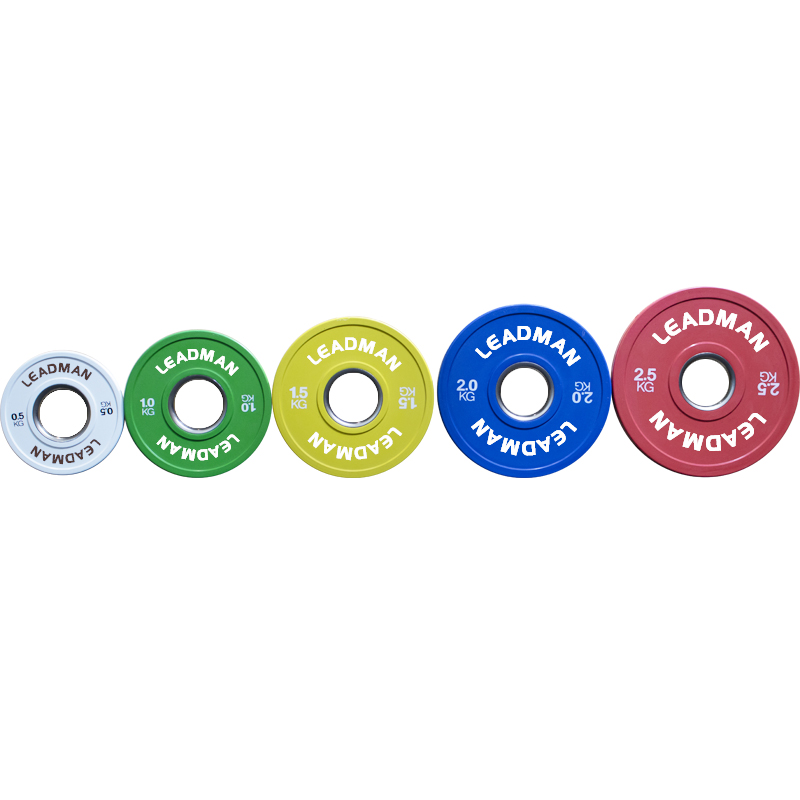
Beyond the physical characteristics, the rubber bar weights market has seen innovations in environmental sustainability and color-coding standards. Many manufacturers now use recycled rubber compounds, reducing the carbon footprint by 20–30% compared to virgin rubber, and some offer take-back programs for worn plates. Color-coding is standardized by the International Weightlifting Federation (IWF): red for 25kg, blue for 20kg, yellow for 15kg, green for 10kg, and white for 5kg, which aids in rapid plate identification during busy training sessions. This system is particularly beneficial in high-traffic commercial facilities where quick loading and unloading are essential. Additionally, advancements in rubber chemistry have led to "odorless" compounds that eliminate the characteristic "new tire" smell associated with cheaper plates, a subtle but appreciated feature for indoor gyms. When storing rubber plates, avoid stacking them flat for extended periods, as the weight can deform the rubber over time; instead, use vertical plate racks or tree stands that distribute the load evenly. Finally, for facilities subject to strict noise ordinances, consider pairing rubber bar weights with rubber flooring tiles (minimum 3/4-inch thickness) to further dampen impact noise, achieving a total noise reduction of up to 70% compared to iron plates on concrete. This holistic approach—combining quality plates with appropriate flooring—ensures a professional, quiet, and durable training environment that serves both recreational and competitive athletes effectively.

Let our experts design the perfect gym solution for your business. Get a free consultation and quote today.