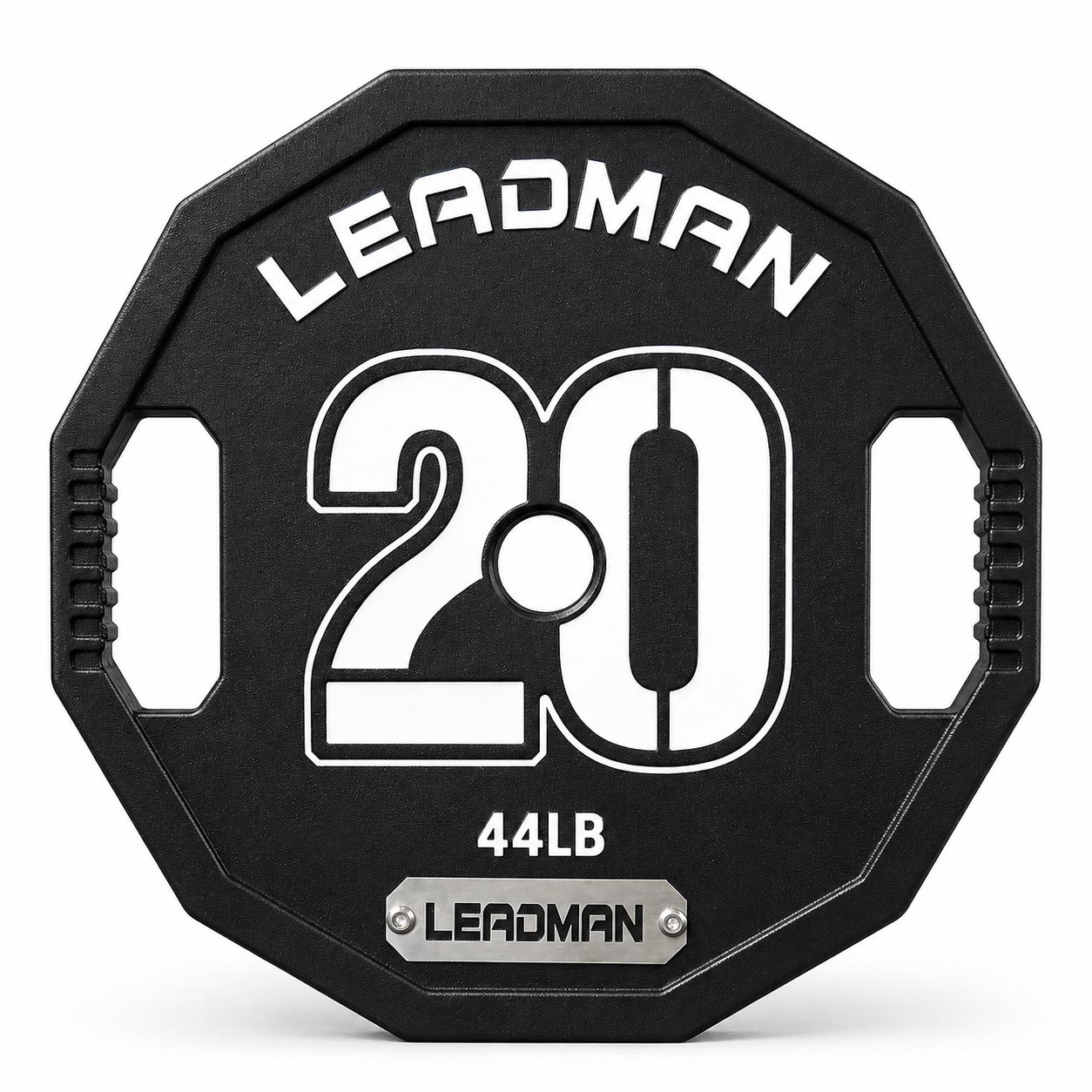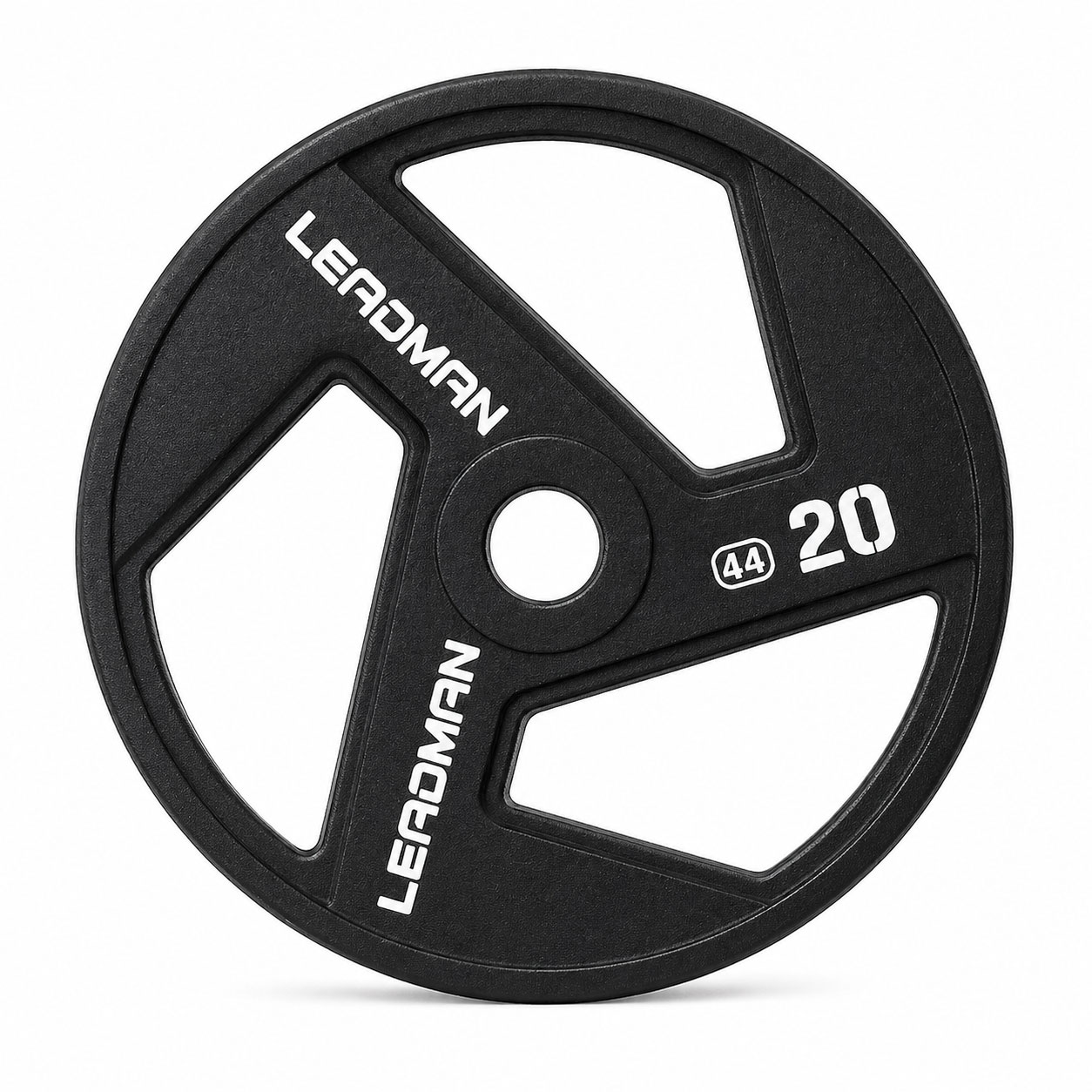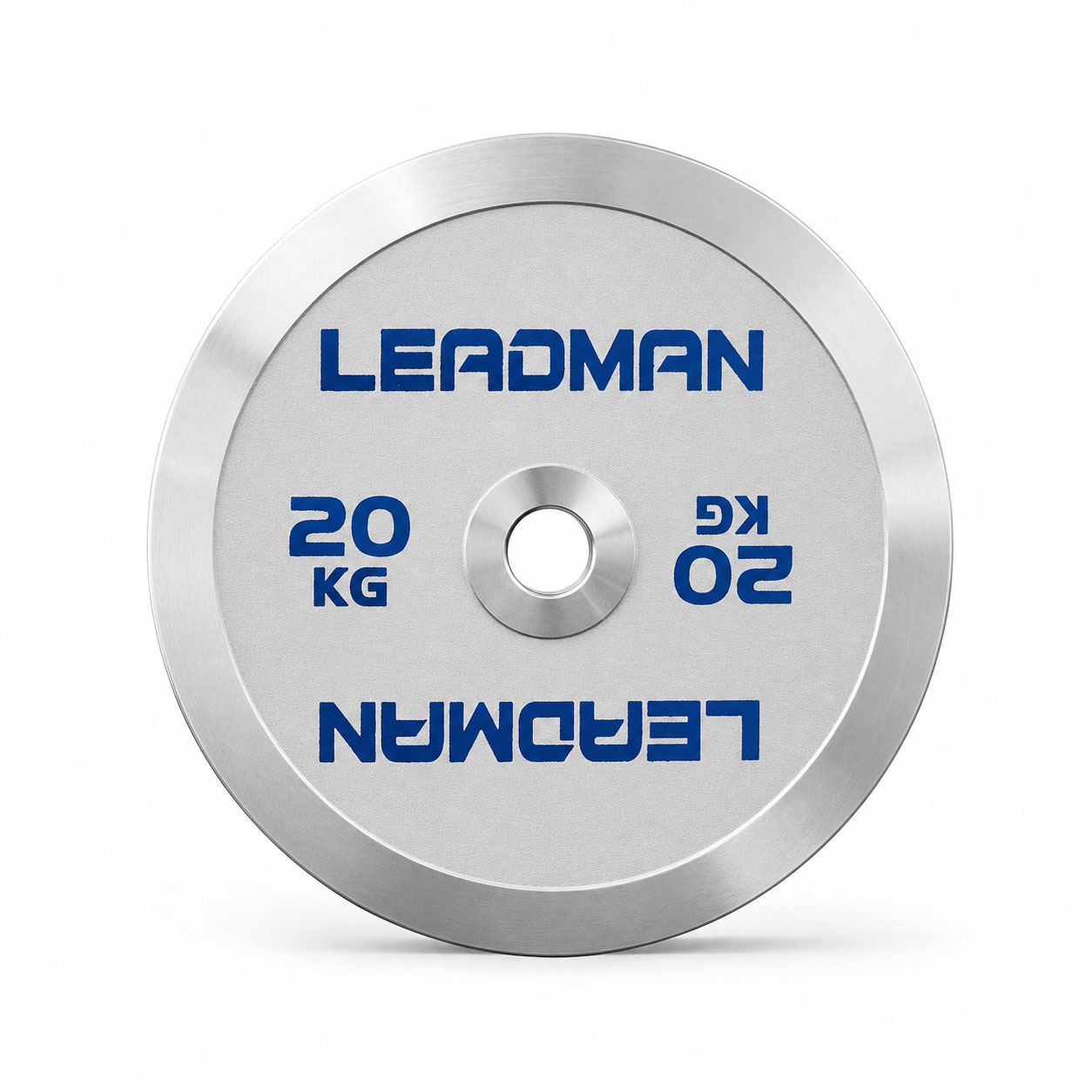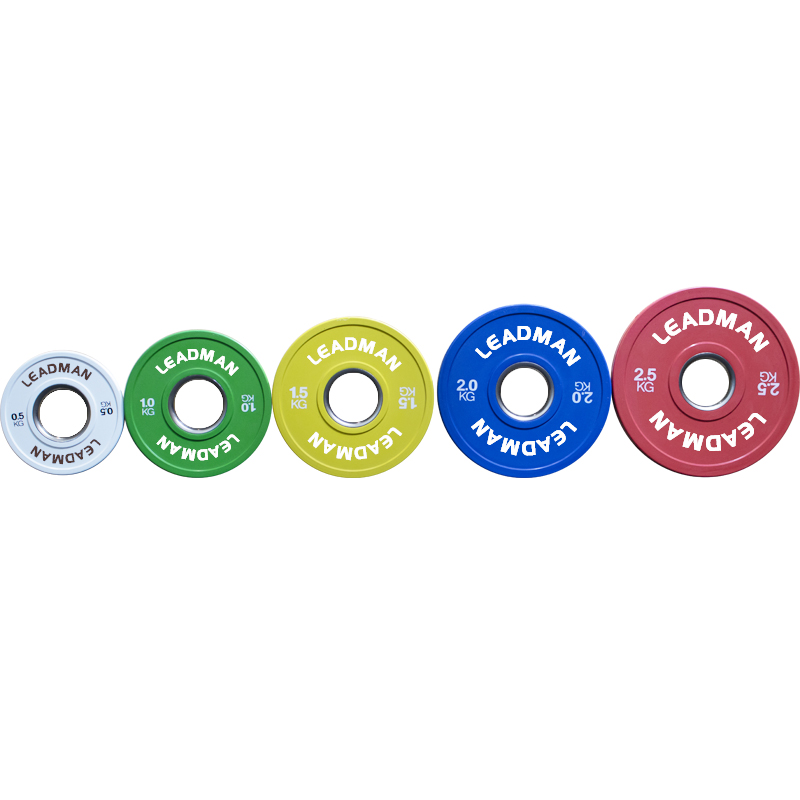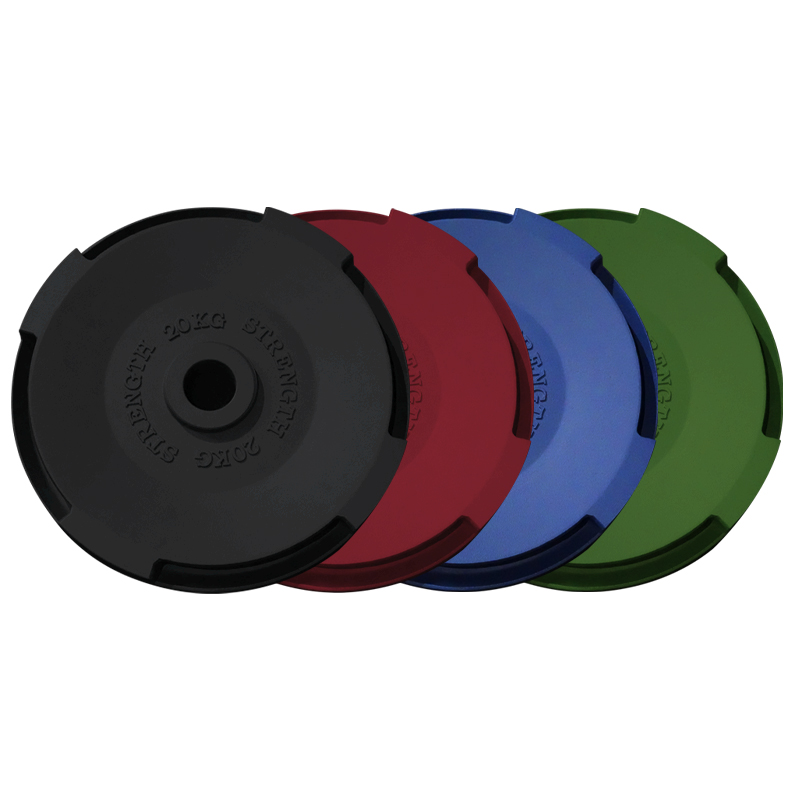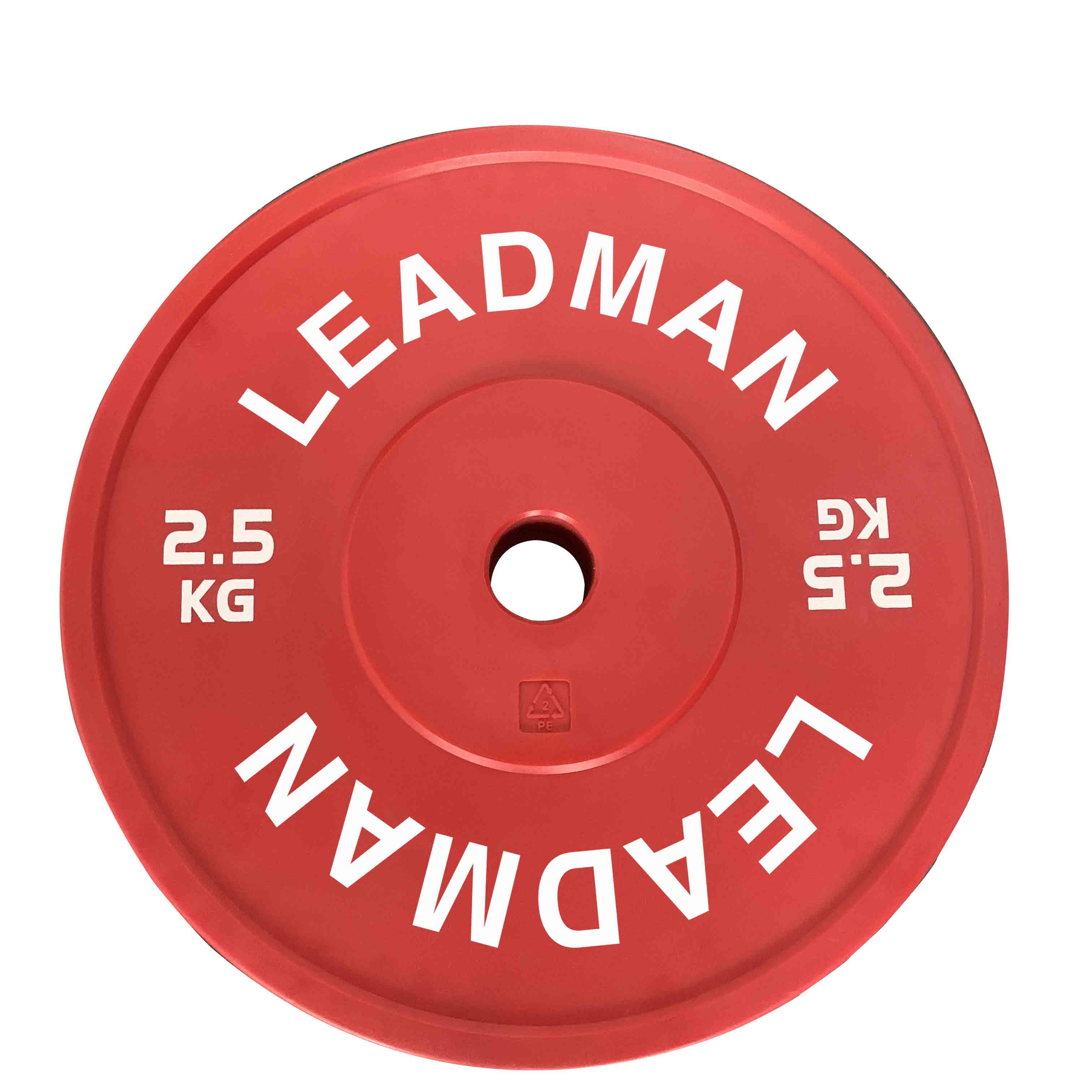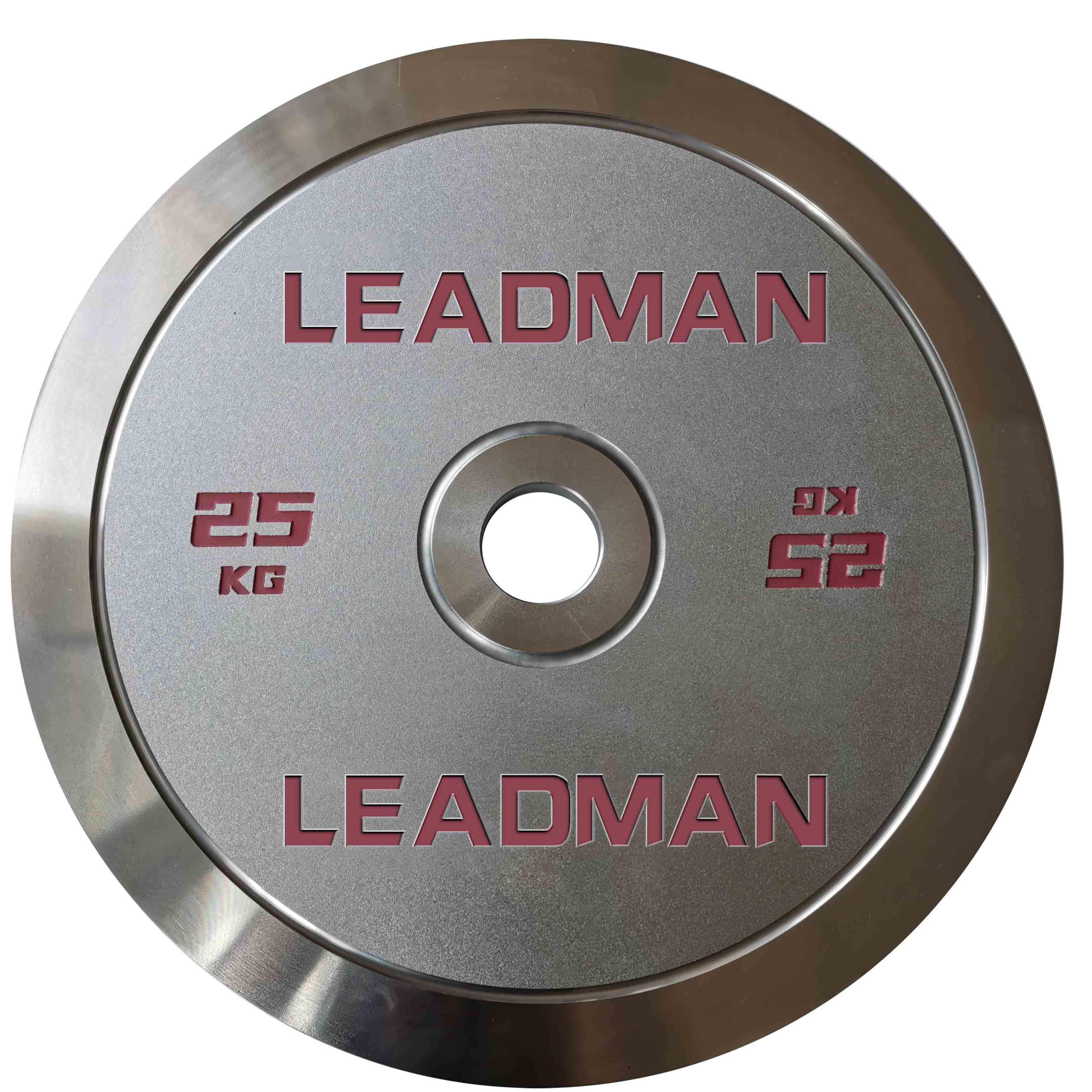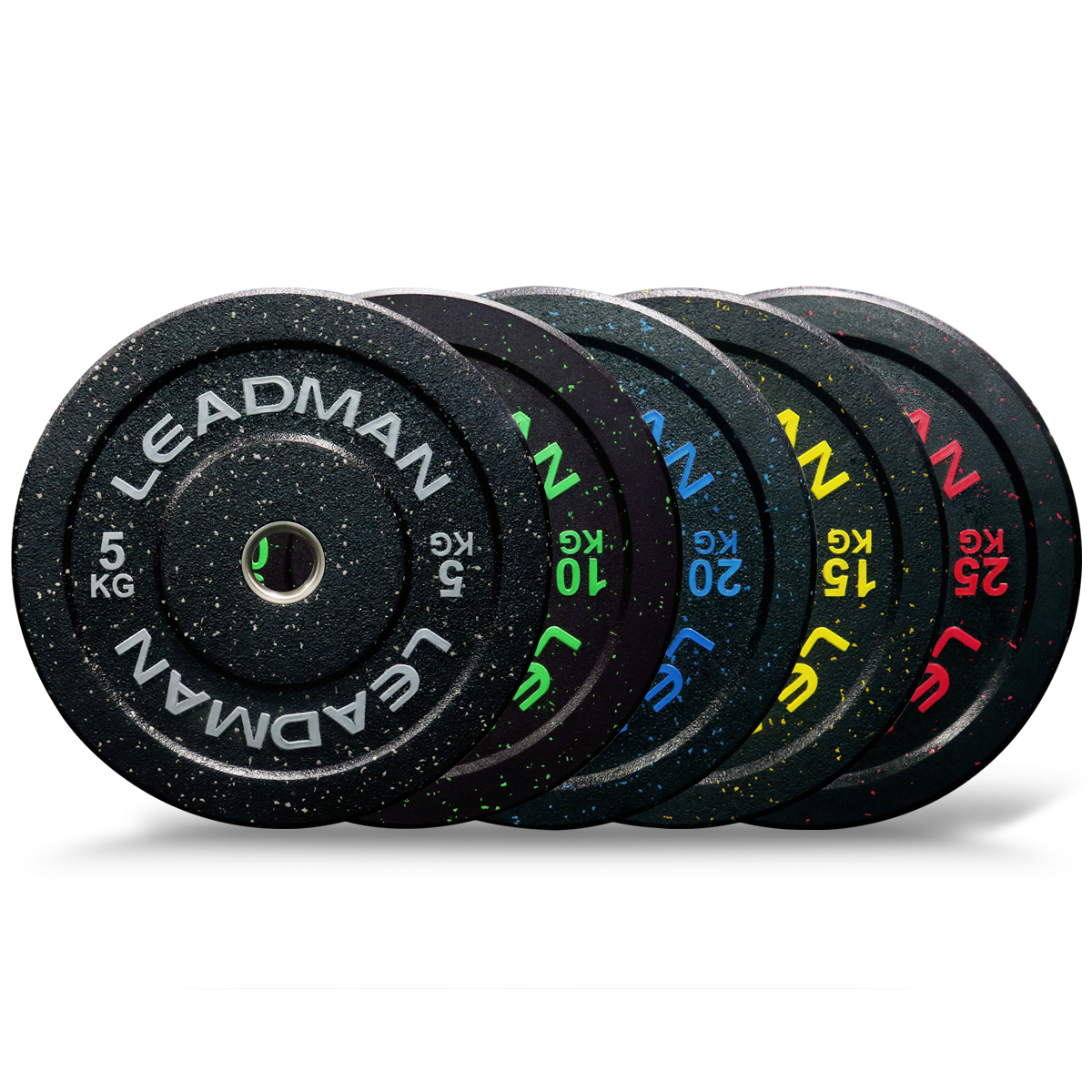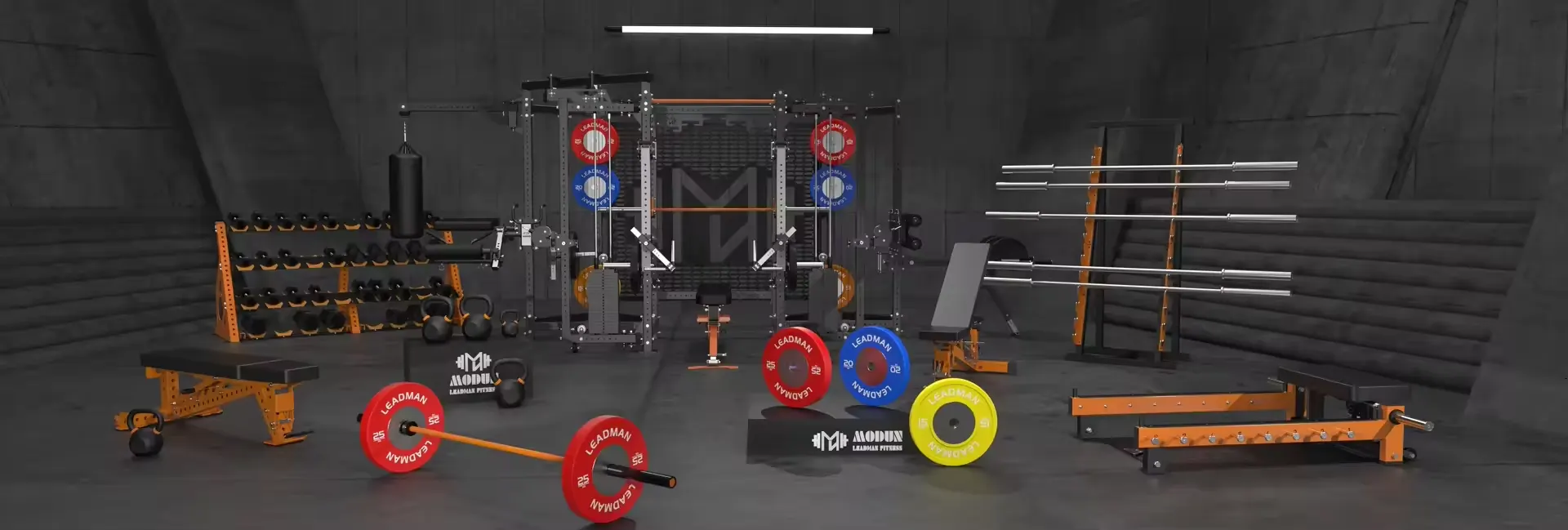
The red bumper plate has become an iconic visual standard in weightlifting facilities worldwide, primarily serving as the 25kg (55lb) identifier in the International Weightlifting Federation's color-coding system. For commercial gym operators and facility procurement managers, understanding the specific role of red bumper plates extends beyond mere color recognition—it encompasses material engineering, impact dynamics, and strategic inventory planning. As the most frequently loaded weight increment in many training programs, the red plate's availability and condition directly influence member satisfaction and workout efficiency across Olympic lifting platforms and functional training zones.
From an engineering perspective, the density and compression characteristics of red bumper plates are subject to more rigorous performance demands than lighter plates due to their mass and the frequency of their use. Premium commercial red plates utilize high-density virgin rubber with a Shore durometer typically ranging between 80 and 90, providing sufficient hardness to maintain dimensional stability while offering adequate impact absorption for repeated drops from overhead. The steel hub insert in quality red plates features precision-machined tolerances of +/- 0.1mm, ensuring consistent fit across different barbell brands and minimizing sleeve wear over extended service life. For bulk procurement, verifying that the red color pigmentation is UV-stable ensures the plates maintain their professional appearance and immediate weight recognition value despite exposure to typical gym lighting conditions.
For facility operations, managing red bumper plate inventory requires strategic planning around usage patterns and replacement cycles. Given their position as the mid-range heavy plate—sandwiched between the 20kg blues and the heavier 25kg variants—red plates often experience the highest loading frequency in general strength conditioning programs. Procurement specialists should consider ordering 25-30% more red plates than other weight increments when stocking a new facility or expanding an existing equipment suite, ensuring that multiple stations can be loaded simultaneously during peak hours. Additionally, implementing periodic calibration checks ensures that the weight tolerance, typically specified at +/- 1% of the claimed mass, remains within acceptable parameters for member tracking consistency and competitive training standards.

Let our experts design the perfect gym solution for your business. Get a free consultation and quote today.