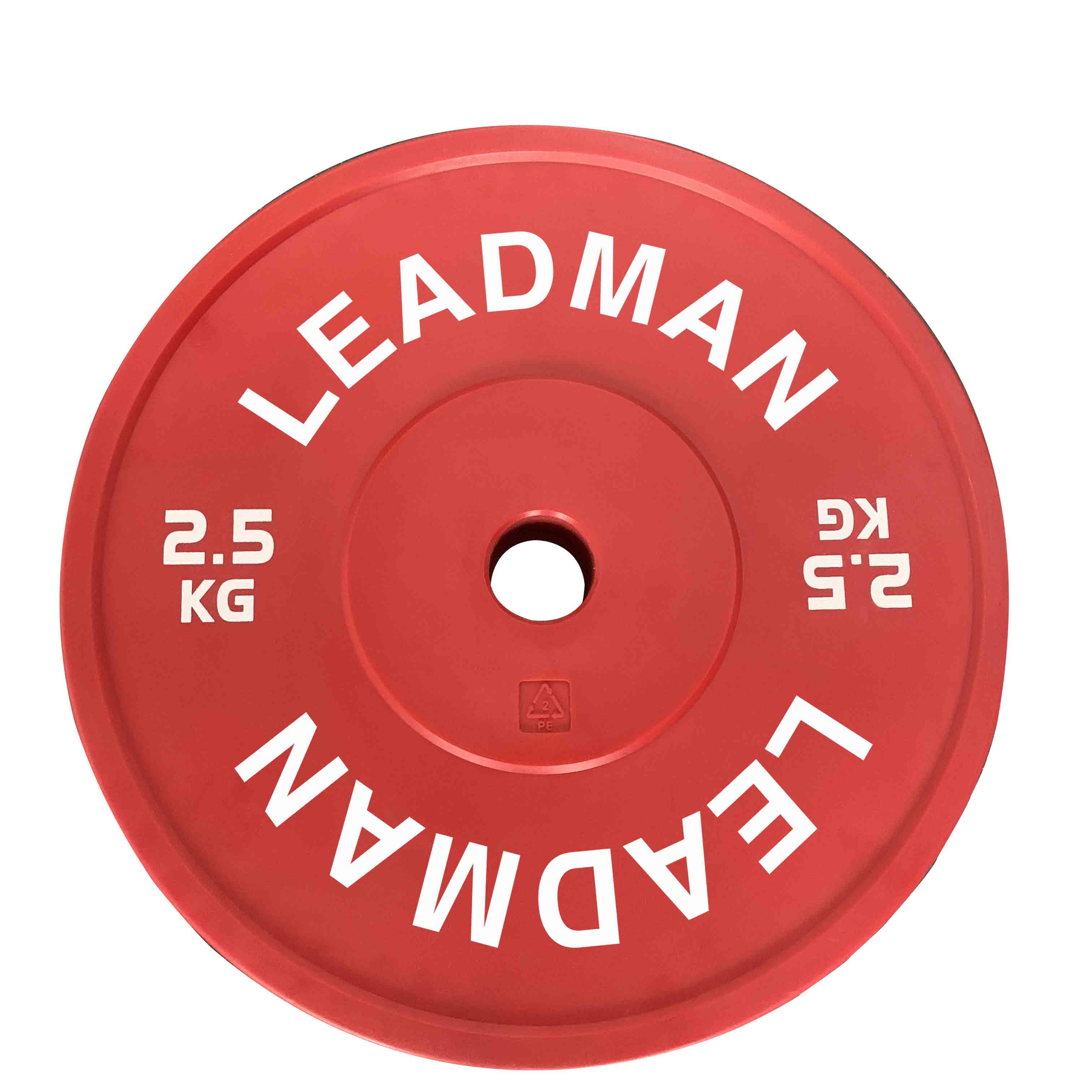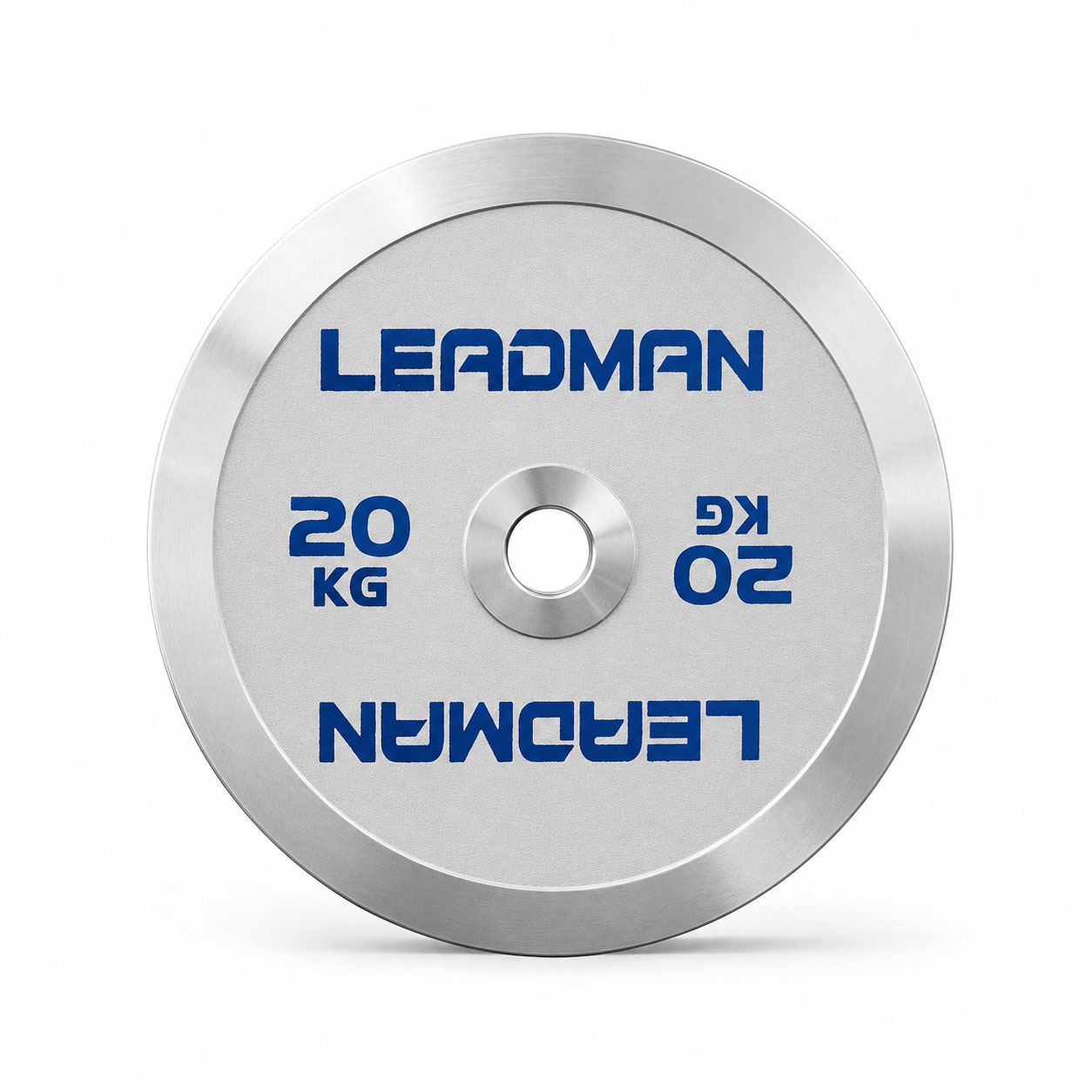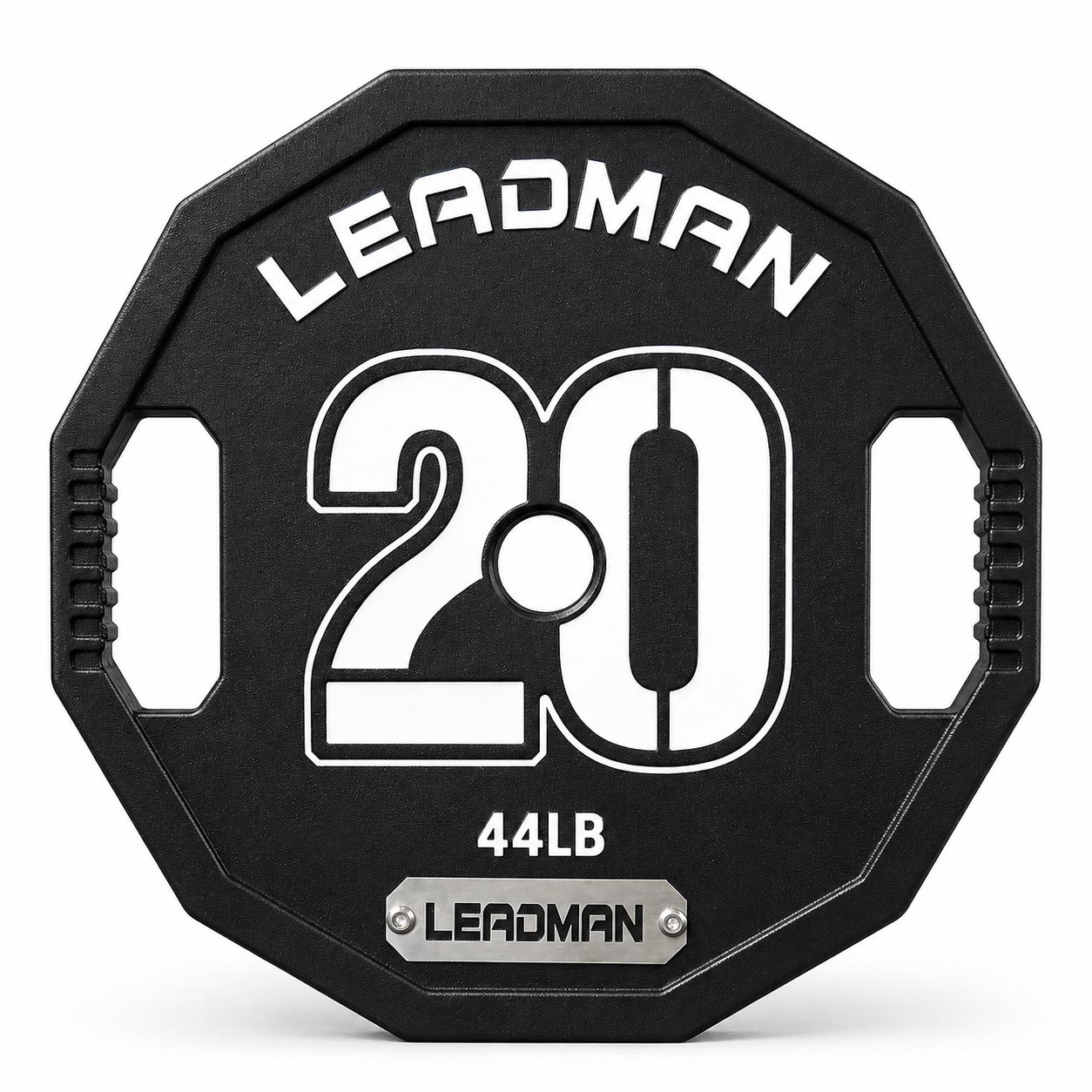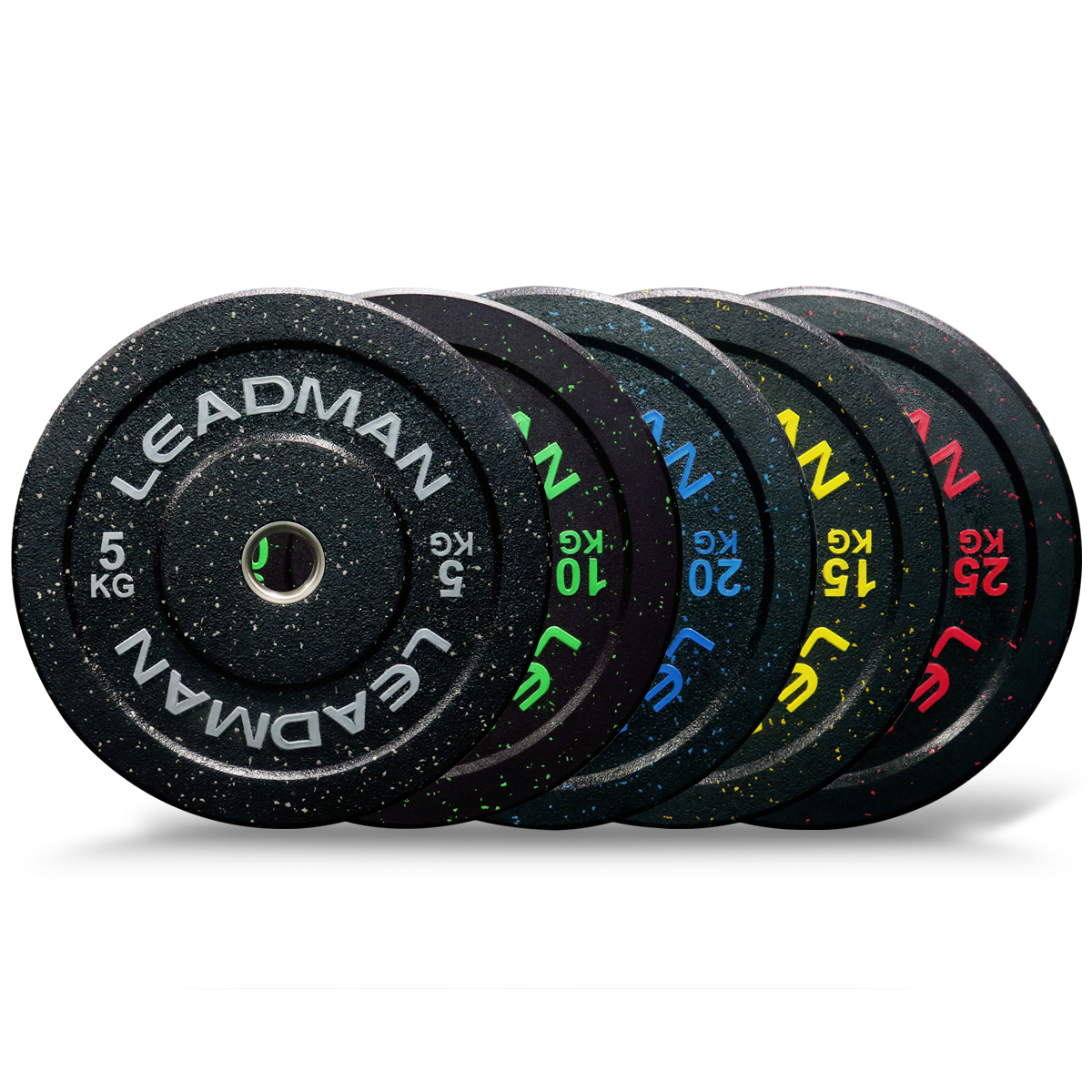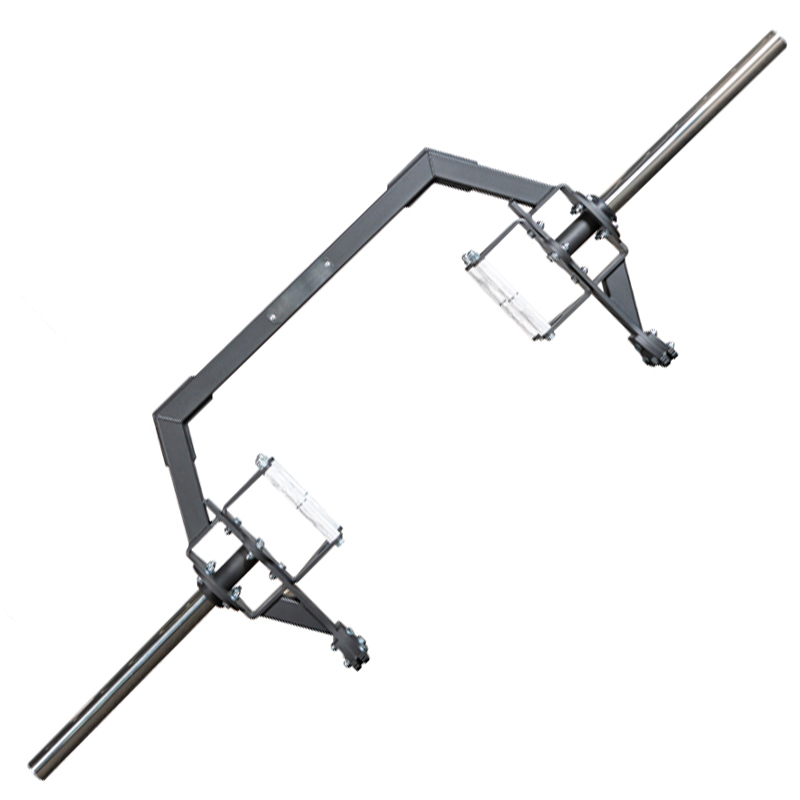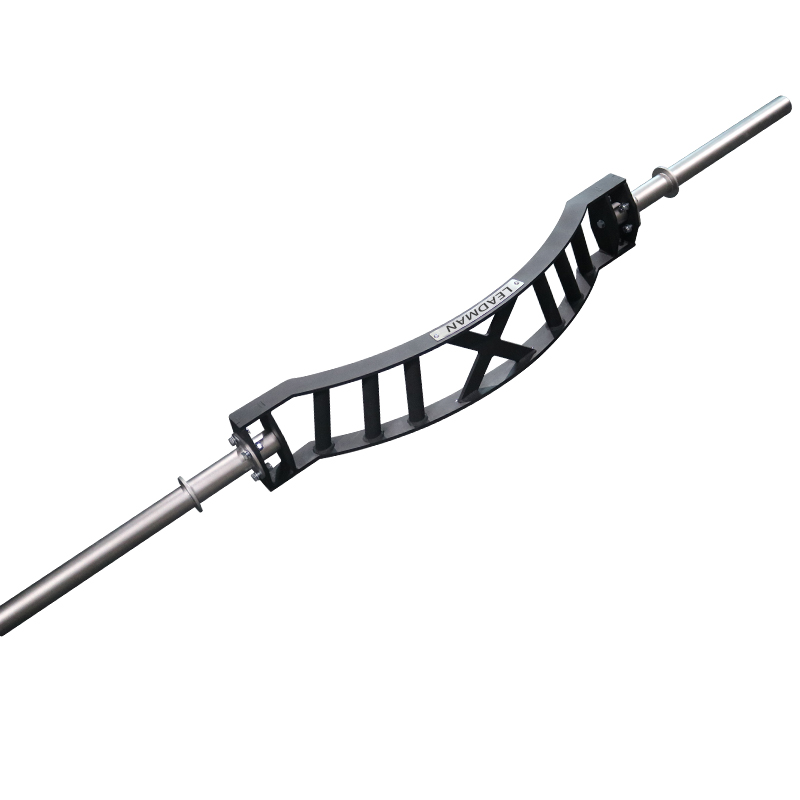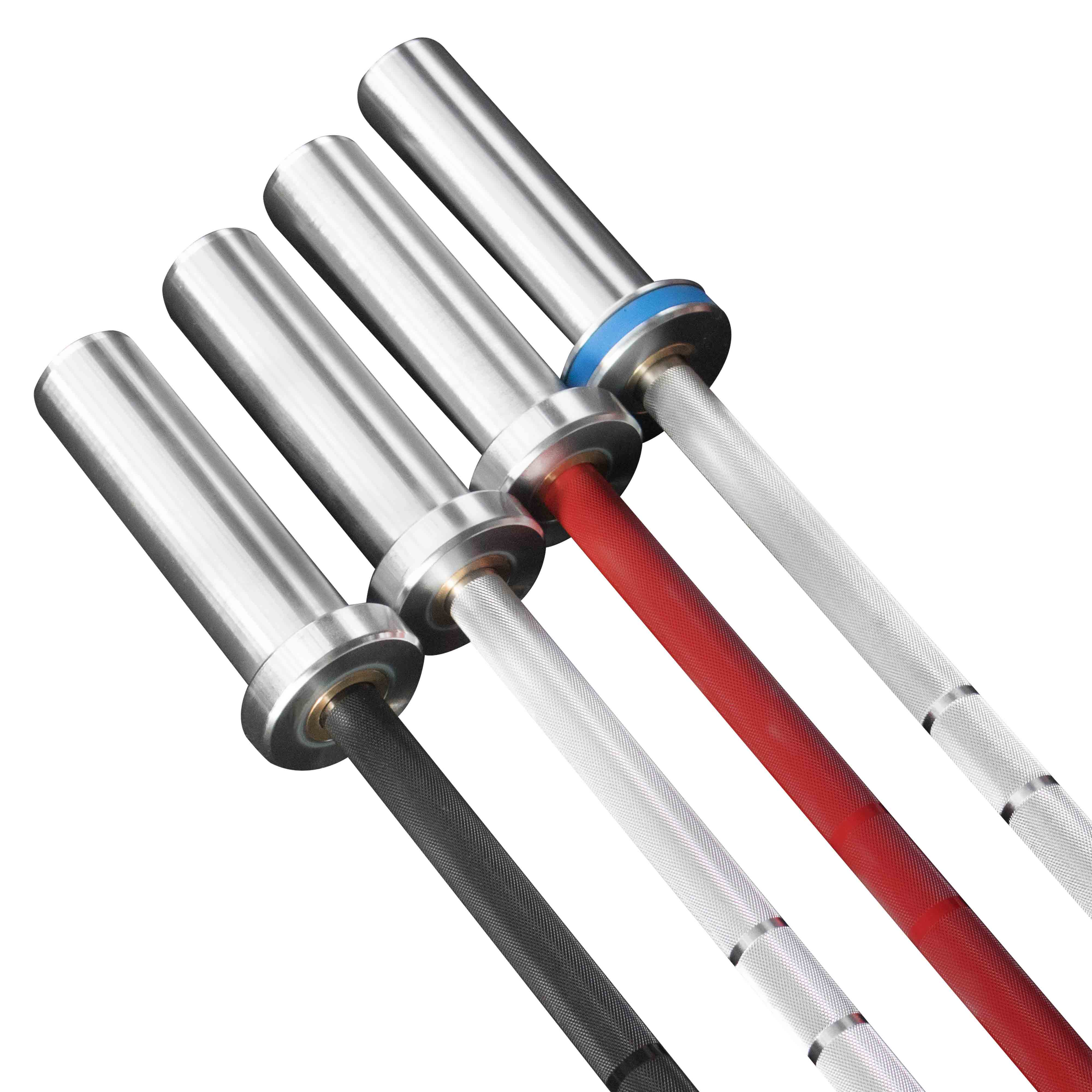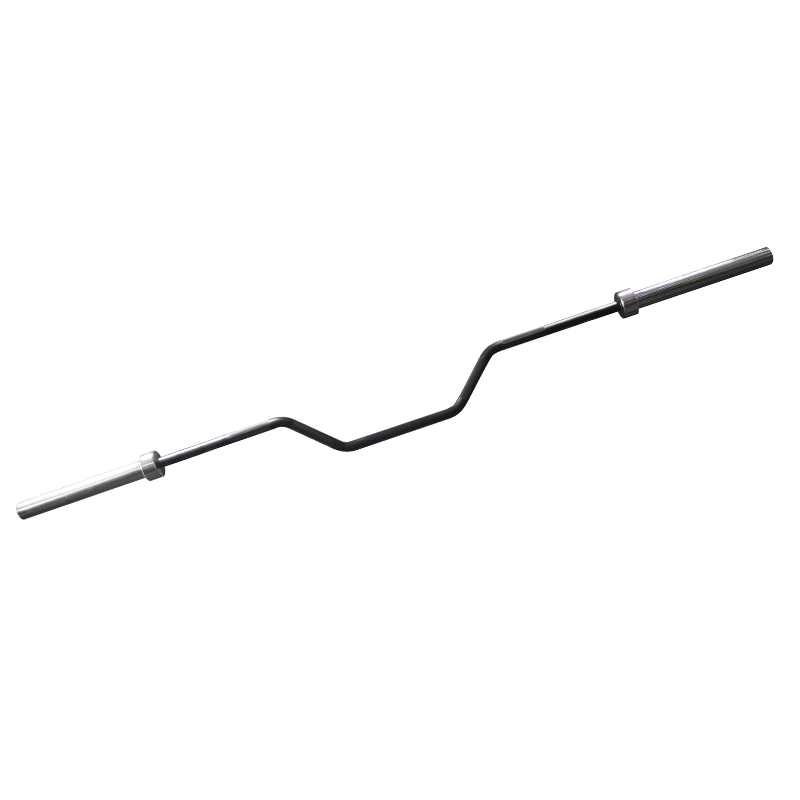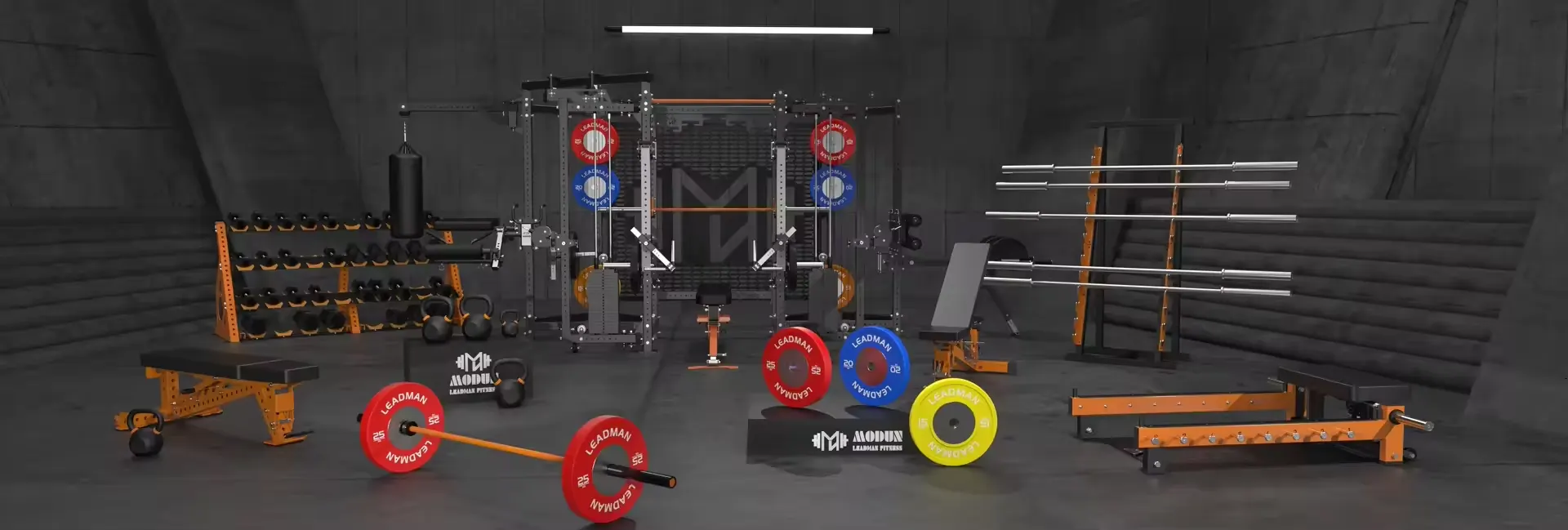
Selecting the ideal pound barbell weights for a commercial facility extends far beyond simple poundage—it requires a nuanced understanding of plate composition, collar fitment, and the operational demands of diverse athlete populations. Unlike metric systems which dominate Olympic competition, pound plates remain the preferred standard across most North American strength facilities, offering intuitive loading increments that align with common training methodologies. The effectiveness of any barbell weight set hinges on three interconnected factors: the precision of the weight tolerance, the durability of the insert material against repeated sleeve friction, and the plate's diameter consistency across all increments to ensure proper lifting mechanics during deadlifts and rack pulls.
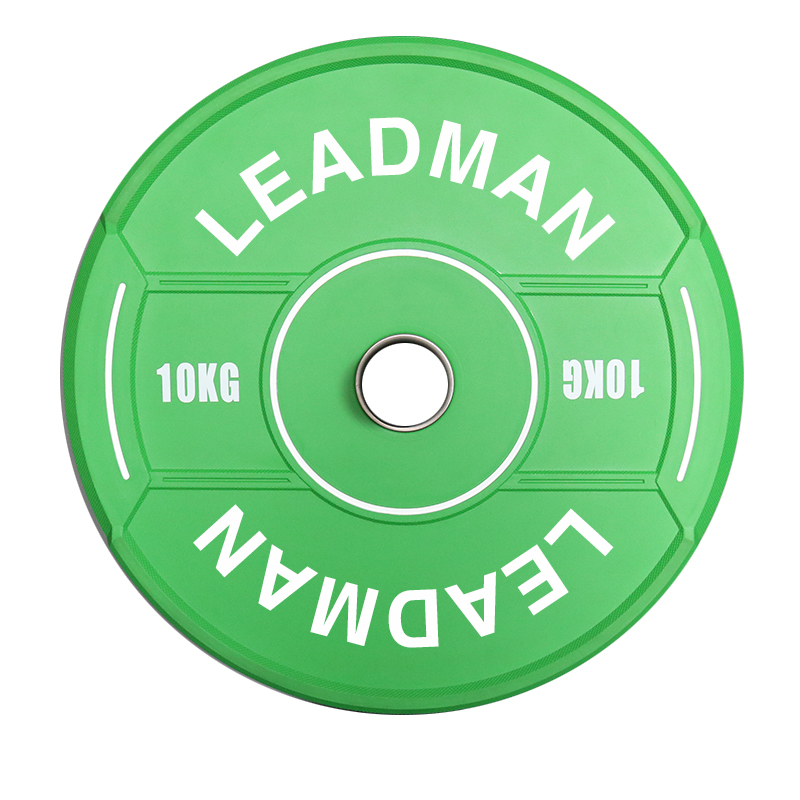
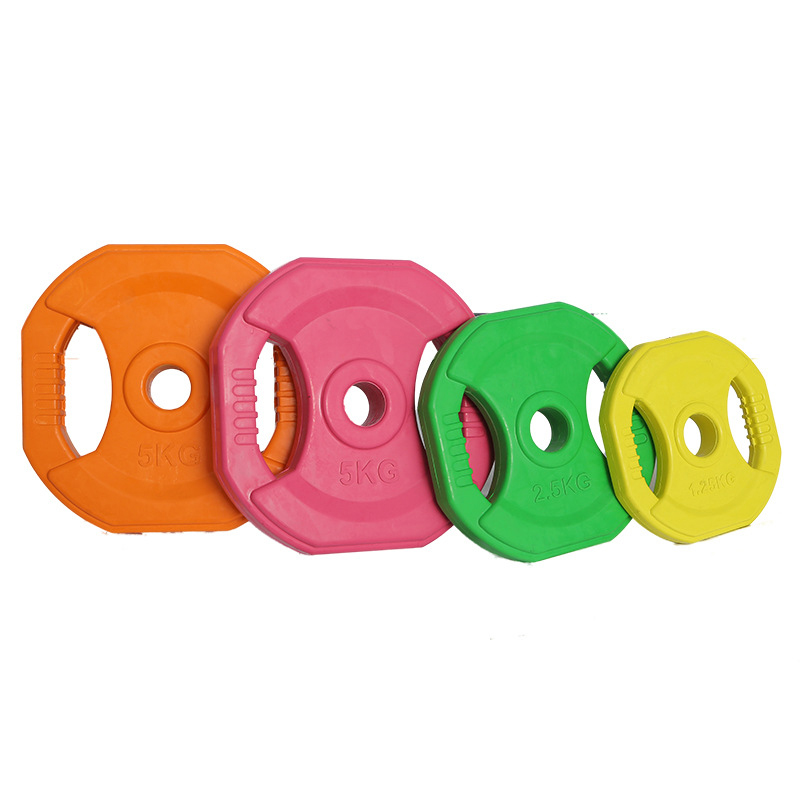
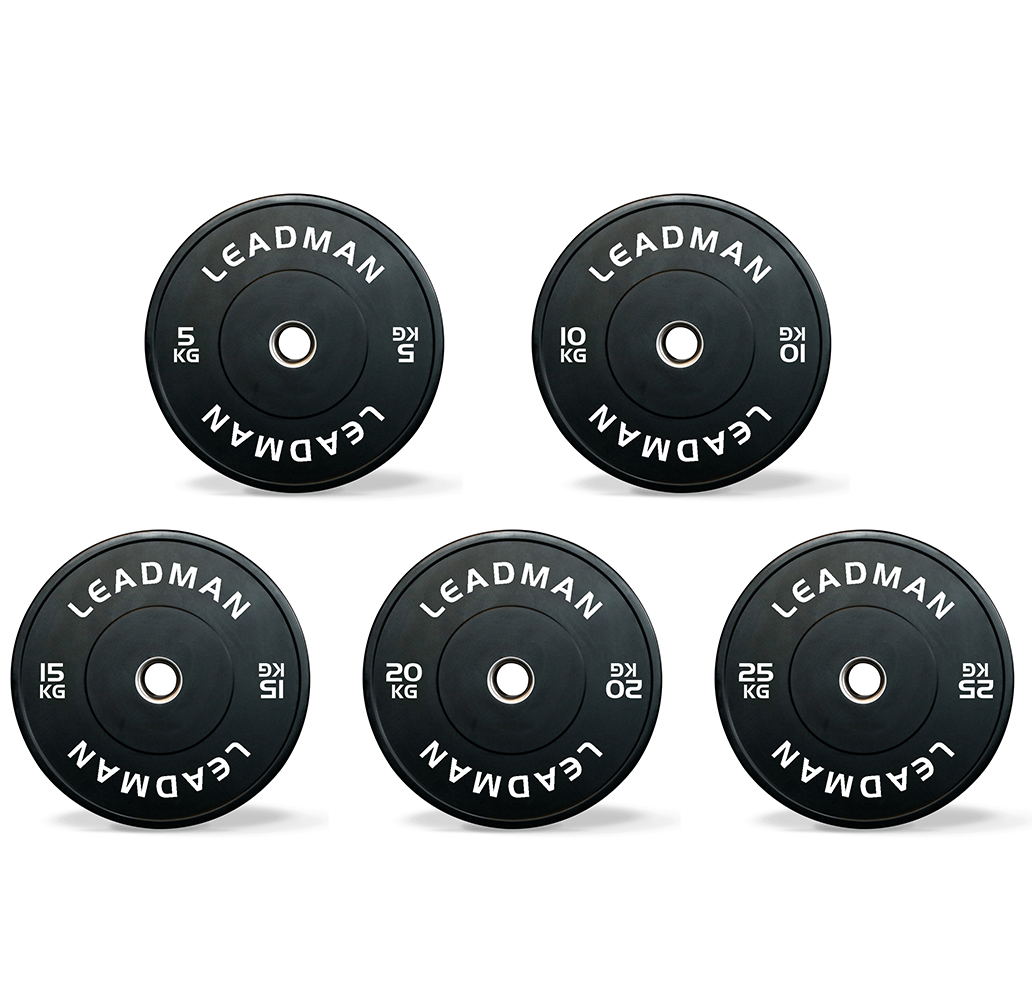
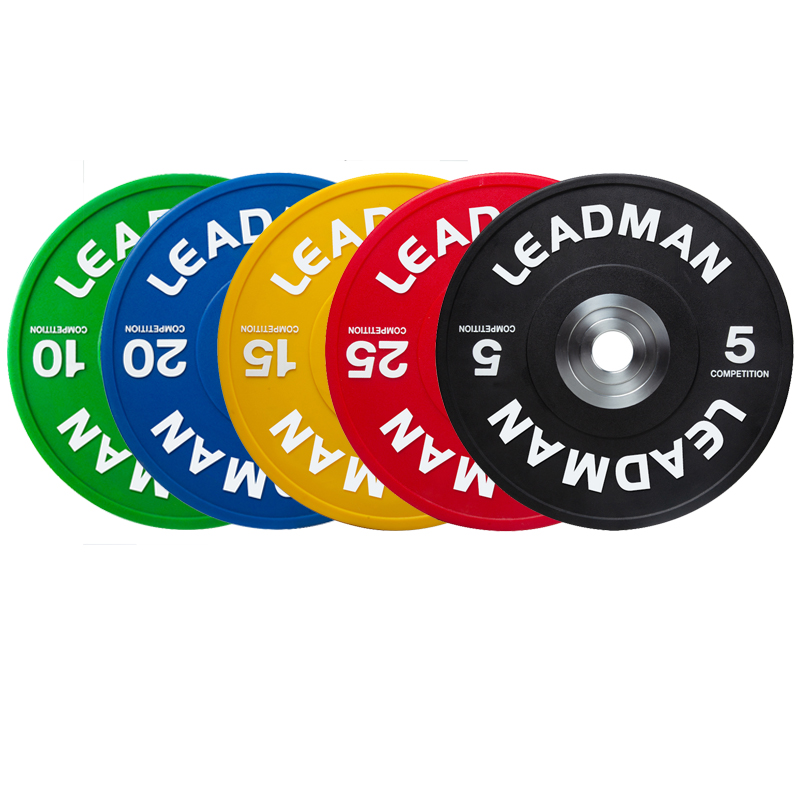
Facility managers evaluating cast iron barbell weights versus rubber-coated alternatives must weigh cost considerations against noise reduction benefits and long-term floor protection. Premium machined iron plates offer exceptional dimensional accuracy—often within ±2% of stated weight—and deliver the satisfying, precise fit that experienced lifters demand. The application of electroplated finishes or e-coatings dramatically enhances corrosion resistance, extending the aesthetic lifespan of these weight plates for barbells even in humid gym environments. Meanwhile, rubber-coated variants introduce a vibration-dampening layer that reduces impact noise by approximately 40% compared to bare iron, protecting both subflooring and the facility's relationship with neighboring tenants. The advancement of urethane-encapsulated plates now bridges this divide, offering the silent performance of rubber with the wear resistance and cleanliness of a hard, non-porous surface.
Beyond the plates themselves, the compatibility between pound barbell weights and sleeve specifications dictates long-term barbell health. Weight plates with excessively tight tolerances accelerate bushing and bearing wear, while overly loose fits create disruptive rattling and potential spin imbalances. Professional consultation on flange design—the raised outer lip that prevents plates from sliding off unclipped sleeves—adds another layer of operational safety. For facilities anticipating rapid expansion or frequent reconfiguration, investing in selectable dumbbell sets and plate-loaded machines that share the same pound plate ecosystem reduces inventory costs and simplifies member education. The financial case for standardized pound-based systems strengthens considerably when factoring in reduced replacement cycles and the improved member experience from consistent, predictable equipment feel across all training zones.

Let our experts design the perfect gym solution for your business. Get a free consultation and quote today.