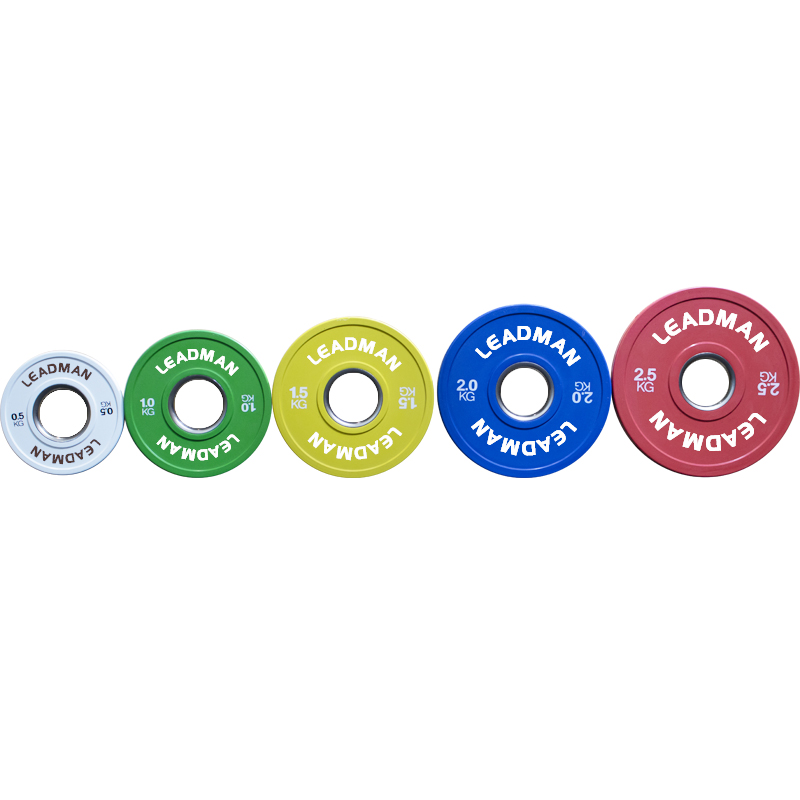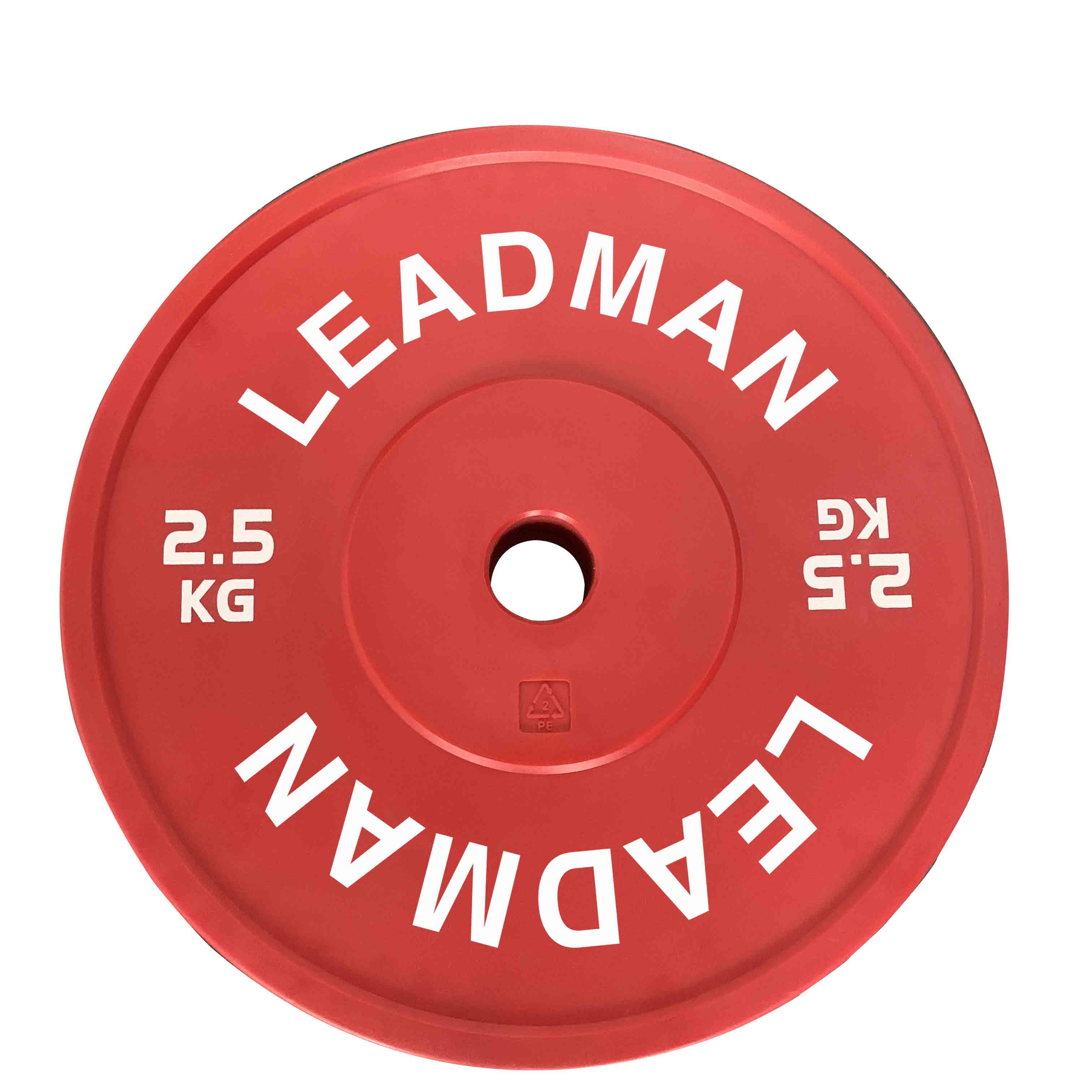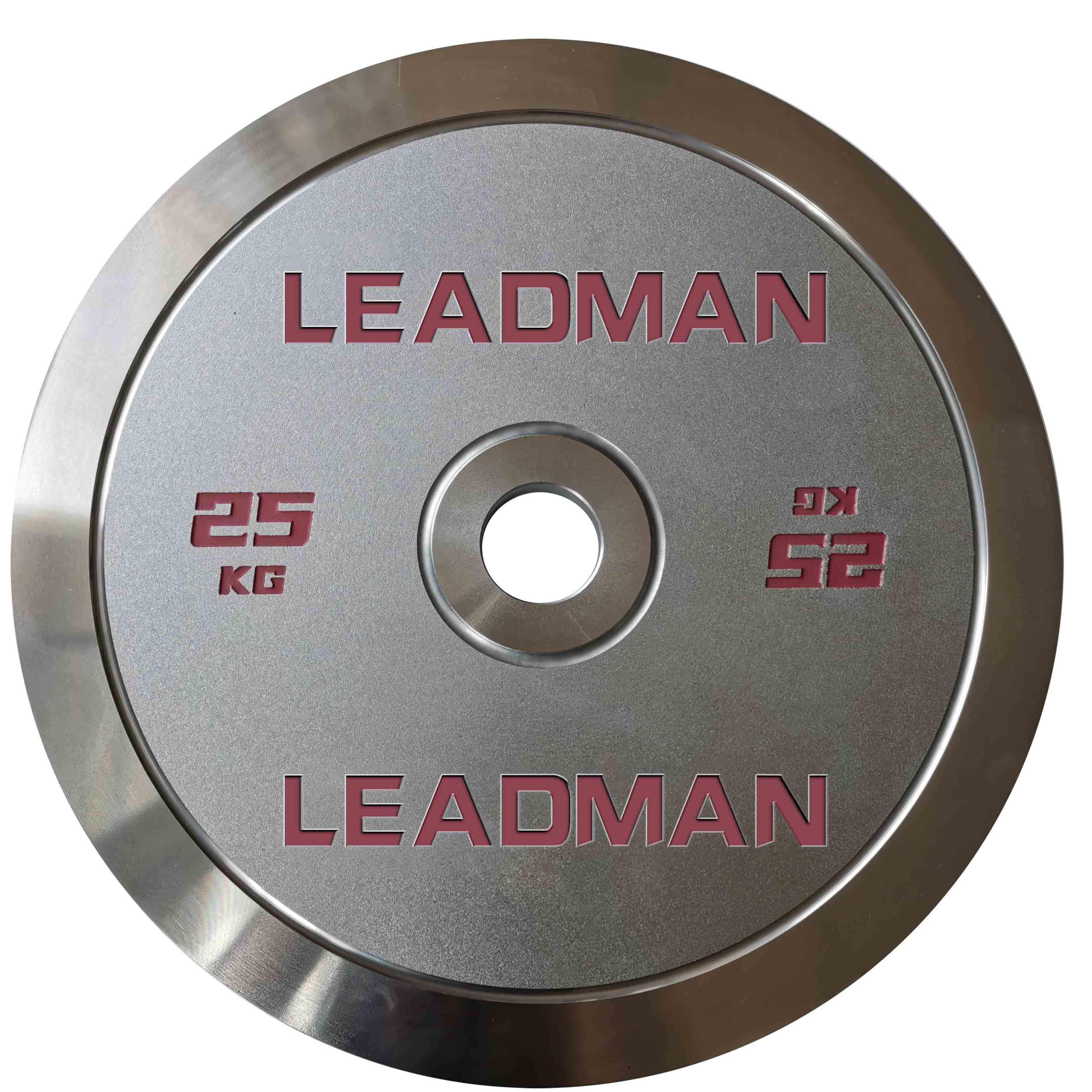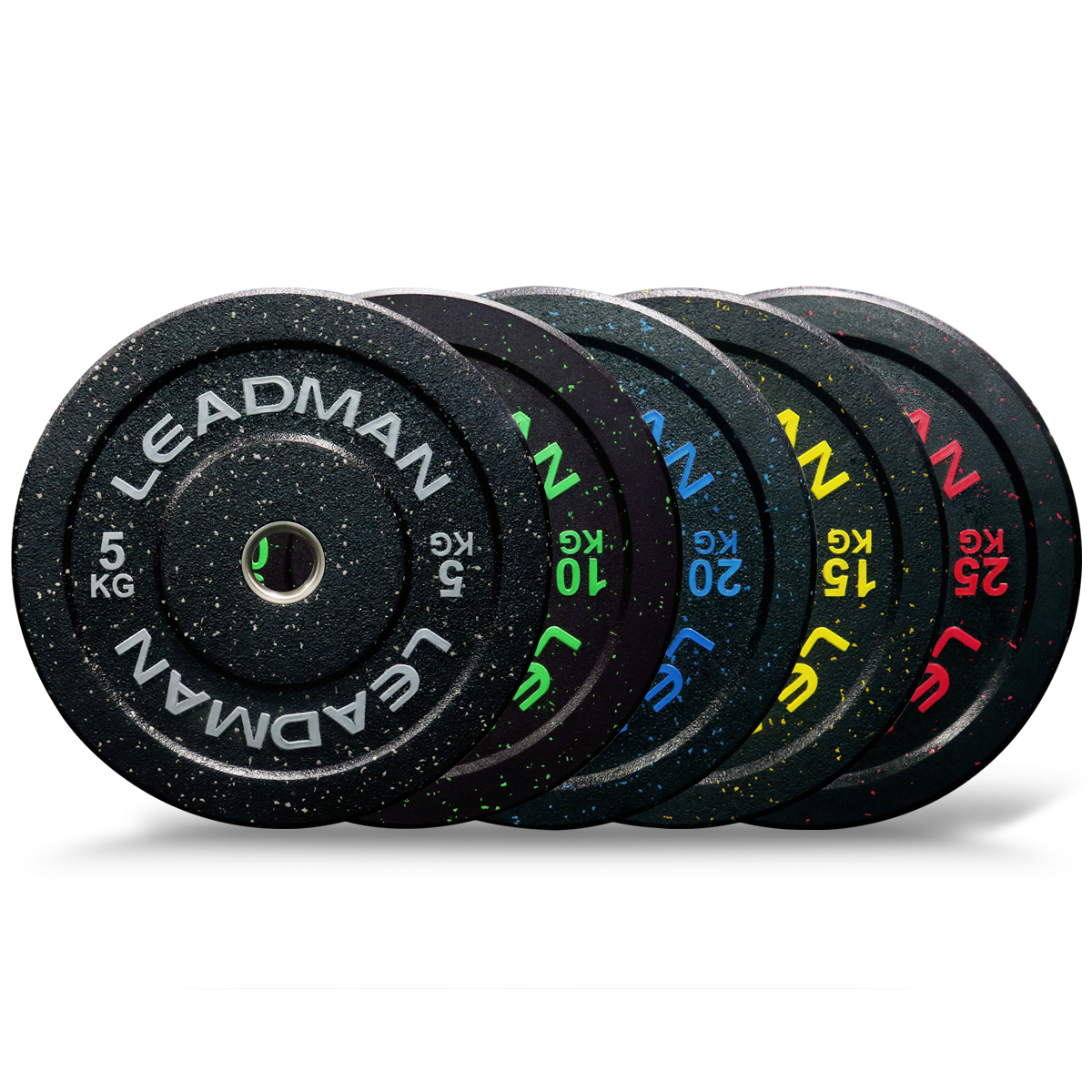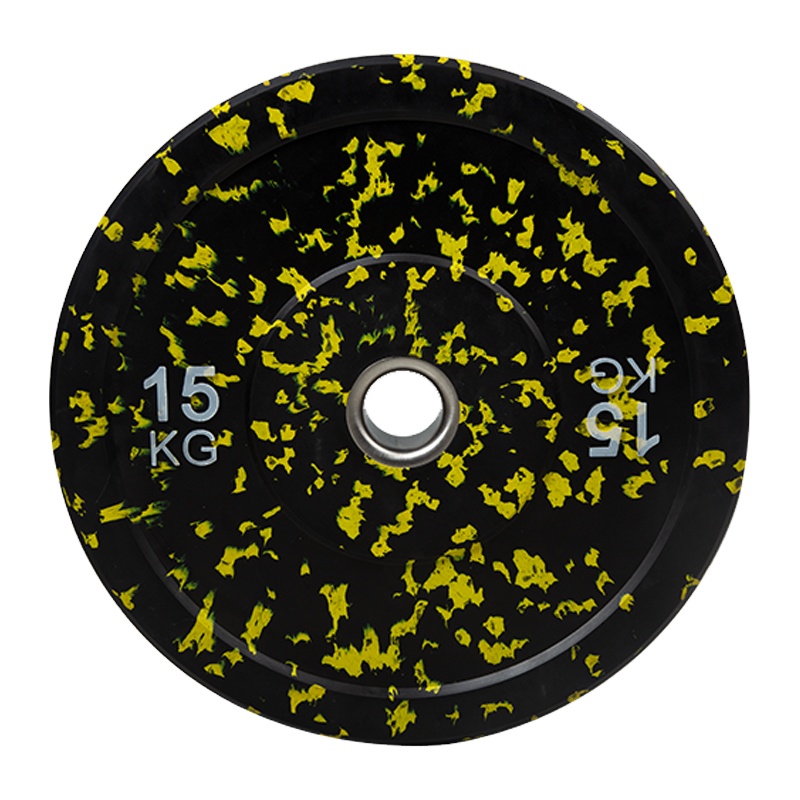
Pink rubber weight plates have transcended their original niche as a novelty item to become a legitimate segment within the commercial and home fitness markets, blending visual distinction with high-performance engineering. Beyond the striking aesthetic, these plates serve a dual purpose: they offer the same protective and acoustic benefits as traditional black rubber-coated plates while adding a layer of brand differentiation and user engagement. For facility owners, pink plates signal inclusivity, energy, and a departure from the monochrome industrial gym aesthetic, which can directly influence member perception and retention. The rubber compound, typically recycled or virgin SBR (styrene-butadiene rubber), provides a durable, noise-dampening surface that minimizes floor damage and reduces impact noise by up to 50% compared to cast iron alternatives.
The engineering of colored rubber plates involves a multi-stage compression molding process that embeds a solid cast iron insert within a thick rubber shell. The pink pigment is integrated throughout the rubber matrix—not merely surface-applied—ensuring that scratches, scuffs, and normal wear do not expose an unsightly black interior. This color-fastness is critical for commercial environments where plates are stacked, dropped, and handled daily. High-quality variants achieve a Shore hardness of approximately 80–85A, striking an ideal balance between shock absorption and structural integrity. Some premium models feature a textured grip surface and tapered edges for easier handling and reduced pinch points. Importantly, the chromium-plated center hub accommodates standard 50mm Olympic barbells, with tolerances as tight as ±0.2mm to eliminate undesirable play during dynamic lifts like snatches or cleans.
Market data indicates that colored bumper plates—including pink—represent a rapidly growing sub-category, with year-over-year sales increasing by over 30% in boutique fitness studios and women-focused training facilities. A 2025 survey of gym equipment purchasers found that 42% considered color customization a key factor in their buying decision, citing member feedback and social media appeal as primary motivators. One athletic club in New York reported a 15% increase in women's strength class attendance within two months of introducing a dedicated pink-colored plate set, attributing the boost to a more welcoming and visually engaging training environment. However, performance metrics remain paramount; the plates must meet IWF or ASTM standards for bounce, durability, and weight tolerance—typically ±1% of stated mass—to be viable for professional use.
Selecting pink rubber plates requires evaluating both visual and performance variables. Consider the plate's durometer rating: softer compounds (70–75A) absorb more shock and are quieter, but may wear faster with heavy use; harder compounds (85–90A) offer longer lifespan at the cost of slightly higher noise. Assess the hub design—stainless steel inserts resist corrosion better than zinc-plated alternatives, especially in humid environments. For facilities targeting Instagram-worthy spaces, verify that the pink shade is consistent across batches, as some manufacturers source pigments from different suppliers, leading to noticeable color shifts. Storage solutions also matter: vertical tree racks with rubberized pins prevent chipping, while horizontal plate holders should have adequate spacing to avoid color transfer between plates of different hues. Although pink plates often command a 10–20% premium over standard black bumpers, the increased member engagement and distinct branding often justify the investment.

Let our experts design the perfect gym solution for your business. Get a free consultation and quote today.