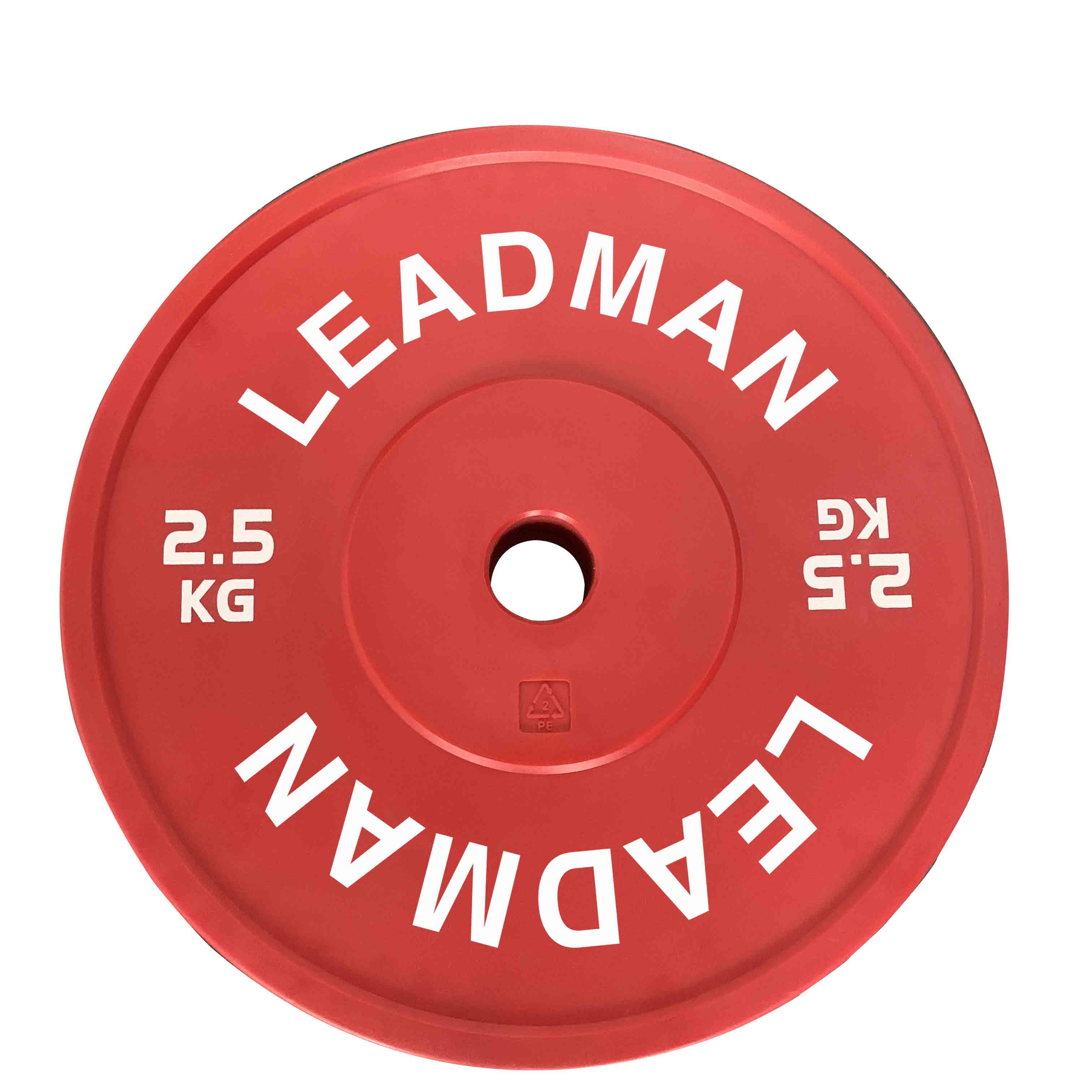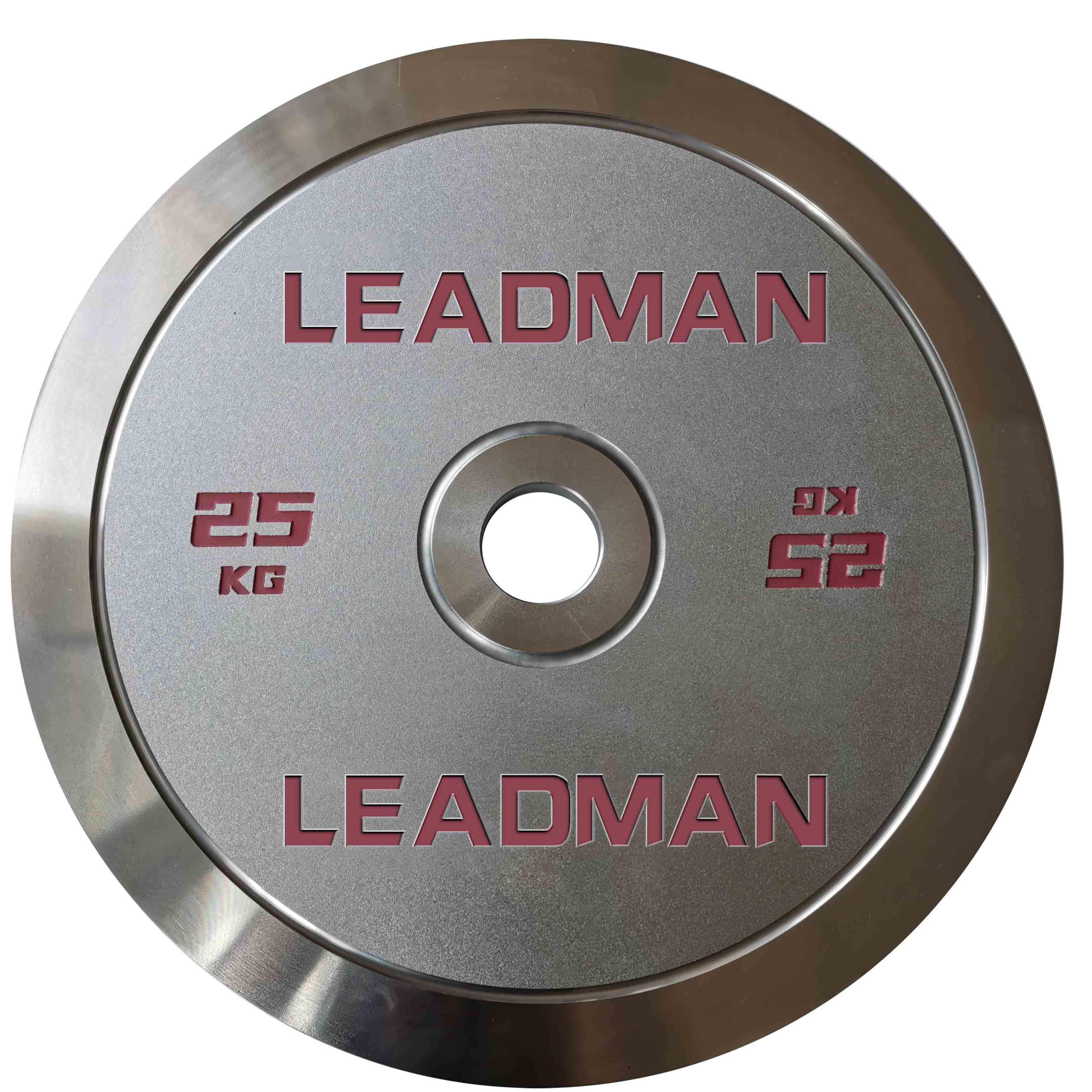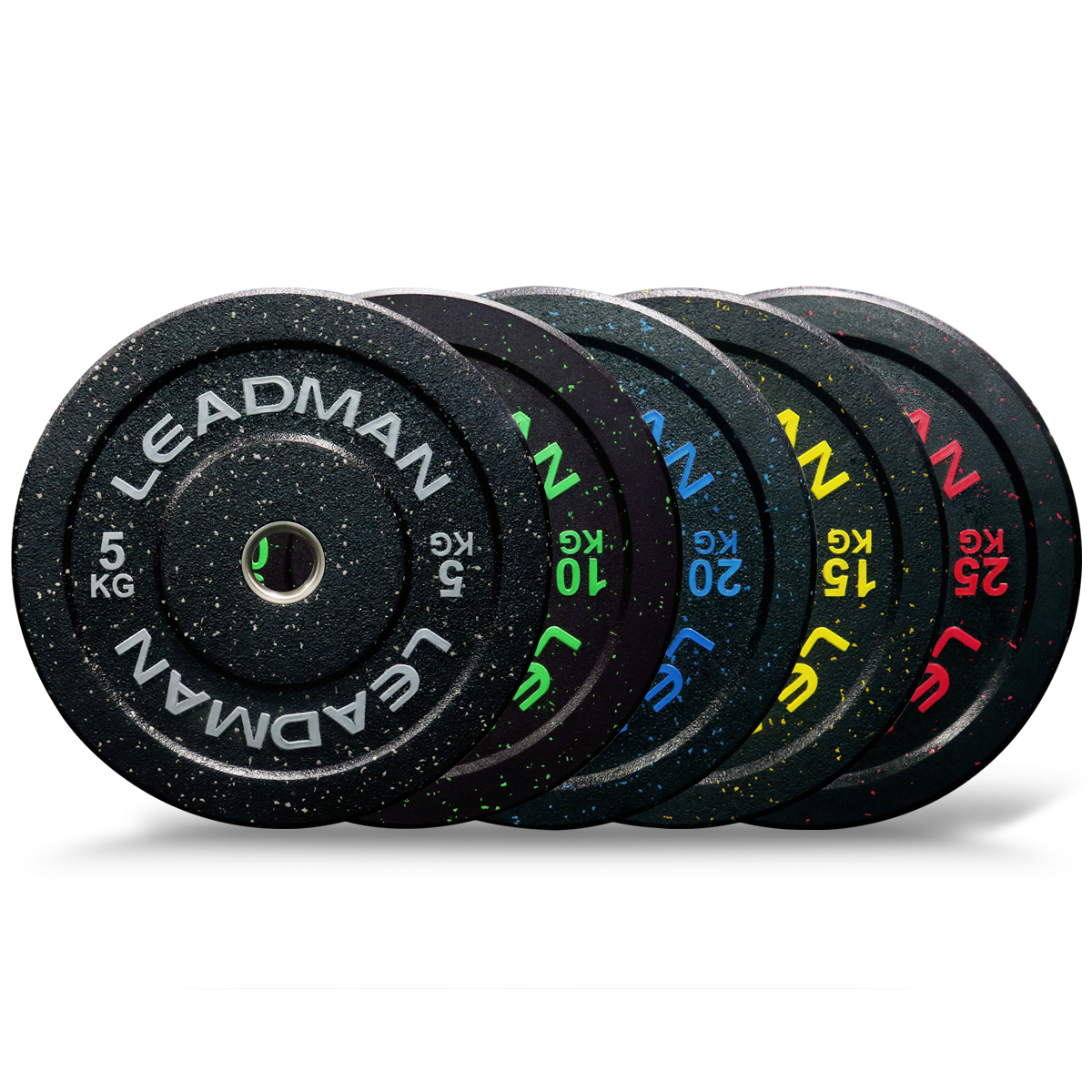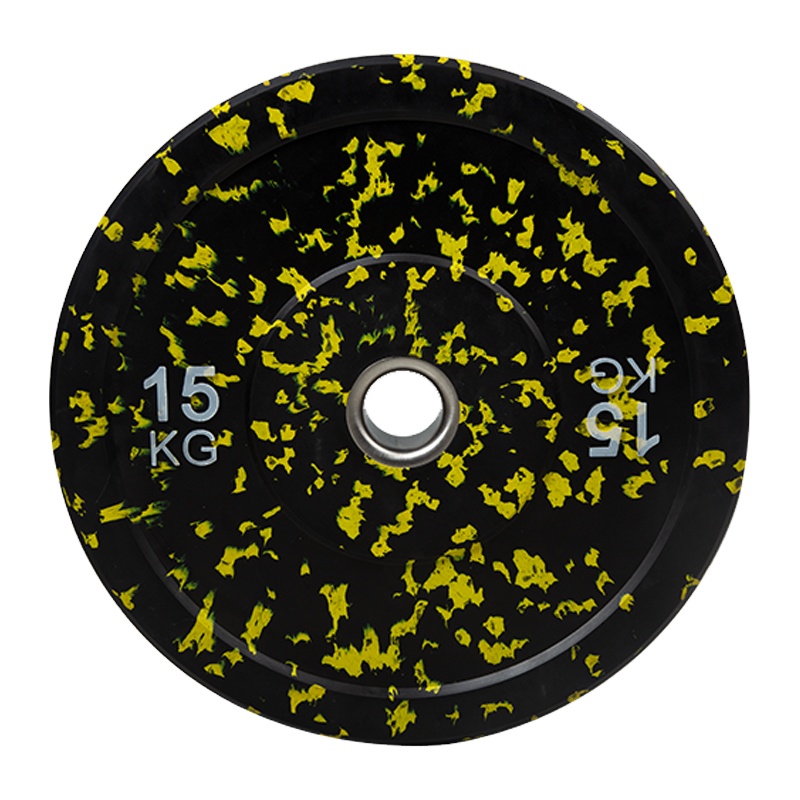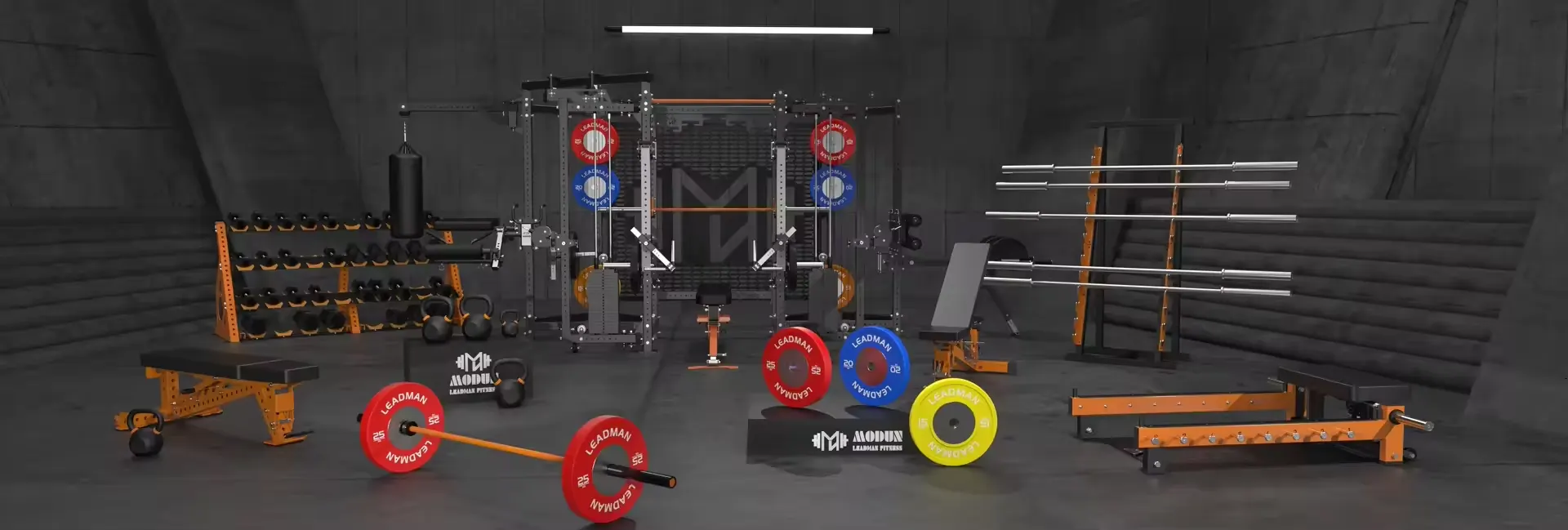
The Olympic weights set constitutes the foundational building block of any serious strength training facility, representing a significant capital investment that directly impacts athlete performance, training safety, and operational efficiency. Unlike standard weight plates, Olympic weights are engineered to precise specifications—featuring a 50.4mm center hole to accommodate the thicker Olympic barbell sleeves and manufactured to strict weight tolerances of plus or minus 1%. This dimensional consistency ensures that athletes experience predictable loading across all stations, a critical factor for competitive lifters tracking micro-progressions in their training cycles.
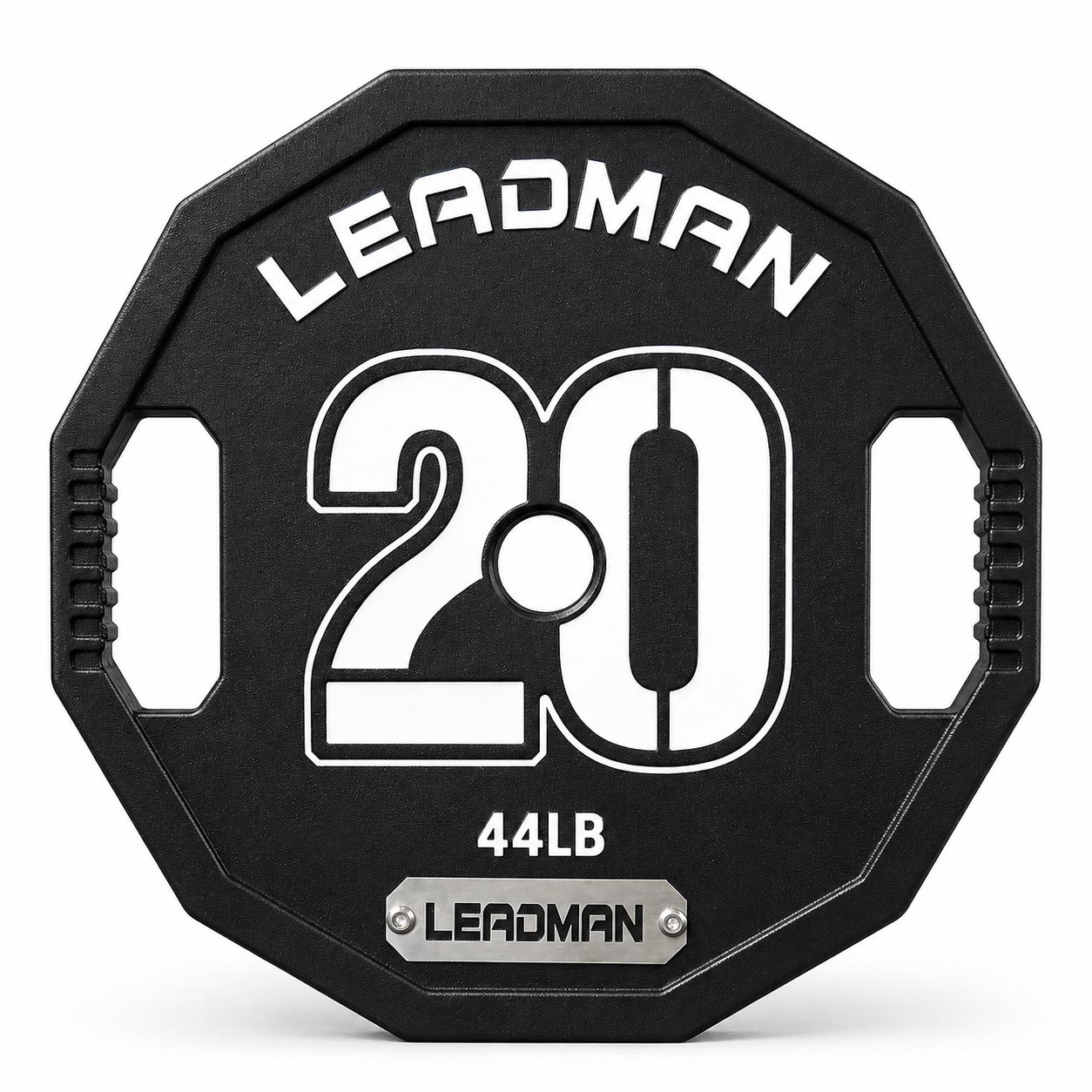
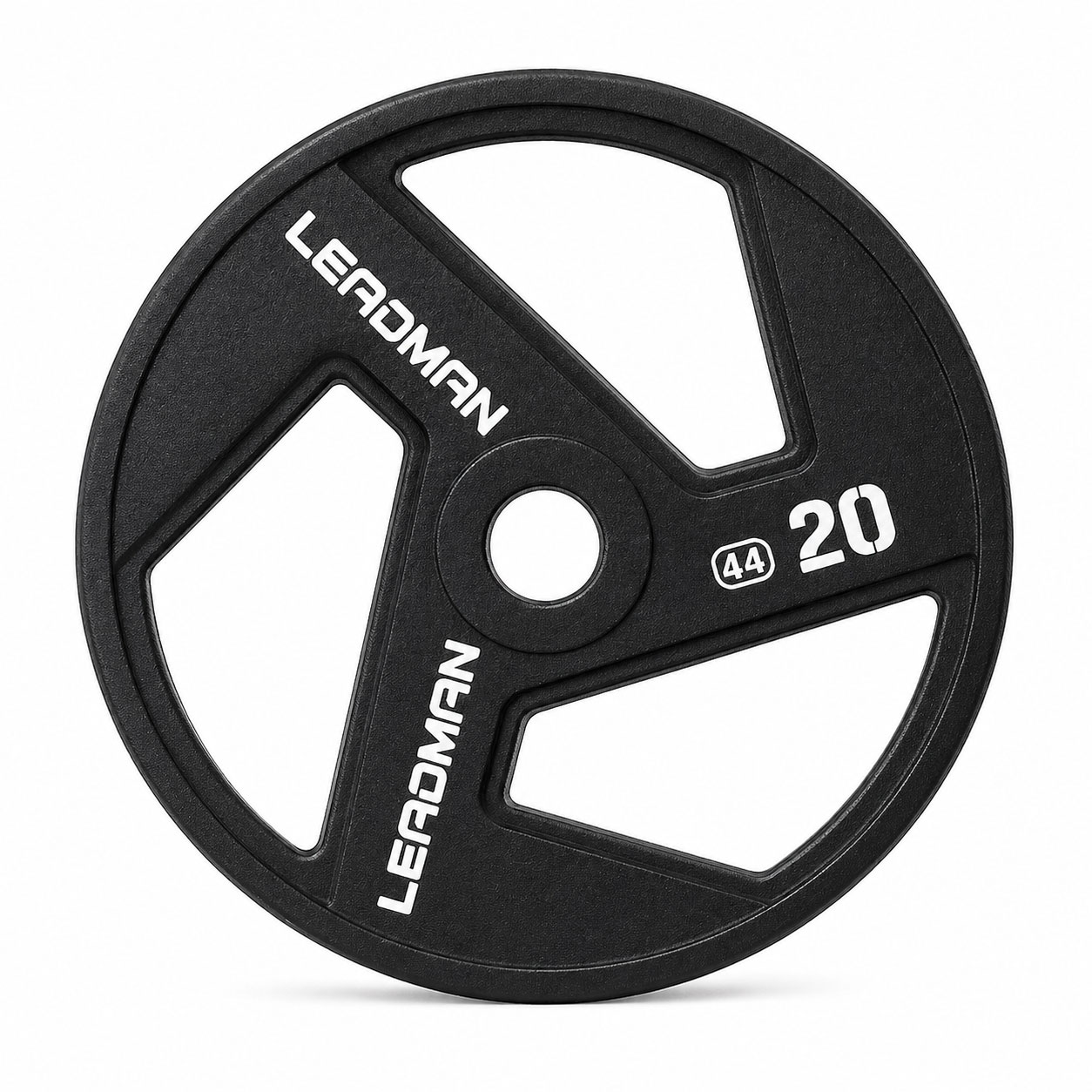
The composition of Olympic plates reveals substantial engineering considerations. Premium Olympic weights set options typically include both rubber bumper plates and cast-iron change plates. Bumper plates, constructed from high-density virgin rubber with a steel insert hub, are designed for ballistic lifts such as the snatch and clean and jerk—movements where the barbell is dropped from overhead. The rubber composition absorbs impact energy, protecting the barbell, the platform, and the facility floor. Conversely, cast-iron plates with a durable enamel or e-coat finish serve as fine-tuning increments, allowing precise load adjustments as low as 2.5 pounds or 1 kilogram.
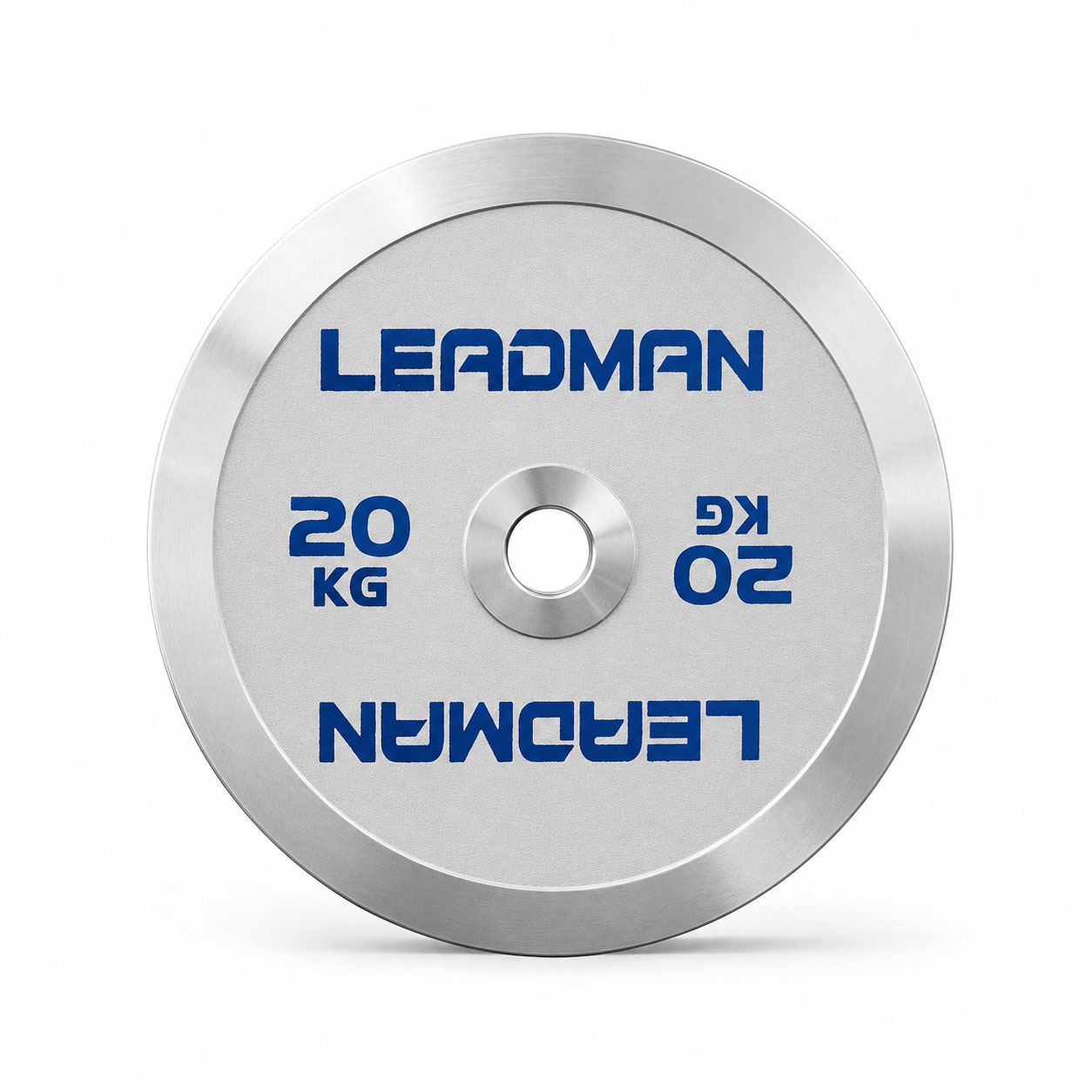
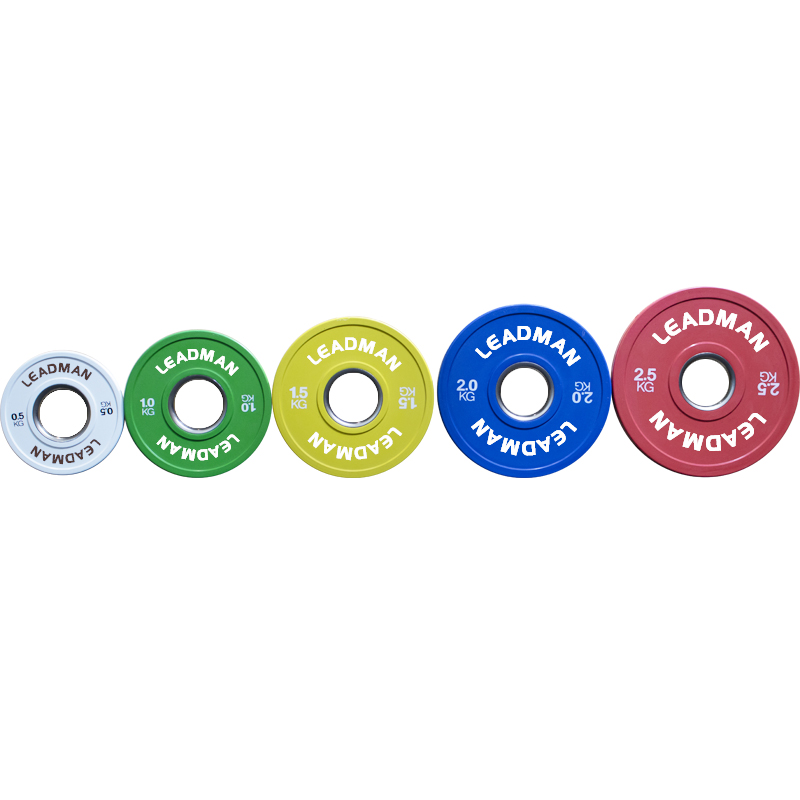
Weight tolerance certification distinguishes competition-grade sets from commercial training sets. While all Olympic plates must comply with the 1% tolerance standard, elite-level training facilities often invest in calibrated sets that guarantee tolerances within 0.5%—a precision that proves essential for athletes preparing for sanctioned competitions. These premium plates feature clearly visible weight markings and color-coding per International Weightlifting Federation (IWF) standards: red for 25kg, blue for 20kg, yellow for 15kg, and green for 10kg. This visual system enables coaches and athletes to rapidly verify bar loads during high-intensity training sessions.
Durability under relentless commercial use demands close attention to two specific aspects: the hub design and the plate's edge construction. The hub, typically constructed from ductile iron or machined steel, must maintain a tight fit on the barbell sleeve to prevent undesirable plate spin or rattling during complex lifts. Commercial-grade Olympic plates incorporate a recessed hub design that protects the steel insert from impact damage. Olympic weight plates with a beveled edge and reinforced lip design further resist chipping and deformation, even with repeated high-impact drops from overhead. Industry data indicates that such durability features can extend the usable life of a plate set by up to 40% compared to basic models.
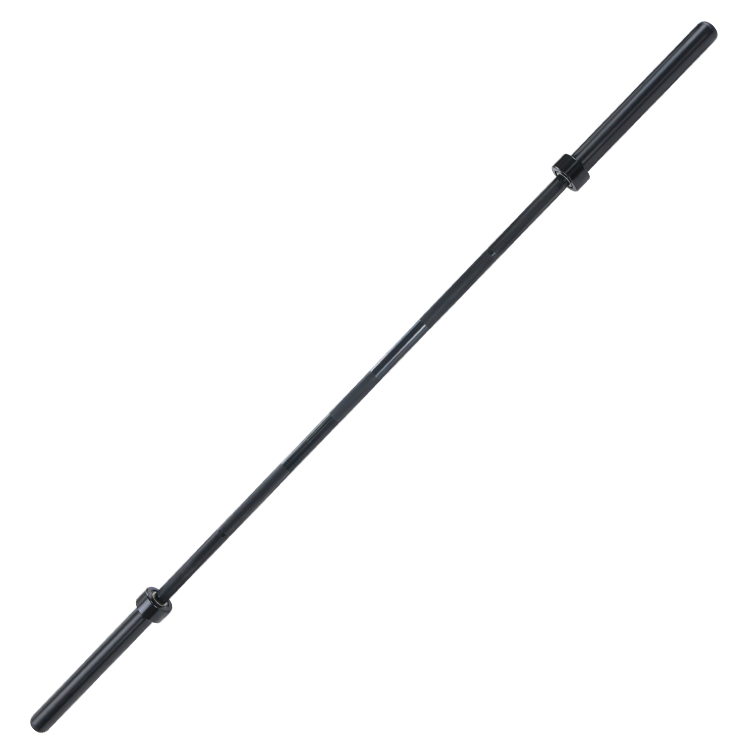
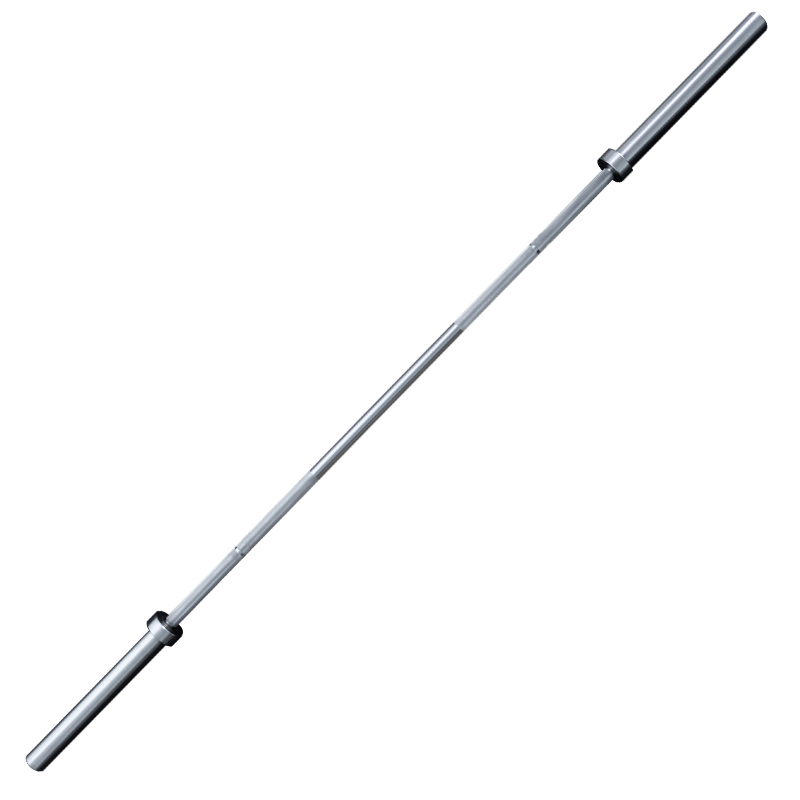
For facility operators, the storage and organization of an Olympic weights set present practical challenges that influence safety and workflow. Color-coded plate trees, horizontal weight racks, or vertical peg systems must accommodate varying plate diameters—from the compact 25kg competition bumper to the expansive 50kg plate. Strategic rack placement, often in close proximity to the deadlift platforms and squat racks, minimizes gym floor congestion. Furthermore, a comprehensive set typically includes barbell collars with secure locking mechanisms, such as the clamp-style or spring-loaded varieties, ensuring plate stability during dynamic movements. Investing in a dedicated maintenance protocol—including periodic cleaning of the barbell sleeves and inspection of plate hubs—preserves both equipment integrity and user safety.

Let our experts design the perfect gym solution for your business. Get a free consultation and quote today.