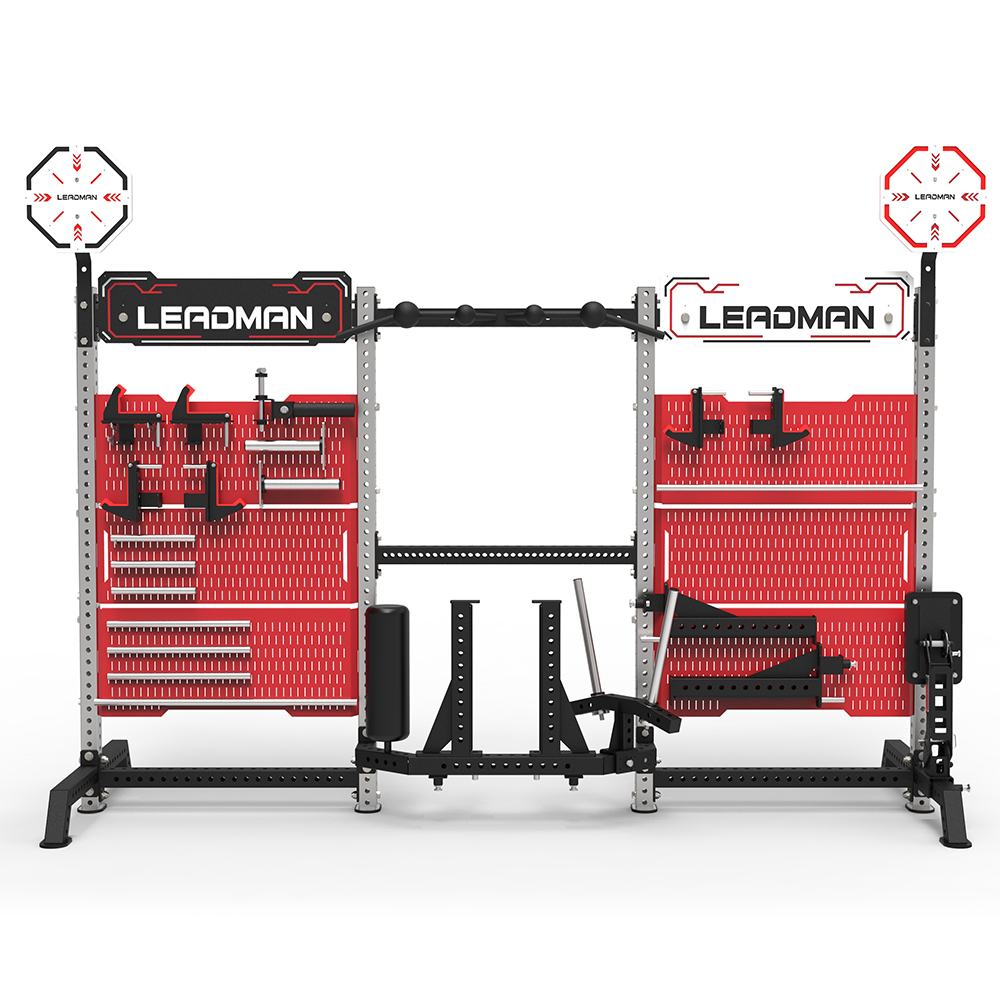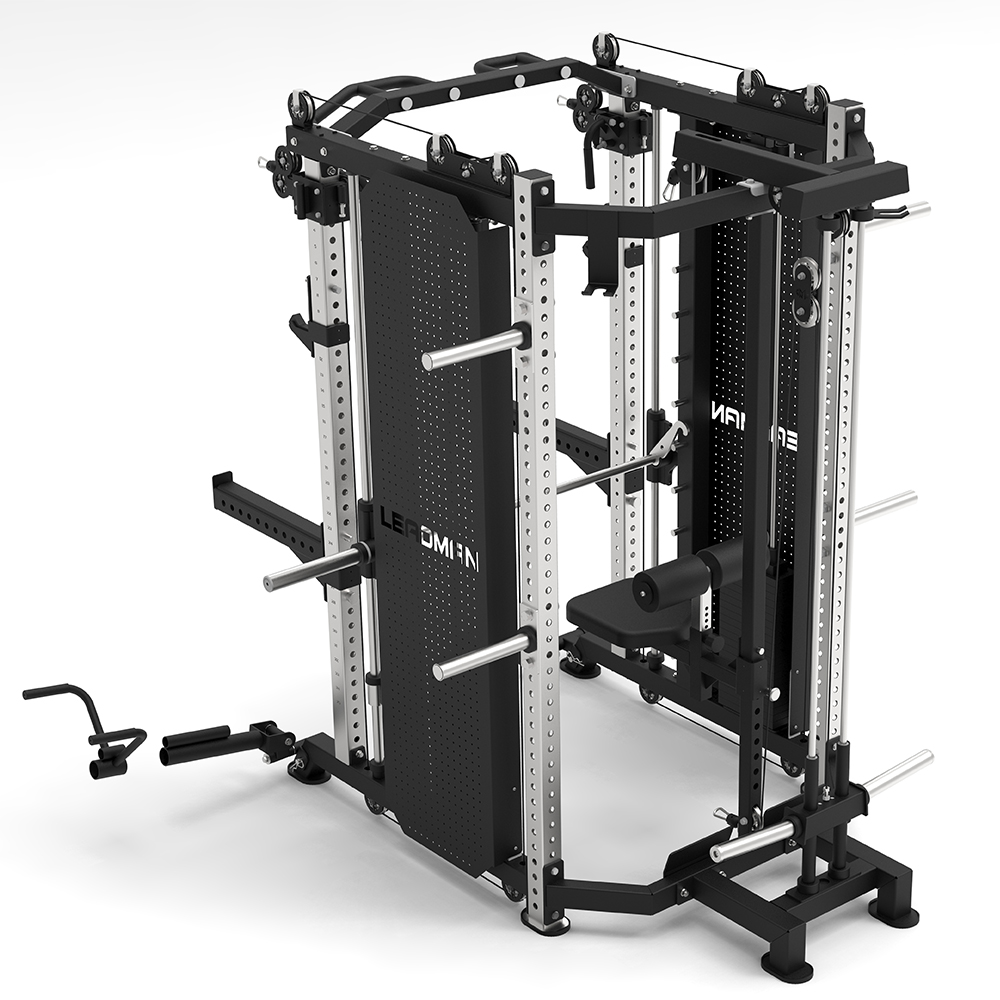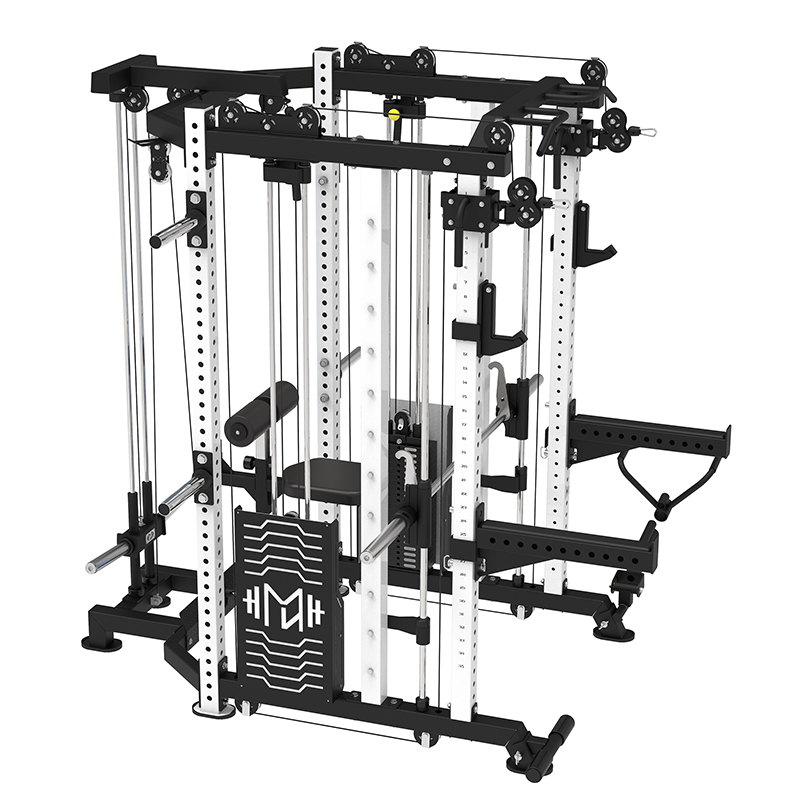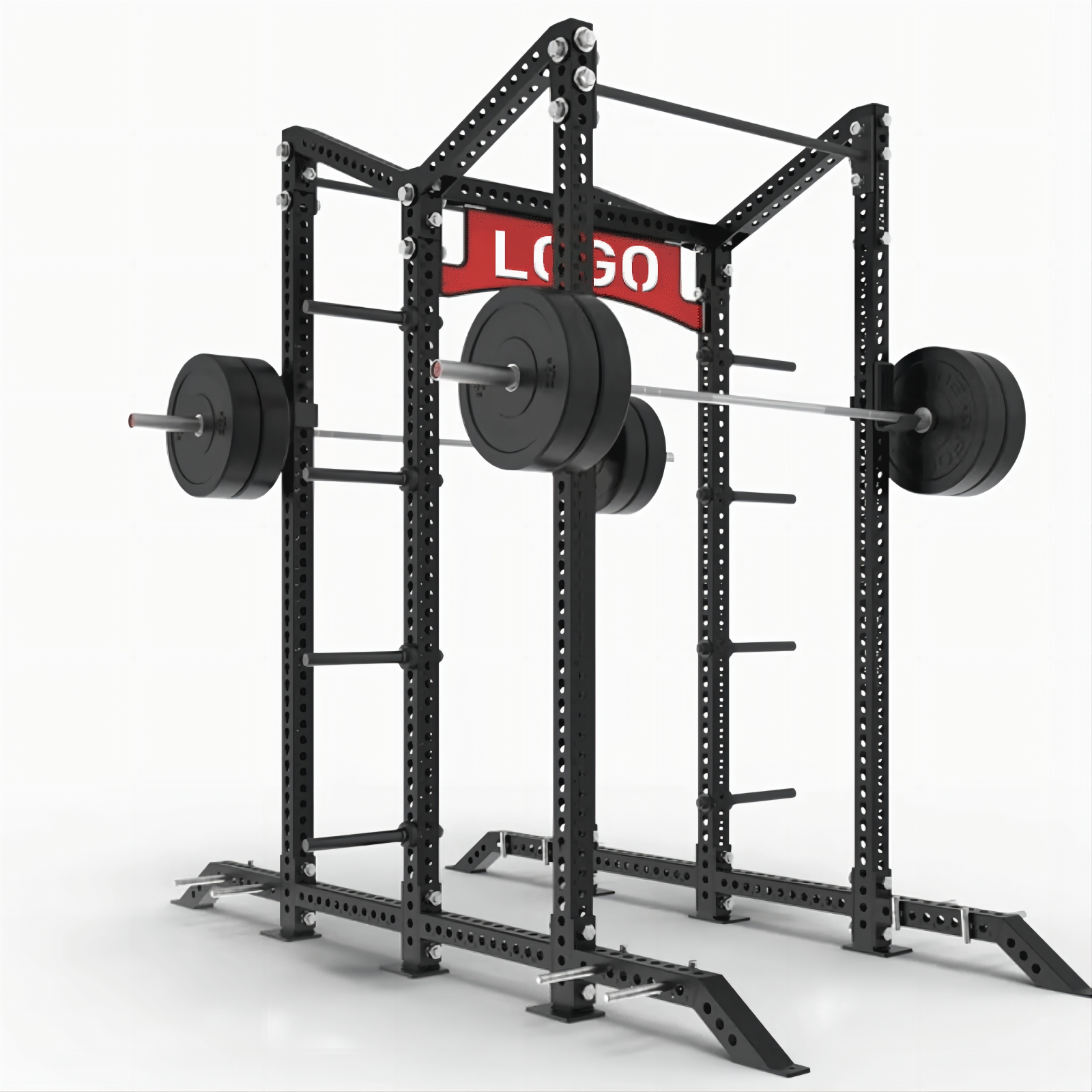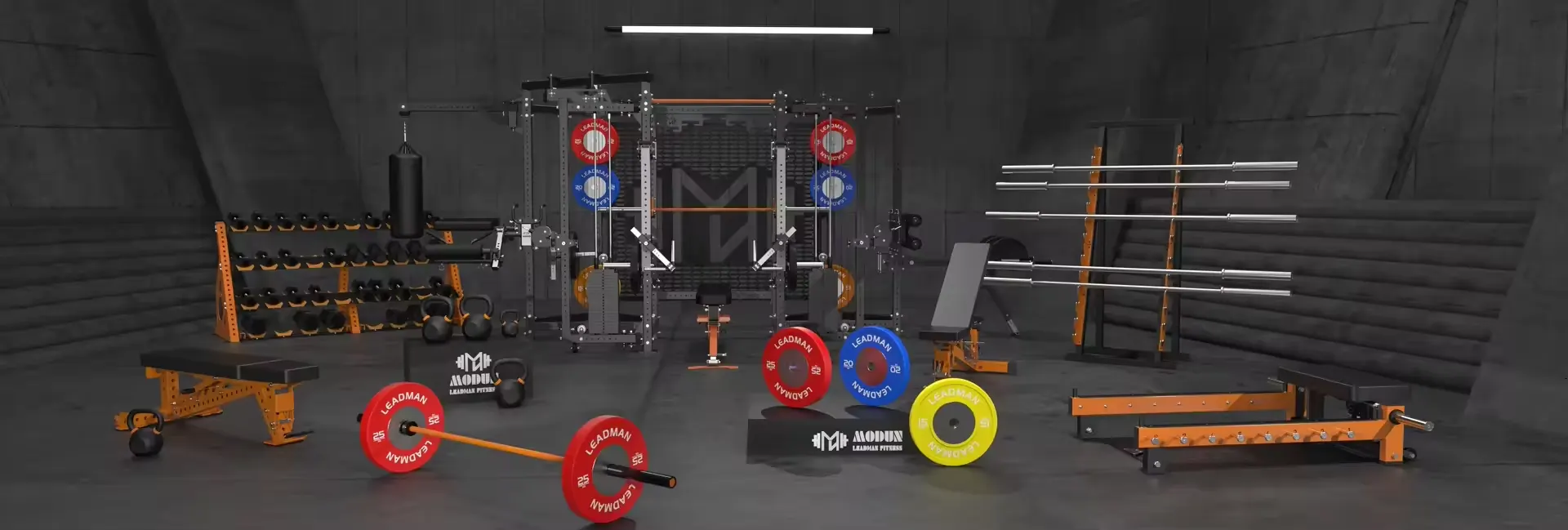
Space optimisation remains a critical challenge in modern fitness facility design, driving sustained demand for multifunction gym equipment that consolidates multiple exercises into a single footprint. From all-in-one cable crossover systems to hybrid rack-and-pulley stations, this equipment category reduces floor-space consumption by 40–60% compared to dedicated single-function alternatives, enabling smaller facilities to offer comprehensive workout options without compromising member experience. However, the engineering compromises inherent in multifunction designs demand careful evaluation to ensure functionality, durability, and safety across diverse movement patterns remain uncompromised.
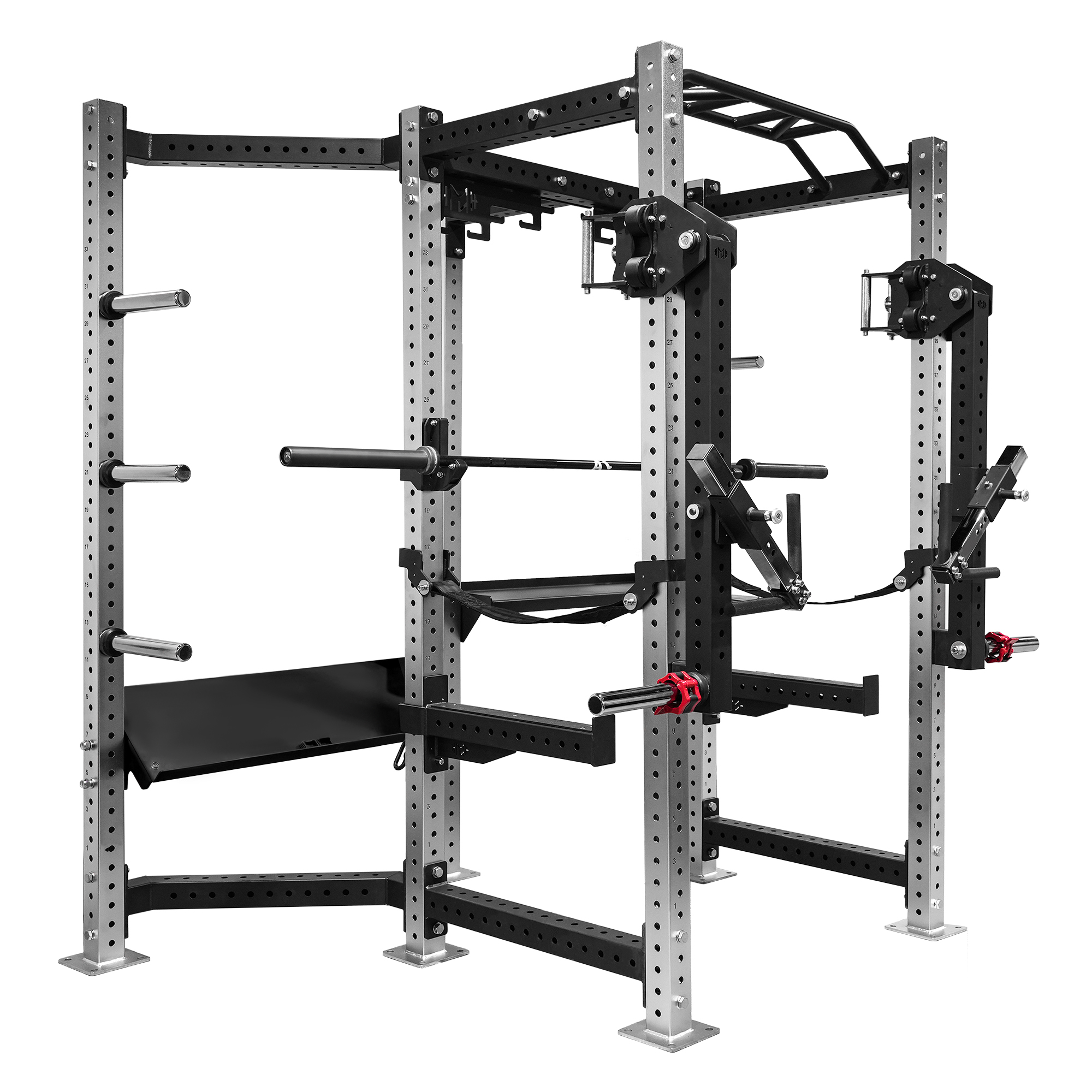
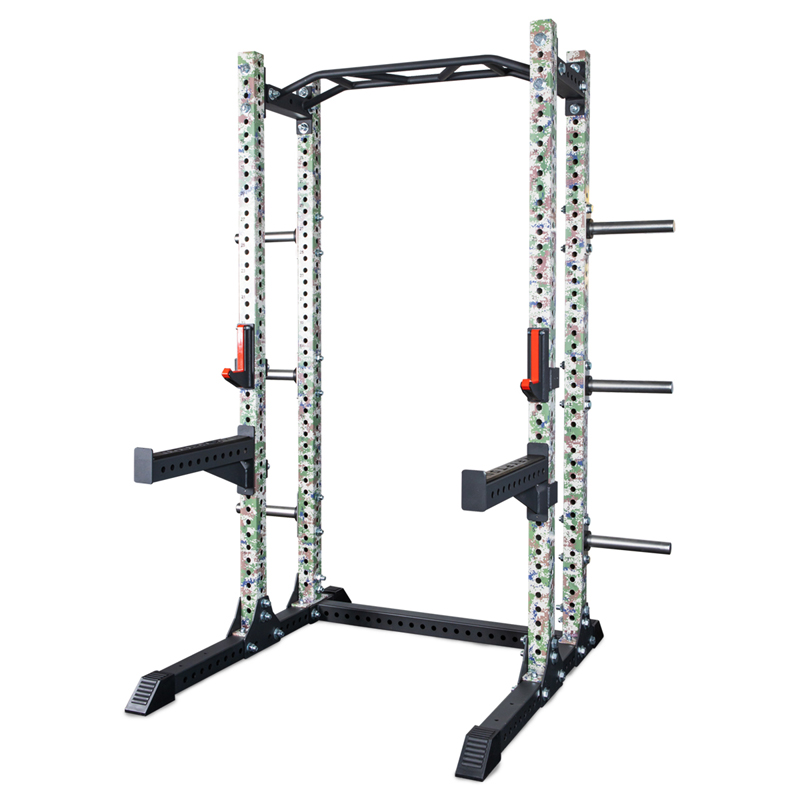
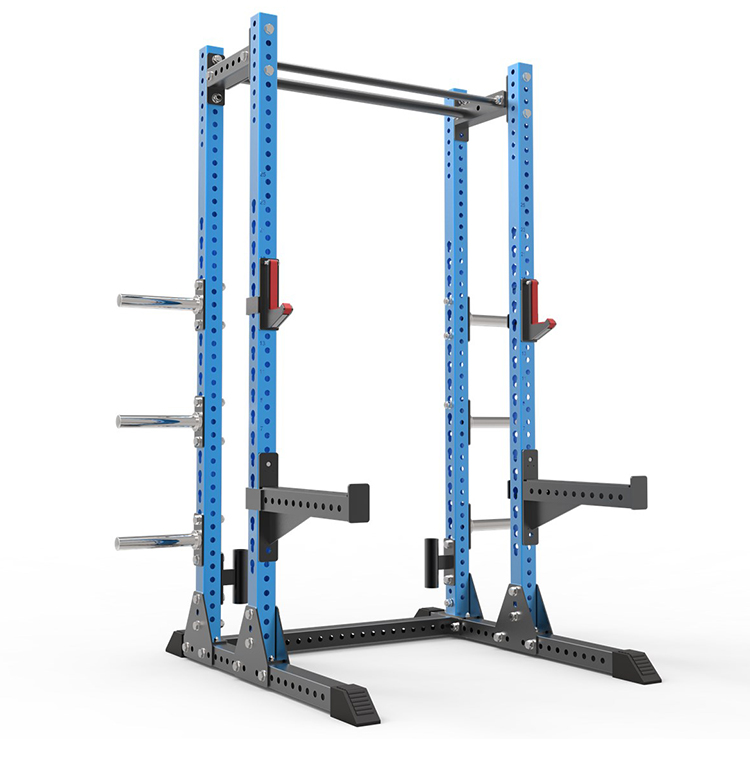
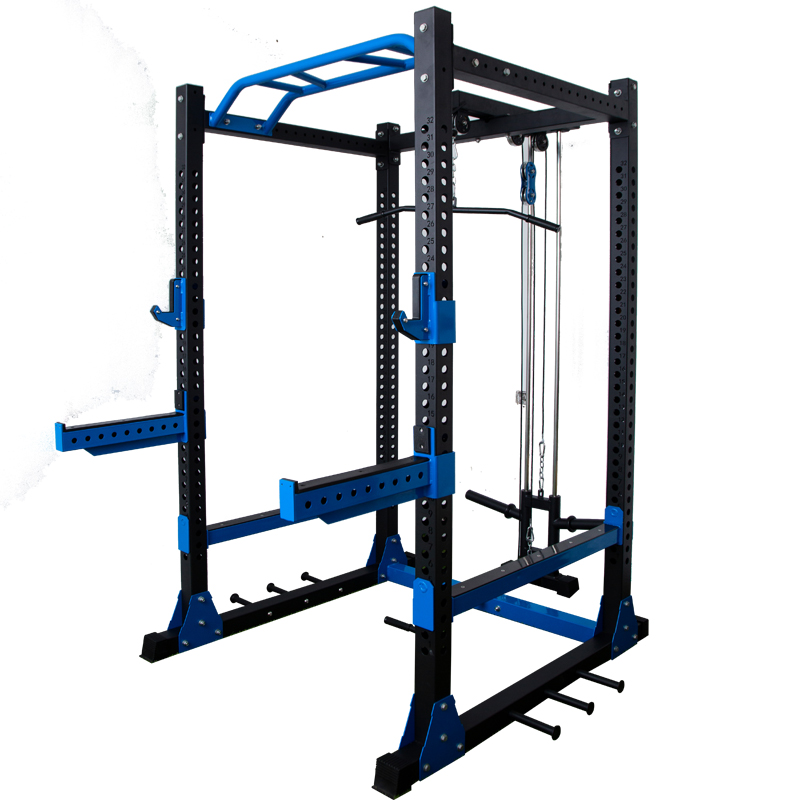
Effective multifunction gym equipment achieves versatility through modular design architectures that integrate independent yet complementary exercise stations. Premium systems feature separate weight stacks—typically 150–200lbs each—with adjustable cable paths and multiple attachment points enabling movements including lat pulldowns, low rows, chest presses, shoulder raises, and leg extensions. Rack-integrated designs combine squat stands, adjustable benches, and cable columns within a single steel framework, allowing users to transition from barbell back squats to cable crossovers without changing equipment. Some advanced configurations incorporate Smith machine mechanisms, dip stations, and pull-up bars, delivering up to 50 distinct exercise variations from a single installation.
Despite their appeal, multifunction gym equipment introduces specific design challenges that differentiate premium from budget manufacturers. Frame rigidity under multi-plane loading requires 3mm+ steel tubing and triangular bracing, particularly in cable column interfaces where side-loading forces exceed 500kg. Cable travel length—typically 2.5–3.0 metres—must accommodate full range-of-motion for tall users performing standing overhead presses or seated rows. Dual-function pulleys with sealed ball bearings (minimum 30mm diameter) maintain smooth operation across weight-stack ranges, while integrated adjustment mechanisms require heavy-duty pop pins or gas-assisted systems that withstand daily setting changes without premature wear.
Procurement of multifunction gym equipment demands specific evaluation criteria beyond standard commercial considerations. Functionality trade-offs must be weighed against intended usage patterns, with a focus on verifying that integrated components meet similar quality standards as standalone counterparts. Footprint efficiency—the ratio of exercises to floor area—should be calculated and compared across models to ensure spatial ROI aligns with facility objectives. Furthermore, member flow dynamics should be assessed; equipment with high utilisation potential must be positioned and supported by adequate clearance zones to prevent bottlenecks. As commercial gyms embrace compact, high-capacity programming, multifunction equipment emerges as a strategic investment—one that demands procurement expertise to balance engineering integrity against operational flexibility.

Let our experts design the perfect gym solution for your business. Get a free consultation and quote today.