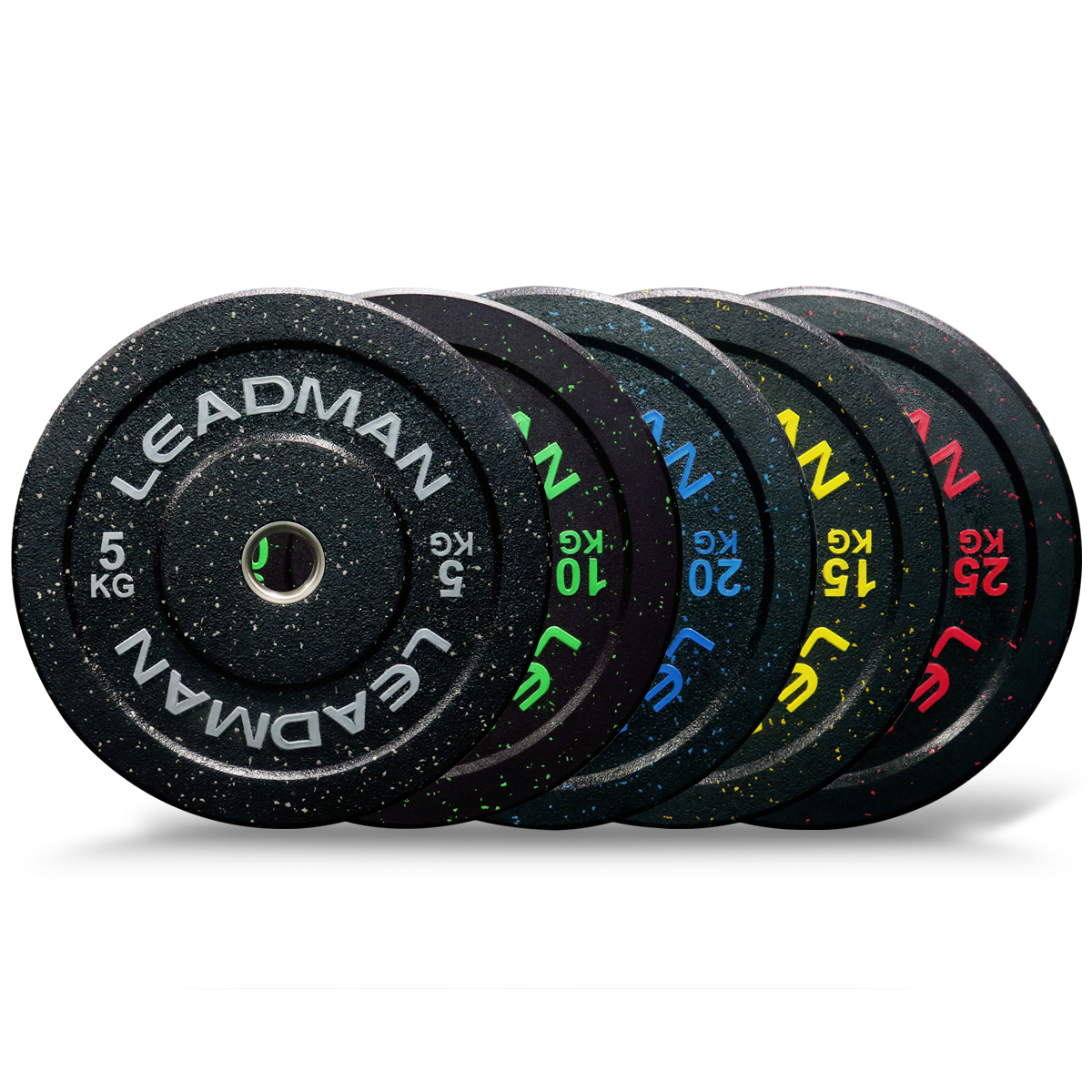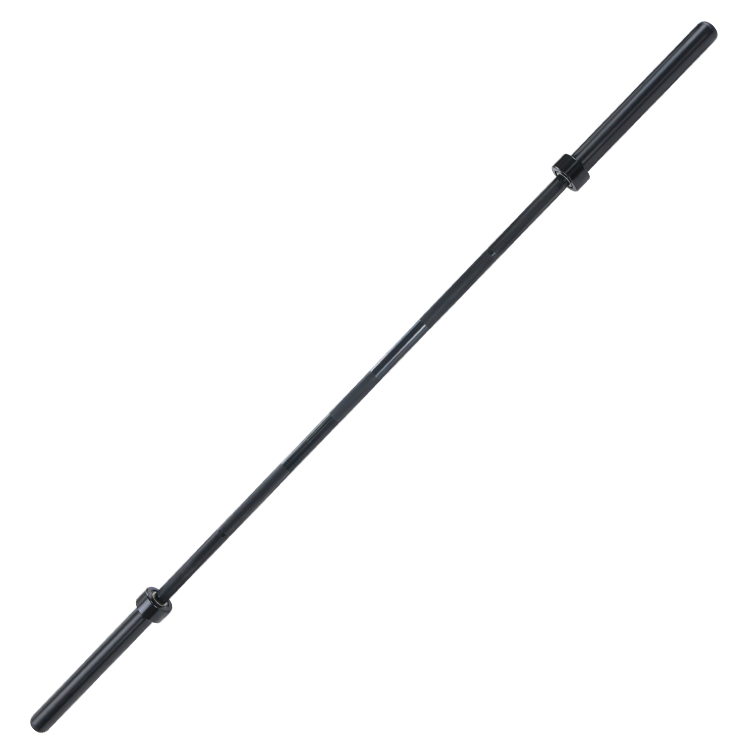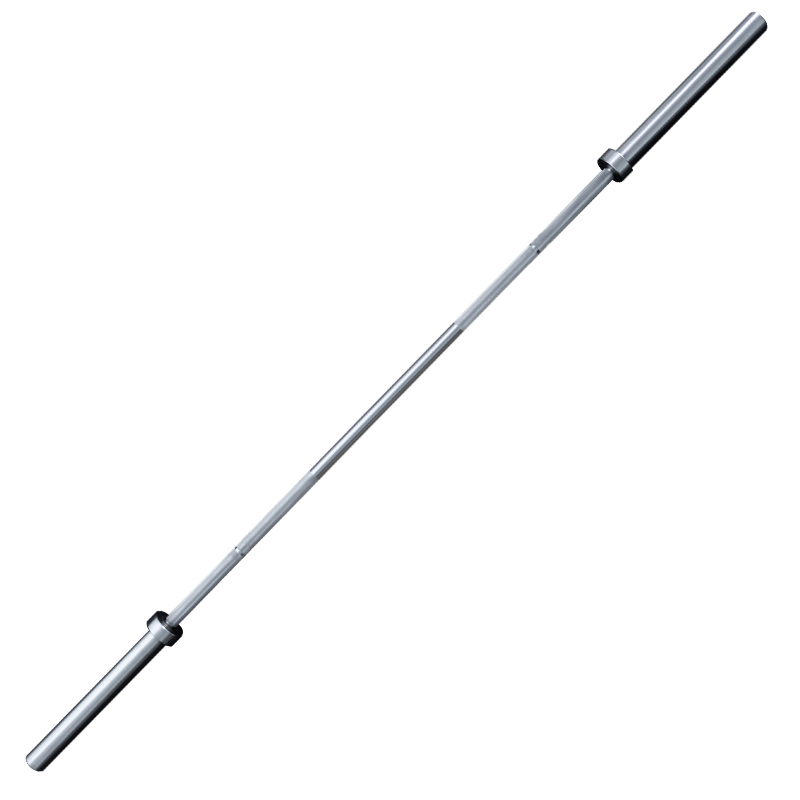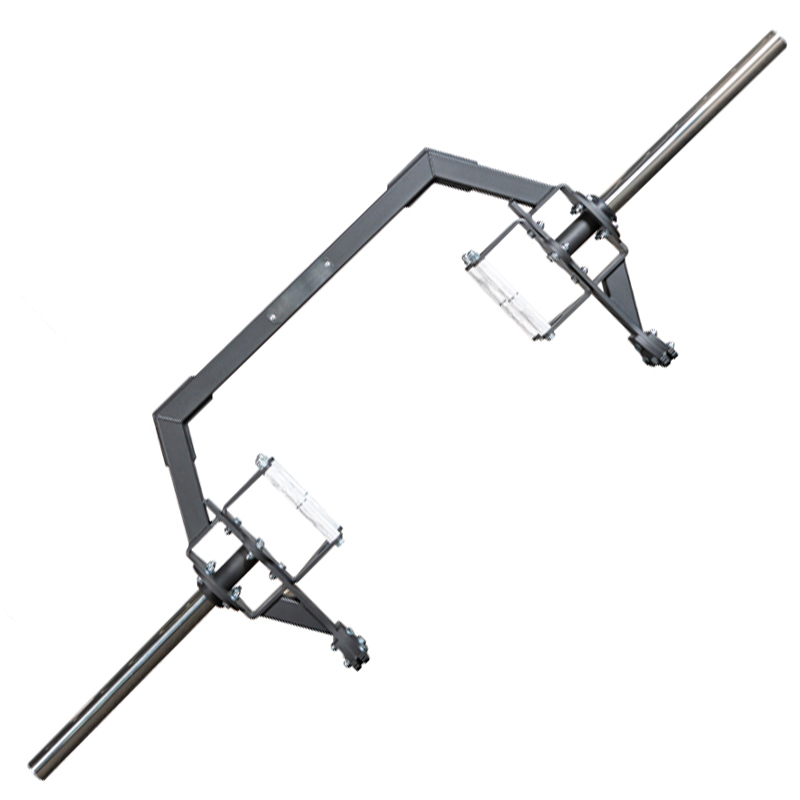
Selecting the right gym plates manufacturers is a critical decision that directly impacts the safety, durability, and performance of any strength training facility. From Olympic weightlifting to functional fitness, the quality of cast iron, rubber bumper, or urethane plates determines not only the user experience but also the long-term operational costs. As the global fitness equipment market continues its rapid expansion, understanding the nuances of manufacturing standards, material science, and supply chain reliability becomes essential for facility owners and fitness entrepreneurs aiming to build a competitive edge.
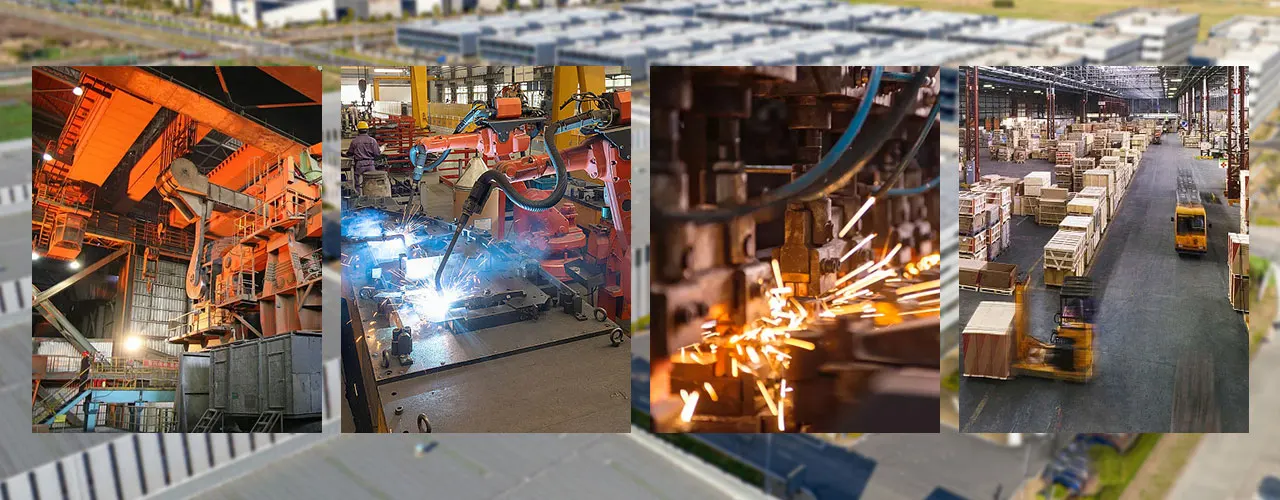
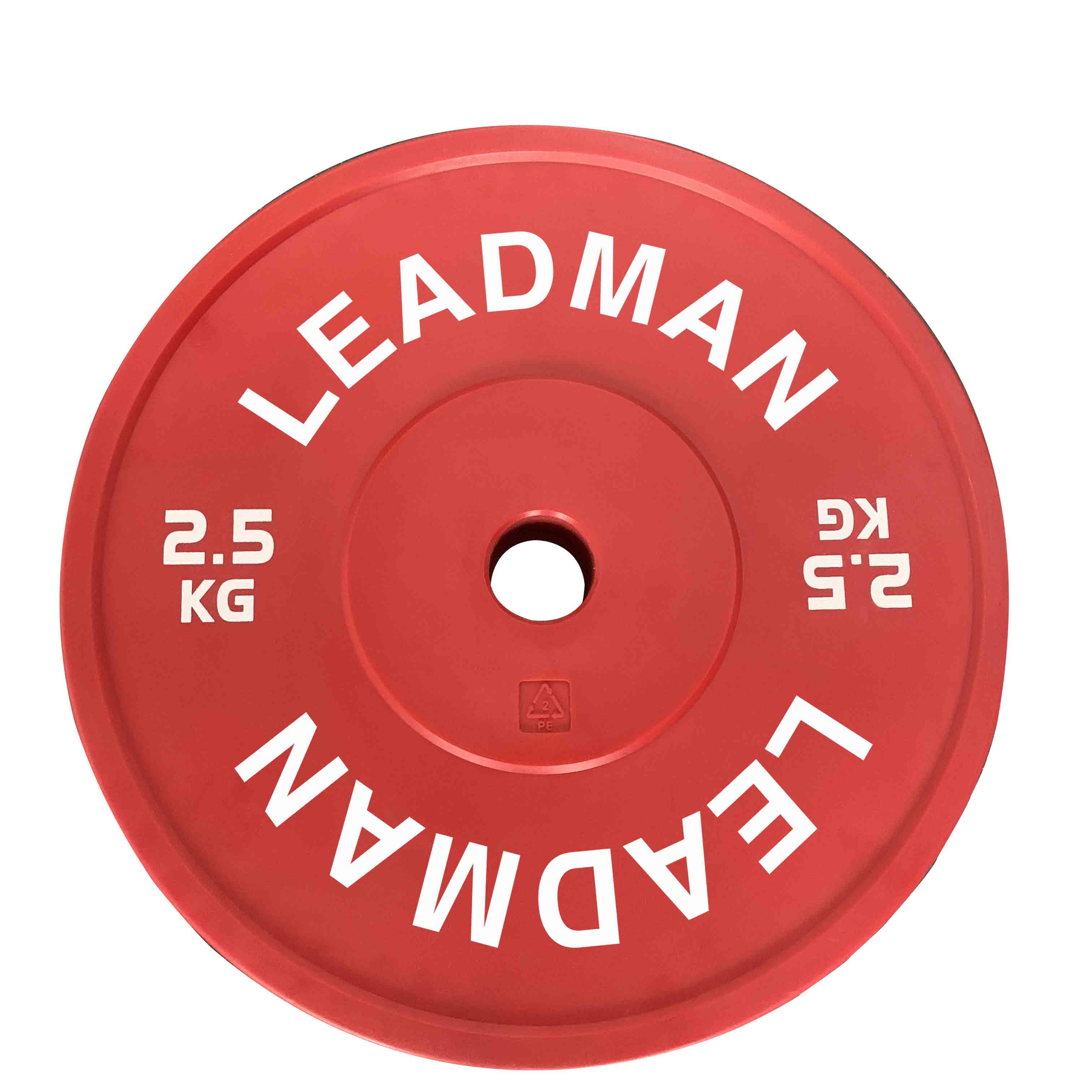
At the heart of this industry lies a complex ecosystem of foundries, machining centers, and rubber vulcanization plants. The manufacturing process begins with high-quality iron ore or recycled steel scrap, melted in induction furnaces and poured into precision-cast molds. Modern gym plates manufacturers utilize advanced CNC machining to ensure each plate achieves exact weight tolerances, typically within ±1% for premium products. This precision extends to the central hub, where tight tolerances are critical for a secure fit on Olympic barbells, reducing plate wobble and minimizing wear on the knurling. The choice between traditional cast iron and modern rubber-coated designs reflects a fundamental trade-off between cost, noise reduction, and floor protection—a decision guided by the specific demands of the gym environment.
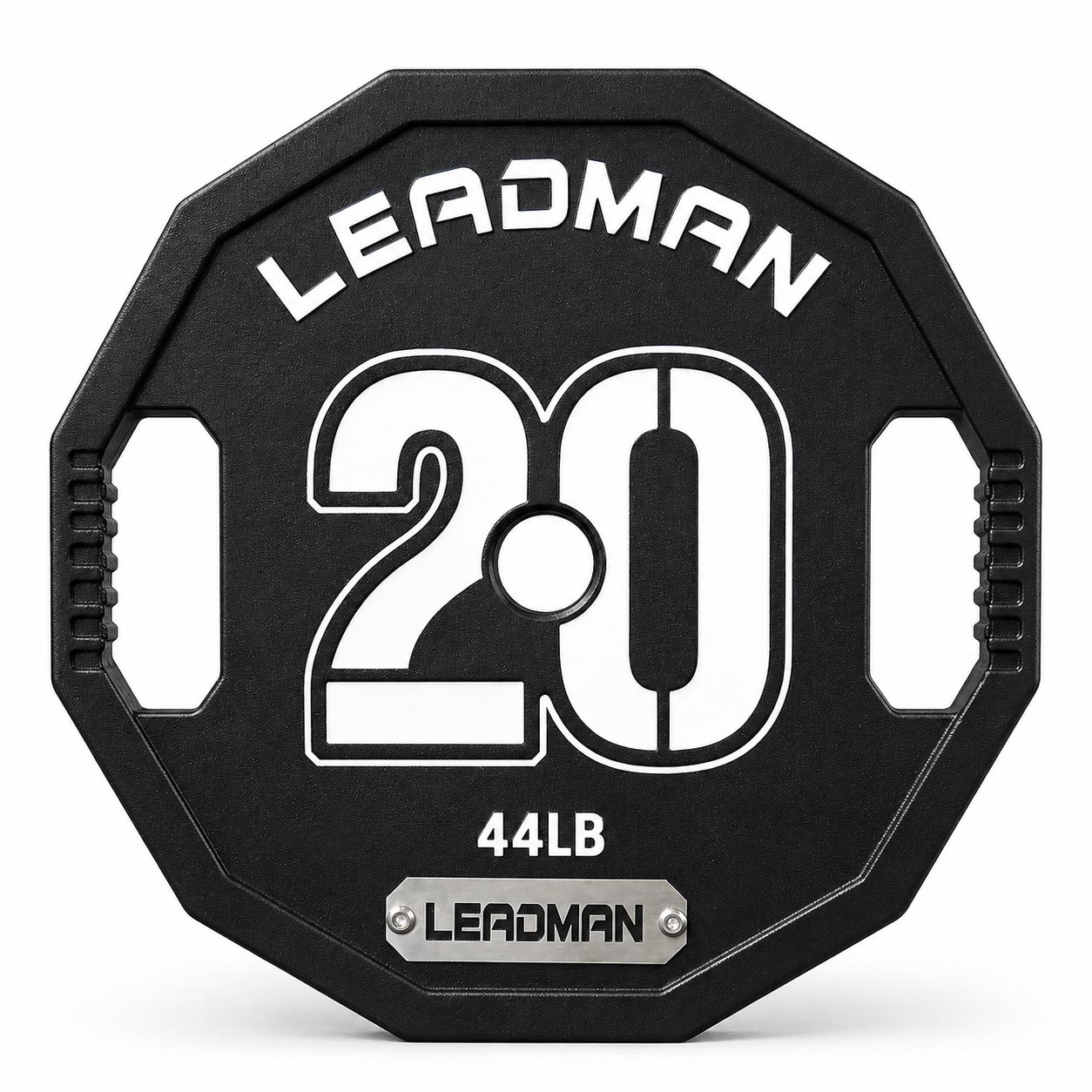
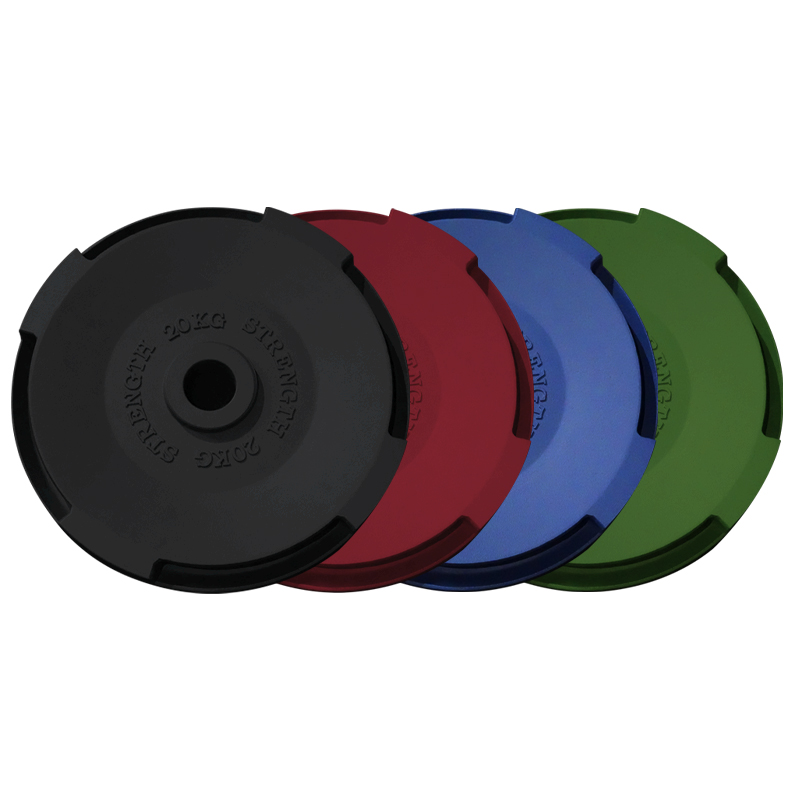
Durability in gym plates hinges on three interrelated factors: material composition, coating technology, and drop-test performance. Premium urethane and virgin rubber bumpers consistently outperform recycled rubber compounds in resisting abrasion and maintaining their elastic properties after thousands of drops. Top-tier manufacturers subject their bumpers to rigorous drop tests from heights exceeding 4 feet onto concrete surfaces, simulating the intense conditions of functional training. The bonding between the steel insert and the rubber or urethane layer is equally vital; a failure in this adhesion can lead to separation over time, posing a serious safety risk. Furthermore, the use of low-odor rubber compounds has become a significant differentiator, addressing a common complaint in indoor training facilities where ventilation is often limited.
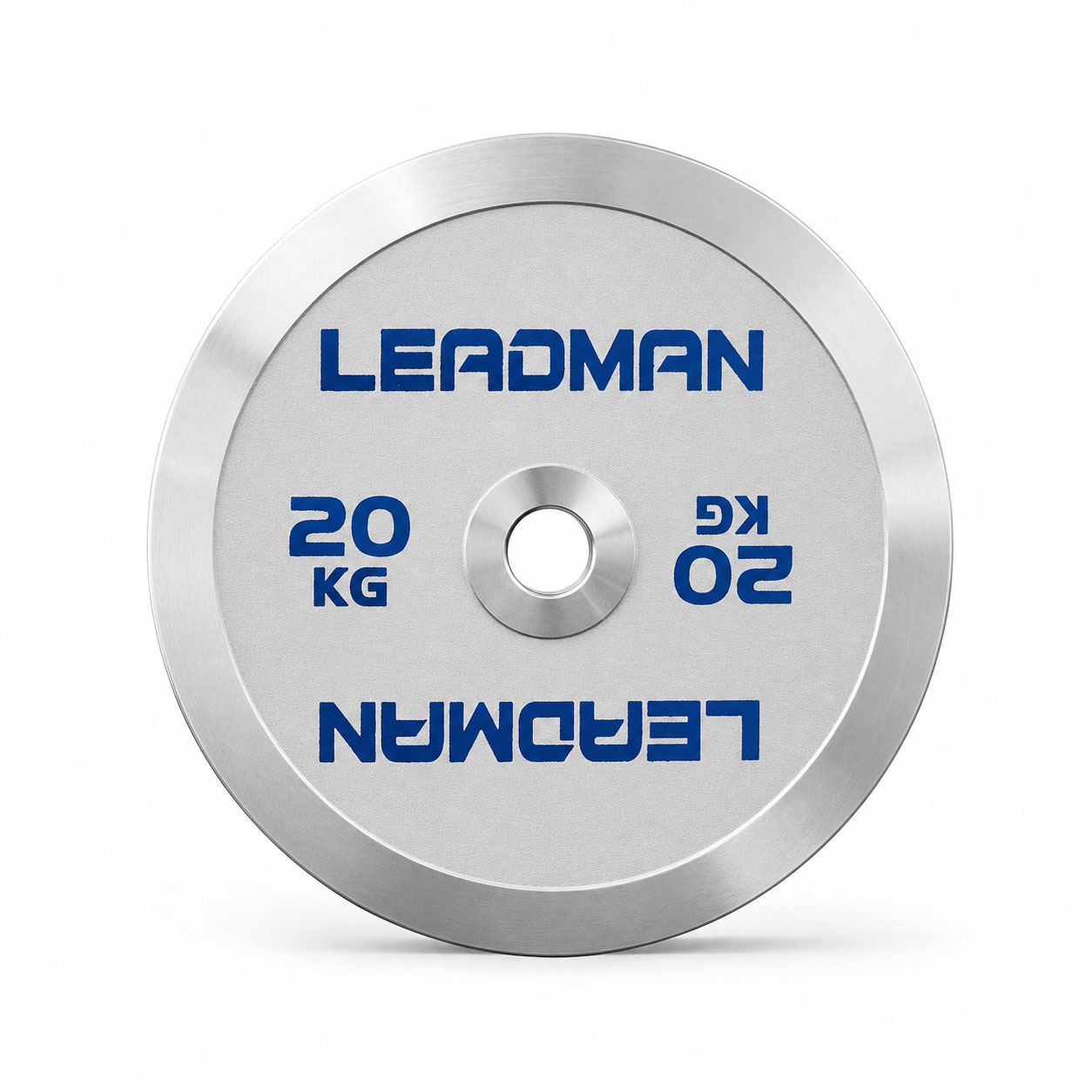
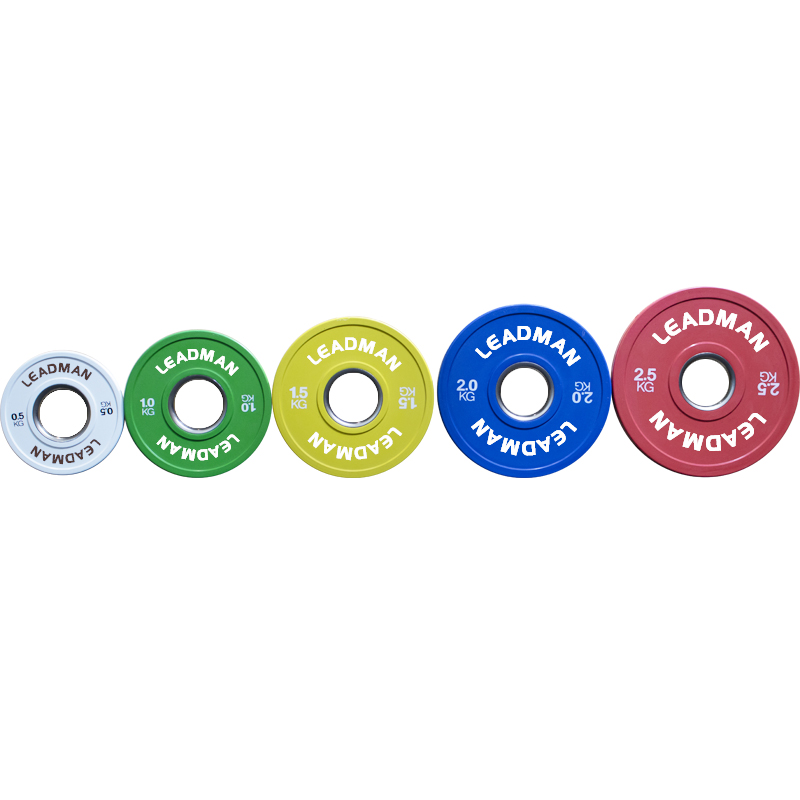
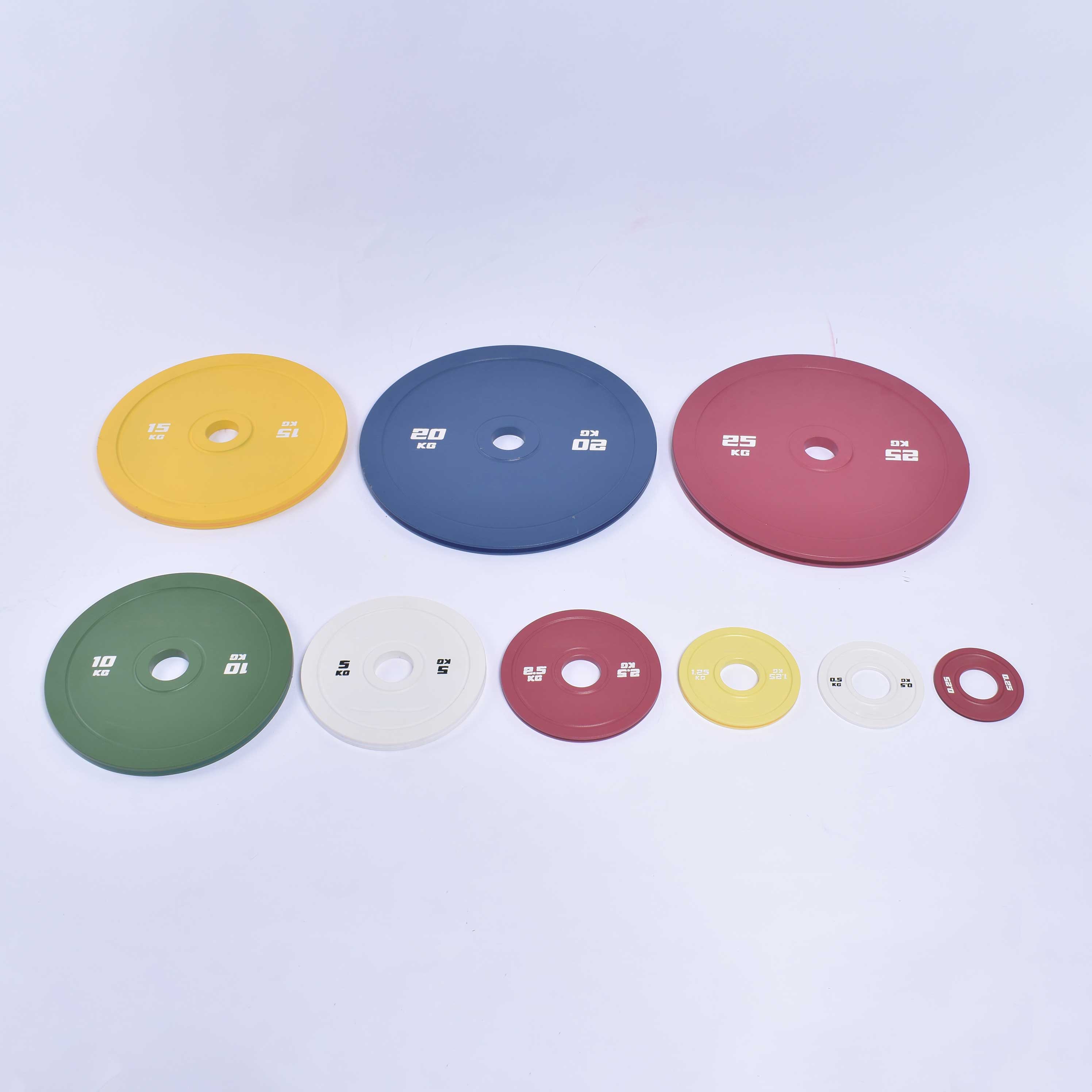
Strategic sourcing from reputable gym plates manufacturers offers several distinct advantages beyond initial product quality. By partnering with a manufacturer that offers a comprehensive product portfolio, including change plates, fractional plates, and specialized competition discs, gym owners can streamline their procurement process and ensure aesthetic consistency across their entire equipment fleet. Direct relationships often unlock benefits such as customizable color matching for bumper plates, enabling a gym to build a cohesive brand identity from the weight room floor. Additionally, manufacturers with robust quality management systems, certified to standards like ISO 9001, provide traceable documentation and consistent product runs, reducing the risk of batch-to-batch variations that can affect barbell loading dynamics and user confidence.
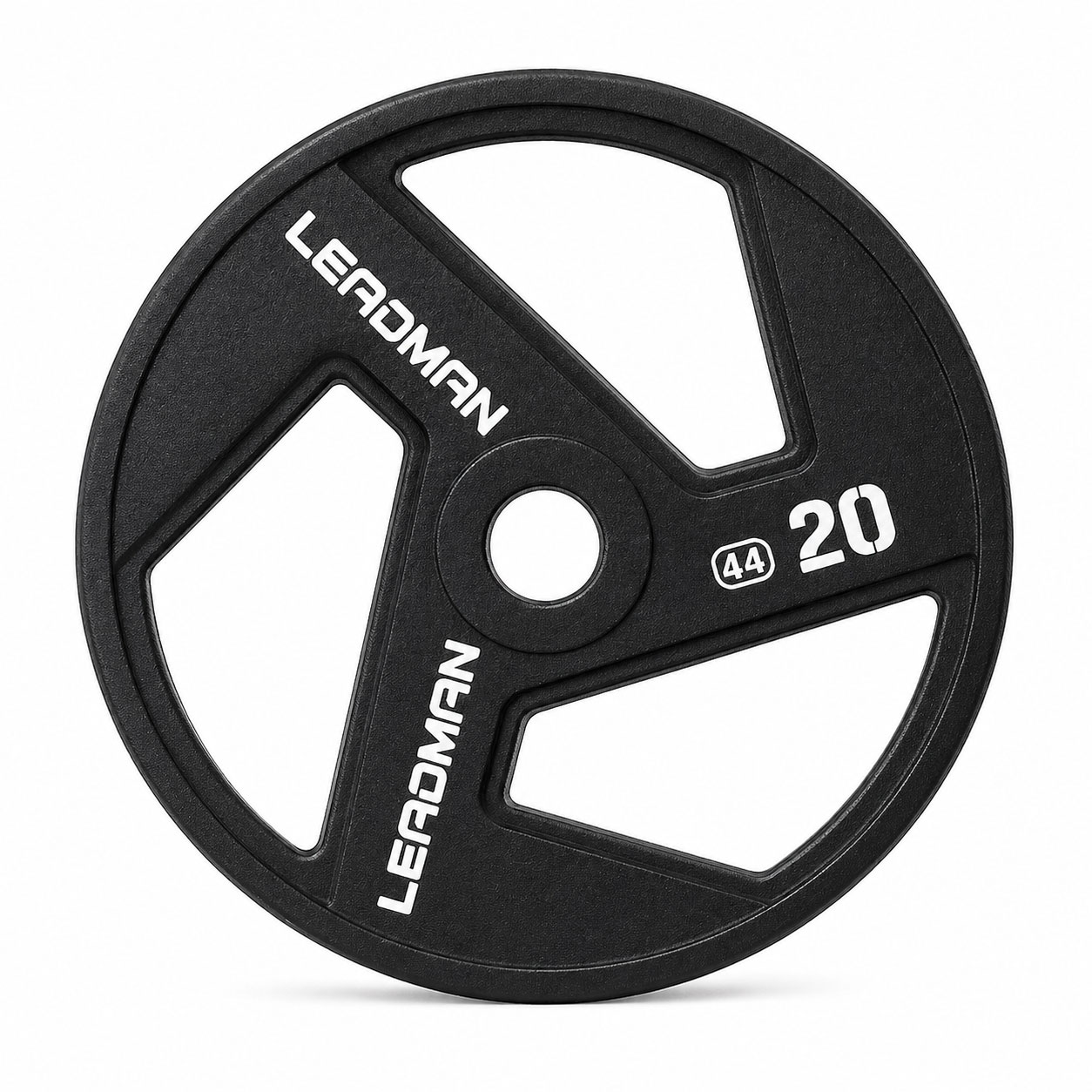
In an environment where equipment is subjected to constant, high-impact use, the lifecycle cost of plates often outweighs the initial purchase price. High-quality plates from established manufacturers maintain their weight accuracy and structural integrity far longer, minimizing the frequency of replacement and the associated downtime. For commercial facilities, this reliability translates directly into improved member satisfaction and a lower total cost of ownership. As the industry evolves, leading manufacturers are incorporating innovations like anti-slip surface textures and improved center hole designs that reduce stress concentration on the barbell sleeve. For the discerning buyer, prioritizing long-term value over short-term savings remains the most effective strategy in selecting a gym plates manufacturing partner.