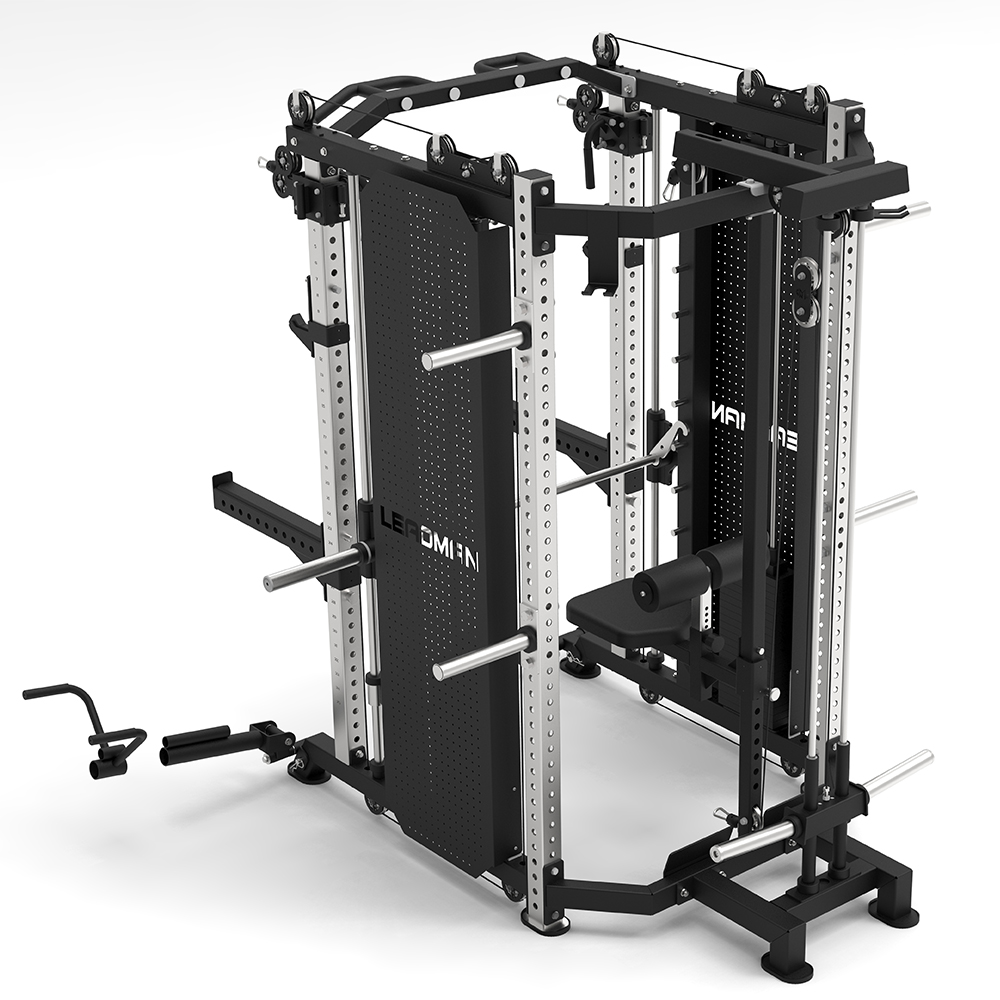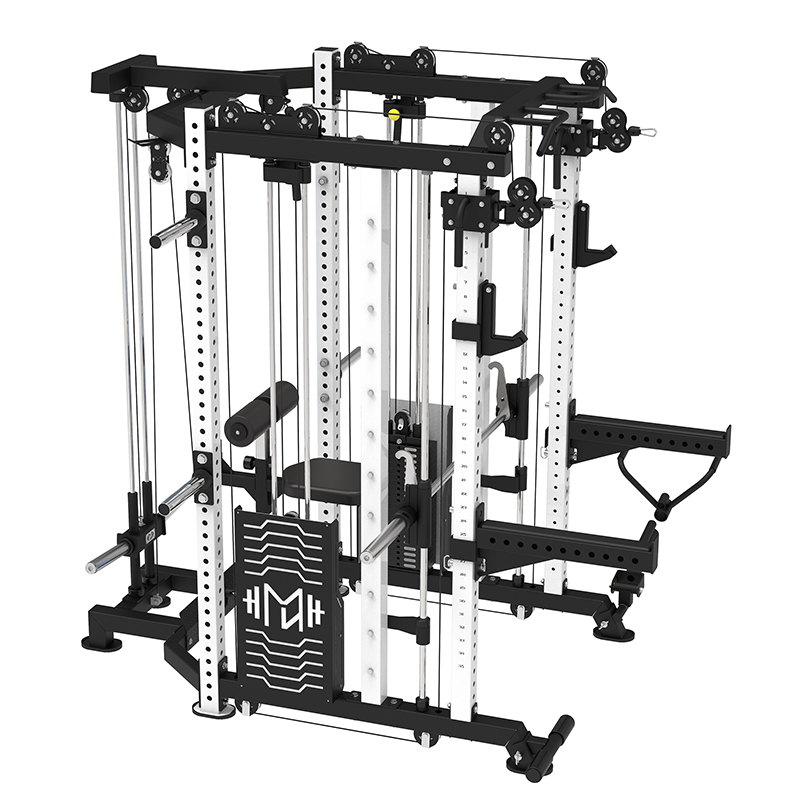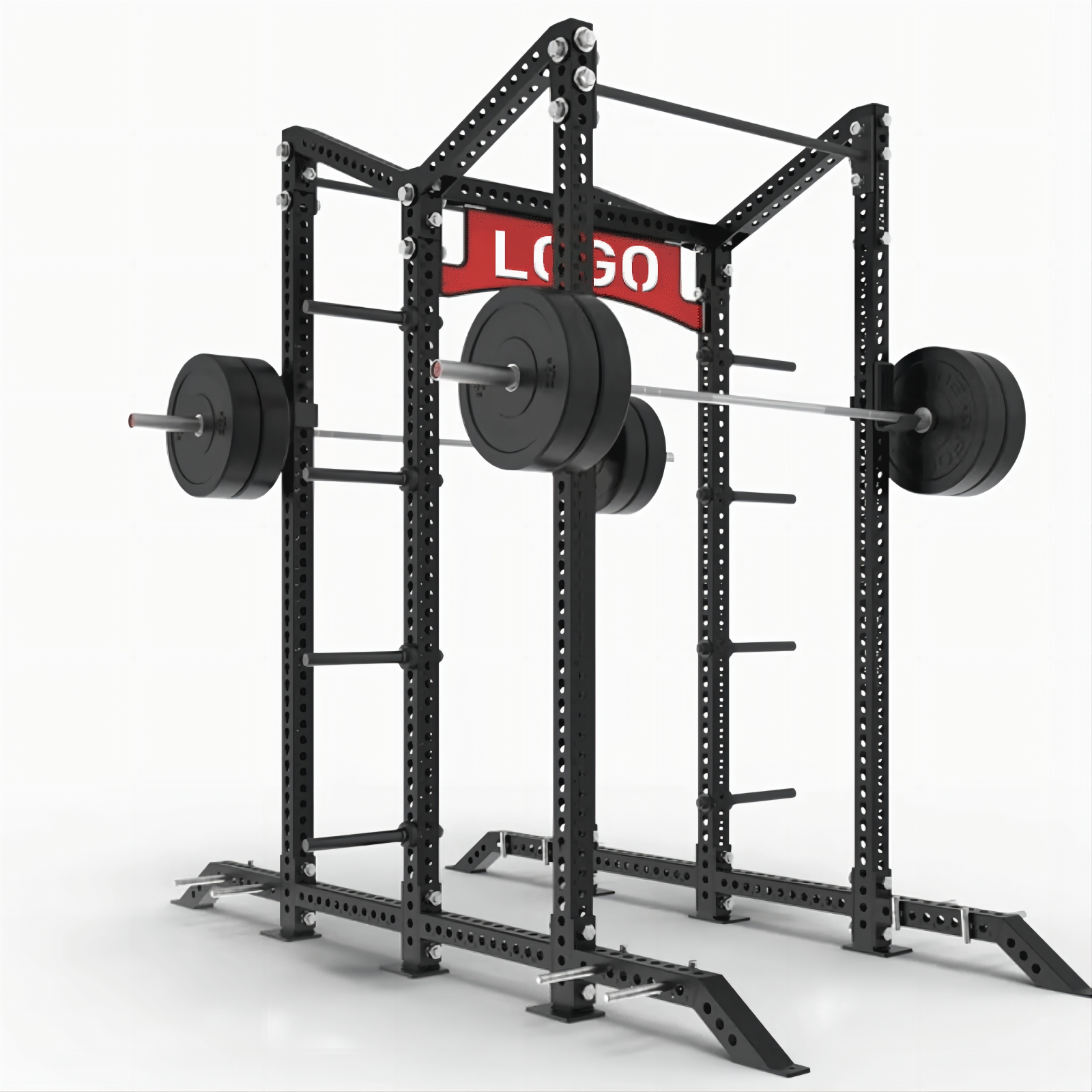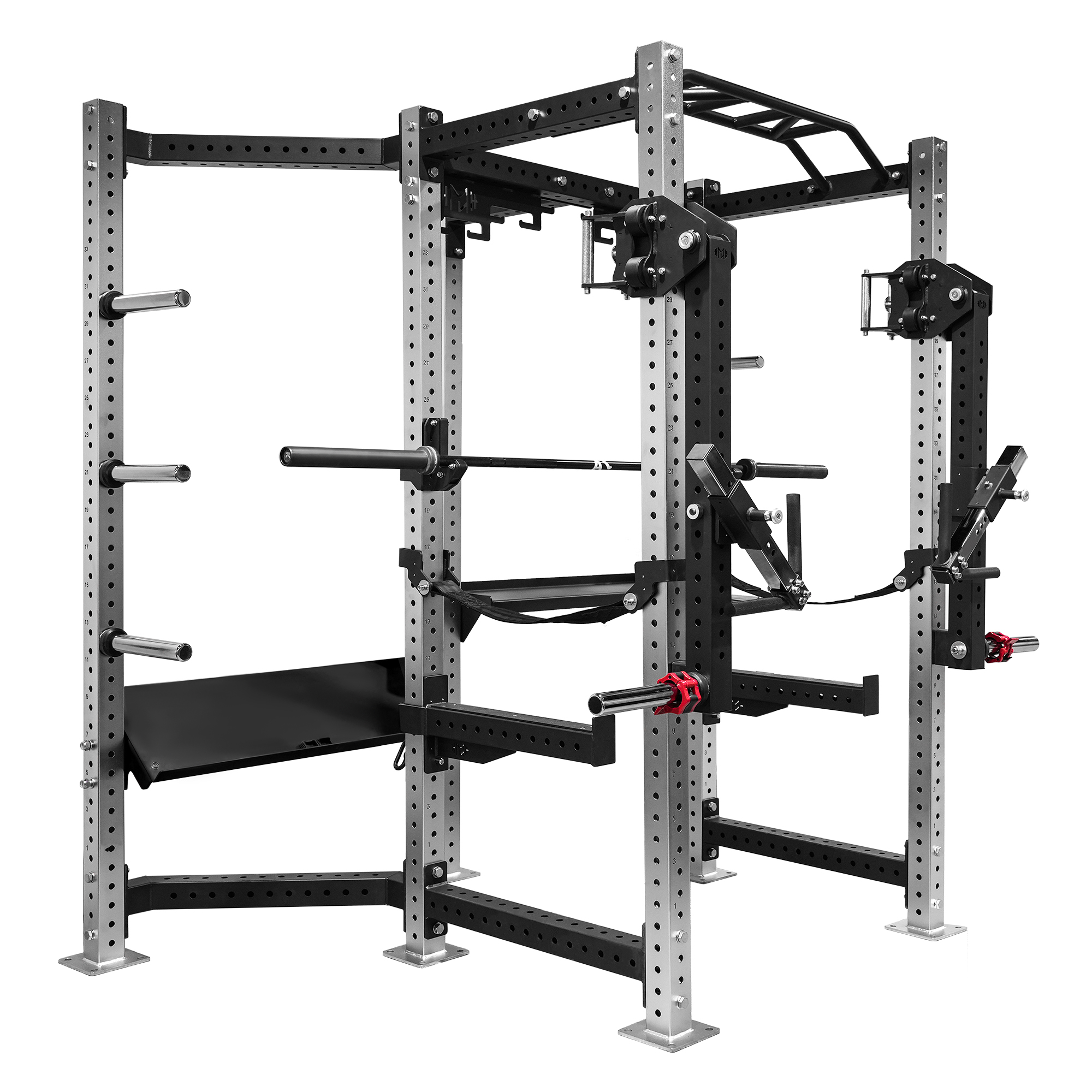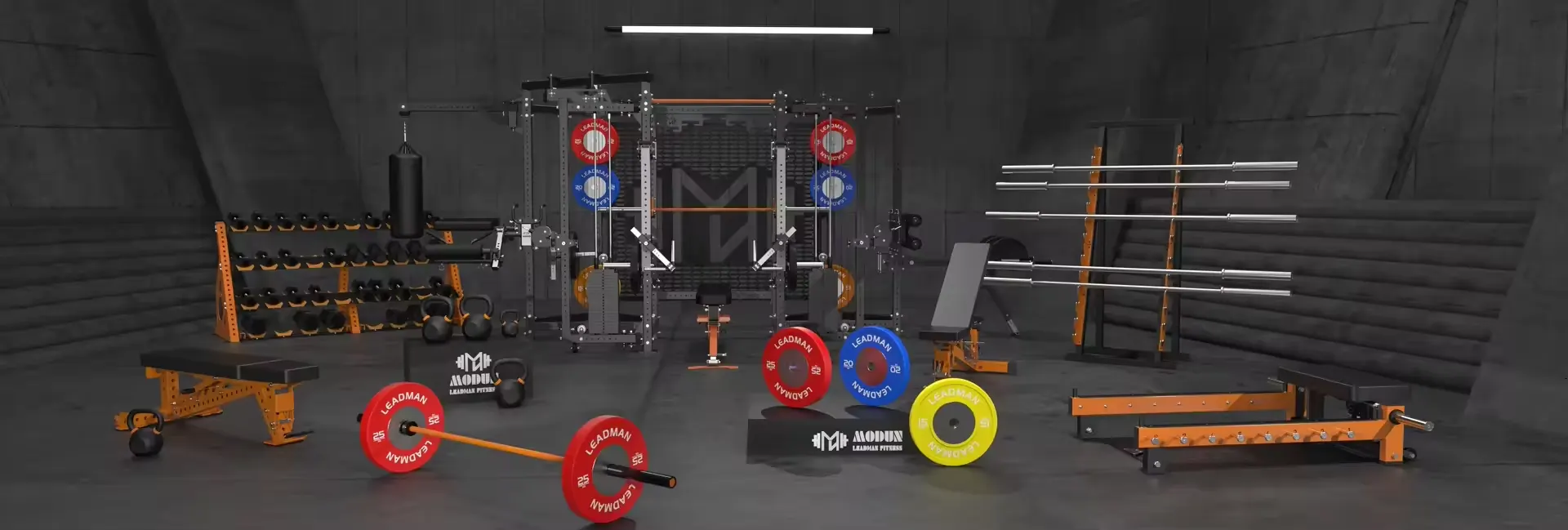
The selection of gym machine suppliers represents one of the most consequential procurement decisions for commercial fitness operators, directly impacting equipment quality, facility safety, member satisfaction, and long-term operational costs. Unlike consumer-grade fitness products, commercial gym machines must withstand 12–16 hours of daily use across diverse member populations, requiring engineering, material, and manufacturing standards that significantly exceed residential equivalents. This operational reality places extraordinary emphasis on supplier capabilities across four dimensions: manufacturing competence, quality assurance, logistical infrastructure, and after-sales support. Navigating this landscape demands systematic evaluation frameworks that move beyond price comparisons to assess total value across the equipment lifecycle.
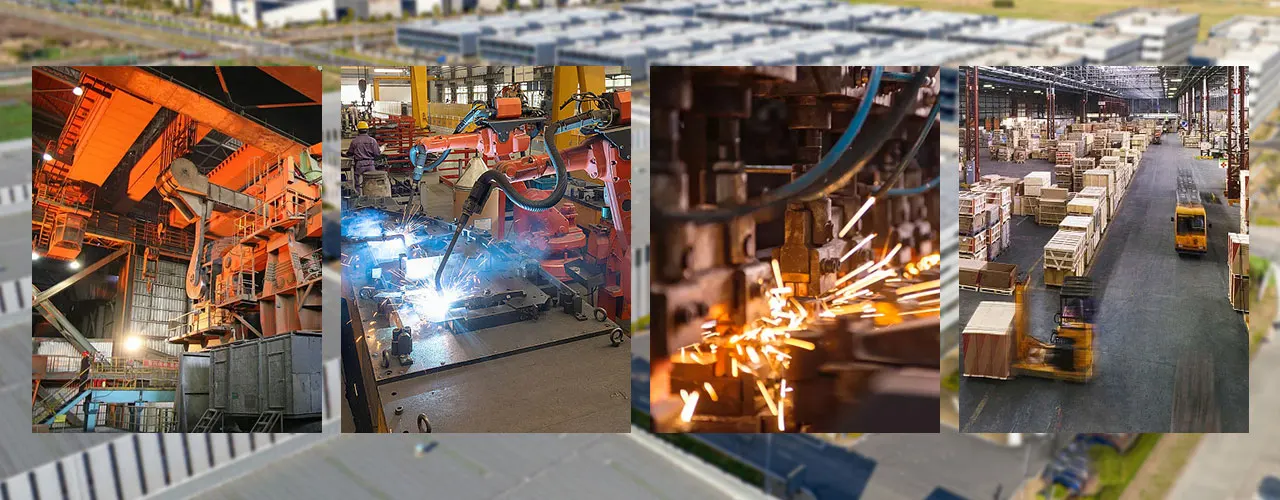
Manufacturing competence serves as the foundational differentiator among gym machine suppliers, encompassing steel fabrication, welding technology, finishing processes, and assembly quality. Leading commercial suppliers utilise robotic MIG welding cells that deliver consistent full-penetration joints, in-house powder-coating lines that maintain 60–80 micron film thickness for corrosion resistance, and CNC machining centres that guarantee precise bearing fits and adjustment mechanisms. In-house R&D capabilities enable biomechanical validation of machine motion arcs, ensuring they align with natural joint kinematics for safe, effective exercise. Integrated manufacturing operations also reduce reliance on subcontractors, improving quality consistency and enabling rapid response to custom orders. Procurement professionals should prioritise suppliers with documented vertical integration and visible production quality.
Quality assurance systems differentiate commercial gym equipment suppliers through documented inspection protocols, third-party certifications, and defect-rate transparency. Reputable suppliers maintain ISO 9001 quality management certification with product-specific EN 957 or ASTM compliance certifications. They implement AQL 1.0–1.5 batch inspection standards, maintaining documented defect-rate histories and providing test reports on request. Pre-shipment inspections, in-process QC checkpoints, and individual machine load testing demonstrate robust quality control. Suppliers who openly share this documentation and offer third-party inspection access demonstrate confidence in their manufacturing standards, providing procurement buyers essential assurance of consistent commercial-grade quality.
Logistical infrastructure and after-sales support define the operational value proposition of gym machine suppliers, impacting delivery timelines, installation costs, and long-term serviceability. Suppliers with regional warehouses, dedicated freight consolidation services, and established customs brokerage relationships reduce landed costs by 12–18% and ensure predictable delivery windows. After-sales support—including digital spare-part catalogues, responsive technical assistance, video assembly guides, and clear warranty procedures—minimises equipment downtime, preserving member experience and facility revenue. As gym machine suppliers increasingly offer integrated digital platforms for order tracking, maintenance scheduling, and proactive support, these service dimensions are becoming critical competitive differentiators. Procurement success requires balanced evaluation of manufacturing quality, quality assurance, logistics capability, and after-sales service to secure reliable commercial gym equipment partnerships.
Let our experts design the perfect gym solution for your business. Get a free consultation and quote today.