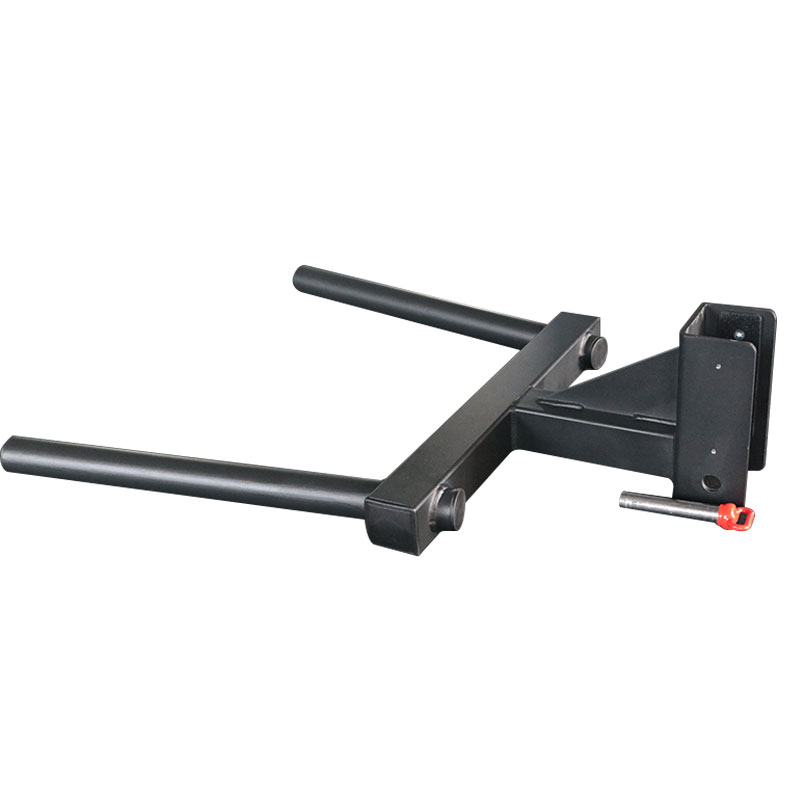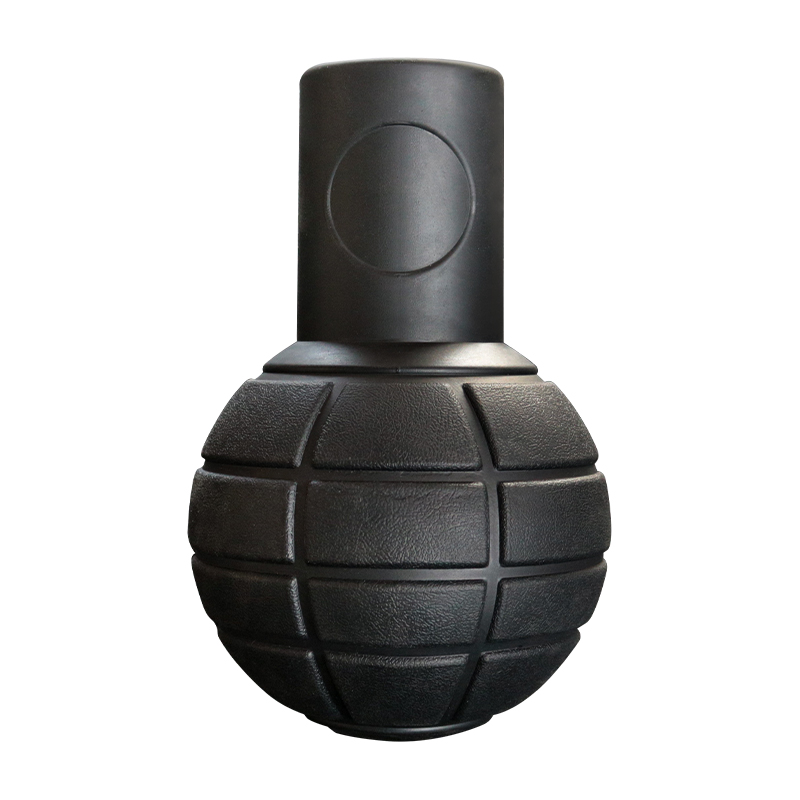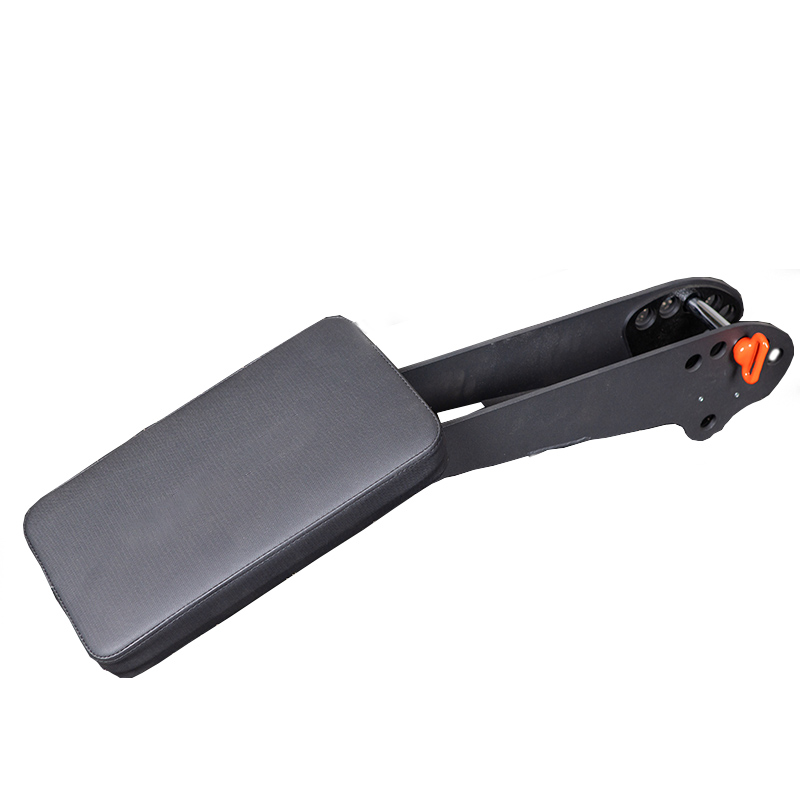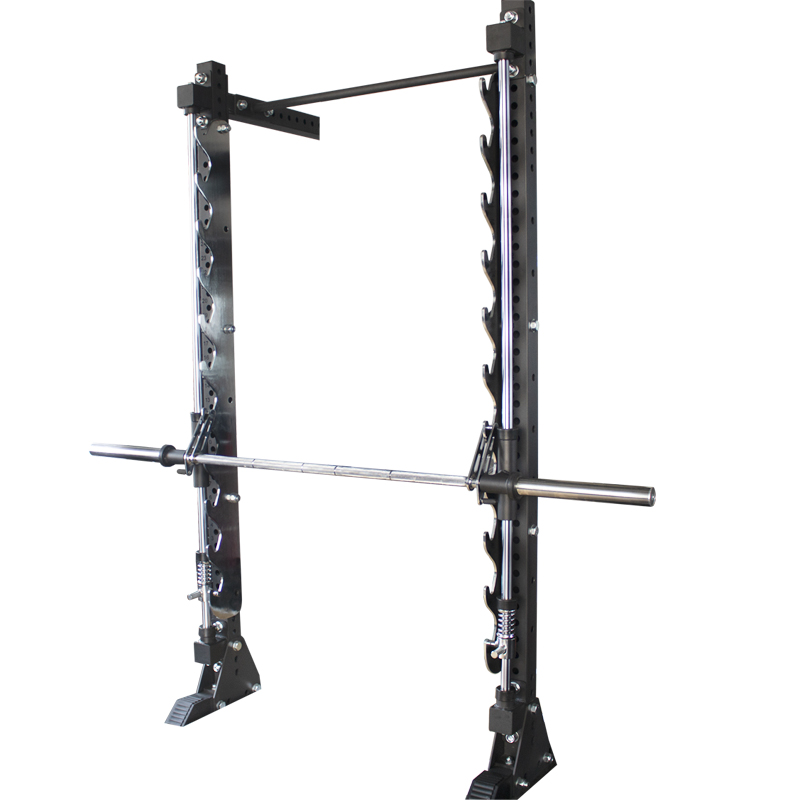
The $15 billion commercial fitness accessories market is projected to grow at 6.2% annually through 2030, yet sourcing gym accessories manufacturers that consistently deliver durable, ergonomic, and safety-compliant add-ons remains a sourcing bottleneck for facility operators. Unlike fixed equipment, accessories—including barbell collars, resistance bands, weight plates, lifting straps, and attachment handles—face accelerated wear due to frequent handling, sweat exposure, and accidental drops. This perishability demands that procurement teams evaluate not just material grades, but also manufacturing precision, quality control frequency, and batch-to-batch consistency that prevents premature cracking, rust, or grip degradation.
Industry best practices distinguish specialized accessories producers from full-line equipment suppliers by examining their rubber compounding formulas, chrome-plating thickness, and stitching tension tolerances—parameters often overlooked in generic factory audits. For instance, high-grade urethane bumper plates require Shore hardness between 85–92A and steel insert bonding that withstands 20,000+ drops without separation, whereas budget alternatives often fail within 6 months of commercial use. Similarly, premium leather lifting straps utilise double-stitched Kevlar thread at 8–10 stitches per inch, a detail immediately visible under magnification but rarely specified in standard purchase orders.
Certification gaps present another critical risk: although accessories manufacturers may hold ISO 9001, many lack product-specific testing for EN 957-2 (barbell collars) or ASTM F3022-18 (resistance bands). Sourcing professionals increasingly demand lot-specific test reports, raw material certificates of origin, and factory-induced defect rates below 0.5%—metrics that differentiate serious manufacturers from opportunistic trading companies. Furthermore, leading suppliers now offer mixed-model palletization, allowing gym owners to consolidate collars, bands, and grips into single shipments, reducing freight fragmentation costs by up to 18% per container.
Hidden costs frequently manifest through inconsistent plating adhesion: nickel-chrome layers below 10 microns accelerate flaking in humid environments, triggering re-purchase cycles that erode initial savings. Smart buyers therefore conduct 72-hour salt-spray tests on sample lots and demand photographic evidence of post-production buffing procedures. Finally, emerging sustainability mandates are reshaping material sourcing—manufacturers utilising recycled rubber compounds and water-based adhesives now command premium positions in environmentally conscious territories. Consequently, the strategic evaluation of gym accessories producers has evolved from a transactional checklist into a multi-dimensional risk-management exercise, where technical expertise, process transparency, and adaptive logistics determine long-term partnership viability.

Let our experts design the perfect gym solution for your business. Get a free consultation and quote today.