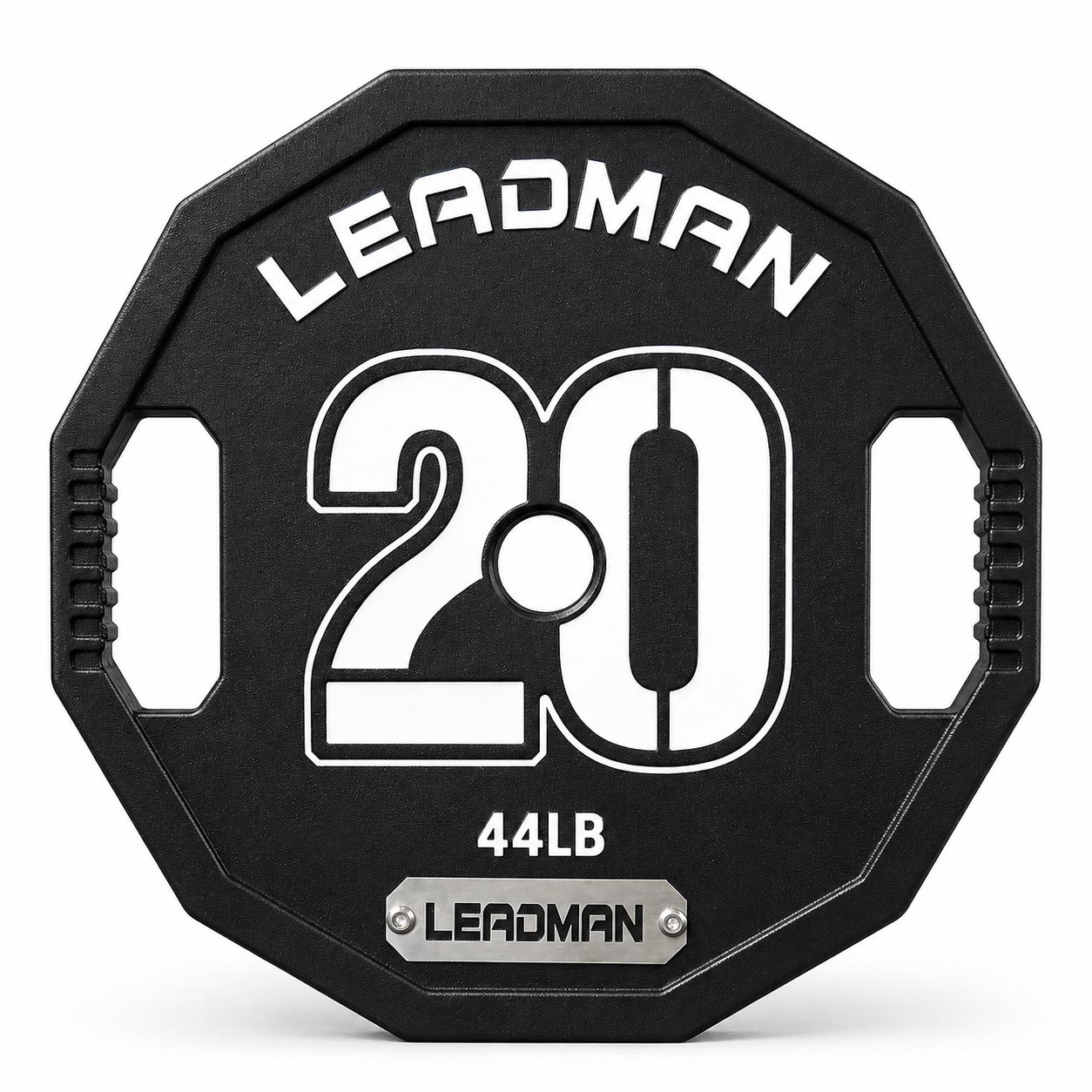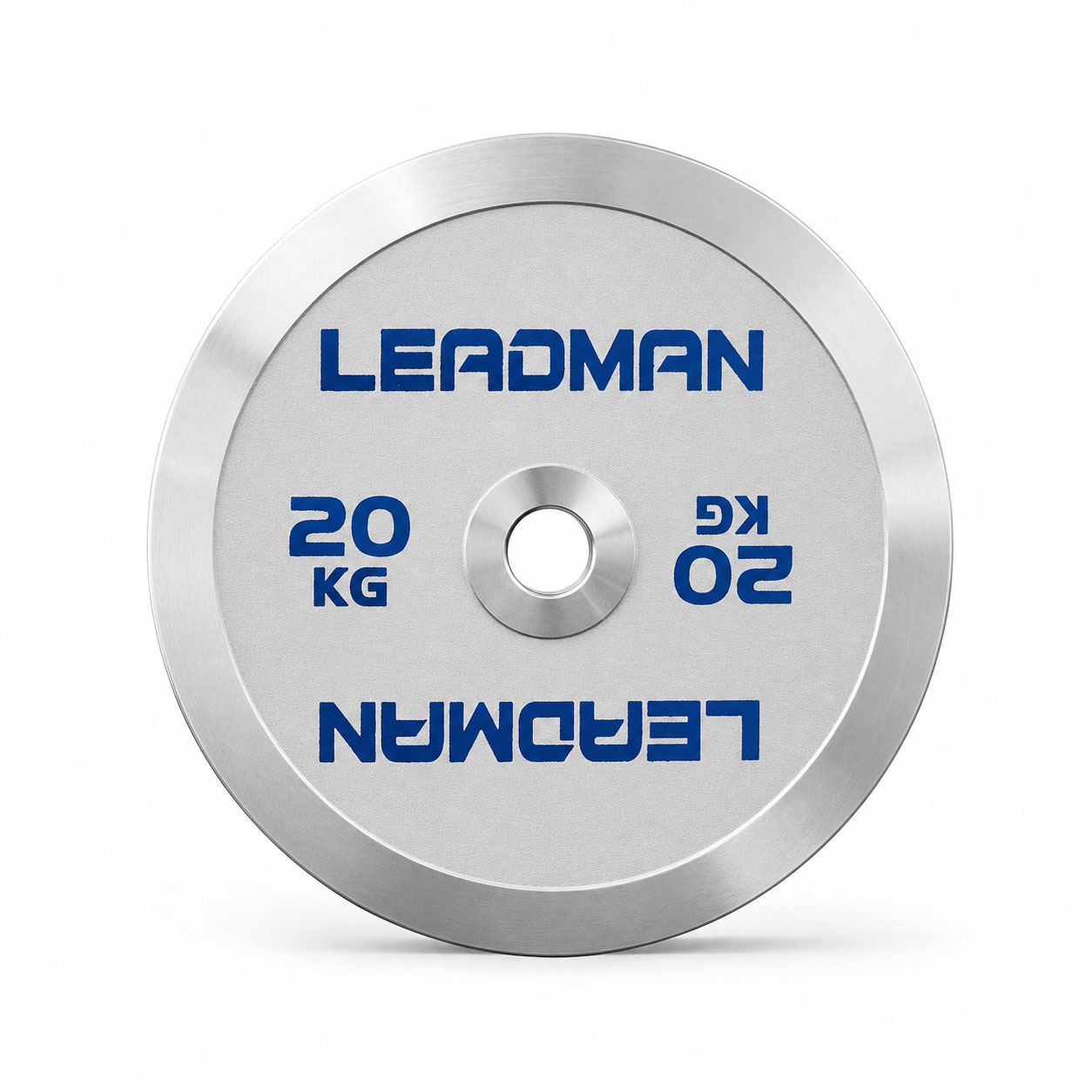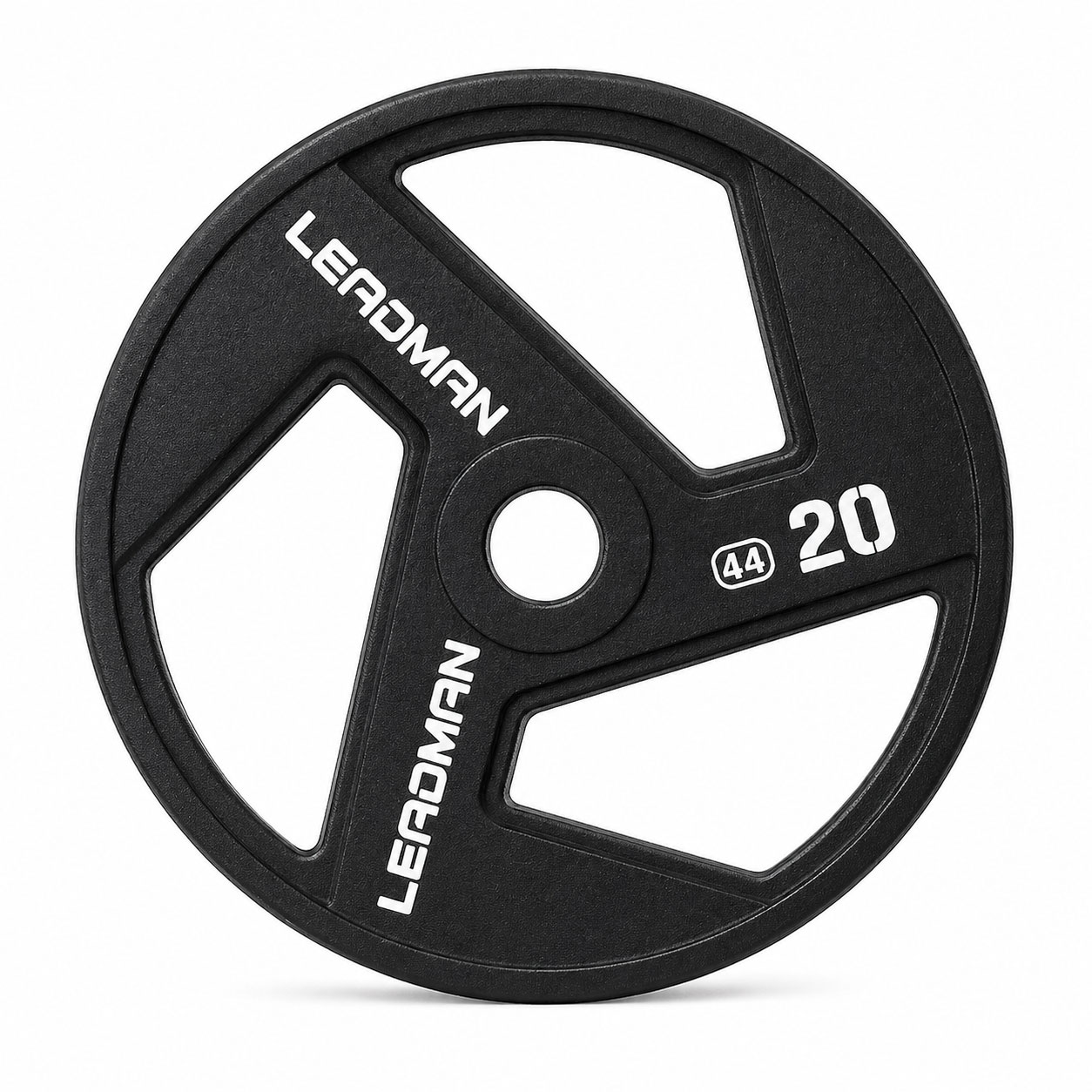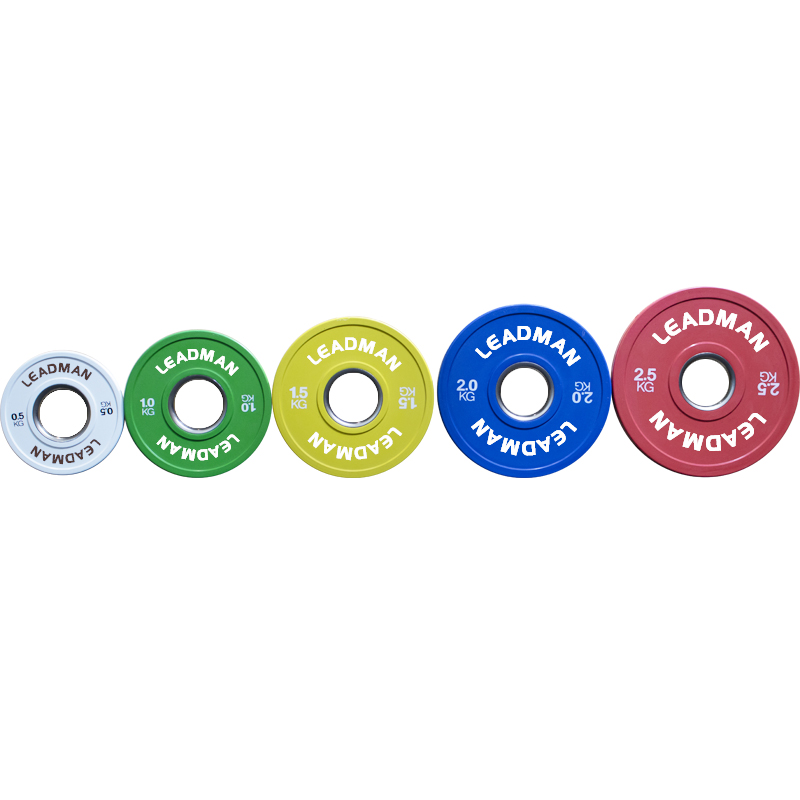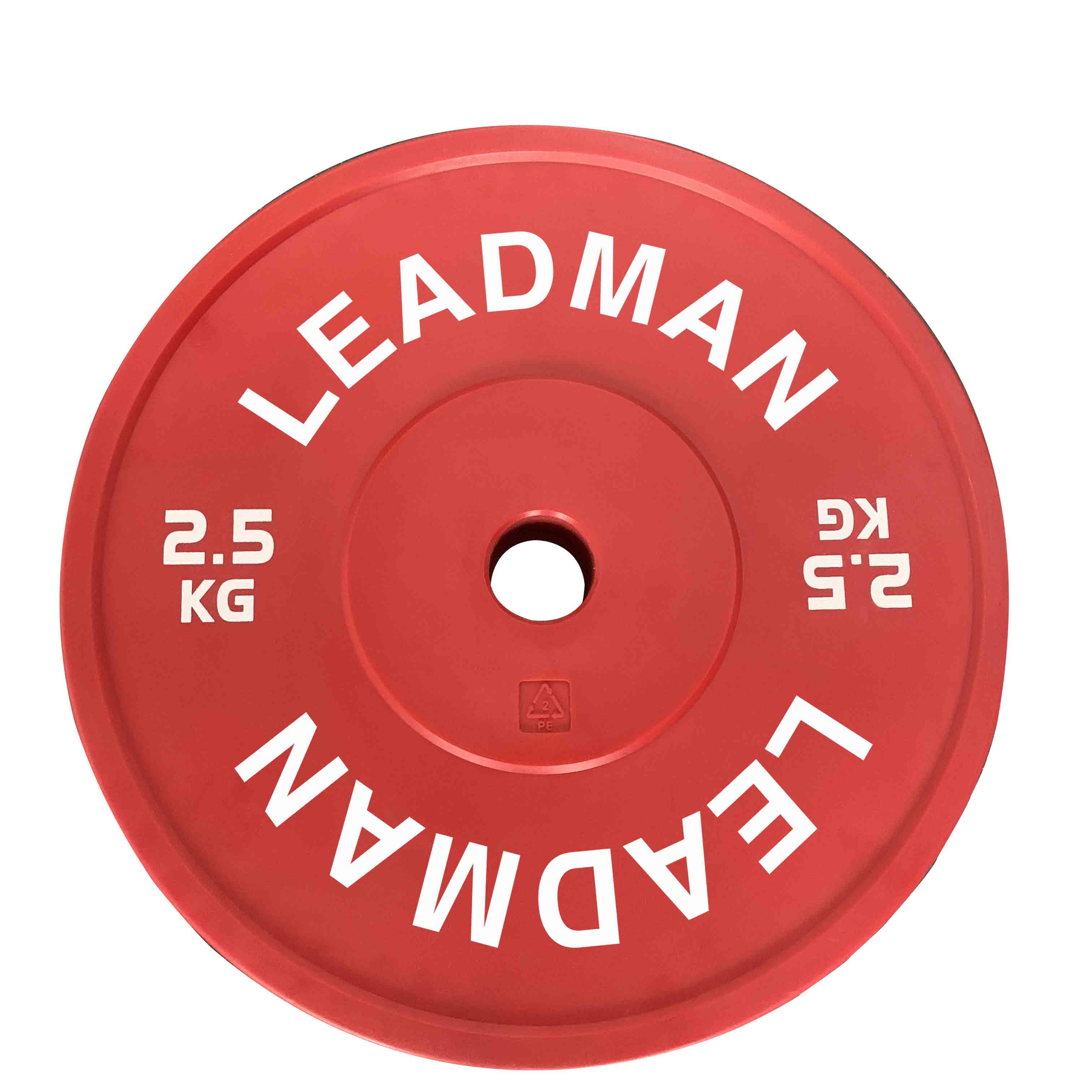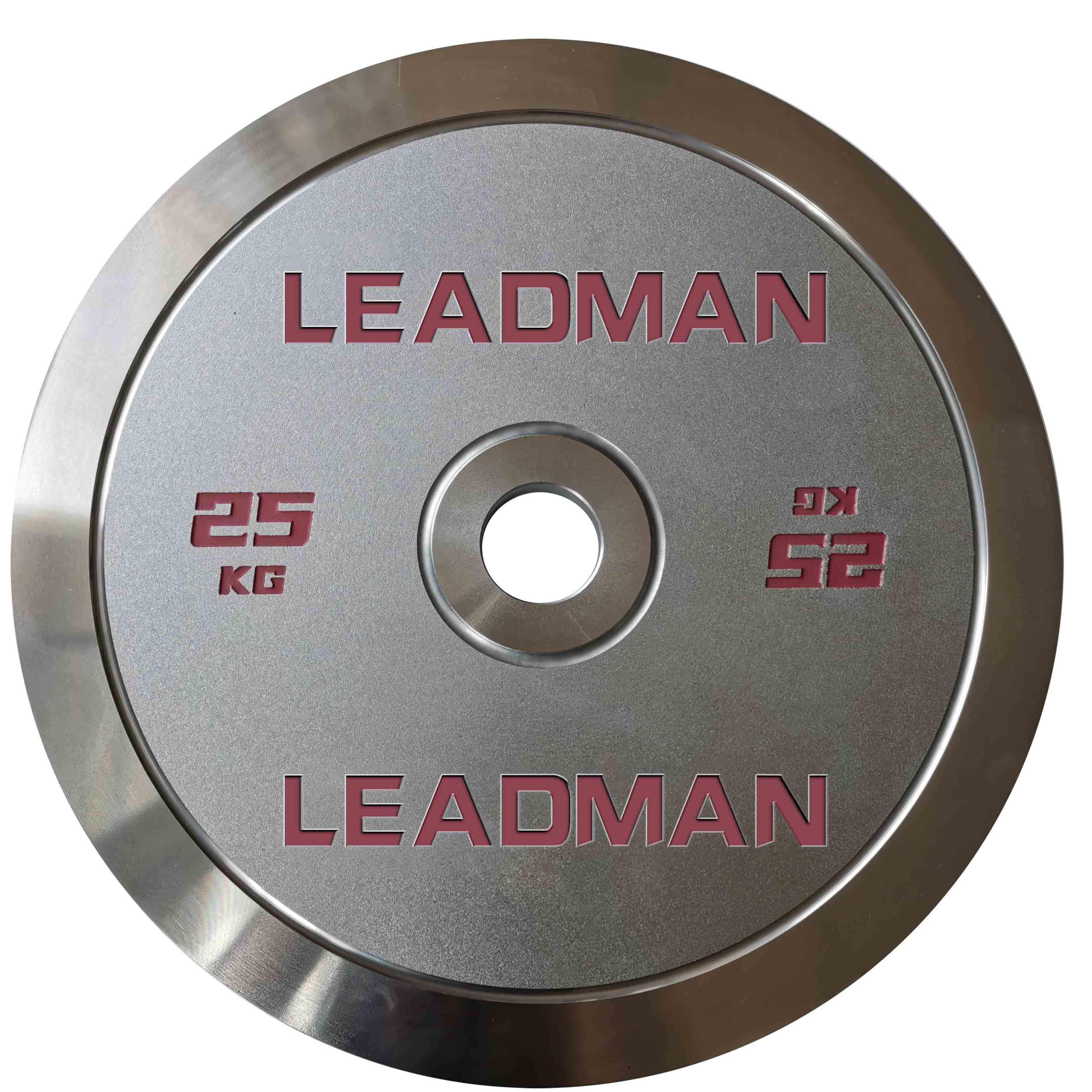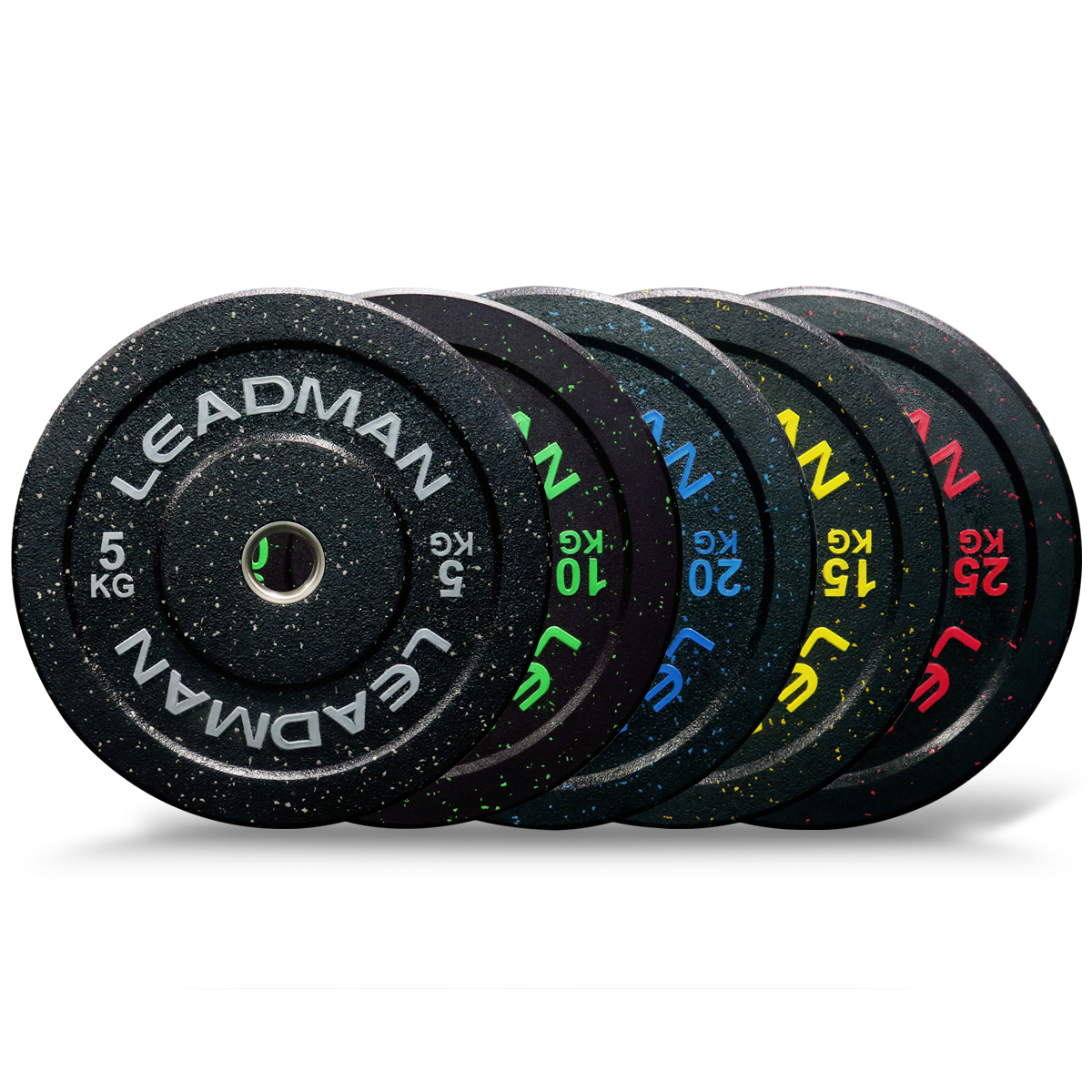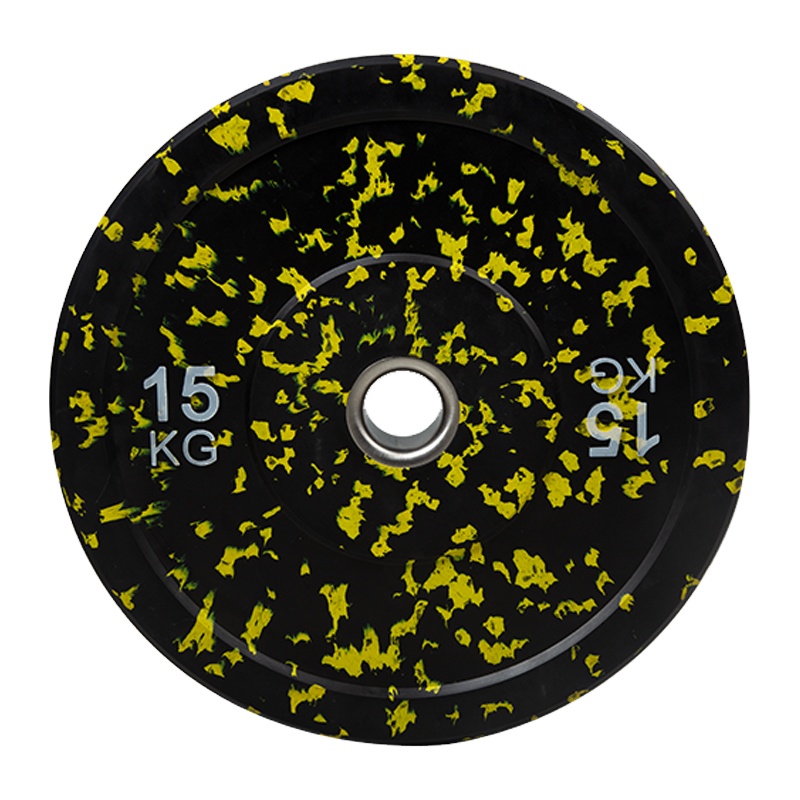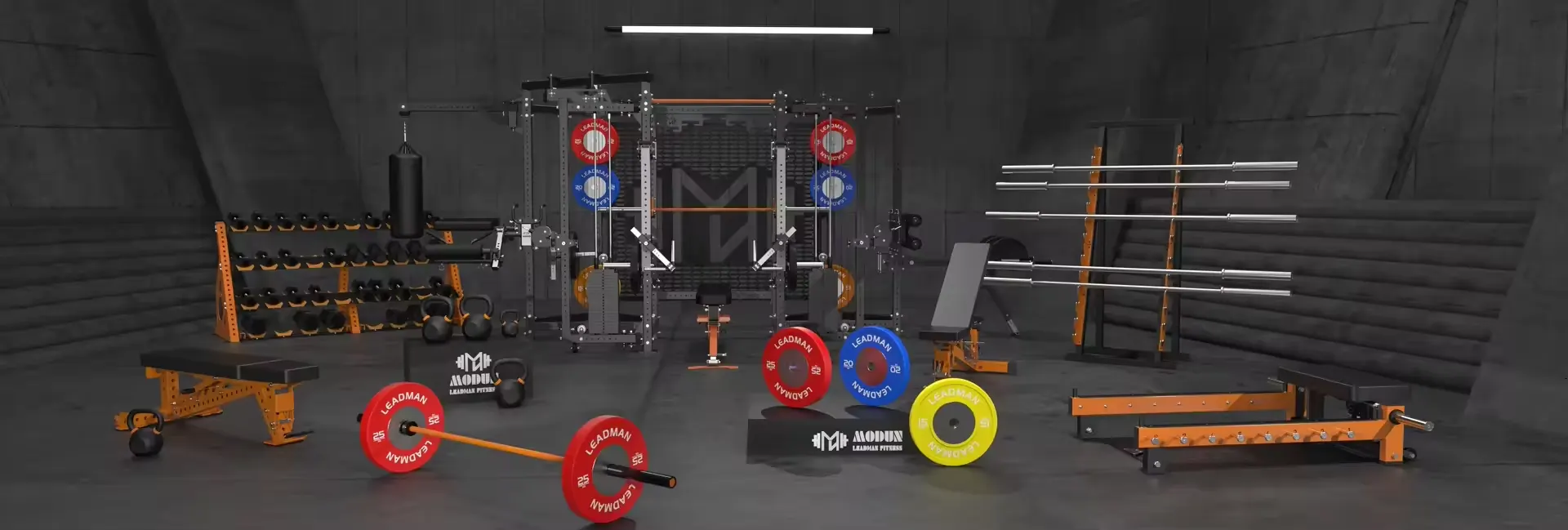
In the demanding environment of a modern fitness facility, the humble weight plate is undergoing a significant engineering renaissance. Commercial gym plates are no longer simple cast-iron discs; they are precision instruments designed to withstand millions of loading cycles while protecting both the athlete and the facility's flooring. The shift toward high-tensile strength rubber compounds and specialized urethane coatings reflects an industry-wide commitment to safety, acoustics, and aesthetic longevity under the relentless stress of high-traffic usage.
Facility operators and strength coaches have become increasingly discerning about the specific attributes of their barbell loadables. The primary concerns revolve around durometer ratings, which dictate how the bumper plate absorbs impact, and the dimensional consistency of the hub and collar, which ensures a snug fit on the barbell sleeve. A 2025 safety audit by the European fitness equipment association noted that nearly 30% of plate-related injuries in commercial settings could be traced back to worn or poorly fitting inserts, underscoring the critical need for tight manufacturing tolerances and regular maintenance checks.
Durability, however, extends far beyond the rubber exterior. Commercial bumper plates often feature a pressed steel or cast iron inner hub that must be structurally bonded to the rubber to prevent spin-off or delamination during heavy Olympic lifts. Manufacturers are increasingly adopting proprietary bonding agents and advanced compression molding techniques to eliminate any air gaps, ensuring that the plate's dead-blow characteristics remain consistent throughout its lifespan. This mechanical integrity is essential for maintaining barbell whip dynamics and providing a consistent feedback feel for the lifter.
Economic pressures are also influencing purchasing decisions, with buyers seeking the optimal balance between initial capital expenditure and long-term operational costs. Durable weight plates for gyms with higher-grade urethane construction often command a premium upfront but offer superior resistance to scuffs, dents, and color fading, significantly reducing replacement frequency and the need for cosmetic refurbishment. Moreover, the acoustical benefits of high-density rubber plates—producing a muted thud rather than a jarring clang—are increasingly valued in premium gym environments where ambiance is a key selling point.
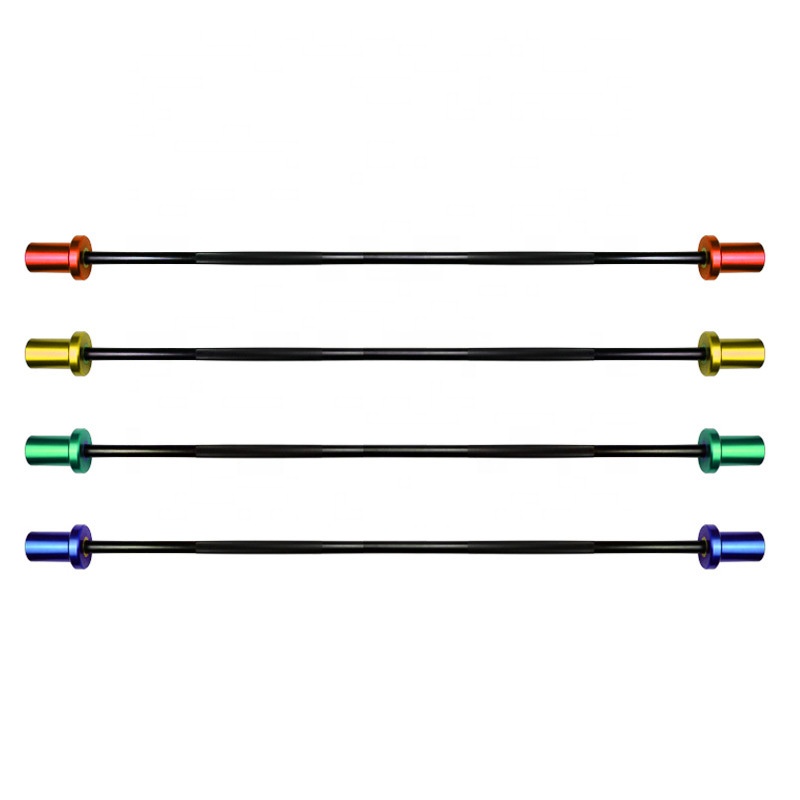
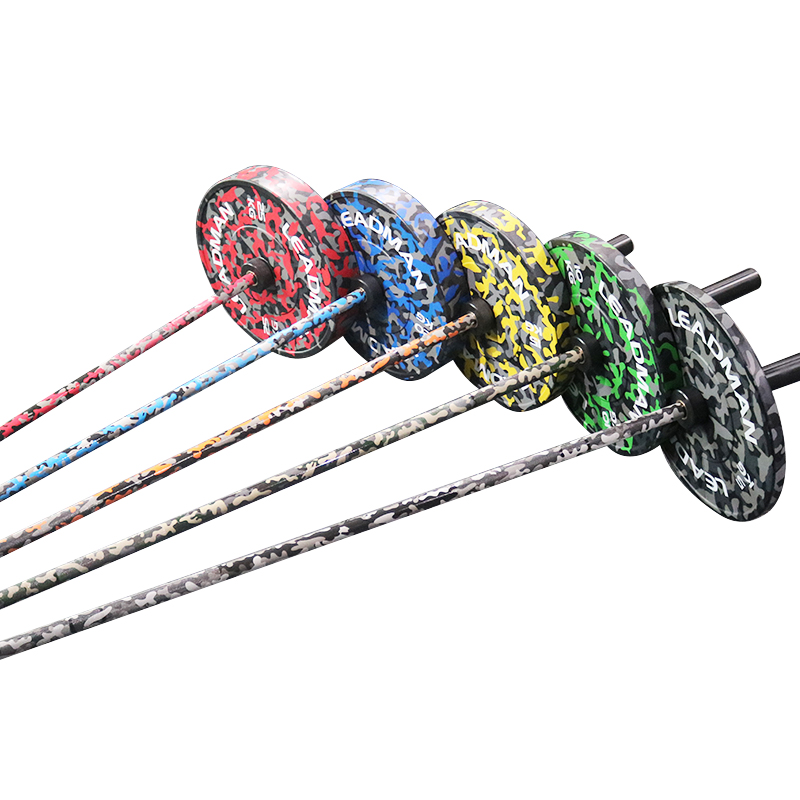
A particularly nuanced aspect often overlooked is the plate's dimensional profile. Commercial gym plates with slightly oversized diameters relative to standard competition bumpers can facilitate easier deadlift loading and unloading, a minor ergonomic detail that significantly enhances the flow of a busy weightlifting area. Additionally, the advent of calibrated and color-coded plates has streamlined coaching and programming, allowing trainers to visually verify load composition instantly, thereby reducing human error and improving session efficiency.

Let our experts design the perfect gym solution for your business. Get a free consultation and quote today.