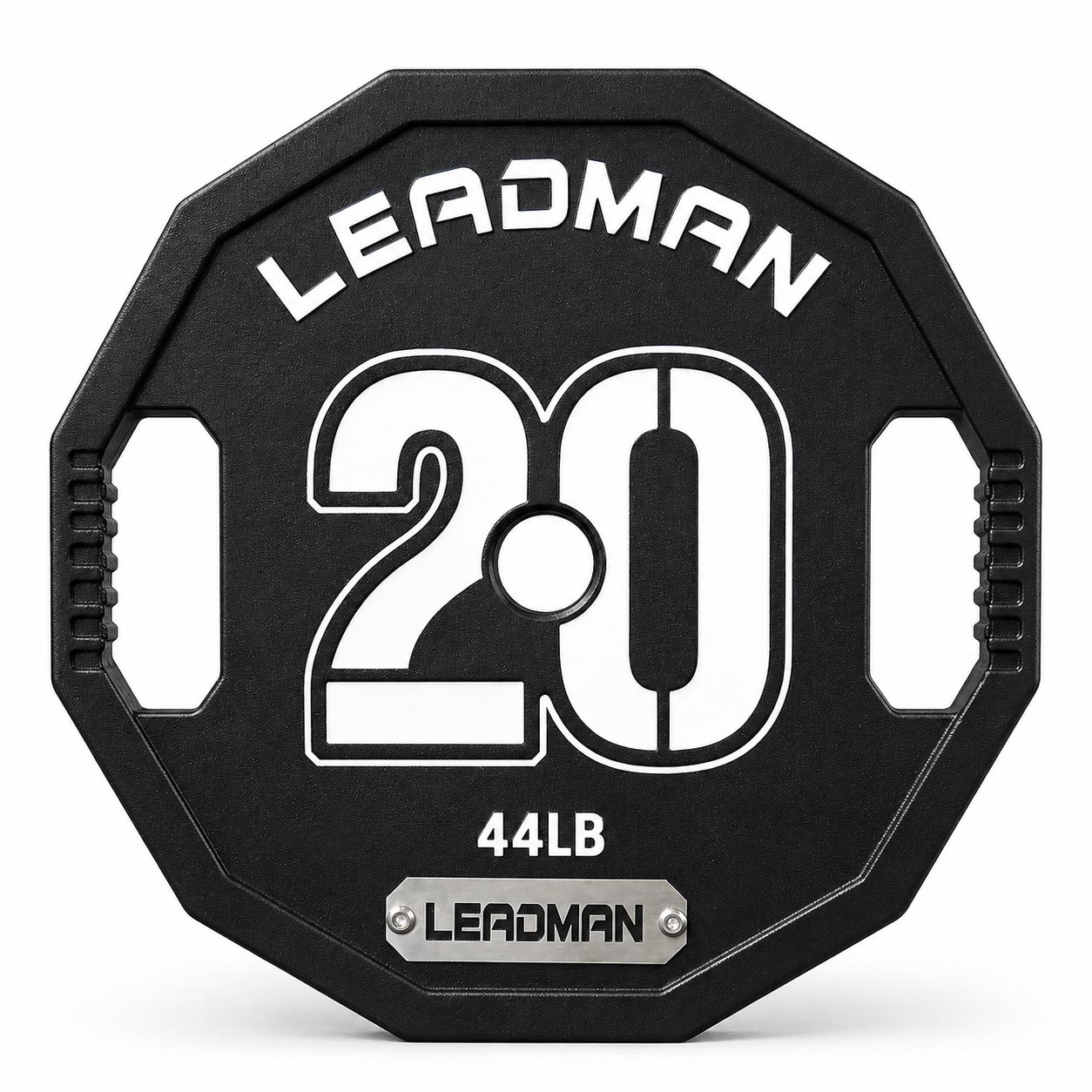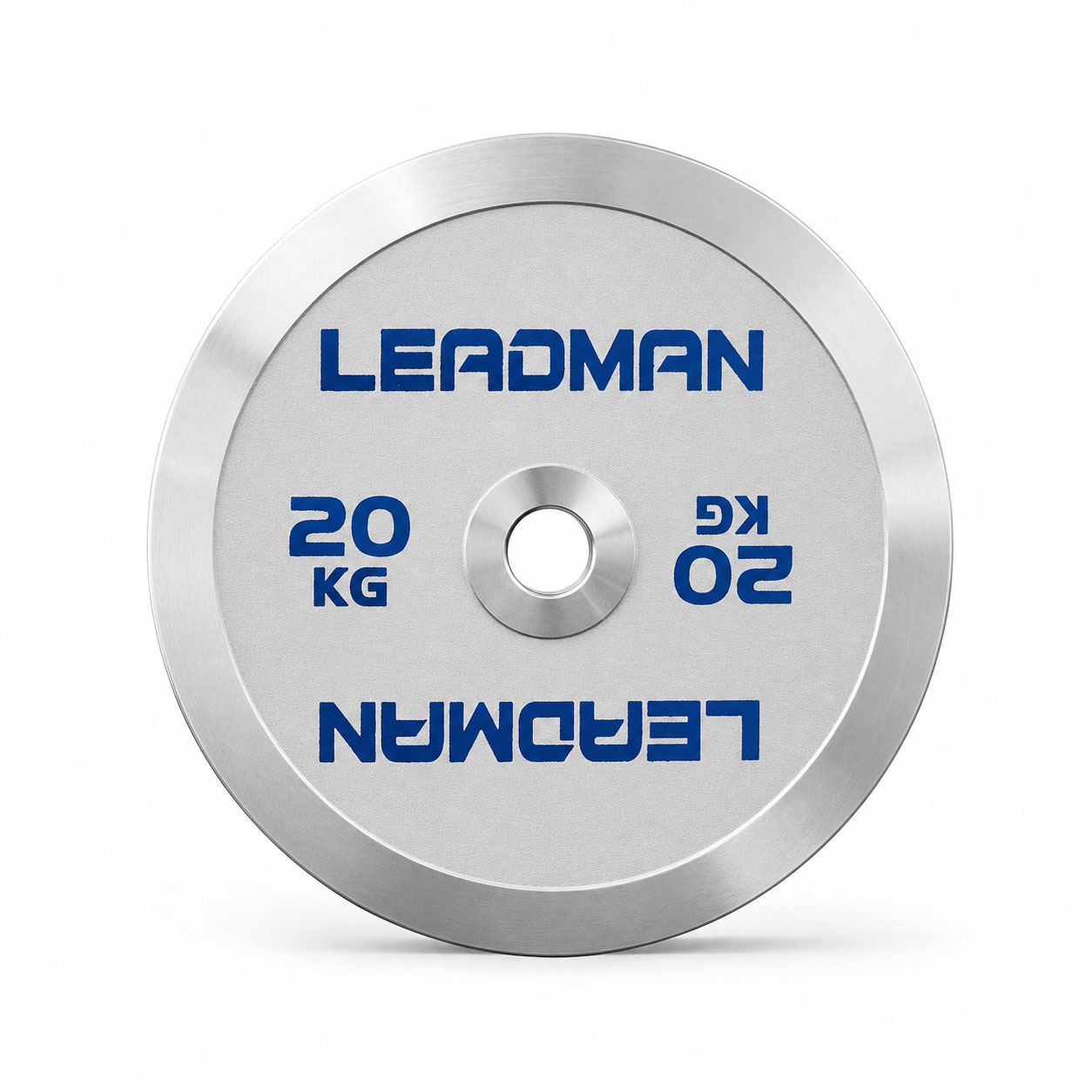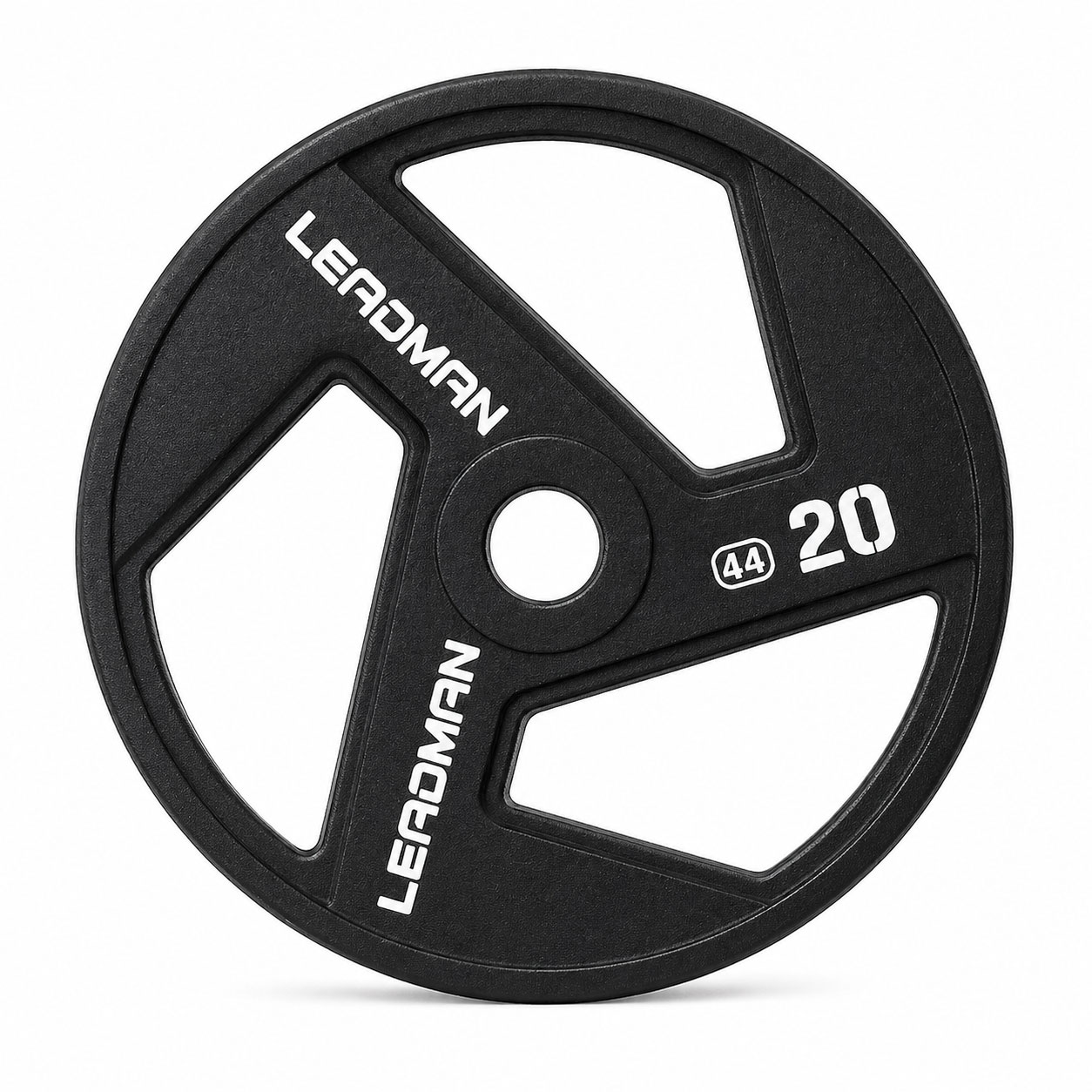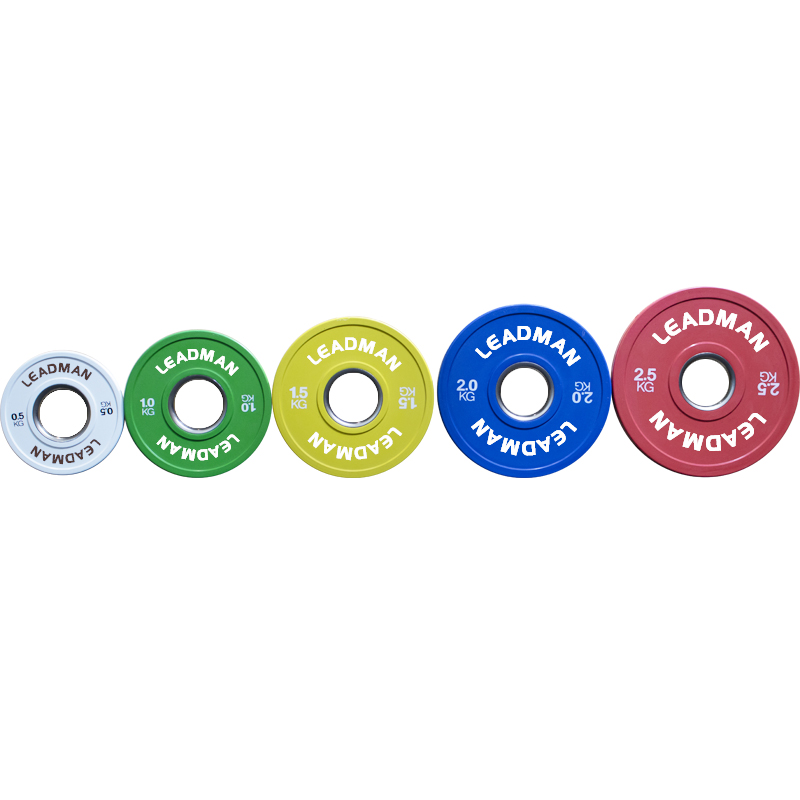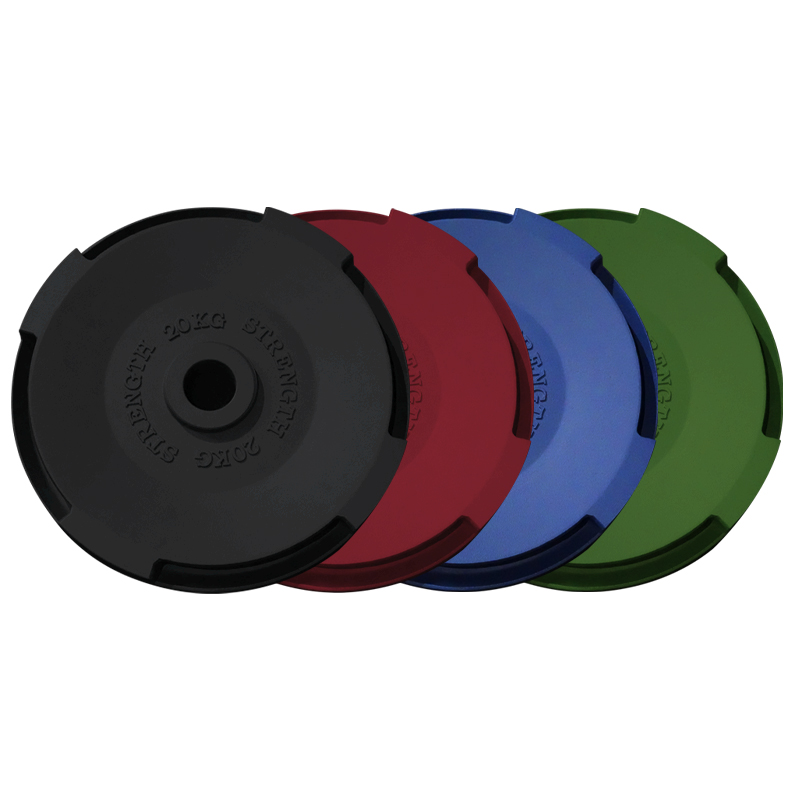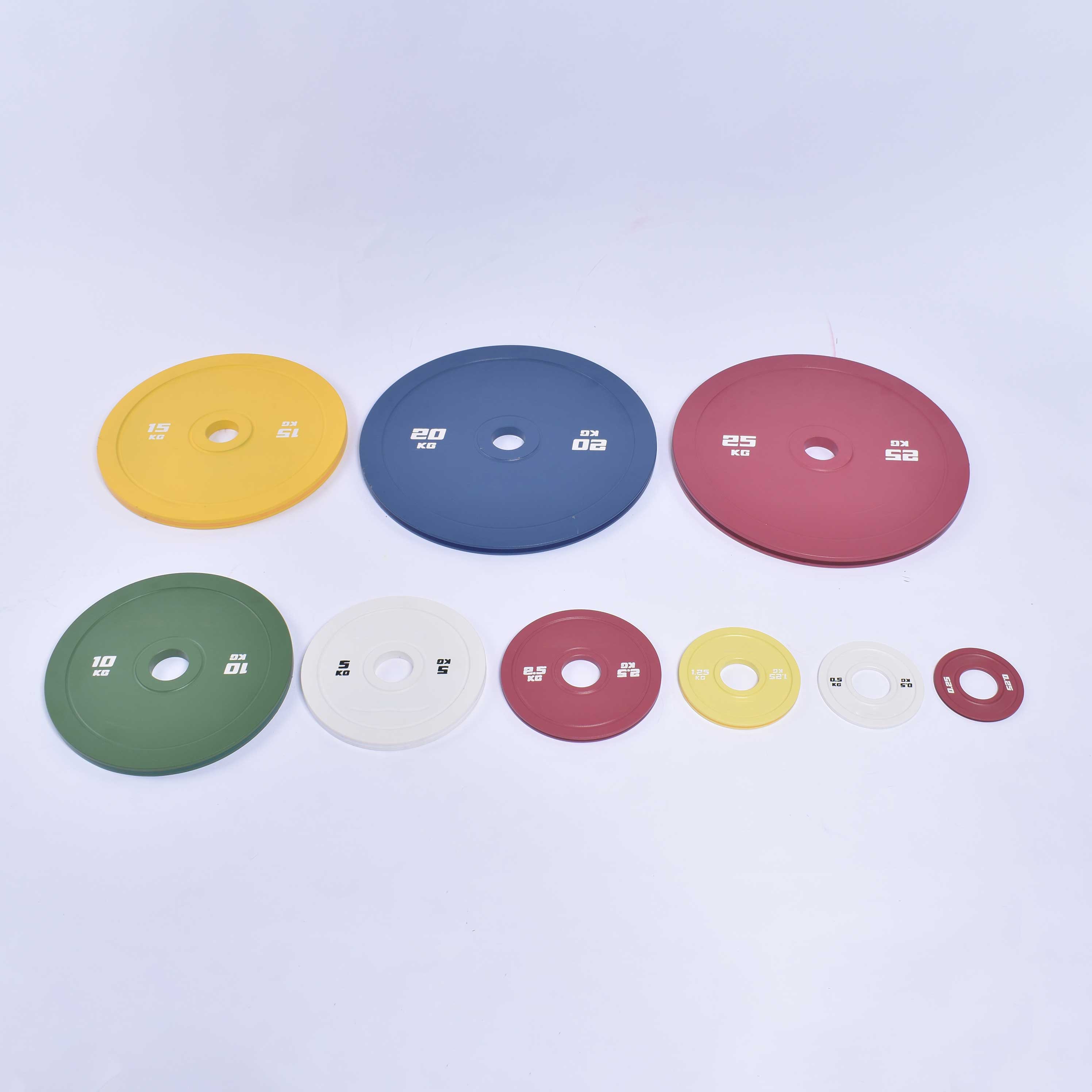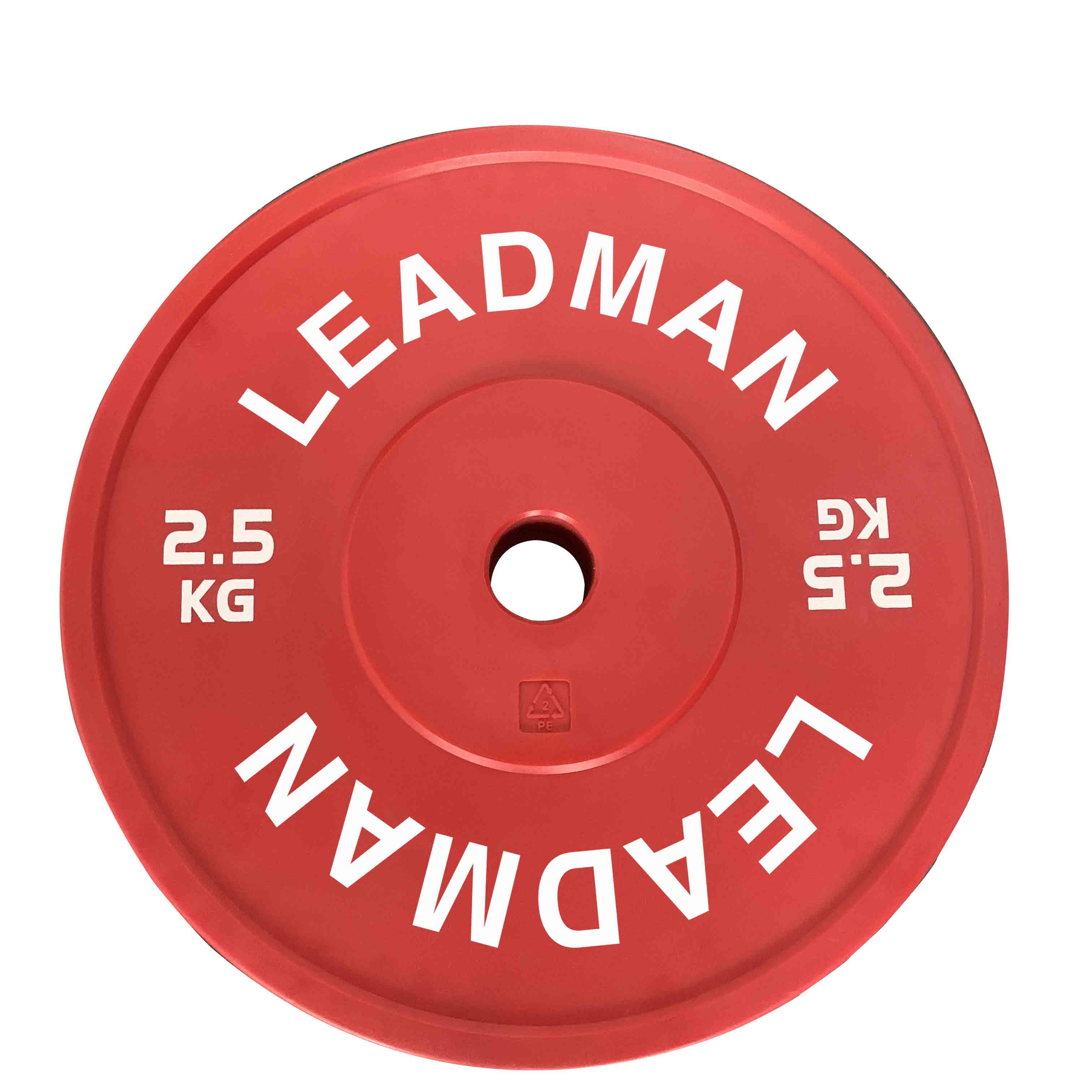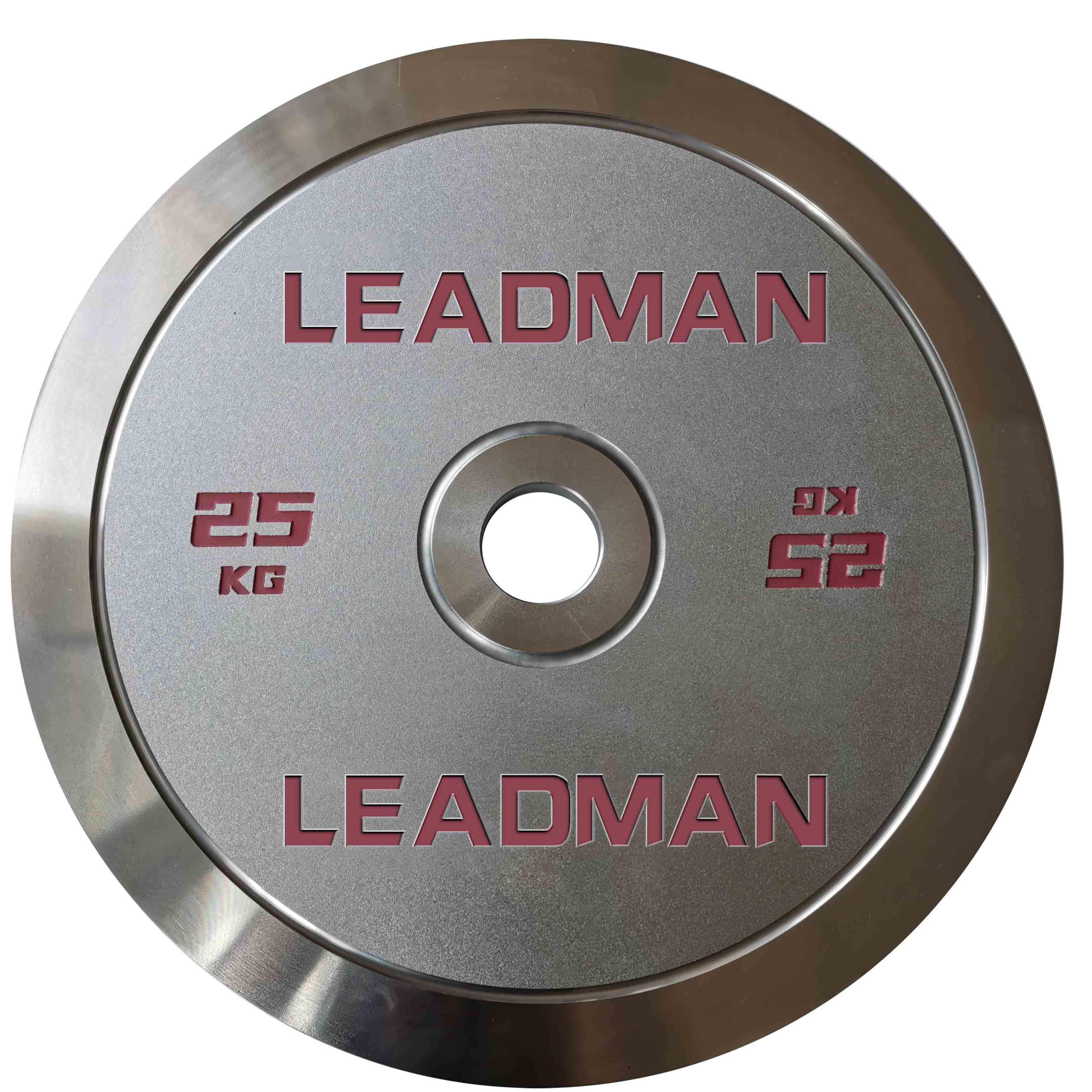
For gym owners and serious home lifters, the economics of outfitting a facility with bumper plates often centers on a critical metric: cost per pound. Understanding the price structure of this essential equipment is fundamental to making a sound investment that balances budgetary constraints with long-term performance and durability. The cost per pound is not a monolithic figure; it varies significantly based on material composition, manufacturing quality, and the specific performance characteristics required for different training environments.
The material composition of bumper plates is the primary driver of their price point. At the entry level are virgin rubber plates, which are generally more affordable. Mid-range options often feature recycled rubber, which can lower the cost but may not offer the same consistency in density, longevity, or low-bounce properties. High-end competition-grade plates, manufactured from premium virgin rubber or a specialized urethane compound, command a higher cost per pound due to their superior material quality, precise weight tolerances, and extended lifespan, making them a strategic investment for high-traffic commercial gyms.
The manufacturing process also plays a crucial role in determining the cost per pound. Bumper plates that are vulcanized—a process that molds the rubber under high heat and pressure—tend to be more durable and have a longer lifespan than those that are simply poured into a mold. The addition of metal hub inserts, which are designed to protect the plate's center hole from wear and tear on the barbell sleeve, is another feature that influences price. Advanced design elements, such as low-bounce and noise-reduction technology, contribute to the overall cost, reflecting the manufacturer's investment in research and development.
The cost per pound typically decreases as the weight of the plate increases, reflecting economies of scale in manufacturing. Lighter plates, such as 10 or 15 lb pairs, often have a higher cost per pound due to the complexity of their construction and the lower volume of material required. Conversely, heavier plates, such as 45 lb or 55 lb versions, tend to offer better value on a per-pound basis, making them a more cost-effective choice for building a comprehensive set.
Beyond the initial purchase price, the total cost of ownership is a critical consideration for commercial facilities. Durable plates with lower bounce and superior durability will reduce replacement frequency and minimize noise, creating a better experience for both gym operators and their clientele. Investing in higher-quality plates, despite the higher upfront cost, can actually prove more economical over the long term, as it reduces the need for frequent replacements and minimizes disruptions in the training environment.

Let our experts design the perfect gym solution for your business. Get a free consultation and quote today.