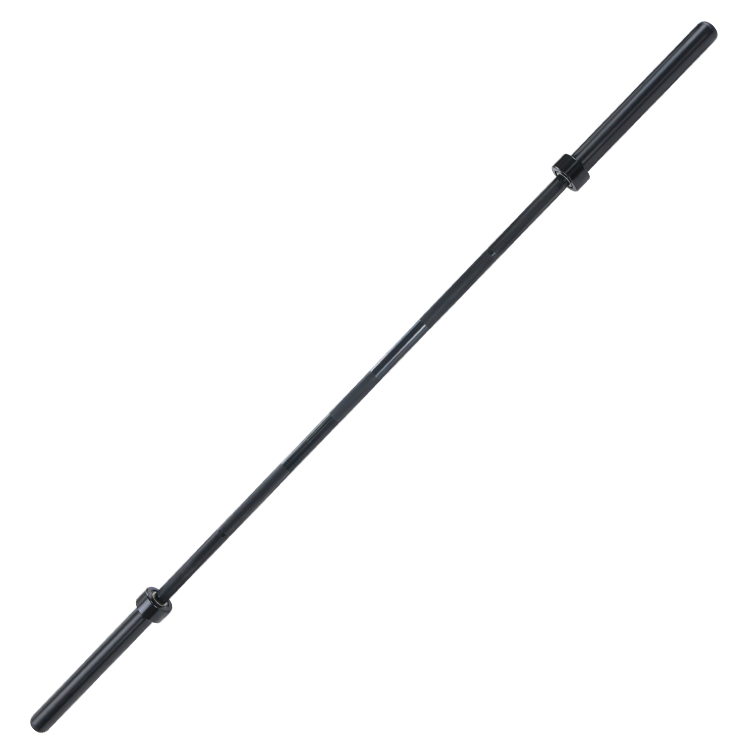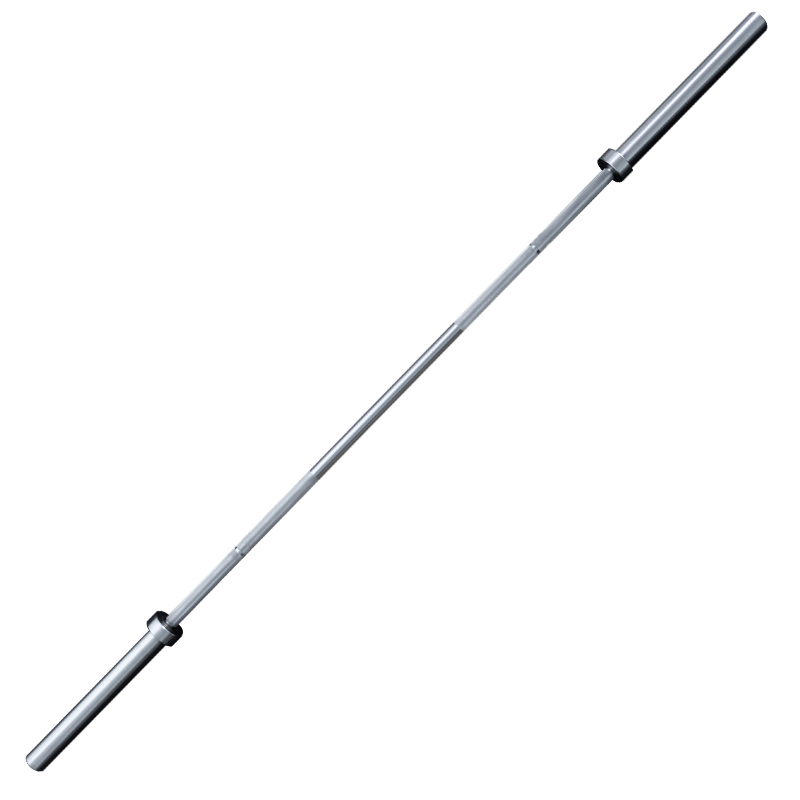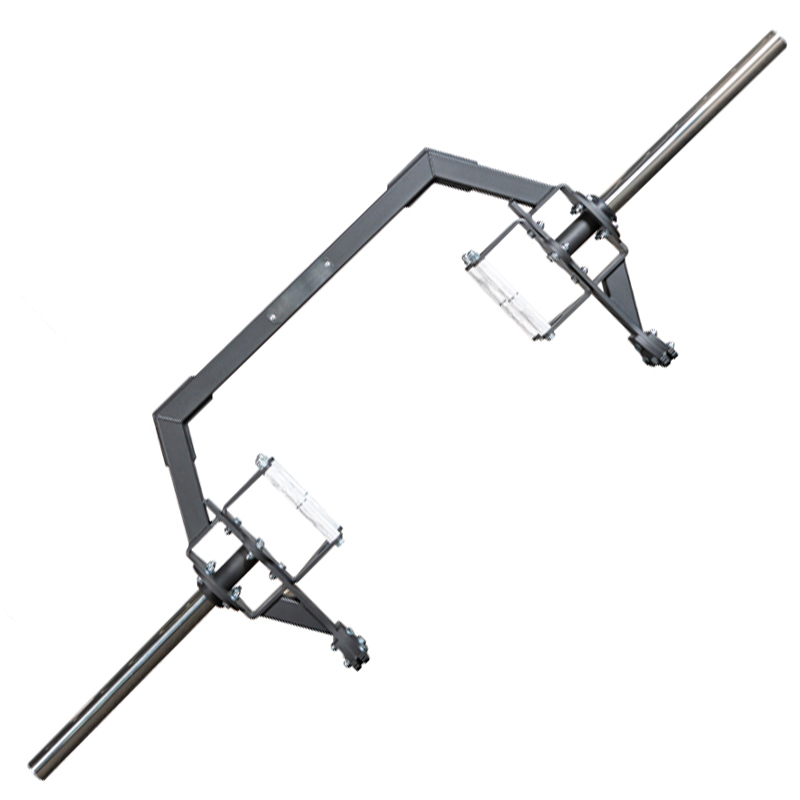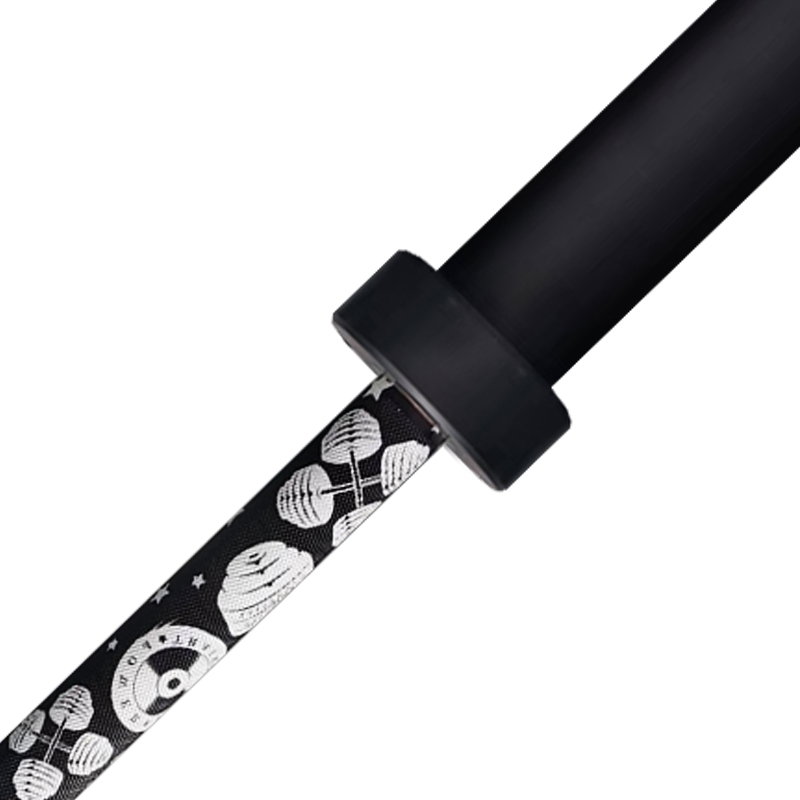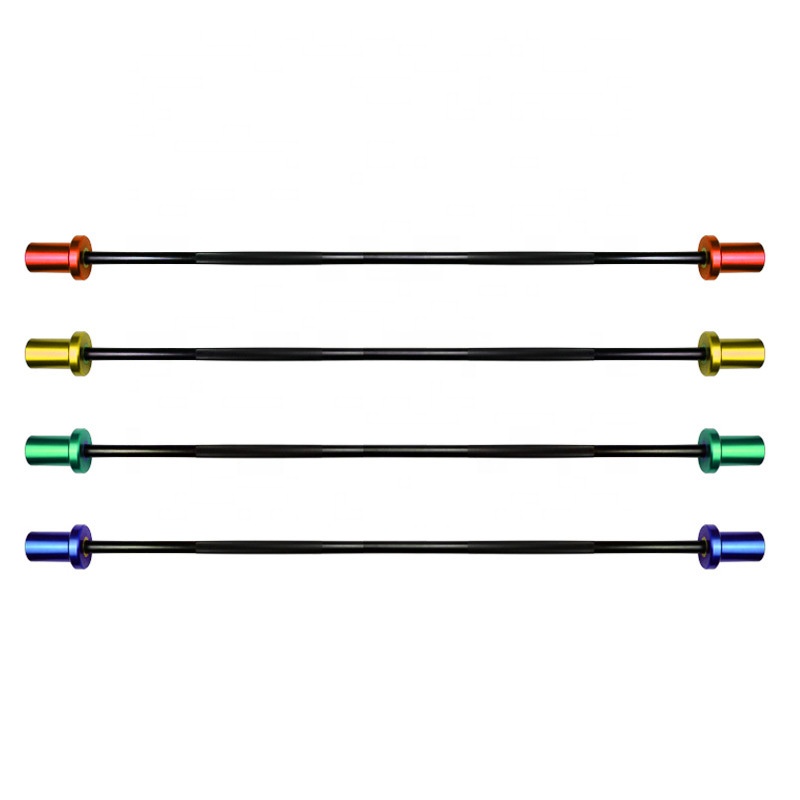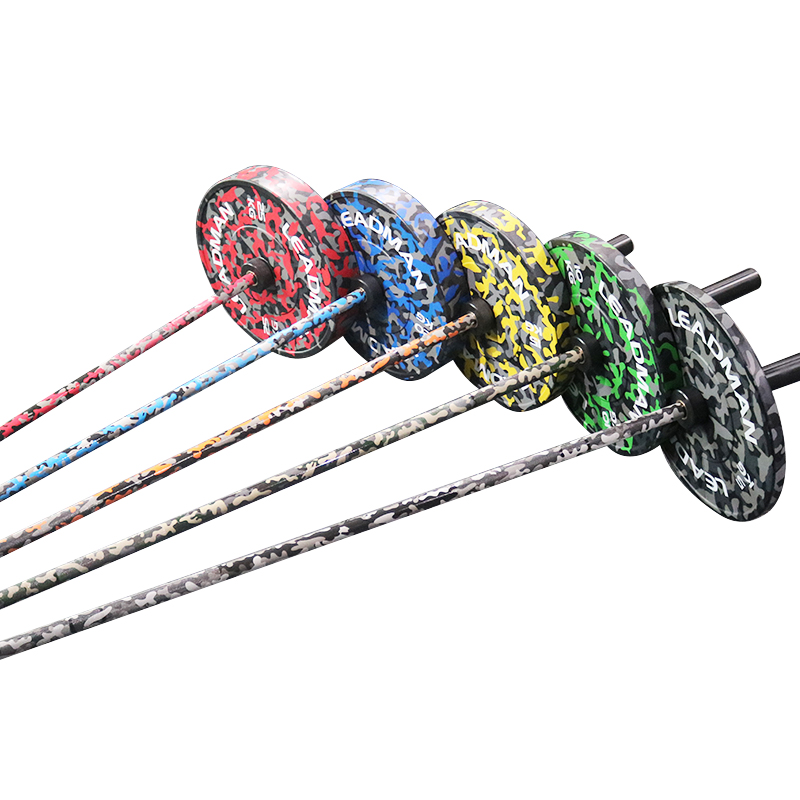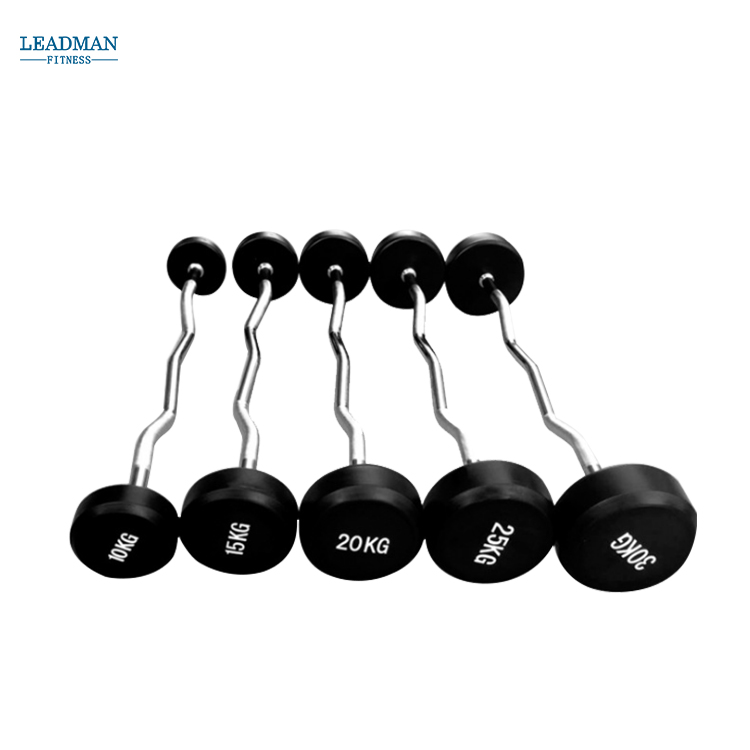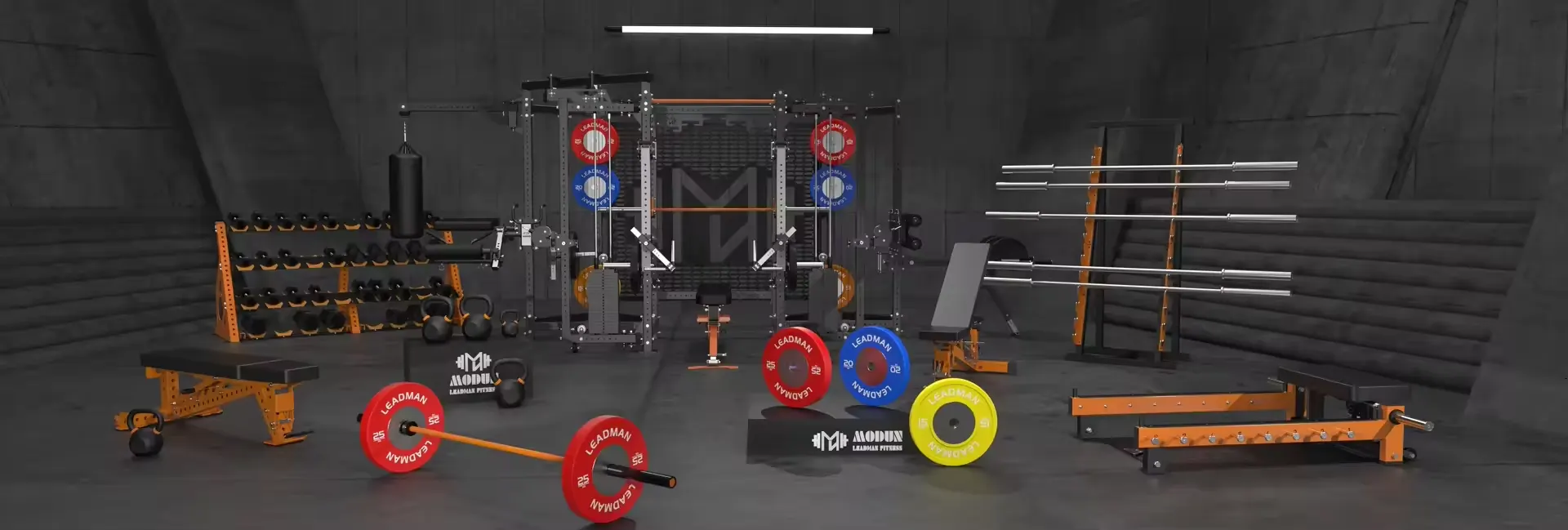
Selecting the best outdoor barbell demands a fundamental rethinking of material science and engineering priorities compared to indoor equipment, as exposure to temperature fluctuations, moisture, and UV radiation creates degradation mechanisms that rapidly compromise conventional barbells. The outdoor weightlifting barbell must integrate specialized corrosion-resistant coatings, sealed bearing systems, and temperature-stable composite materials that maintain structural integrity and functional performance across environmental extremes. For commercial facilities expanding into outdoor training spaces—rooftop fitness decks, courtyard training zones, or open-air functional fitness areas—the barbell for outdoor gym represents a strategic investment that requires careful material selection to ensure longevity and user safety.
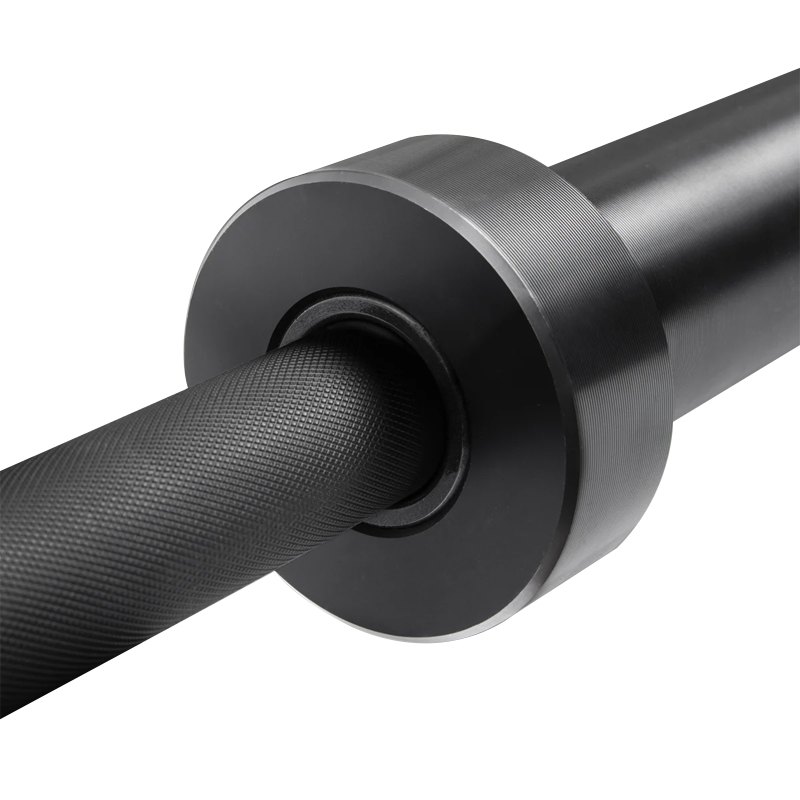
The engineering architecture of the best outdoor barbell centers on the shaft coating system, which provides the primary defense against oxidation and corrosion in humid or wet conditions. Premium outdoor-specification barbells employ advanced finishes including industrial-grade hard chrome, electroless nickel, or military-spec zinc phosphate coatings that exceed the durability of standard commercial chrome finishes by 300–500% under accelerated corrosion testing protocols. The weatherproof barbell must also incorporate sealed needle bearings or composite bushings that resist moisture intrusion, eliminating the corrosion-related spin degradation common in unsealed systems exposed to rain or high-humidity environments. For maximum corrosion resistance, all steel components—including collars, end caps, and shaft—must undergo uniform coating application, with particular attention to the knurling where moisture tends to collect and initiate corrosion sites.
Commercial facilities evaluating the best outdoor barbell should consider load-bearing testing under temperature-cycled conditions, as repeated expansion and contraction can compromise the bond between coating and substrate, potentially leading to flaking and corrosion propagation. The implementation of stainless steel alloys—typically 304 or 316 grades—in load-bearing components eliminates corrosion risk entirely, though such materials command premium pricing. For facilities operating in coastal environments or regions with freeze-thaw cycles, stainless steel barbells represent the only truly reliable long-term solution despite higher initial investment. The integration of ceramic or polymer-based bearing systems further enhances corrosion resistance while maintaining spin characteristics essential for Olympic weightlifting movements.
Let our experts design the perfect gym solution for your business. Get a free consultation and quote today.