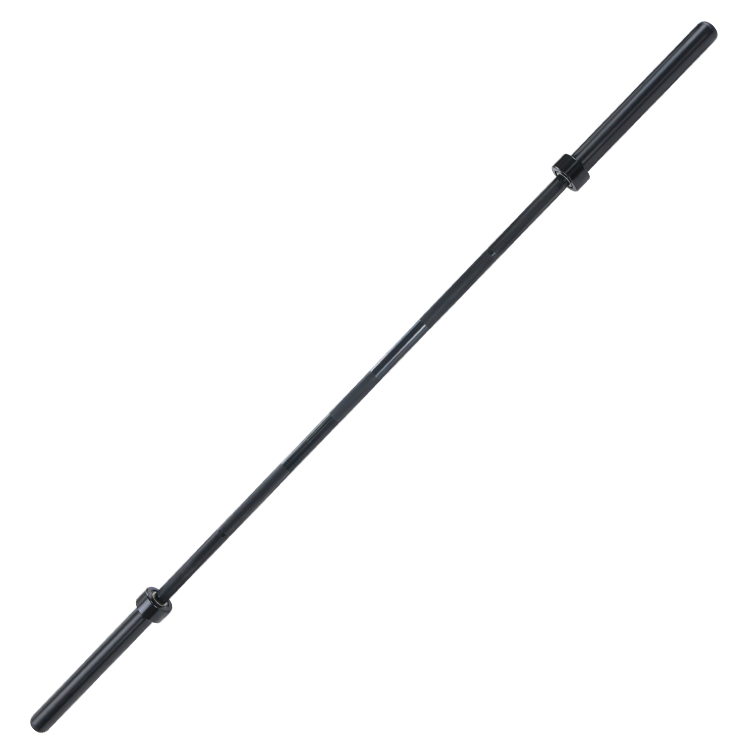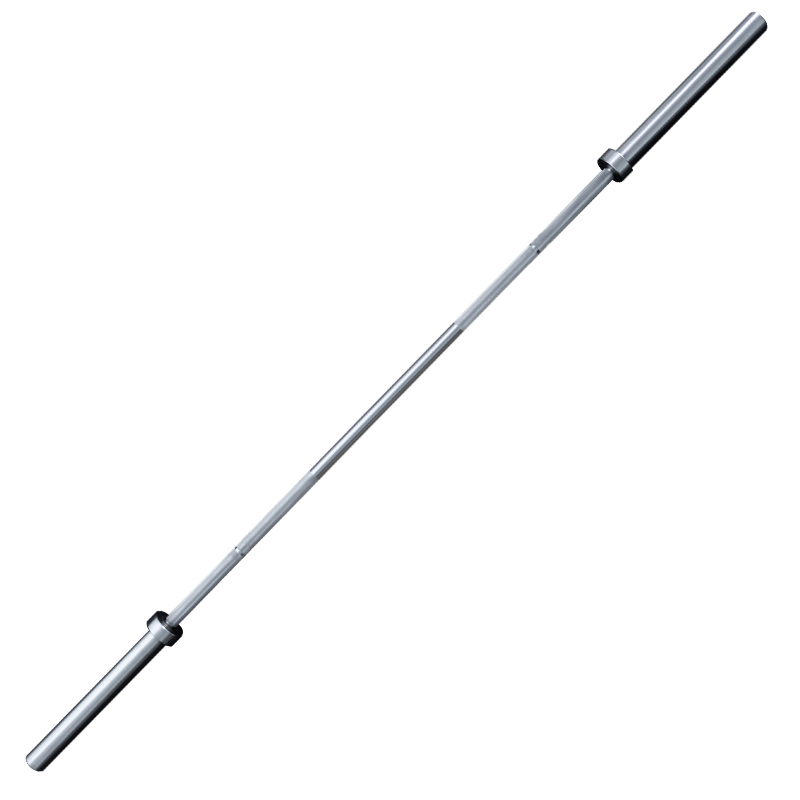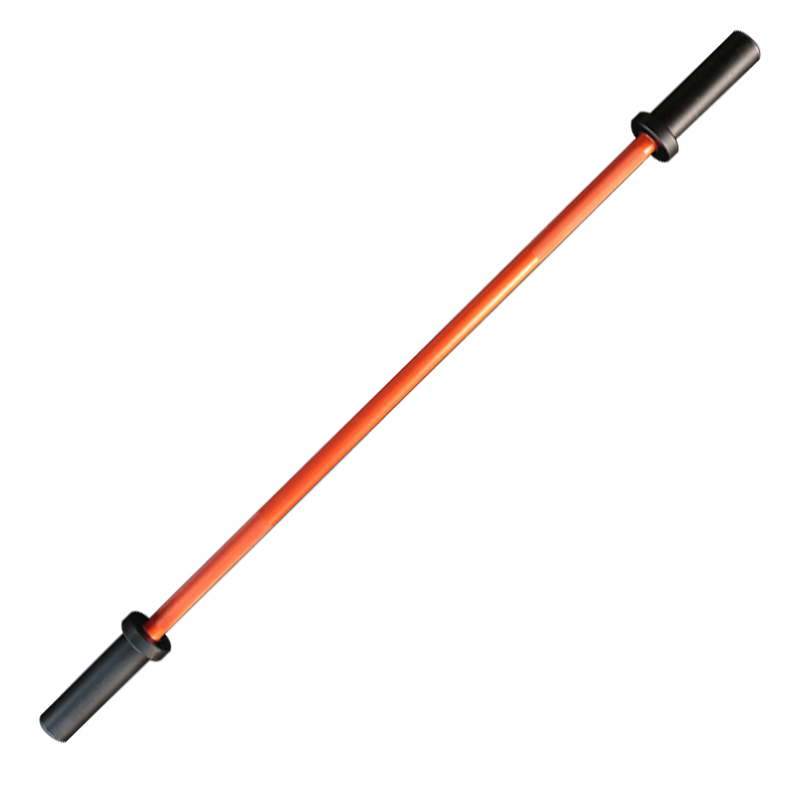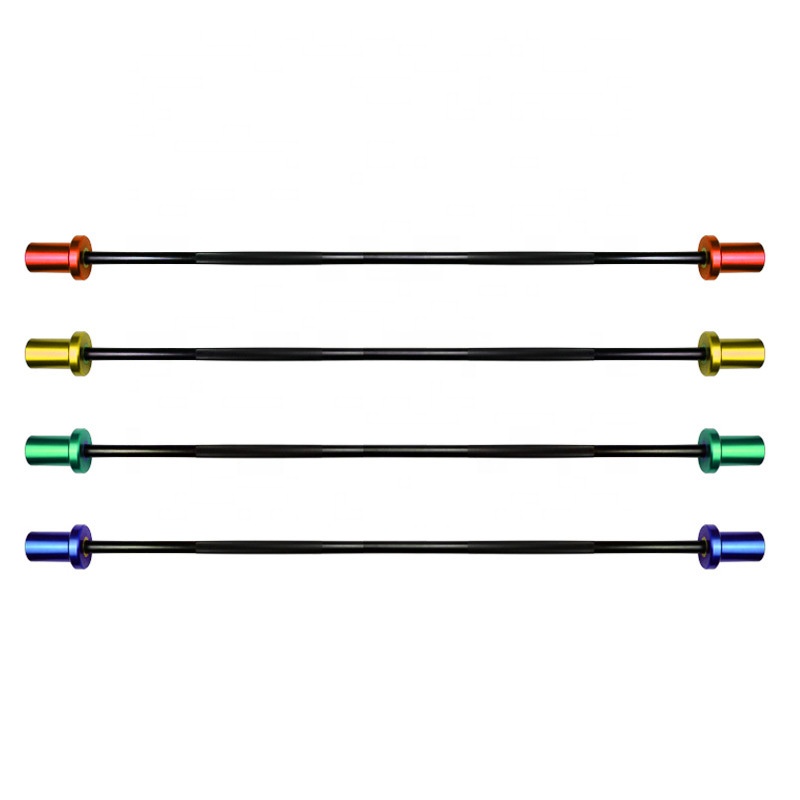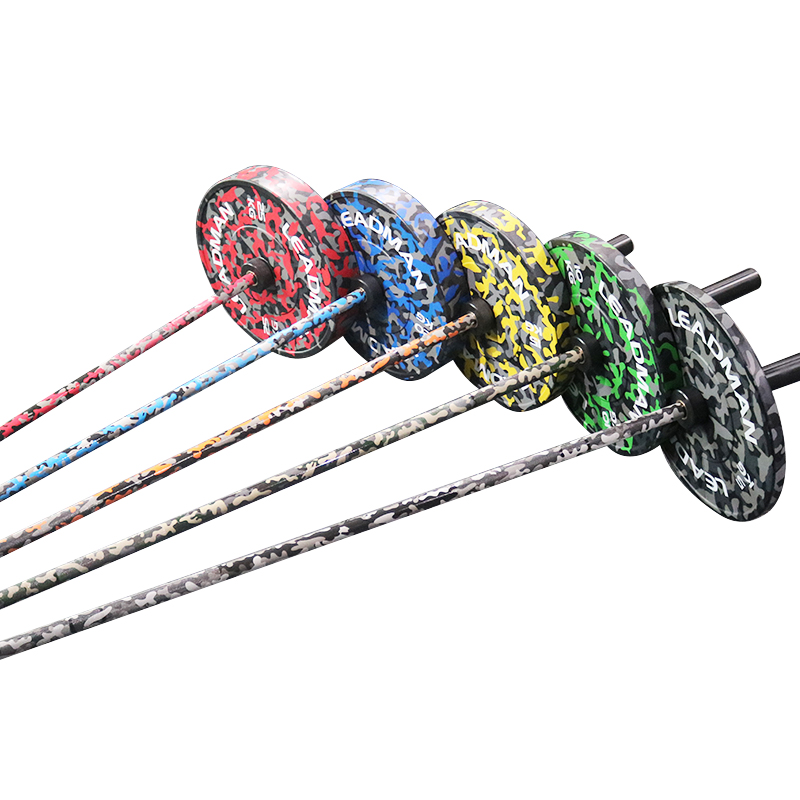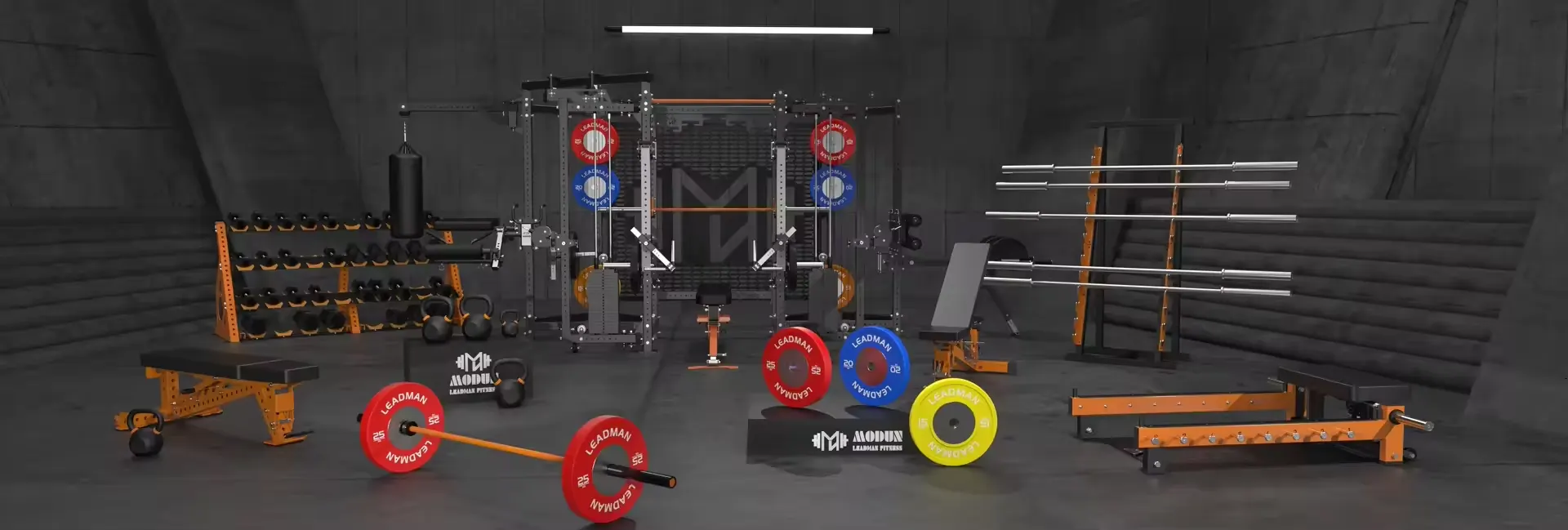
Selecting the best barbell for Olympic lifting is a decision that carries immense weight, quite literally, for an athlete's performance and progression. Unlike a general-purpose bar, the ideal Olympic weightlifting bar is a finely tuned instrument engineered to facilitate the explosive, dynamic movements of the snatch and the clean and jerk. Its precise specifications—from shaft diameter and knurling pattern to the quality of its bearing spin and overall whip—directly influence the lifter's ability to generate speed, maintain control, and execute lifts with optimal biomechanical efficiency.
At the core of any superior Olympic barbell lies its spin mechanism, which is arguably its most critical feature. High-quality bars are equipped with needle bearings, typically situated at the end of the sleeves, which allow the bar to rotate freely and rapidly during the lift. This rotation is essential to reducing the torque on the lifter's wrists and elbows during the turnover phase of the snatch or clean. When the bar spins effortlessly, it enables the lifter to move seamlessly under the weight, minimizing the risk of injury and allowing for a more fluid and powerful performance.
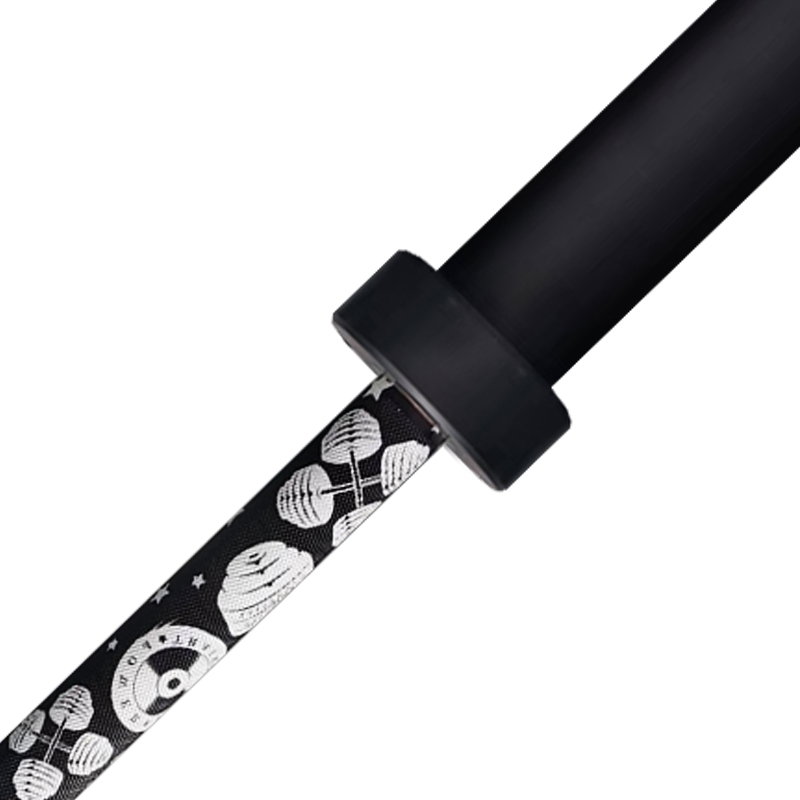
The shaft diameter and knurling depth are equally vital considerations for the Olympic lifter. The men's competition standard is 28mm, while the women's standard is 25mm. This slight difference in thickness is critical for grip security and control. The knurling should be moderately aggressive—not so sharp as to tear the hands on high-repetition lifts, but pronounced enough to ensure a firm purchase without requiring excessive grip pressure. Some bars feature a center knurl, which provides additional friction against the back or clavicle during the squat and clean, enhancing stability.
The "whip," or the bar's degree of flexibility, is another defining characteristic. Olympic weightlifting bars are designed to flex under heavy loads, creating a slight "whip" that helps the lifter generate momentum from the floor. This elastic recoil must be carefully calibrated; a bar with too much flex can feel unstable, while one that is too stiff can make the initial pull feel disconnected. The ideal bar provides a dynamic response that complements the lifter's technique, allowing for a smooth acceleration through the lift's various phases. This combination of spin, diameter, knurling, and whip is what separates the best barbell for Olympic lifting from the general-purpose alternatives.
Let our experts design the perfect gym solution for your business. Get a free consultation and quote today.