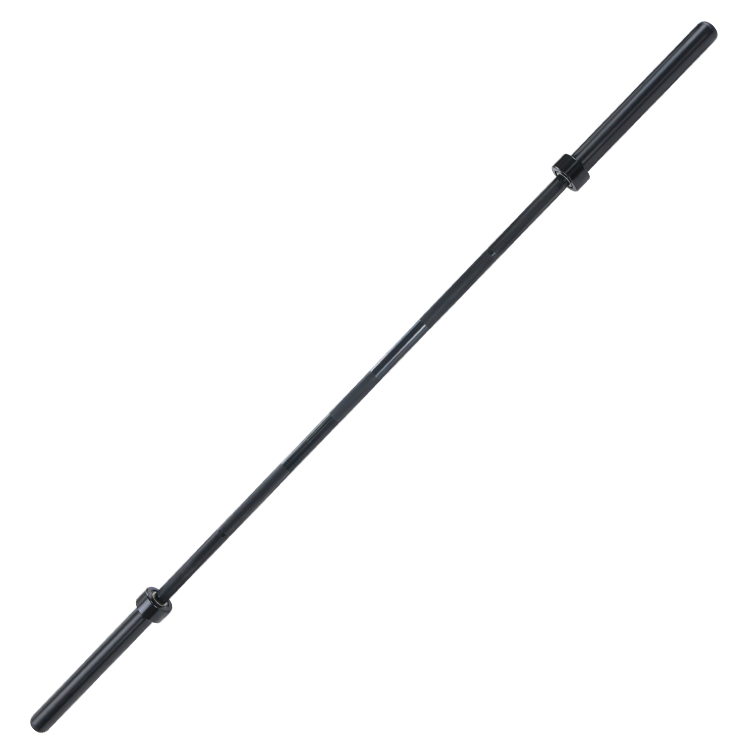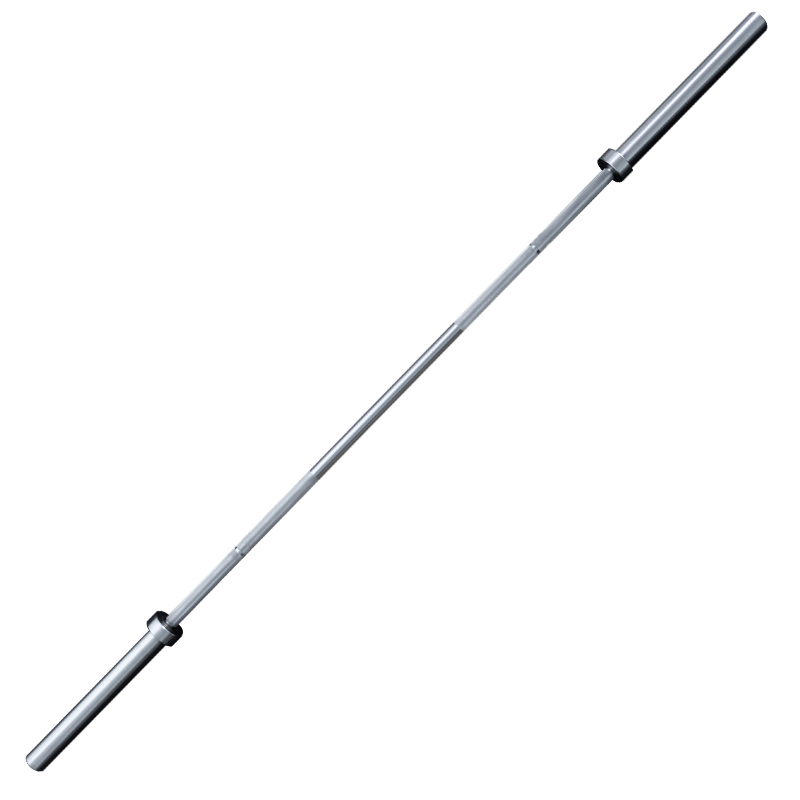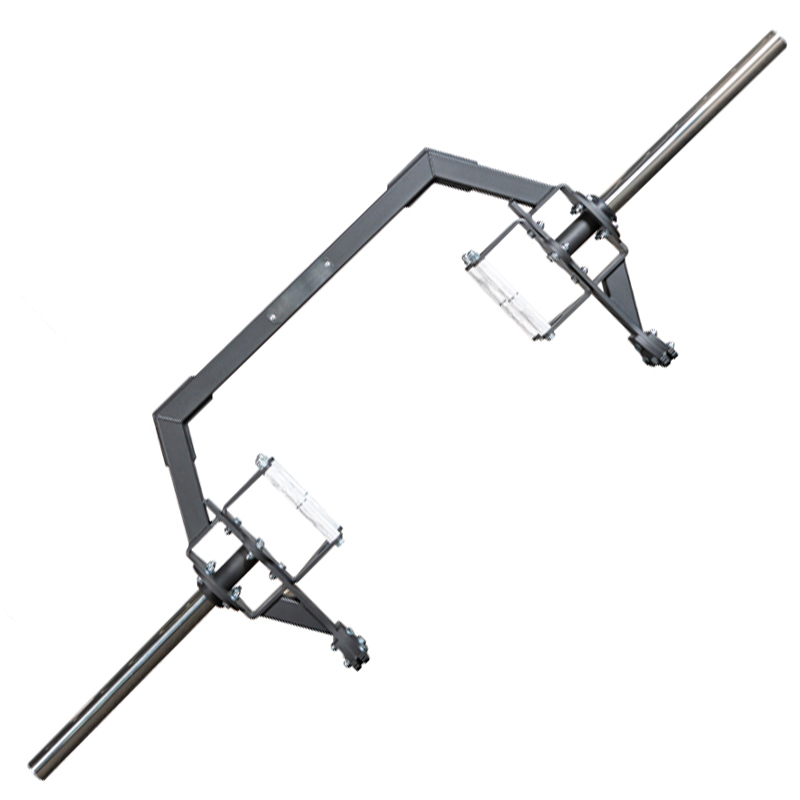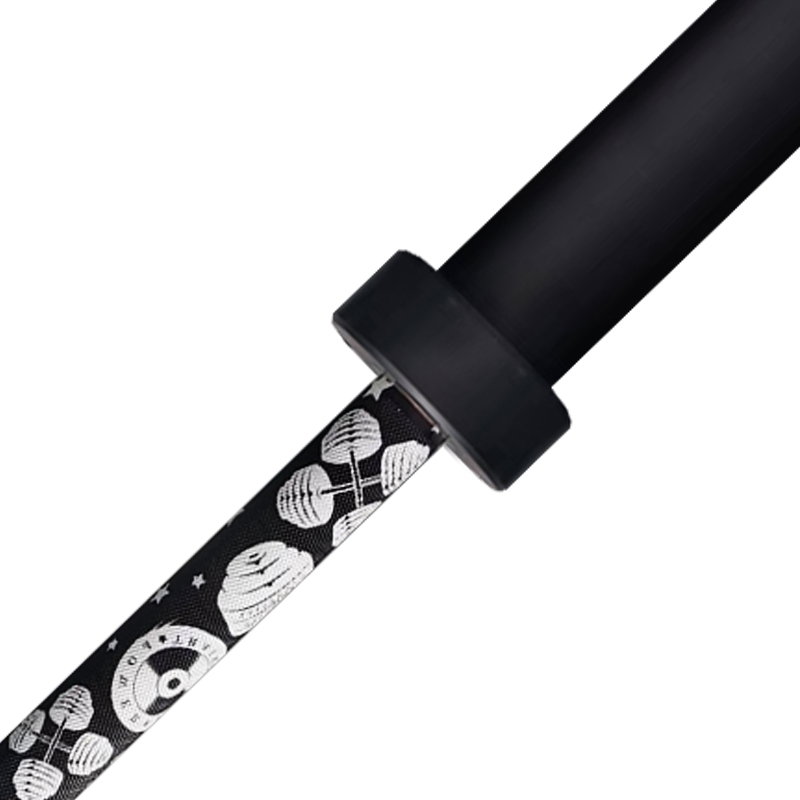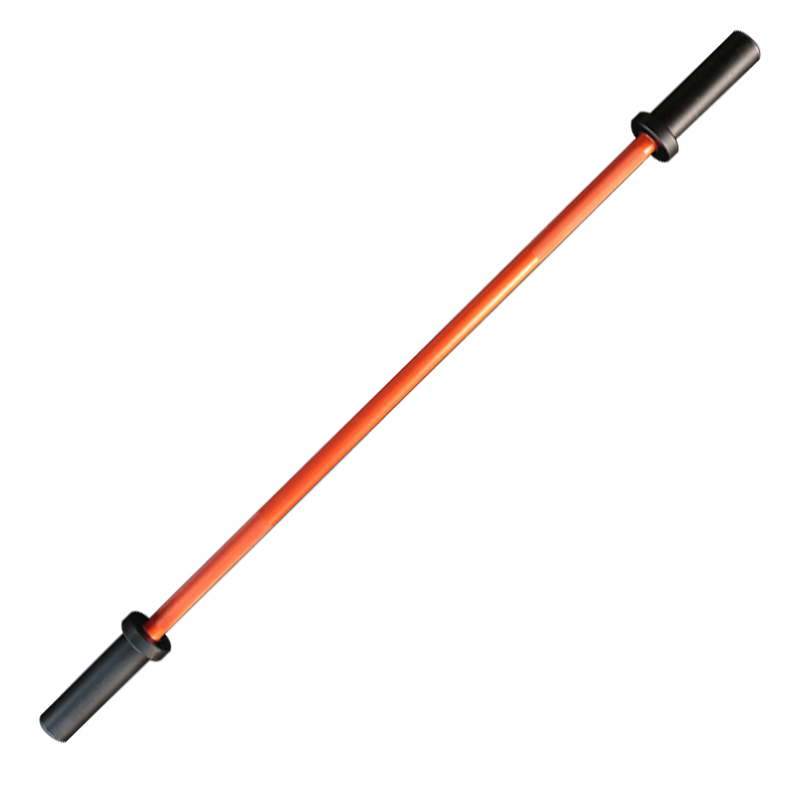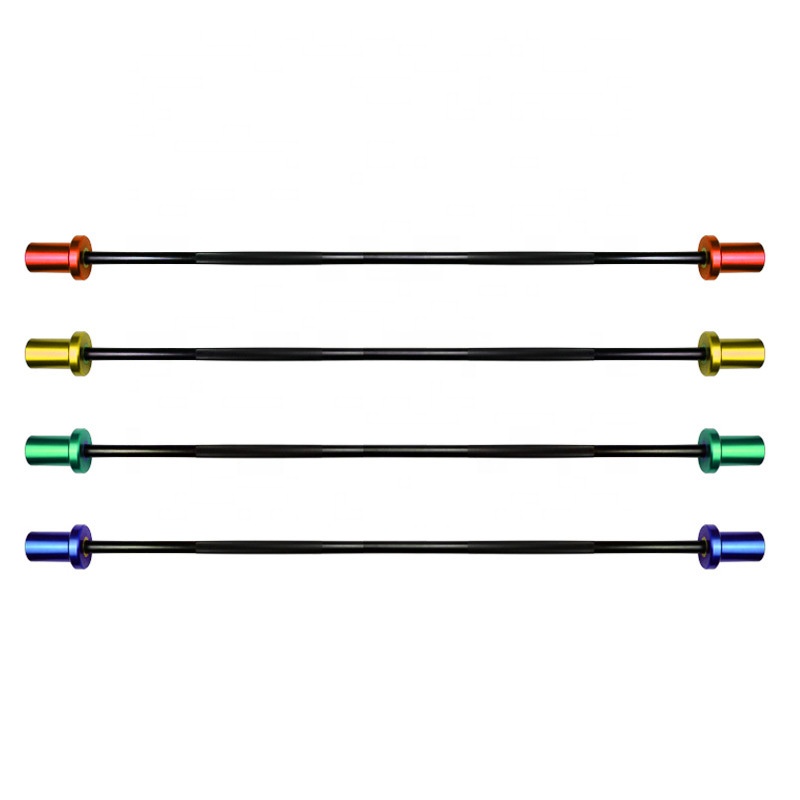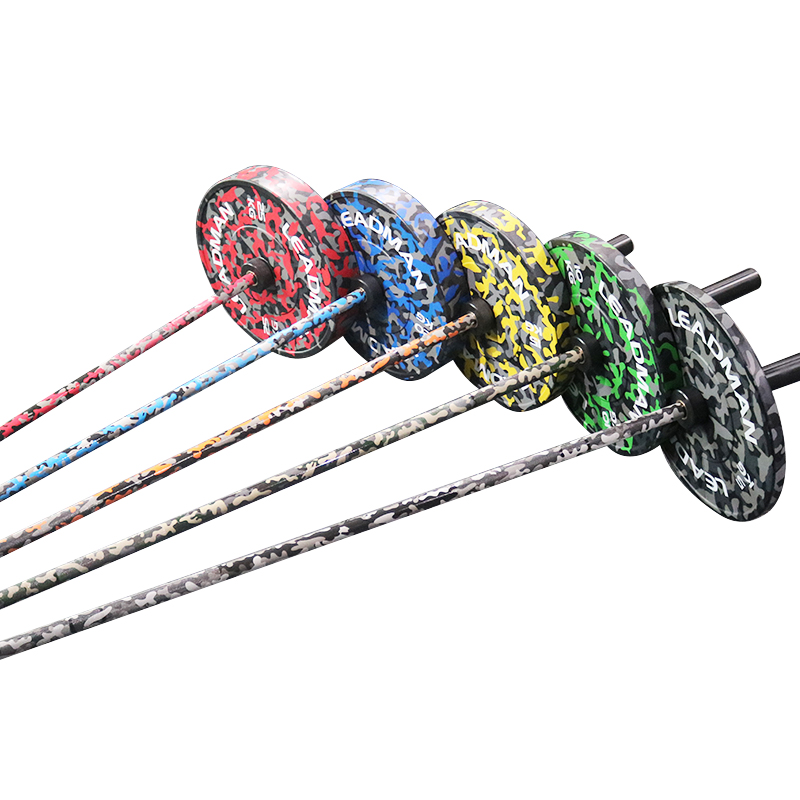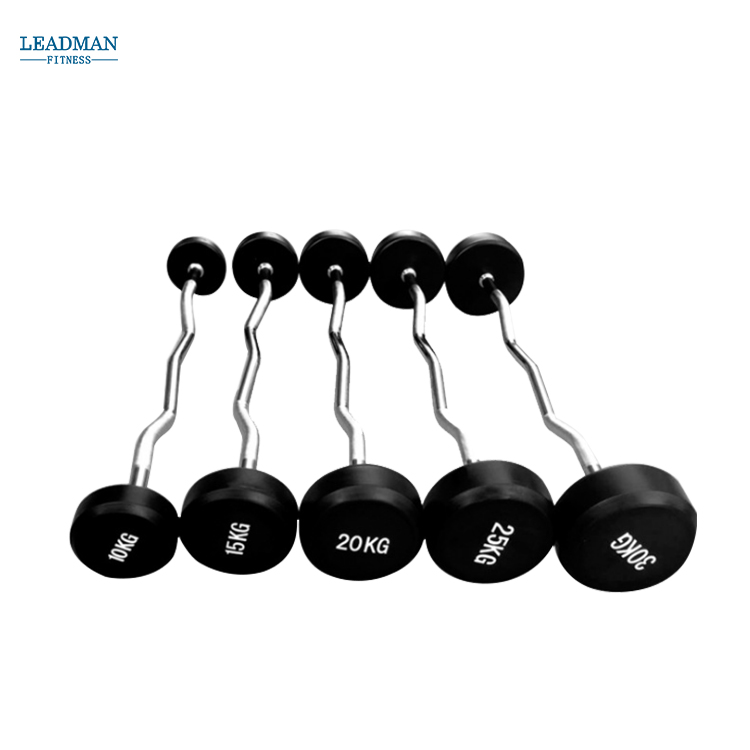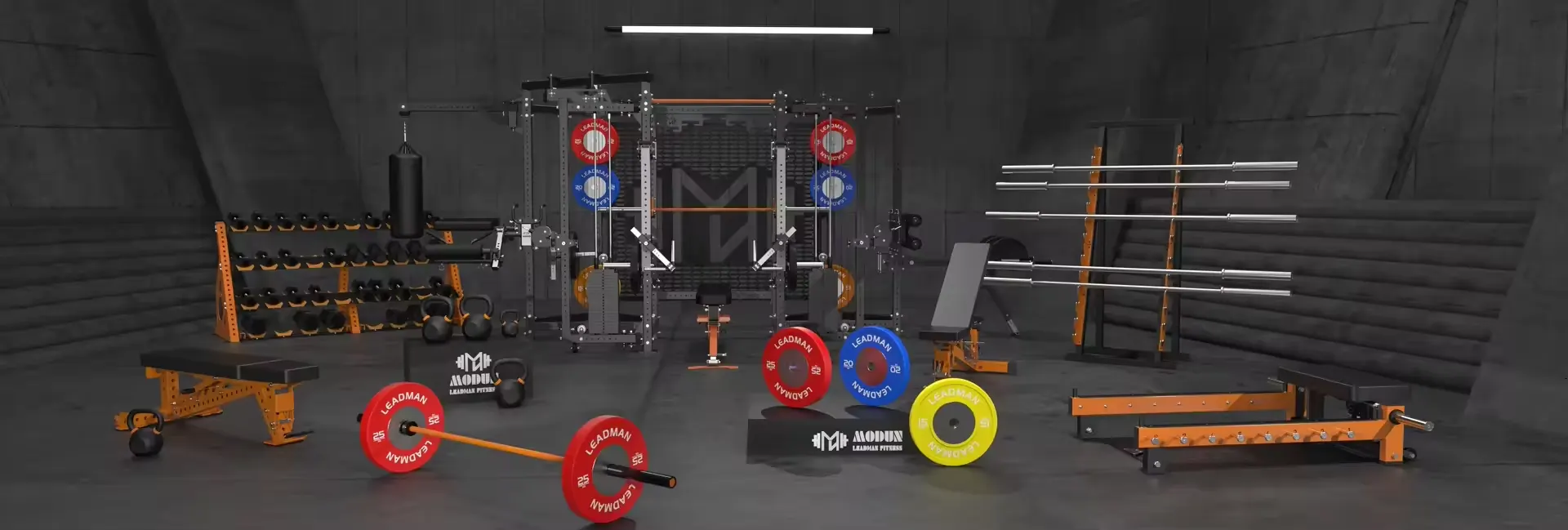
Barbell manufacturing represents a unique intersection of metallurgical science, precision machining, and performance engineering. Unlike generic fitness equipment, a barbell must withstand tens of thousands of loading cycles while maintaining its dimensional stability and surface integrity. For commercial gym operators and facility procurement managers, understanding the manufacturing process is not merely academic—it directly informs purchasing decisions that impact member safety, equipment lifespan, and the facility's reputation for quality. The global barbell manufacturing landscape has evolved considerably, with advanced materials and automated production lines setting new benchmarks for consistency and durability.
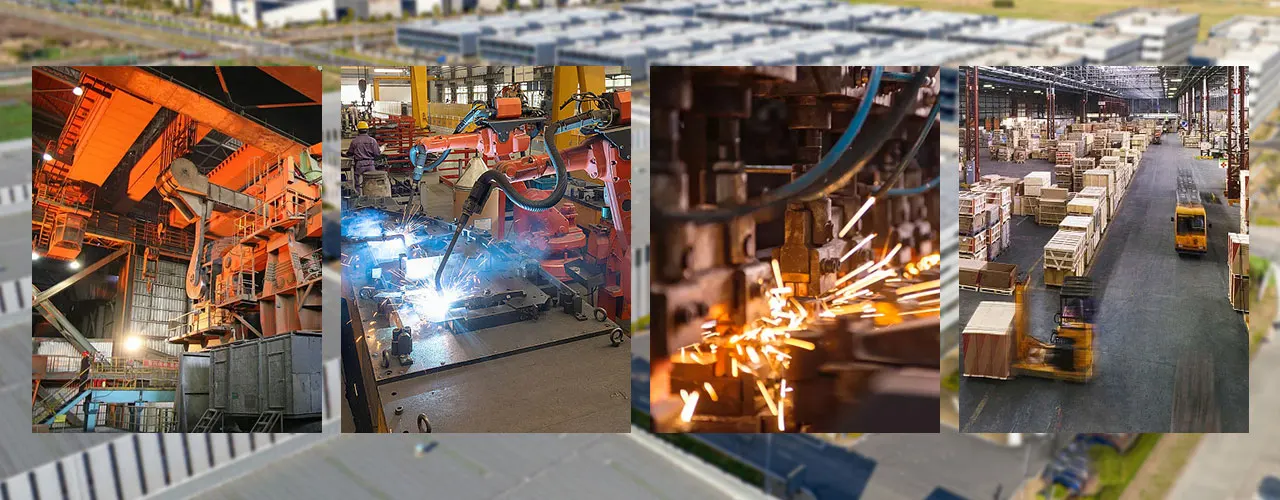
At the heart of premium barbell production lies the choice of steel alloy. Manufacturers typically source American or European-origin steel with specific carbon and chromium content, ensuring optimal tensile strength and fatigue resistance. The manufacturing process begins with cold-rolled or hot-rolled steel bars, which undergo a rigorous straightening procedure to achieve a maximum deviation of less than 0.5mm over the entire length. For commercial-grade barbells, the shaft is then precision-ground to achieve consistent diameter tolerances of +/- 0.05mm, ensuring that weight plates slide smoothly without lateral play. Advanced manufacturing facilities employ CNC turning centers and automated broaching machines to cut the knurling patterns, which are carefully engineered to provide secure grip without causing skin abrasion during high-intensity sessions.
Heat treatment is arguably the most critical phase in barbell manufacturing, determining the shaft's ultimate tensile strength and yield point. Top-tier manufacturers utilize controlled atmosphere furnaces to achieve consistent hardening, followed by tempering processes that balance strength with ductility. The result is a barbell that resists permanent bending even under extreme loading conditions. For the end-user, this translates to equipment that maintains its straightness and performance characteristics over decades of service. As the industry moves toward sustainability, some manufacturers are exploring recycled steel inputs and energy-efficient production methods, though these innovations are still in early adoption stages for commercial-grade products.
Let our experts design the perfect gym solution for your business. Get a free consultation and quote today.