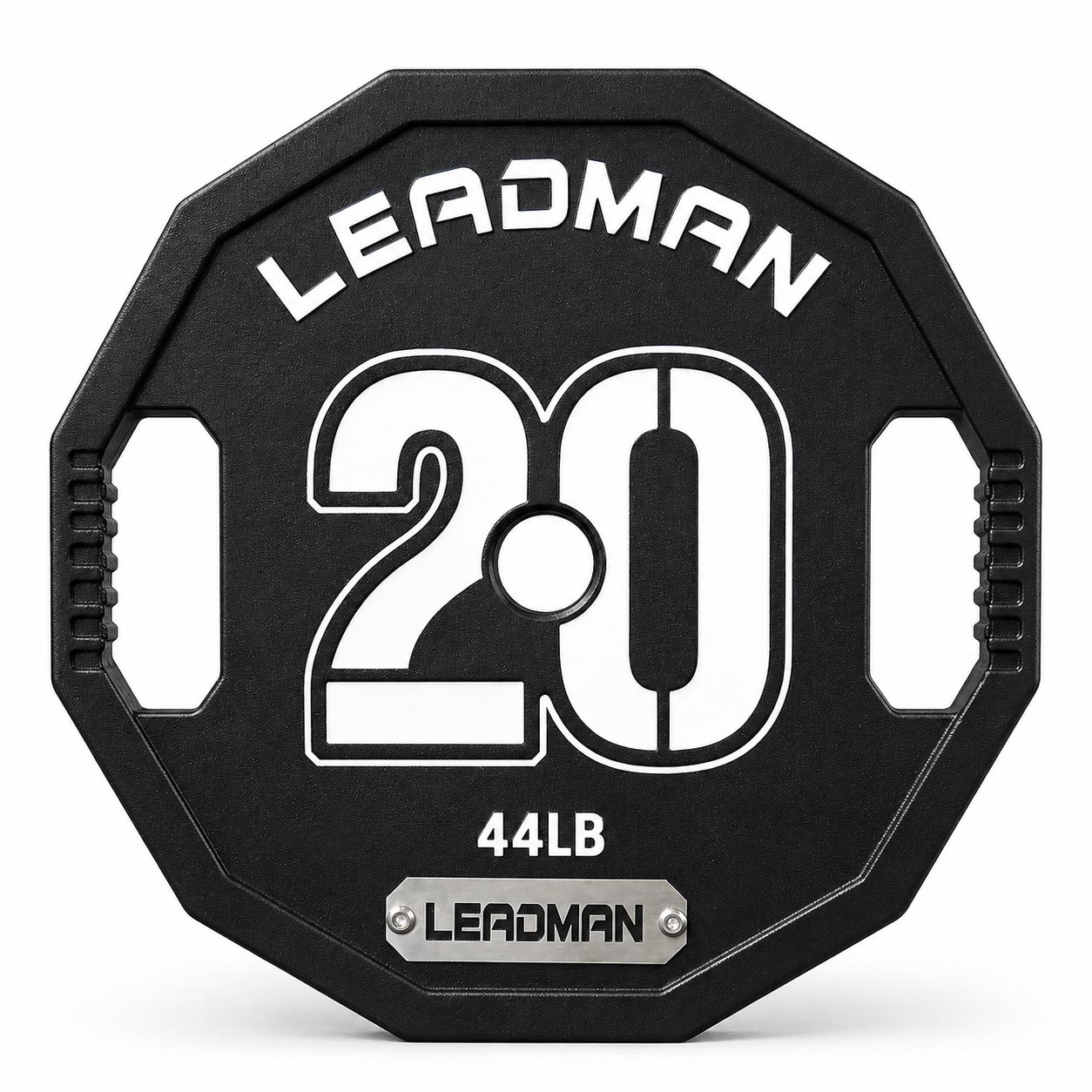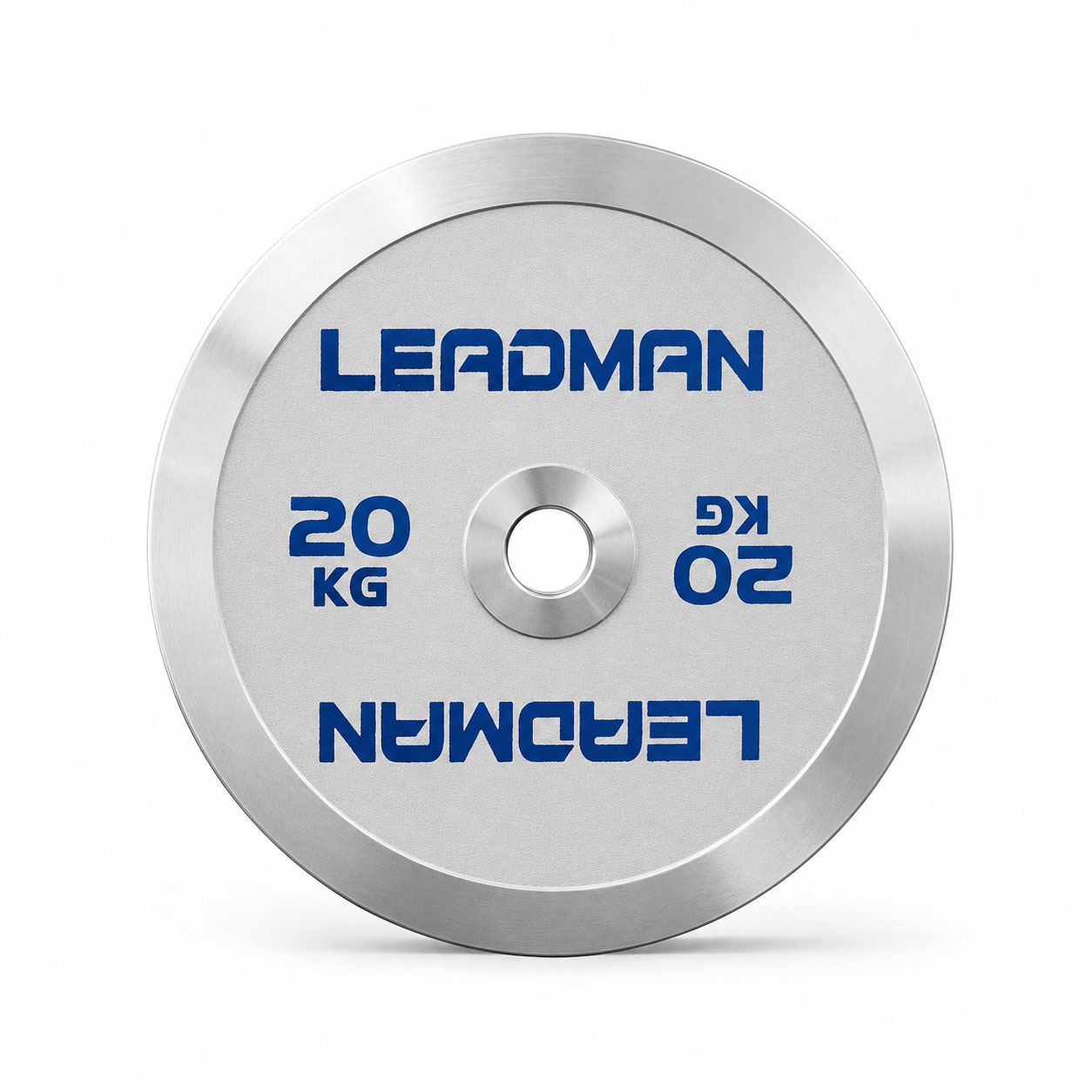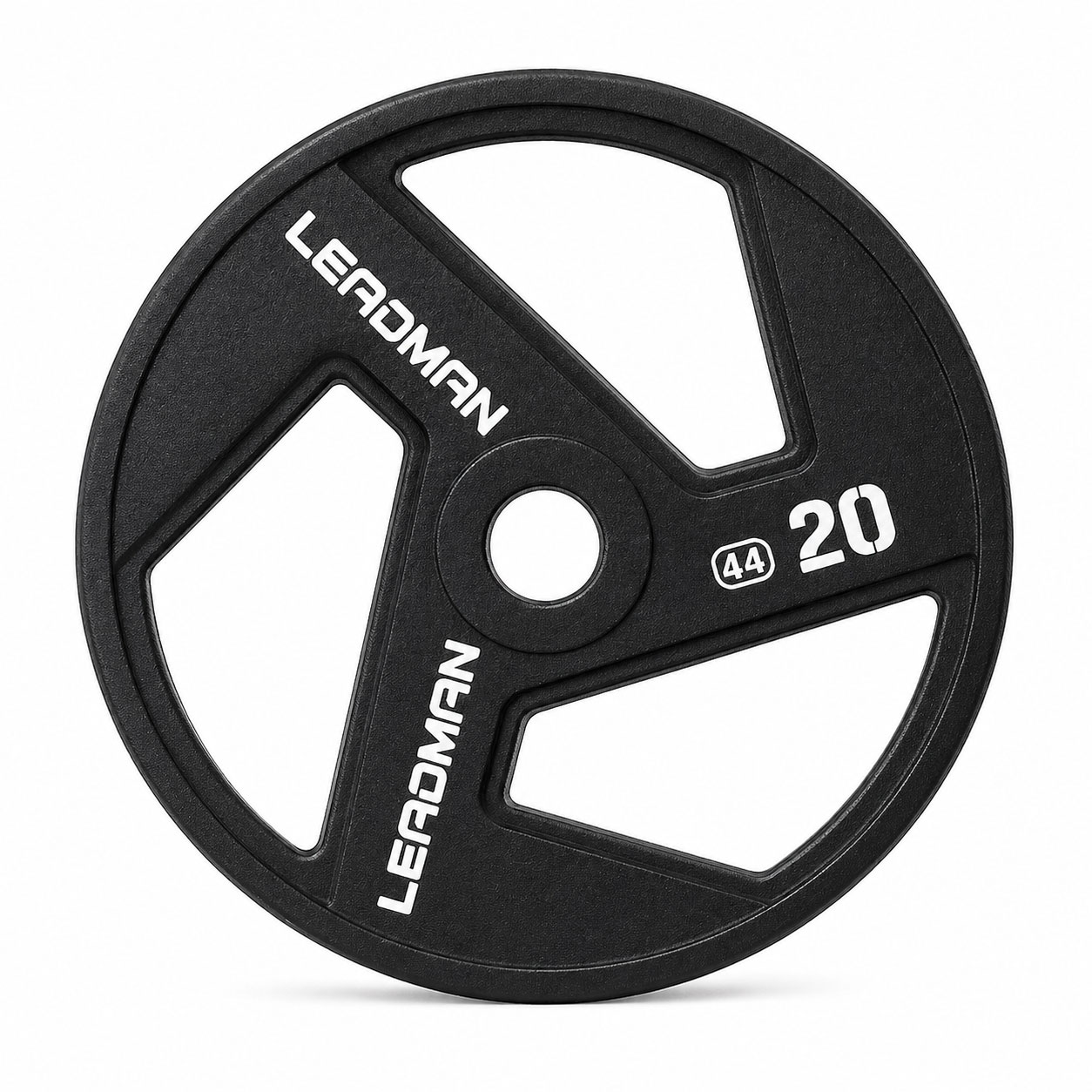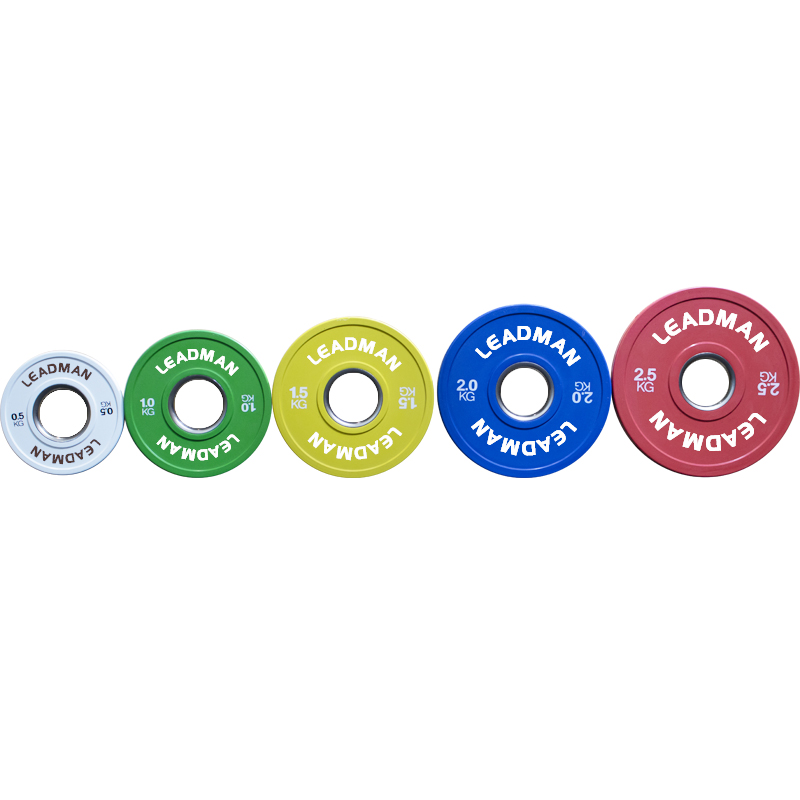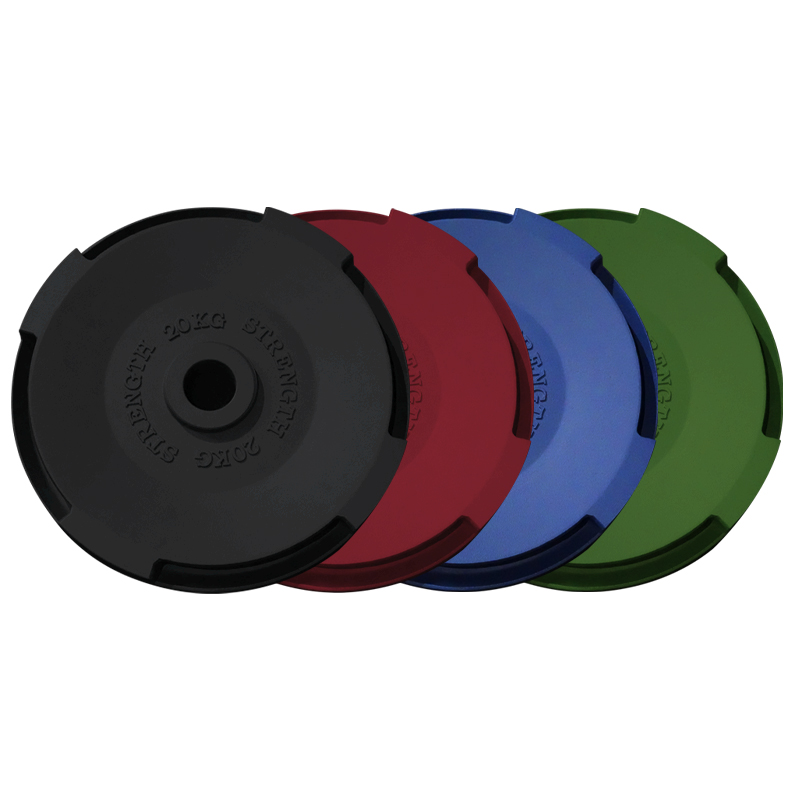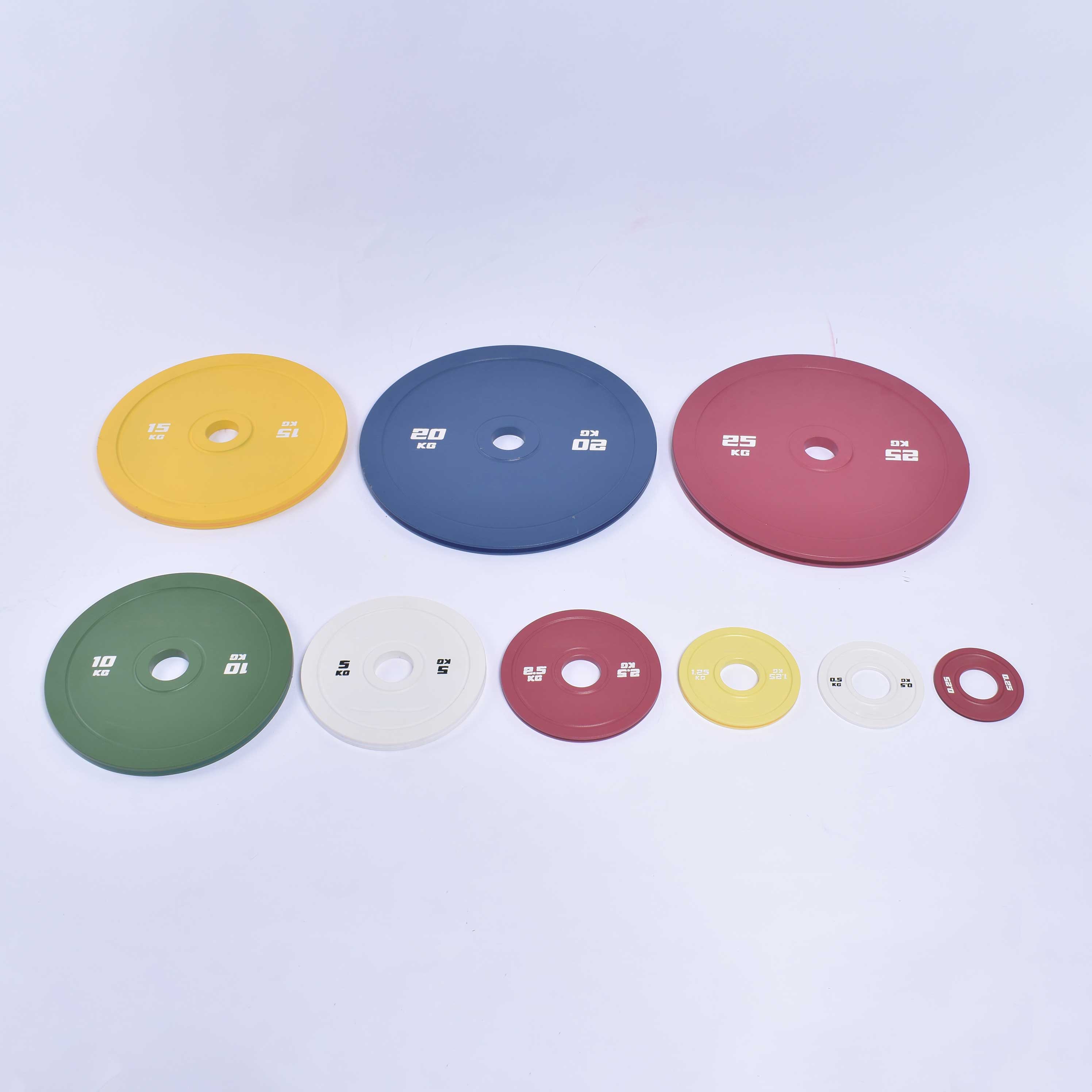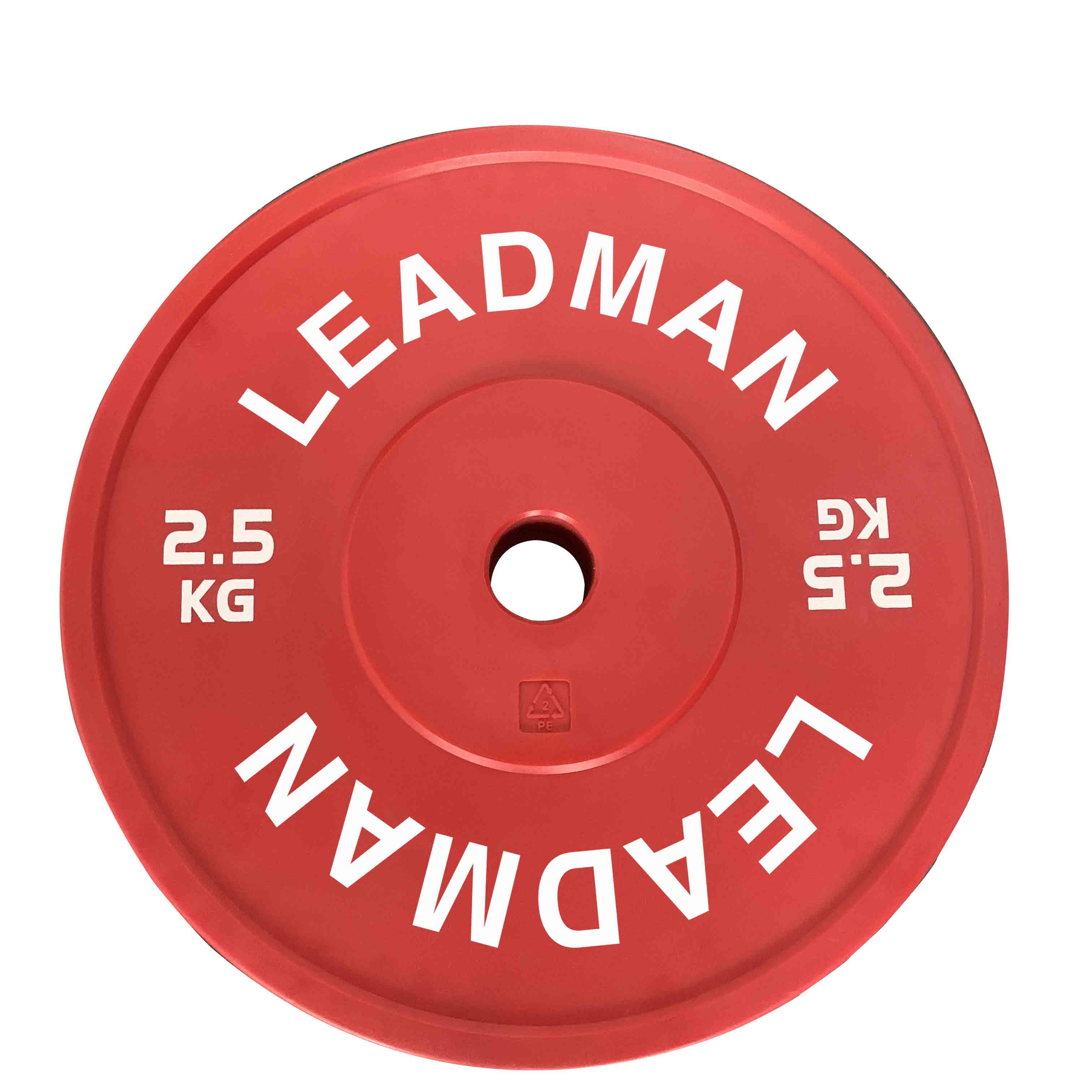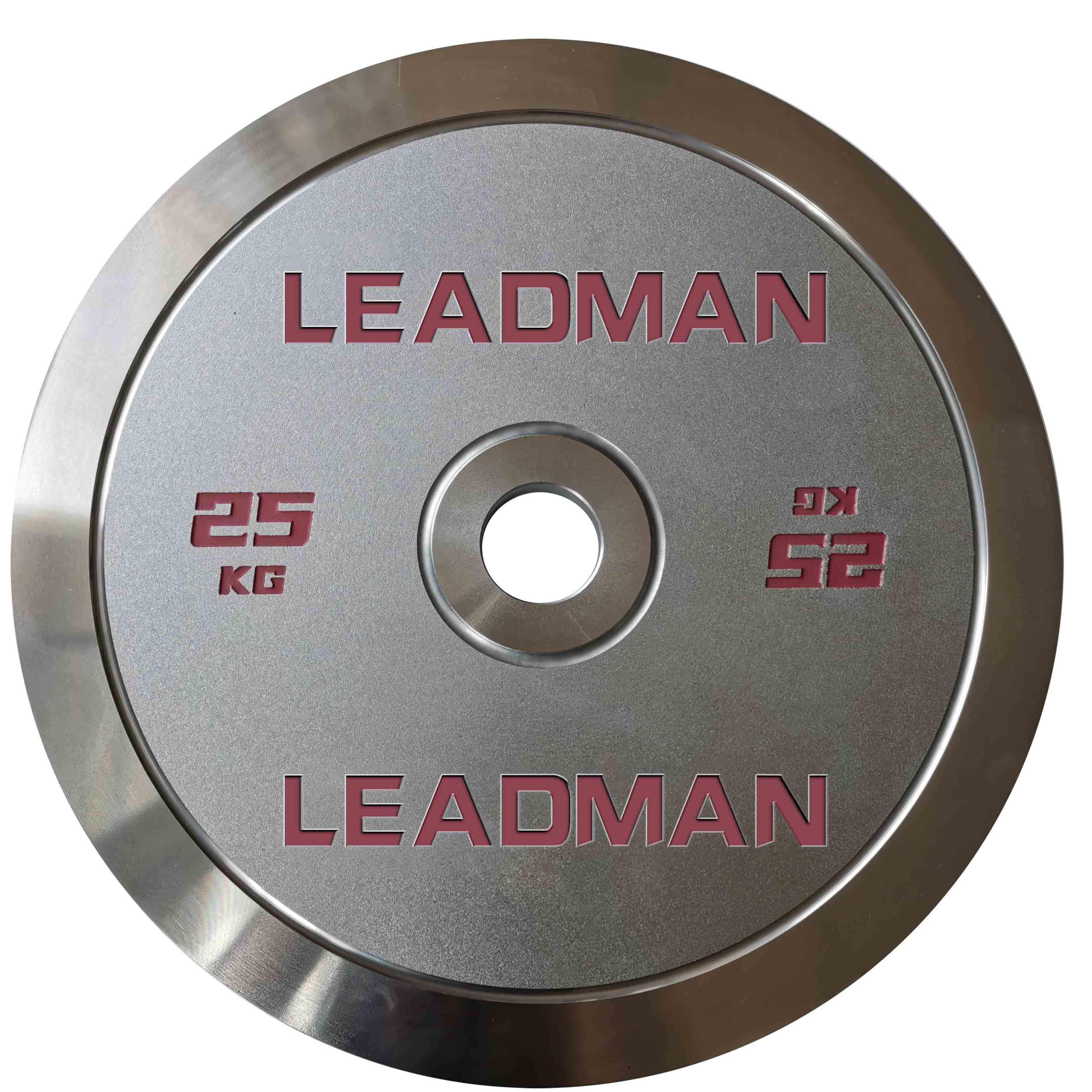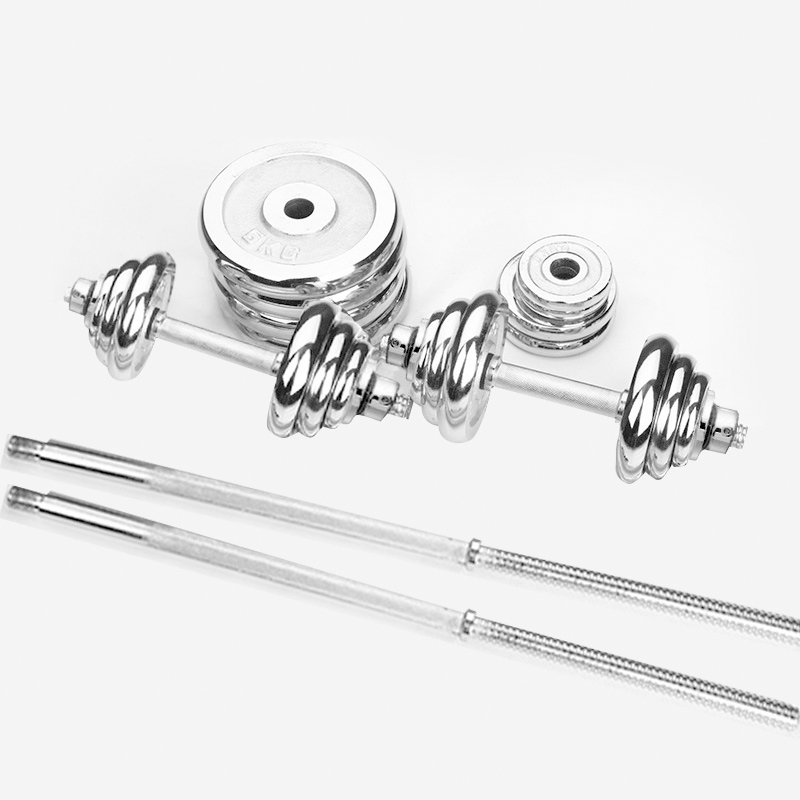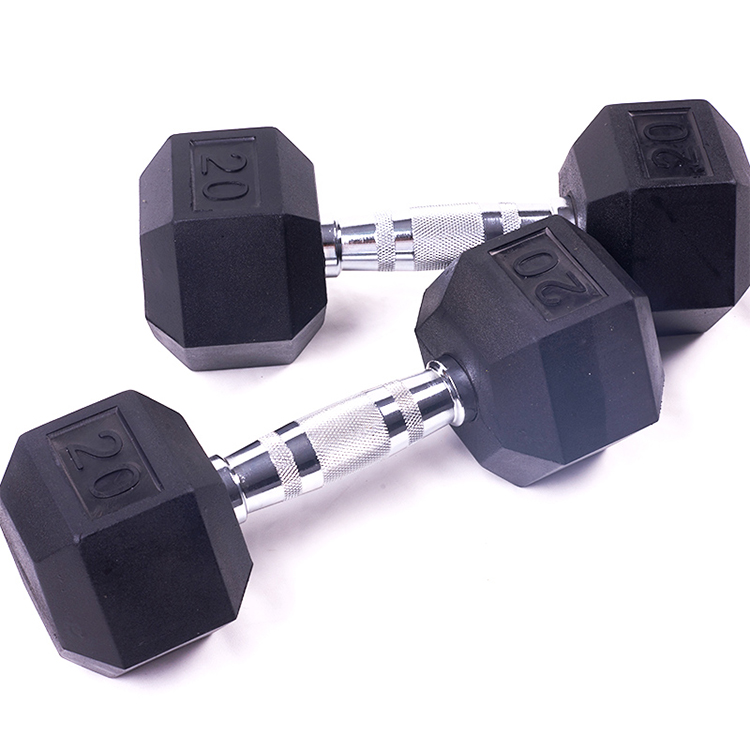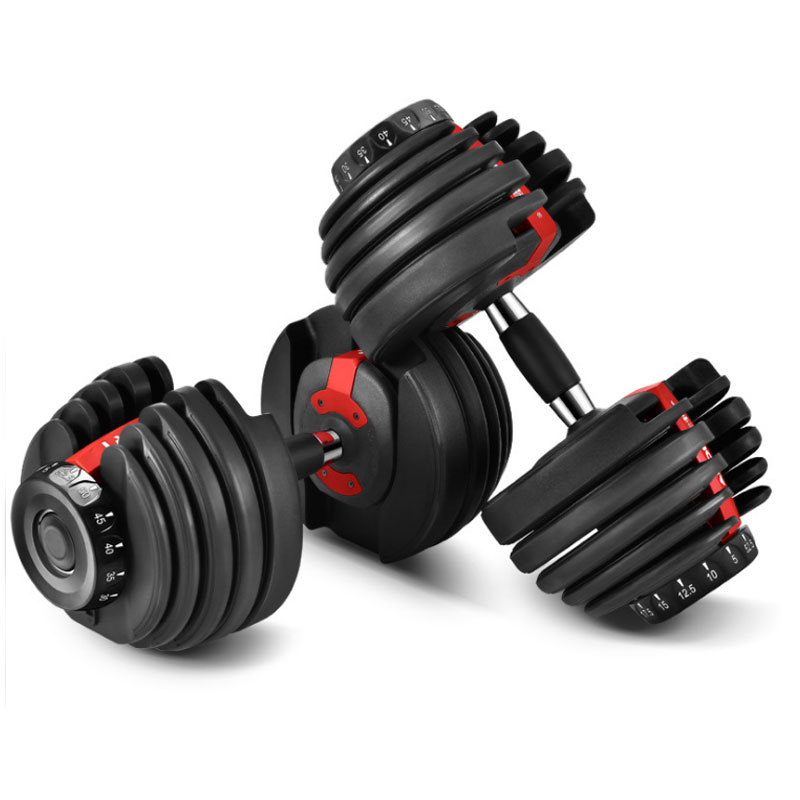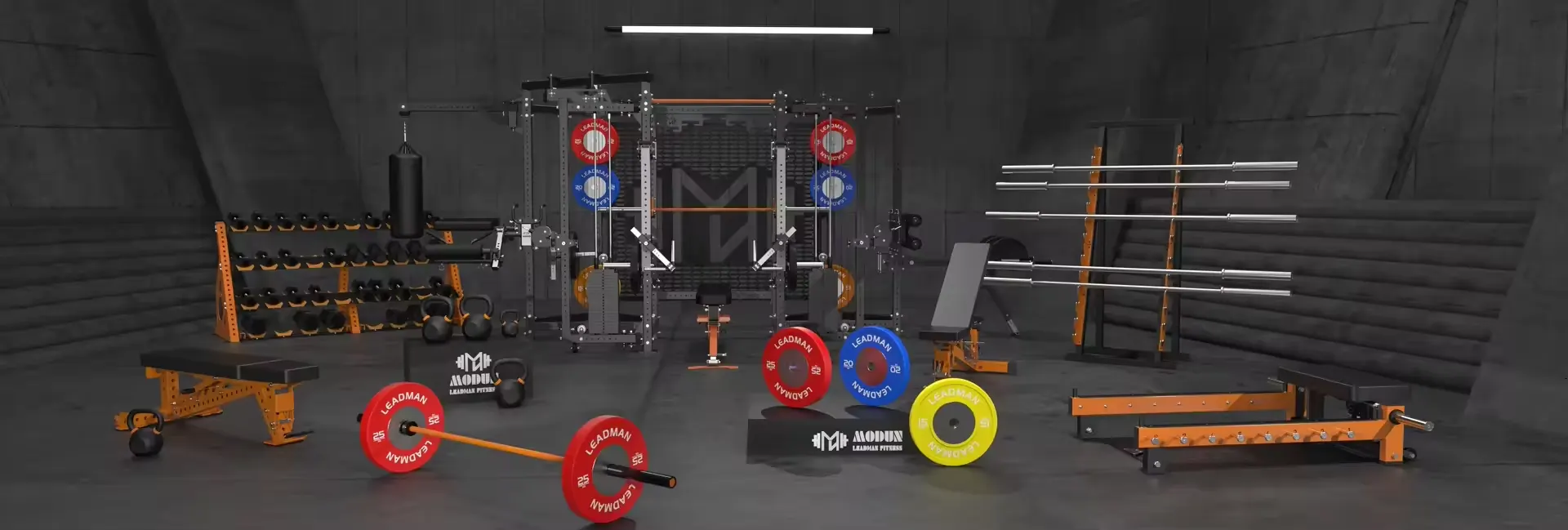
The 10kg plate occupies an essential middle tier in commercial gym weight inventories, serving as the primary loading increment for strength training progressions across virtually all exercise modalities. Weight plates of this specific mass represent the most frequently loaded increment in commercial facilities, given their utility in both barbell and dumbbell applications, making their availability and condition directly consequential to member satisfaction and facility efficiency. For procurement managers planning equipment inventory for new facilities or expanding existing weight rooms, understanding the functional role and specification requirements of 10kg plates is essential for maintaining operational continuity and member progression pathways.
From a materials engineering standpoint, the 10kg plate presents unique manufacturing challenges due to its intermediate mass position. Unlike heavier plates that rely on bulk density for impact resistance, or lighter plates that can utilize thinner cross-sections, 10kg plates must balance structural integrity with handling convenience. Premium commercial 10kg plates typically incorporate higher-density iron or steel alloys, allowing for a more compact profile that facilitates storage efficiency and member handling. For rubber bumper plates at this weight, the rubber composition must achieve sufficient Shore hardness—typically 80-85—to maintain dimensional stability while providing adequate impact absorption during Olympic lifting drops. The plate's center hole precision is particularly critical, as any deviation from the 50mm standard results in wobbling during barbell rotation and accelerated sleeve wear, compromising both equipment longevity and member safety.
Facility inventory management for 10kg plates requires strategic planning around usage patterns. Commercial facilities typically require a 3:1 or even 4:1 ratio of 10kg plates to heavier 20kg or 25kg plates, given their role in progressive loading across multiple stations. For bulk procurement, purchasing 10kg plates in pairs is essential—with pairs often defined as two identical plates—but facilities should order at least 8-10 pairs per station to ensure adequate loading flexibility during peak training hours. Plates in this weight range also experience the highest handling frequency, making finish quality and corrosion resistance a more significant consideration than for heavier, less frequently handled plates.
Let our experts design the perfect gym solution for your business. Get a free consultation and quote today.