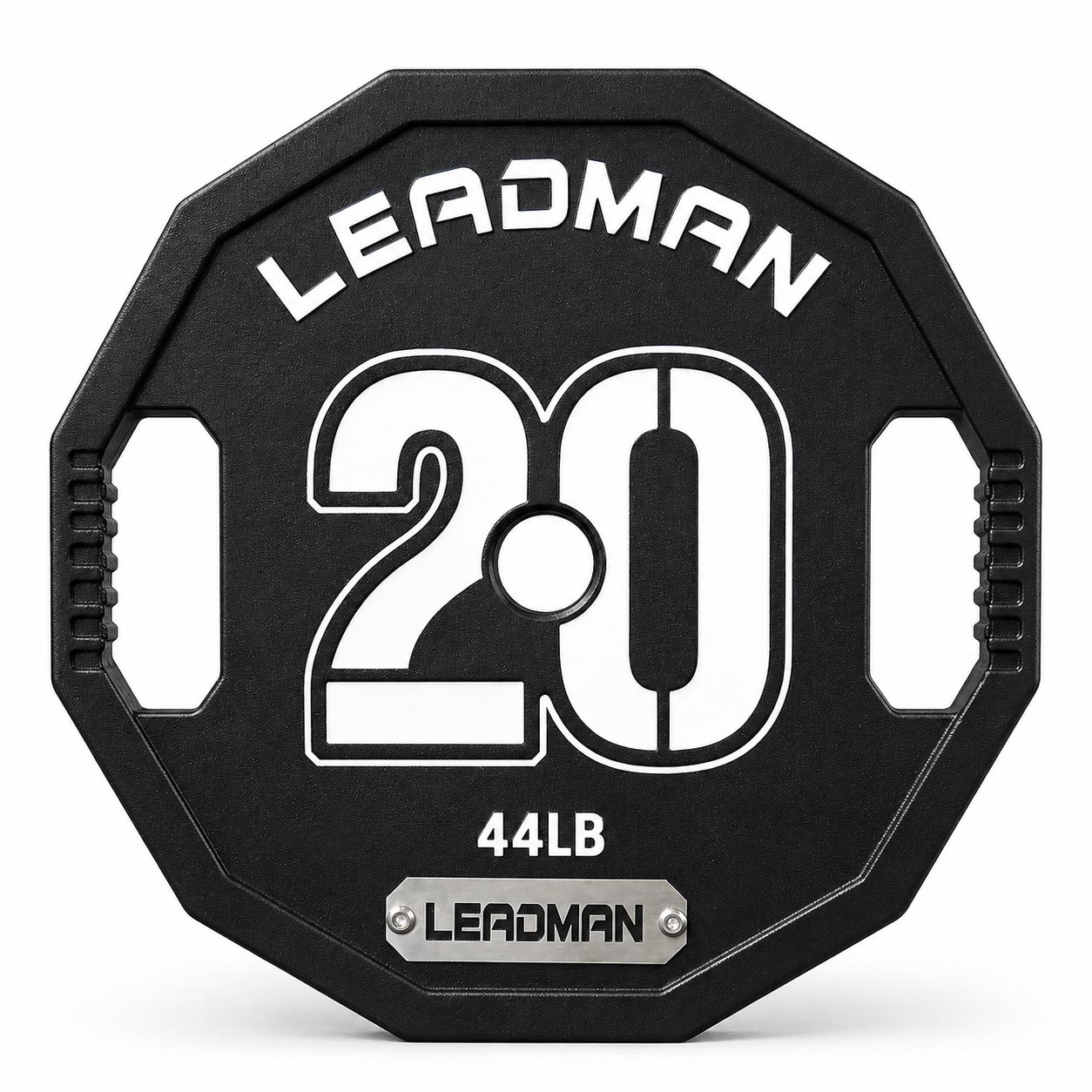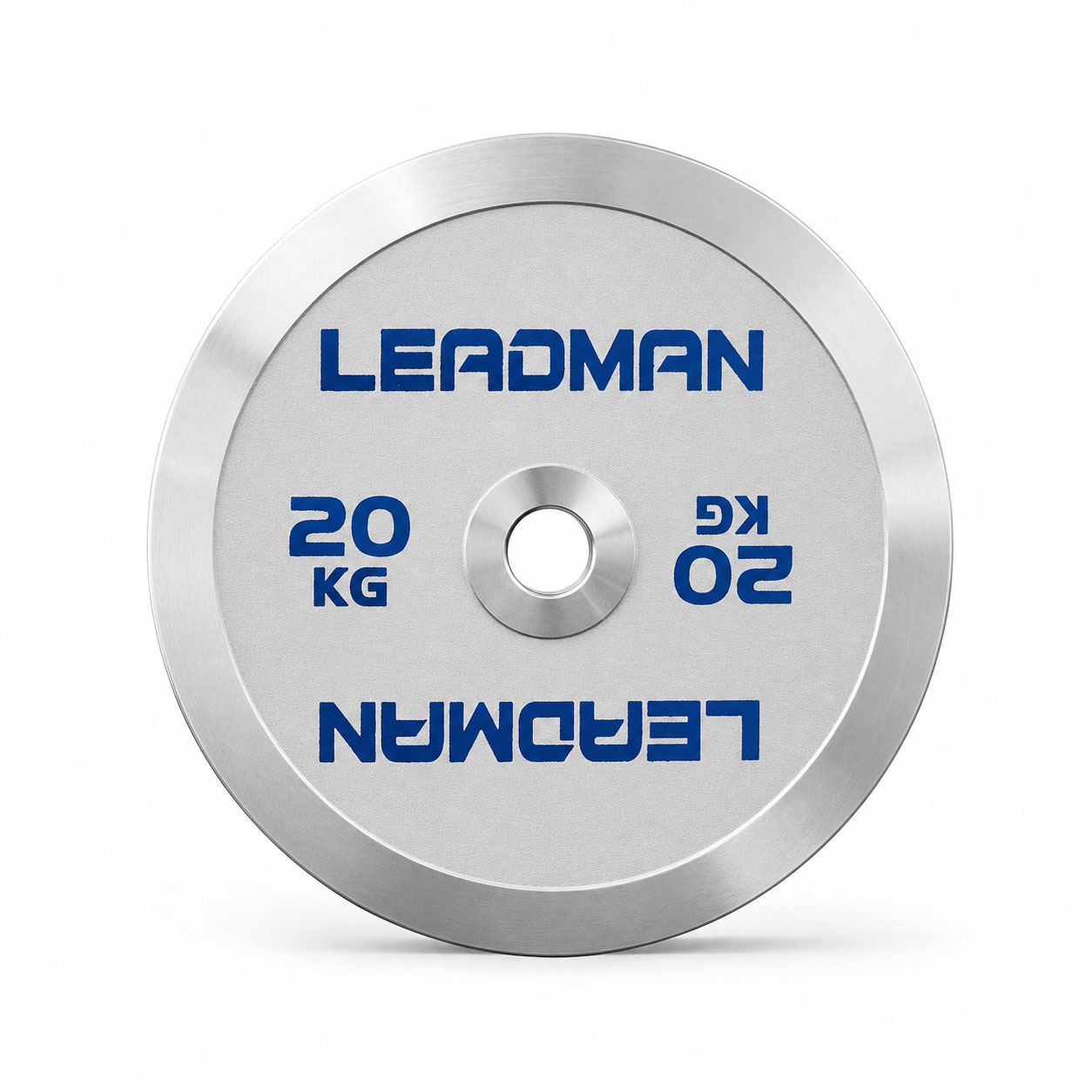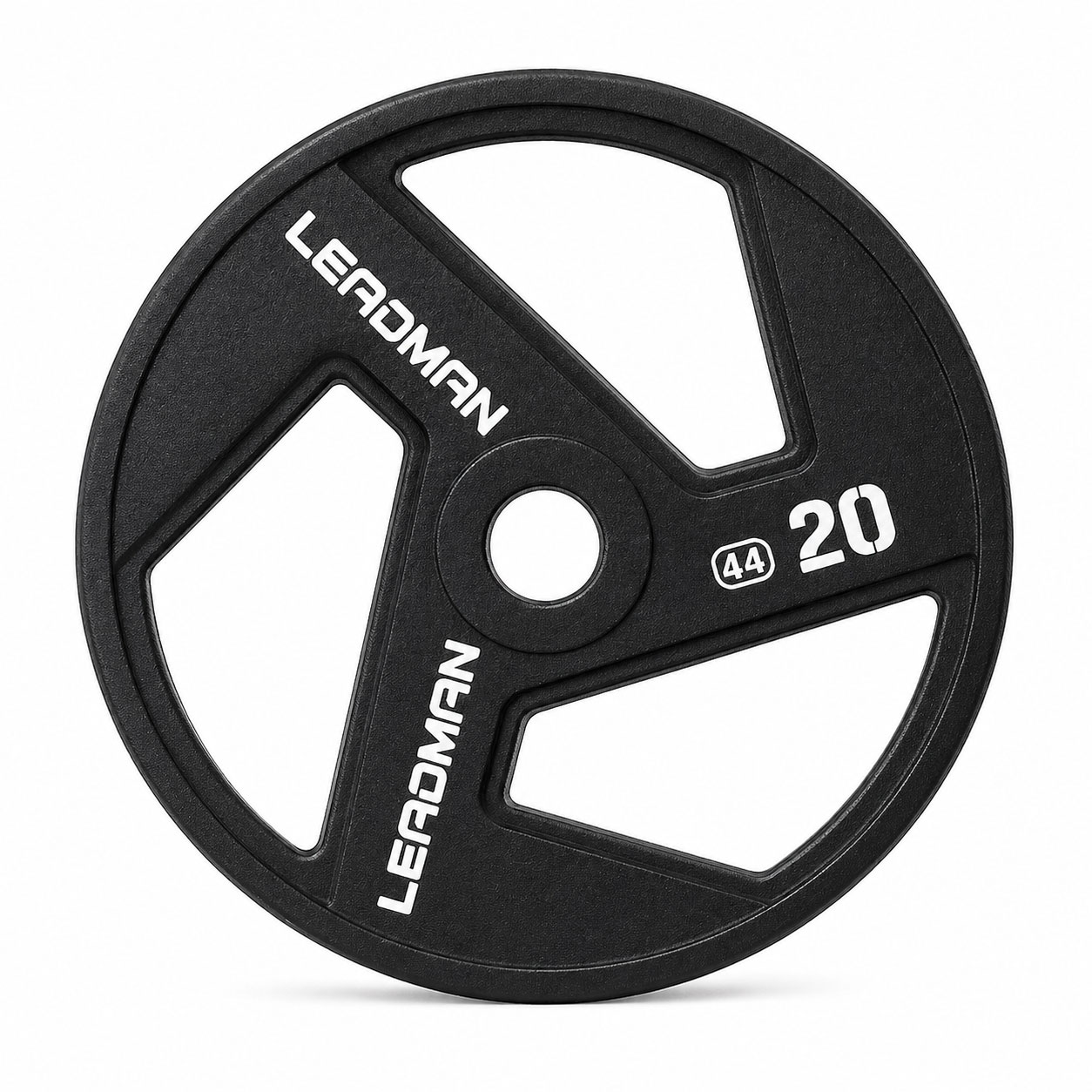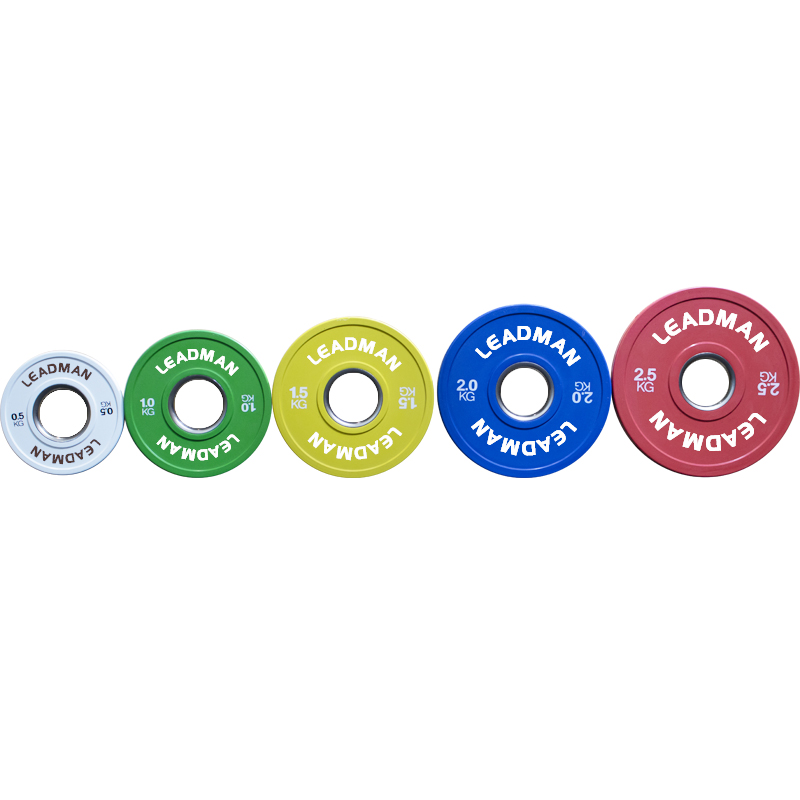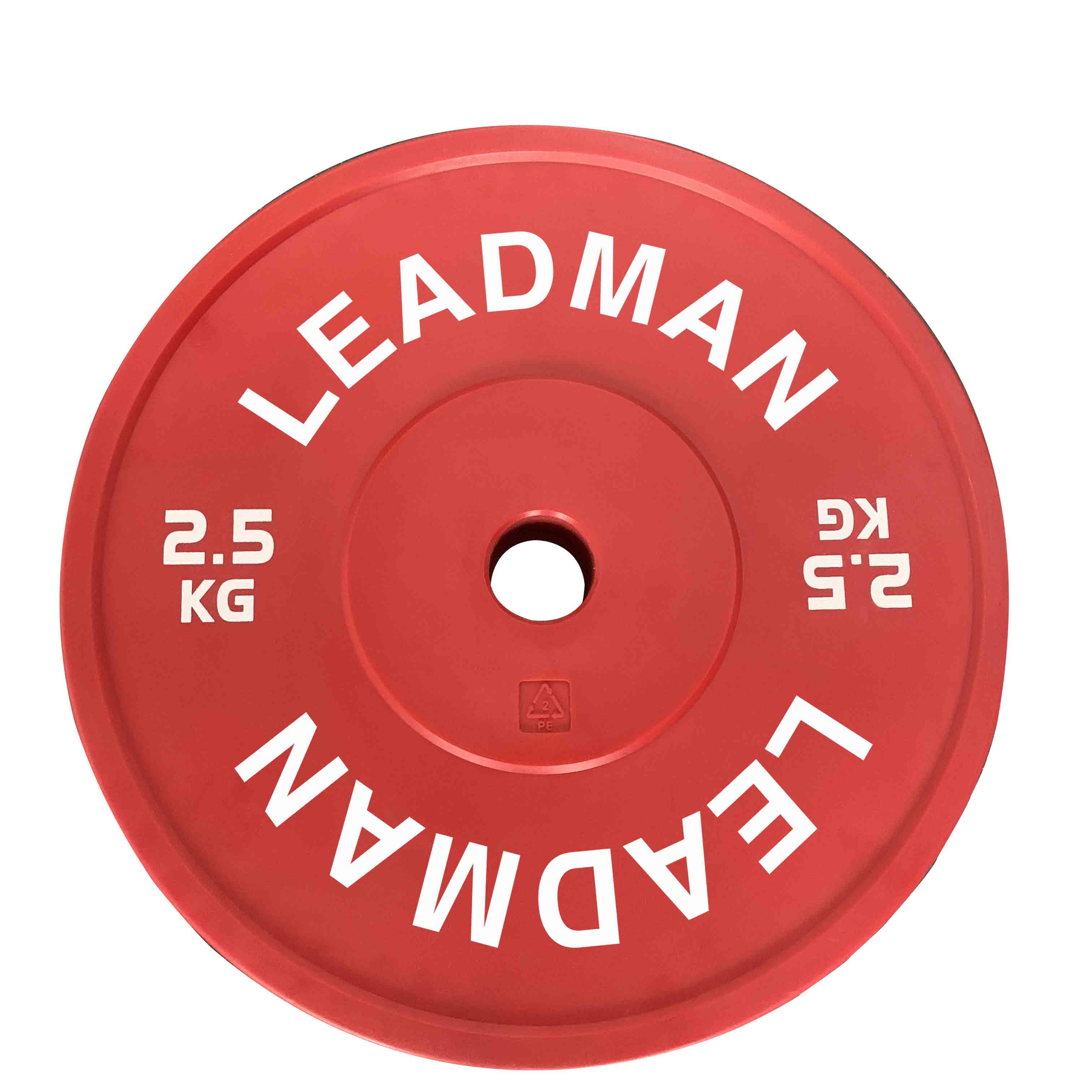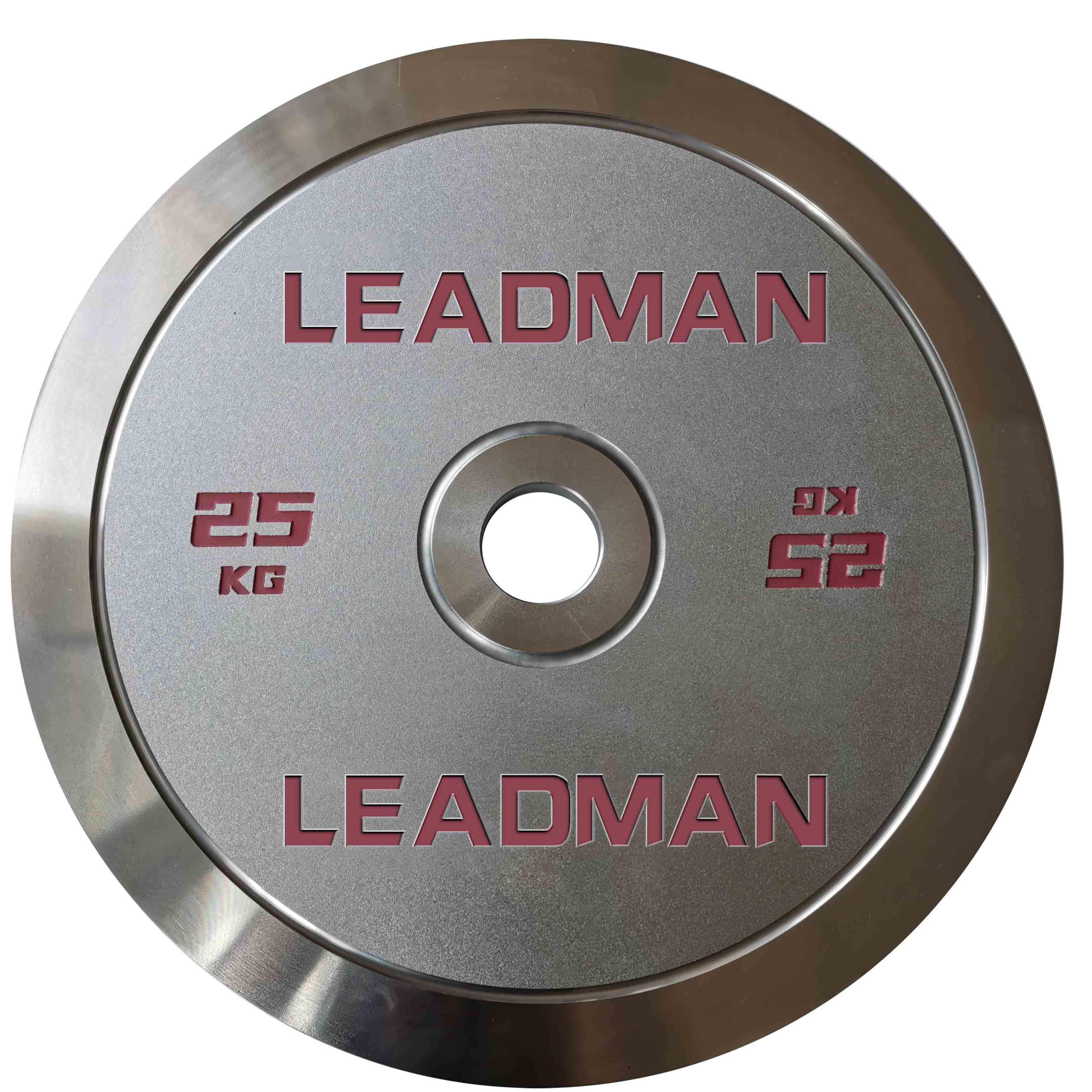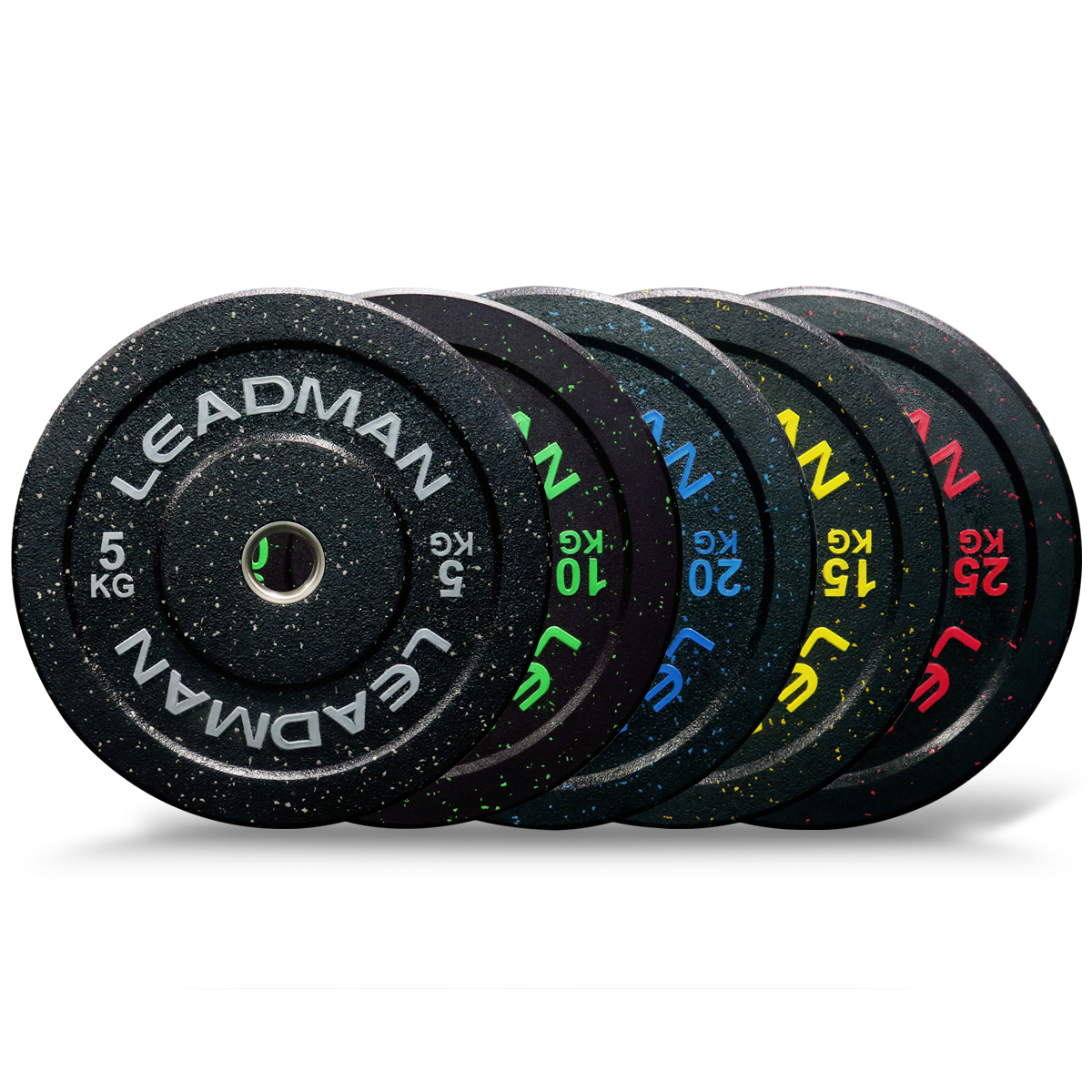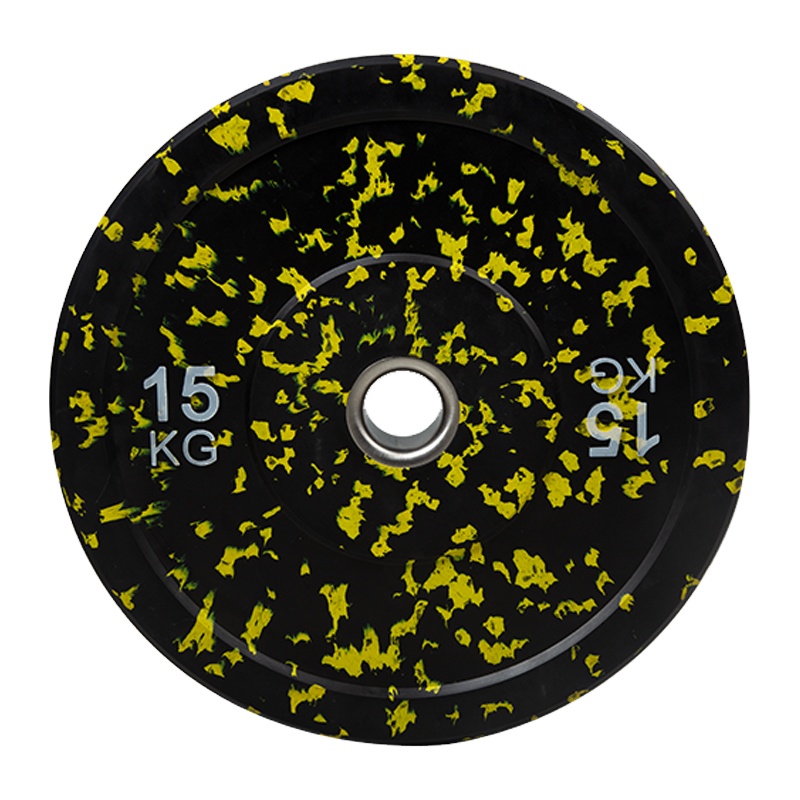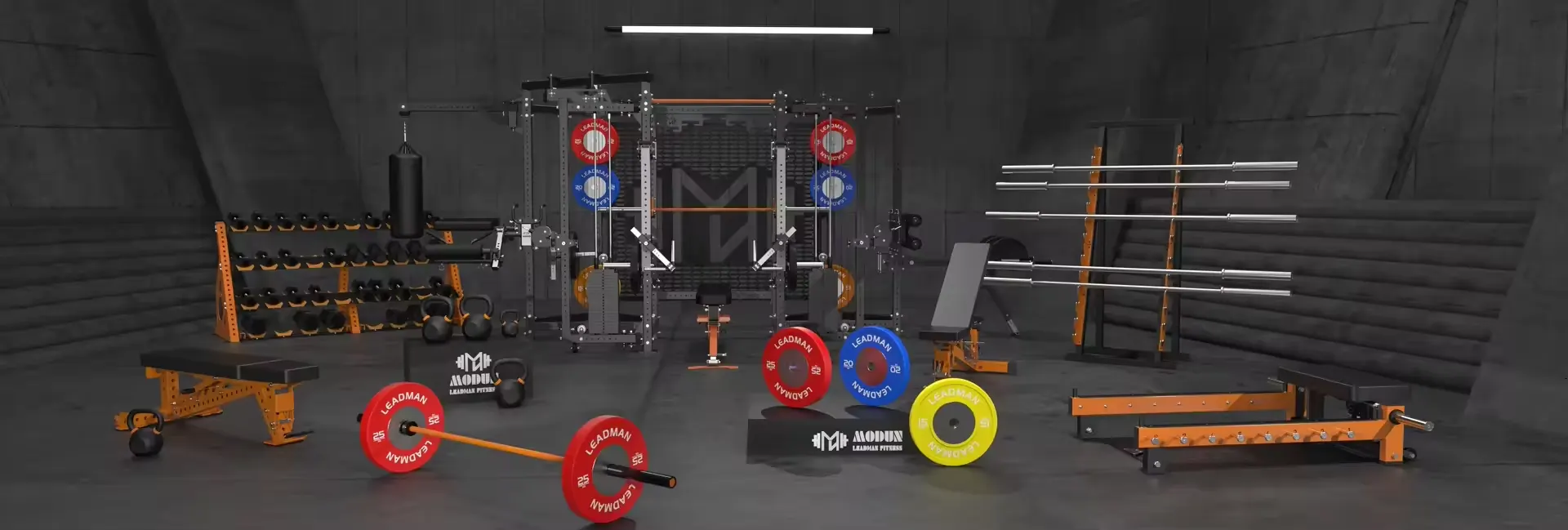
Within the commercial strength training landscape, the 100 lb bumper plate represents the upper echelon of plate loading, designed for elite athletes, strongman competitors, and high-volume training facilities where maximal load capacity and durability are non-negotiable. While most commercial gyms operate within the 10–55 lb range, 100 lb bumper plates serve niche but critical functions: heavy deadlift training, strongman events, high-intensity functional fitness programmes, and facilities catering to advanced lifters. These plates demand engineering specifications that exceed standard commercial requirements, with reinforced construction capable of withstanding repeated drops from overhead positions and floor impacts exceeding 1,000 lbs across multiple plates.
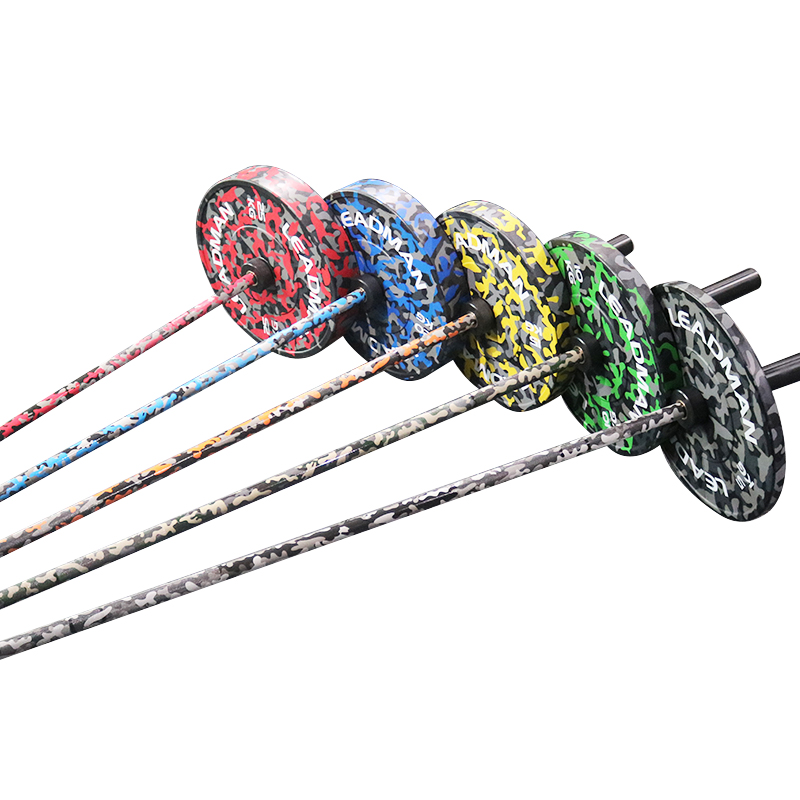
Material and construction requirements for 100 lb bumper plates are particularly demanding due to the extreme forces involved in heavy lifting. Premium 100 lb plates utilise high-density virgin rubber or urethane compounds with Shore hardness ratings of 85–92A to manage weight tolerance, maintain shape under extreme load, and deliver consistent performance across temperature variations. The steel hub diameter must accommodate 50.4mm Olympic barbells with precision tolerances (±0.1mm). Drop-test certification exceeding 20,000 cycles verifies the plate's ability to withstand frequent heavy impacts without hub separation, cracking, or significant weight variance. Urethane-encased 100 lb plates provide superior performance for high-frequency use, delivering consistent bounce characteristics and minimal odour, while virgin rubber plates offer a cost-effective alternative for facilities with moderate drop frequency. Thickness specifications for 100 lb bumpers fall within 80–100mm to ensure compatibility with standard weight trees and barbell loading capacities.
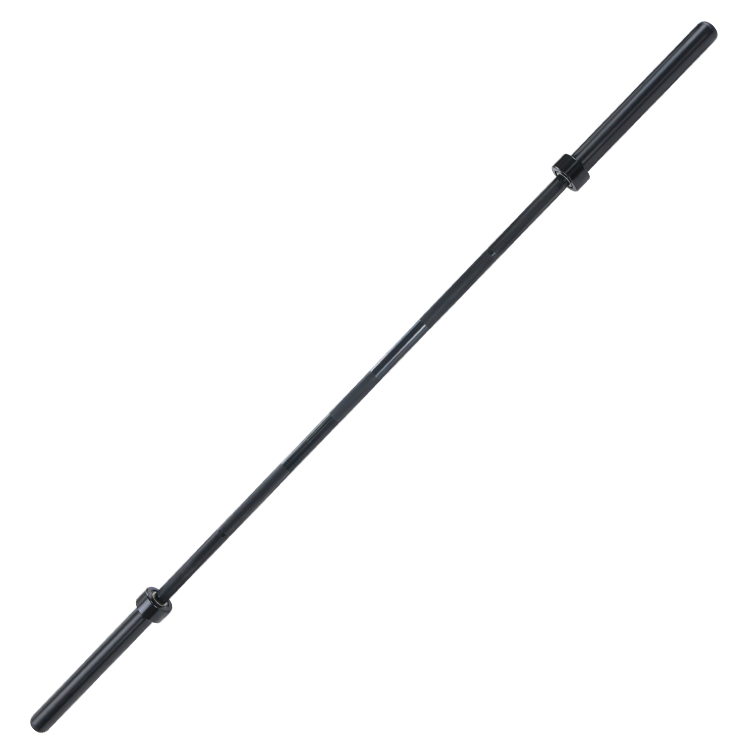
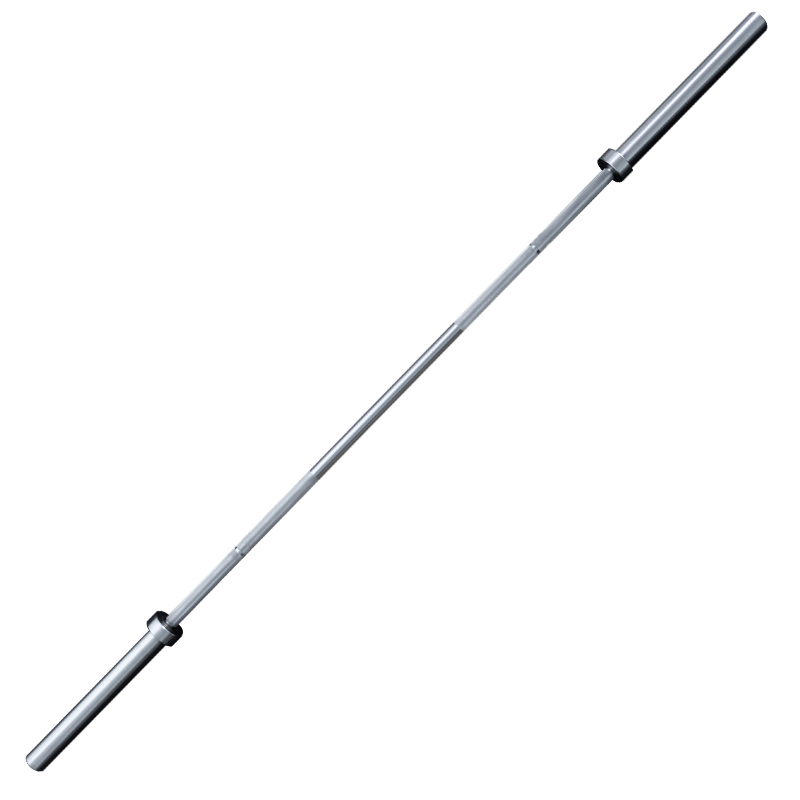
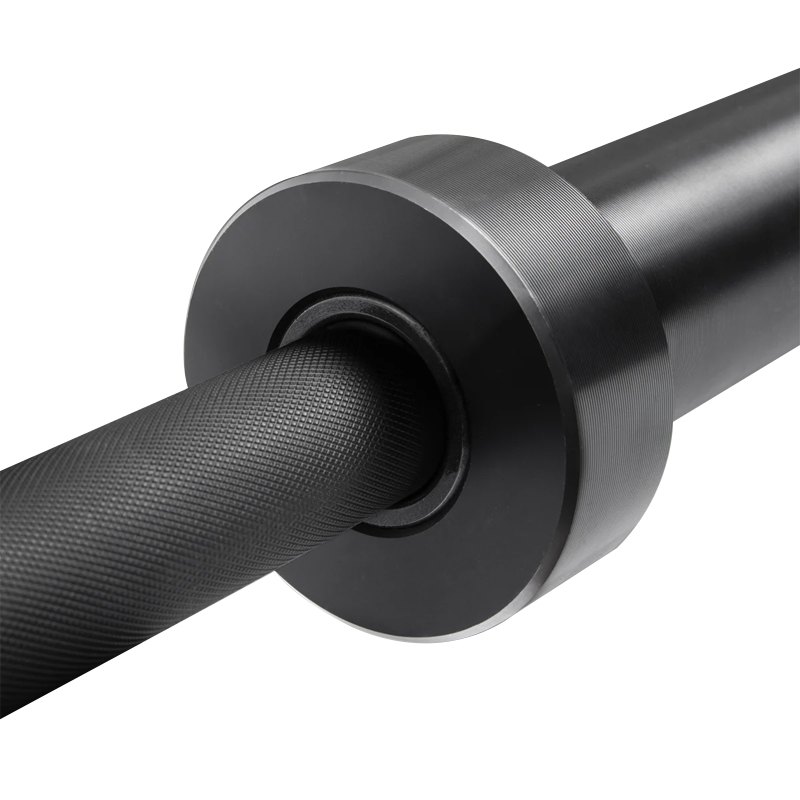
Compatibility and integration challenges arise with heavy bumper plates, as their diameter must align with the standard 450mm Olympic plate diameter to maintain correct deadlift starting positions. However, plate thickness at 100 lbs can approach or exceed 90–100mm, potentially limiting the number of plates that fit on a standard barbell sleeve. Barbell sleeve capacities typically range 400–500mm, accommodating 4–6 plates per side depending on collar requirements. Facilities should verify barbell sleeve length and load capacity when integrating 100 lb bumper plates, as some commercial bars may not be rated for the extreme loading demands of multiple heavy bumper plates. Rack and storage compatibility also requires consideration: standard plate trees may not accommodate the thickness of multiple heavy plates, and weight capacity of storage systems must be verified.
Procurement planning for 100 lb bumper plates requires careful facility and athlete assessment: demand should be based on the presence of advanced athletes requiring loads exceeding 400–500 lbs for deadlifts, squats, and cleans. Typical stocking quantities are 2–4 plates per heavy lifting station, with 1–2 sets per facility. Storage infrastructure must be reinforced for heavy plate weight. Training staff must be educated on proper loading protocols for heavy plates, and safety considerations—including appropriate platform construction and clearance zones—must be verified. Regular plate inspection for wear, cracking, and hub loosening is essential.

Let our experts design the perfect gym solution for your business. Get a free consultation and quote today.