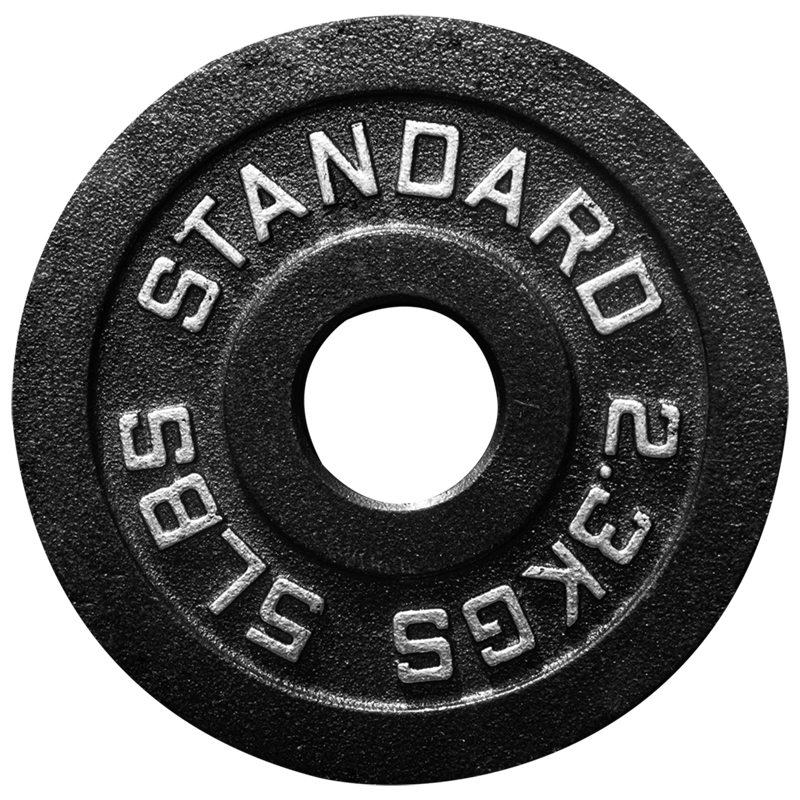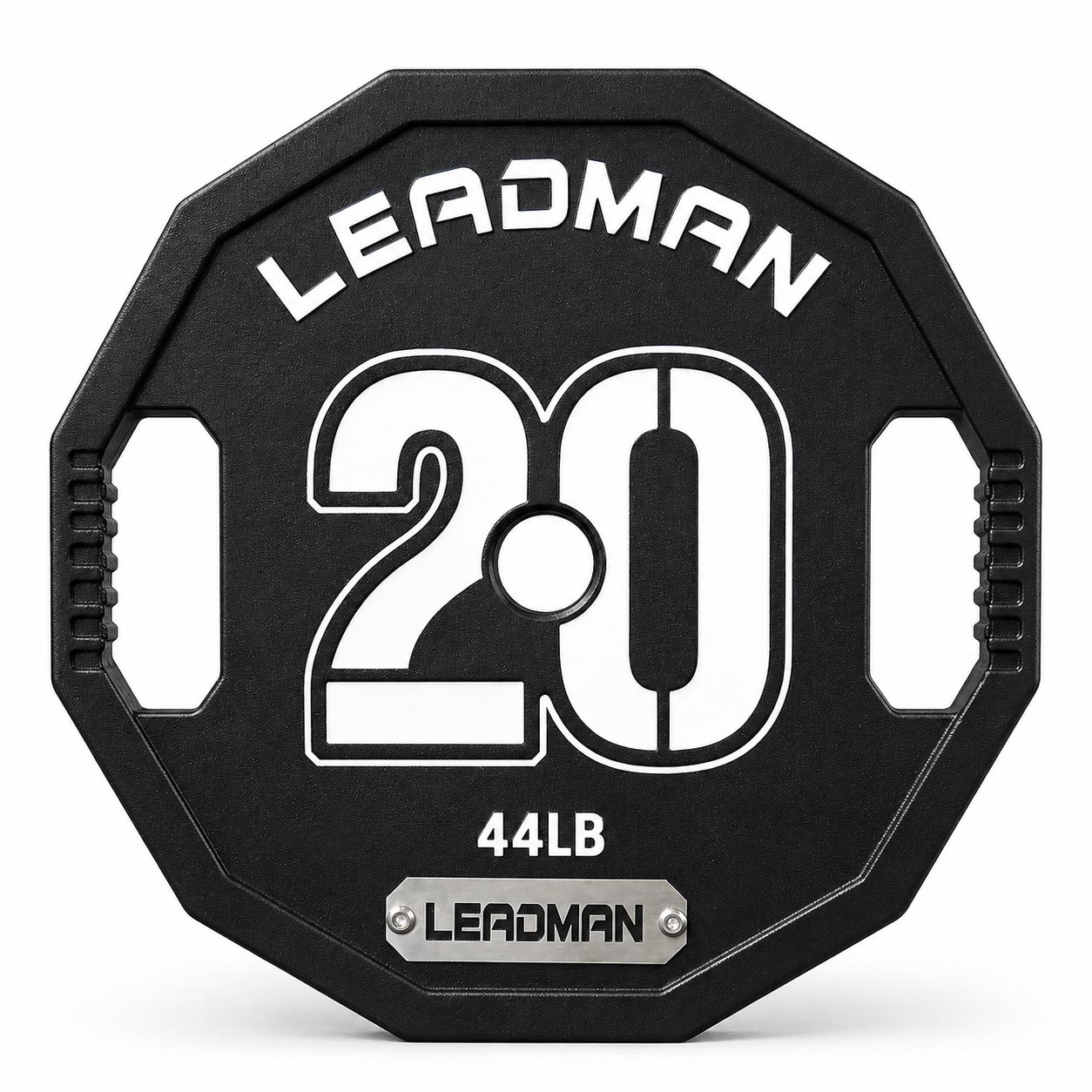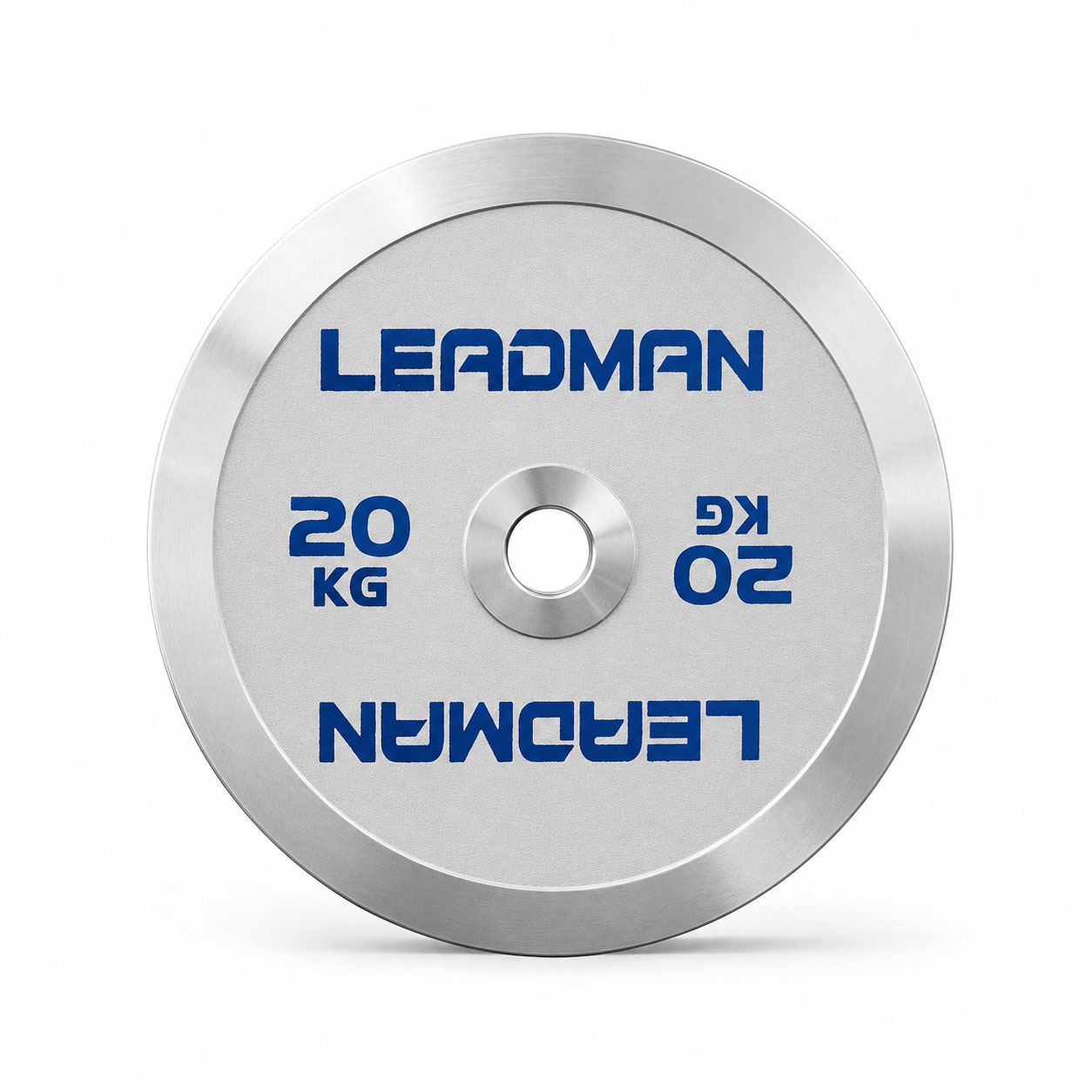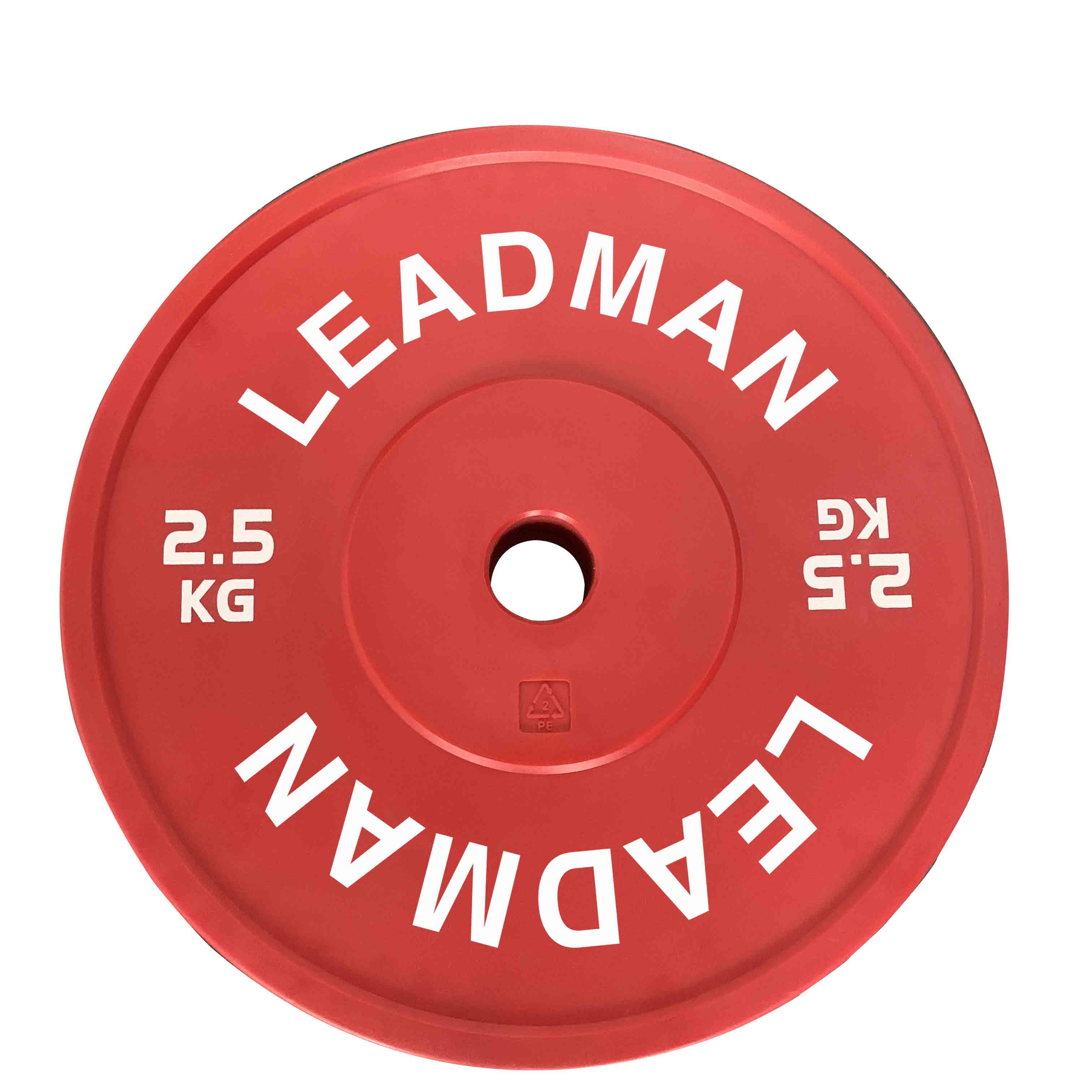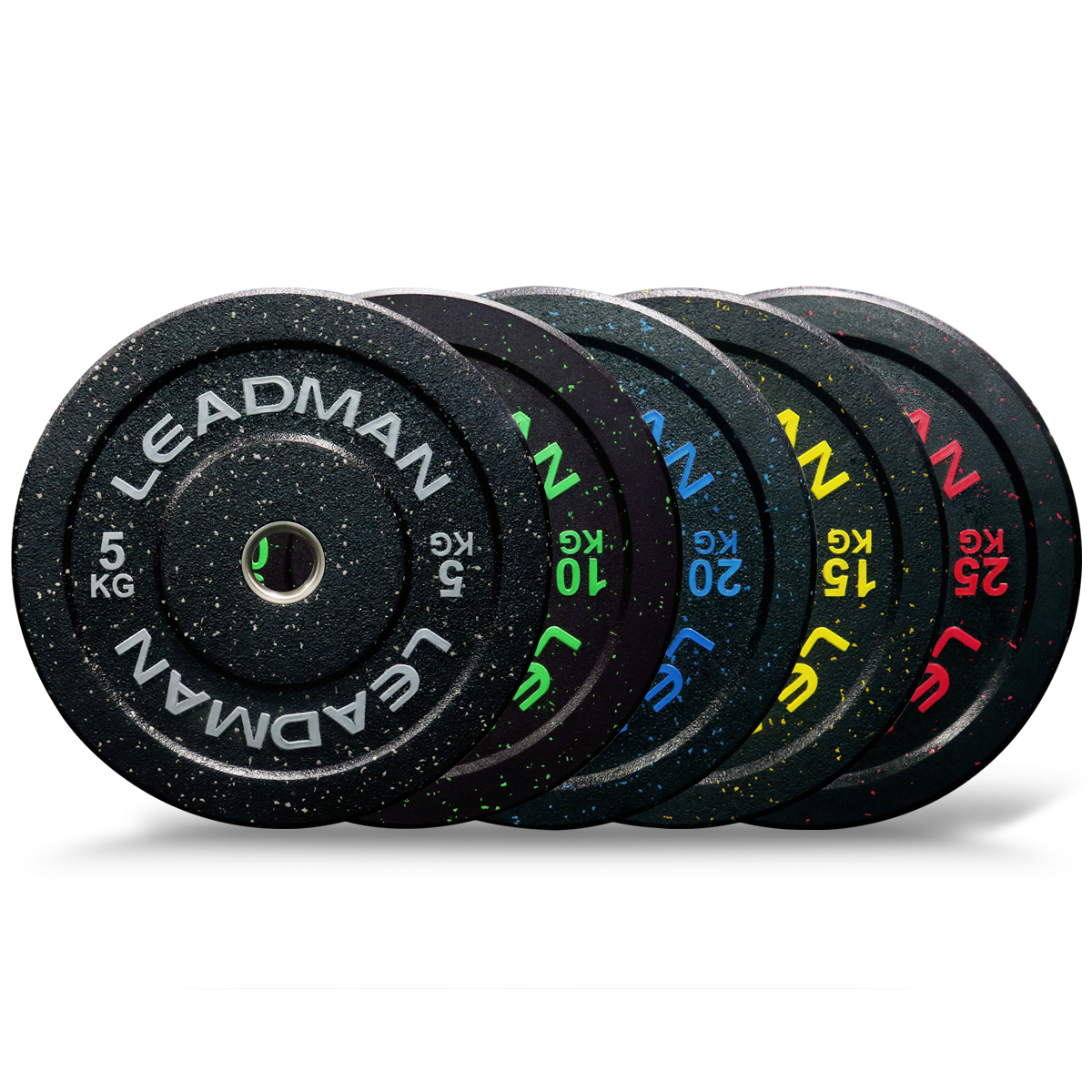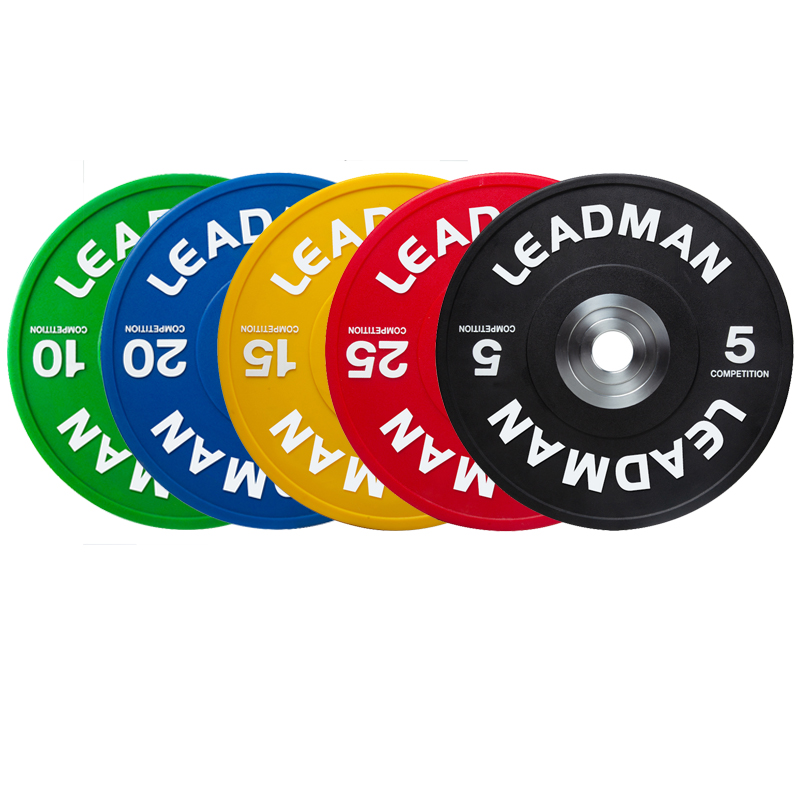
The weight of a bar in a gym is rarely a singular, universal number; it is a dynamic specification that varies dramatically based on the bar's intended discipline, gender designation, and engineering standards. While the ubiquitous 20kg (44lb) Olympic barbell serves as the default benchmark for most commercial strength training, a professional facility will typically stock a diverse arsenal of bars, including 15kg women's bars, 10kg technique bars, and specialized 25kg powerlifting or deadlift bars, each calibrated for specific performance outcomes. Understanding this taxonomy is fundamental for accurate load calculation and program design.
The most commonly encountered bar in commercial gyms is the men's Olympic barbell, standardized at 20kg with a shaft diameter of 28mm to 29mm. This weight assumes the presence of standard locking collars, which typically add 2.5kg (5lb) to the total system load. However, the variance between 20kg and 15kg (women's) bars is not merely a weight reduction; the latter features a narrower 25mm shaft designed for smaller hand grips, influencing both the tactile experience and the technical execution of lifts. The existence of lighter technique bars (5kg-10kg) or aluminum training bars (approximately 15lb) further underscores that "the bar" is a variable, not a constant.
For specialized strength sports, the bar weight diverges further from the Olympic standard. A powerlifting barbell, often weighing 20kg, features a slightly thicker shaft (29mm) and more aggressive knurling, but the critical distinction lies in its stiffness and lack of whip, as powerlifters require a rigid bar for the squat, bench press, and deadlift. Conversely, a deadlift bar may be the same 20kg mass but features a longer shaft length and increased flexibility (whip) to accommodate the lifter's mechanical advantage. The EZ-bar, used for curling and tricep extensions, often weighs between 6.5kg and 11kg depending on length and design, while the Swiss bar can range from 15kg to 25kg based on its steel construction and handle configuration.
The operational implication for gym owners is the critical need for clear bar identification and labeling. A misidentified 15kg bar incorrectly logged as a 20kg implement can result in a 5kg training error, which, over weeks of progressive overload, translates to significant programming discrepancies. Furthermore, the total system weight in competitive settings often integrates the clamp or collar weight. For instance, a 20kg barbell + 2.5kg in collars + 180kg in plates = a 202.5kg total load. This granular understanding of the barbell's intrinsic mass, when combined with plate mathematics, forms the essential foundation of professional load management, injury prevention, and competition preparation.

Let our experts design the perfect gym solution for your business. Get a free consultation and quote today.