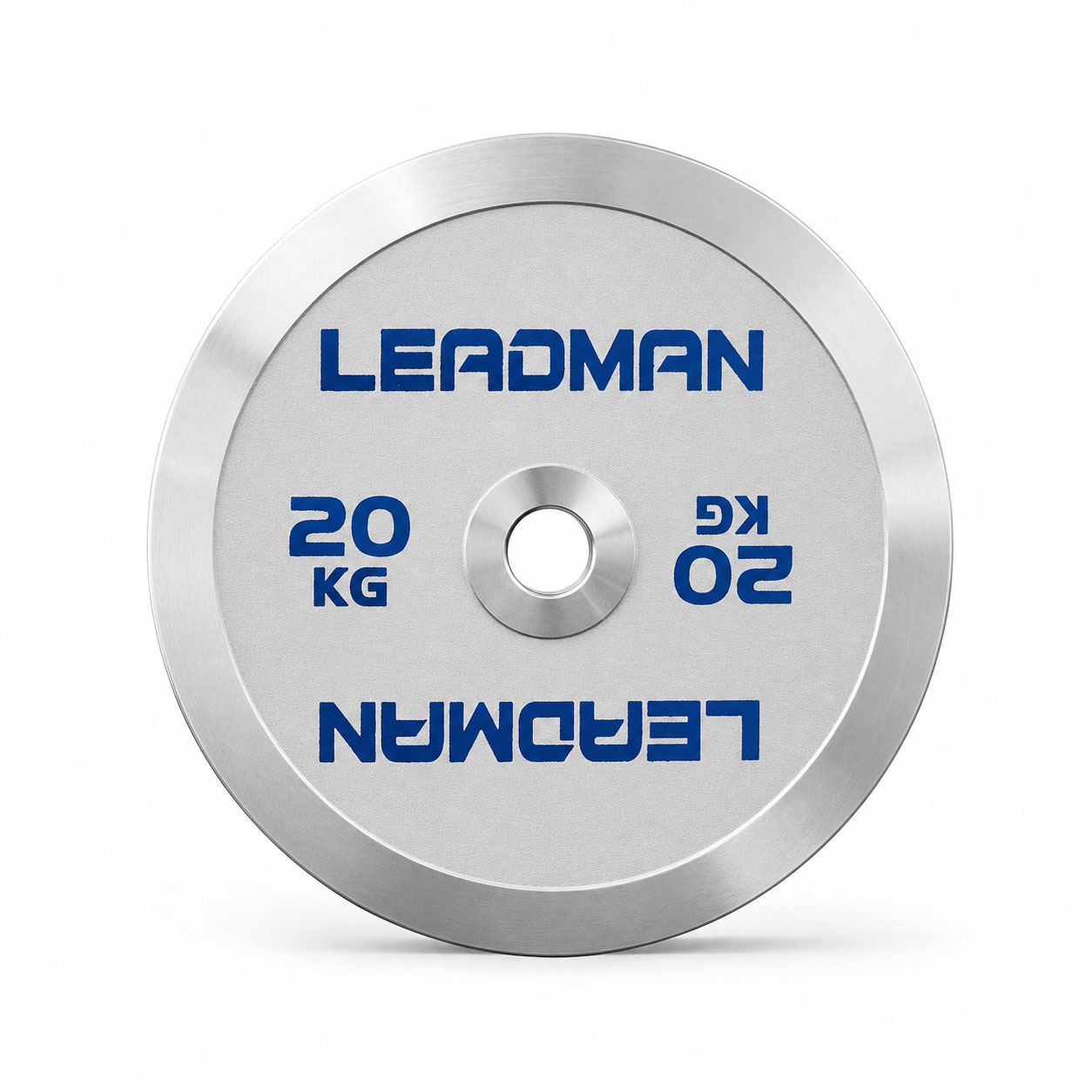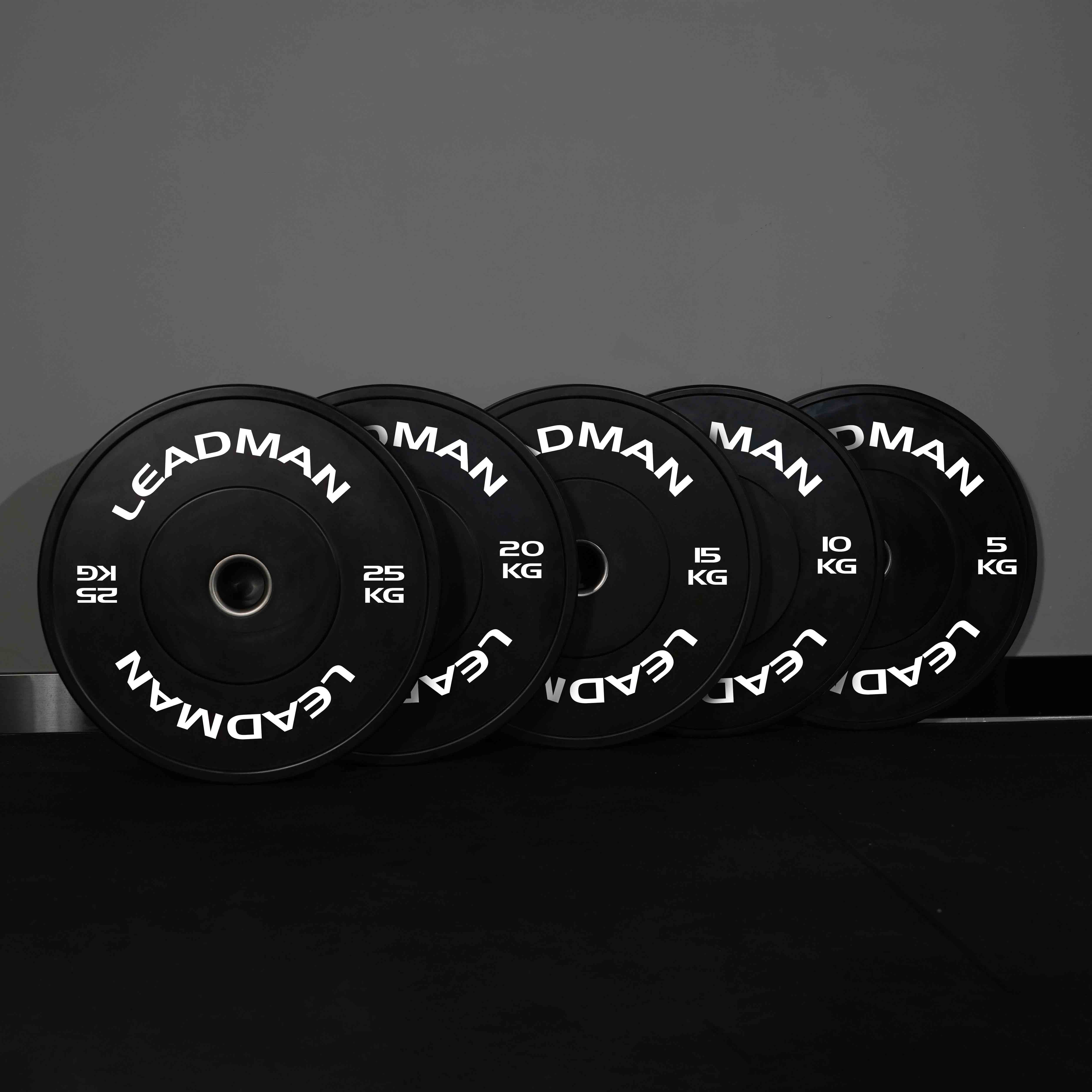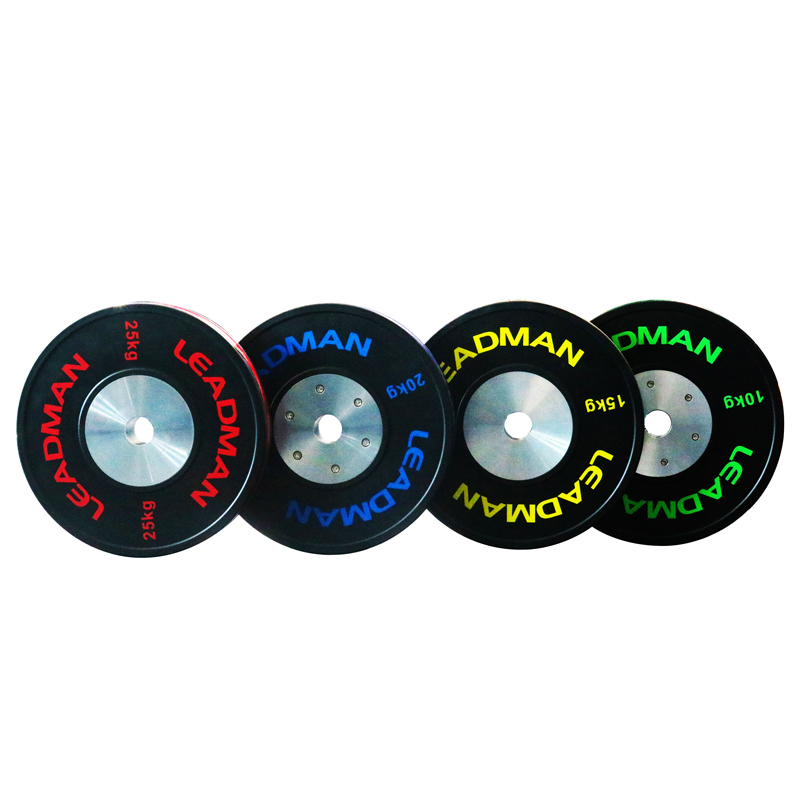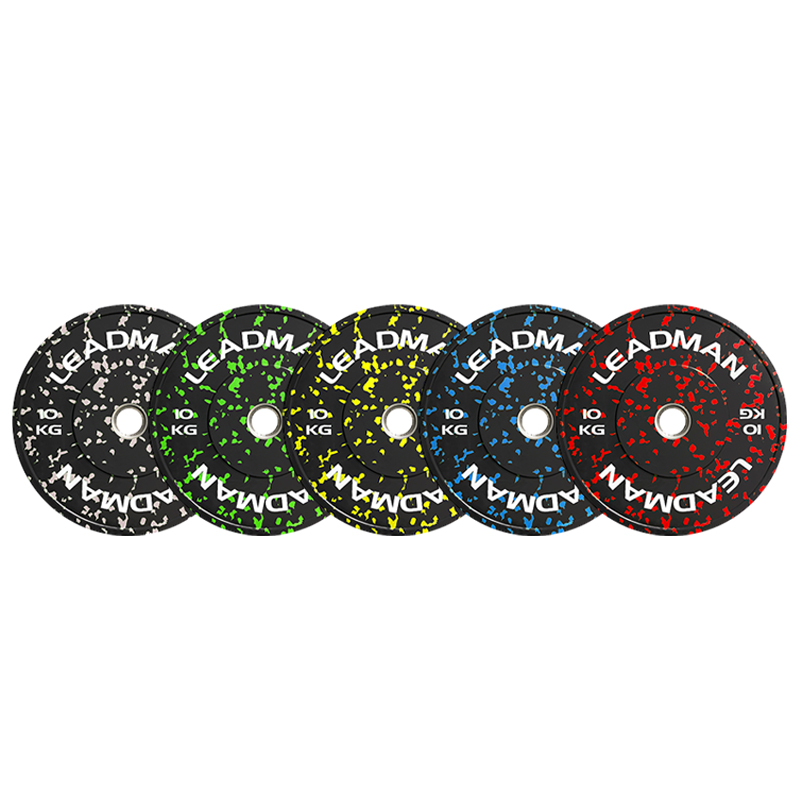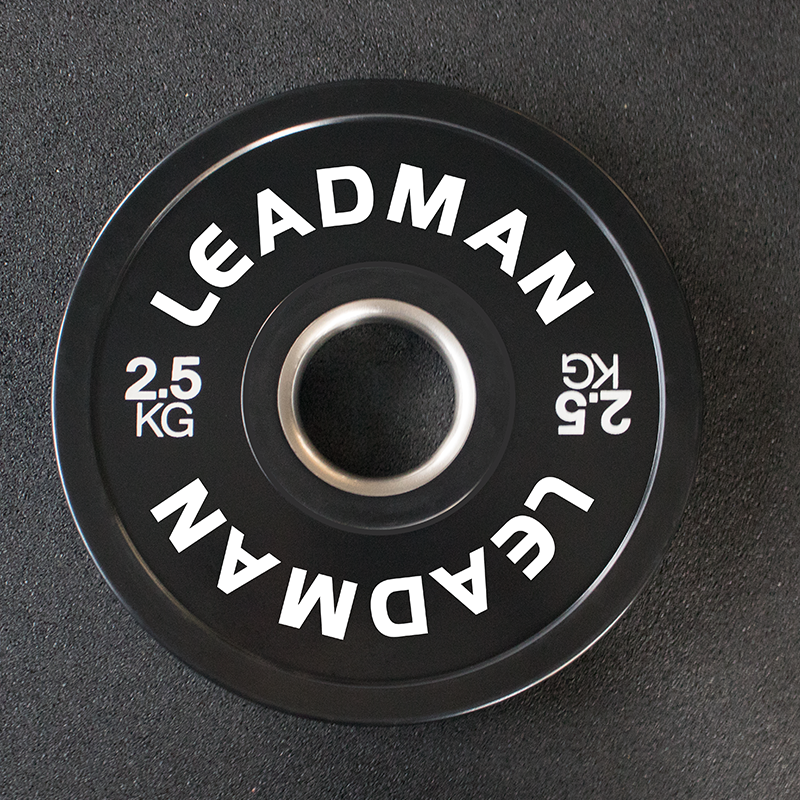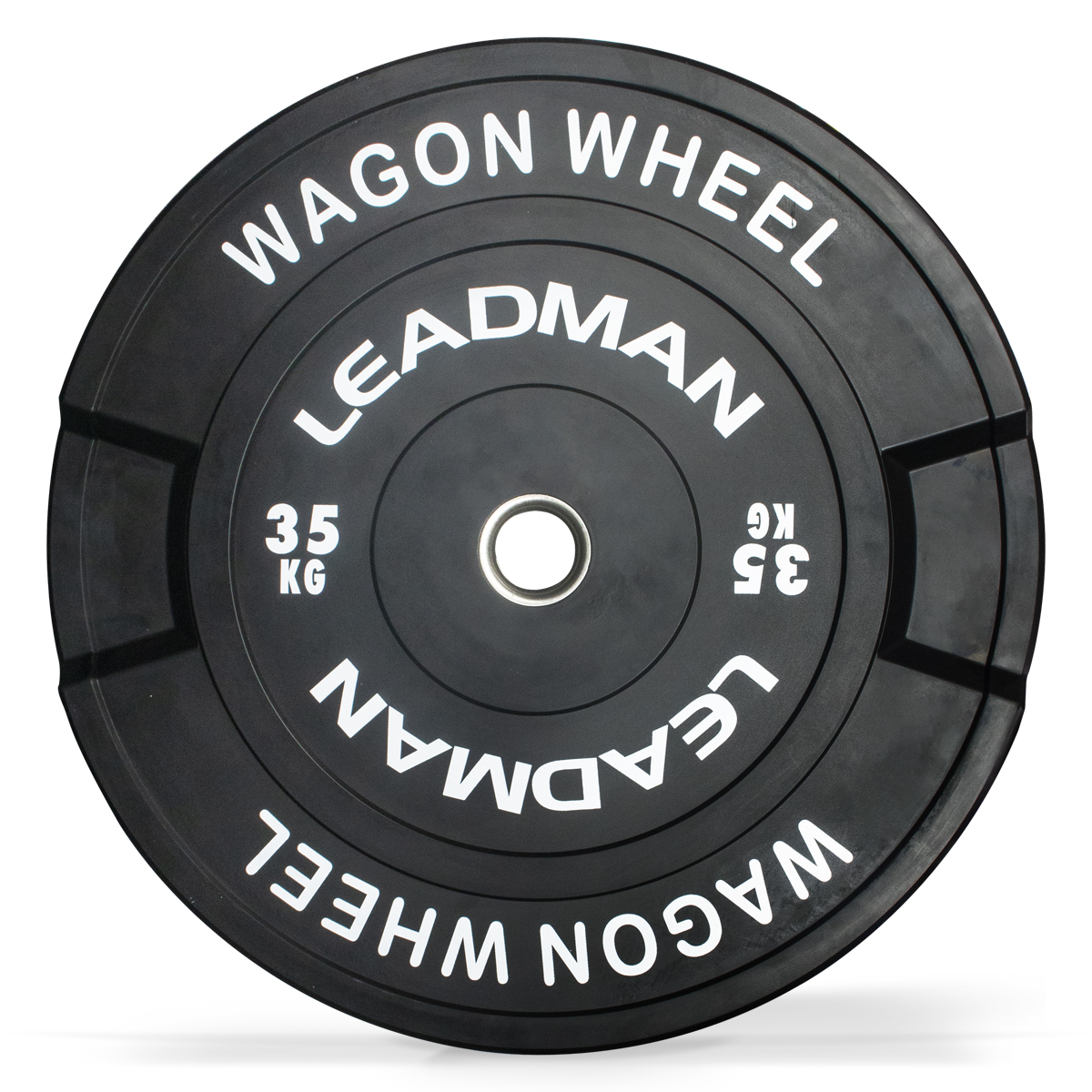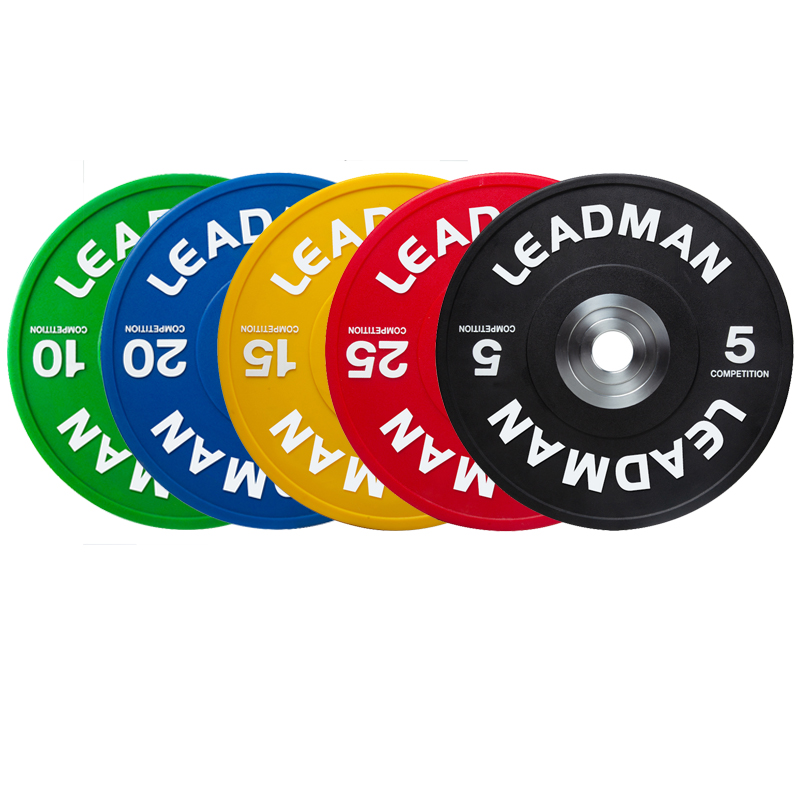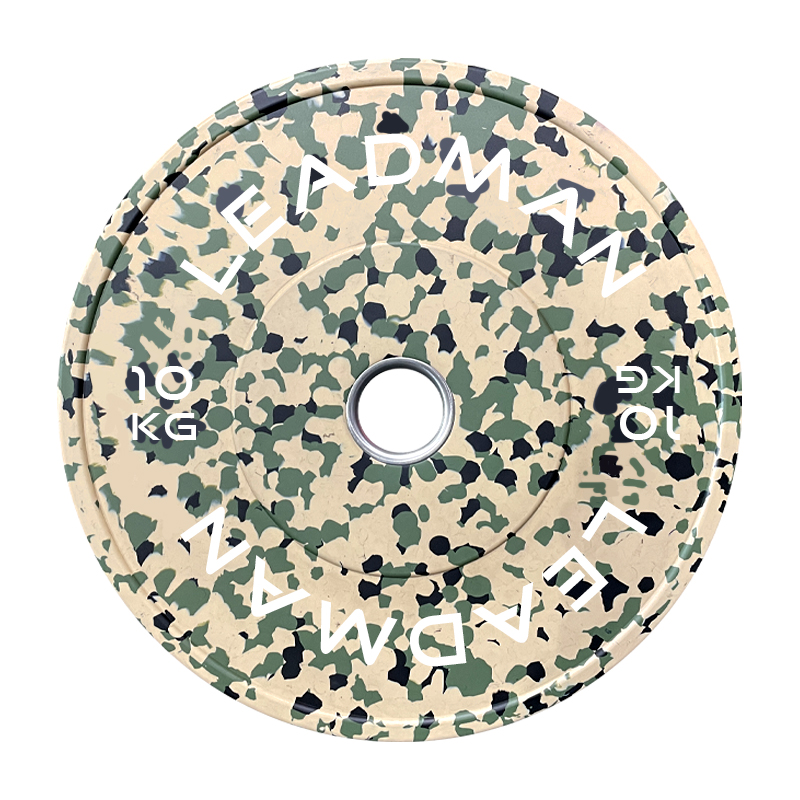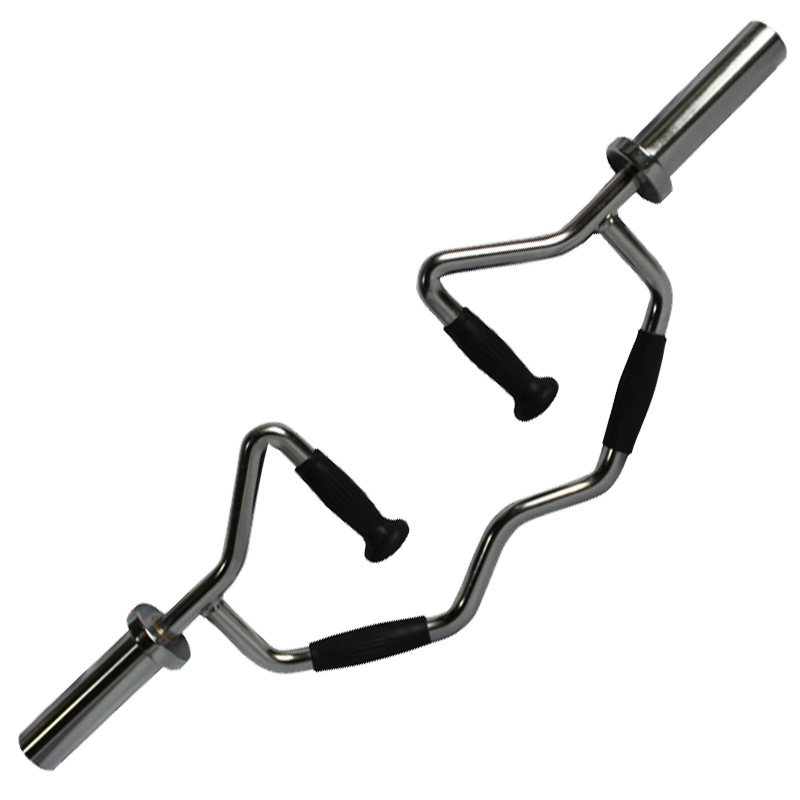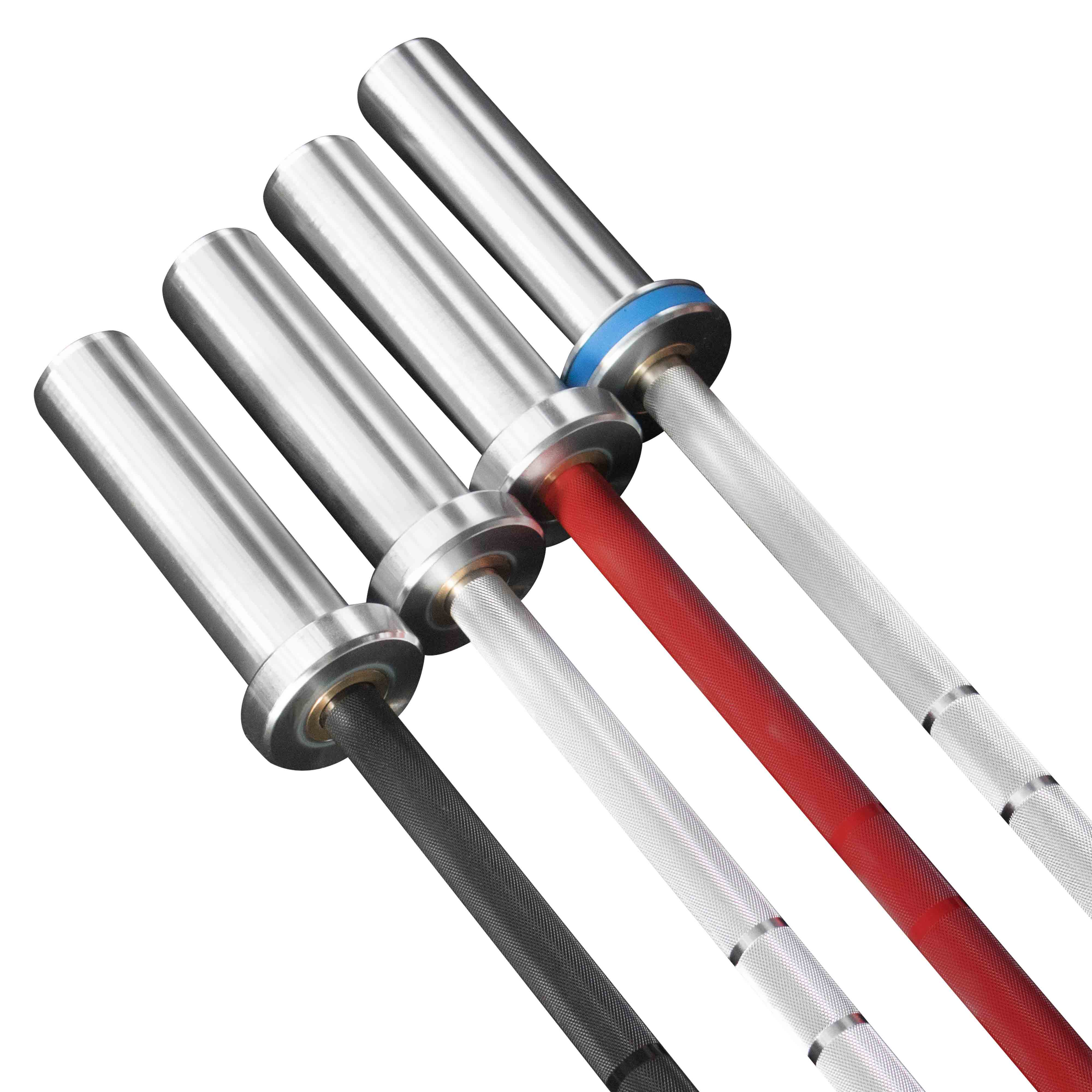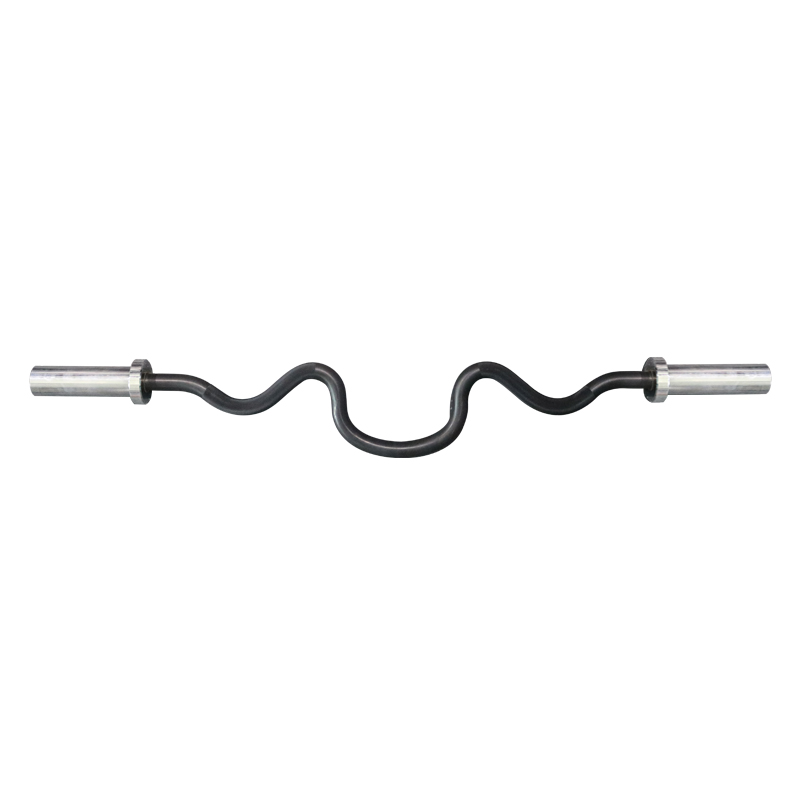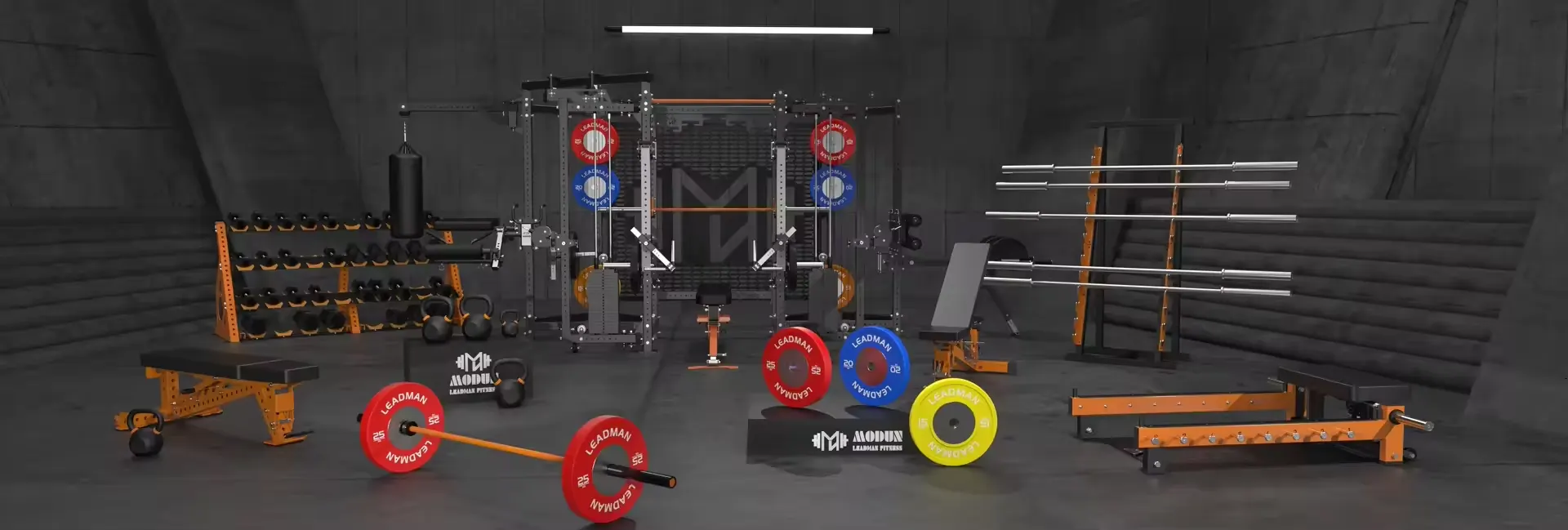
The emergence of Tribe Bumper Plates represents a deliberate market response to a specific gap in the Olympic weightlifting accessory category. Between ultra-budget, recycled rubber plates that emit persistent odors and off-gas, and premium competition discs with exacting IWF specifications, a mid-tier segment demands durability, low-bounce characteristics, and aesthetic coherence for boutique gyms and serious home lifters. Tribe positioned itself within this space by prioritizing hub insertion quality and durometer consistency over branding excess, directly addressing the failure points that plague economy bumper plates.
From a materials engineering perspective, Tribe Bumper Plates utilize virgin rubber compounds rather than regrind or recycled blends, which fundamentally alters performance metrics. Virgin rubber delivers predictable Shore A hardness (typically 85-90 durometer), resulting in bounce heights under 8% of drop height on concrete platforms—compared to 15-25% bounce on recycled plates. This lower coefficient of restitution protects both floor substrates and the plates' own insert bonding. Tribe Bumper Plates manufacturing data indicates that their three-stage insert molding process (insert cleaning, adhesive application, compression molding) achieves pull-out resistance exceeding 2,500 newtons, whereas budget competitors using single-stage drop-in inserts fail at approximately 800 newtons. For facilities programming high-volume Olympic lifts, that margin means the difference between annual plate replacement and five-year equipment cycles.
Operationally, Tribe Bumper Plates address two common gym owner complaints: weight tolerance drift and insert spin. Premium plates maintain ±1% of stated weight; Tribe targets ±1.5%, which remains within functional spec for 95% of training applications. The insert (stainless steel or zinc-plated depending on series) features knurled exterior geometry that bites into the rubber during compression, preventing the rotational spin found on smooth-insert plates. Tribe Bumper Plates owners consistently note that the plates sit flush on barbell sleeves without wobble—a direct result of post-cure center hole reaming to 50.4mm rather than the 50.0-51.0mm variance common in lower-cost alternatives. Gym audits show that plates with inconsistent center holes accelerate barbell sleeve wear by 40% due to micro-impact during eccentric loading.
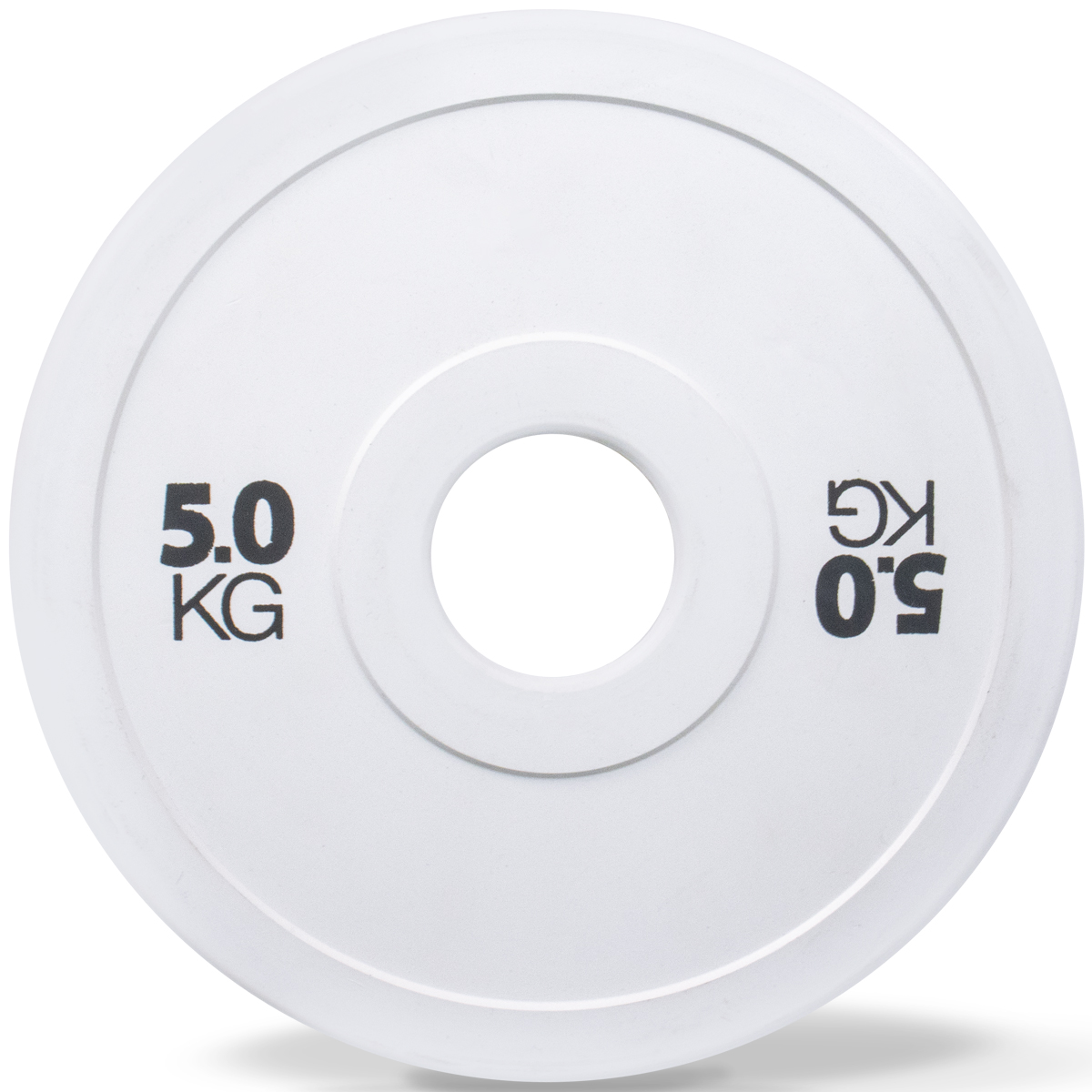
For purchasing decisions, evaluate Tribe Bumper Plates against three criteria: your facility's floor material (virgin rubber requires less forgiving surfaces than recycled), drop frequency per station (high-volume boxes need the 85-durometer formulation), and color-coding requirements (Tribe offers painted recessed lettering rather than full color-through, which requires touch-up every 18-24 months under heavy use). The plates are not IWF-certified, making them unsuitable for competition venues, but for commercial fitness, CrossFit affiliates, and premium home gyms, they occupy the value sweet spot: approximately 60-70% of competition plate cost with 85-90% of the performance characteristics. Emerging trends in the category include micro-weight increments (2.5lb, 5lb change plates matching the Tribe aesthetic) and hub-less fractional options, though availability varies by production run.

Let our experts design the perfect gym solution for your business. Get a free consultation and quote today.