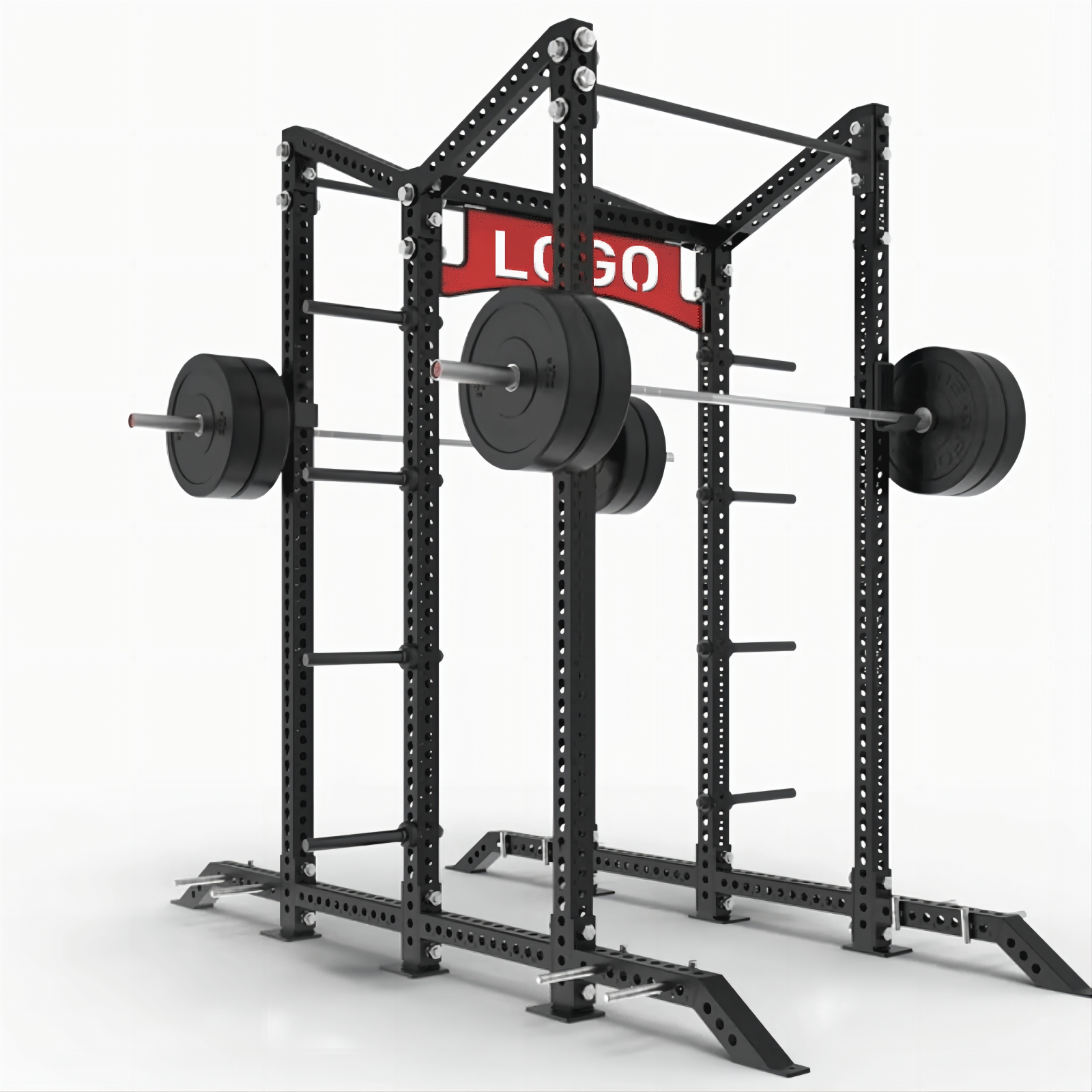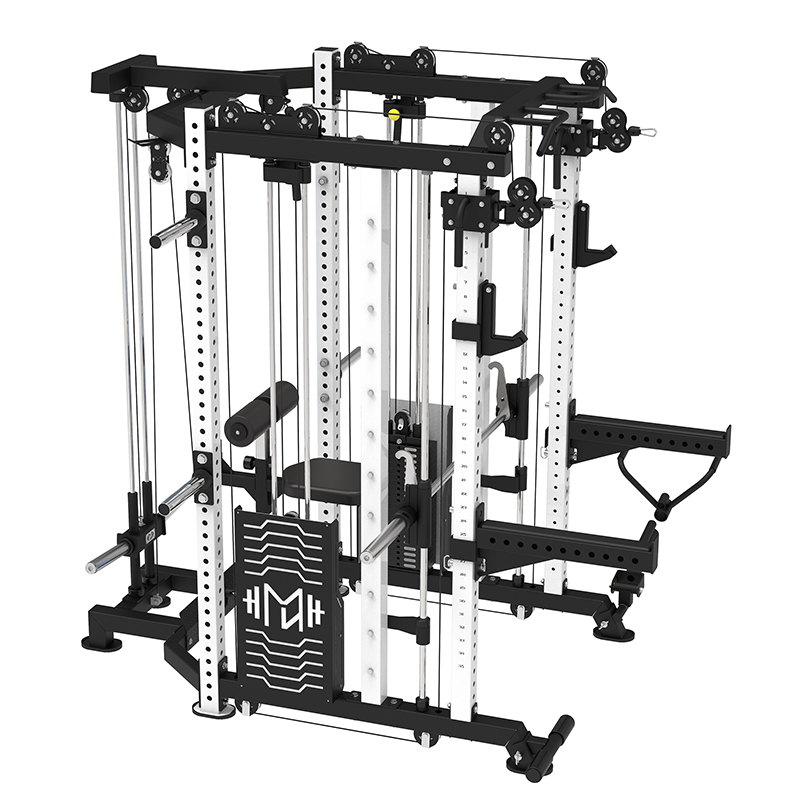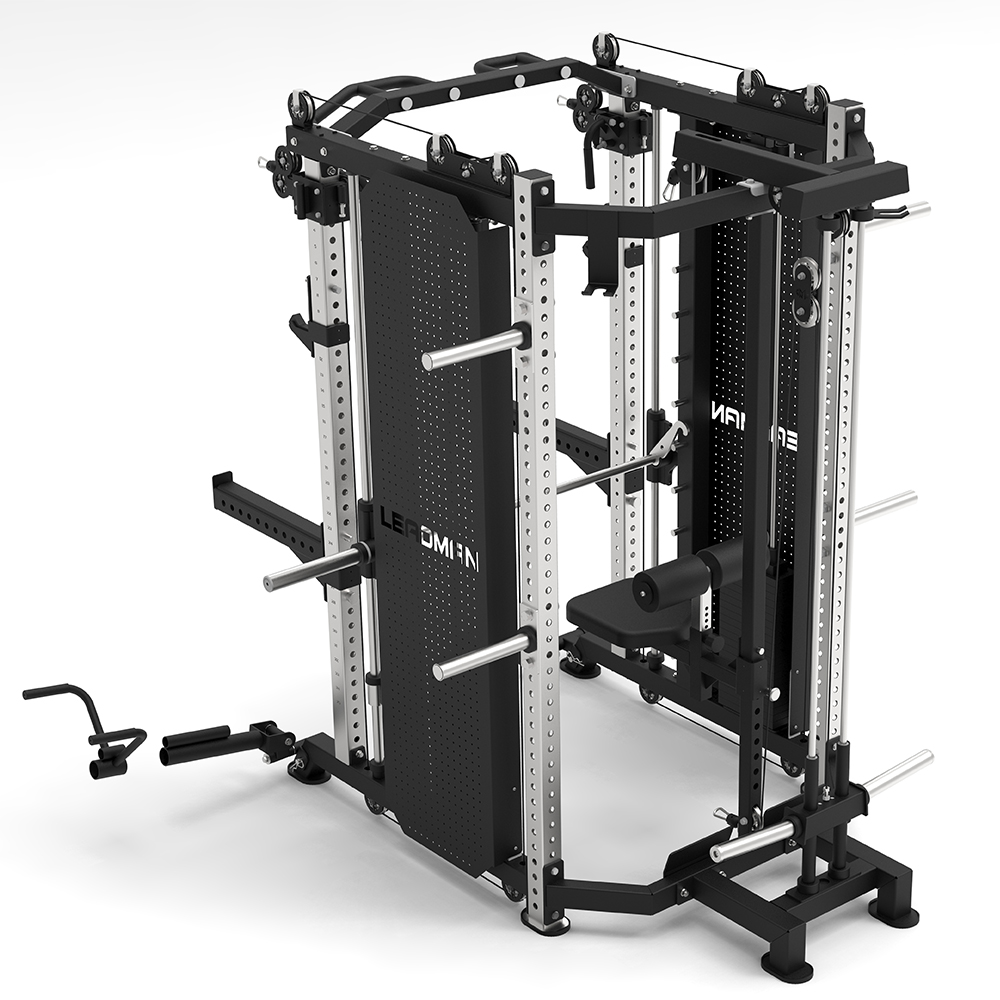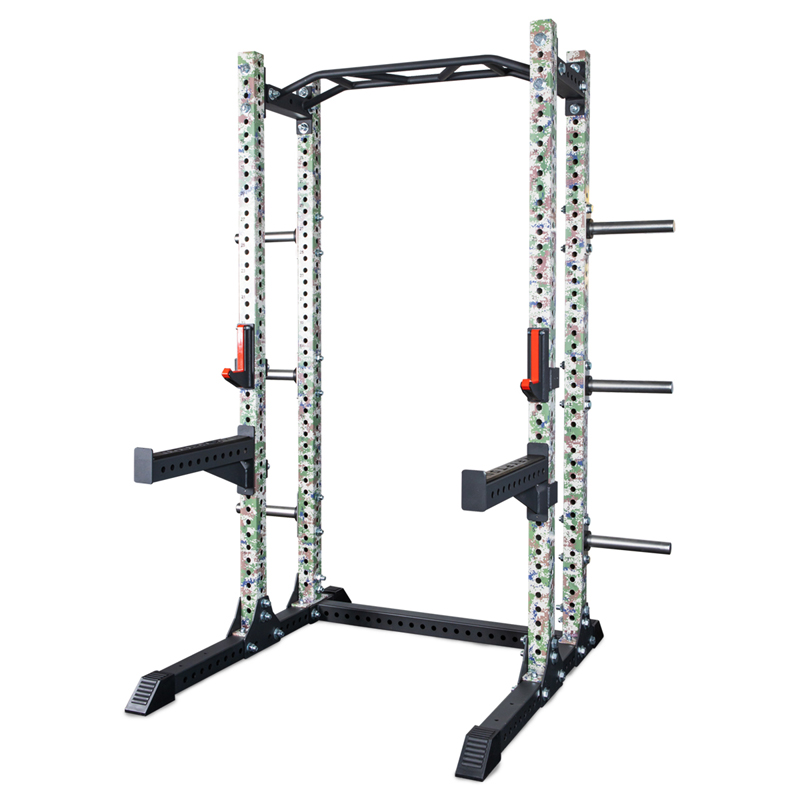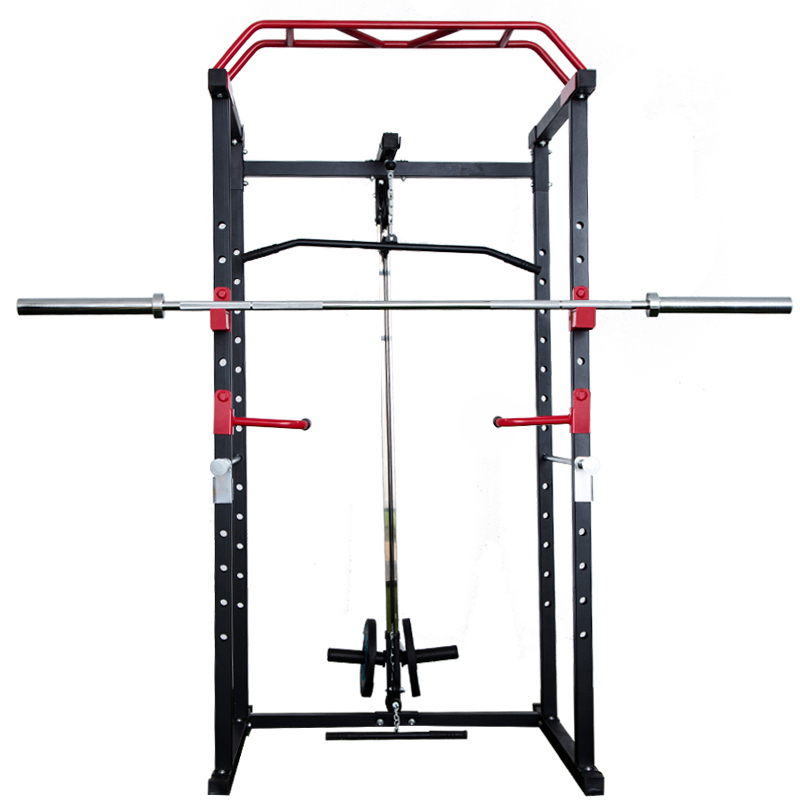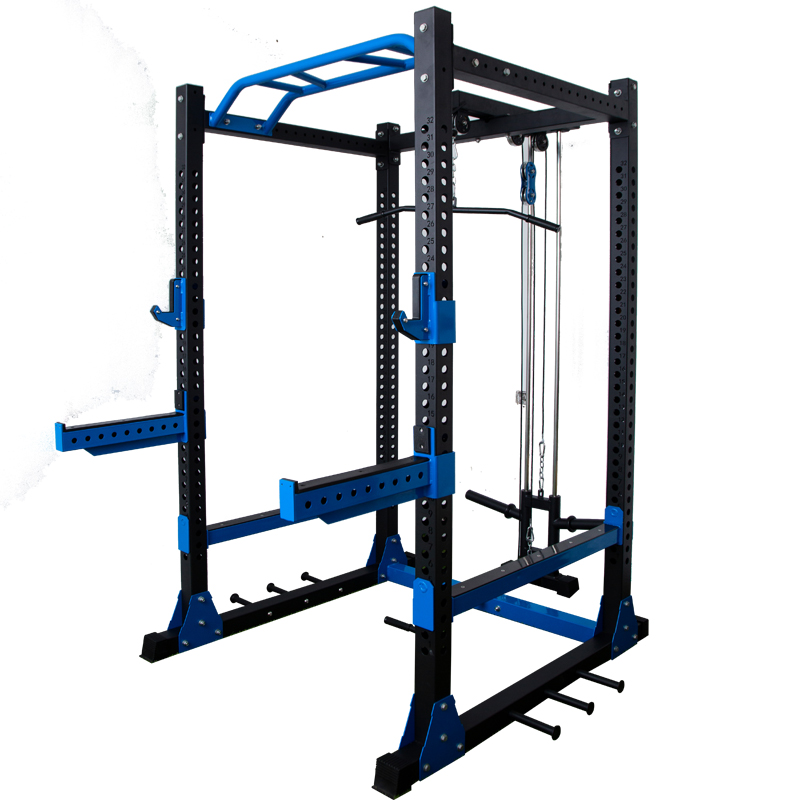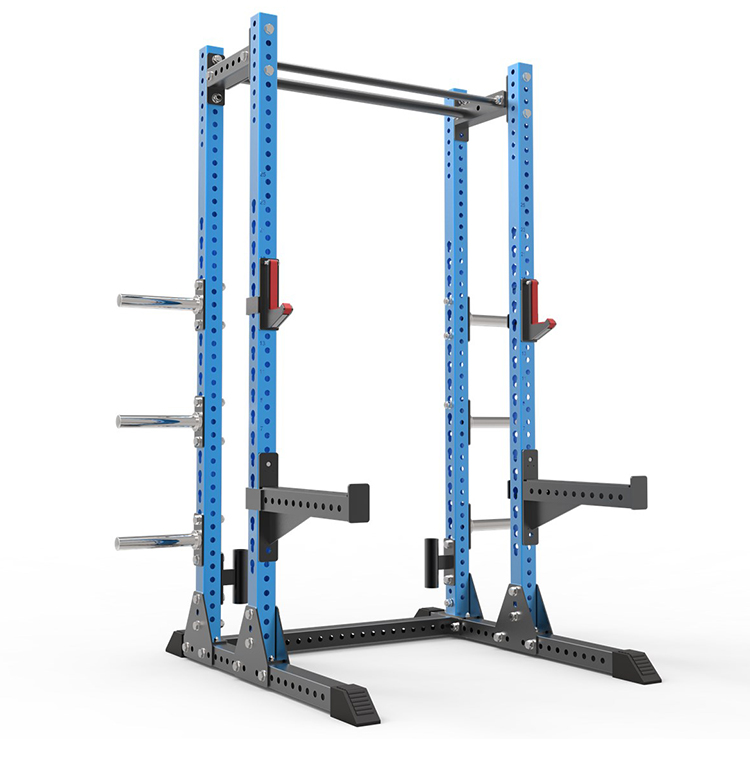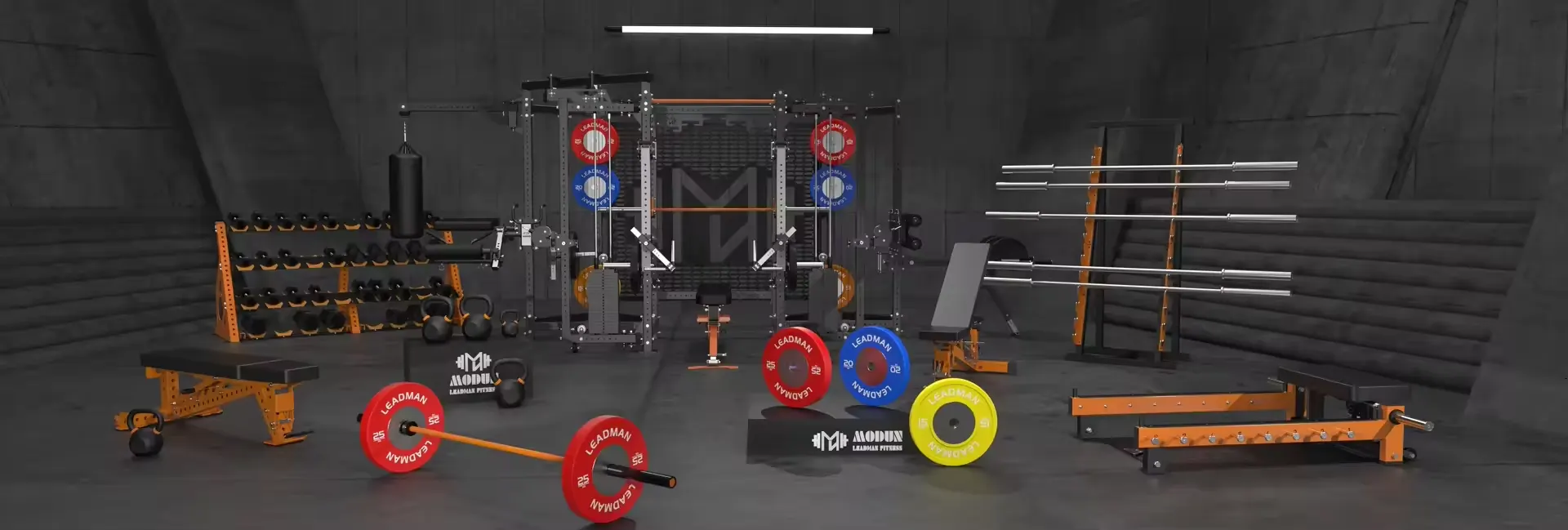
In the architecture of a high-performance commercial gym, the squat rack serves as the undisputed centerpiece of the strength training floor. Unlike residential options, a commercial squat rack is engineered to meet the uncompromising demands of a high-traffic environment, where durability, safety, and user adaptability are non-negotiable. These racks are constructed from heavy-gauge steel, often with a higher wall thickness than consumer models, to withstand the repeated loading and unloading of heavy barbells and the rigors of frequent use, ensuring a stable platform for athletes of all levels.
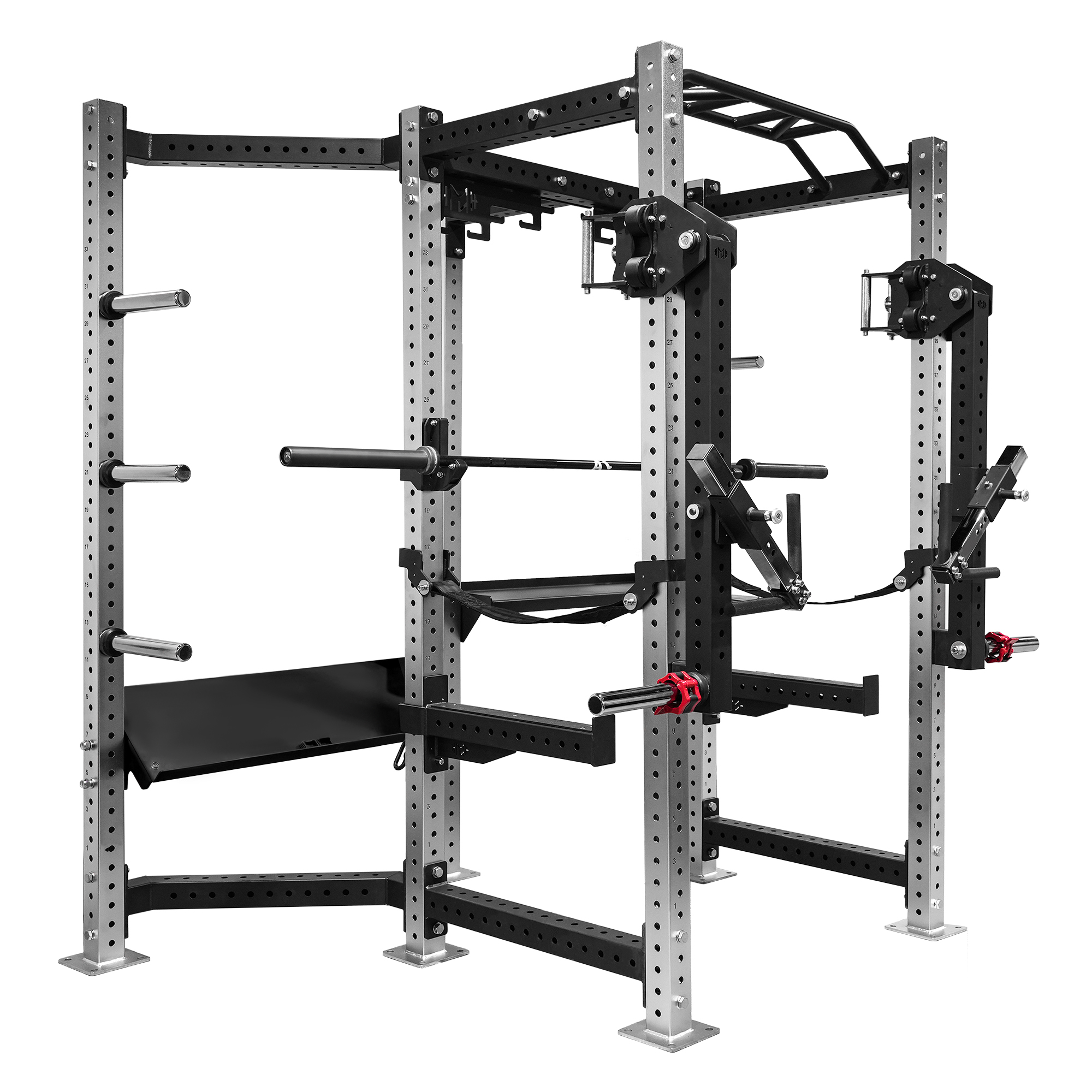
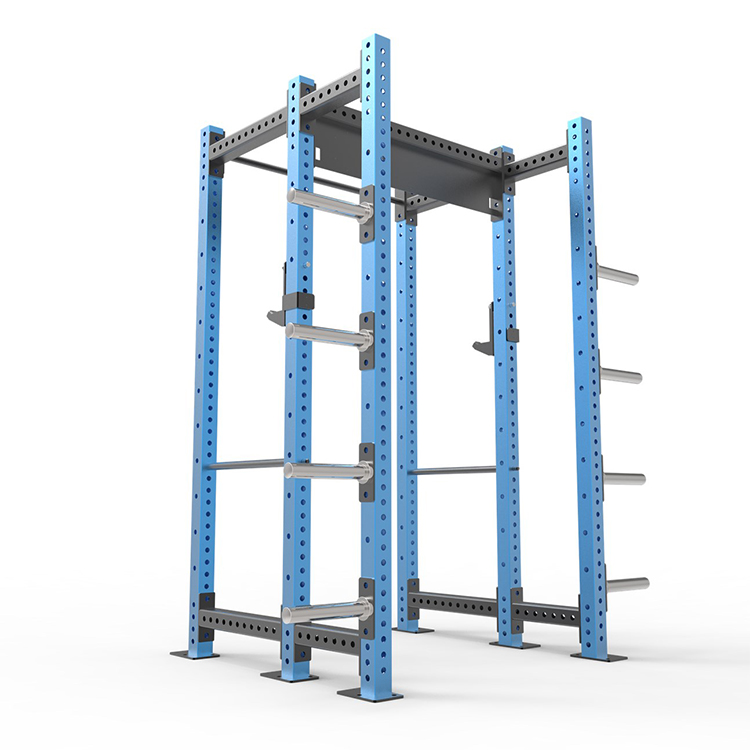
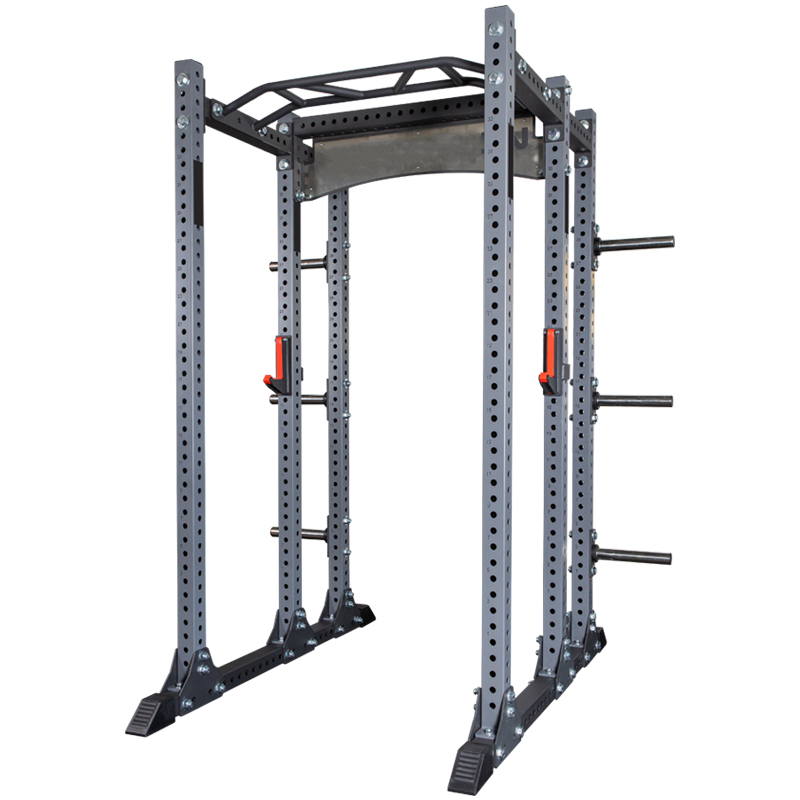
The structural integrity of a commercial squat rack is defined by its robust construction. Premium models feature a substantial base footprint and are designed to be bolted directly to the floor, offering unparalleled stability. This is crucial not only for safety during heavy squats but also to prevent the rack from shifting during dynamic exercises such as pull-ups or muscle-ups, which are common in a commercial setting. The uprights, which hold the J-hooks and safety spotters, are typically made from high-tensile steel with a durable powder coat finish, ensuring resistance to scratches and corrosion over years of constant use.
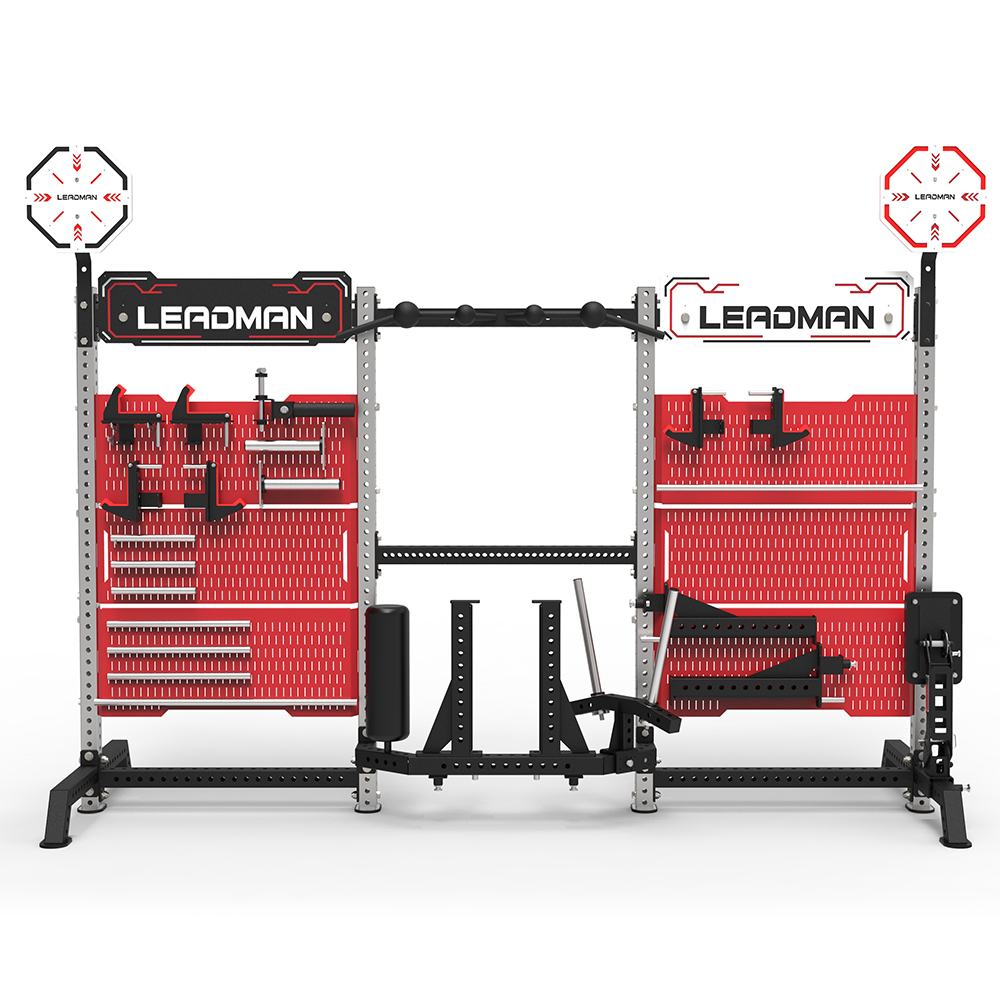
Customization and adjustability are paramount in a commercial environment, as a single rack must accommodate a wide range of users and exercises. Commercial squat racks often feature a high density of adjustment holes along the uprights, allowing for fine-tuning of the J-hook and safety arm height. This is essential for ensuring that each user can achieve the correct starting position for the squat, as well as providing adequate fall protection. Some high-end models also offer modular designs, allowing for the addition of extension kits, storage attachments, and other accessories to expand the rack's capabilities and footprint.
Safety is the ultimate priority in a commercial squat rack, and this is reflected in the design of the safety catch systems. Commercial racks are often equipped with heavy-duty safety pins or strap systems that can be adjusted to catch the barbell during a failed rep. The strength and reliability of these safety mechanisms are critical in a commercial setting, where the users may be pushing their limits. The rack's design also includes features such as thick, rubberized feet to protect the floor and reduce noise, as well as counterweighted storage horns to prevent tipping when plates are loaded.
For gym operators, investing in a commercial squat rack is a strategic decision that directly impacts member retention and facility reputation. A high-quality rack attracts serious lifters and enhances the gym's ability to host competitions or heavy training sessions. The rack's role in creating a safe, professional training environment is undeniable, making it a foundational investment for any facility that prioritizes strength training and functional fitness.

Let our experts design the perfect gym solution for your business. Get a free consultation and quote today.