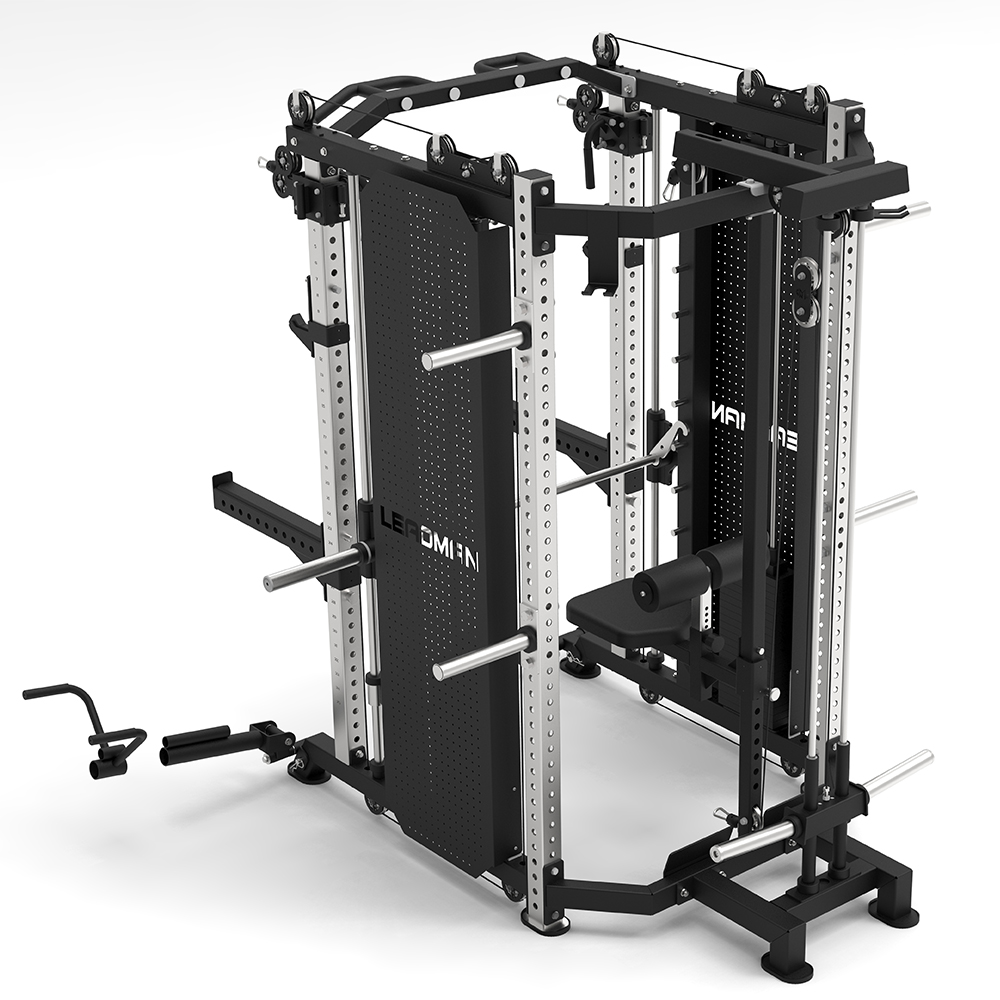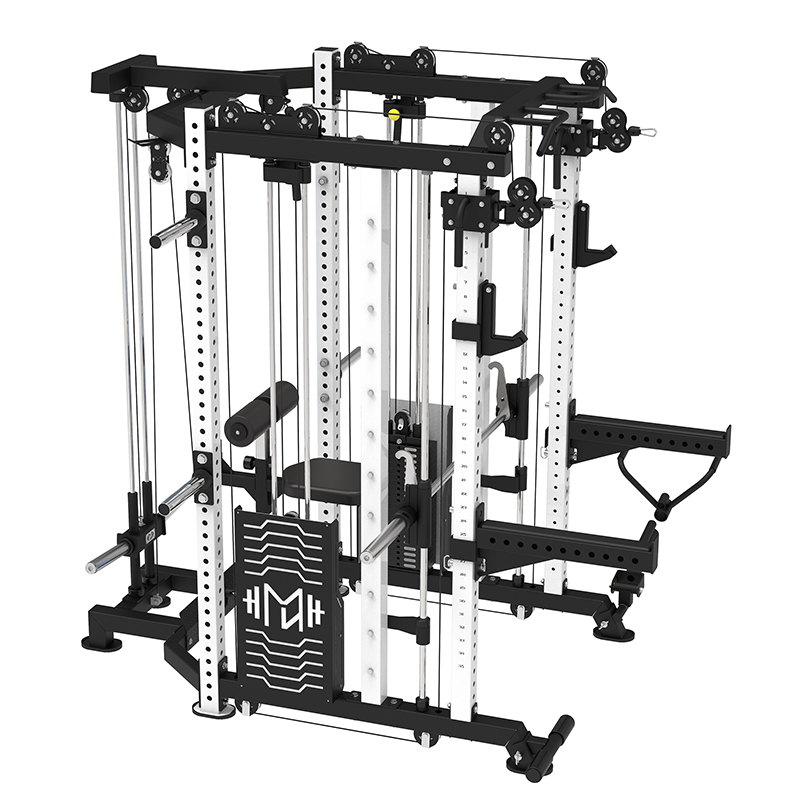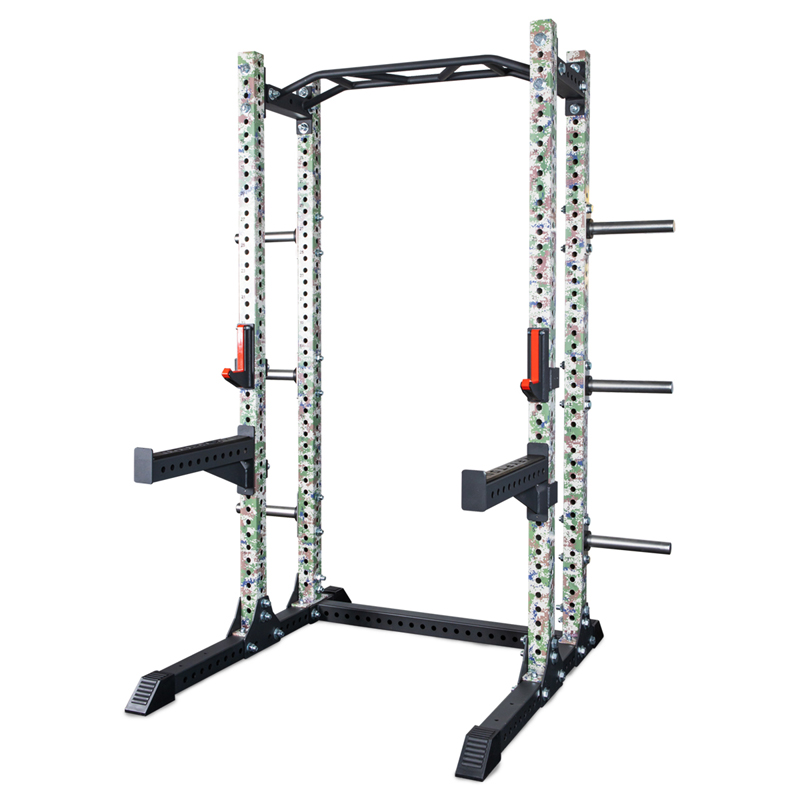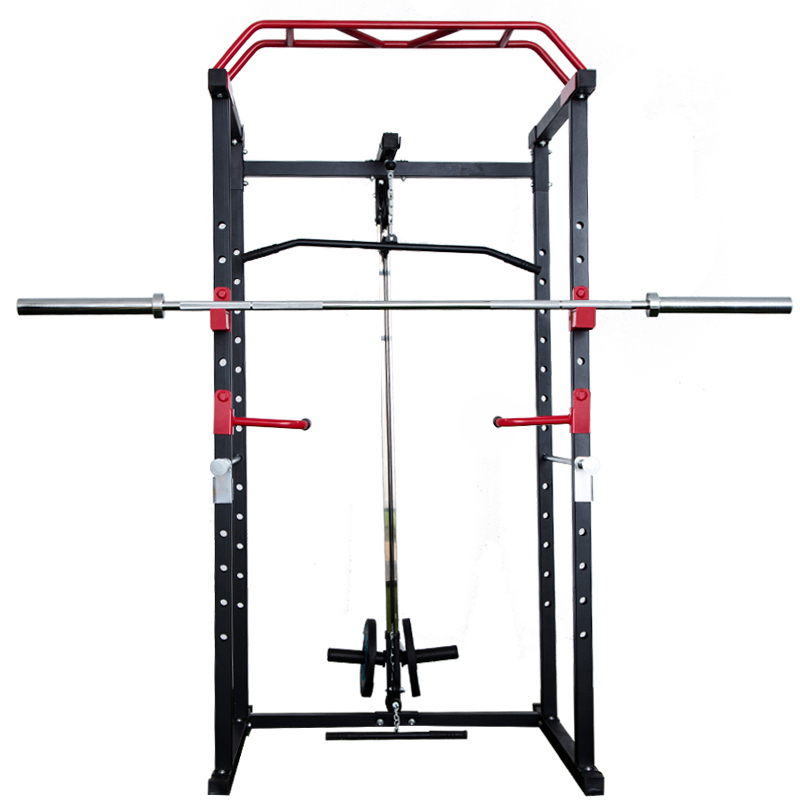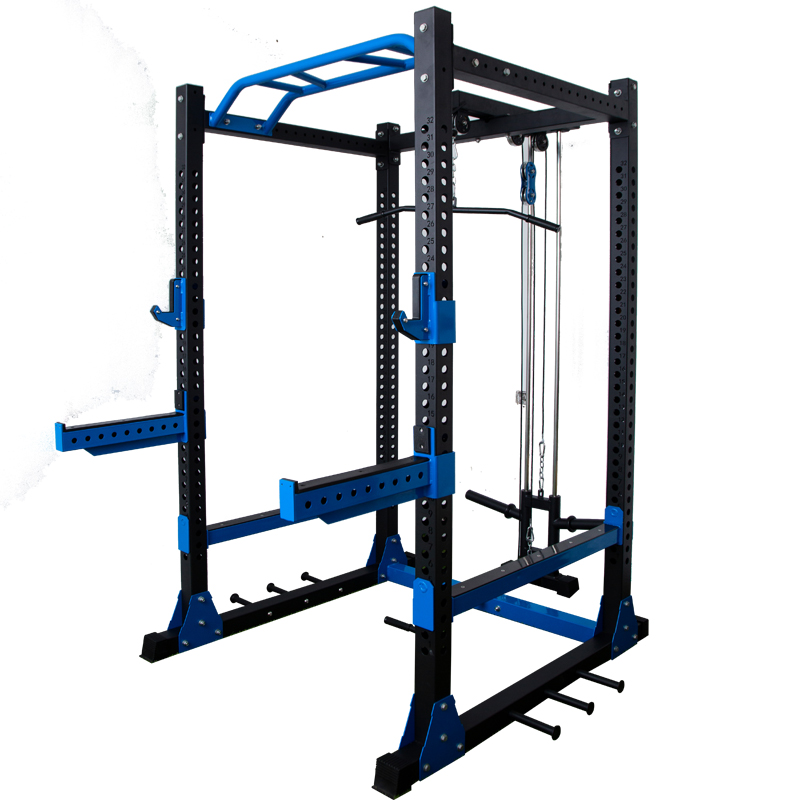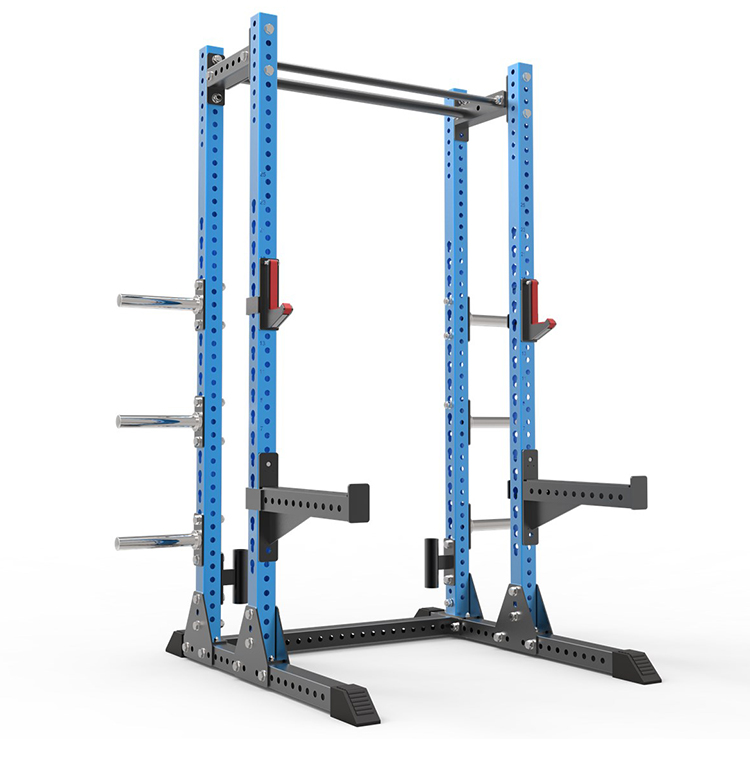
The pull up rack, often considered a minimalist piece of equipment, is in fact a foundational element of functional strength training that engages the entire posterior chain, core stabilisers, and grip musculature. Unlike isolated machine exercises, pull-ups require coordinated activation of the lats, rhomboids, teres major, biceps, and core, delivering comprehensive upper-body development that translates to swimming, climbing, gymnastics, and everyday lifting tasks. The beauty of the pull-up rack is its simplicity—a single bar elevated to allow full extension—yet its variations (wide-grip, narrow-grip, neutral-grip, weighted, or assisted) offer a training spectrum that challenges beginners and elite athletes alike, making it an indispensable component of any commercial gym's free-weight and functional area.
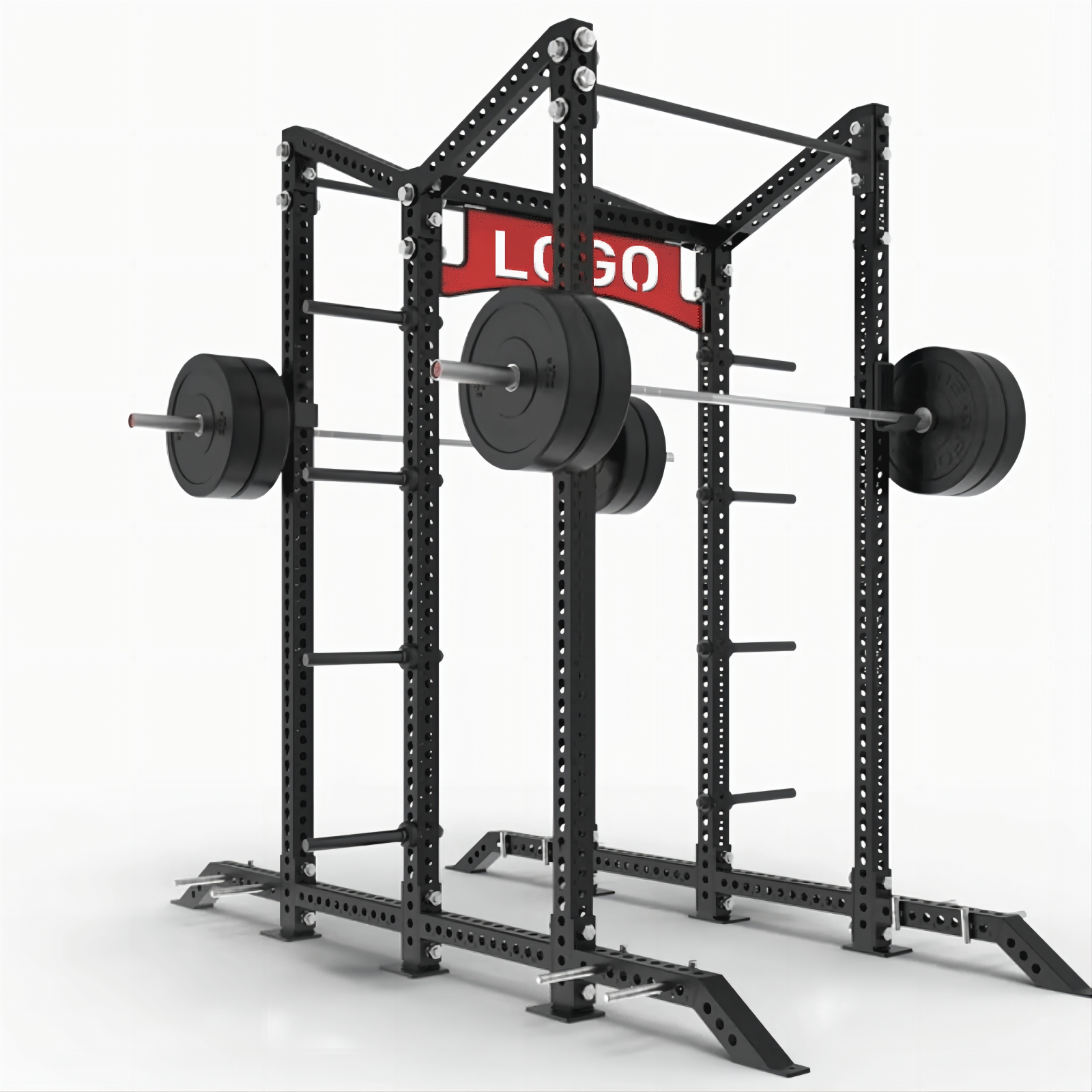
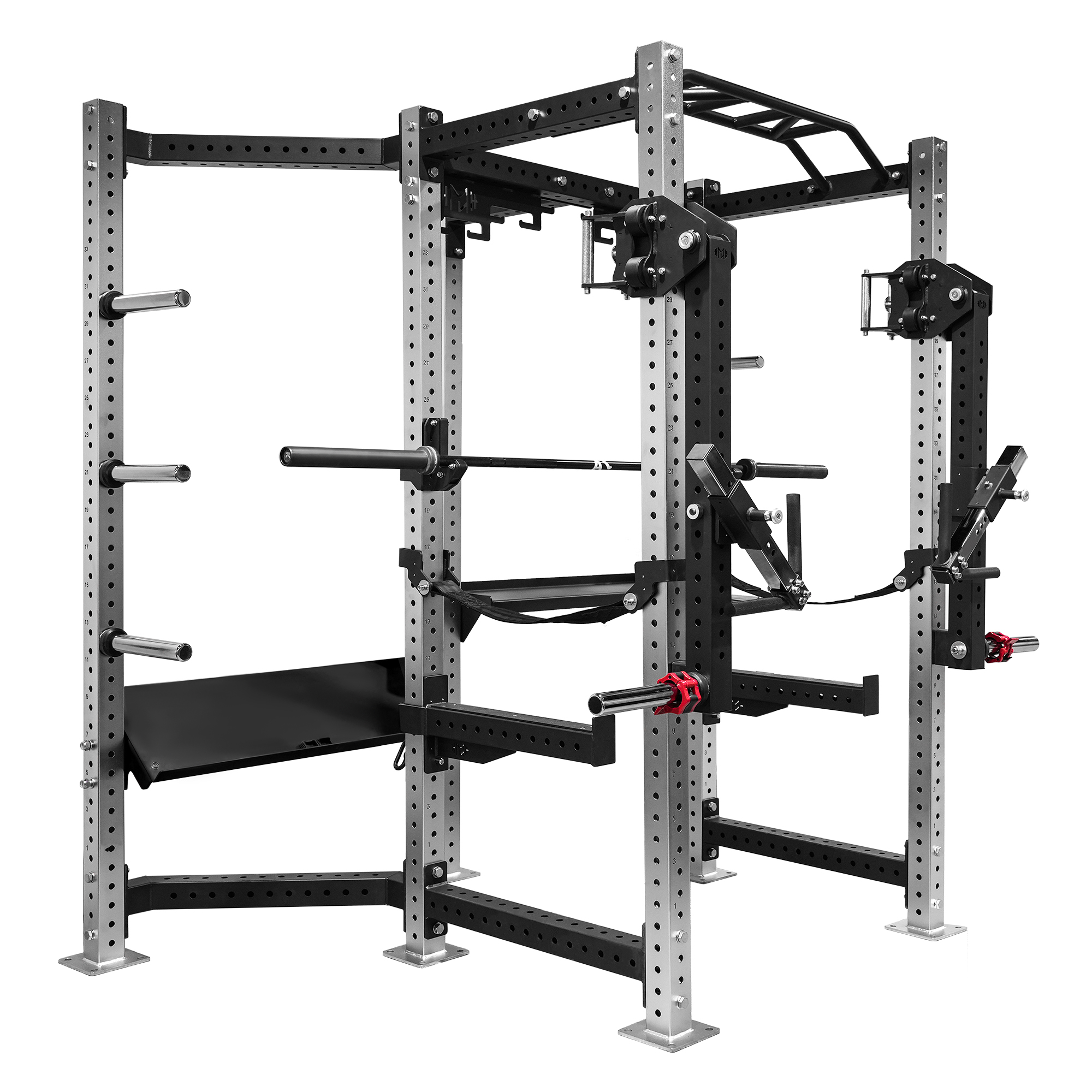
Structural specifications for commercial pull up racks must accommodate dynamic loading from explosive kipping movements, static holds, and weighted calisthenics. Premium racks use 3-inch or 4-inch square steel tubing with 11-gauge (3mm) wall thickness, providing rigidity and resistance to lateral deflection during aggressive pull-ups. Multi-grip pull up bars incorporate 2–5 grip positions—including wide, narrow, neutral, and angled handles—accommodating diverse hand placements for varied muscle recruitment. Floor-mounted racks require extensive base plates (minimum 2–3 square feet) and anchorage to prevent tipping under dynamic loads. Wall-mounted racks use heavy-duty bracket systems with multiple anchor points for secure attachment. Ceiling-mount designs distribute load across joists with appropriate engineering certification, ensuring safe installation in commercial settings.
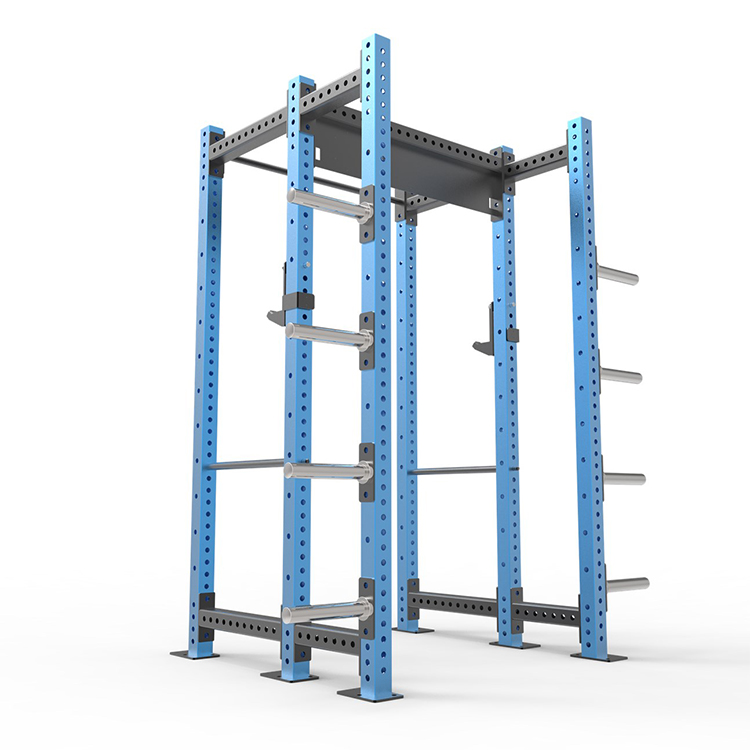
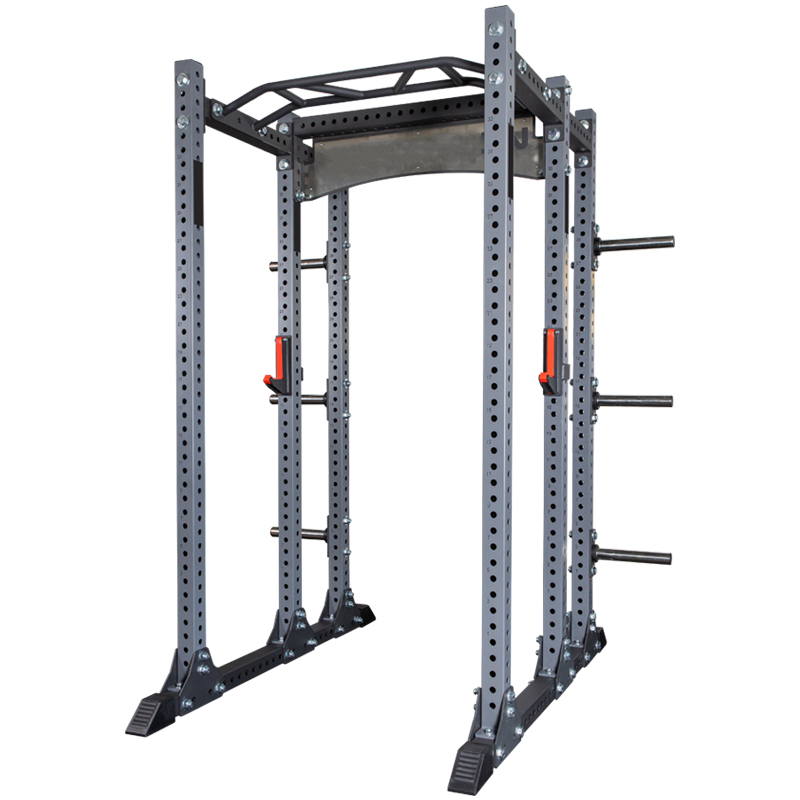
Height and clearance specifications are critical for commercial pull up racks, with standard bar heights ranging 2.4–2.8 metres above the floor to accommodate full extension for users up to 2 metres tall. Ceiling height requirements are 3.0–3.5 metres to avoid head contact during full extension; proper clearance zones of 0.75–1 metre from walls and 1.5 metres between racks prevent collisions and allow safe dismount. Racks integrated into power cages or multi-station rigs provide additional stability through connected structures, often including accessory attachment points for bands, rings, or weighted belts. Outdoor or weatherproof racks use marine-grade steel with outdoor powder coating and corrosion-resistant hardware, extending service life in exposed environments.
Pull up rack capacity should align with facility usage patterns: high-traffic commercial gyms must accommodate 1.5–2 times peak usage. Installation costs typically add 15–30% to equipment cost for structural anchoring and reinforced mounting. Routine maintenance—including inspection of welds and attachment points, bolt torque checks, and grip surface cleaning—preserves rack condition. In facilities with multiple rack styles, clearly visible height guides and usage signage near the rack improve safety. Ultimately, pull up racks represent a small capital investment with exceptional ROI through member engagement and space efficiency.

Let our experts design the perfect gym solution for your business. Get a free consultation and quote today.