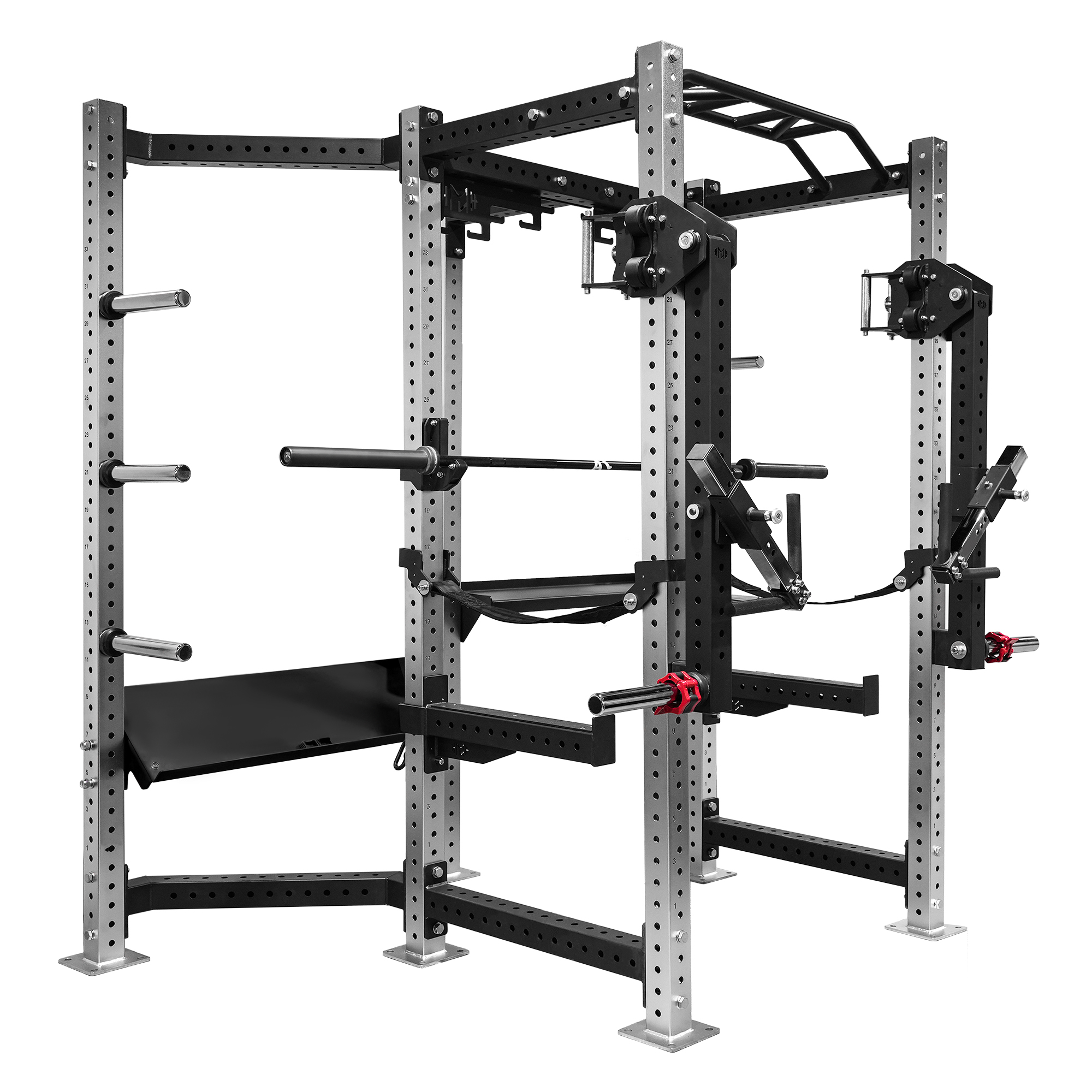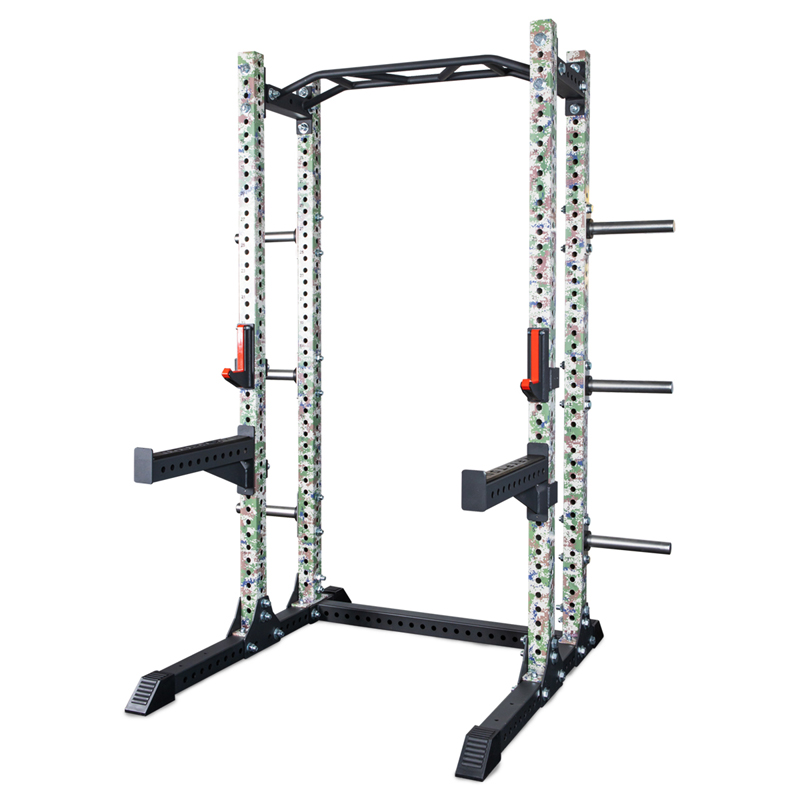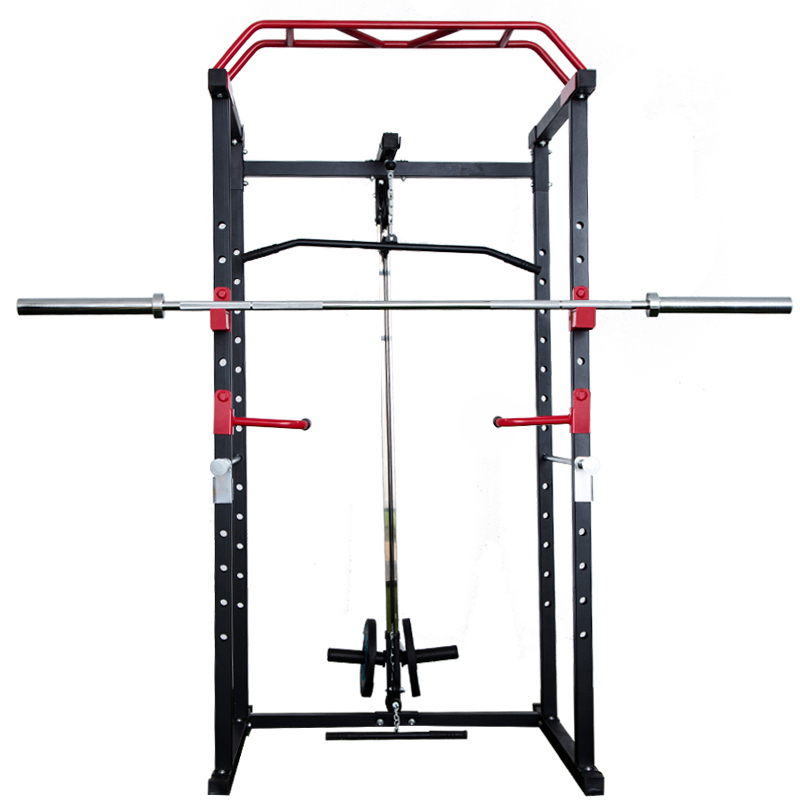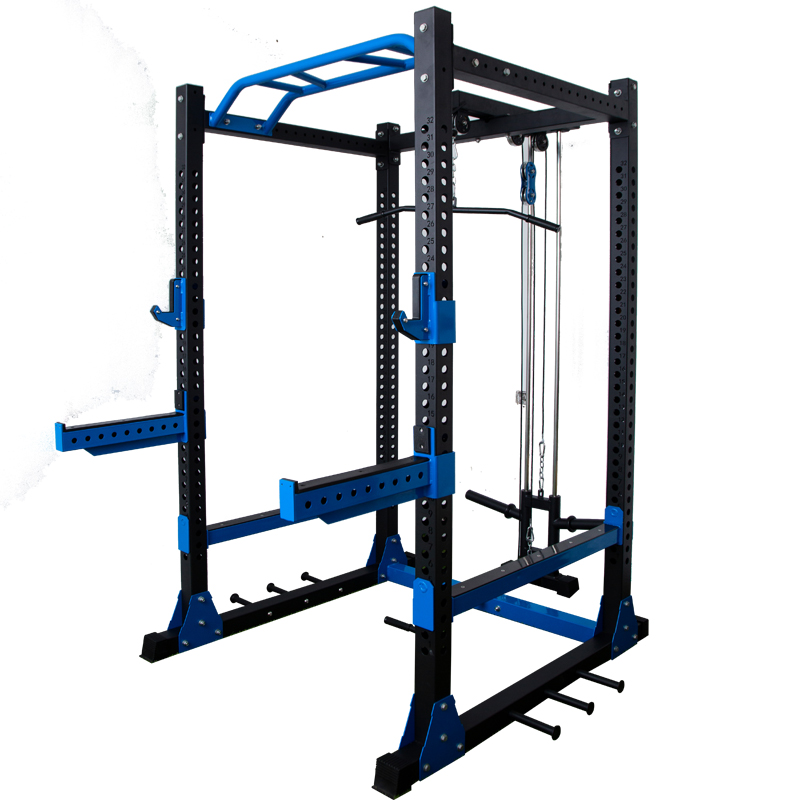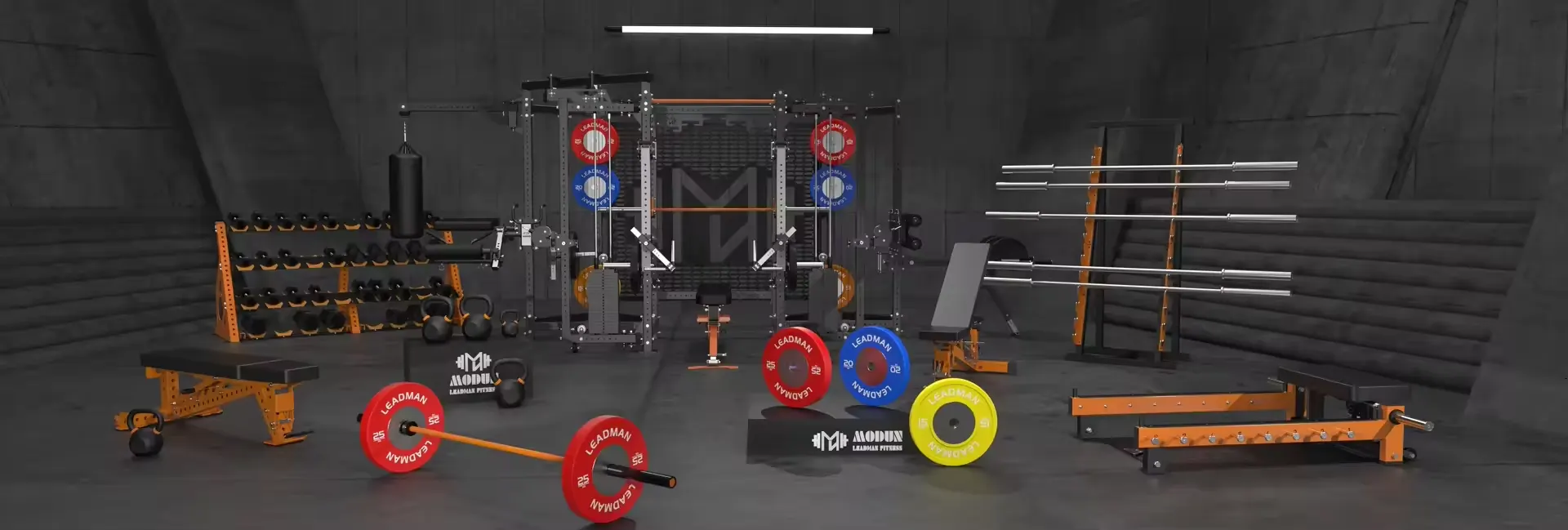
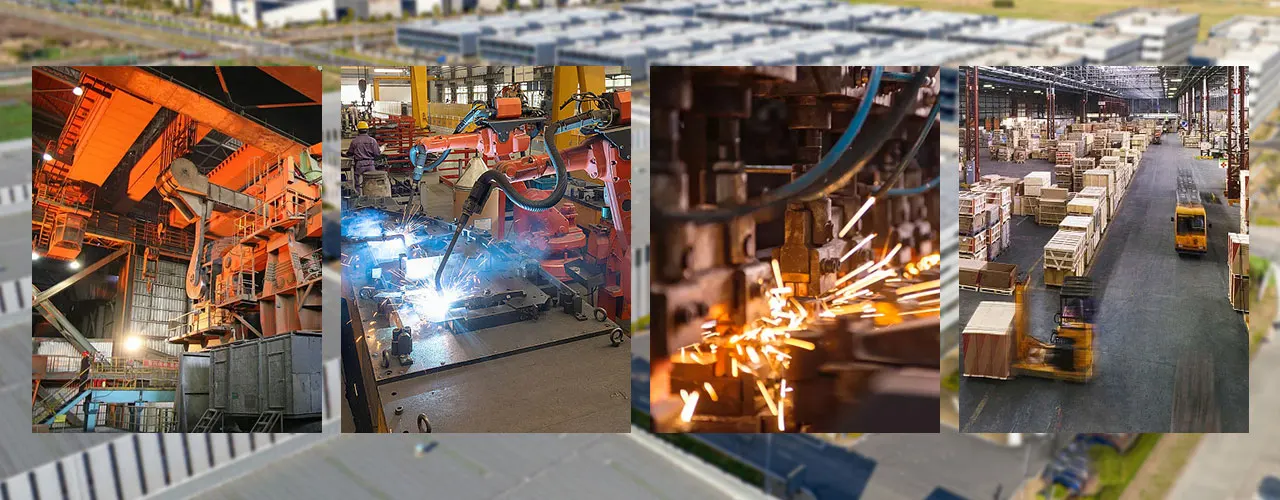
Evaluating power rack manufacturers requires moving beyond surface-level specifications to examine engineering philosophies, material sourcing, and production quality control protocols that directly impact equipment longevity and athlete safety. The best manufacturers distinguish themselves through structural innovations—reinforced gusset placement, precision laser-cut hole spacing, and proprietary upright designs that resist deflection under maximal loads. These power cage manufacturers employ advanced fabrication techniques, including robotic welding systems that ensure consistent penetration and seamless joints, eliminating weak points common in manual welding operations. The resulting squat rack manufacturers produce frames that maintain precise alignment even after years of heavy use, preserving the integrity of safety pins and J-hooks at critical engagement points.
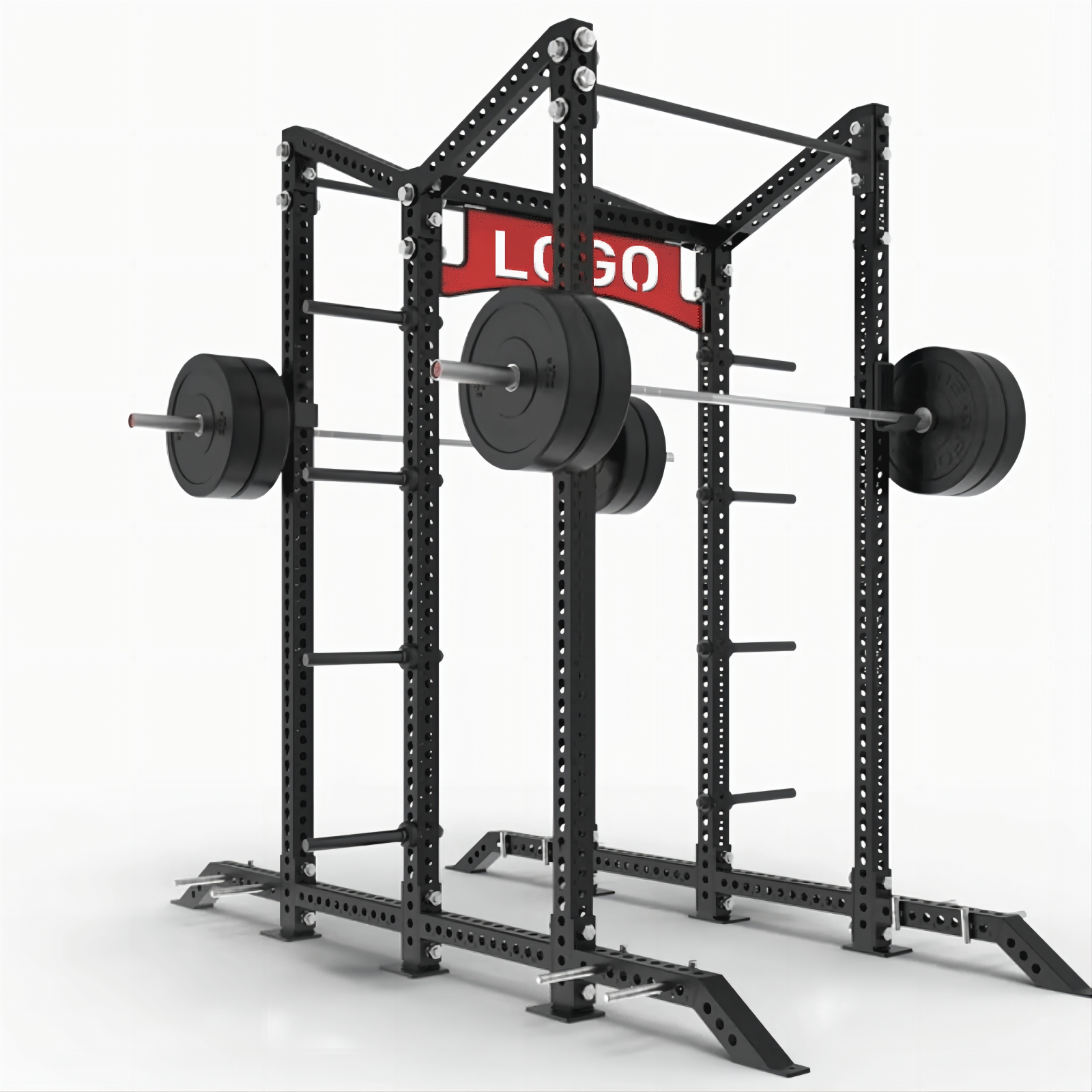
Differentiating leading power rack manufacturers involves scrutinizing their steel gauge selection, coating processes, and hardware standardization. Premium fabricators utilize 11-gauge or thicker steel for uprights, coupled with powder-coated finishes that withstand constant abrasion from loaded barbells and dropping plates. The precision of hole spacing—often 1-inch increments with 5/8-inch or 1-inch diameter holes—determines the granularity of height adjustments, affecting user convenience and training versatility. Manufacturers that maintain strict dimensional tolerances across their entire product line enable compatibility between different rack accessories, allowing facilities to expand capabilities without replacing the core frame. The adoption of 3D modeling and finite element analysis during design phases further separates elite manufacturers from lower-tier competitors, ensuring that every component contributes to overall structural integrity rather than simply meeting visual expectations.
Beyond fabrication quality, reputable power rack manufacturers demonstrate commitment to commercial viability through rigorous testing regimes and certification compliance. Frames that undergo dynamic load testing to simulate years of repeated use provide verified performance data—typically exceeding 1,000-pound static load capacities—that facility managers can trust when planning high-traffic training zones. Manufacturers who publish third-party test results and offer transparent warranty terms demonstrate confidence in their engineering, establishing trust with professional buyers. For commercial facilities, the ability to source replacement parts quickly, access technical support, and integrate with existing accessory ecosystems often proves as valuable as the initial purchase. As the strength training industry evolves, manufacturers that embrace modular design philosophies and sustainable production methods position themselves as preferred partners for forward-thinking fitness enterprises.
Let our experts design the perfect gym solution for your business. Get a free consultation and quote today.