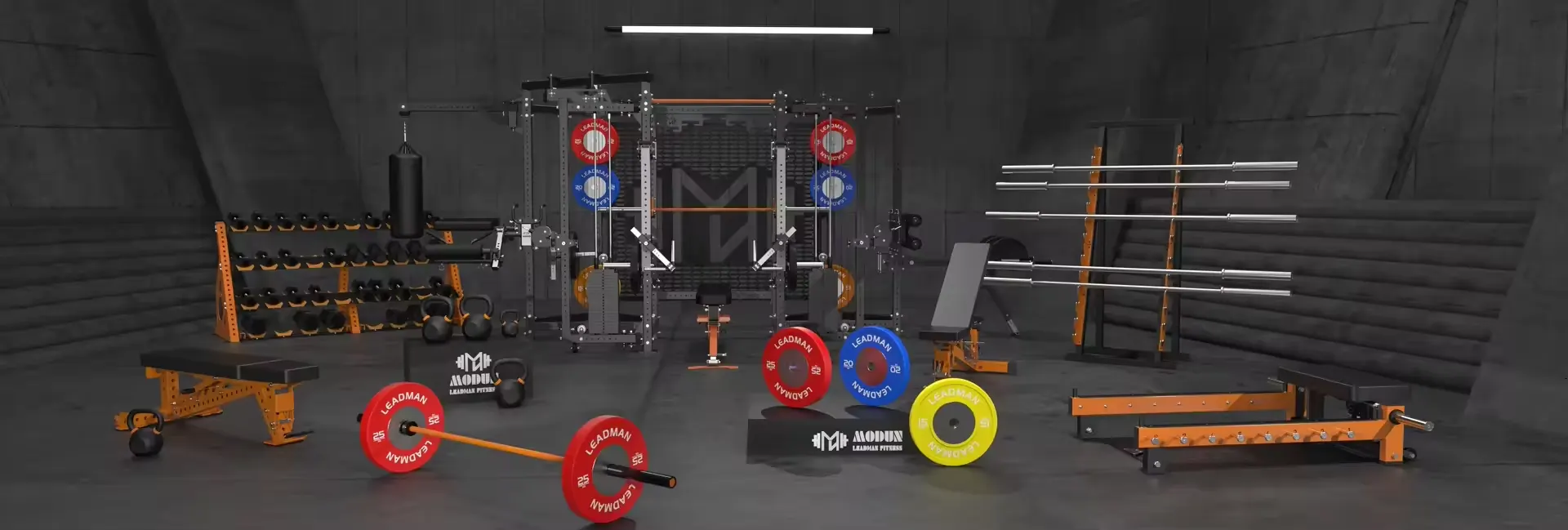
The selection of a manufacturer of gym equipment represents one of the most consequential supply chain decisions for commercial fitness facilities, hotel wellness centers, and multi-location franchise operations. Unlike retail buyers who prioritize aesthetics and brand recognition, professional procurement teams evaluate engineering depth, material traceability, quality consistency, and post-sale support infrastructure. The global manufacturing landscape divides roughly into three tiers: premium integrated manufacturers (controlling casting, machining, welding, painting, and assembly in-house), mid-tier assemblers (fabricating core components while outsourcing smaller parts), and budget importers (primarily rebranding white-label products from contract factories). Understanding these distinctions directly impacts equipment lifespan, maintenance costs, and member safety—factors that ultimately determine return on investment over a 7-15 year facility lifecycle.
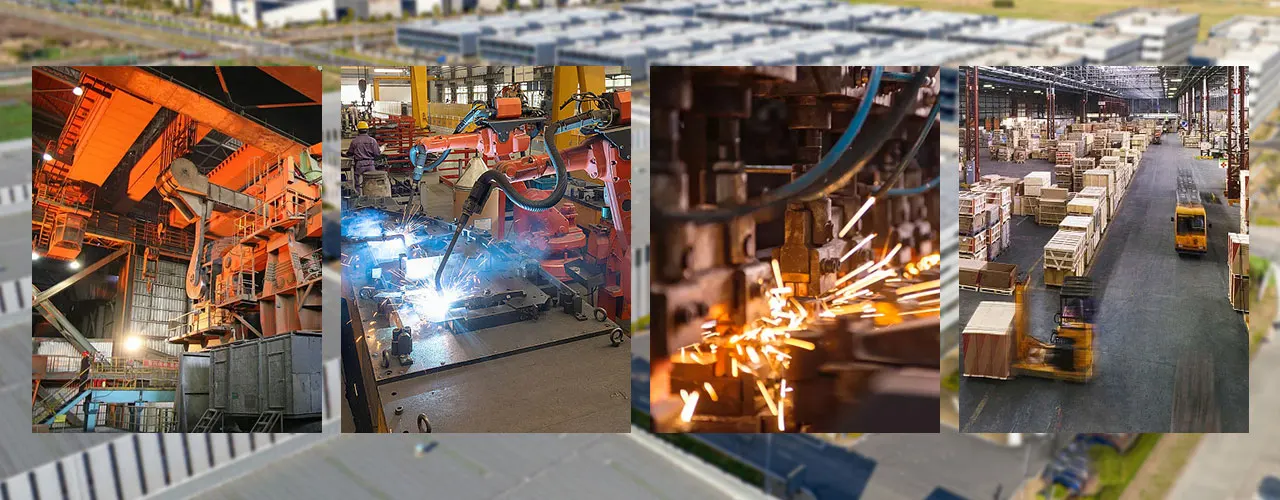
From an engineering and quality assurance standpoint, evaluating a potential manufacturer of gym equipment requires examining four hidden indicators that rarely appear in marketing materials. Welding consistency tells the most immediate story: commercial-grade equipment uses continuous robotic MIG or TIG welds with penetration depths exceeding 1.5mm, while lower-tier production relies on intermittent stitch welding or visually clean but structurally weak surface beads. A simple field test involves examining identical weld points across multiple units—inconsistency indicates inadequate operator training or insufficient quality control checkpoints. Material certification separates legitimate manufacturers from assemblers. Top producers maintain mill test reports (MTRs) tracing each steel batch to its original melt, verifying yield strength (typically 50,000-80,000 psi for structural tubing) and chemical composition. Without MTRs, there is no verifiable guarantee that "commercial grade" steel meets ASTM A500 or A36 specifications. Bearing and linear motion components represent another differentiator: premium manufacturers use sealed, pre-lubricated linear ball bearings with dynamic load ratings clearly documented, while cost-reduced designs employ bronze bushings or unsealed roller bearings that degrade rapidly in dusty gym environments. Finish durability testing completes the evaluation framework. Electrostatic powder coating applied at 2.5-3.5 mil thickness with a zinc phosphate pretreatment withstands 500+ hours of salt spray testing (ASTM B117). Budget finishes often fail under 100 hours, leading to rust blooms within 12-18 months of commercial use. Reputable manufacturers provide test results upon request; those who cannot or will not typically hide inconsistent processes.
For procurement professionals managing new facility builds or equipment refreshes, qualifying a manufacturer of gym equipment extends beyond product samples to operational capabilities that affect long-term ownership. Lead time predictability matters more than speed—manufacturers with vertically integrated production (on-site casting or machining) generally deliver within quoted windows, while assemblers dependent on external suppliers face unpredictable delays when any single component backorders. Requesting the manufacturer's on-time delivery percentage over the previous 12 months provides objective data. Spare parts strategy distinguishes sustainable suppliers from transactional vendors. Premium manufacturers maintain exploded parts diagrams, assign permanent SKUs to every component (down to specific bolts and bushings), and stock replacement parts for equipment generations spanning 7-10 years. Budget-oriented producers often change component specifications silently, making a cable or pulley purchased today impossible to match in 2028. Warranty administration reveals operational maturity: leading manufacturers process claims through dedicated portals with photographic evidence and ship replacement parts within 5-7 business days. Others require returning entire assemblies at the buyer's expense or bury claim processes across multiple departments. For international buyers, local service infrastructure becomes critical—distributors with factory-trained technicians and stocked regional warehouses reduce downtime from weeks to days. The most reliable partners publish their service response time commitments (e.g., 48-hour dispatch, 5-day resolution for parts failures) and provide references from clients in similar operational settings. By contrast, manufacturers unwilling to disclose service metrics or demonstrate regional support often leave facility managers managing repairs independently, eroding equipment uptime and user satisfaction over time.
Let our experts design the perfect gym solution for your business. Get a free consultation and quote today.