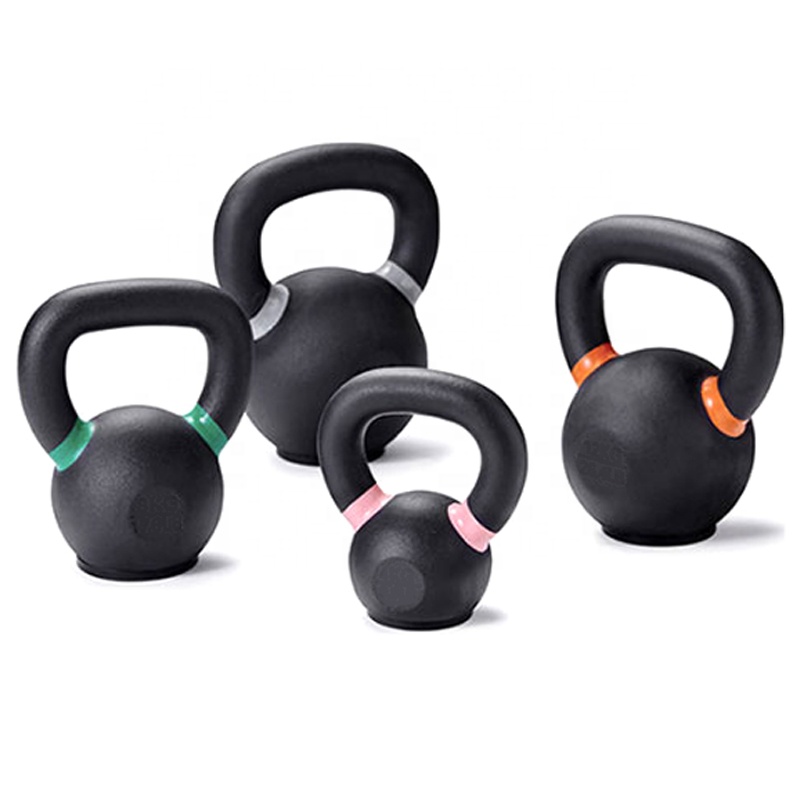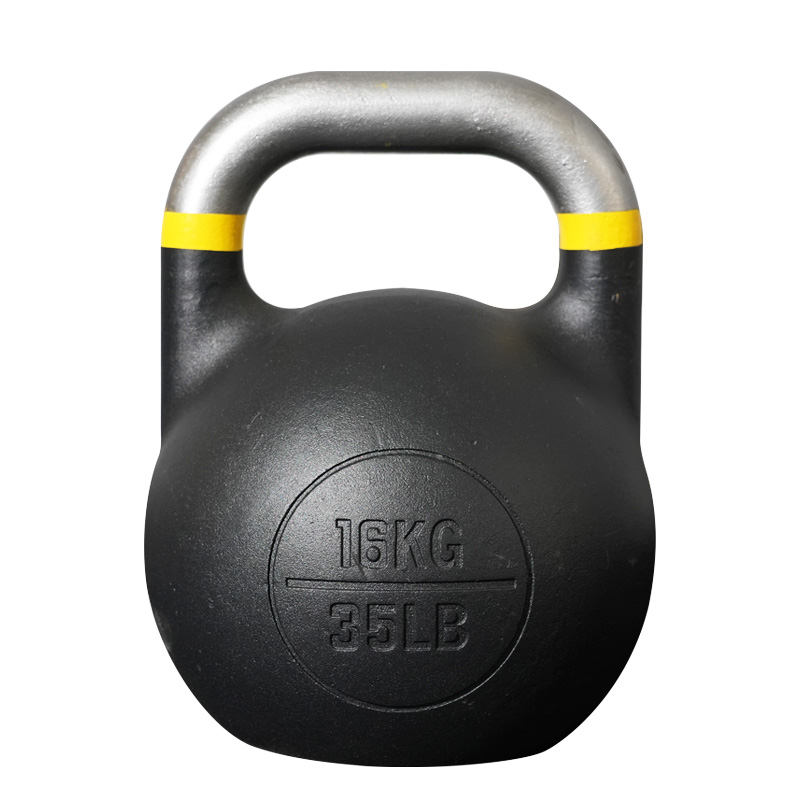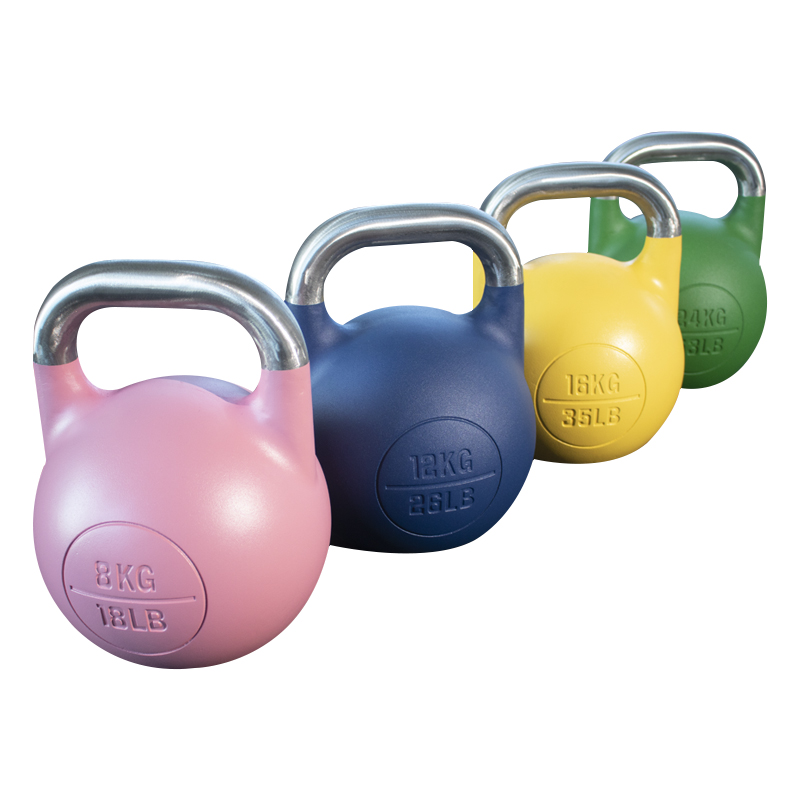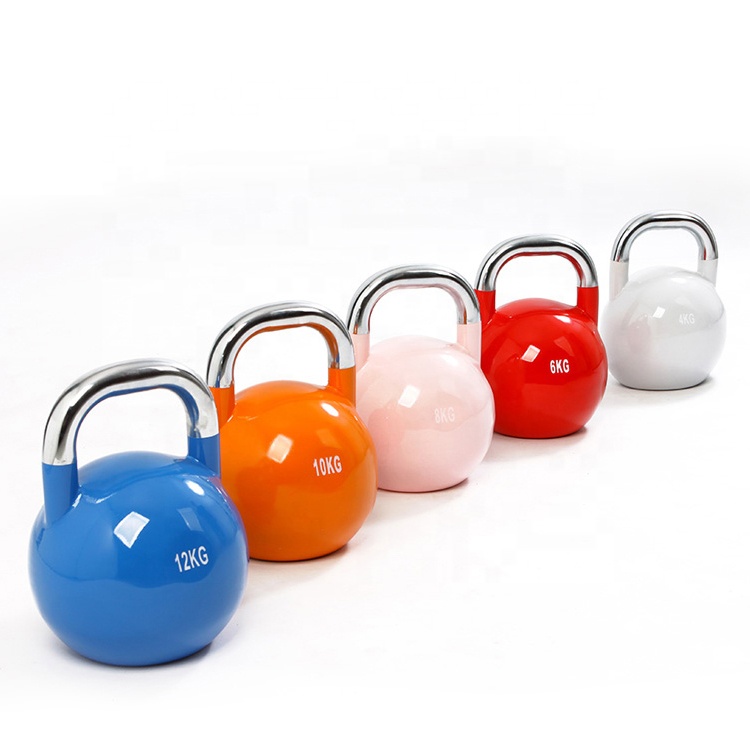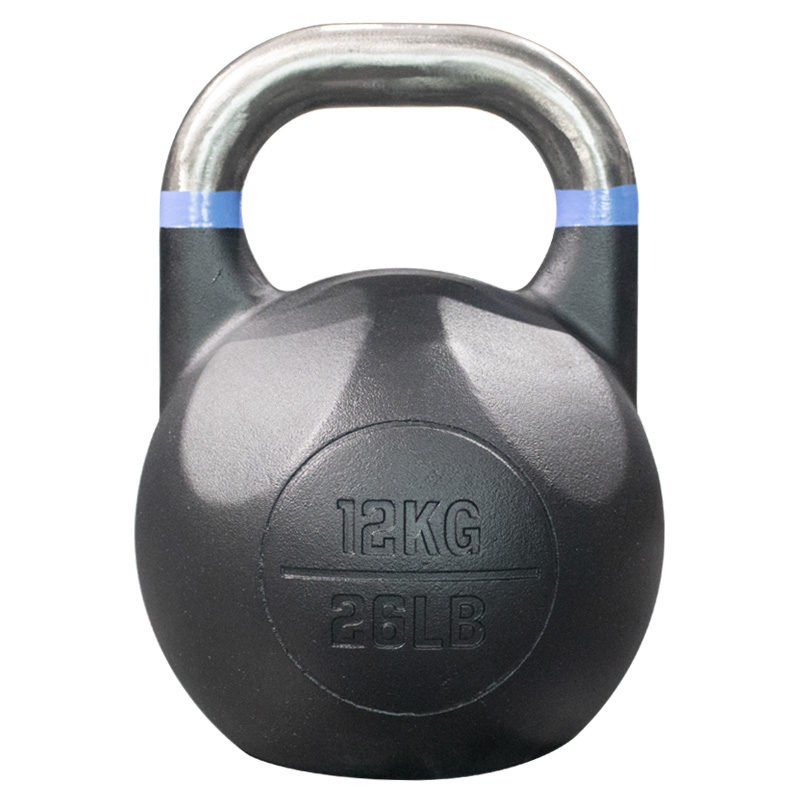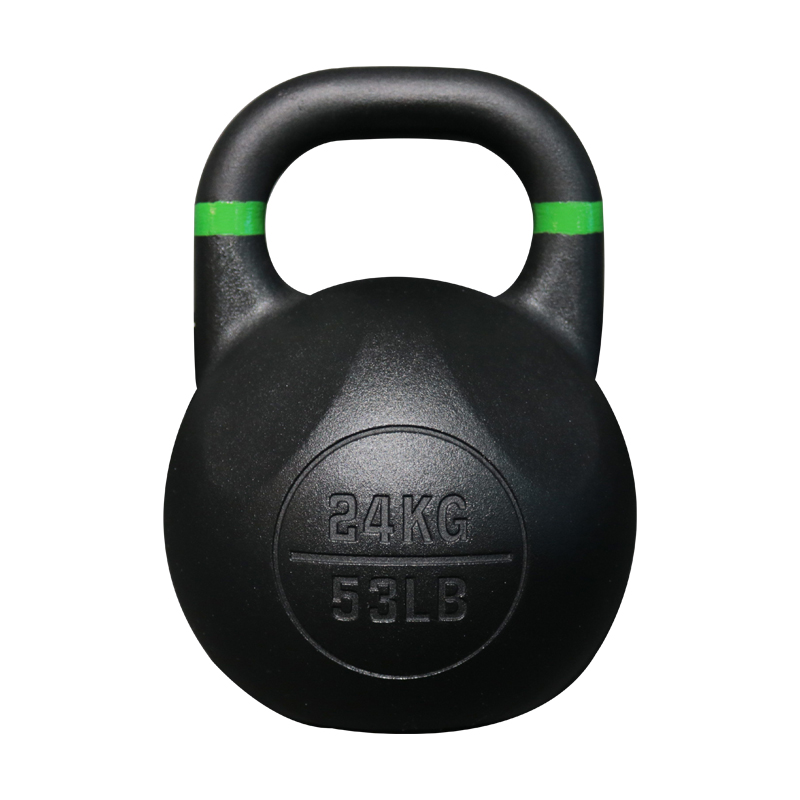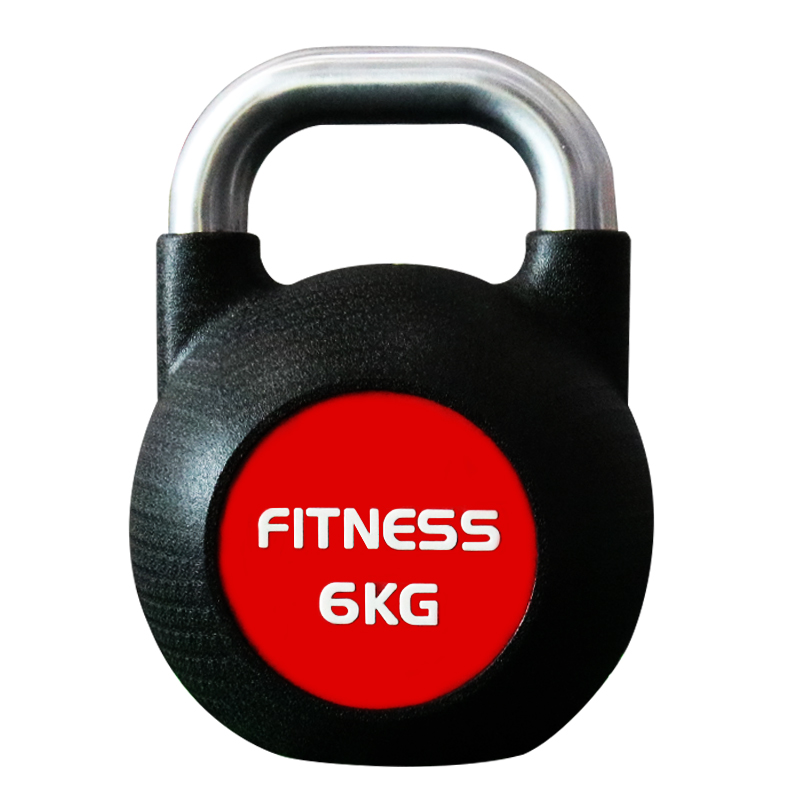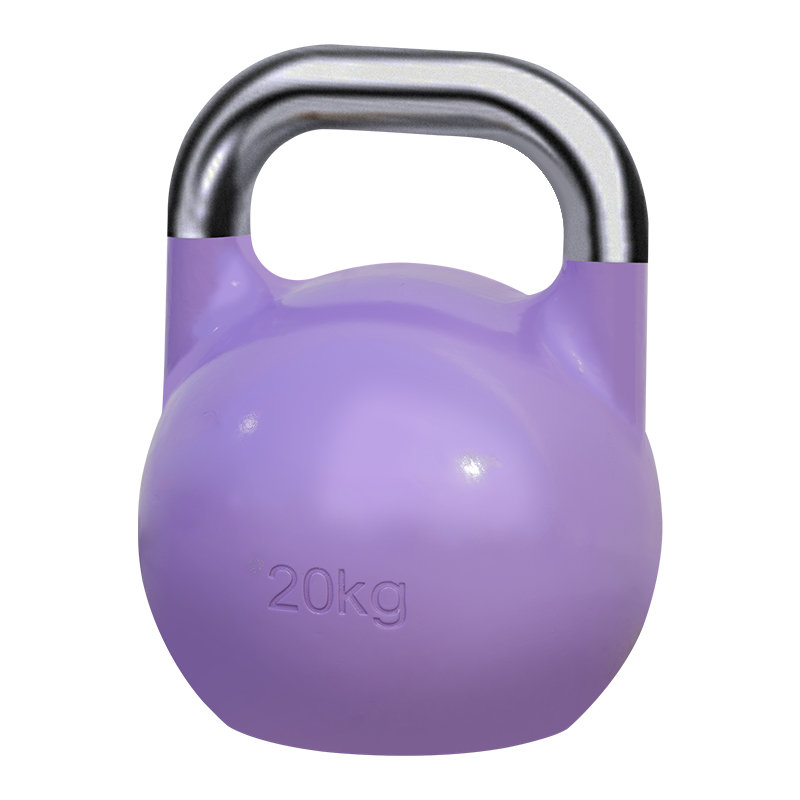
Selecting the correct kettlebell size is a foundational decision for both commercial gym programming and individual home training. Unlike dumbbells, where weight progression follows relatively linear increments, kettlebells demand a different approach due to the ballistic nature of swings, cleans, and snatches. The center of mass shifts dynamically during movement, meaning a weight that feels manageable for a strict press may become hazardous during high-repetition overhead swings. For most adult males with basic fitness experience, a 16kg (35 lb) kettlebell serves as the recommended starting point. For adult females, 8kg (18 lb) or 12kg (26 lb) typically allows safe learning of hinge mechanics without compensating with lower back strain. Commercial facilities should stock doubles of these core sizes before expanding into competition-grade increments.
The relationship between kettlebell size and movement mechanics follows predictable biomechanical principles. During a two-handed swing, the hips generate the majority of force, while the arms act as connective levers. A weight that is too light prevents proper hip engagement—users tend to squat the movement or use their shoulders to lift the bell. Conversely, a weight that is too heavy forces the lumbar spine to compensate for inadequate posterior chain power. Hardstyle kettlebells (cast iron with a flat bottom) and competition kettlebells (uniform size regardless of weight) serve different use cases. Hardstyle bells excel for explosive, high-force movements and are generally 6-8% less expensive per kilogram. Competition bells maintain identical dimensions from 8kg to 32kg, making them ideal for sport-style training and facilities where multiple users share the same geometry but require different loads. The handle diameter also scales with weight—most 16kg bells feature 33-35mm handles, while 24kg and above often increase to 38mm to accommodate larger hands and heavier loads.
For facility managers building a group fitness or personal training inventory, a stratified purchasing strategy outperforms buying all sizes equally. Industry data suggests that 70% of kettlebell usage in general population gyms falls within three weights: 12kg, 16kg, and 20kg. A well-balanced initial fleet might include six 12kg, twelve 16kg, six 20kg, with a few 8kg and 24kg units for outliers. Kettlebell size also dictates storage considerations—competition bells stack less efficiently than hardstyle due to their flat-topped design, but their uniform footprint simplifies racking systems. Color coding by weight (a standard across most manufacturers) reduces user confusion and speeds class transitions. For facilities serving athletic populations or CrossFit-style programming, adding 24kg, 28kg, and 32kg bells becomes necessary, but these heavier sizes represent less than 15% of total usage volume. The most common mistake is purchasing 4kg, 6kg, and 10kg sizes in high quantities—these are rarely used outside of rehabilitation settings and elderly populations. Finally, verify that the kettlebell's bottom diameter fits standard storage pegs (typically 4-5 inches spacing) and that the finish (powder coat vs. e-coat vs. urethane) aligns with your facility's grip preferences. Powder coat offers the best chalk adhesion but shows wear faster, while e-coat remains smoother but becomes slippery without chalk.

Let our experts design the perfect gym solution for your business. Get a free consultation and quote today.