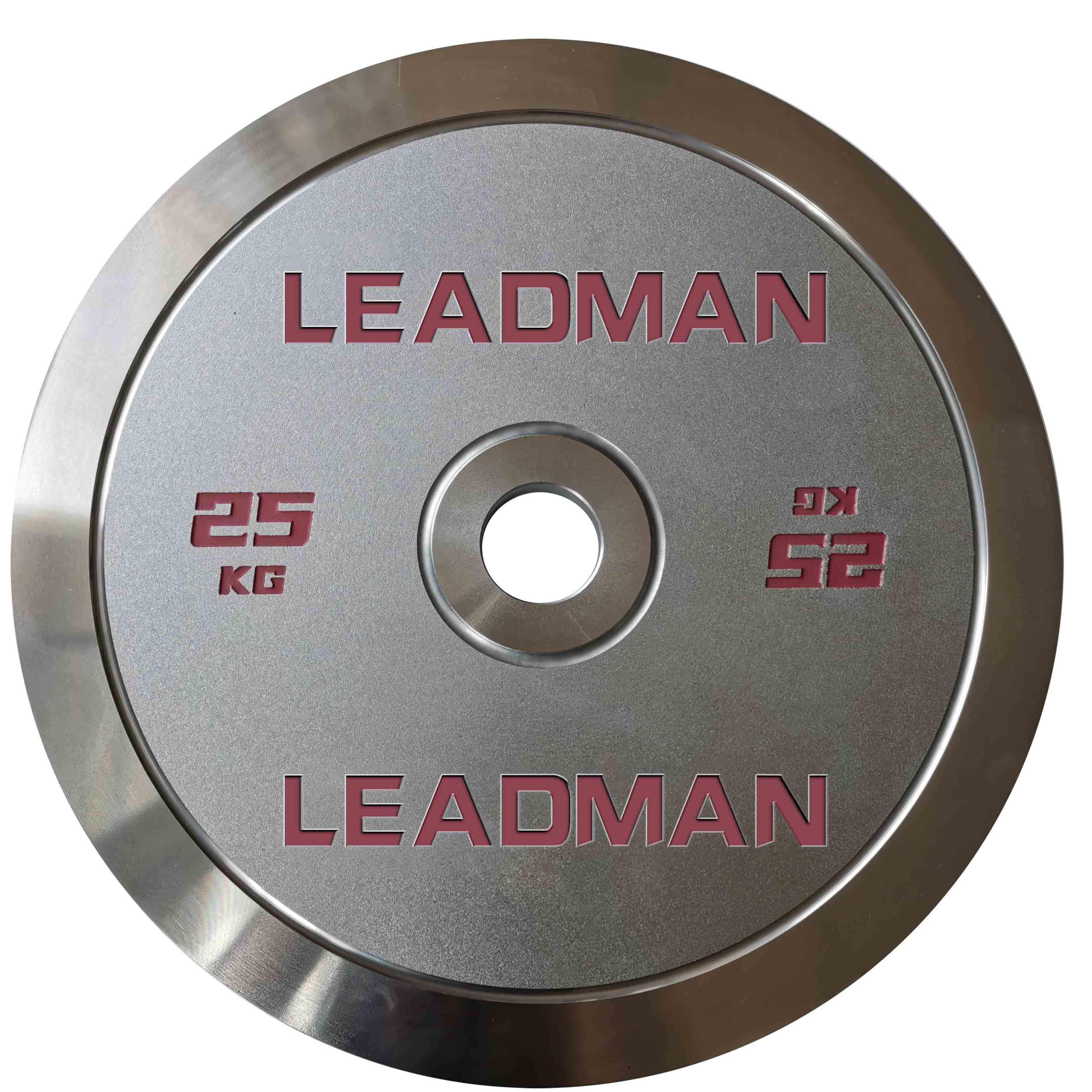
In the precise and demanding world of weightlifting, IWF certified bumper plates stand as the gold standard for facilities committed to competition-grade equipment. The International Weightlifting Federation's certification signifies that these plates meet exacting specifications for dimensional accuracy, weight tolerance, and impact resistance—essential attributes for athletes preparing for sanctioned competition. This certification is not merely a marketing label; it represents a rigorous testing process that validates the plate's performance under the extreme forces experienced in Olympic weightlifting movements.
The certification criteria for IWF certified bumper plates are remarkably specific. Plates must maintain a weight tolerance of ±0.5% of their nominal value, a precision that far exceeds the commercial standard of ±1%. The diameter must be precisely 450mm for all competition plates, ensuring consistent barbell height from the platform across all loads. Additionally, the plates must withstand repeated drops from overhead onto a standard platform without suffering structural compromise or significant deformation. These requirements dictate specialized manufacturing processes that distinguish certified plates from their commercial counterparts.
Materials engineering plays a decisive role in achieving IWF certification. Premium competition bumper plates utilize high-density rubber compounds that deliver a dead-blow effect, minimizing bounce upon impact while absorbing the shock of heavy drops. The steel hub must be precisely machined to maintain a secure fit on the barbell sleeve, preventing the undesirable plate shift that can occur during explosive lifts. Manufacturers achieving certification invest in advanced molding technologies that ensure uniform density throughout the plate, eliminating air pockets or density variations that could compromise the plate's structural integrity and weight distribution.
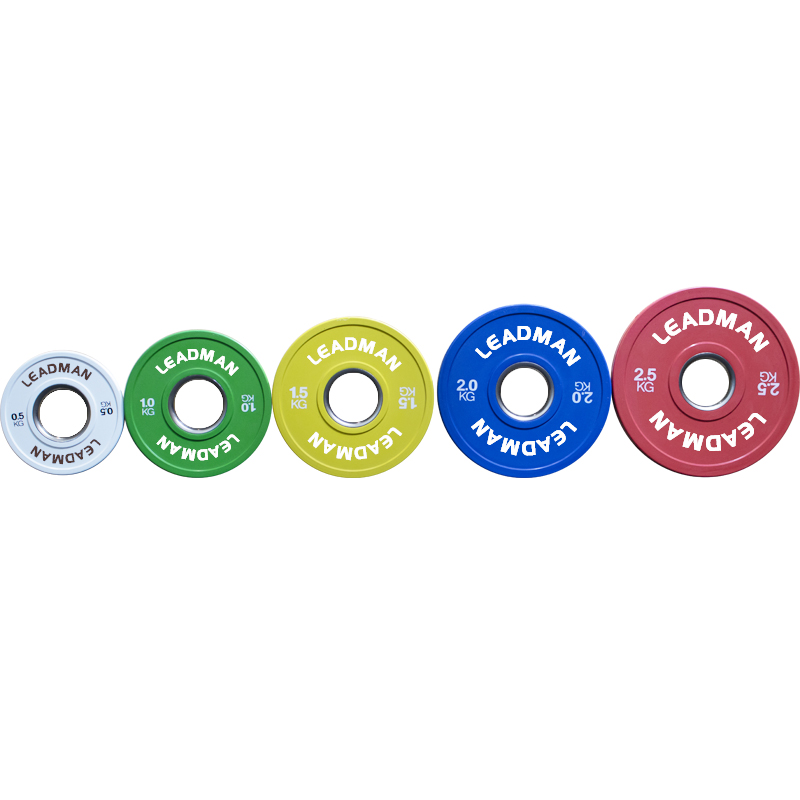
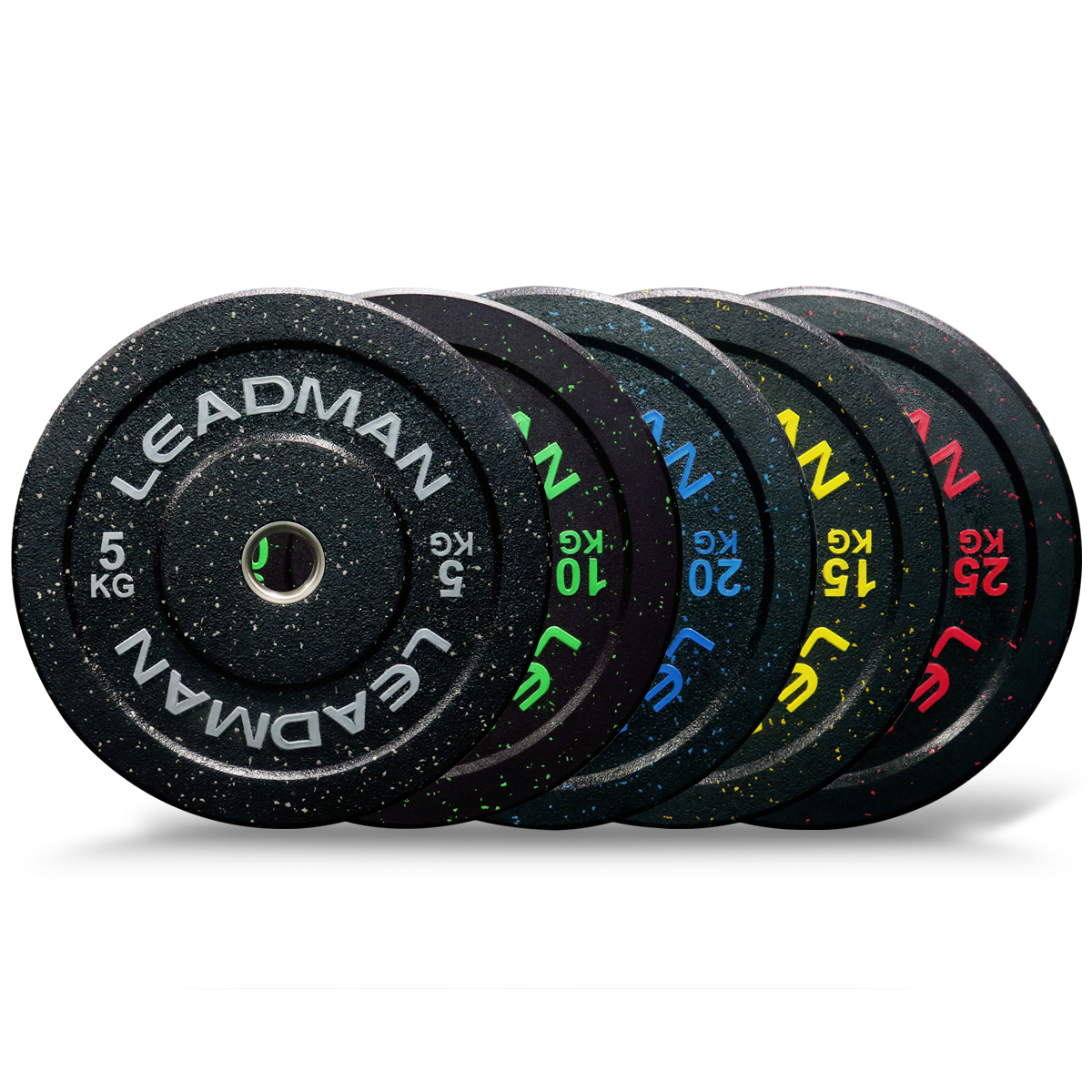
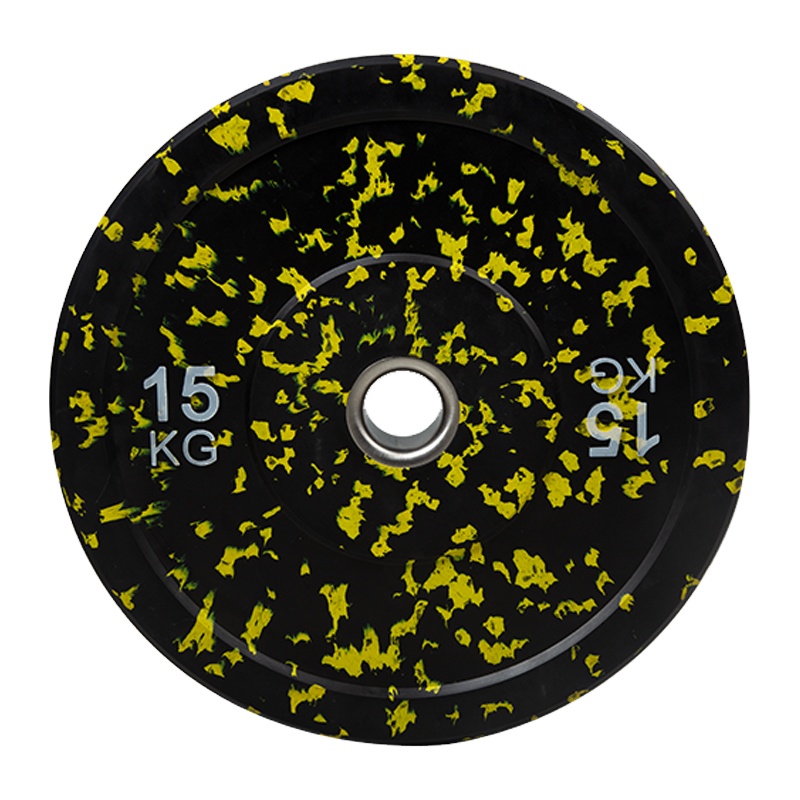
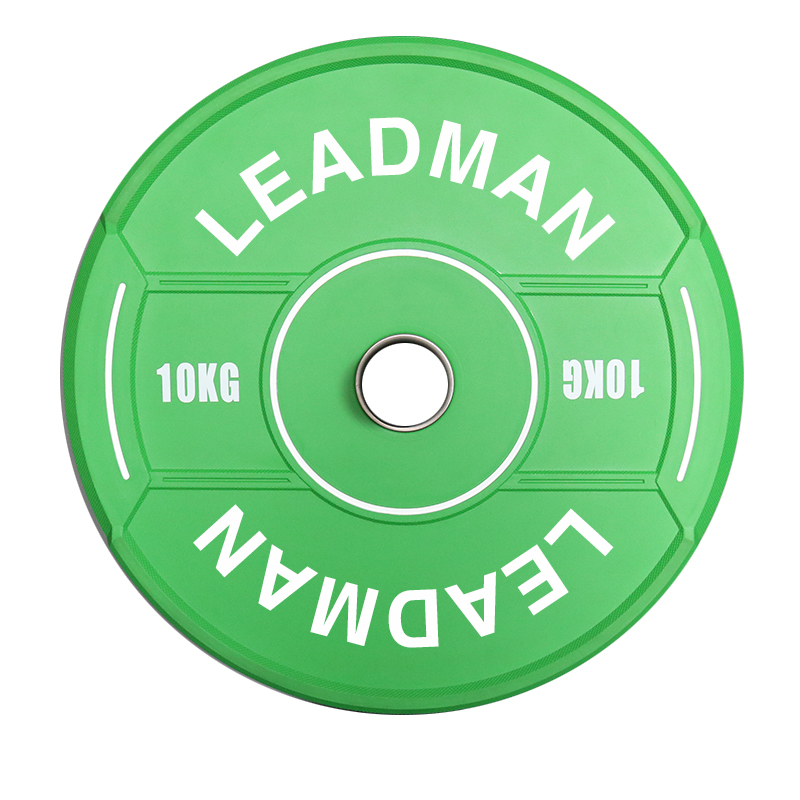
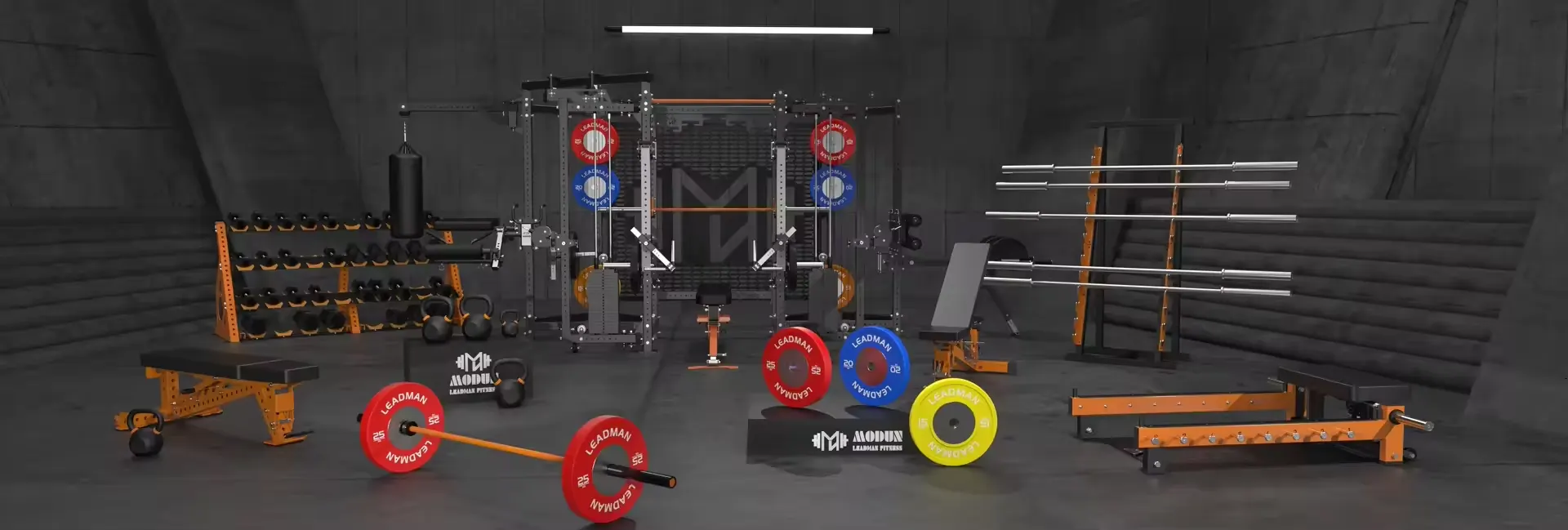
Color coding, a defining feature of IWF-certified plates, serves both functional and organizational purposes. Plates are standardized by weight: red for 25kg, blue for 20kg, yellow for 15kg, and green for 10kg, with 5kg plates in white and 2.5kg plates in black. This color system enables instantaneous load verification during high-intensity training sessions and competitions, reducing the risk of loading errors. The color is integrated during the manufacturing process, becoming part of the plate's matrix rather than a surface coating, ensuring it remains vibrant and legible even with years of commercial use.
Implementing IWF-certified plates in a commercial setting carries significant operational implications. The cost premium for certification—typically 30-50% above standard commercial bumper plates—requires careful consideration of the facility's target demographic and training focus. Elite training centers and competition venues may justify the expense as a necessary credential, while general commercial facilities might strategically allocate certified plates to designated competition platforms and maintain commercial-grade plates elsewhere. Commercial gym plates with IWF certification often serve as a quality benchmark, communicating to members and potential clients a facility's commitment to authentic Olympic weightlifting standards.
Maintenance requirements for certified plates necessitate specific protocols to preserve their certified status. Hubs must be regularly inspected for wear that could affect barbell fit, and plates should be stored properly to prevent warping or dimensional changes. Platforms designed for competition lifting—featuring appropriate shock-absorbing characteristics—are essential to prevent premature wear and maintain the plates' optimal performance characteristics. As a testament to their importance, many facilities invest in dedicated competition zones where IWF-certified plates are exclusively used and meticulously maintained.

Let our experts design the perfect gym solution for your business. Get a free consultation and quote today.