In the contemporary health and wellness landscape, the terms "gym" and "fitness" have evolved to encompass a vast ecosystem of equipment, methodologies, and philosophies dedicated to enhancing human performance and well-being. A modern gym is no longer a simple room filled with metal weights; it is a carefully curated environment designed to facilitate a diverse range of fitness modalities, from traditional strength training and cardiovascular conditioning to functional fitness, high-intensity interval training, and specialized athletic preparation. The selection of equipment and the design of the space are critical in creating an environment that motivates members and supports their journey toward their health goals.
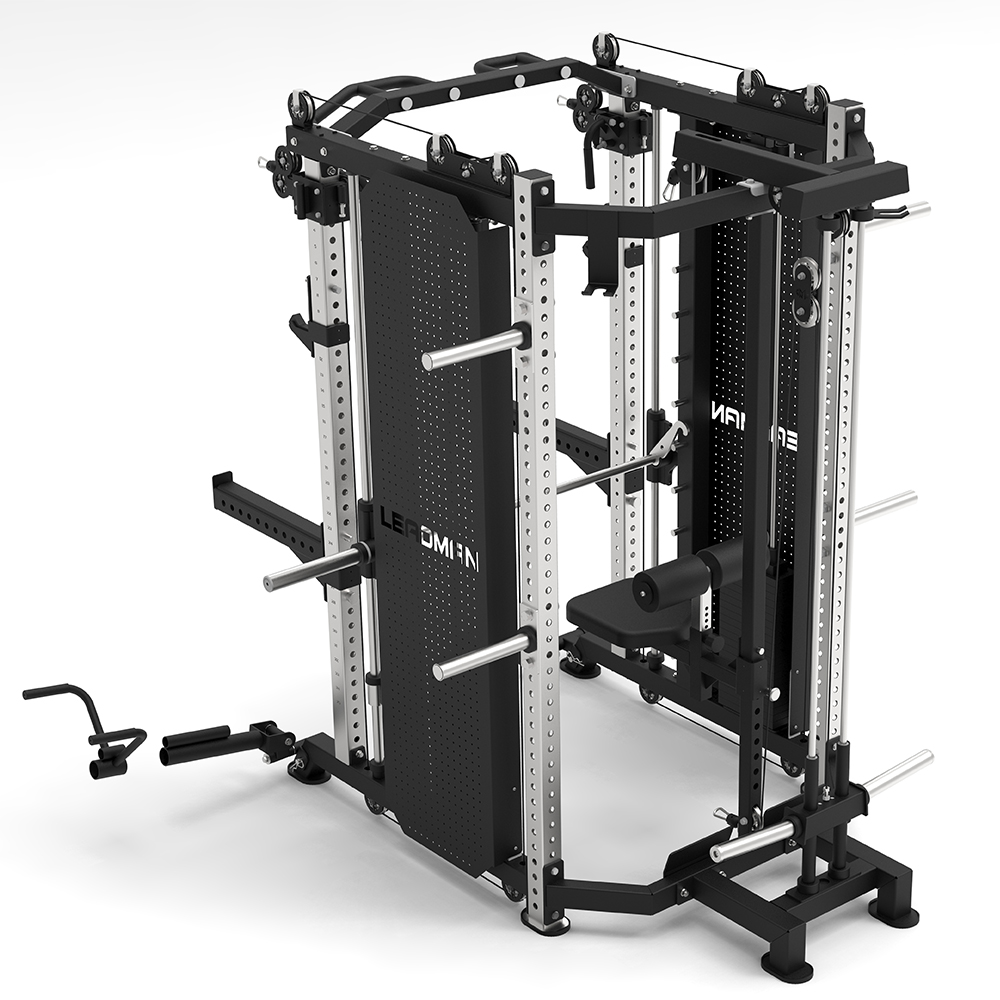
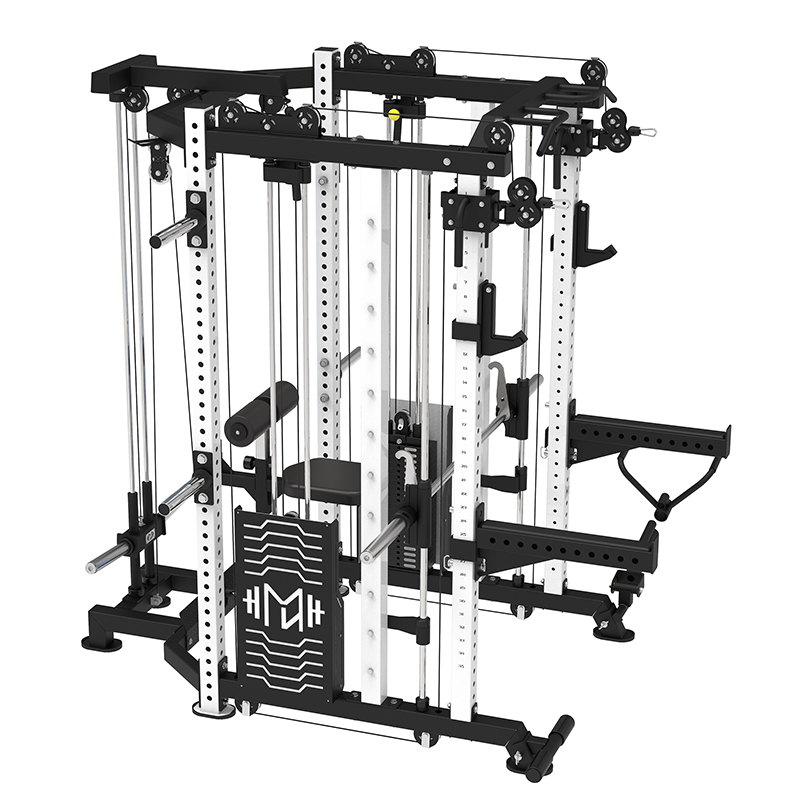
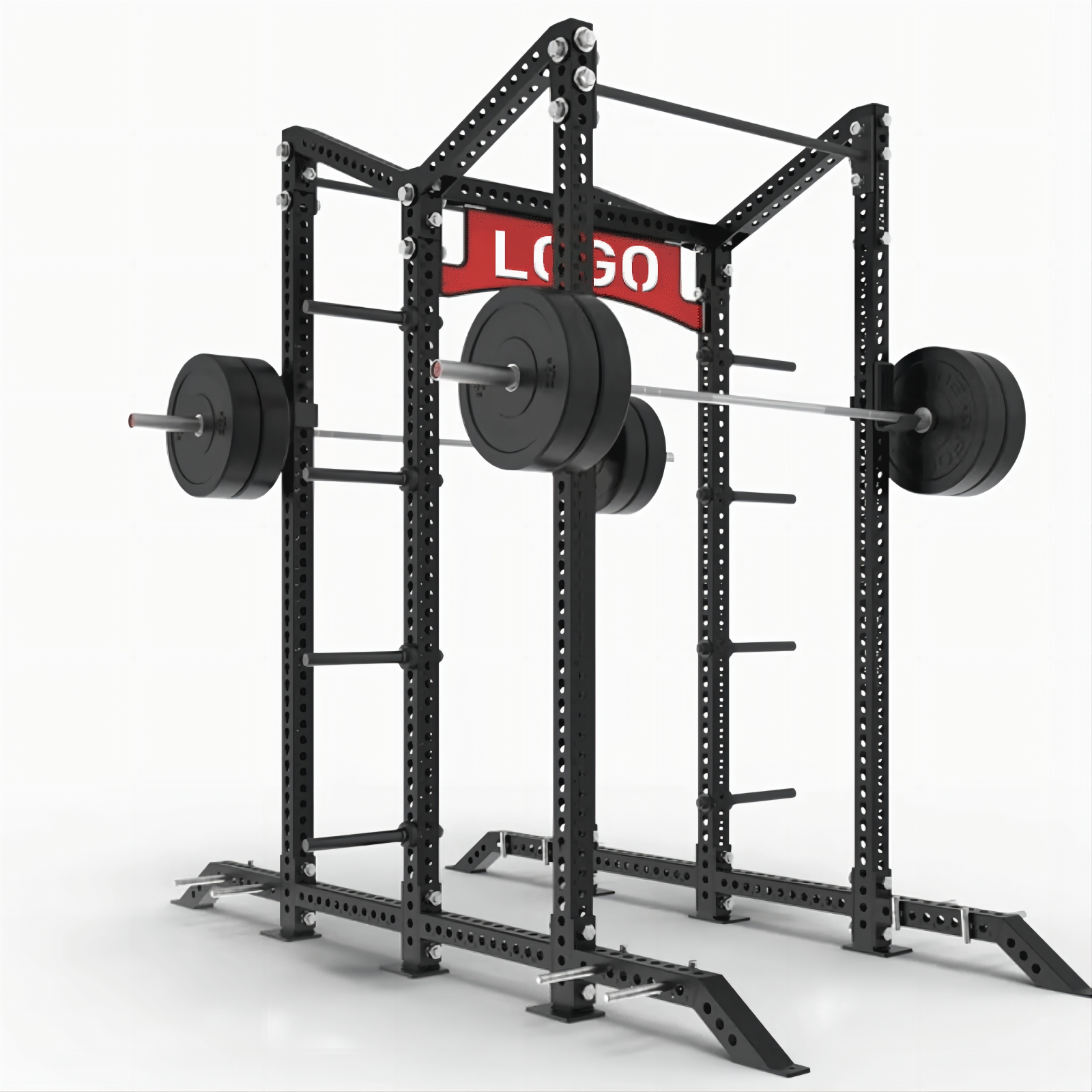
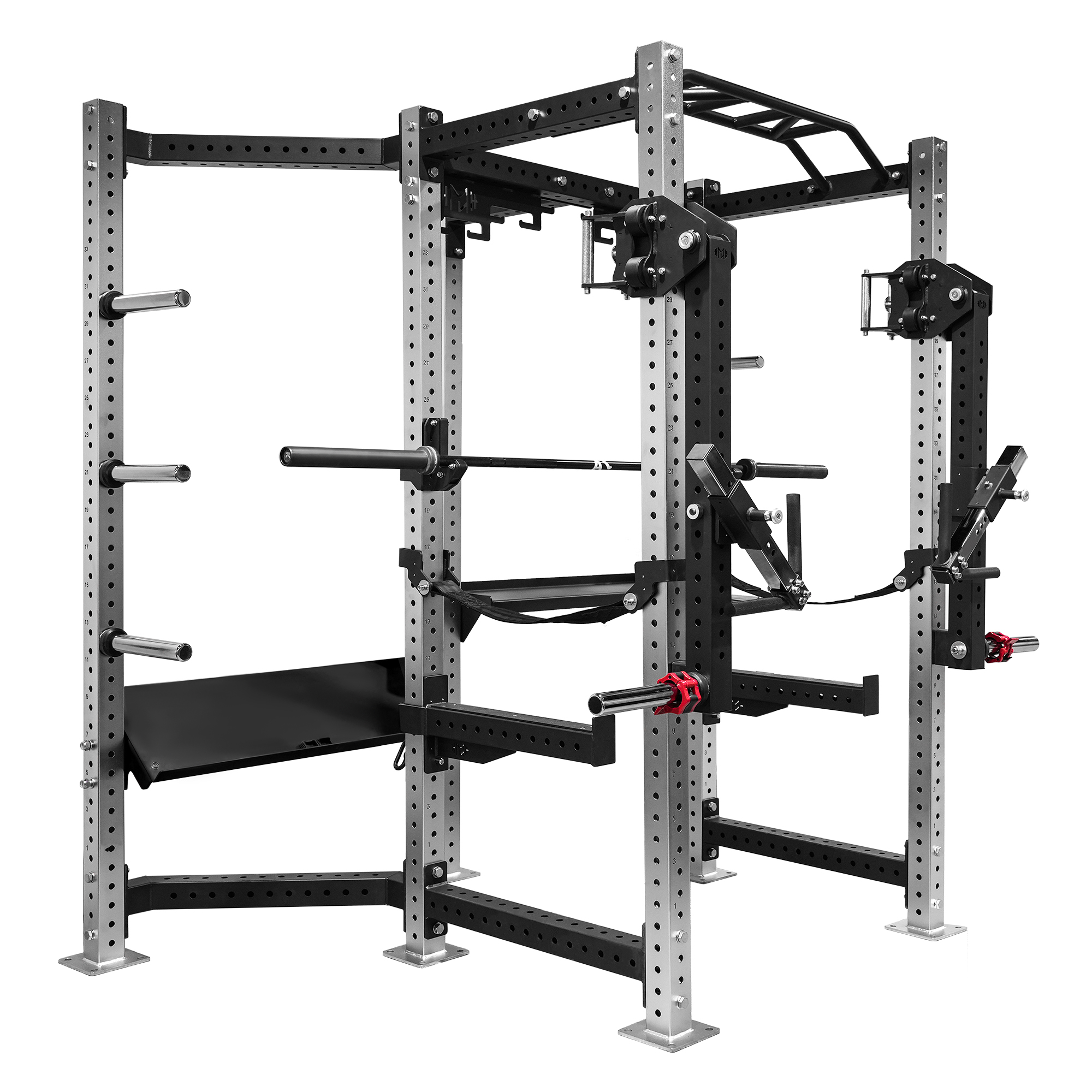
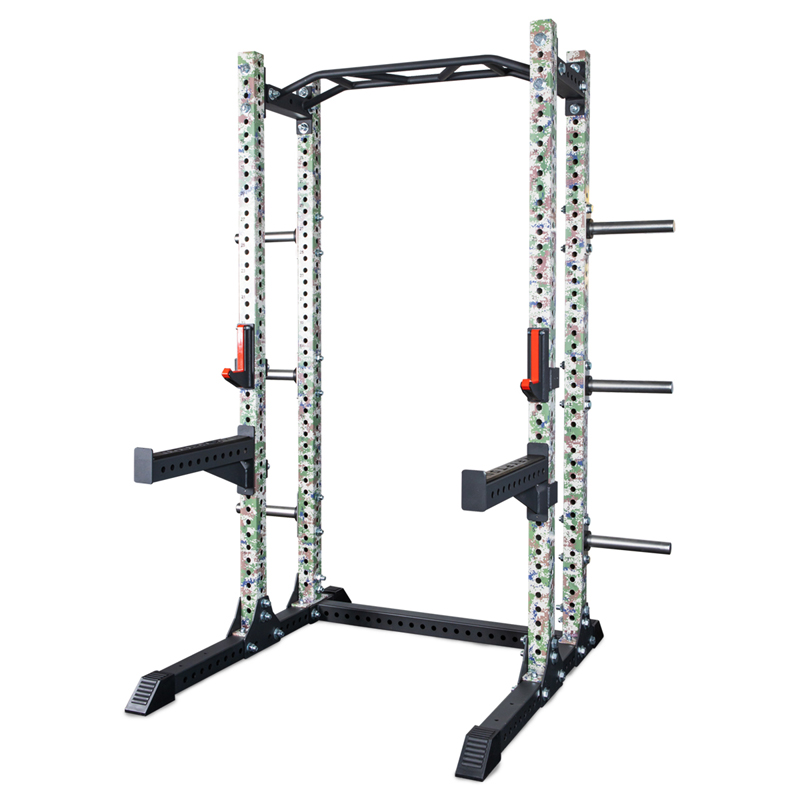
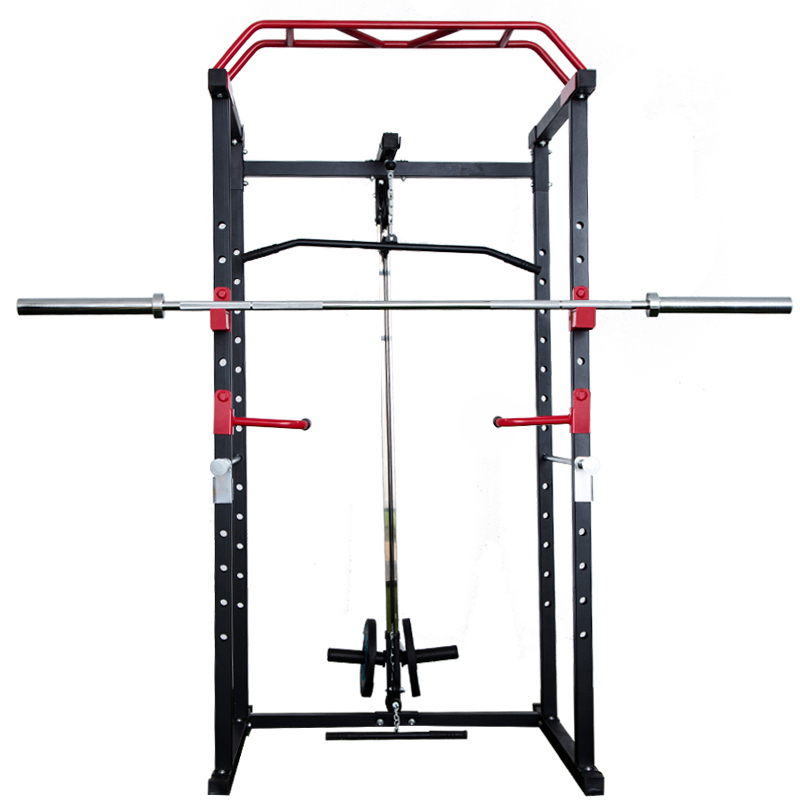
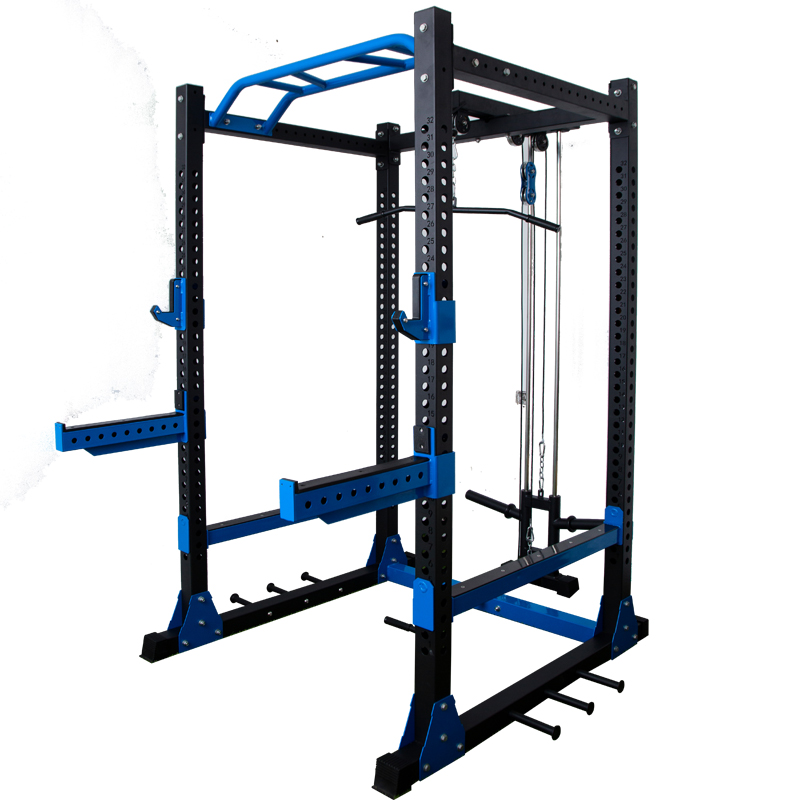
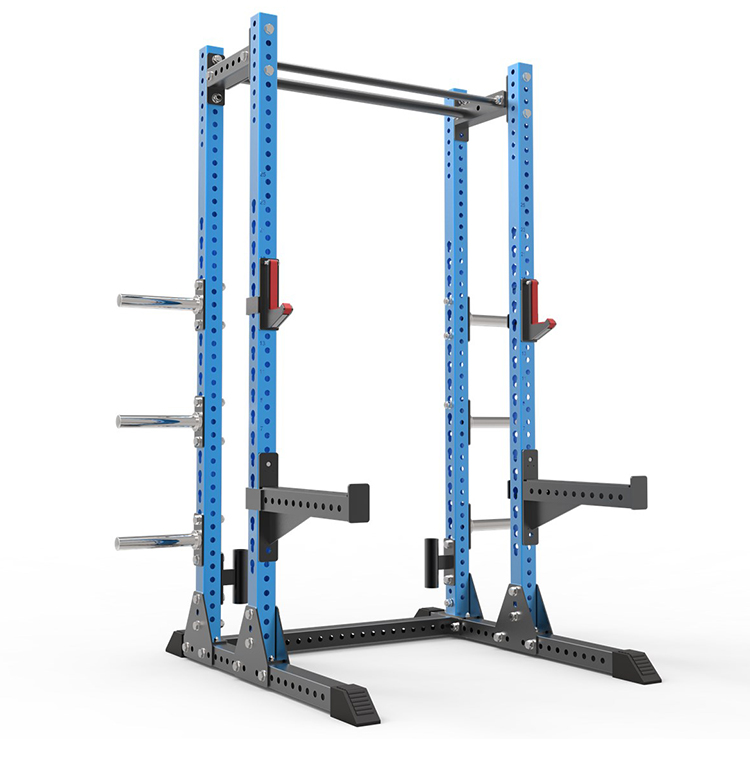
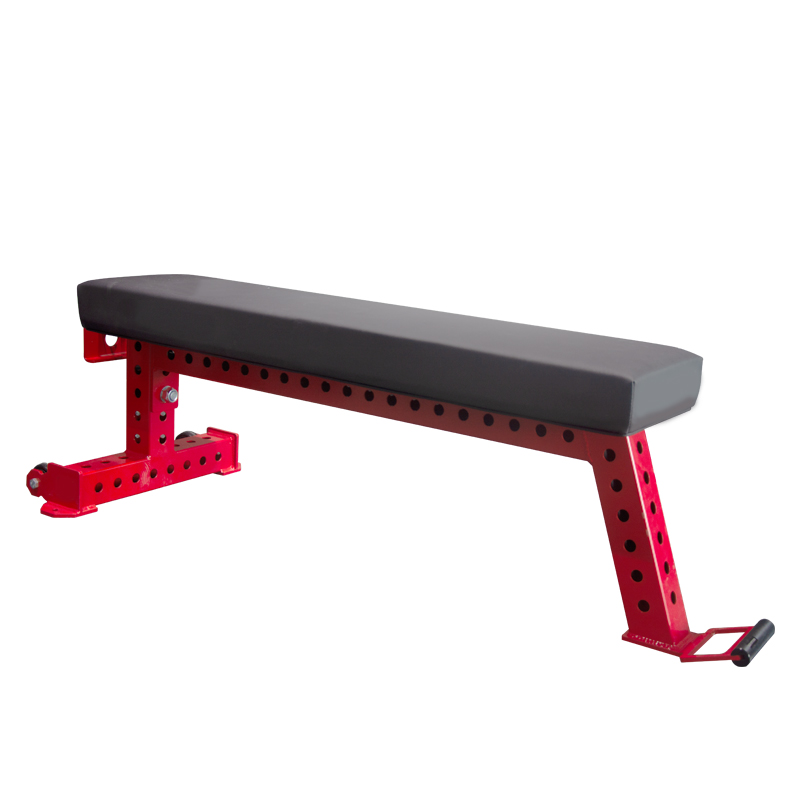
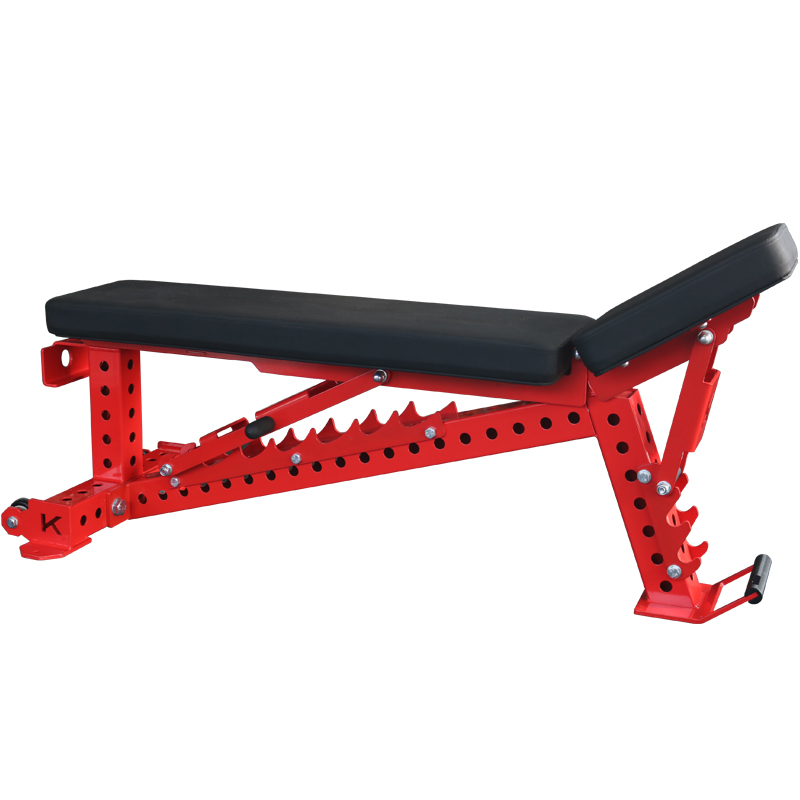
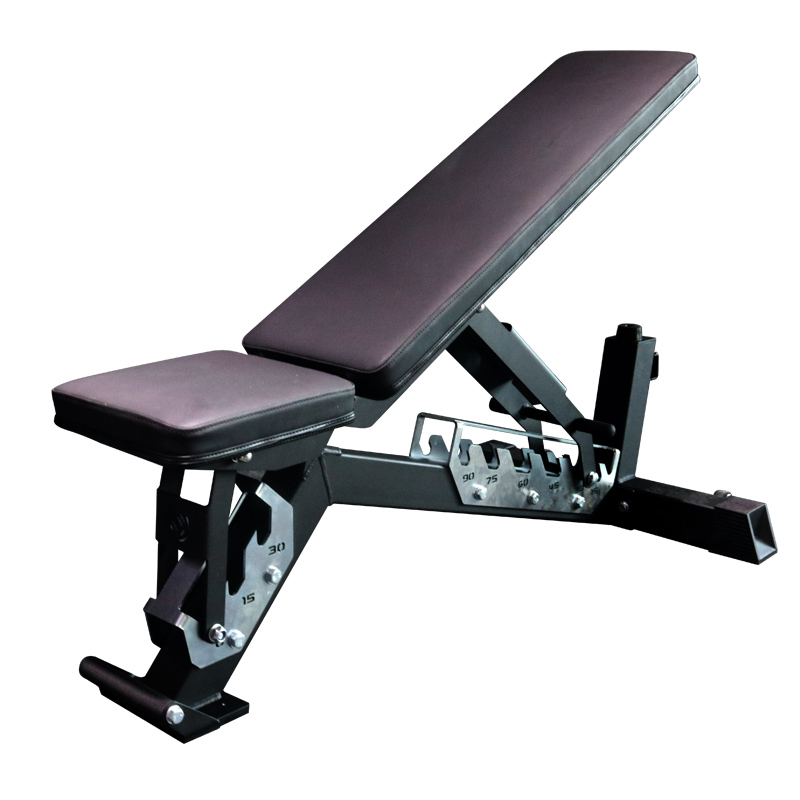
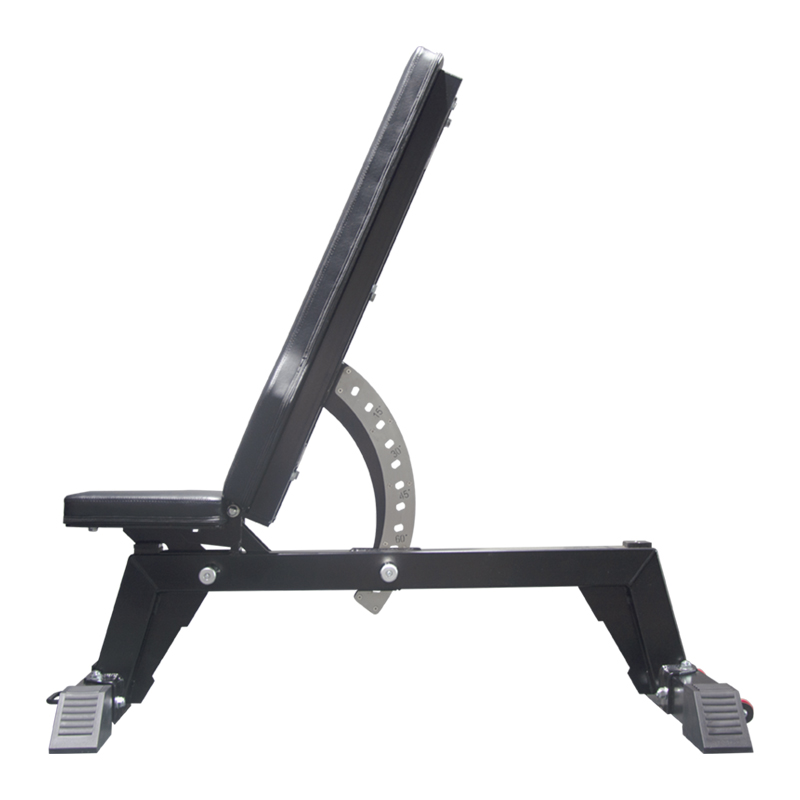
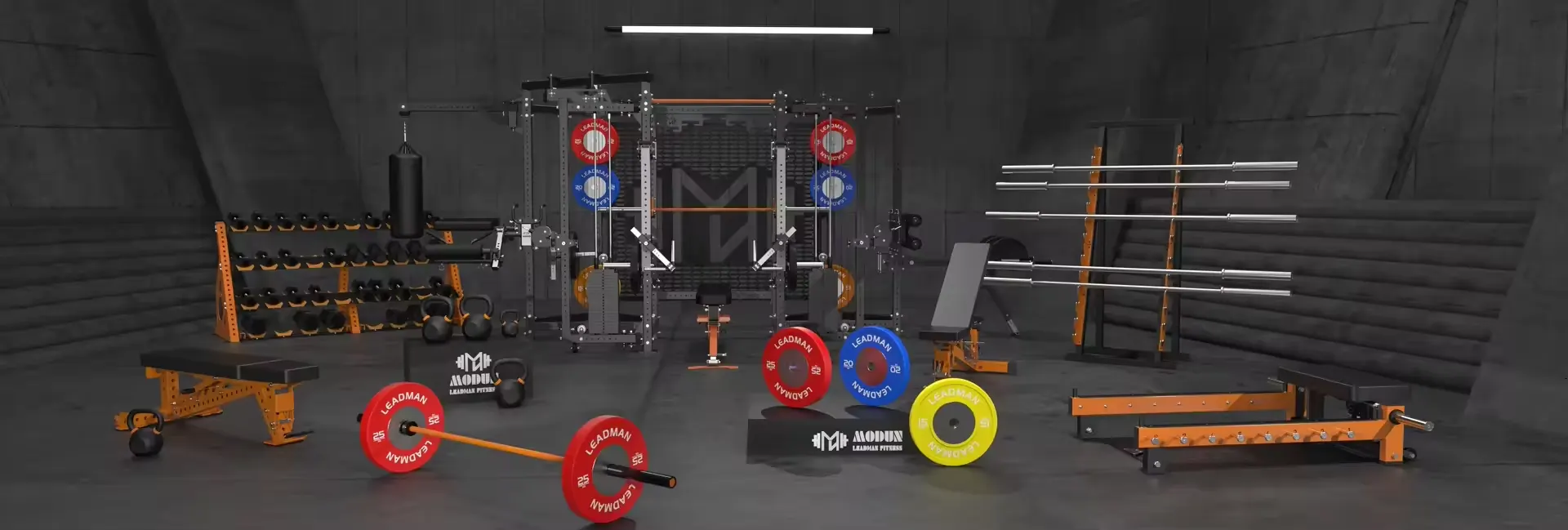
The backbone of any effective fitness facility is its strength training equipment, which serves as the foundation for building muscle mass, increasing bone density, and improving metabolic health. This category includes a comprehensive array of tools, such as power racks, multi-station gyms, plate-loaded machines, and an extensive range of free weights, including dumbbells and barbells. The quality and diversity of this equipment are paramount, as they determine the range of exercises that can be performed and the safety and comfort of the users. High-quality equipment, characterized by robust construction and smooth, precise movements, ensures a positive training experience and encourages consistent usage.
Cardiovascular equipment remains a staple of the commercial gym, offering members an effective means of improving heart health, burning calories, and enhancing endurance. Modern cardio machines, such as treadmills, elliptical trainers, and stationary bikes, are often equipped with advanced technological features, including interactive touchscreens, heart rate monitors, and connectivity to fitness apps. These features enhance the user experience by providing data-driven feedback, entertainment, and virtual coaching, making cardio sessions more engaging and effective. The integration of technology into fitness equipment is transforming the gym experience, turning workouts into interactive and personalized sessions.
The rise of functional fitness has significantly influenced the design of modern gym spaces and the equipment they contain. Functional training zones are increasingly popular, featuring equipment such as kettlebells, medicine balls, battle ropes, suspension trainers, and plyometric boxes. These tools facilitate movements that mimic the demands of daily life and sports, improving balance, coordination, and core strength. The versatility of functional fitness allows for dynamic and varied workouts, which not only prevent boredom but also challenge the body in new ways, promoting continuous improvement and reducing the risk of plateaus.
The overarching goal of a well-designed gym and fitness facility is to create an environment that fosters a community of health-conscious individuals. This involves not only the physical equipment but also the ambiance, cleanliness, and professional staffing. A supportive atmosphere, combined with expert guidance from certified trainers, ensures that members can exercise safely and effectively, maximizing their results. The evolution of the gym and fitness industry reflects a deepening understanding of the connection between physical activity, mental well-being, and overall quality of life.