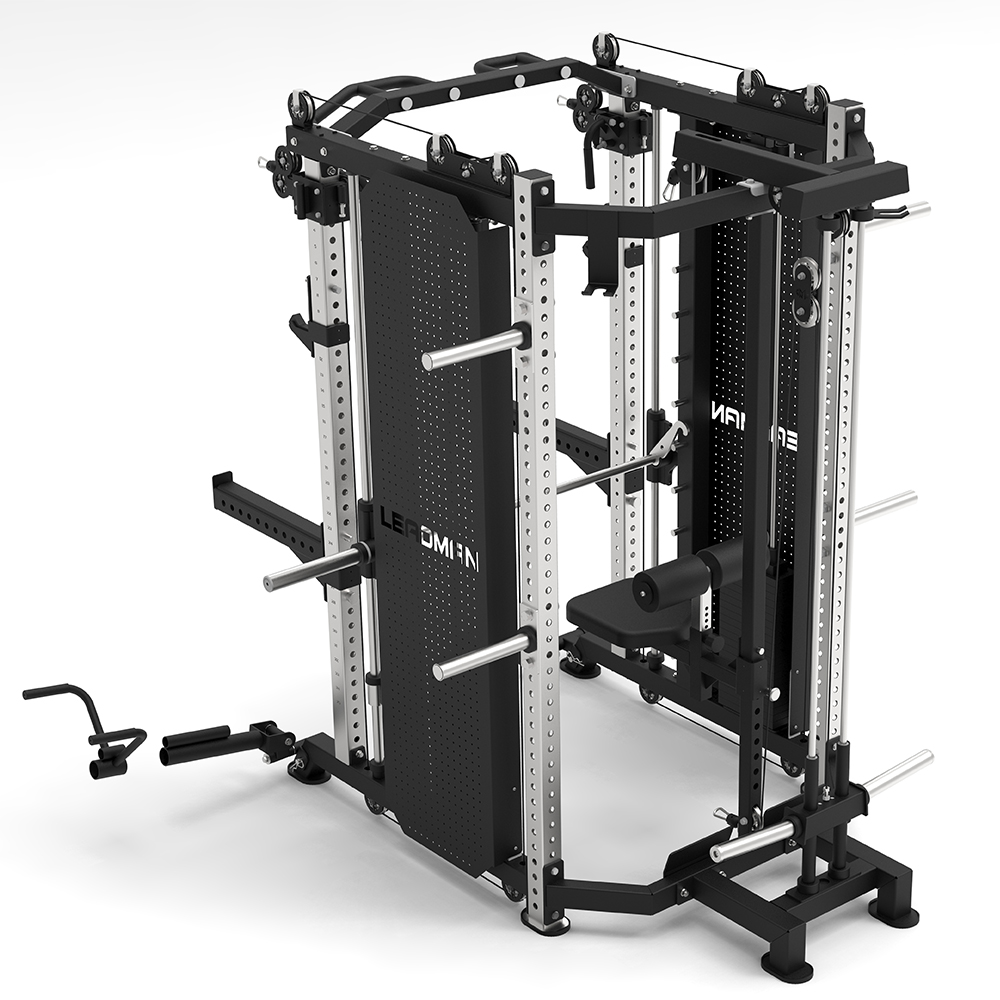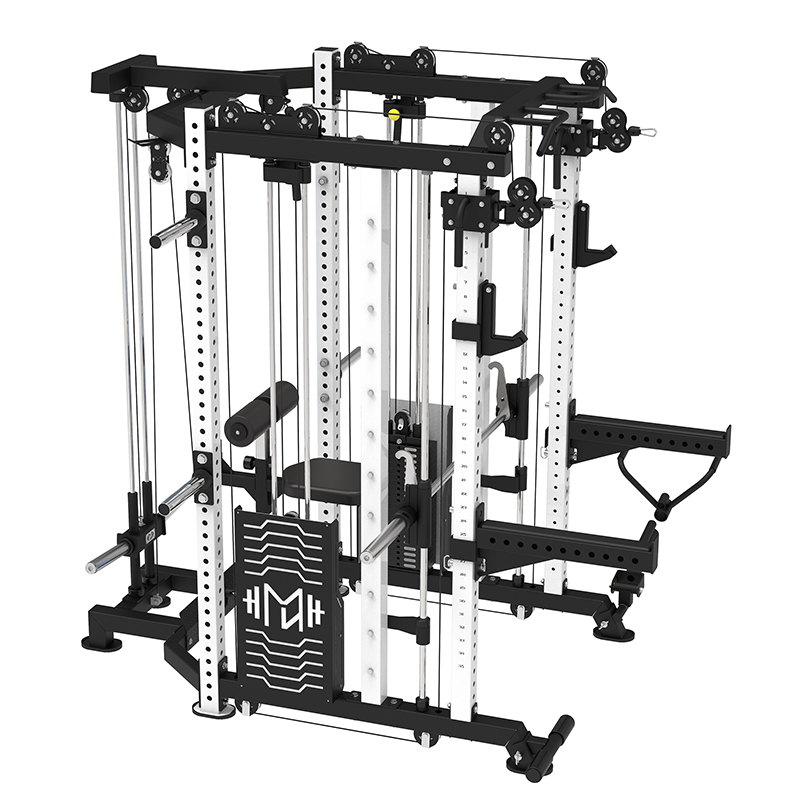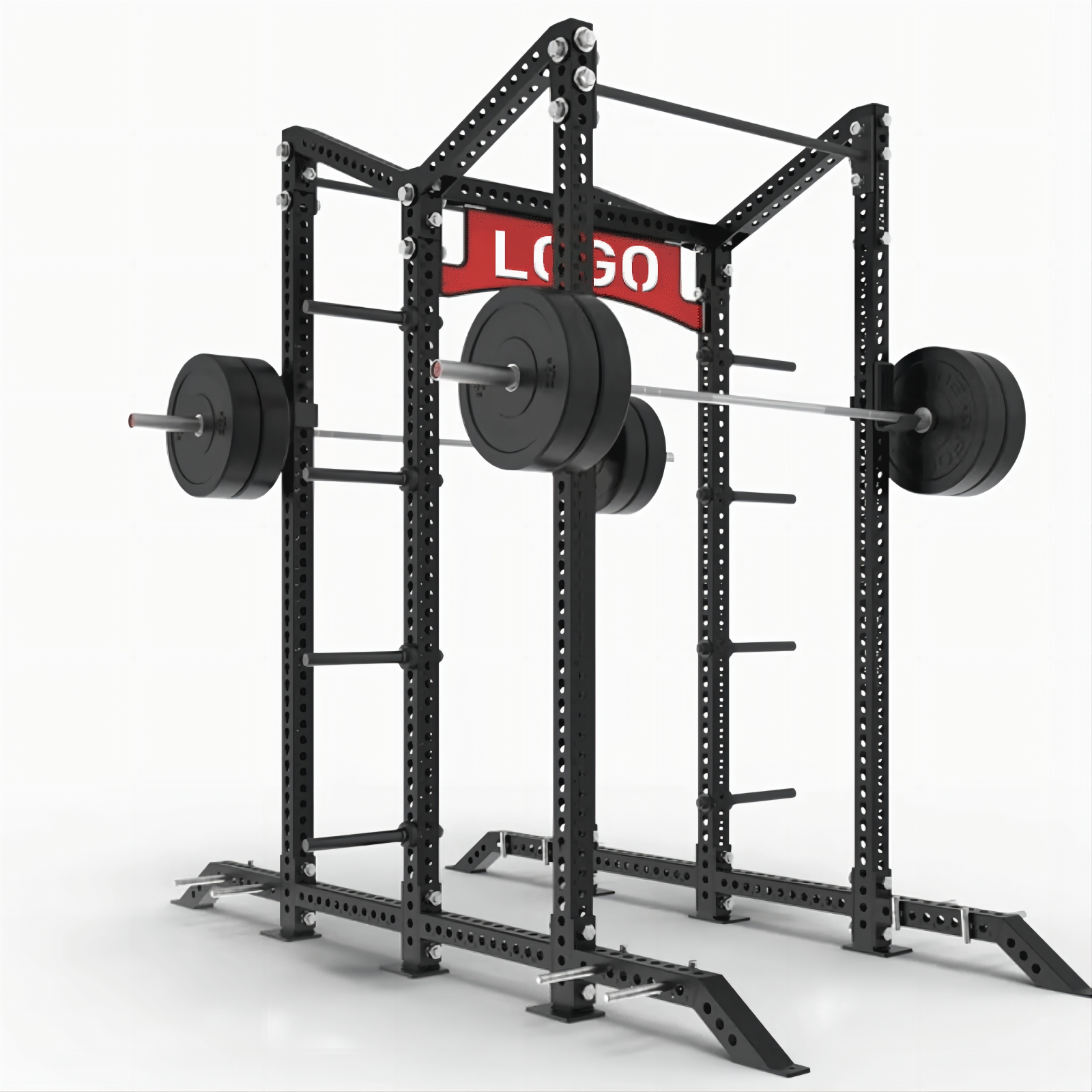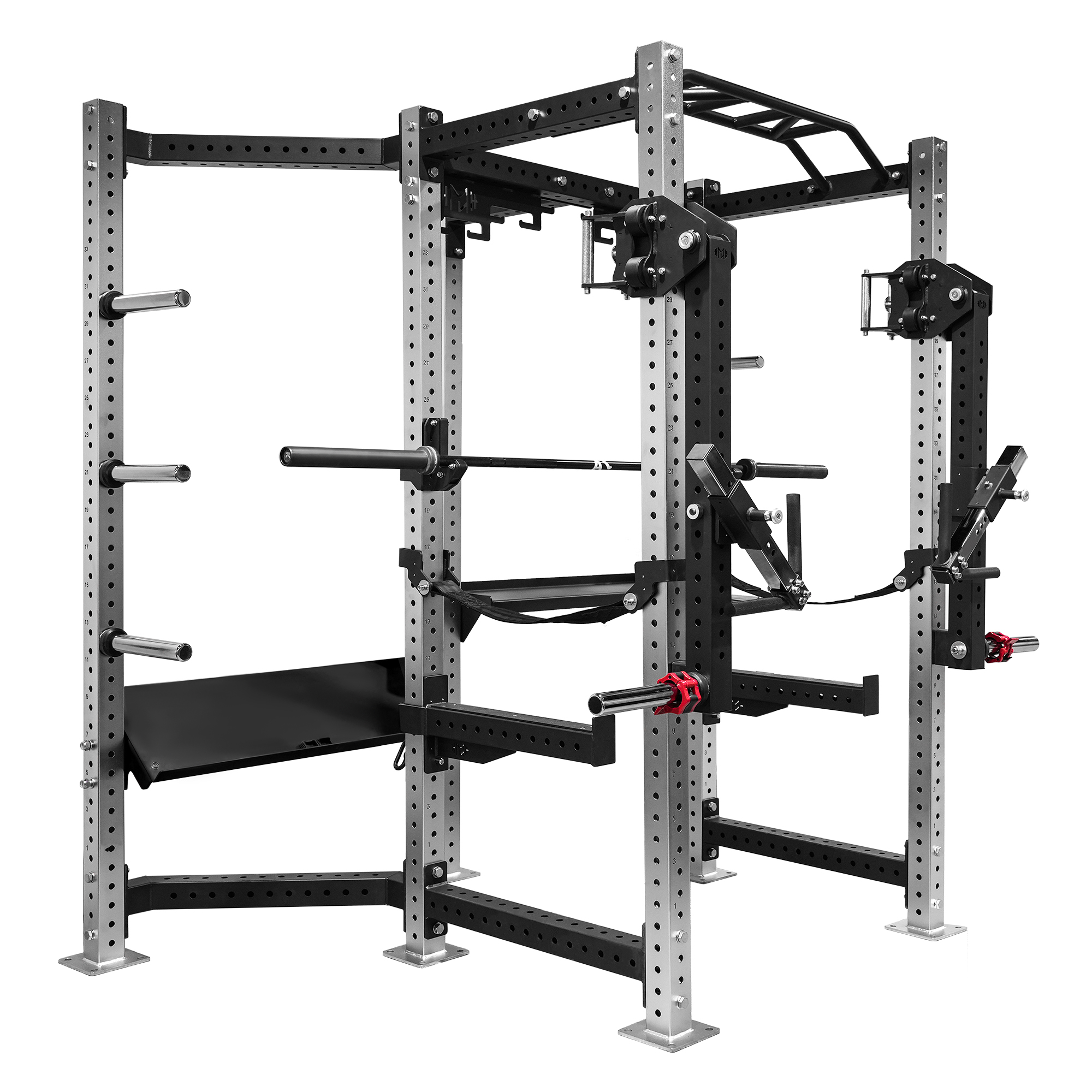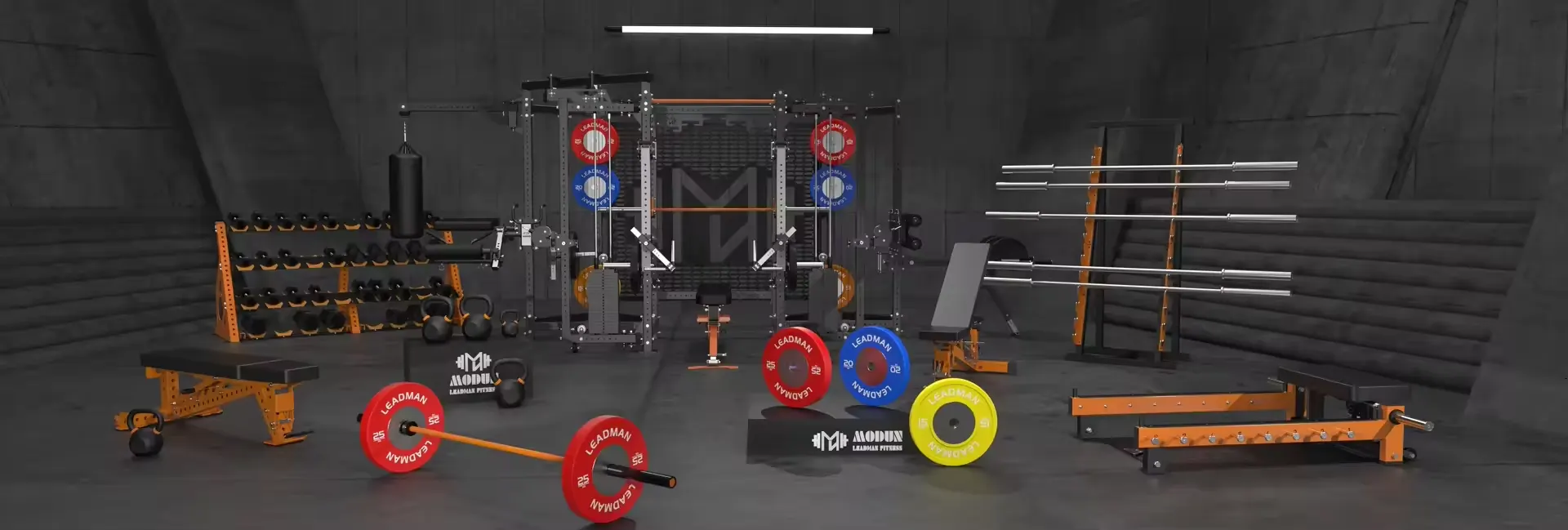
Commercial universal gym equipment represents the cornerstone of modern fitness facilities, offering a comprehensive training platform that accommodates diverse user populations within a compact footprint. Unlike specialized single-function machines, these multi-station systems integrate multiple resistance modalities—cable columns, plate-loaded mechanisms, and selectorized weight stacks—into a unified structural framework designed for continuous high-frequency use. For facility operators, the strategic deployment of universal equipment maximizes floor efficiency while delivering the exercise variety essential for member retention, enabling everything from rehabilitation protocols to advanced athletic conditioning within a single zone.
The architectural design of commercial universal gym equipment prioritizes durability, biomechanical precision, and user safety above all else. Heavy-duty 11-gauge steel frames with robotic seam welding provide a foundation that withstands years of heavy loading without flexing or developing stress fractures, while industrial-grade powder coating protects against scratches and corrosion in high-traffic areas. Advanced pulley systems incorporate sealed ball bearings with polymer bushings to deliver smooth, quiet operation even under maximum stack loads, reducing maintenance intervals and enhancing the user experience. Critical pivot points employ case-hardened steel pins and self-lubricating liners to ensure consistent rotational resistance, maintaining exercise accuracy across thousands of repetition cycles.
Evaluating commercial universal gym equipment requires a systematic assessment of several operational parameters that directly impact return on investment. The weight stack capacity, typically ranging from 200 to 350 pounds per station, must align with the facility's member demographics—higher capacities justify premium pricing but may be underutilized in community centers or rehabilitation settings. Cable travel length determines the exercise range available for movements like lateral raises and cable crossovers, with extended travel essential for tall users and functional training applications. The quality of upholstery, including closed-cell vinyl thickness and heat-sealed seams, resists wear and sanitization chemicals, while easily replaceable pulley inserts and guide rods reduce downtime for servicing. Facility managers should also examine the equipment's footprint relative to circulation pathways, ensuring ample clearance for access and safe exercise execution.
The versatility of commercial universal gym equipment extends beyond exercise variety to include configuration flexibility that supports evolving training trends. Multi-station systems with independent adjustable arms allow simultaneous bilateral exercises, enabling efficient circuit training and partner-assisted workouts that maximize throughput during peak hours. The inclusion of designated storage for accessories—such as strap handles, ankle cuffs, and lat pulldown bars—minimizes clutter and maintains a professional aesthetic, reinforcing the facility's commitment to quality and organization. Furthermore, modular designs permit the addition of peripheral attachments like leg developer units, dip stations, and preacher curl platforms, allowing operators to customize the offering without purchasing entirely new machines, thereby adapting to shifting member preferences with minimal capital expenditure.
Long-term operational success with commercial universal gym equipment depends on proactive maintenance strategies and partnerships with reliable suppliers. Lubricating guide rods and cables at quarterly intervals prevents friction wear that compromises smooth operation, while visual inspections for frayed cables, misaligned pulleys, and loose fasteners identify issues before they escalate into safety hazards. Reputable manufacturers provide comprehensive parts catalogs with rapid fulfillment, ensuring that worn components—from selector pins to resistance bands—are replaced with genuine OEM parts that maintain equipment performance and warranty coverage. As the commercial fitness landscape continues to embrace hybrid training models and experiential design, the enduring relevance of universal equipment ensures its place as the bedrock upon which successful clubs build their strength training offerings, delivering consistent value to both operators and the communities they serve.

Let our experts design the perfect gym solution for your business. Get a free consultation and quote today.