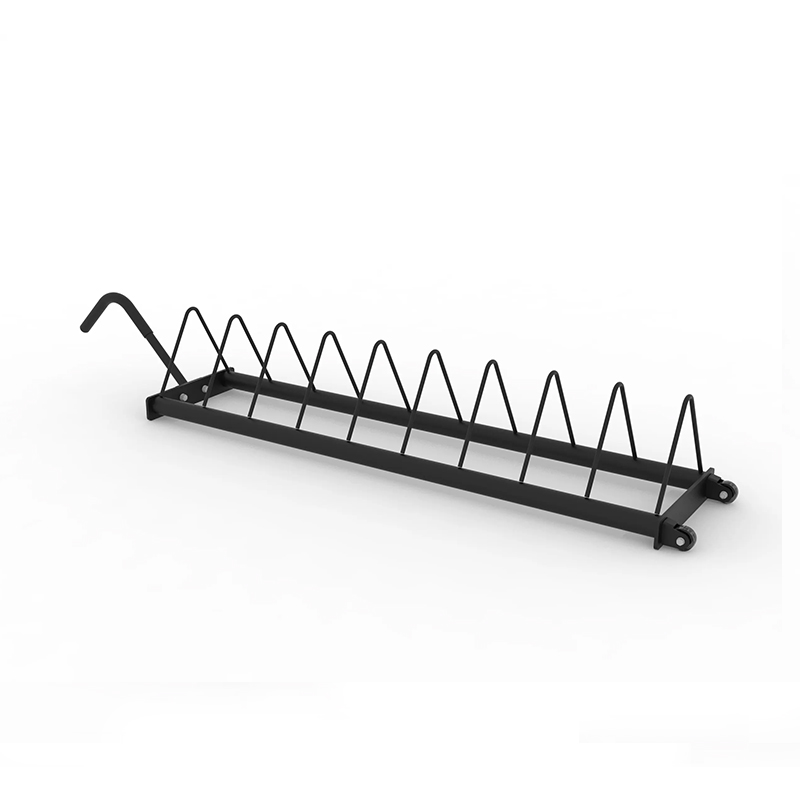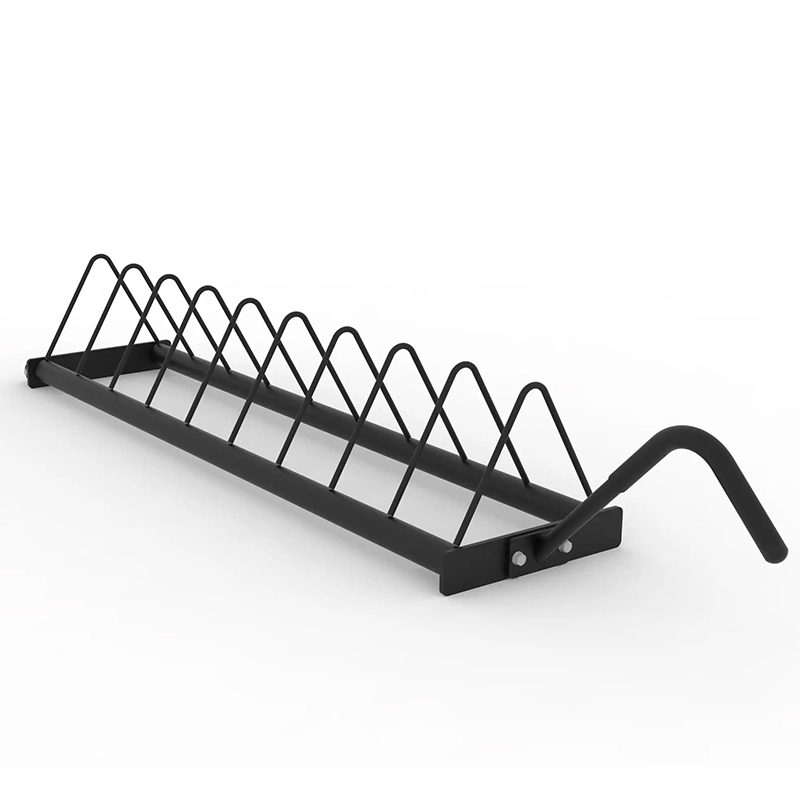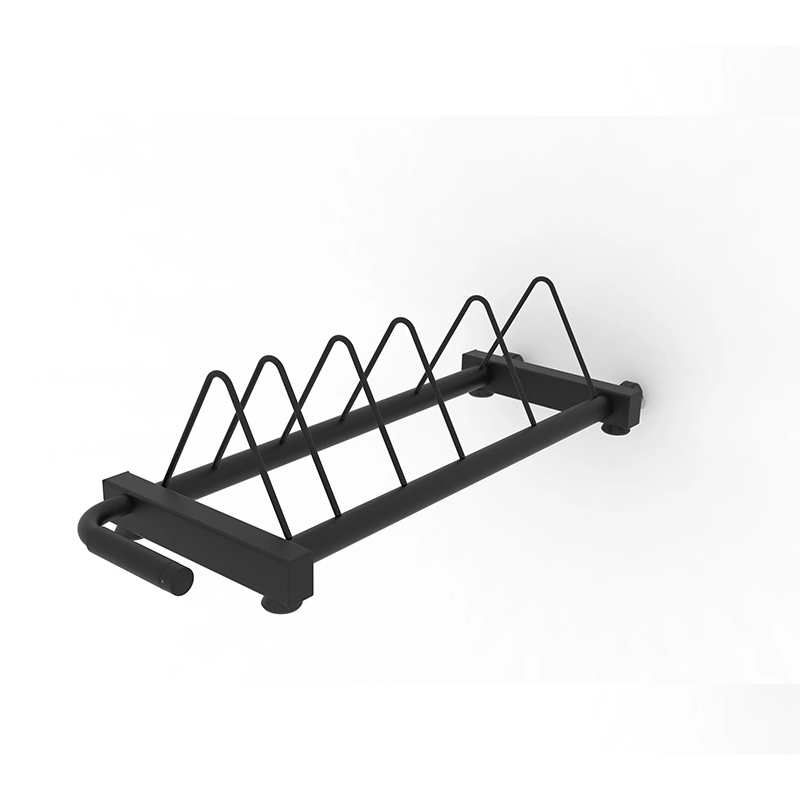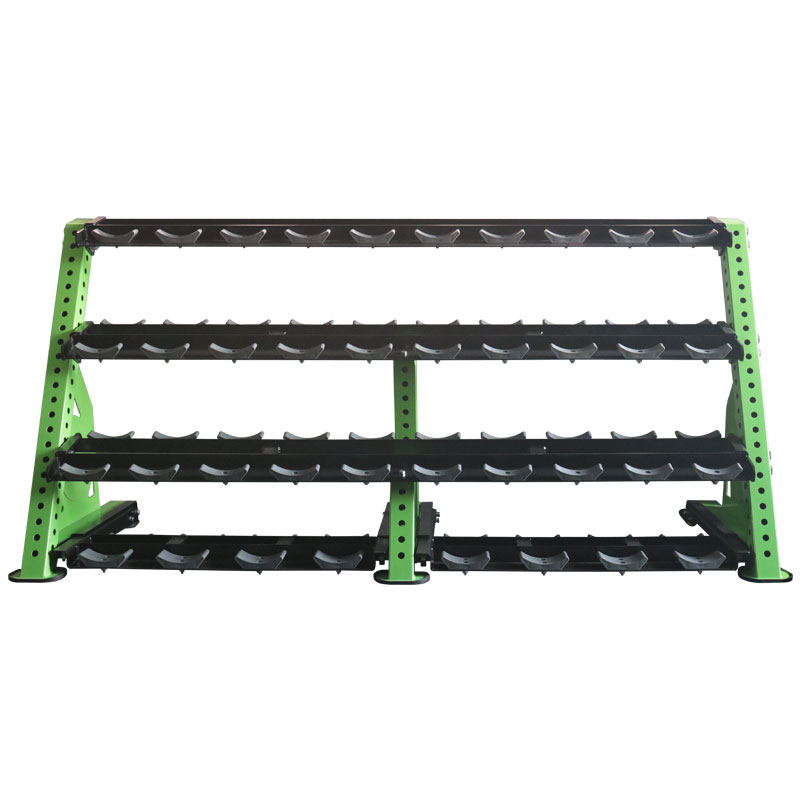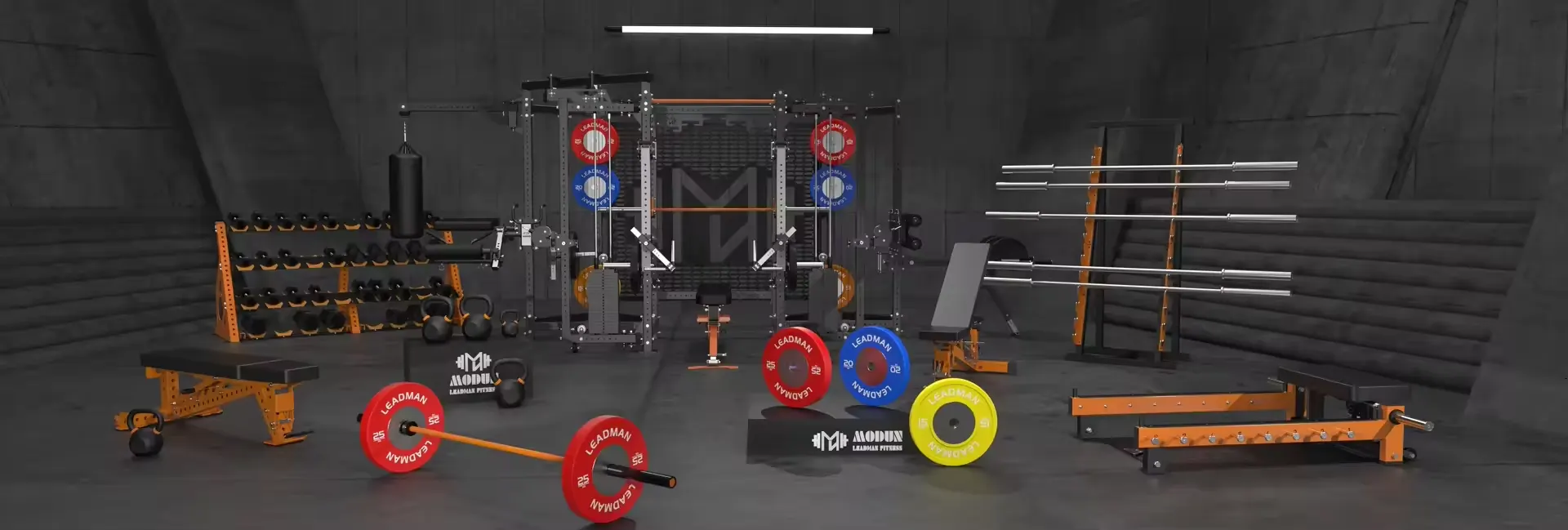
China has solidified its position as the global epicentre for fitness manufacturing, with the China wholesale gym equipment sector exporting over $3.5 billion annually to markets across North America, Europe, and Southeast Asia. This dominance stems from an integrated industrial ecosystem where raw material processing, component manufacturing, assembly, and logistics converge within 200–300 kilometre radii, enabling cost efficiencies that remain unmatched. However, navigating this vast landscape requires procurement professionals to move beyond price-led decisions and develop systematic evaluation frameworks that balance cost, quality, and supply chain resilience in an increasingly complex global trade environment.
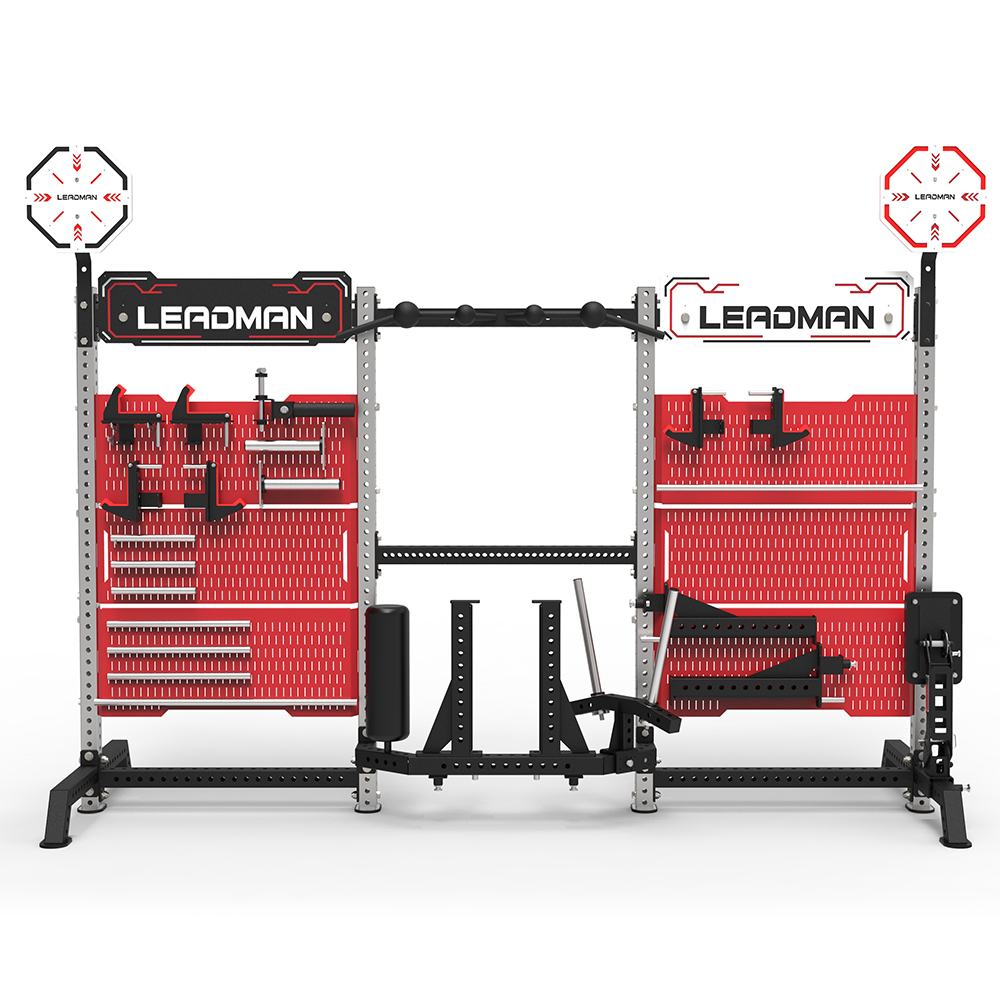
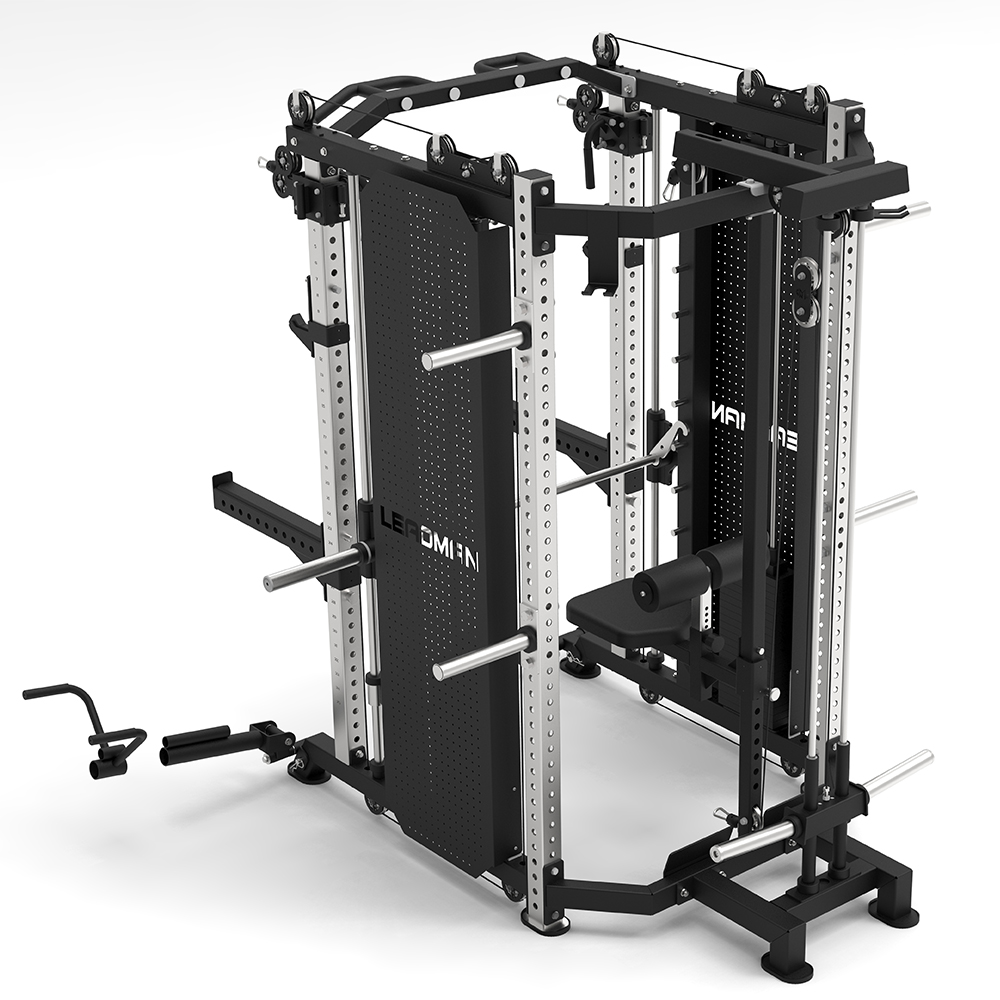
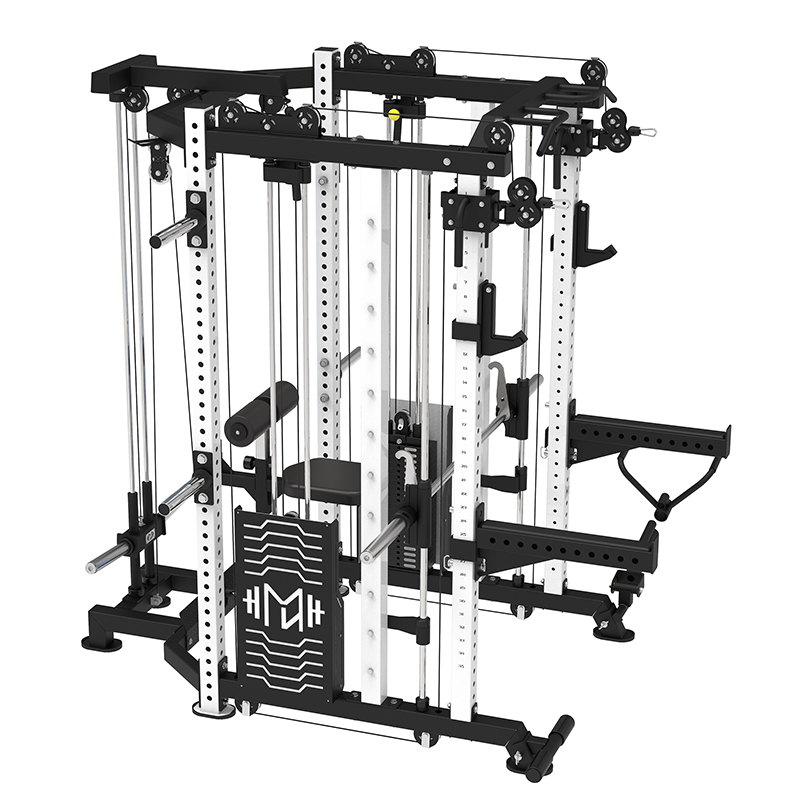
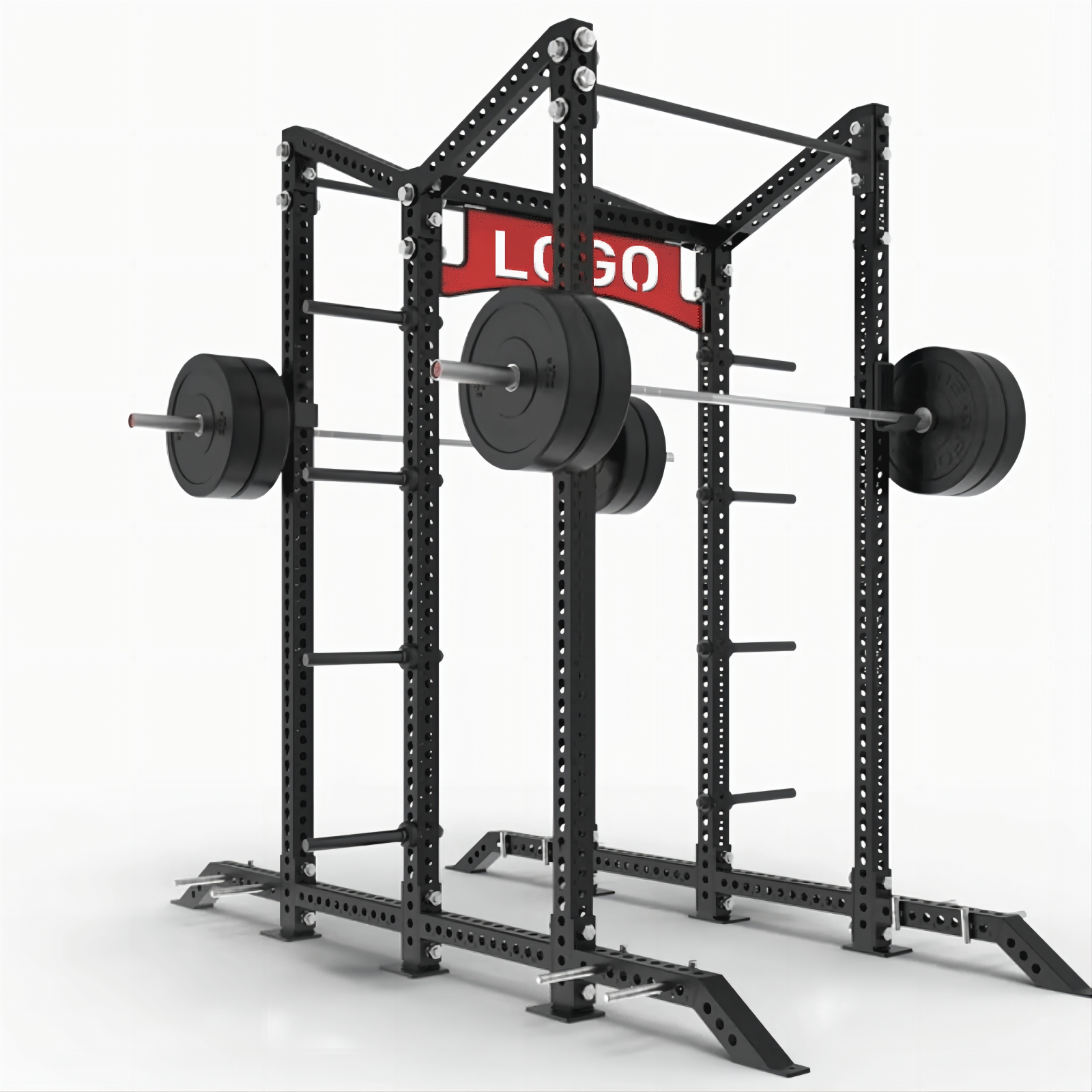
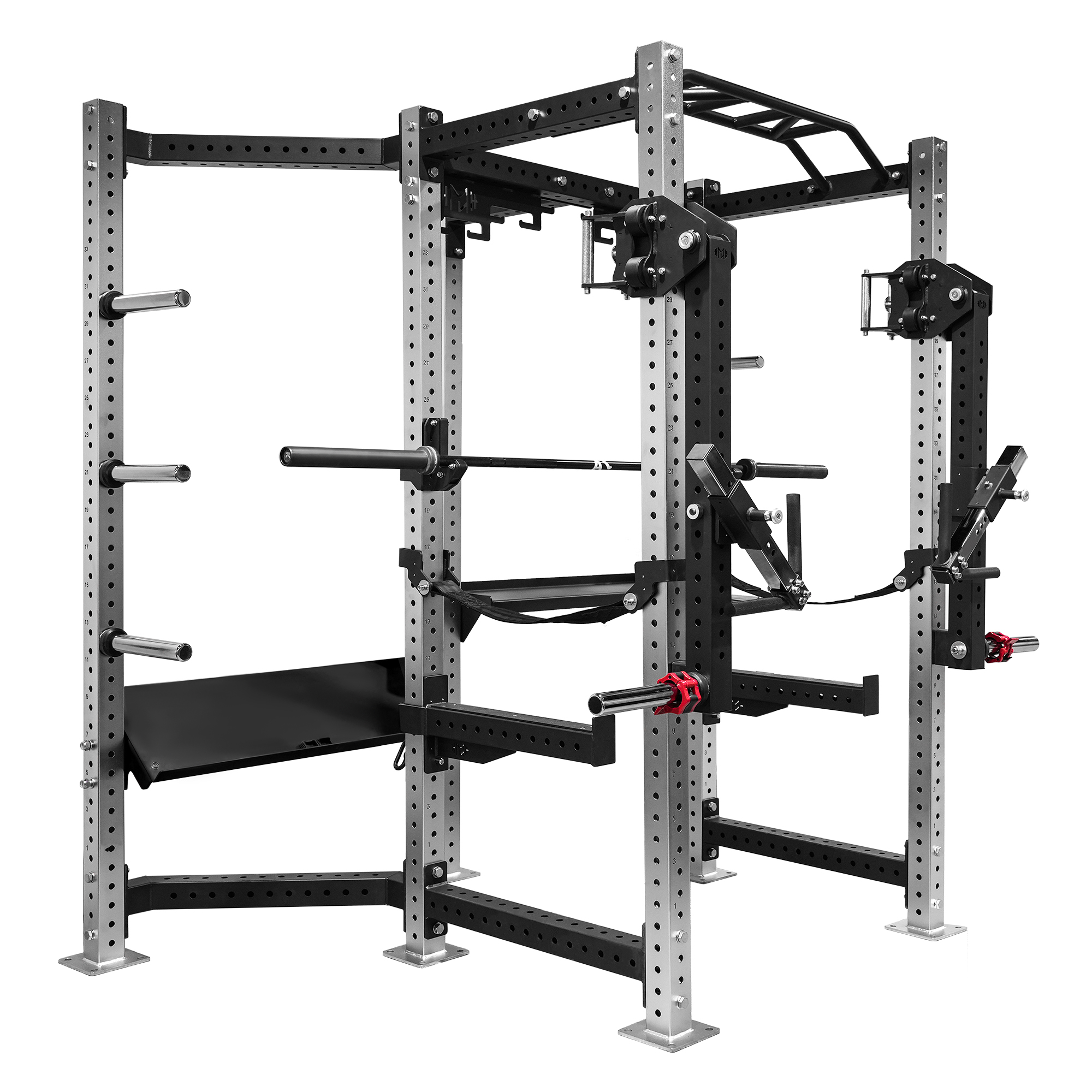
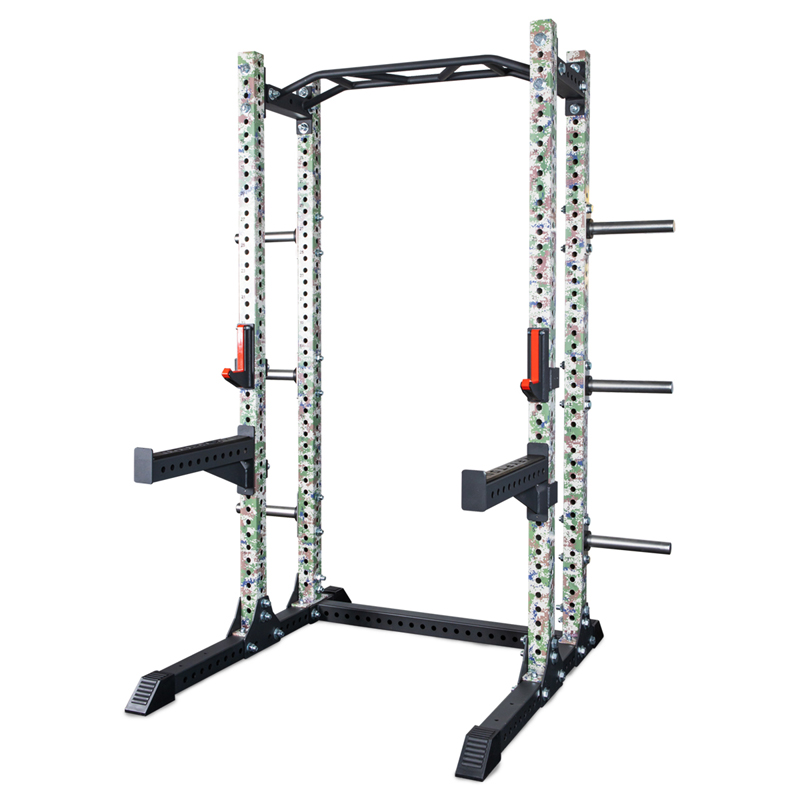
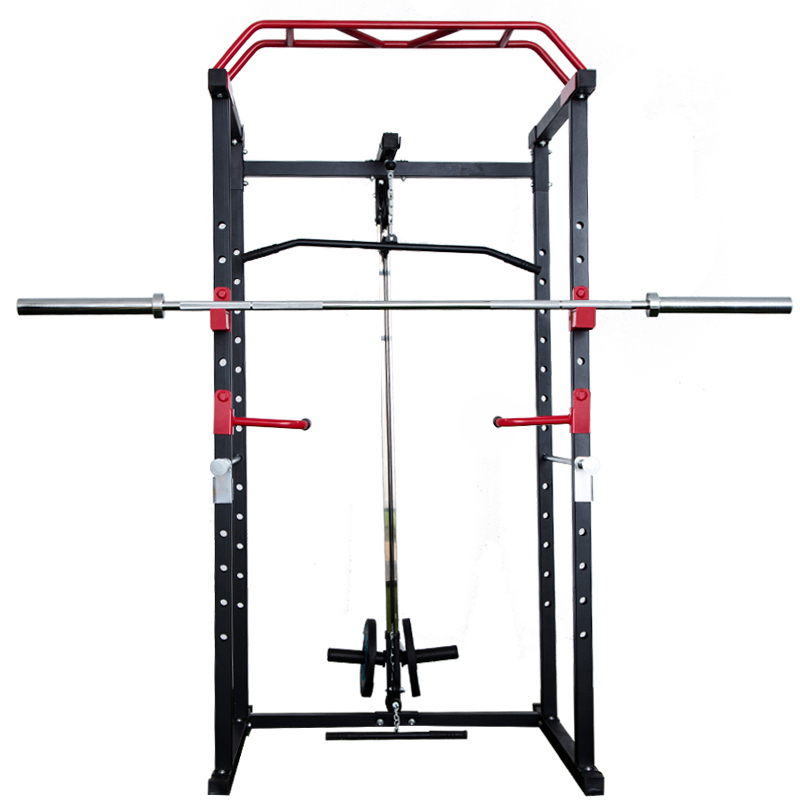
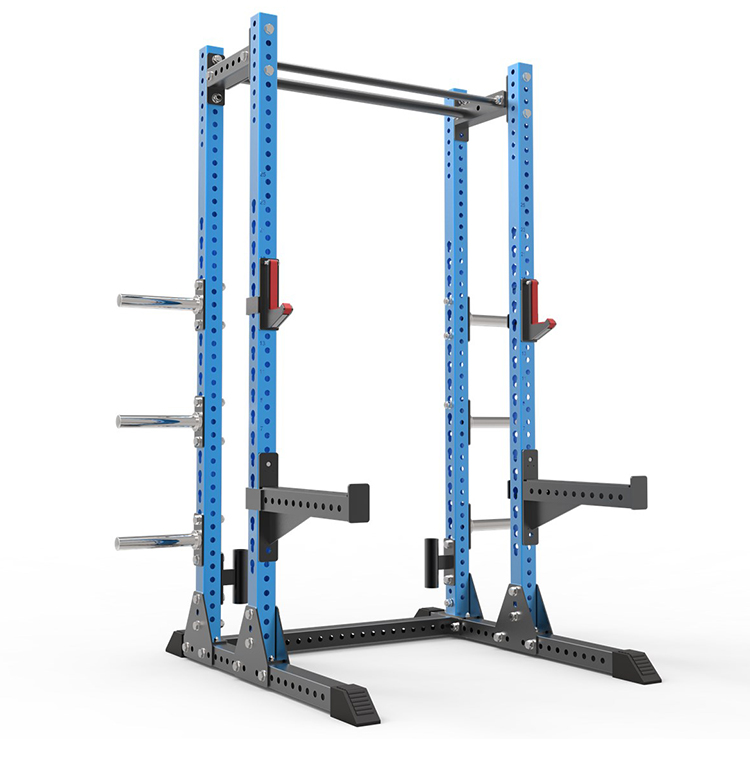
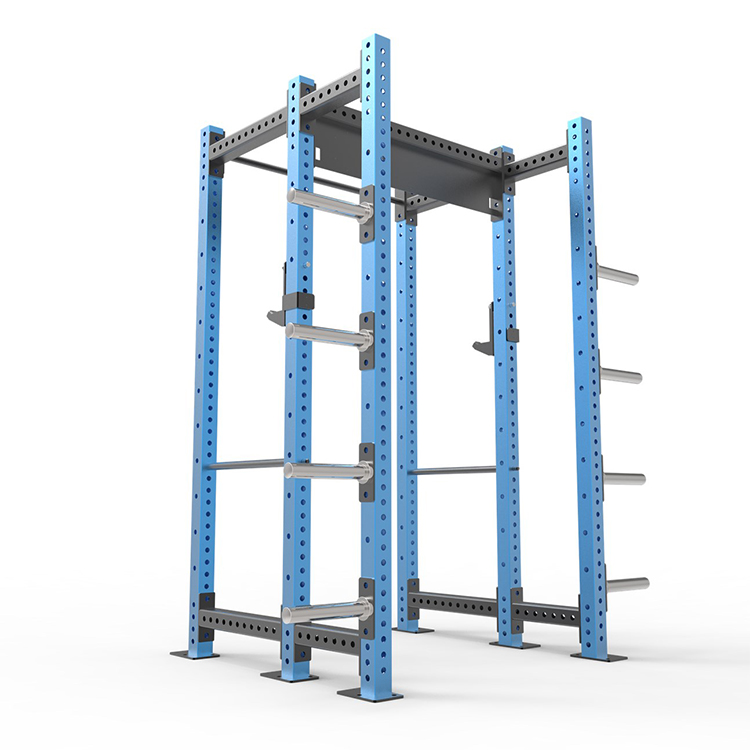
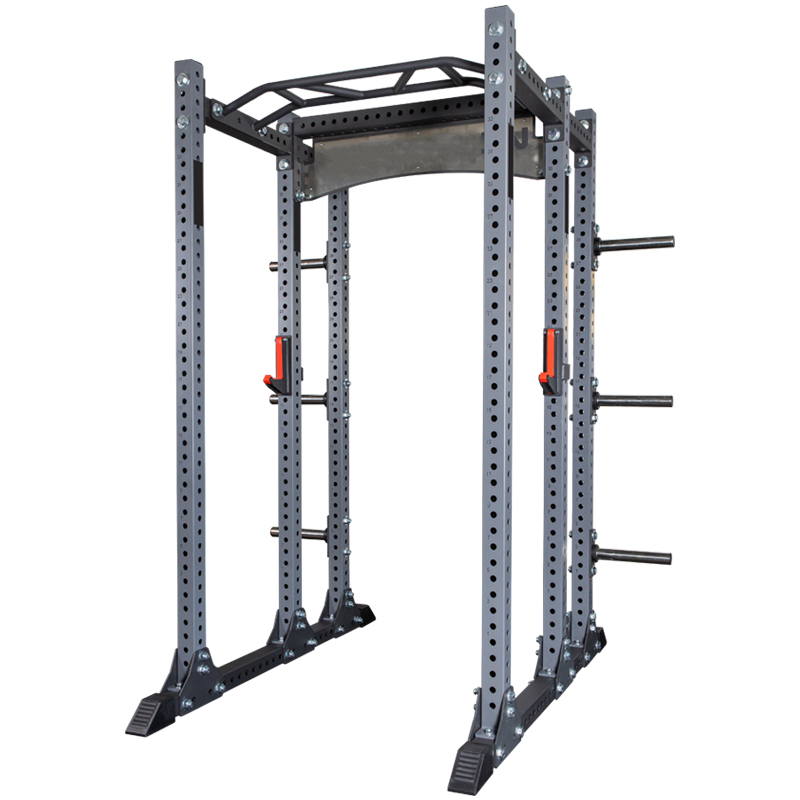
The wholesale gym equipment market in China displays pronounced regional specialisation. Shandong province leads in precision strength equipment—racks, benches, and selectorised machines—leveraging its historic heavy-industry infrastructure for steel fabrication and robotic welding. Jiangsu and Zhejiang dominate cardio equipment and rubber flooring, while Guangdong's Pearl River Delta excels in electronics integration for smart fitness products and high-volume consumer-grade equipment. Understanding these geographic strengths enables buyers to align sourcing strategies with product requirements, optimising both quality outcomes and logistical efficiency by sourcing within consolidated industrial clusters.
Quality stratification within China wholesale gym equipment ranges from budget-grade options ($100–300 per station) to premium commercial lines ($800–2,500 per station), with material specifications serving as the primary differentiator. Budget equipment often uses 2mm steel tubing and basic powder coating, suitable for light-use facilities, whereas commercial-grade products incorporate 3mm cold-rolled steel, zinc-phosphated pre-treatment, and electrostatic coating exceeding 80µm thickness. Commercial gym equipment suppliers typically hold ISO 9001 and product-specific EN 957 or ASTM certifications, enabling exports to regulated markets. Requesting test reports, weld inspection logs, and material certificates verifies compliance claims.
Procurement strategy for China wholesale gym equipment must address logistics, communication, and payment risks. Seasoned buyers employ third-party inspection agencies (SGS, Bureau Veritas) for pre-shipment quality verification, establish clear contract terms covering non-conformance penalties, and maintain buffer inventory to offset port delays. Emerging digital procurement platforms and business-to-business marketplaces have reduced information asymmetry, enabling smaller buyers to access factory-direct pricing previously reserved for container-volume orders. As manufacturing automation and digital supply chain tools continue to mature, the Chinese wholesale sector increasingly offers customisation flexibility, transparent lead times, and collaborative engineering partnerships—transforming transactional sourcing into strategic capability building for fitness businesses worldwide.
Let our experts design the perfect gym solution for your business. Get a free consultation and quote today.