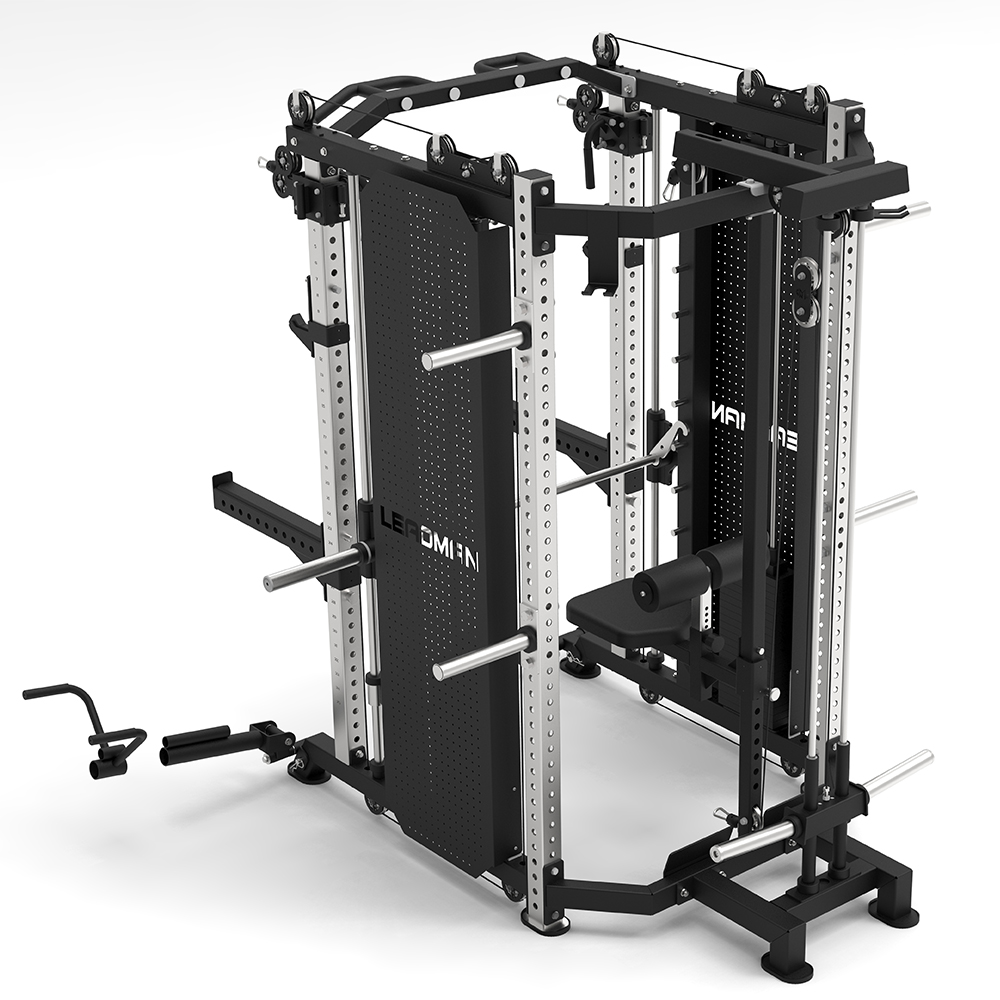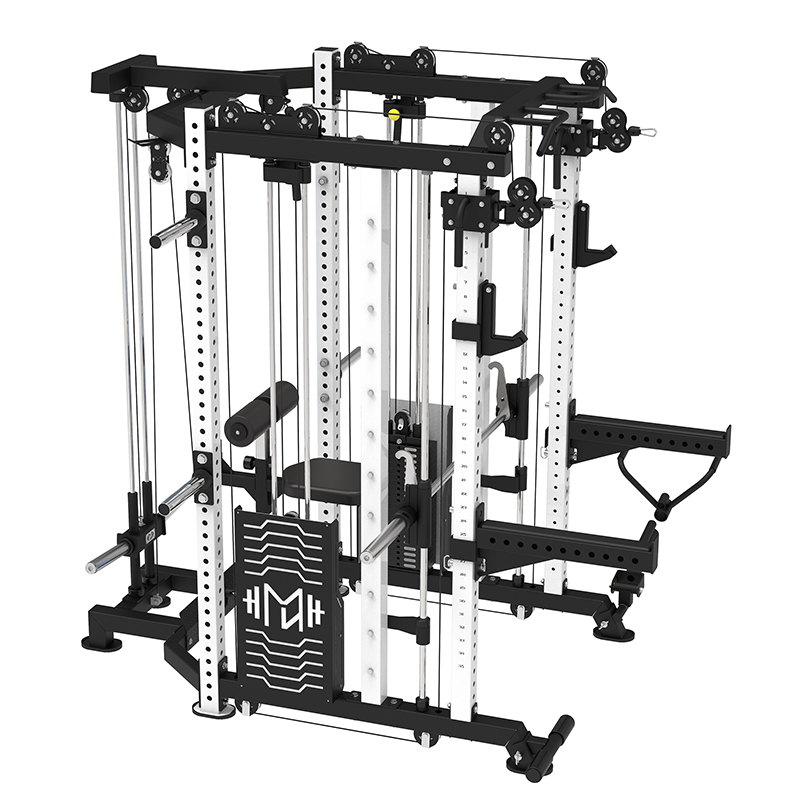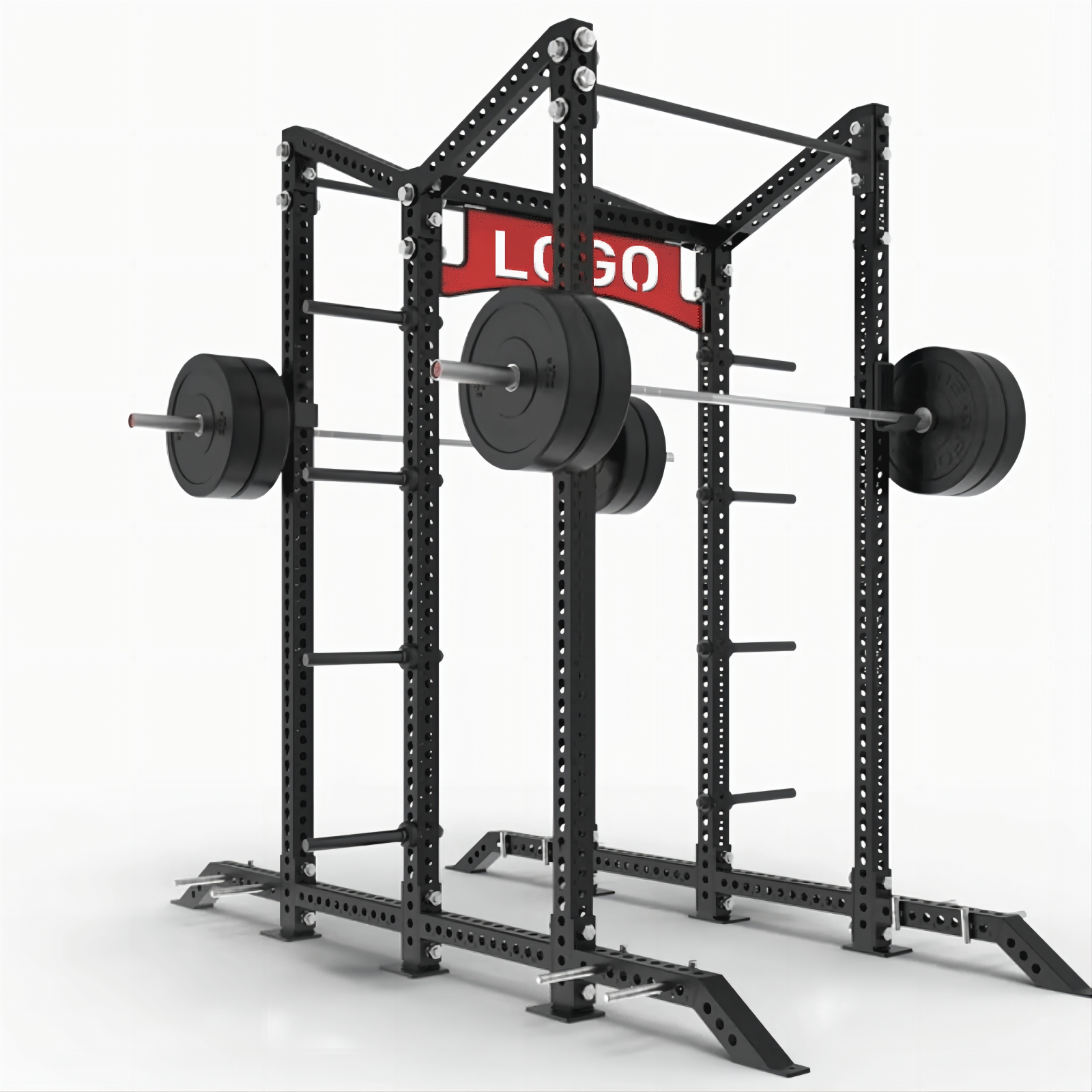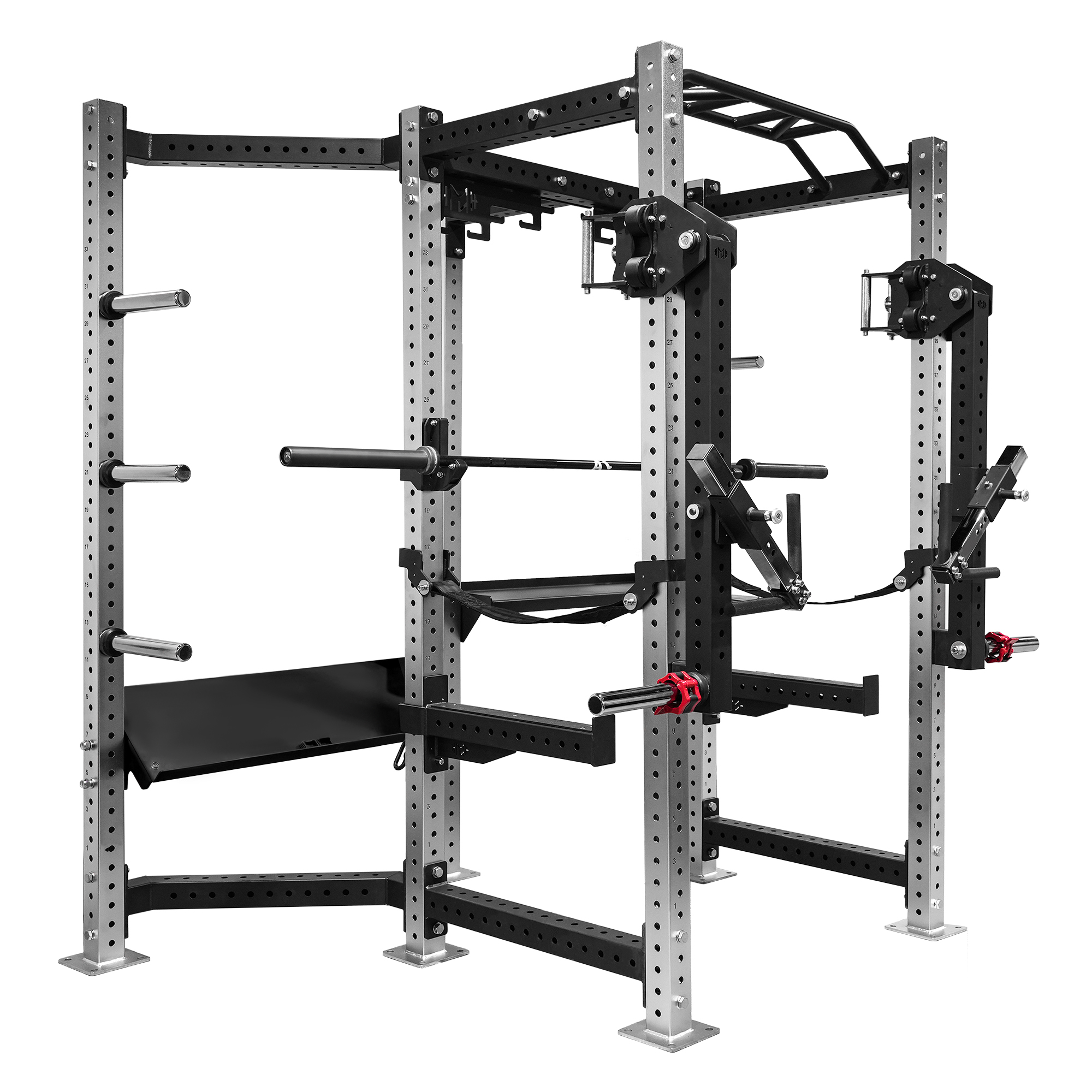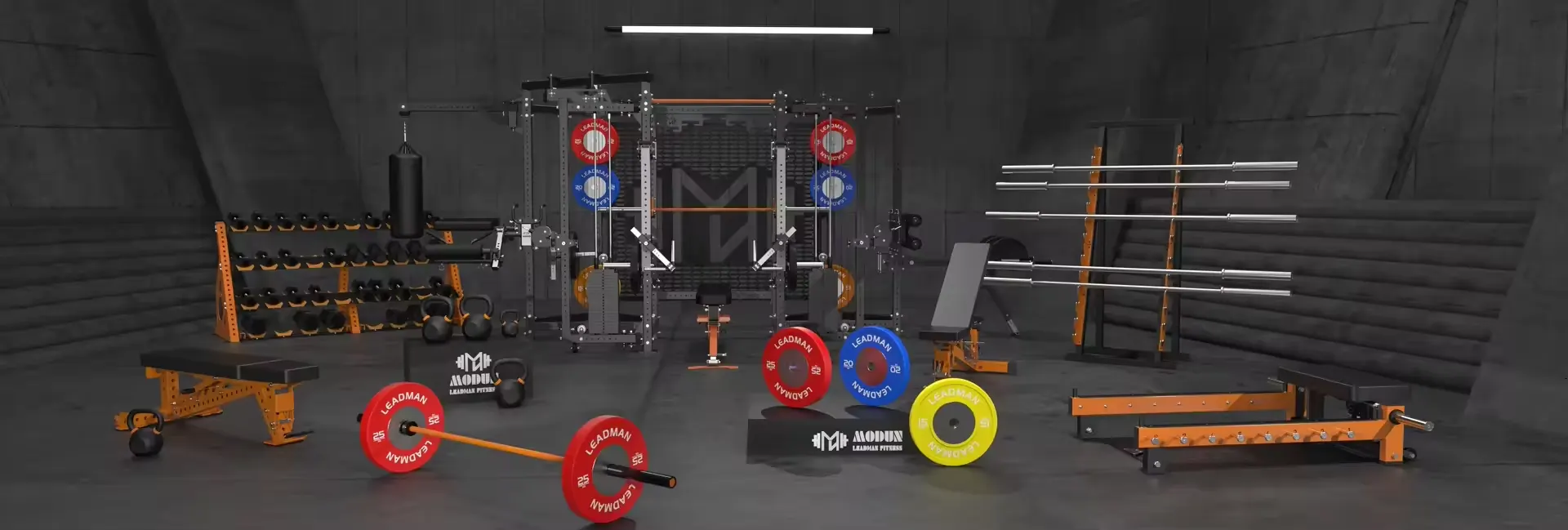
Determining the best Smith machine for a commercial fitness facility requires evaluating a complex interplay of mechanical design, structural integrity, and operational versatility that extends far beyond simple brand recognition. Unlike standard barbell stations, a Smith machine provides guided vertical movement through a fixed plane, enabling users to perform squat, bench press, and overhead press variations with reduced stabilization demands and enhanced safety—benefits that appeal to both novice members and experienced lifters seeking supplementary training. For procurement managers, the "best" machine is not necessarily the most expensive or feature-heavy unit, but rather the one that aligns with the facility's member demographics, available floor space, and maintenance capabilities while delivering consistent, reliable performance across years of commercial use.
From an engineering standpoint, the defining quality indicators of a premium commercial Smith machine center on its guidance mechanism and counterbalance system. The highest-tier units utilize linear bearing systems that travel along chromed or hardened guide rods, providing exceptionally smooth vertical motion with minimal friction and lateral play. This bearing-based guidance outperforms the bushing-and-rail systems found in lower-cost alternatives, which tend to develop uneven wear patterns and audible chatter over extended service periods. The counterbalance mechanism—typically a weight-assisted system that reduces the bar's starting resistance to approximately 15-20 pounds—is an essential component of any Smith machine that merits the "best" designation, enabling users of all strength levels to perform the full spectrum of exercises with manageable initial resistance. Premium machines also incorporate safety stops that engage automatically at the bottom of the movement range, preventing the bar from descending below a user-set threshold without requiring the user to manually lock the bar at each position.
For facility operators, the best Smith machine is one that integrates seamlessly with the existing equipment ecosystem and training culture. Compatibility with standard 50mm Olympic plates is essential, allowing the machine to leverage the facility's existing plate inventory without requiring specialized accessories. The machine's footprint must accommodate the facility's space constraints—typically requiring 1.5-2 meters of depth for the guidance system plus additional clearance for user movement and plate loading. The bar's multi-grip design, allowing for neutral, pronated, and supinated hand positions, expands the machine's exercise library beyond basic press and squat variations to include movements like bent-over rows and upright rows, enhancing overall equipment utilization. For facilities serving diverse member populations, the availability of an assisted counterbalance with adjustable resistance levels enables customization for individual user needs, improving accessibility and member engagement.
Let our experts design the perfect gym solution for your business. Get a free consultation and quote today.