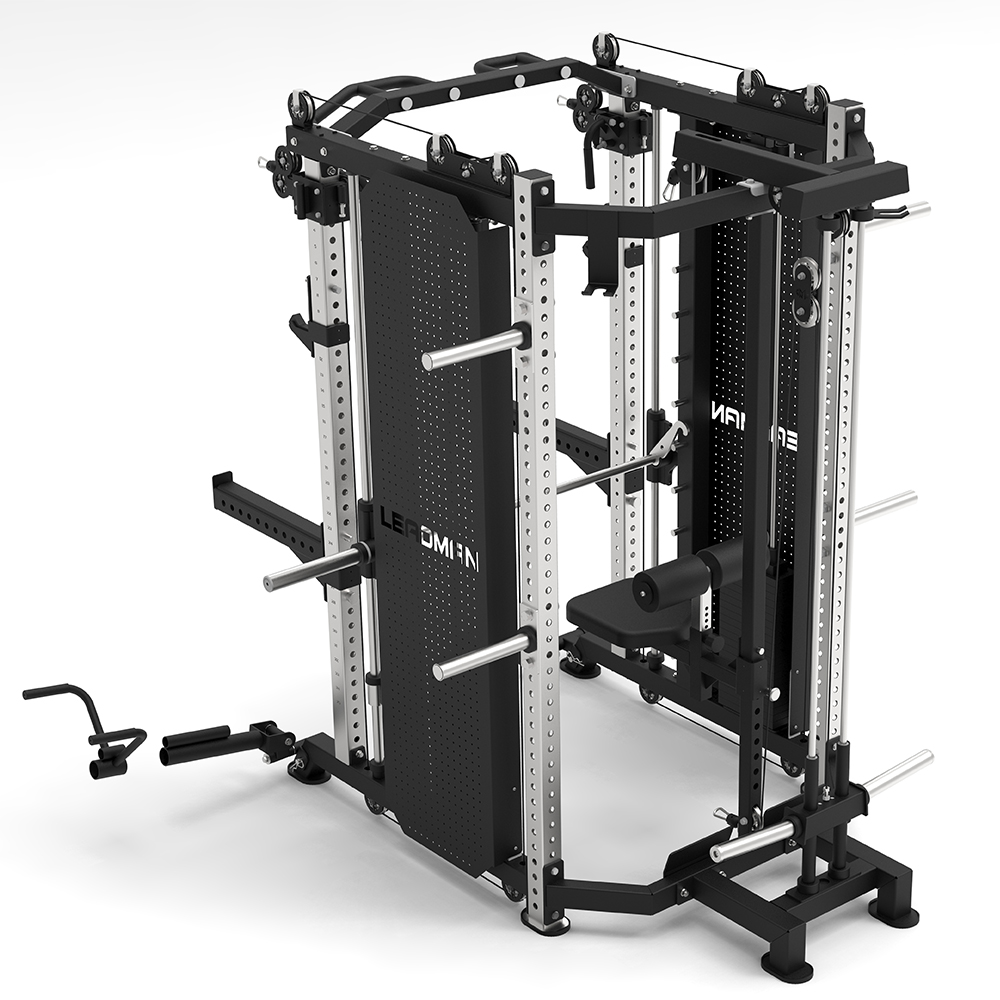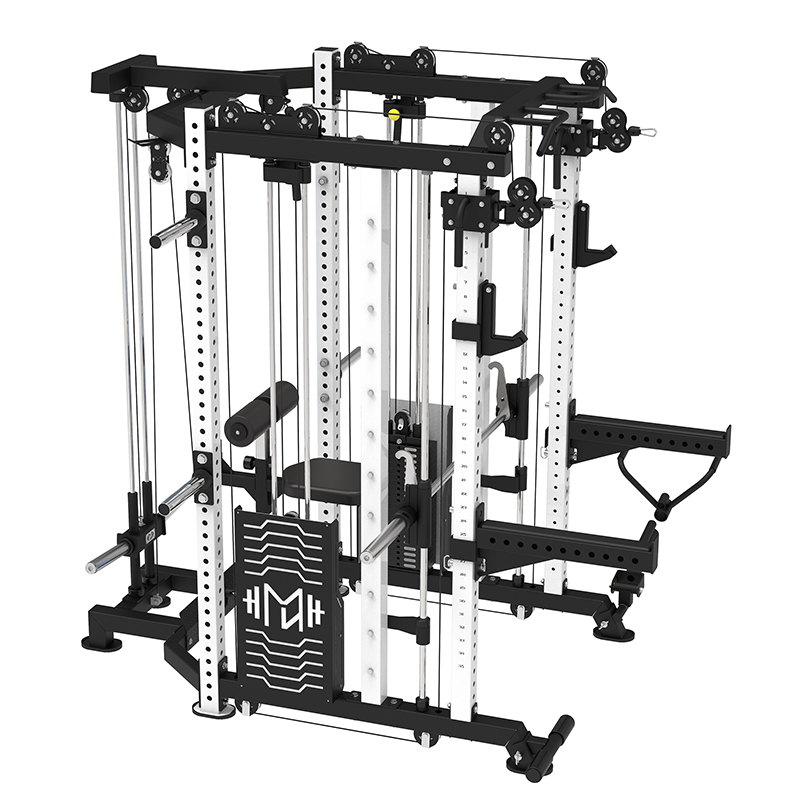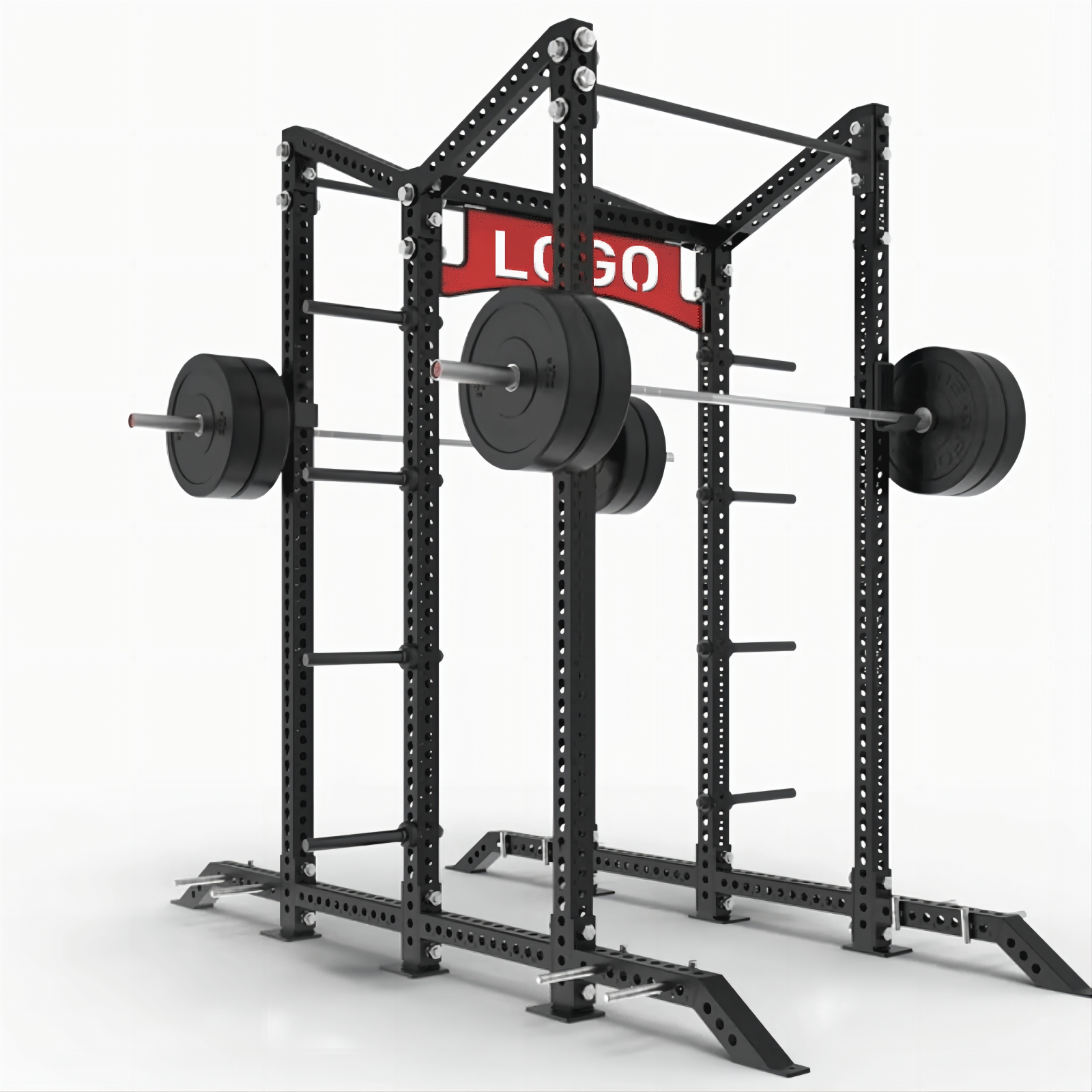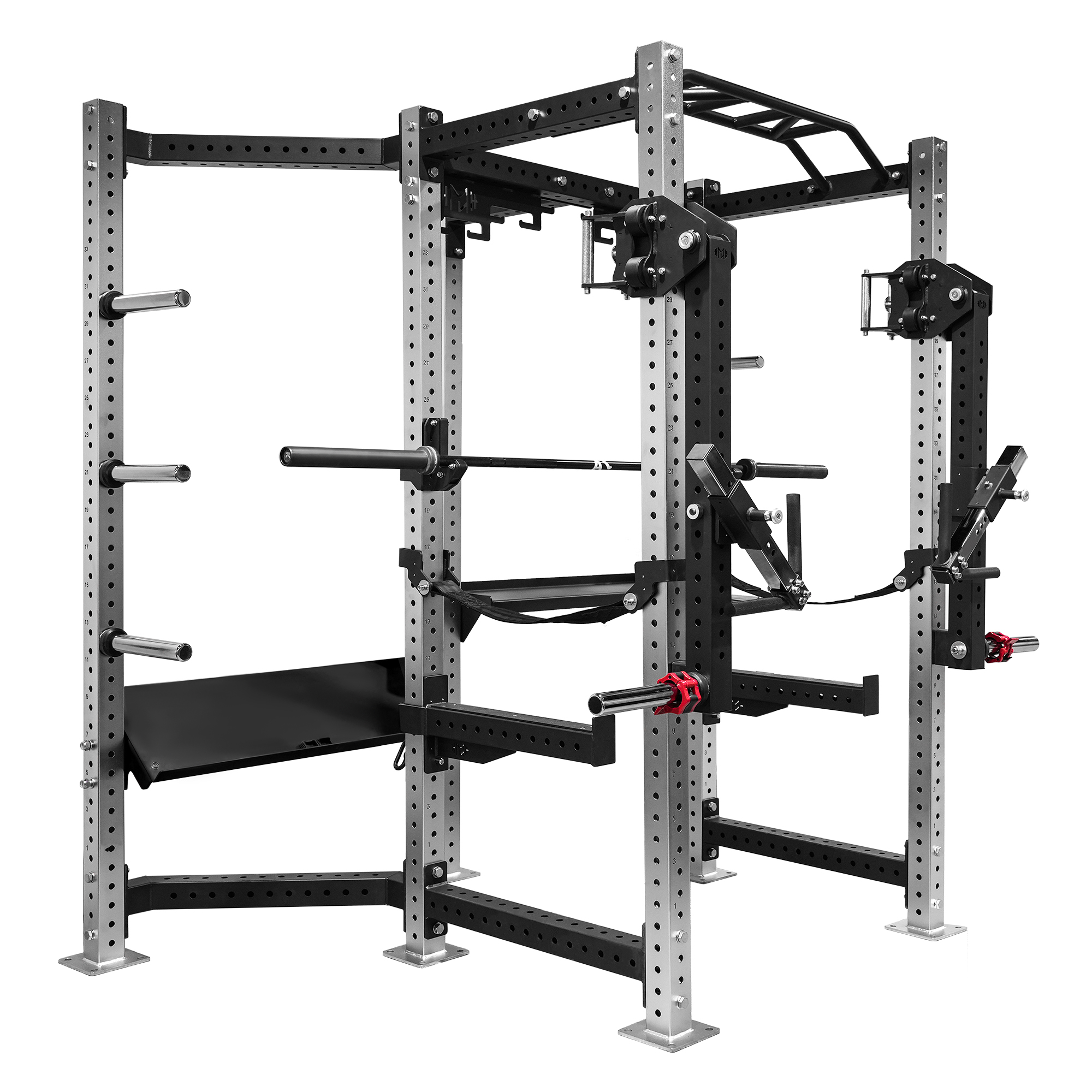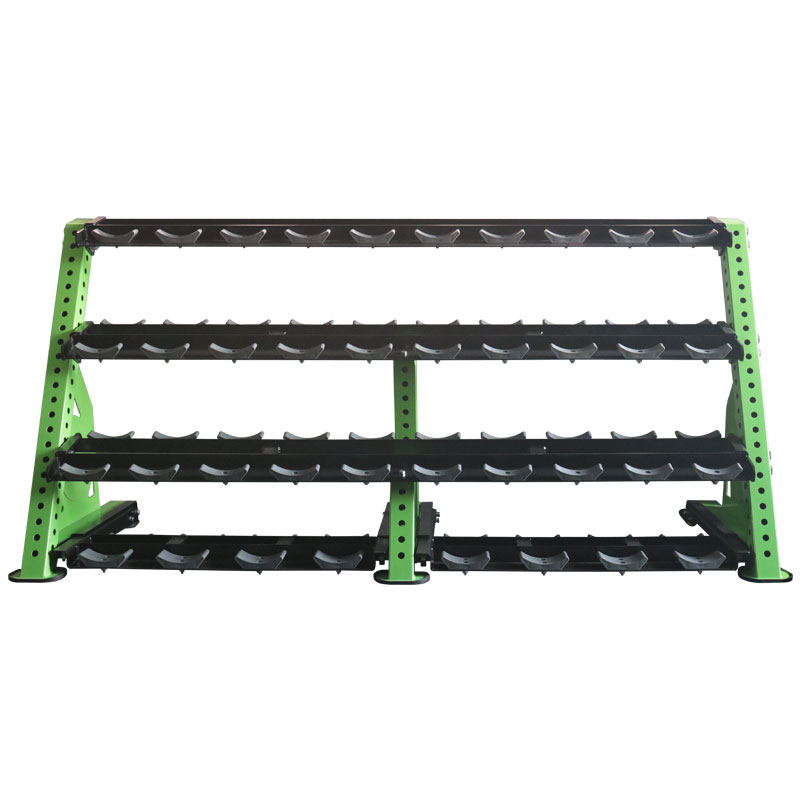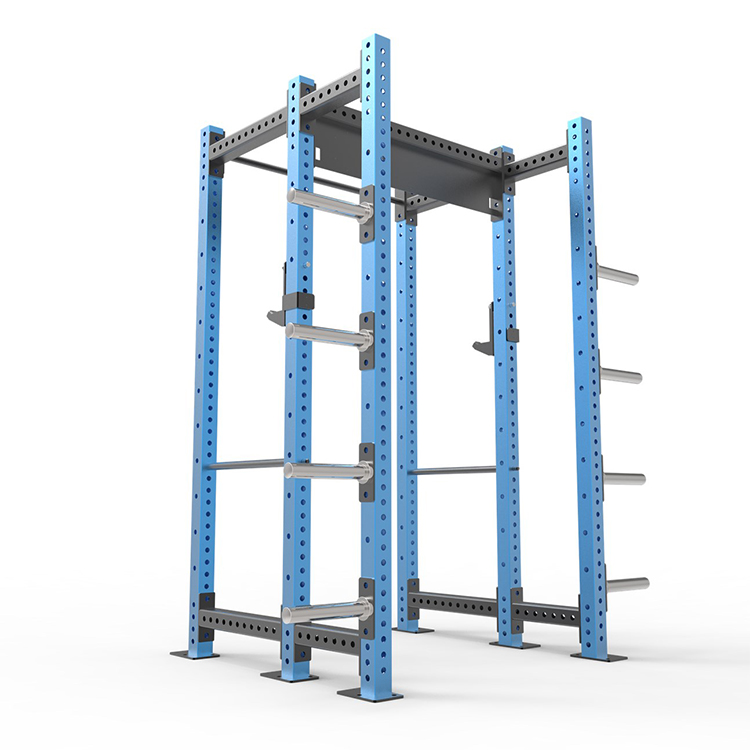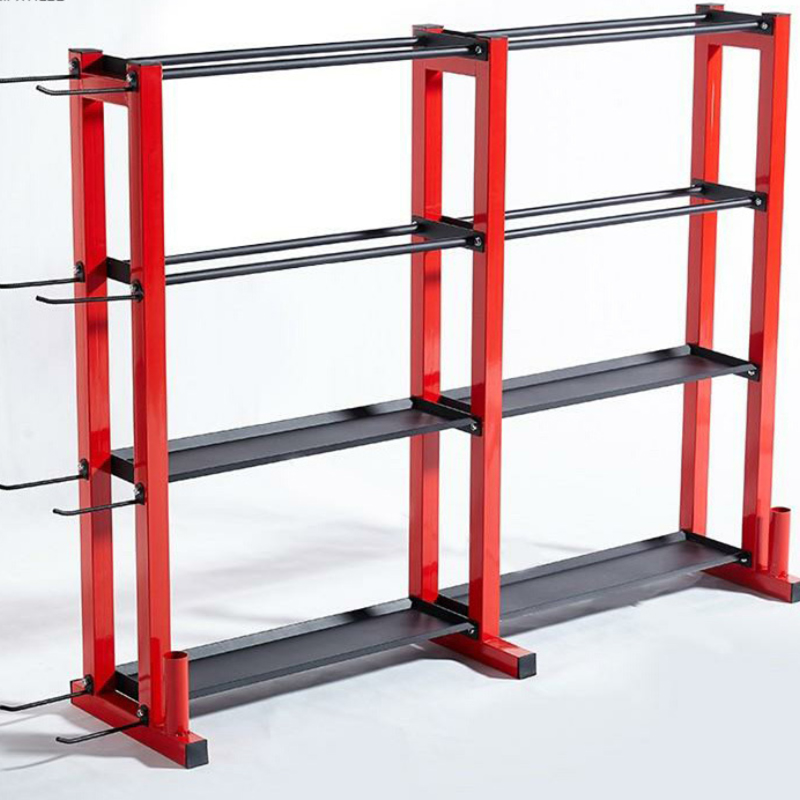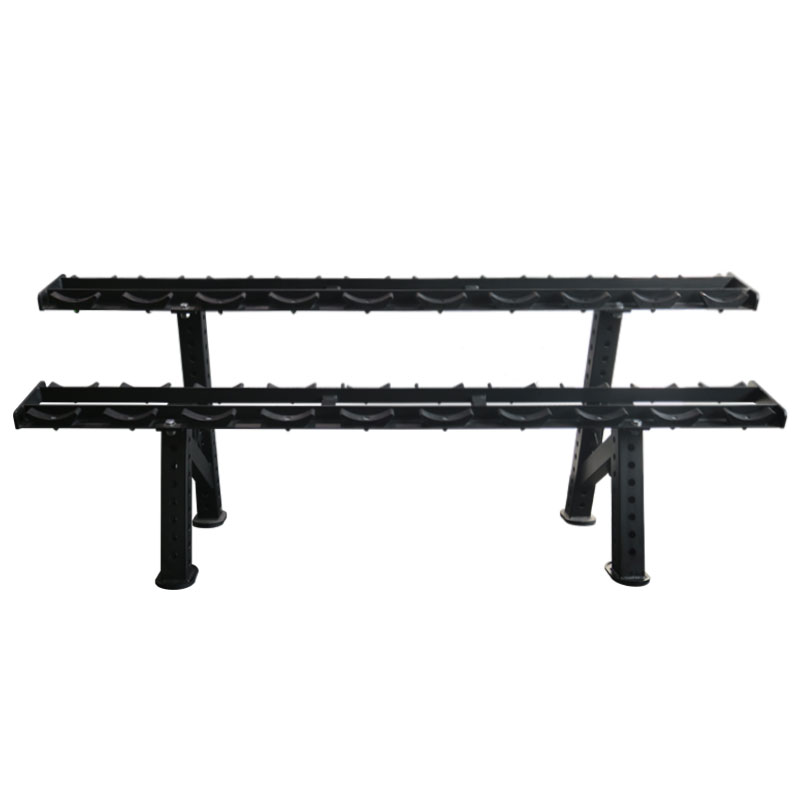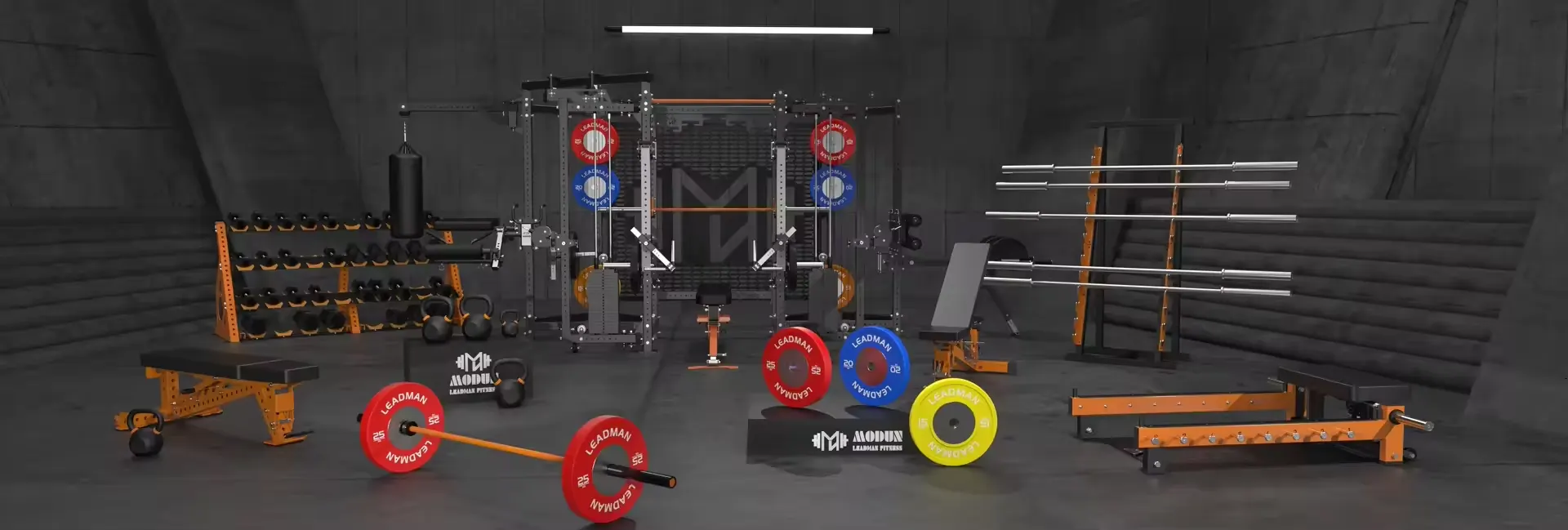
In the demanding world of sports performance, the distinction between generic fitness gear and specialized athletic equipment is profound. Athletic equipment manufacturers occupy a unique niche, dedicated to producing tools that not only withstand the brutal forces of elite competition but also enhance the biomechanical efficiency of the athlete. These manufacturers operate at the intersection of material science, sports medicine, and high-performance engineering, creating products that are rigorously tested to meet the specific demands of various sports disciplines, from the explosive power required in Olympic weightlifting to the dynamic agility needed on the basketball court.
The design philosophy of leading athletic equipment manufacturers is rooted in a deep understanding of sport-specific movement patterns. Unlike general fitness equipment, which prioritizes versatility, athletic equipment is often highly specialized. This specialization manifests in features such as sport-specific bar knurling, specialized rack dimensions for different federations, and machines that replicate the exact angles and resistance profiles encountered in a particular sport. This precision engineering ensures that the training stimulus directly translates to improved performance in the athlete's chosen field, making every repetition count toward a competitive advantage.
Material selection for athletic equipment is driven by the dual imperatives of performance and durability. High-grade alloy steels, aerospace-grade aluminum, and advanced composite materials are frequently employed to achieve the optimal strength-to-weight ratio. For instance, a competition-grade barbell must possess the tensile strength to handle extreme loads while exhibiting the necessary "whip" (elasticity) to assist the lifter during explosive movements. Similarly, the padding on a piece of athletic equipment must be dense enough to provide support yet resilient enough to withstand repeated, high-impact use without degrading. This commitment to material excellence ensures that the equipment performs consistently under the most demanding conditions.
A key differentiator for top-tier athletic equipment manufacturers is their engagement with the athletic community. Many collaborate directly with professional athletes, coaches, and sports scientists to refine their products, gaining invaluable insights into the practical demands of sport. This feedback loop results in innovations that address unmet needs, such as equipment that reduces injury risk or enhances training efficiency. The result is a product ecosystem that evolves in tandem with the sports it serves, ensuring that athletes have access to the most advanced training tools available.
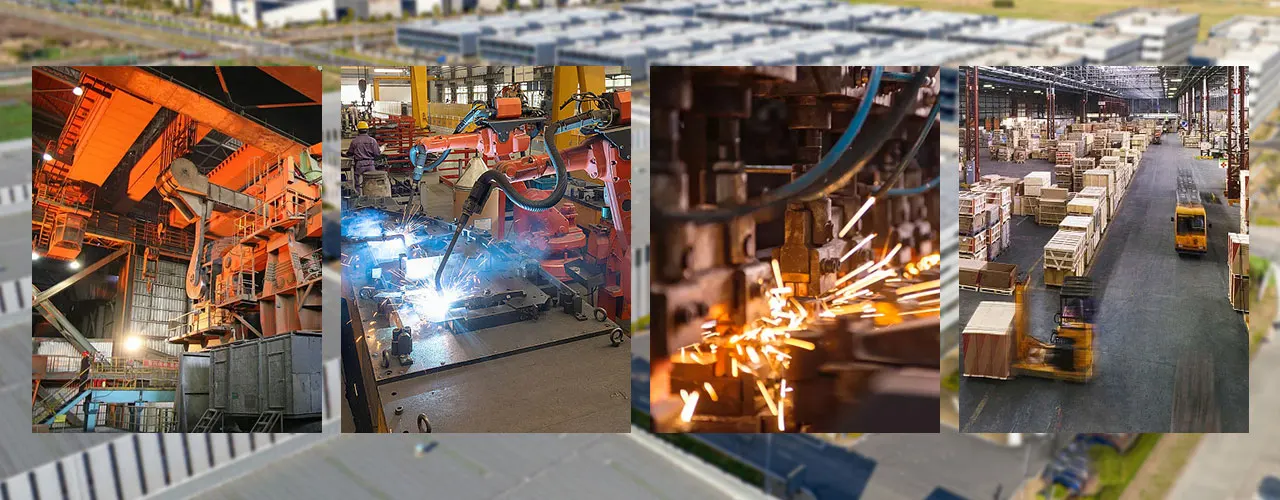
The manufacturing processes employed by these specialists are characterized by precision and quality control. Robotic welding, CNC machining, and advanced finishing techniques ensure that each product meets stringent tolerances. Comprehensive testing, including load testing and fatigue analysis, verifies that the equipment can perform reliably over its lifespan. This dedication to manufacturing excellence provides athletes and coaches with the confidence that their equipment will not fail under pressure, allowing them to focus entirely on performance.
Let our experts design the perfect gym solution for your business. Get a free consultation and quote today.