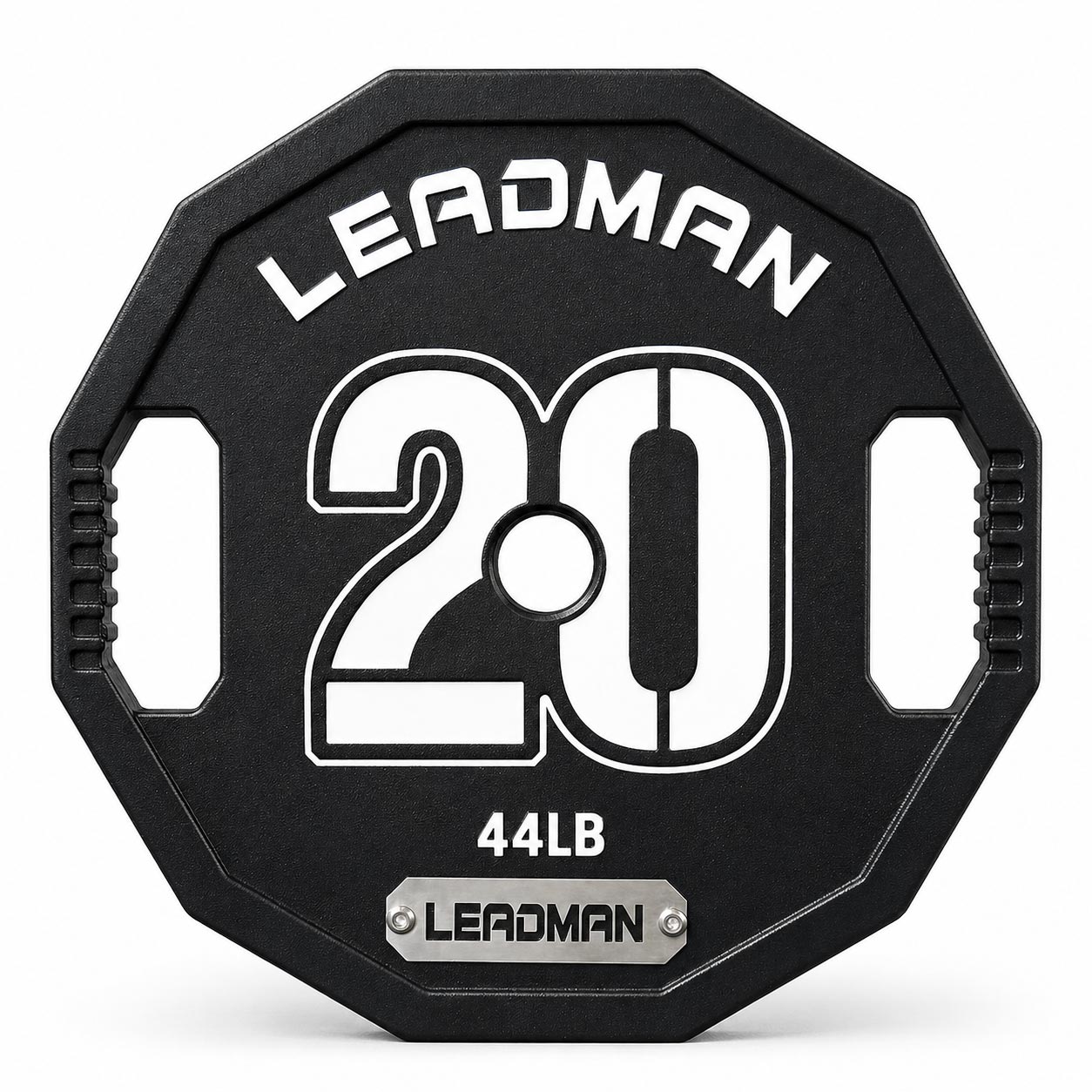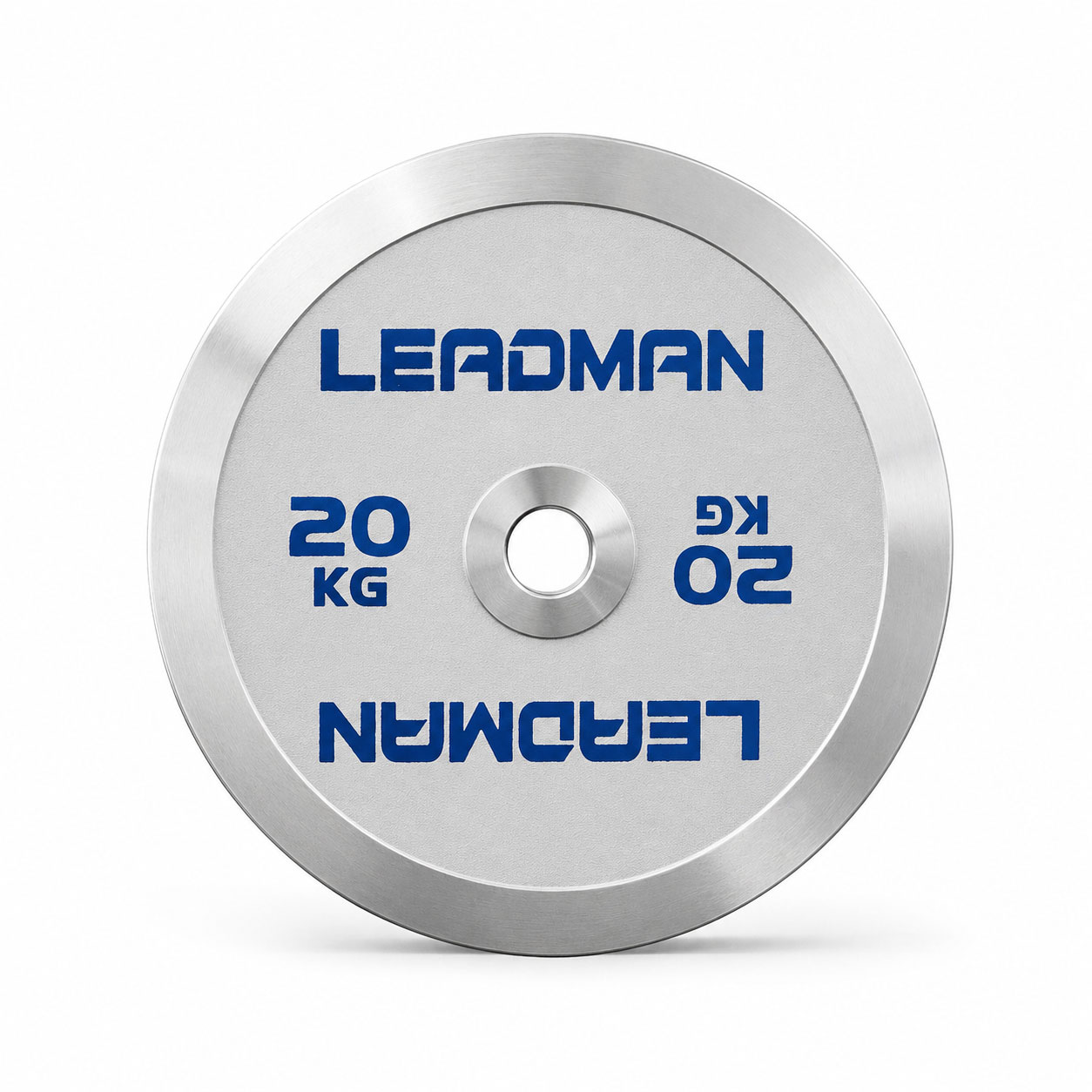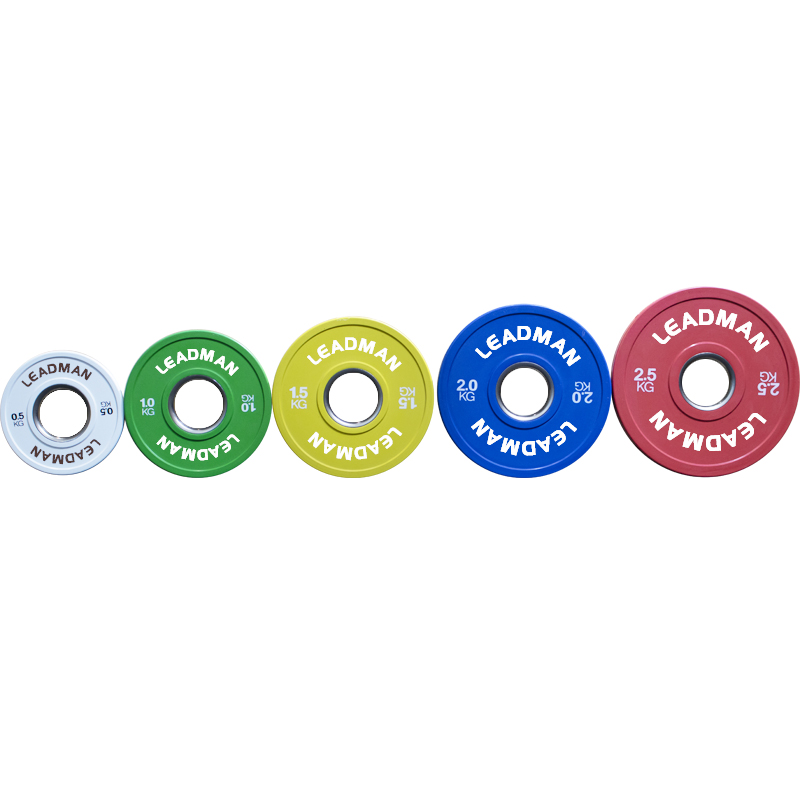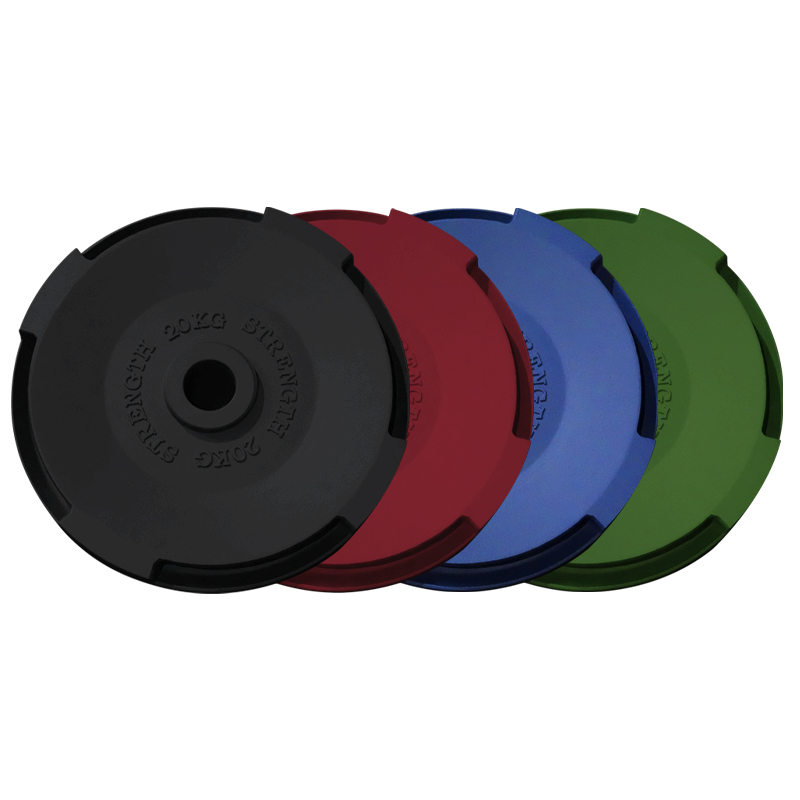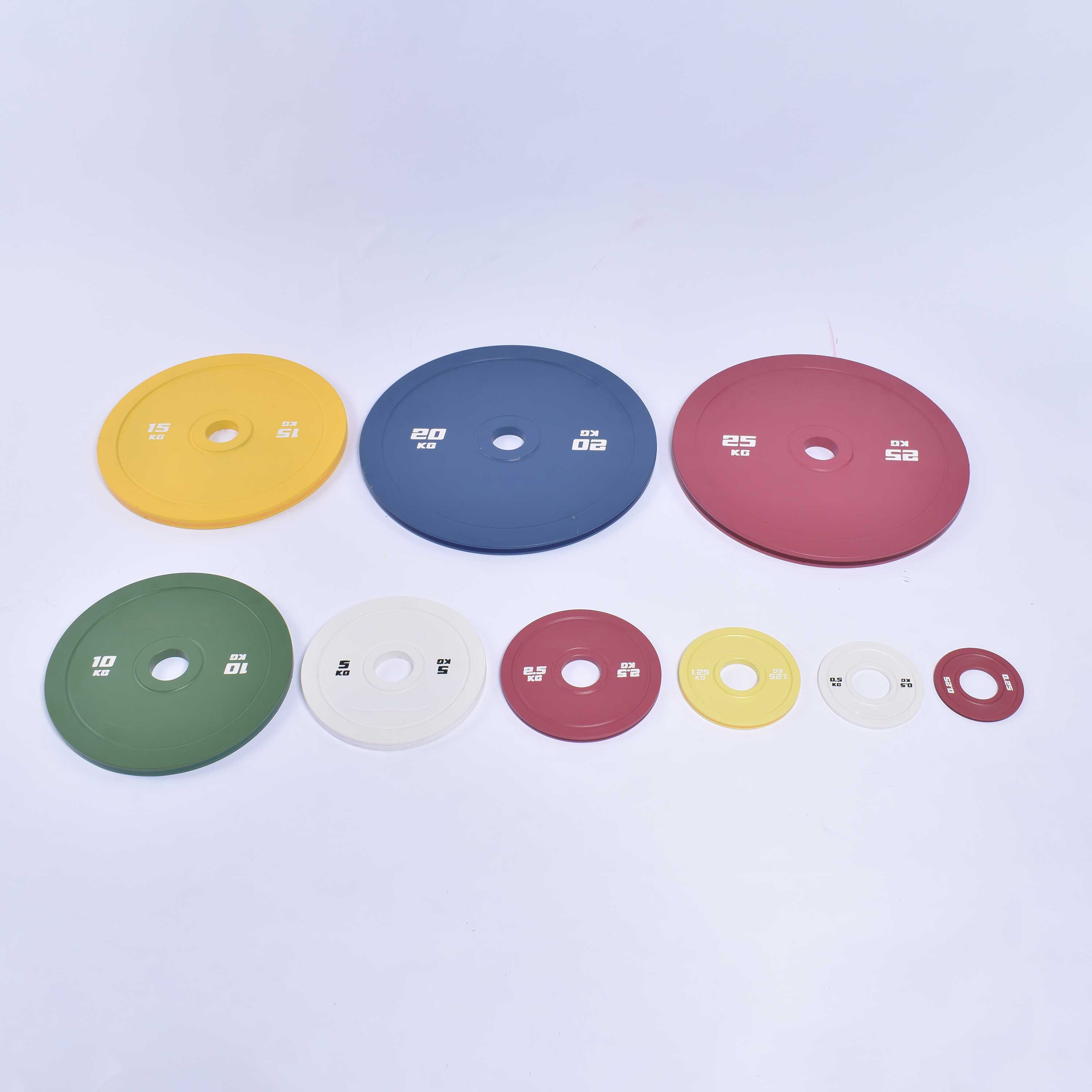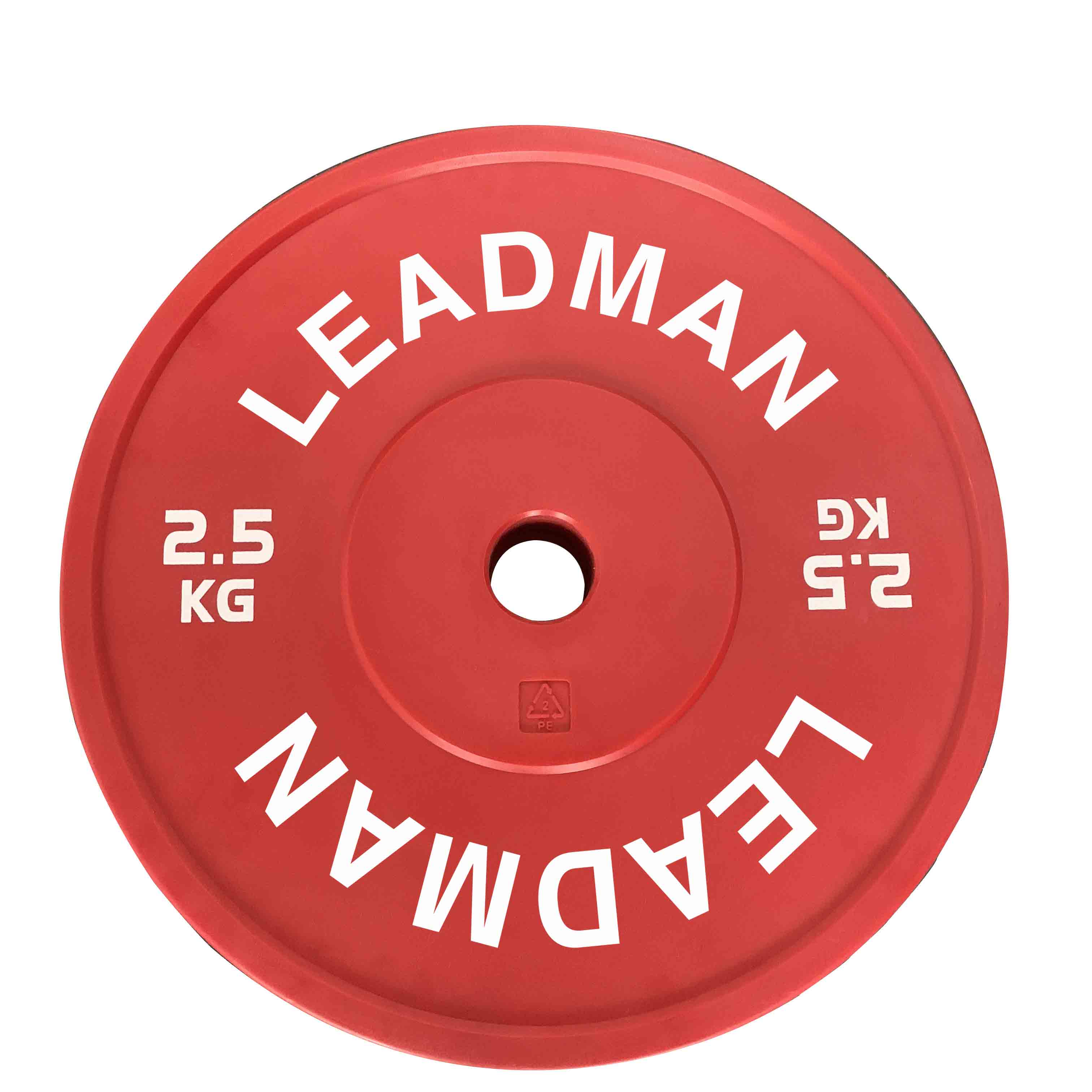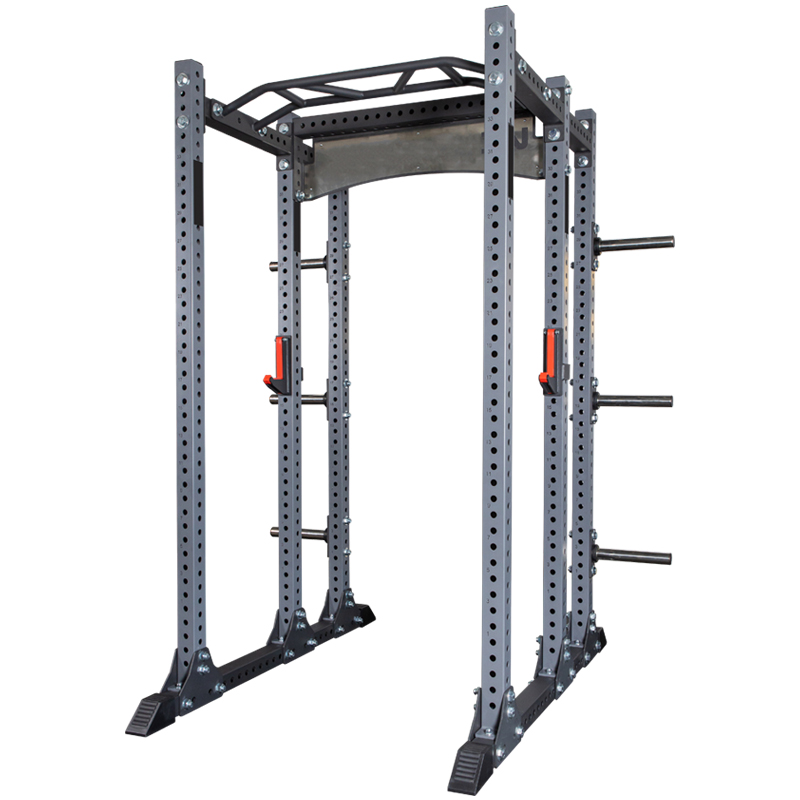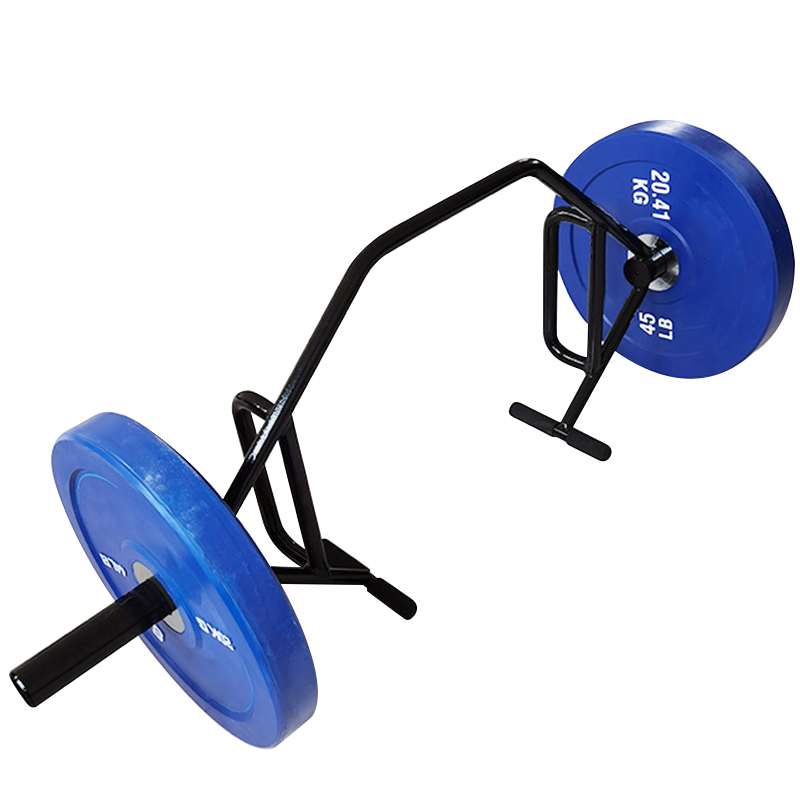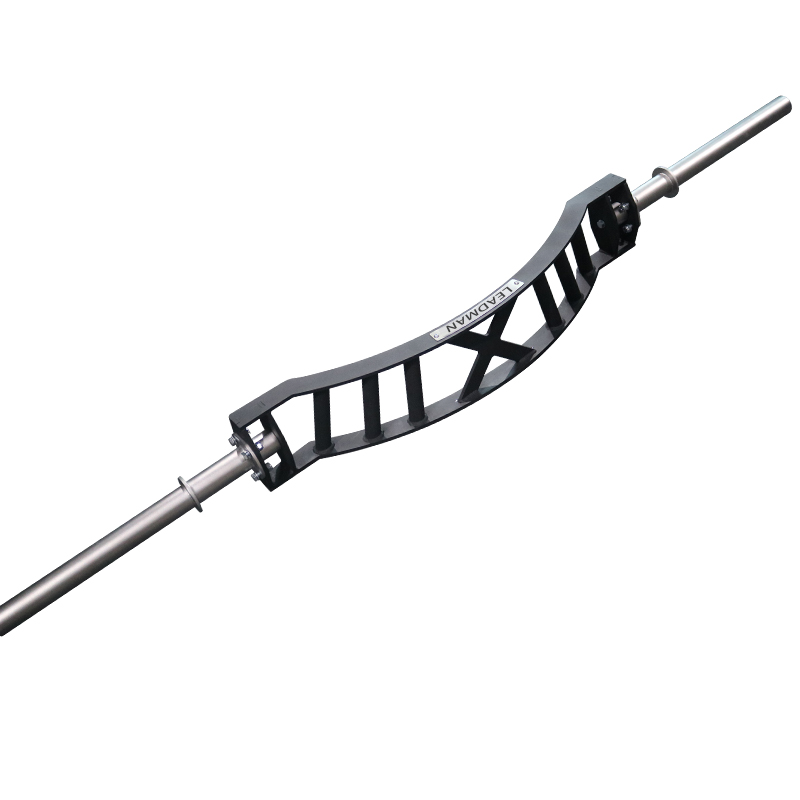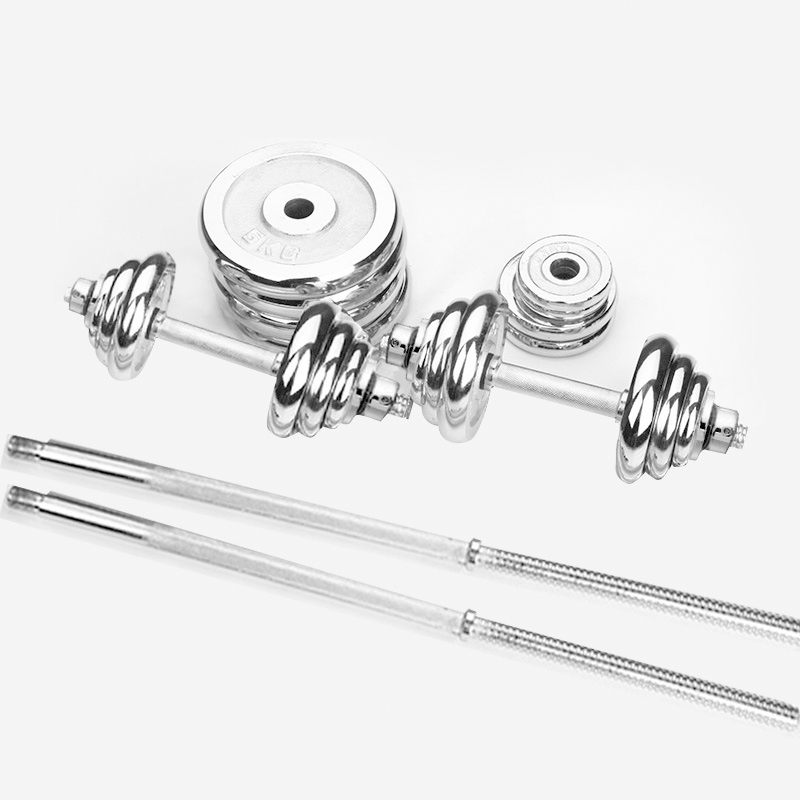
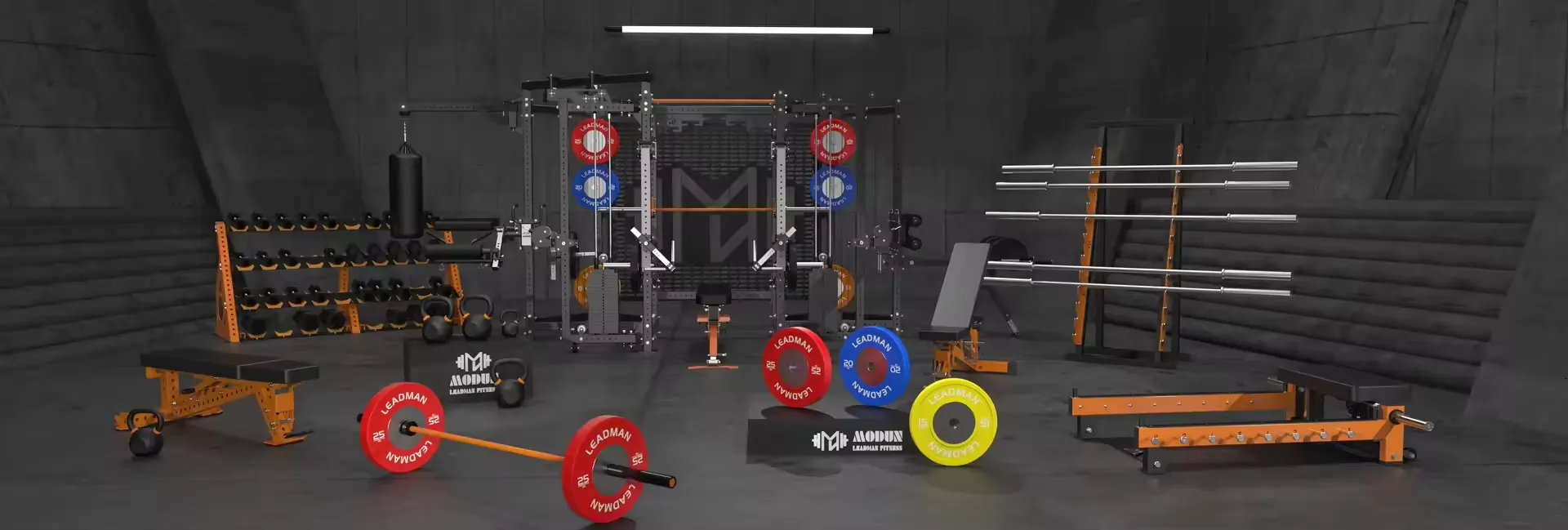
Custom bumper weight plates serve as a critical component for fitness brands, commercial gym chains, and specialized strength equipment manufacturers looking to establish brand identity and meet specific engineering requirements. Unlike standard off-the-shelf options, bespoke bumper plates allow for precise control over material density, diameter tolerances, and aesthetic branding, ensuring the product aligns with the rigorous demands of high-performance training environments.
Engineering and Material Composition
High-quality custom bumper plates are typically engineered from high-density virgin rubber or specialized polyurethane (PU) to ensure maximum shock absorption and durability. The manufacturing process focuses on achieving a consistent density profile to prevent uneven wear and to ensure the plates maintain their circular integrity under heavy impact. For high-end commercial applications, precision injection molding or advanced compression molding techniques are utilized to achieve tight tolerances in center hole diameter (typically 50mm or 2-inch variations) and edge thickness.
Customization Parameters for B2B Procurement
When sourcing custom solutions, procurement specialists and product designers must consider several technical variables:
Primary Use Cases and Durability Standards
Customized bumper plates are essential in various professional settings, including CrossFit boxes, Olympic weightlifting facilities, and luxury commercial fitness centers. Because these plates are designed to be dropped during high-velocity movements, the structural integrity of the inner ring (the metal hub) is paramount. Premium custom manufacturing ensures that the metal sleeve is securely integrated with the rubber/urethane body to prevent delamination or edge chipping during repetitive heavy-duty use.
Sourcing for Wholesale and OEM
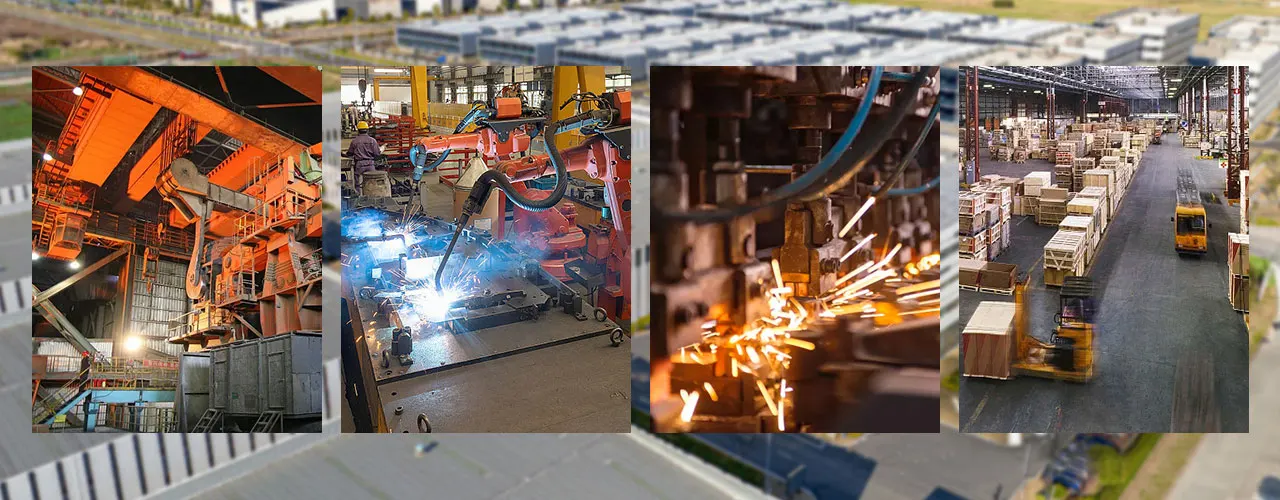
For manufacturers seeking to expand their product catalogs, partnering with an OEM facility capable of producing custom bumper plates provides a competitive edge. This involves a comprehensive development cycle, from initial CAD modeling and prototype testing for impact resistance to final mass production with strict quality control protocols. Whether the goal is a proprietary weight system or a branded accessory line, professional-grade manufacturing ensures the final product meets international strength and conditioning standards.
Let our experts design the perfect gym solution for your business. Get a free consultation and quote today.