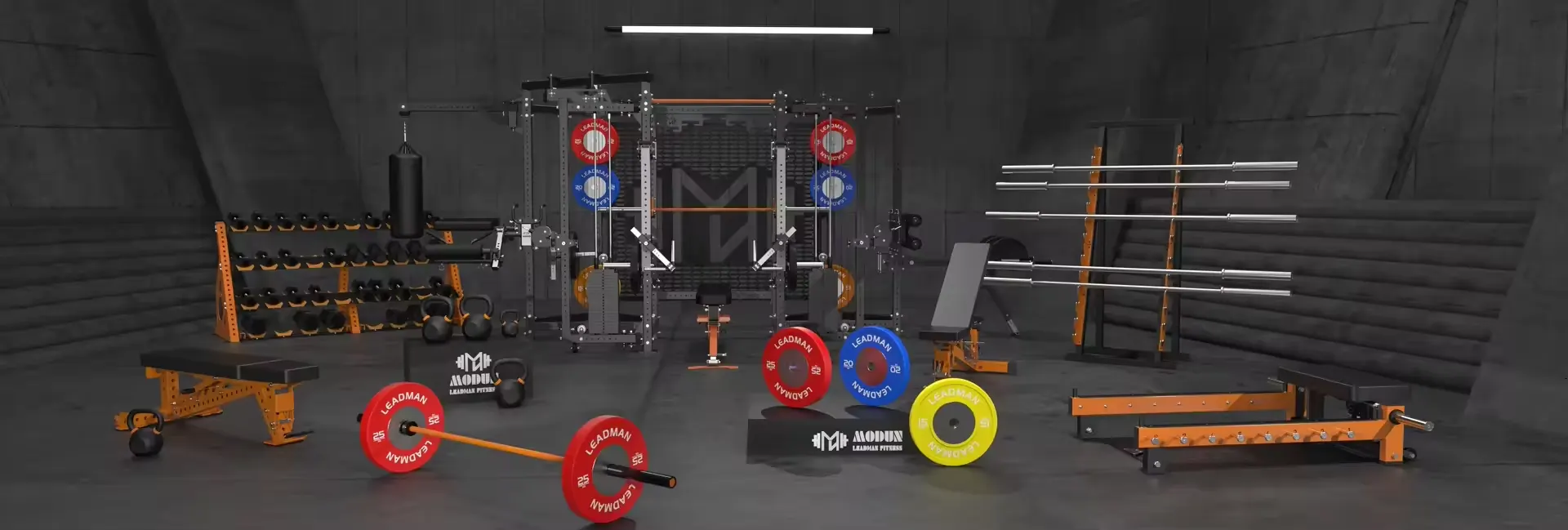
In professional strength training and commercial gym procurement, understanding the standardized weight profiles of barbells is critical for accurate loading, equipment durability, and compliance with international lifting standards. While there is no single 'average' weight, barbell mass is strictly categorized by the type of bar, its intended use, and the diameter of the shaft.
Olympic Weightlifting Barbells
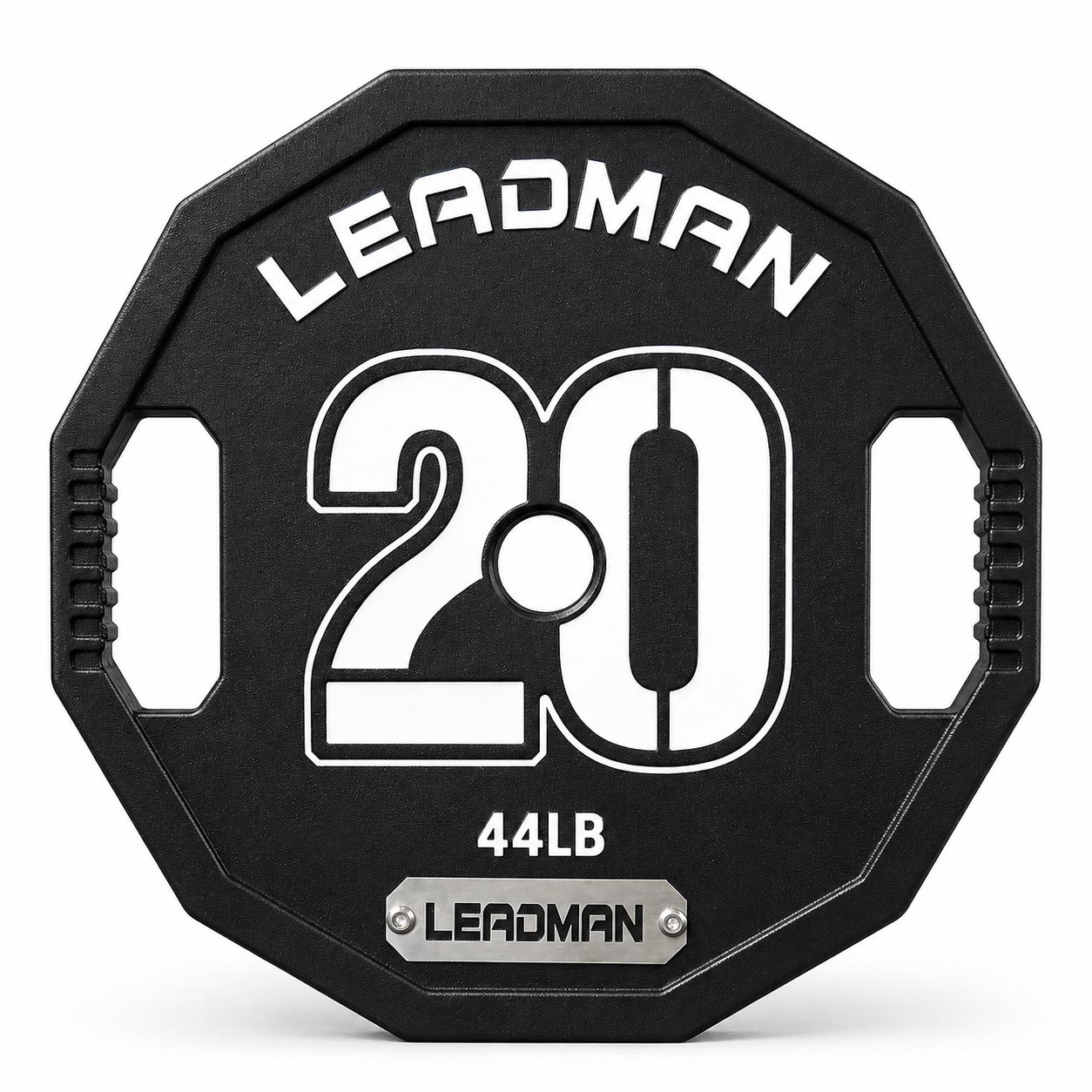
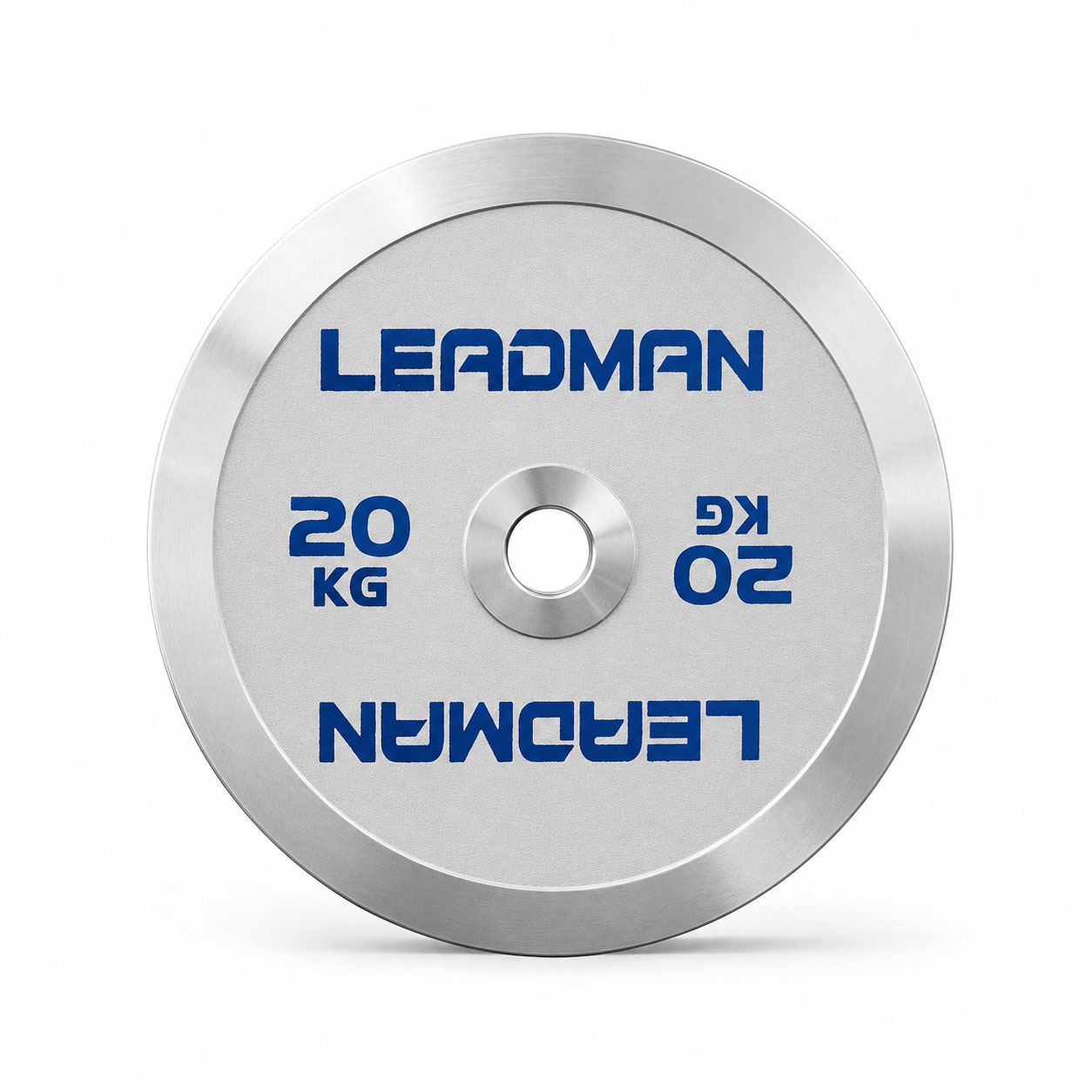
The most common specification in commercial strength facilities is the Olympic barbell. For men's competition-grade bars, the standard weight is 20kg (approximately 44 lbs). These bars typically feature a 28mm shaft diameter and are engineered with high-tensiveness steel to handle significant rotational torque. Women's Olympic bars are specialized, generally weighing 15kg (approximately 33 lbs), with a thinner 25mm shaft to accommodate different ergonomic requirements.
Standard and Training Barbells
Standard barbells, often used in general fitness settings or home gym environments, typically feature a 1-inch (25.4mm) shaft diameter. Because they lack the heavy-duty sleeve assemblies found in Olympic bars, their weight is significantly lower, usually averaging between 5kg to 10kg (11 to 22 lbs). These are primarily used for lighter resistance training and are not suitable for high-velocity Olympic lifting movements.
Specialized and Technical Bars
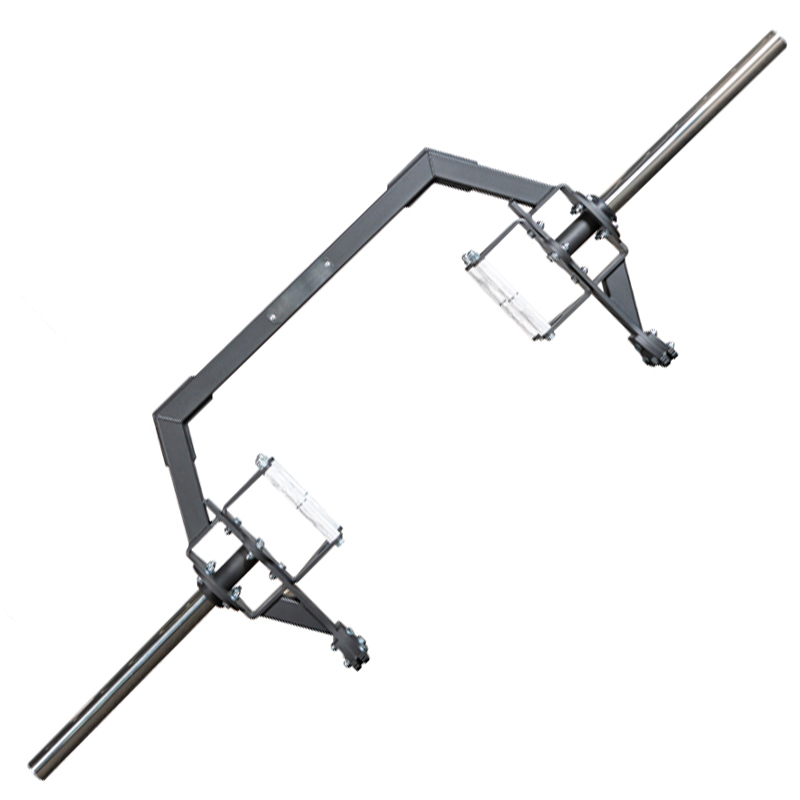
Professional procurement must also account for specialized training bars which deviate from these averages:
Technical Considerations for Buyers
When sourcing equipment, do not rely solely on 'average' descriptions. Precise specifications regarding shaft diameter, sleeve weight, and total mass are essential. For commercial applications, ensuring all bars within a set (such as a weightlifting barbell and a specialized training bar) are calibrated to exact standards is vital for maintaining training consistency and preventing imbalances in mechanical load.

Let our experts design the perfect gym solution for your business. Get a free consultation and quote today.