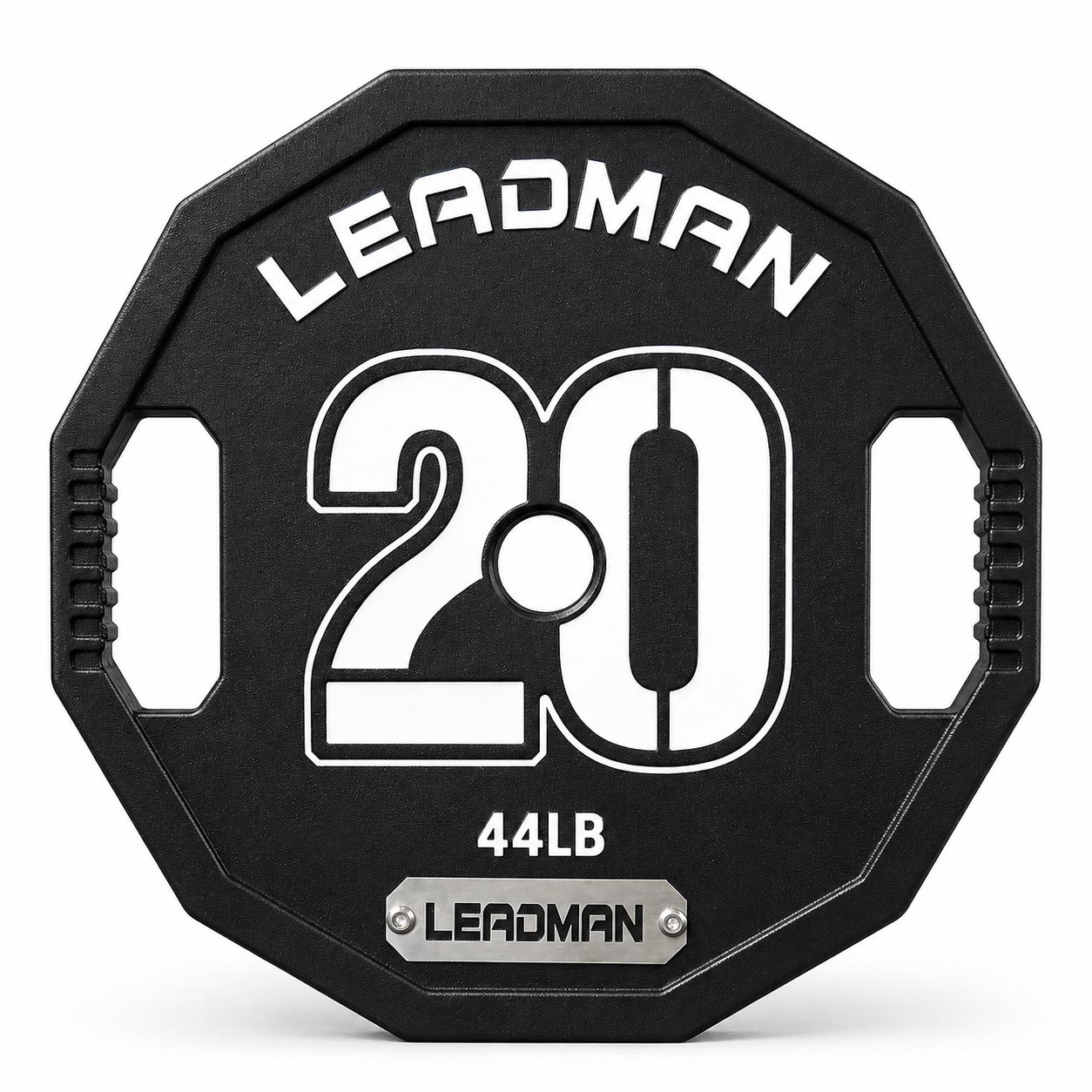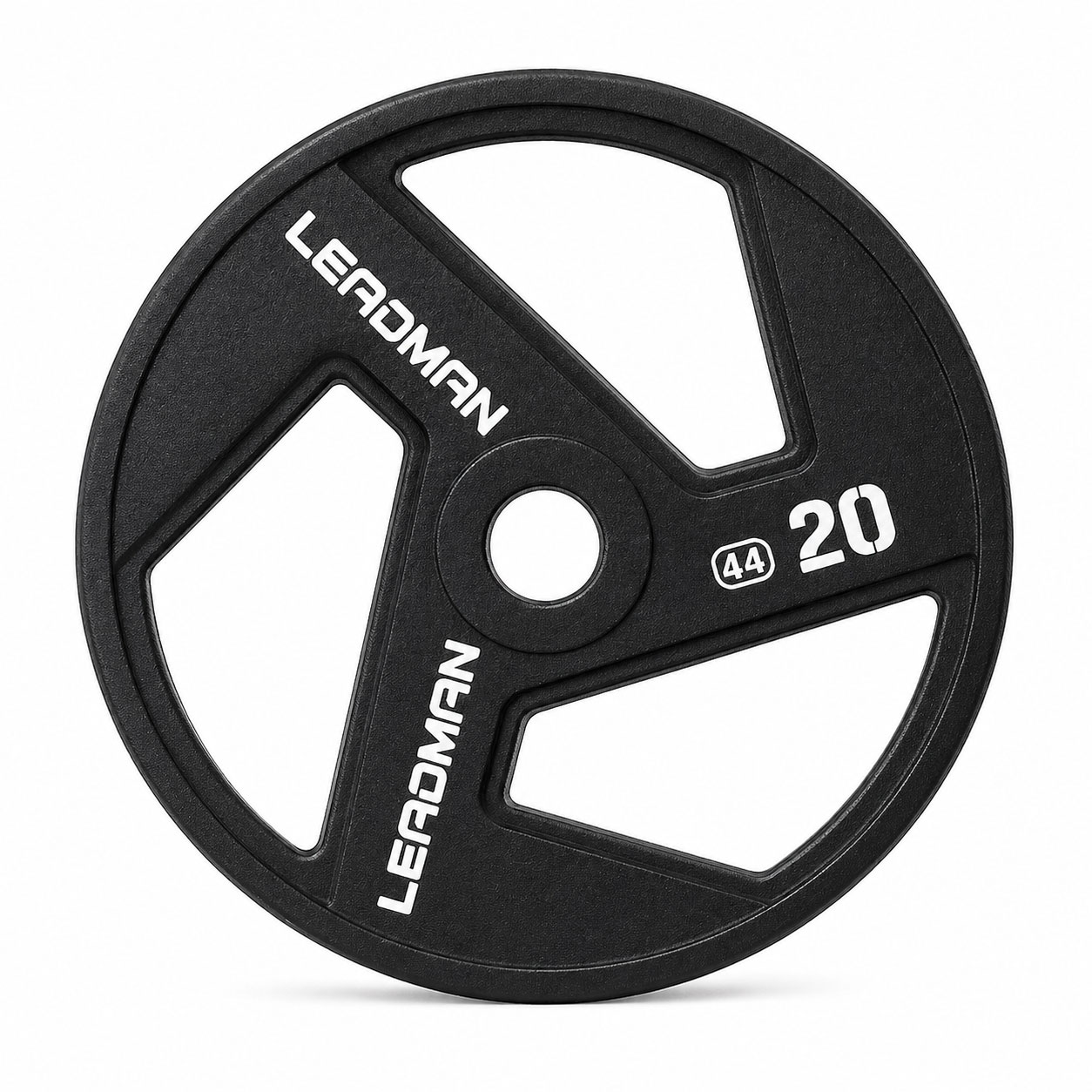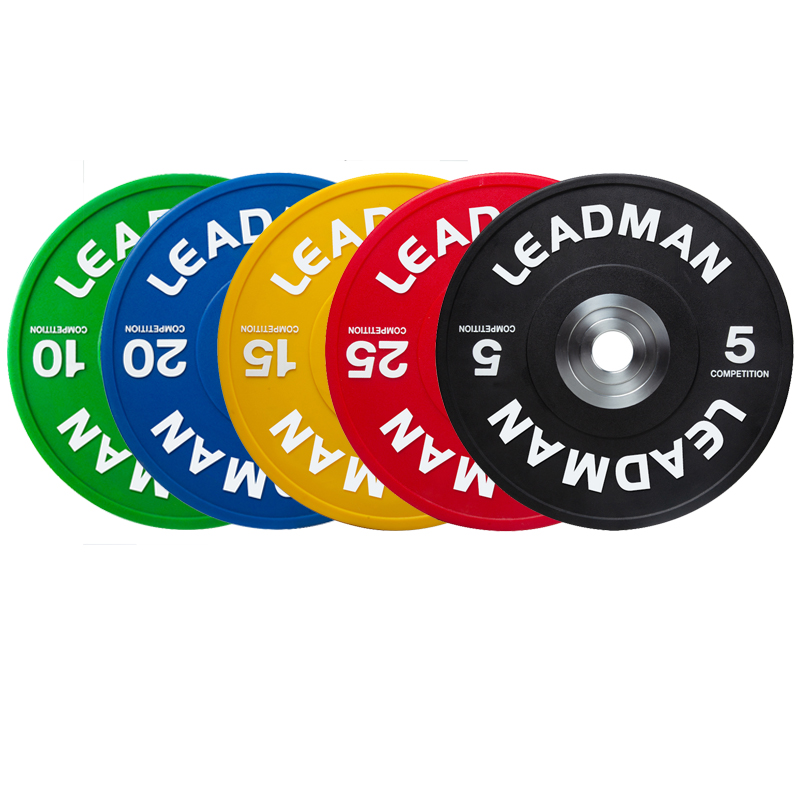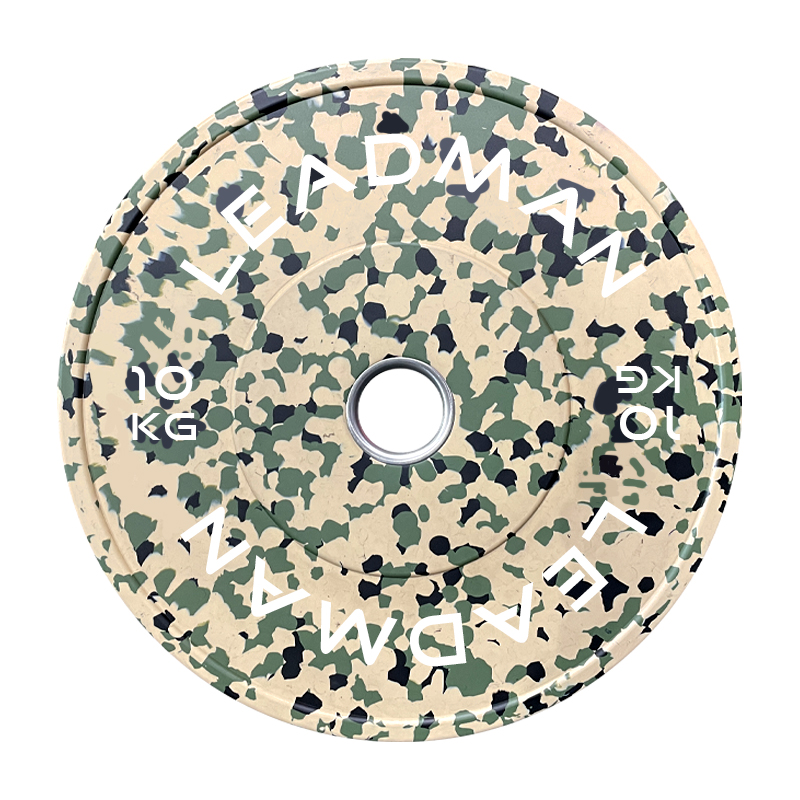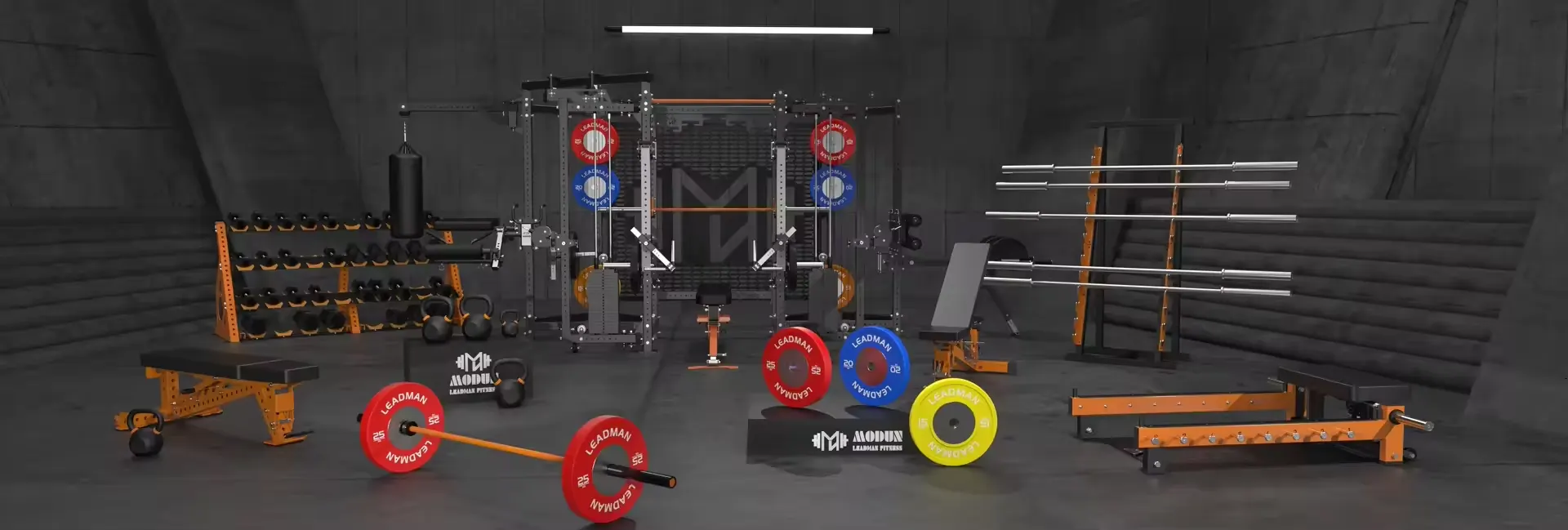
In the realm of precision strength training, the humble 1.25kg plate plays an outsized role in enabling incremental progression that drives long-term athletic development. While casual gym-goers may overlook these modest weights, 1.25 kg plates Olympic represent a critical tool for coaches, competitive lifters, and rehabilitation specialists who understand that the human neuromuscular system adapts most efficiently to load increases of 1–2.5% per session—a range that often translates to 1.25kg or 2.5kg increments on the barbell. Without these fractional plates, athletes are forced into 5kg jumps that disrupt technique, compromise progressive overload, and increase injury risk during critical adaptation phases.
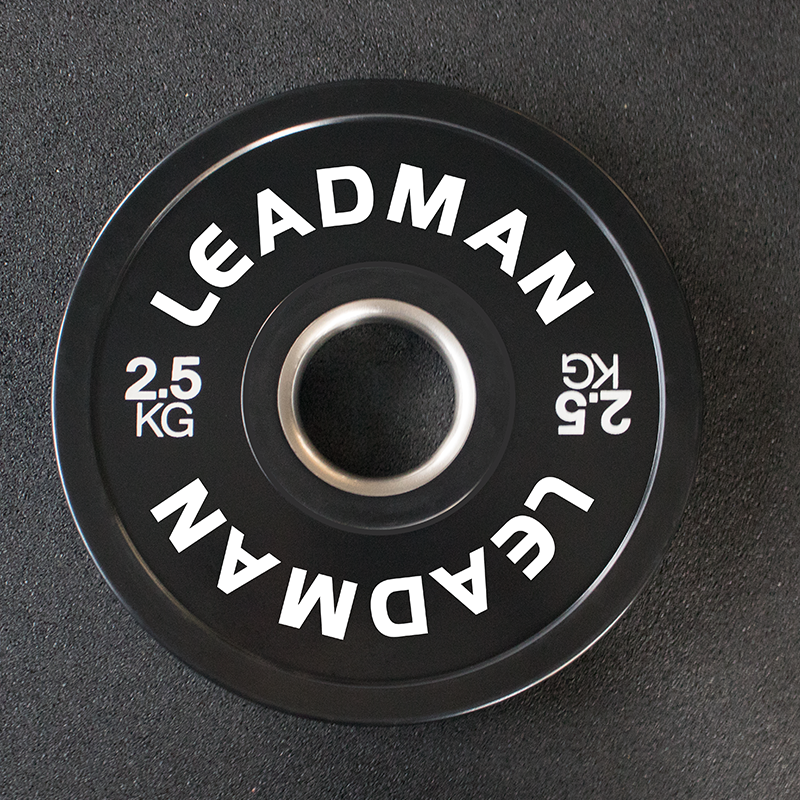
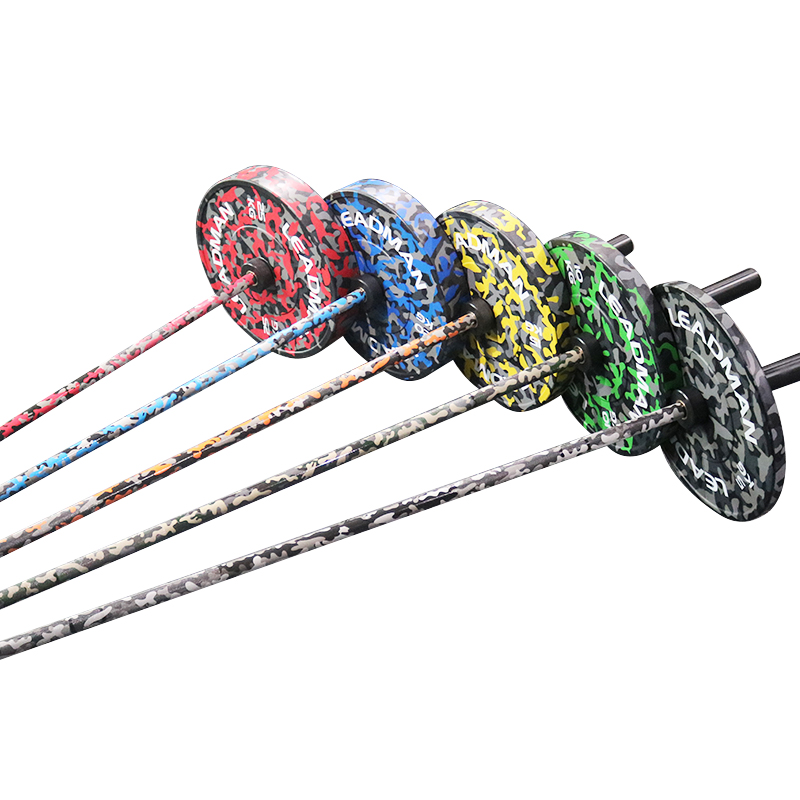
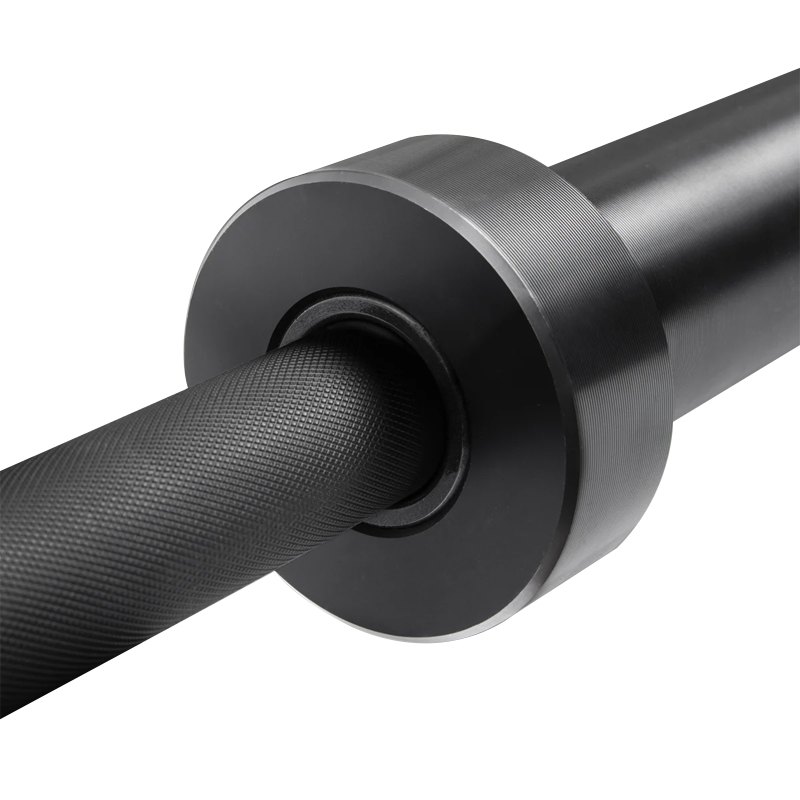
The Olympic specification for 1.25kg plates mandates a 50.4mm centre bore diameter with strict tolerance of +0.1/-0.0mm, ensuring a secure, wobble-free fit on all competition and commercial barbell sleeves. Unlike their standard-bar counterparts, Olympic 1.25kg plates exhibit uniform thickness and diameter across manufacturers, with calibrated versions achieving weight tolerances as low as ±1 gram. Material choices significantly influence plate durability and usability. Cast iron variants offer a cost-effective solution, available with black oxide or powder-coated finishes. Urethane-encased or rubber-coated plates deliver enhanced floor protection and reduced acoustic impact for better training environments. Premium urethane construction typically costs 2–3 times more than cast iron, yet its 8–10 year service life in commercial settings justifies the investment over repeated replacements of lower-grade alternatives.
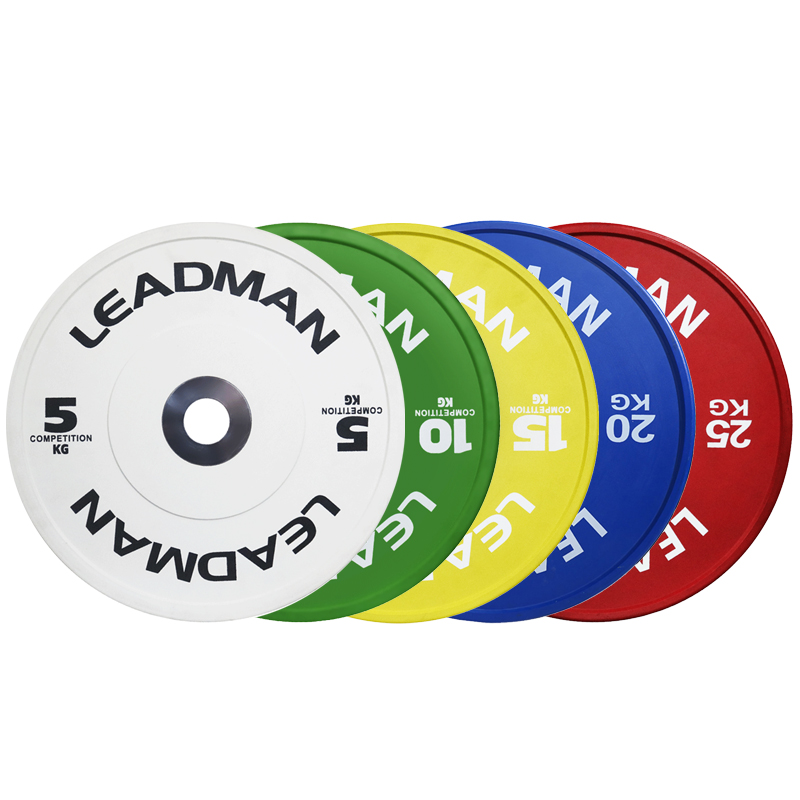
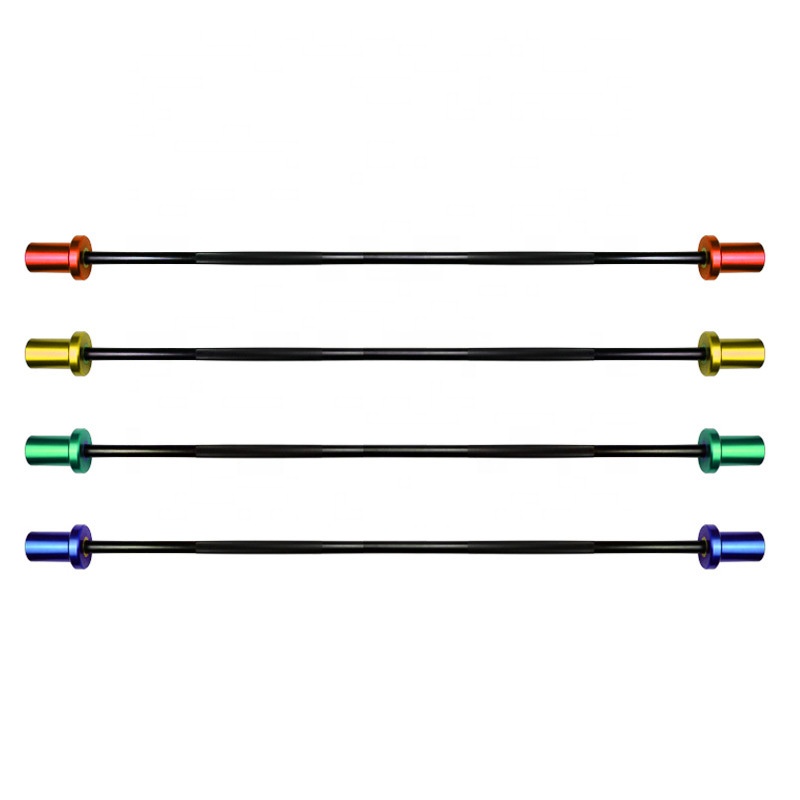
Operational considerations for Olympic fractional plates extend beyond specification compliance into inventory and usage management. A commercial facility requiring 20 barbell stations should maintain at least 40 pairs of 1.25kg plates to accommodate peak loading demands, typically storing them in designated peg racks near Olympic platforms. These small plates are among the most frequently lost or misplaced items in commercial gyms, justifying inventory auditing and secure storage systems. In high-throughput training centres, the selection of 1.25kg plates with distinct colour coding or tactile identification significantly streamlines member access. Their integration into progressive programming—particularly for female lifters and early-stage athletes—directly influences member retention by enabling consistent, injury-free progress.
From a competitive perspective, IPF- and IWF-compliant 1.25kg plates undergo individual certification with documented weights and serial numbers, a requirement for sanctioned competition use. National governing bodies often test plates during events to ensure compliance, verifying both weight and dimensional standards. Facility operators hosting powerlifting or weightlifting competitions should allocate dedicated competition-grade sets for platform use, reserving training-grade plates for daily programming. In terms of return on investment, the nominal cost of 1.25kg plates—typically $5–15 per pair, depending on material and certification—represents one of the most impactful equipment investments, enabling personalised load management that drives long-term member success, making them indispensable to any serious commercial gym.

Let our experts design the perfect gym solution for your business. Get a free consultation and quote today.