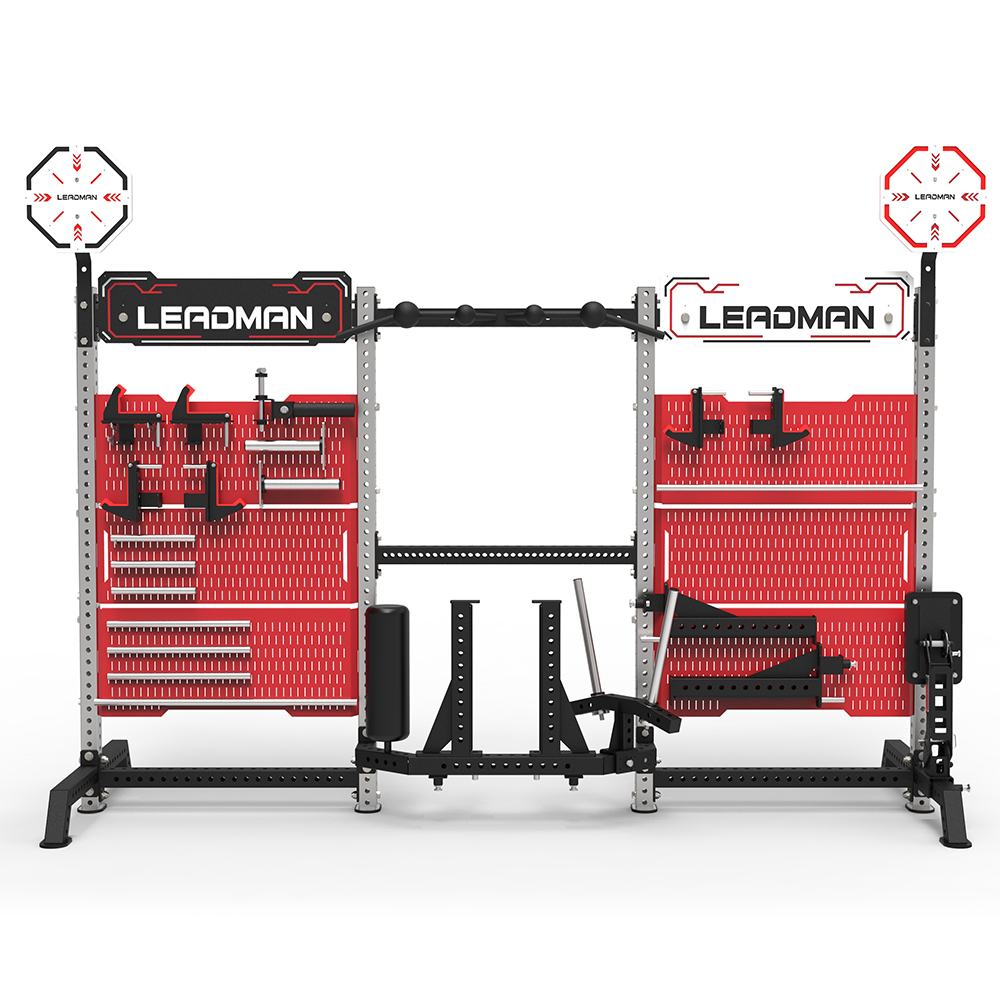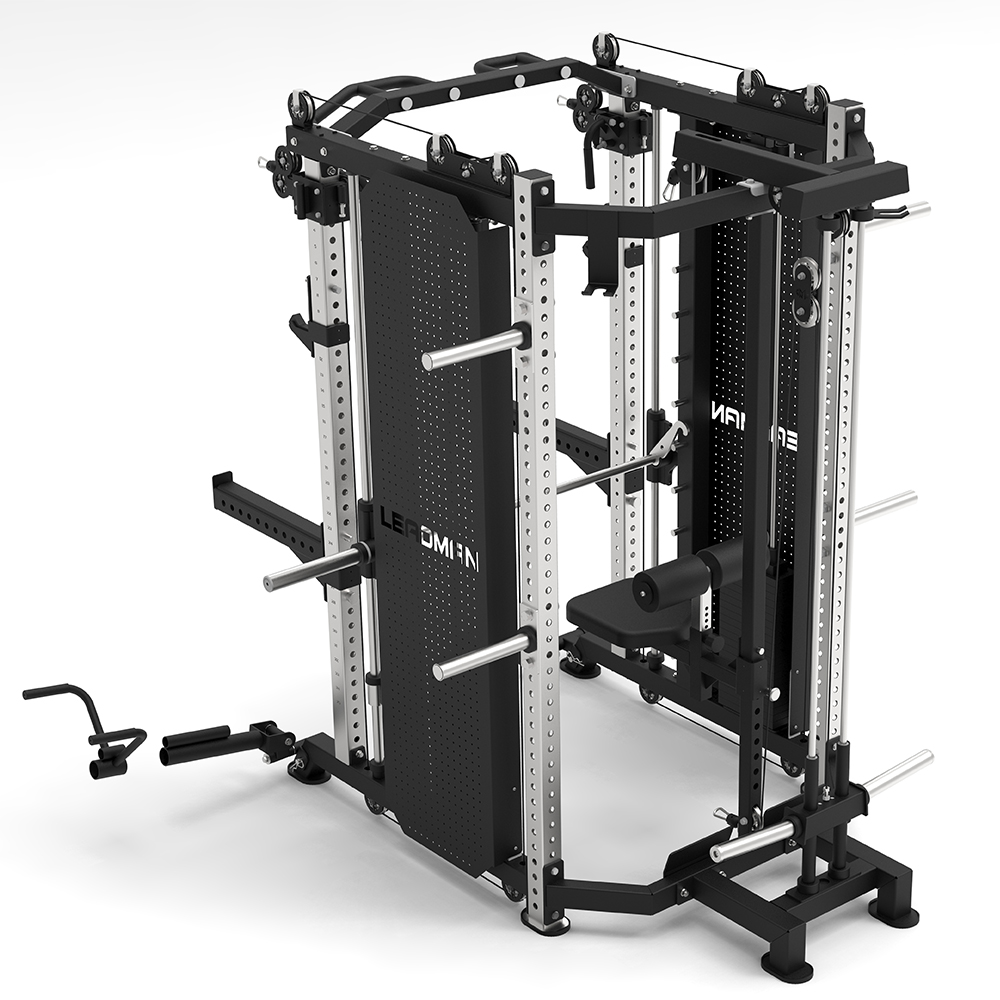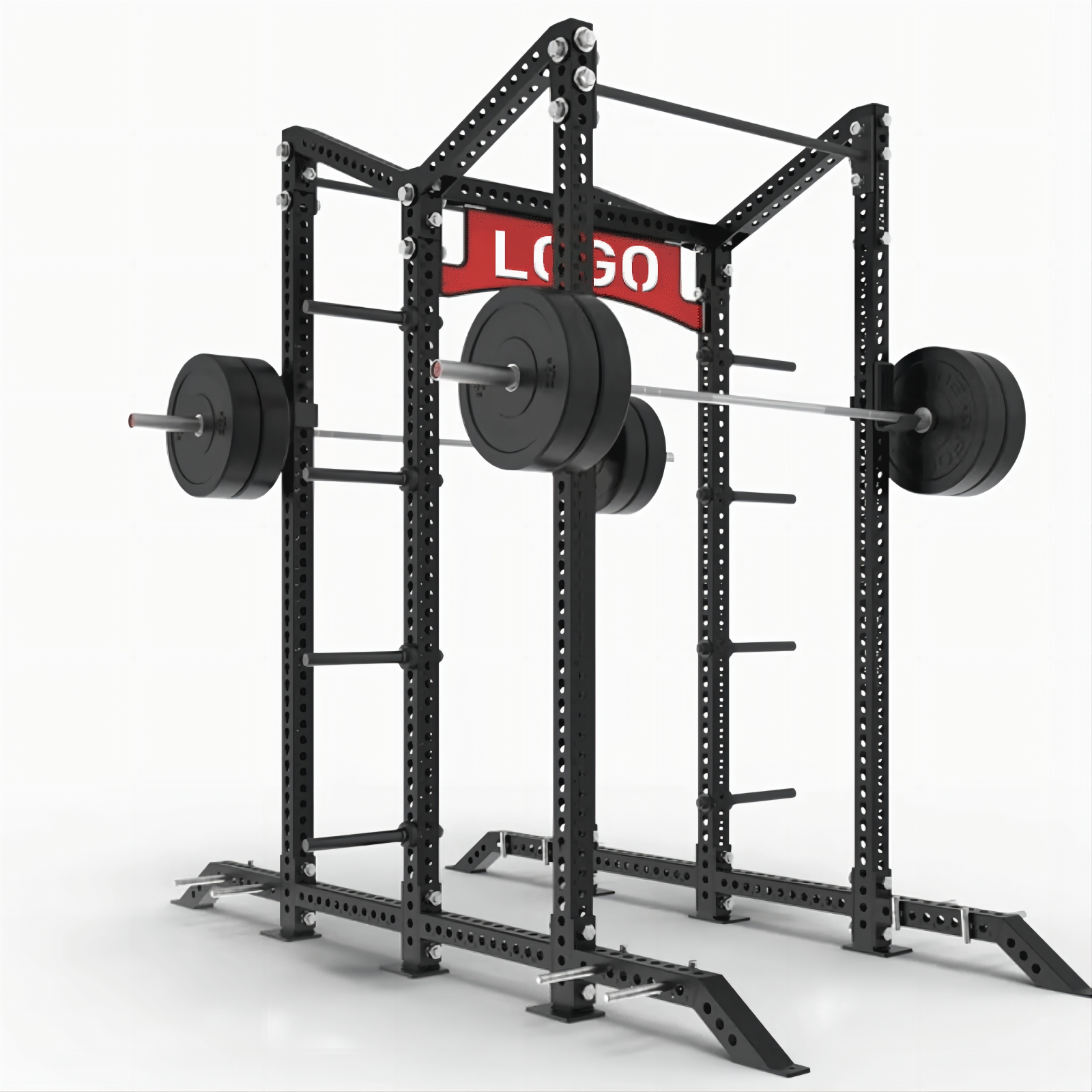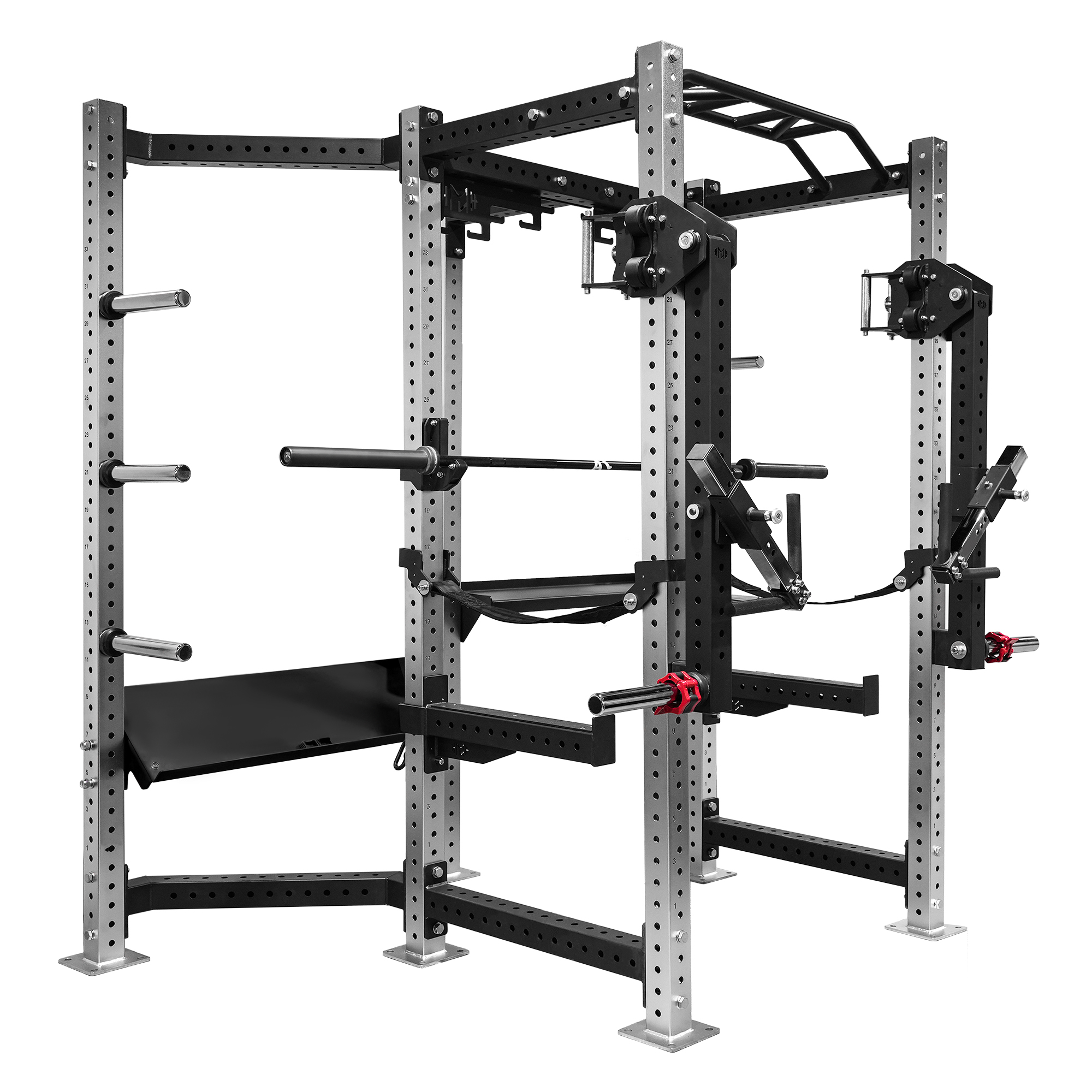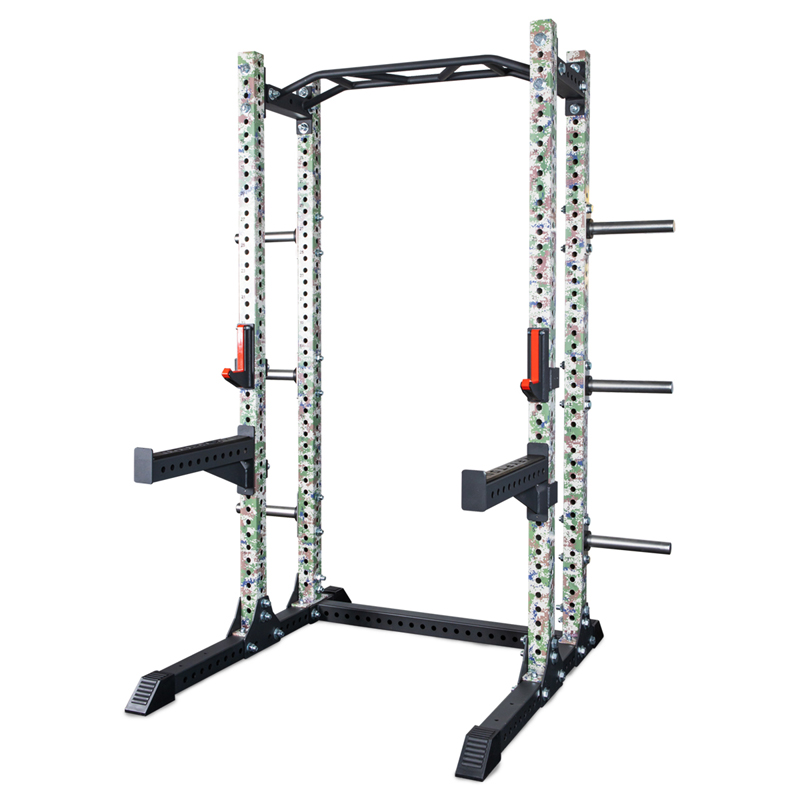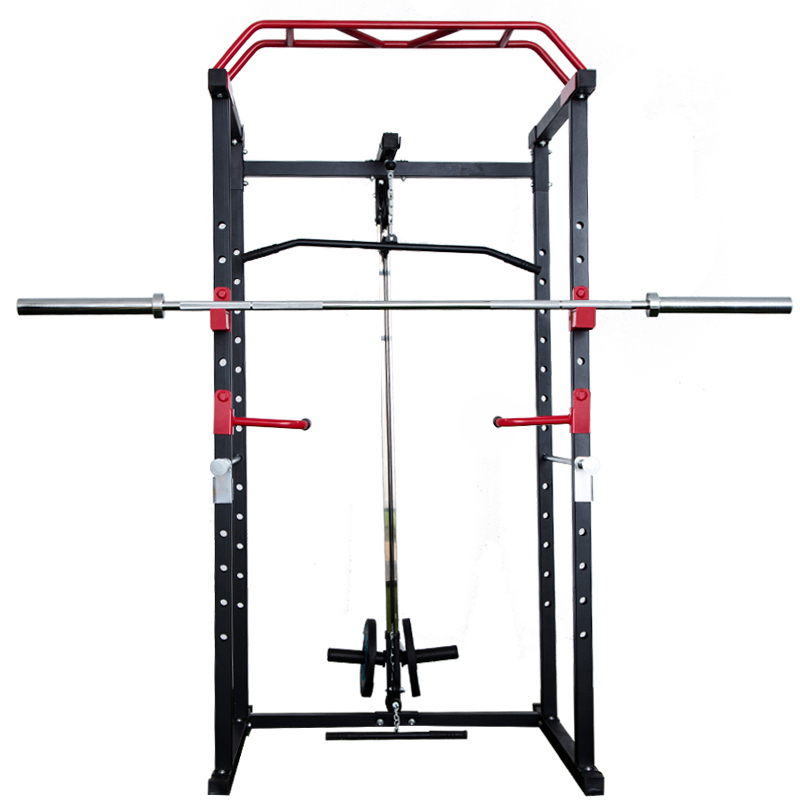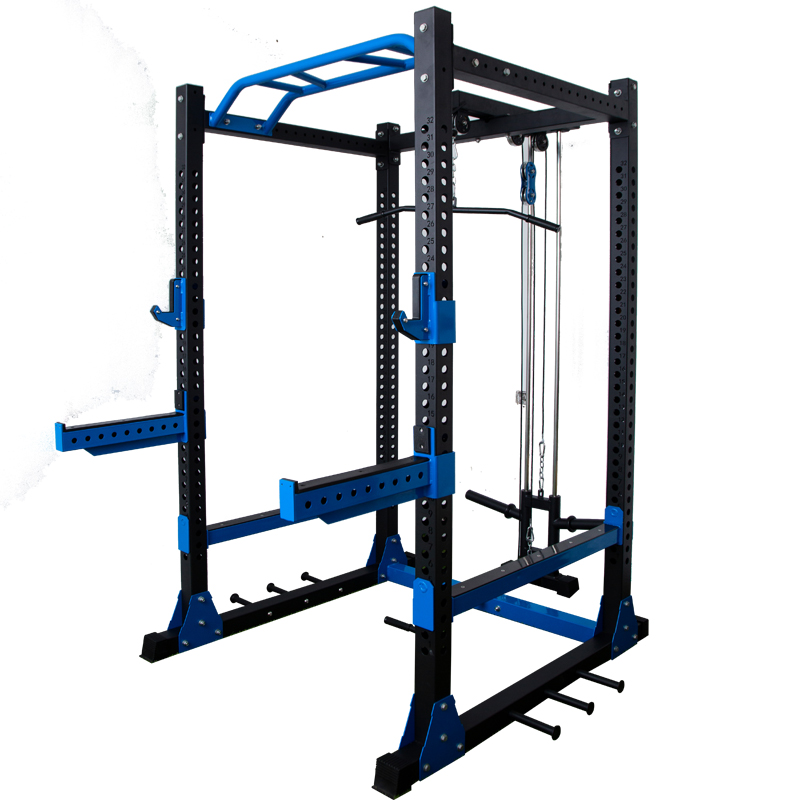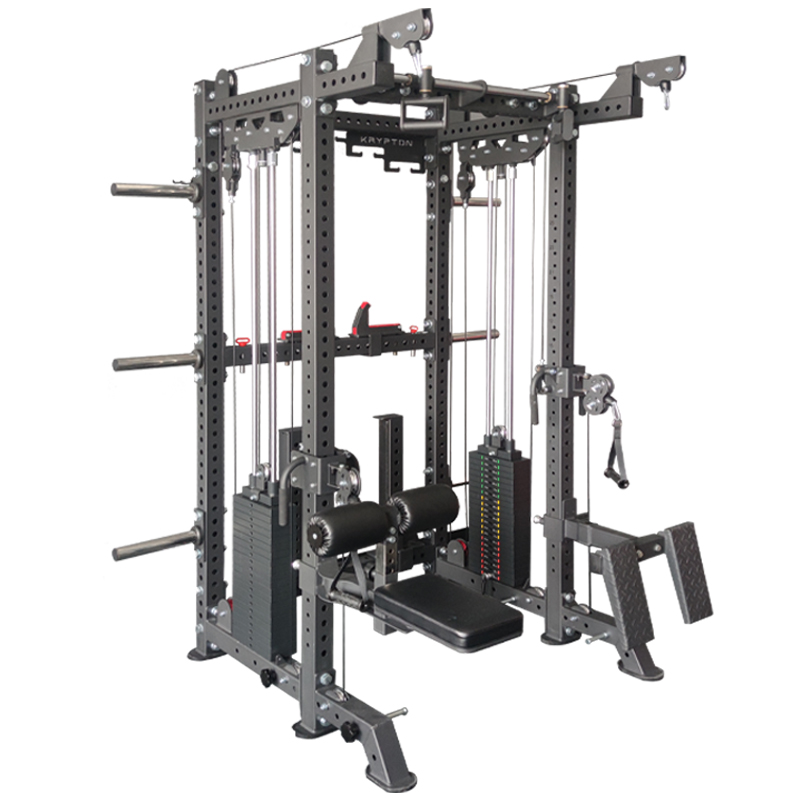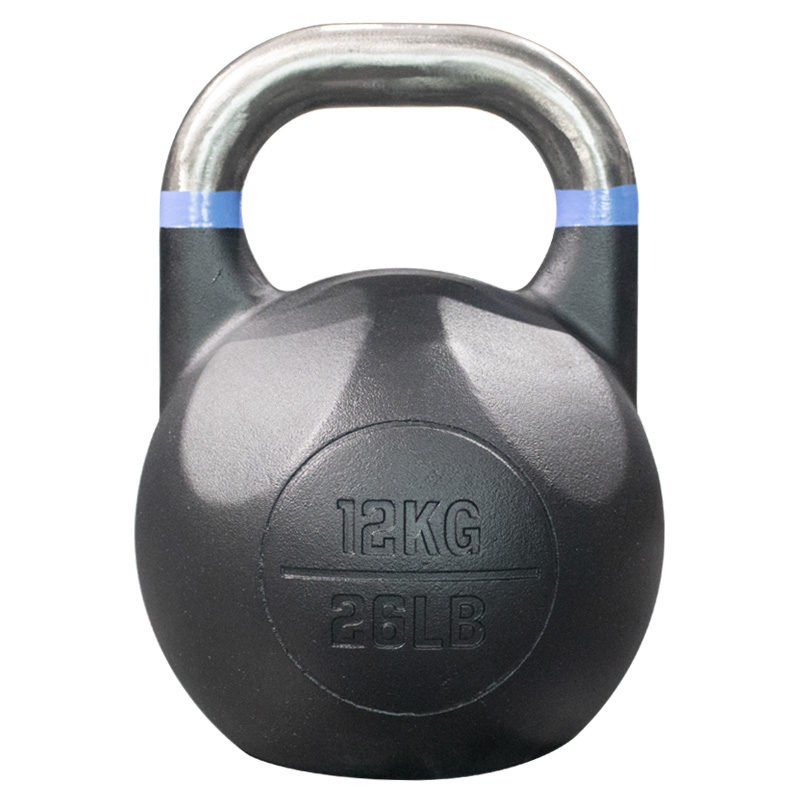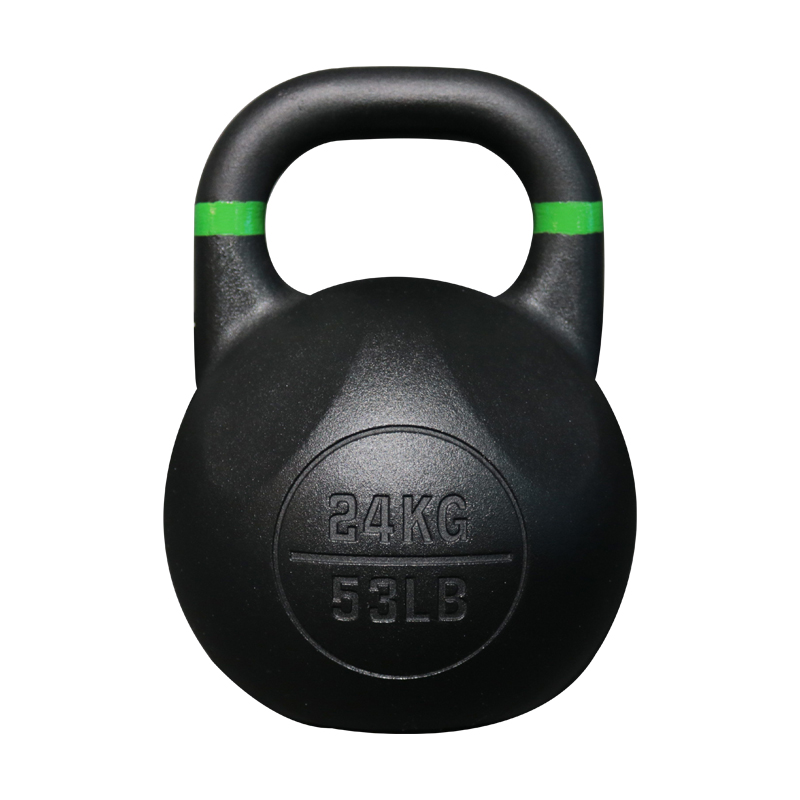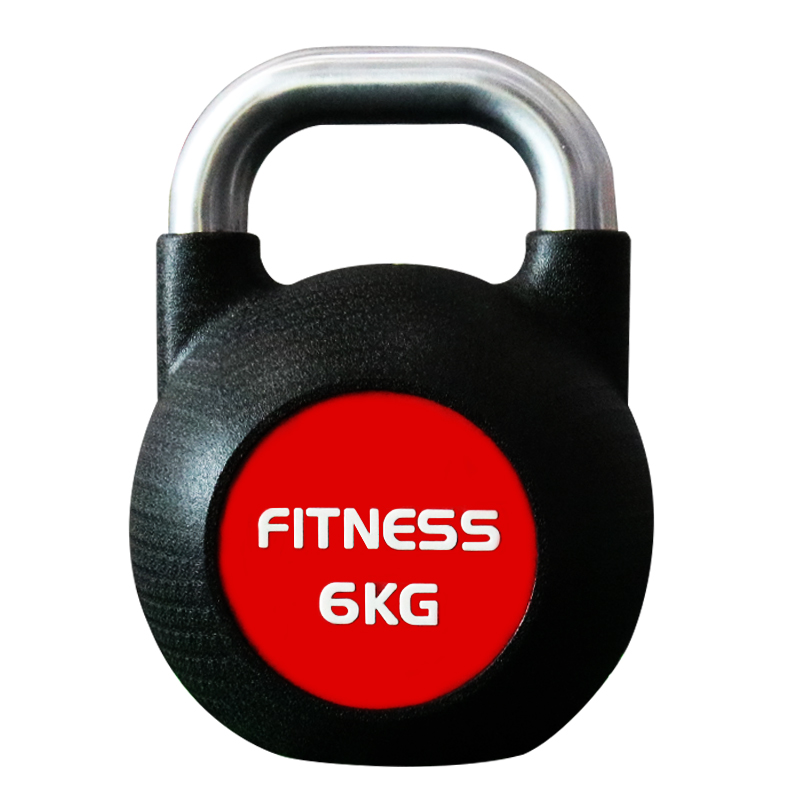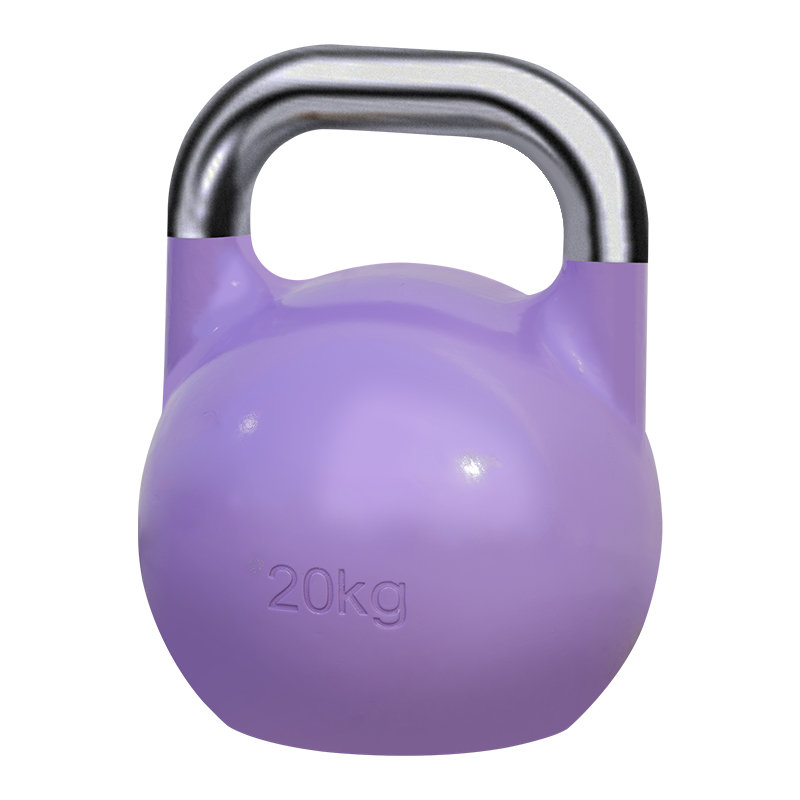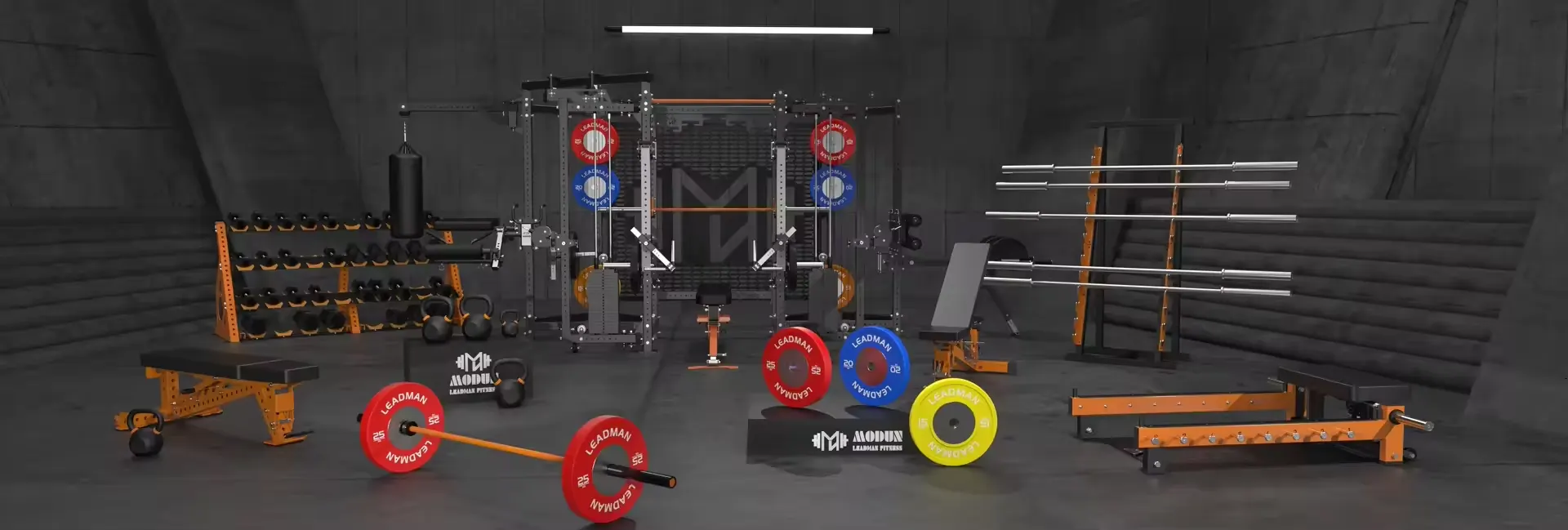
Determining the best gym equipment for a commercial facility is a subjective exercise that depends heavily on the facility's target demographic, available floor space, and operational budget. For procurement managers and fitness directors, however, the pursuit of "best" is less about identifying a single superior product and more about constructing an equipment matrix that optimally serves the facility's unique membership profile while maximizing return on investment. The best gym equipment for a high-traffic urban facility differs meaningfully from the ideal equipment suite for a boutique studio or a specialized training center, making context the determining factor in all procurement decisions.
From a performance engineering standpoint, the characteristics that distinguish the best commercial gym equipment include structural durability, biomechanical precision, and maintenance accessibility. Equipment that utilizes 11-gauge or thicker steel frames with robust joint connections and powder-coated finishes will consistently outperform lighter-gauge alternatives in high-usage environments. Biomechanical precision—ensuring the equipment's movement path aligns with the user's natural joint mechanics—is arguably more important than sheer weight capacity, as it directly impacts training effectiveness and injury prevention. Maintenance accessibility represents a frequently overlooked but crucial quality indicator; equipment that requires specialized tooling or extensive disassembly for routine servicing imposes hidden operational costs that undermine its initial value proposition.
Strategic considerations for selecting the best gym equipment extend beyond individual product specifications to encompass facility-level factors such as equipment layout optimization and lifecycle cost analysis. The best equipment for a particular facility supports an efficient floor plan that facilitates intuitive movement patterns, minimizes congestion, and aligns with the facility's service offering. Lifecycle cost analysis—factoring in initial purchase price, maintenance requirements, and expected service life—provides a more accurate measure of value than upfront investment alone. For facilities targeting specific member segments, equipment selection should reflect the training modalities prevalent within those populations, whether focused on Olympic weightlifting, powerlifting, functional fitness, or general conditioning.

Let our experts design the perfect gym solution for your business. Get a free consultation and quote today.