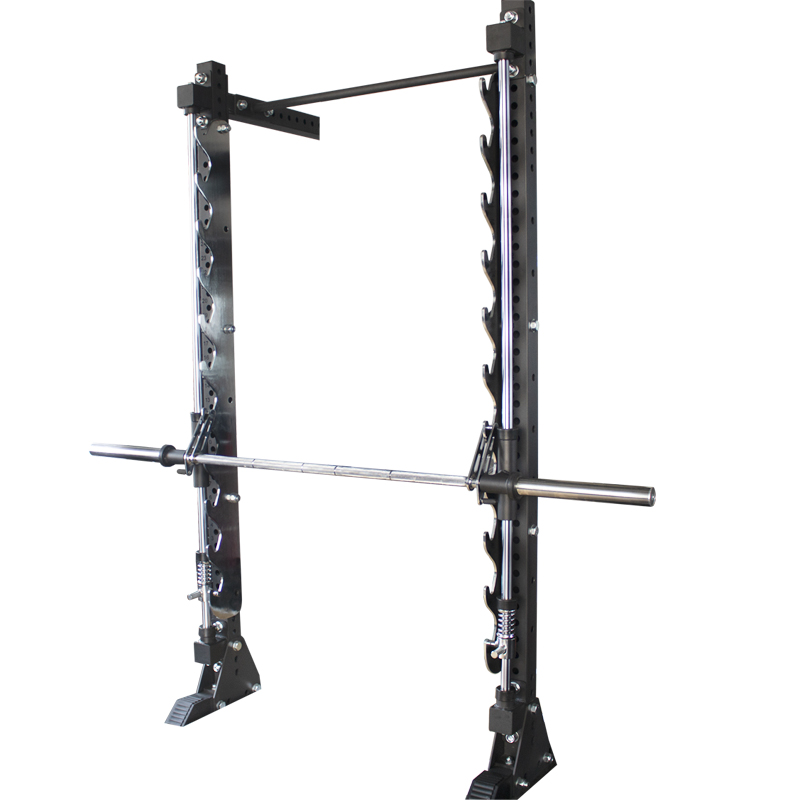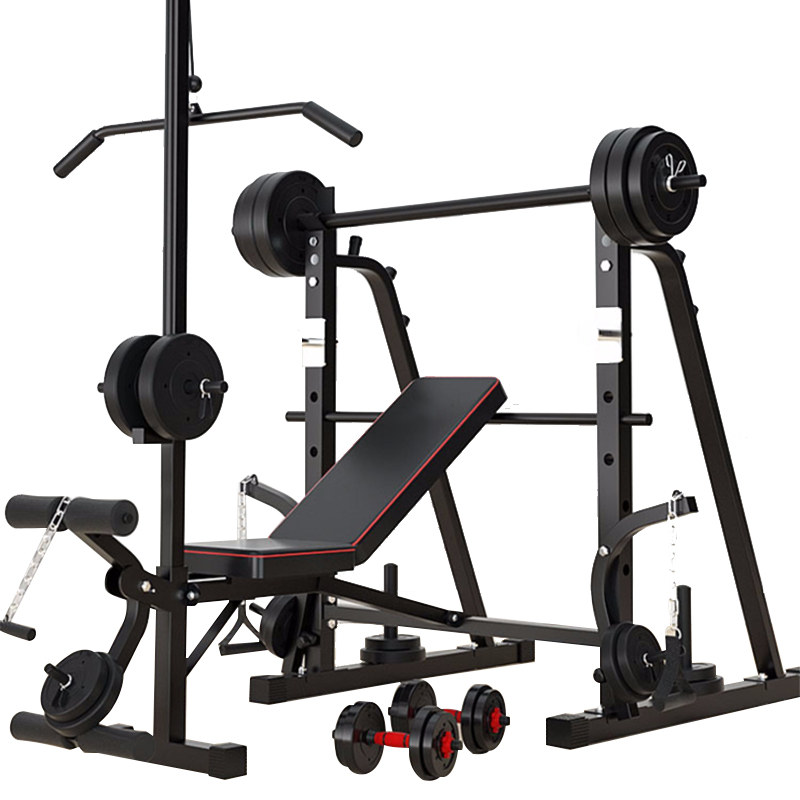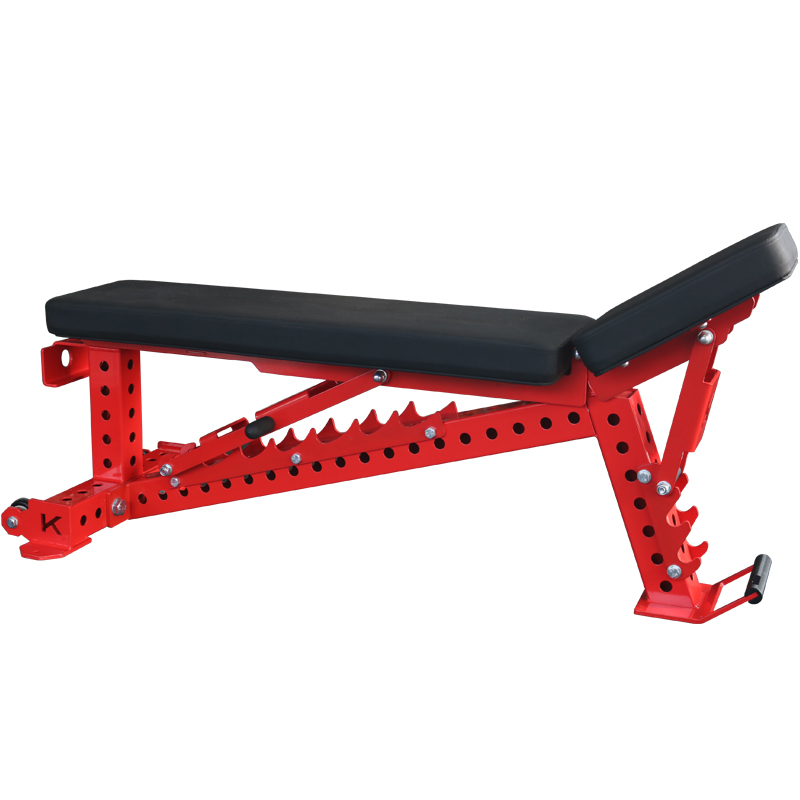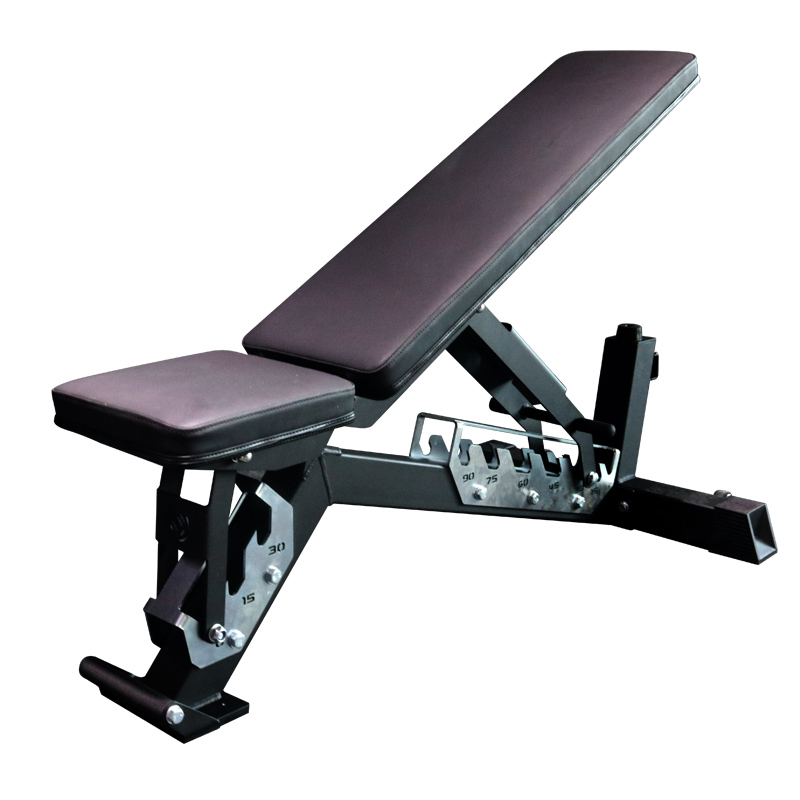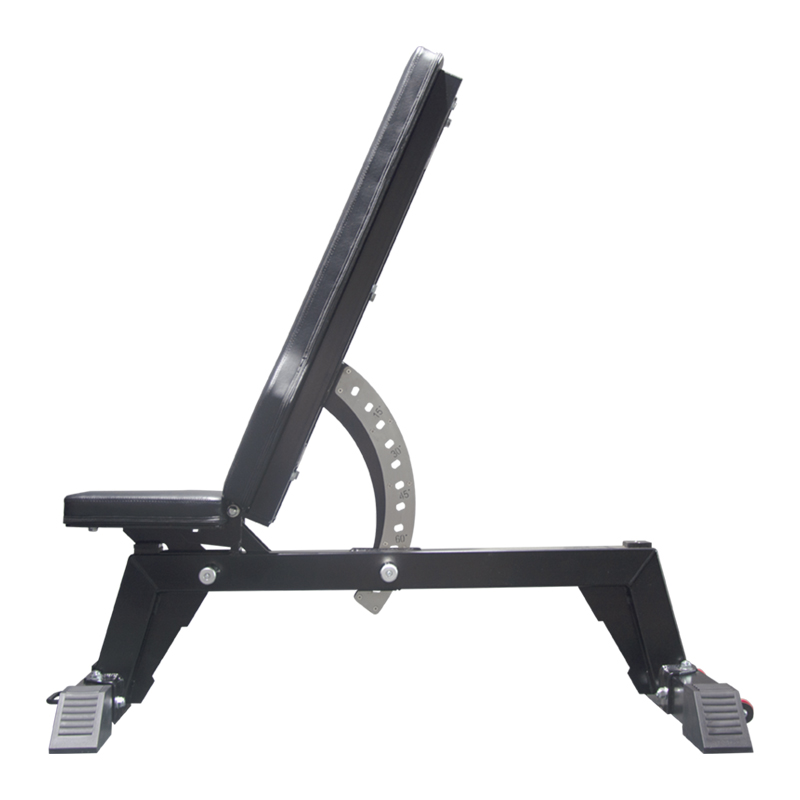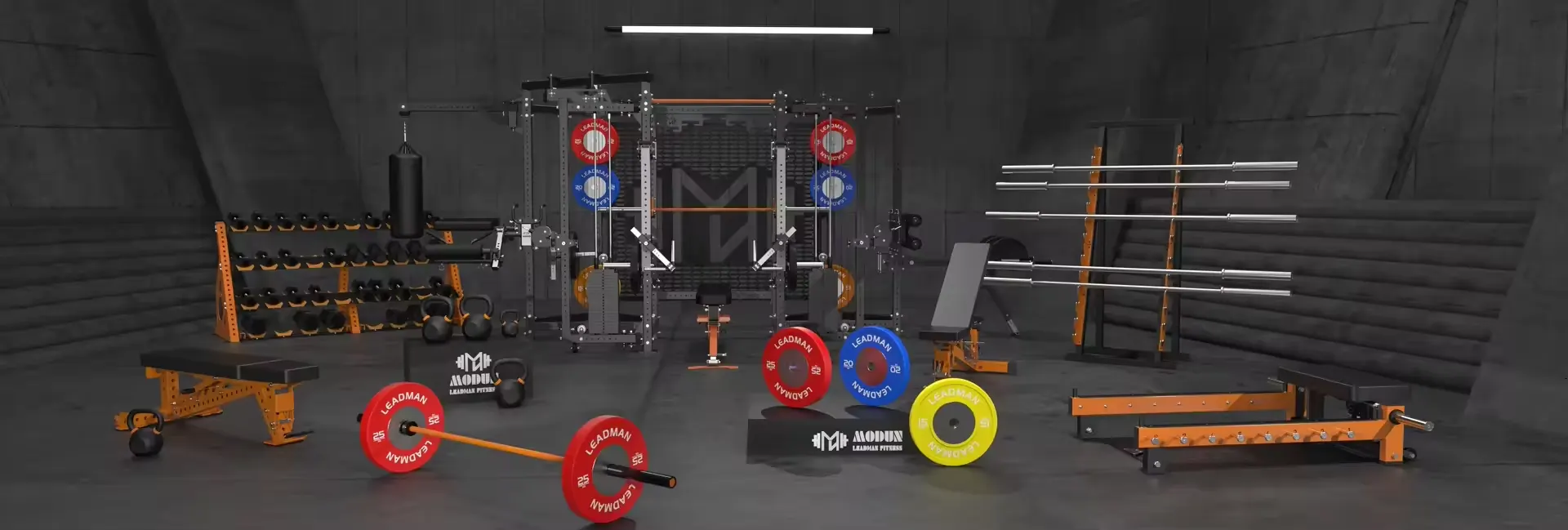
The squat Smith machine remains one of the most ubiquitous yet debated pieces of equipment in gyms worldwide. This guided barbell system, featuring a fixed vertical or slightly angled bar path running on steel rails, was originally designed to enable solo heavy squatting without a spotter. Its distinct mechanism—a counterbalanced barbell that glides along linear bearings—offers a level of safety and stability that free-weight barbells cannot match, making it particularly attractive for beginners, solo lifters, and those recovering from injury. However, the squat Smith machine also draws criticism from strength purists who argue that its fixed bar path compromises core engagement and limits functional strength development. To make an informed decision about incorporating this machine into a training regimen or facility, it is essential to understand its engineering, biomechanical implications, practical applications, and the nuanced trade-offs between safety and performance.
The mechanism of the squat Smith machine centers on a barbell constrained to move within vertical or near-vertical guide rails, typically using a counterbalance system that reduces the effective weight of the bar by 10 to 15 kilograms (approximately 22 to 33 pounds). This counterbalance, often achieved through a pulley and weight stack or a spring-assisted mechanism, means that the lifter is not moving the full 20-kilogram (44-pound) Olympic bar weight; the effective starting resistance is significantly lighter. Additionally, most modern Smith machines feature a safety locking system that allows the user to halt the bar at any point along the rail by twisting the bar or engaging a magnetic lock, a critical safety feature for failed reps. The angle of the rails varies by model: vertical rail machines are common in older designs, while newer models often feature a 5- to 7-degree angled track that mimics the natural slight backward arc of a free-weight squat, reducing shear stress on the knees and lower back. This mechanism fundamentally alters the lifting dynamics, as the lifter does not need to stabilize the bar front-to-back or side-to-side, allowing for a more isolated quadriceps-focused movement but reducing the involvement of stabilizing muscles in the hips, core, and spinal erectors.
Evidence from biomechanical studies highlights both the benefits and limitations of the squat Smith machine. A 2022 analysis published in the Journal of Sports Science and Medicine compared muscle activation between Smith machine squats and free-weight barbell squats, revealing that while quadriceps activation was comparable (within 5–8% difference), the Smith machine significantly reduced hamstring and erector spinae activation by 20–30%. This suggests that while the Smith machine is effective for targeting the quads, it provides less comprehensive lower body and core conditioning. Conversely, a separate study on injury prevalence found that novice lifters using a Smith machine experienced 40% fewer lower back injuries over a 12-month period compared to those performing free-weight squats, attributed to the guided movement reducing improper form—specifically excessive forward lean and lumbar hyperextension. Real-world facility data also supports the Smith machine's popularity: an industry survey of 300 commercial gyms revealed that 87% of facilities with over 2,000 members owned at least one squat Smith machine, and these machines averaged 4.2 hours of daily usage, second only to treadmills in the strength area. For gym owners, this translates to high member engagement and strong return on floor space, as a single Smith machine can serve both squatting and overhead pressing needs.
When selecting a squat Smith machine for a commercial or home gym, several key specifications require careful evaluation. First, assess the rail system quality: linear bearings with sealed ball bearings or nylon rollers provide the smoothest, quietest operation, while lower-end machines with uncoated steel-on-steel guides can be noisy and prone to sticking. Second, check the machine's weight capacity: commercial-grade models should support at least 300 kilograms (660 pounds) of loaded weight, while home units often max out at 200 kilograms (440 pounds). The counterbalance system should be clearly rated; some machines use a fixed 15-kilogram counterweight, while others allow adjustment, which is beneficial for accommodating different user strengths. The footprint is another critical factor: Smith machines typically require 60 to 80 inches (152–203 cm) in length and 50 to 60 inches (127–152 cm) in width, with an additional 3 feet (90 cm) of clearance on each side for loading and unloading plates. Also, consider the bar's knurling and sleeve length—a good machine will have a quality knurl that provides secure grip and sleeves that accommodate Olympic plates with a 50mm center hole, with a loading length of at least 16 inches (40 cm) per side to handle multiple plates. Finally, evaluate the safety catches: they should be easily adjustable with a positive locking mechanism that engages firmly without slippage, and there should be multiple catch positions to accommodate users of varying heights and squat depths.
Practical implementation of the squat Smith machine extends far beyond the traditional squat. The machine's versatility allows for variations such as narrow-stance squats for quad emphasis, wide-stance squats for glute and adductor focus, split squats, calf raises, and even inverted rows by placing the bar at waist height. For rehabilitation, the Smith machine's fixed path can be used to perform partial-range squats that avoid painful end-range flexion, making it a valuable tool for physical therapy clinics. However, to maximize the machine's benefits and mitigate its drawbacks, trainers should integrate Smith machine work complementarily with free-weight exercises. For instance, a weekly program might include Smith machine squats on one lower-body day to build quadriceps volume safely, and free-weight barbell squats on another day to develop overall strength and stability. This hybrid approach leverages the safety and isolation benefits of the machine while preserving the functional carryover of free-weight training. When programming, it is important to note that due to the counterbalance, the actual load lifted on a Smith machine is lower than the plate weight; lifters should add 10–15 kilograms to the plate total to approximate the effort of a free-weight squat at the same plate weight, or alternatively, treat Smith machine loads as a separate metric tracked independently for progressive overload.
Common user concerns regarding the squat Smith machine often center on its safety—especially the potential for knee shearing forces—and its effectiveness for muscle building. Regarding safety, the fixed bar path can actually reduce anterior knee shear compared to free-weight squats, particularly when the machine features a slight backward angle that aligns with the natural squatting motion. To further protect the knees, users should keep their feet slightly forward of the bar's vertical line, which shifts the force vector more through the glutes and hamstrings rather than the patellar tendon. For muscle building, the Smith machine is highly effective for hypertrophy, especially when combined with controlled tempo and full range of motion; studies have shown that Smith machine squats produce comparable quadriceps growth to free-weight squats over 10-week training periods, provided the load is adequately progressed. For facility owners, choosing a squat Smith machine with a quality build and clear instructional signage helps ensure proper usage and member safety, while periodic maintenance—greasing the guide rails and checking the cable tension—can extend the machine's life beyond a decade. As the fitness industry continues to embrace both safety and versatility, the Smith machine remains a cornerstone piece that, when used thoughtfully, delivers both accessible strength training for beginners and reliable supplementary work for advanced athletes.
Let our experts design the perfect gym solution for your business. Get a free consultation and quote today.