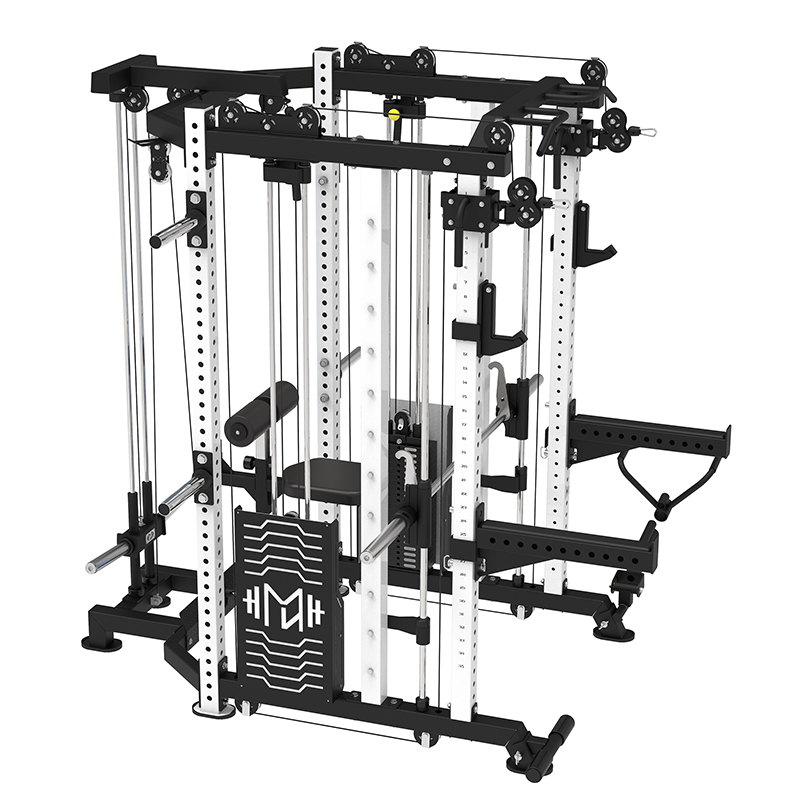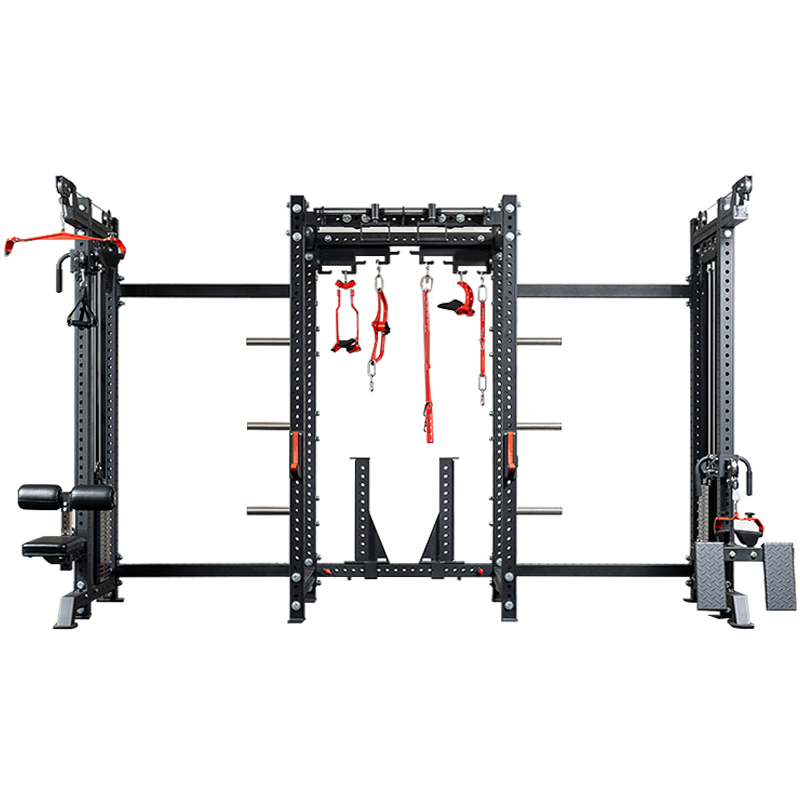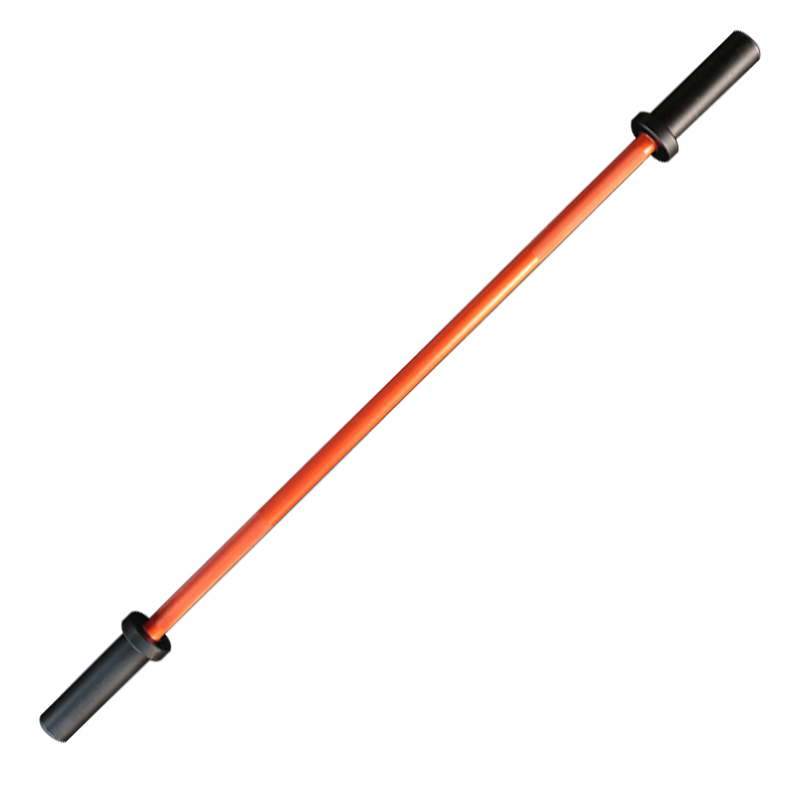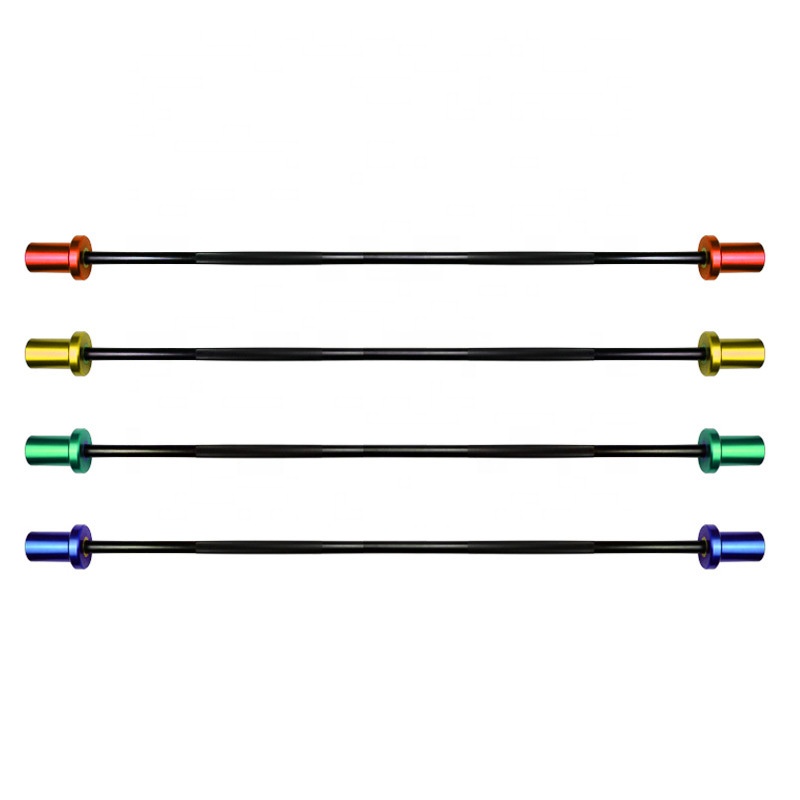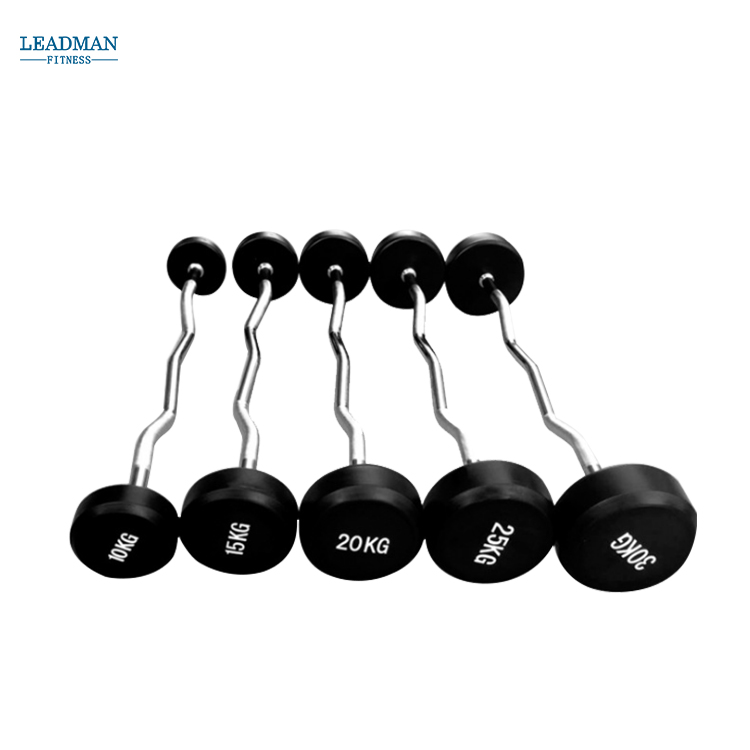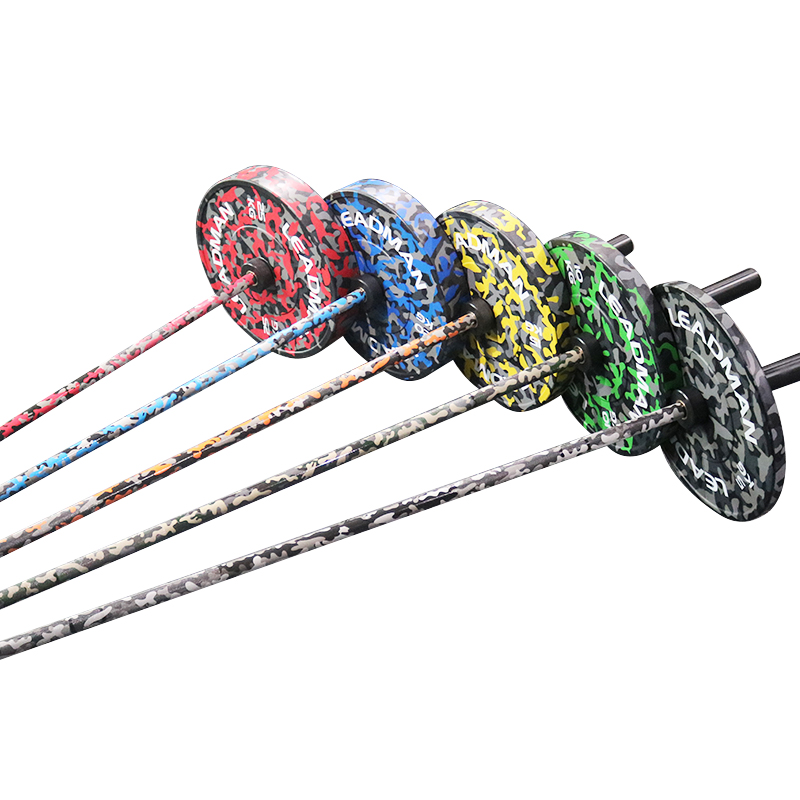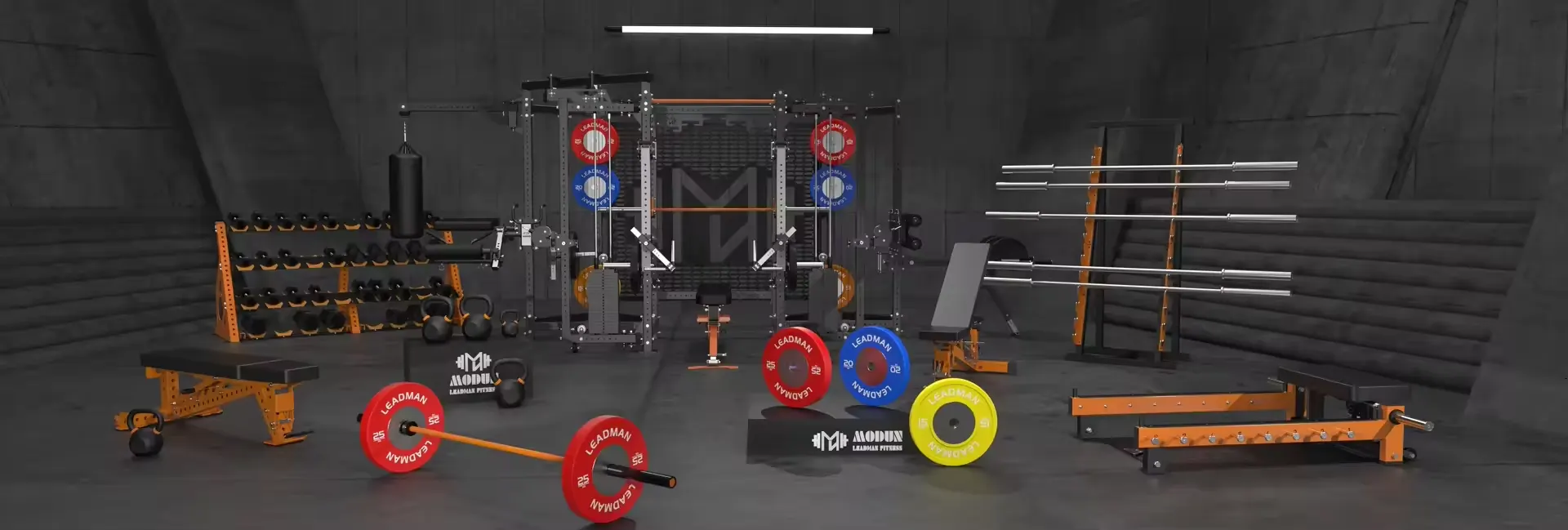
Powerlifting equipment occupies a distinct and demanding segment within the commercial fitness industry, engineered to withstand forces that far exceed those encountered in general conditioning environments. Unlike standard gym equipment, powerlifting gear must accommodate athletes training specifically for the squat, bench press, and deadlift, often with loads exceeding 300kg per lift. For facility operators and procurement managers, specifying powerlifting equipment requires an understanding of specialized biomechanics, competition standards, and the unique durability demands of this high-intensity training discipline. The investment in purpose-built powerlifting equipment is not merely about functionality—it establishes a facility's credibility among serious strength athletes and influences member retention within this valuable demographic.
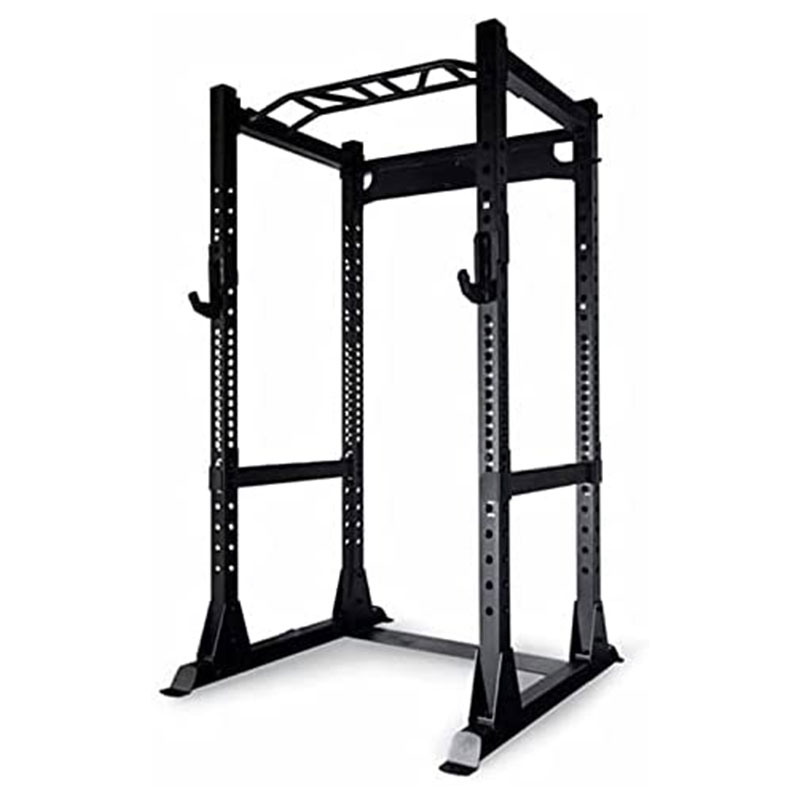
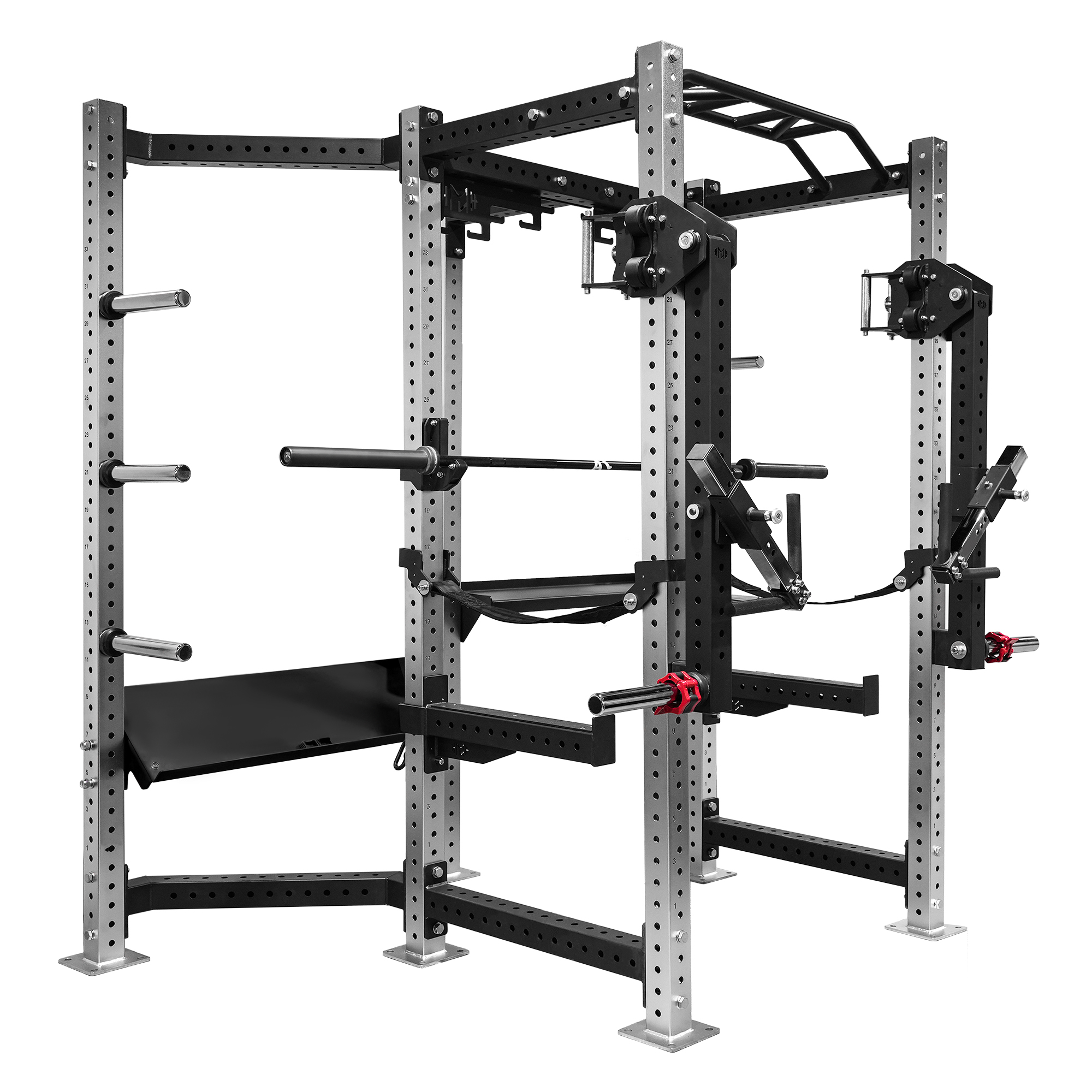
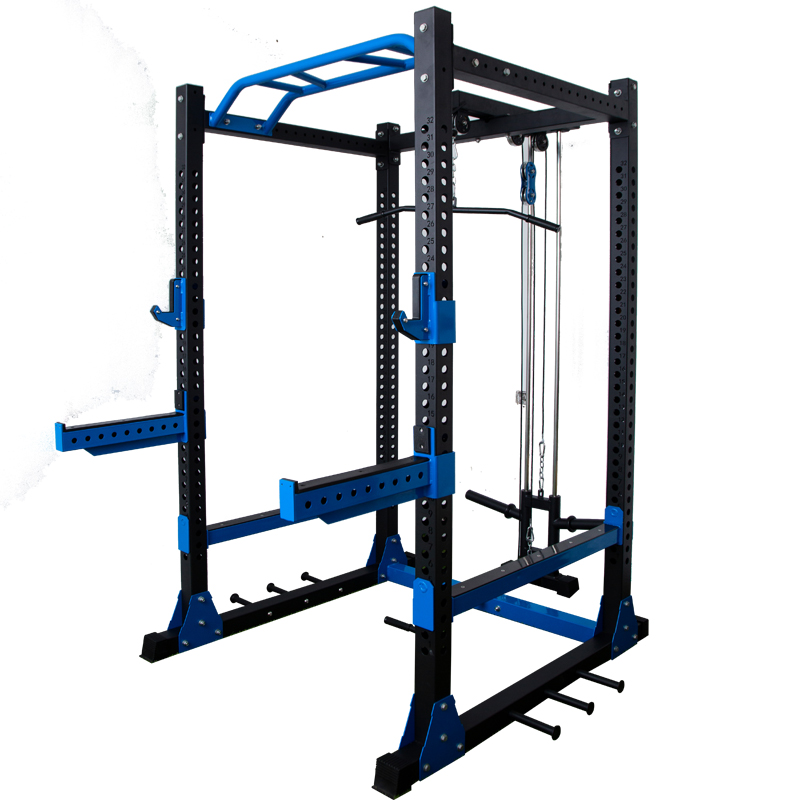
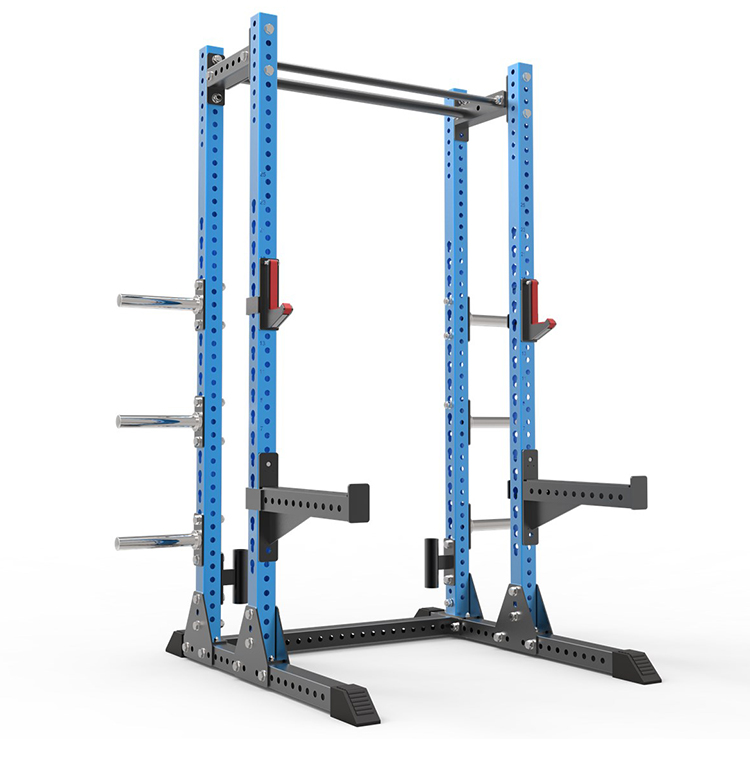
From an engineering perspective, the defining characteristic of commercial powerlifting equipment is its structural over-engineering relative to general fitness equipment. Competition-grade power racks utilize 3mm to 5mm steel tubing with gusseted reinforcements at all load-bearing intersections, supporting static loads exceeding 1000kg while providing the stability required for failed lift safety. The uprights, typically 90mm by 90mm or larger, incorporate precision-milled hole patterns at 50mm or 25mm spacing, accommodating j-hooks, spotter arms, and specialty attachments. For the bench press component, competition-spec benches feature a 17-inch width, 10-degree decline angle, and precisely positioned uprights that meet IPF (International Powerlifting Federation) specifications, ensuring athletes can train on equipment that replicates competition conditions. Deadlift platforms, typically 2.4m by 1.2m with 50mm-thick rubber surfacing, provide the necessary impact absorption for repeated maximal deadlift attempts.
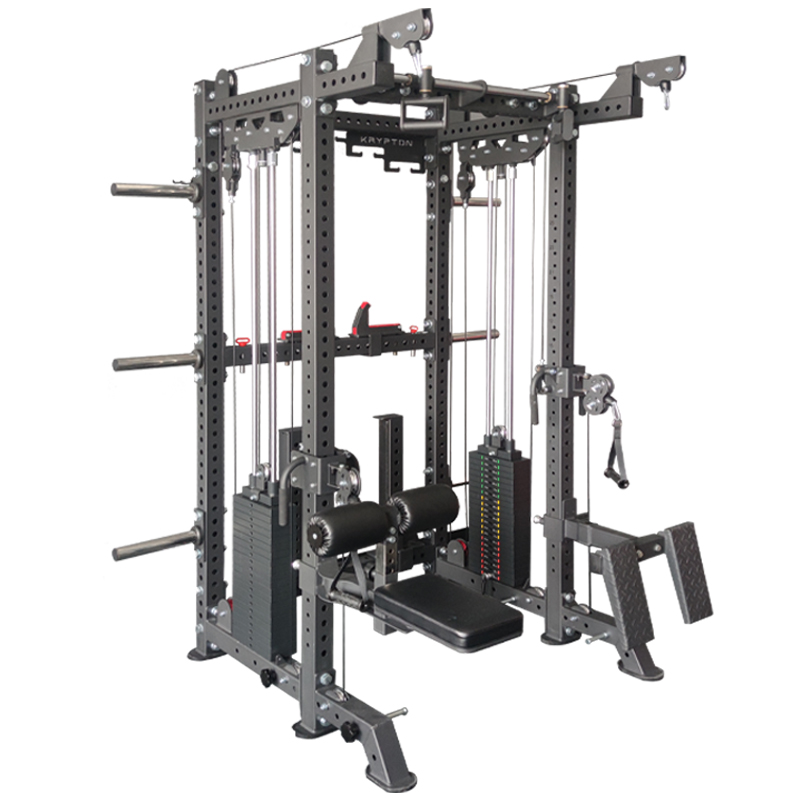
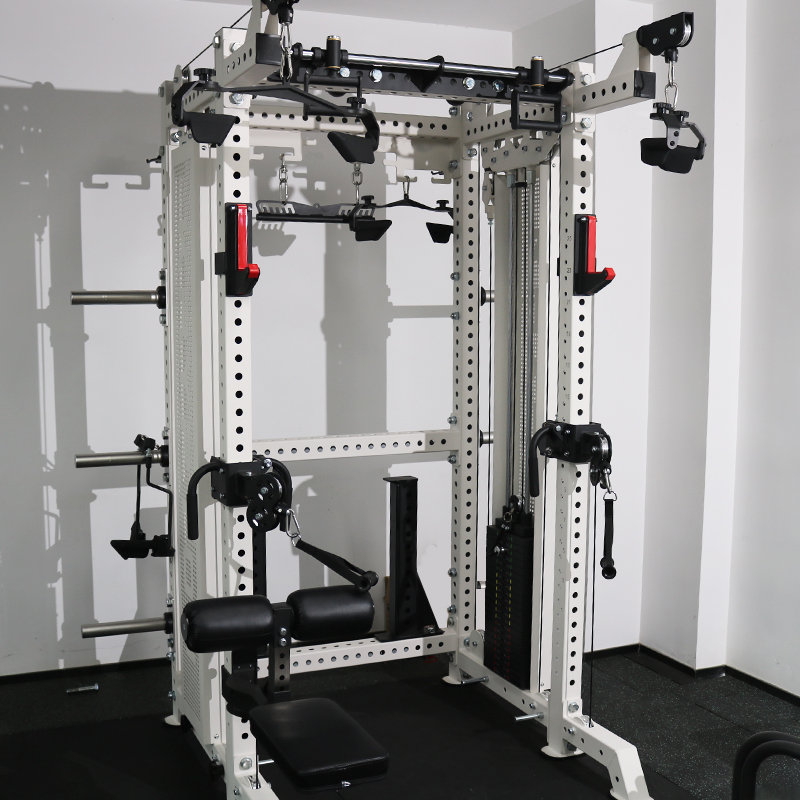
For procurement planning, the powerlifting zone requires careful consideration of equipment configuration and facility layout. Unlike general strength areas that benefit from multi-station machines, powerlifting demands dedicated stations where multiple athletes can train simultaneously without interference. A typical commercial facility should allocate at least four power racks to accommodate peak-hour traffic, complemented by competition-style benches and deadlift platforms. Weight increments in the powerlifting area require a broader range of plate loads than general fitness areas, with heavy plates (20kg-25kg) representing the primary inventory requirement. For facilities with dedicated powerlifting clientele, investing in calibrated competition plates with +/- 0.5% tolerance ensures athletes can track their progress with the precision required for competitive preparation.
Let our experts design the perfect gym solution for your business. Get a free consultation and quote today.