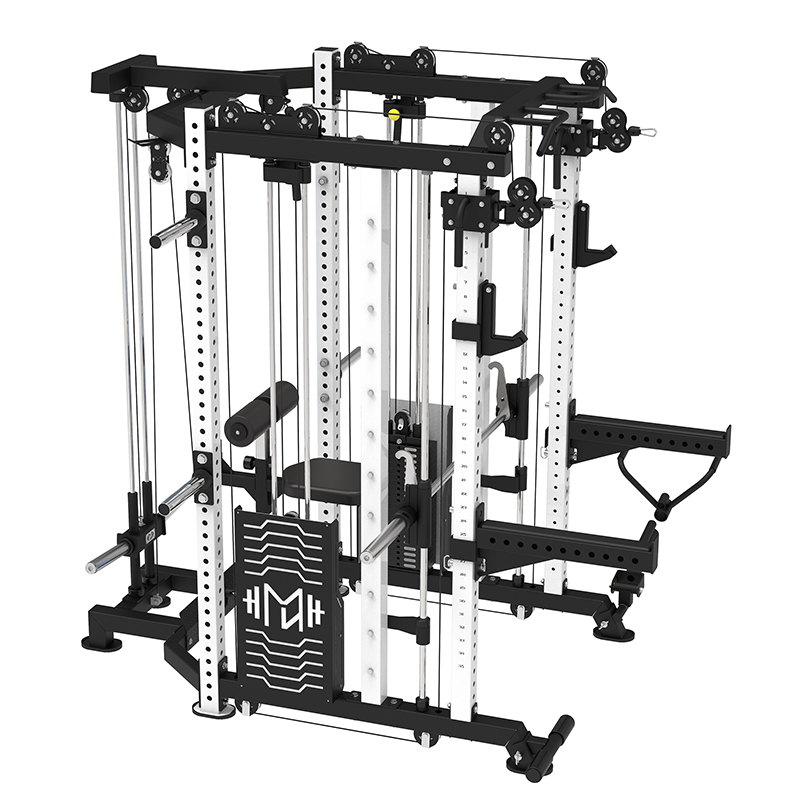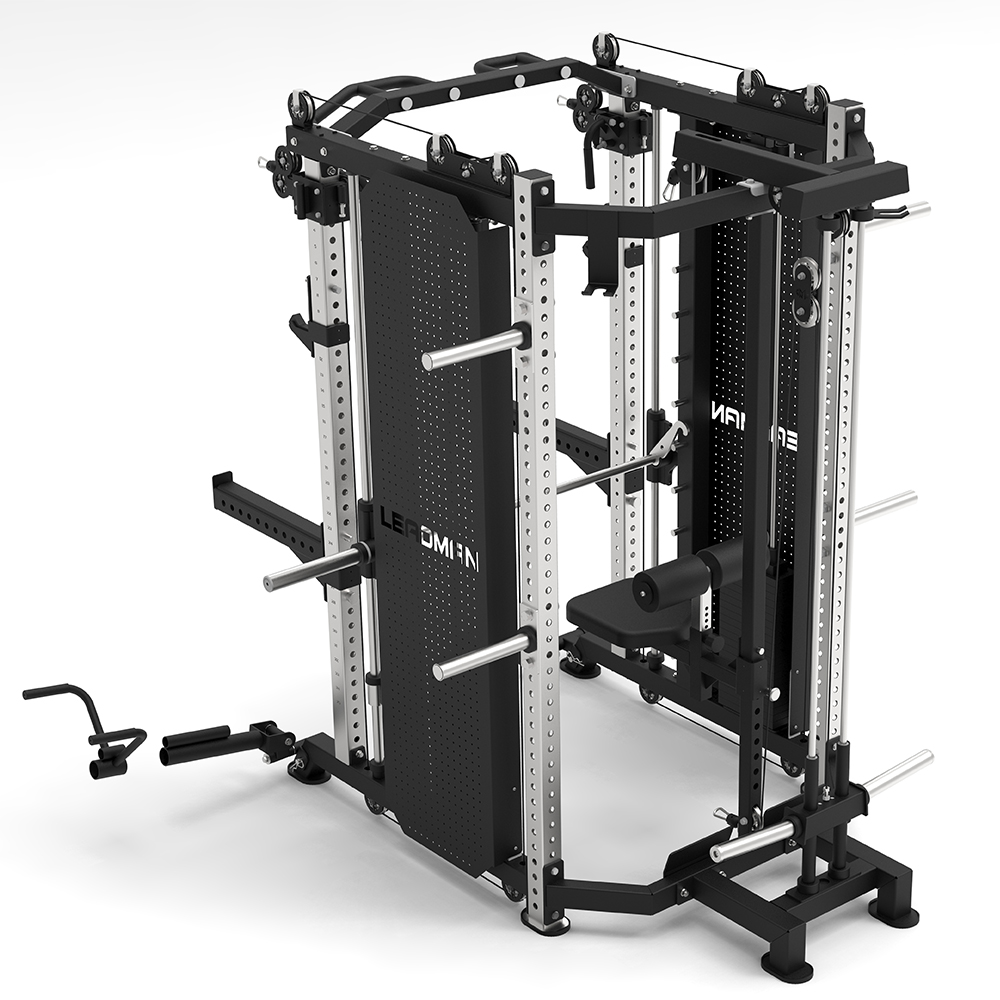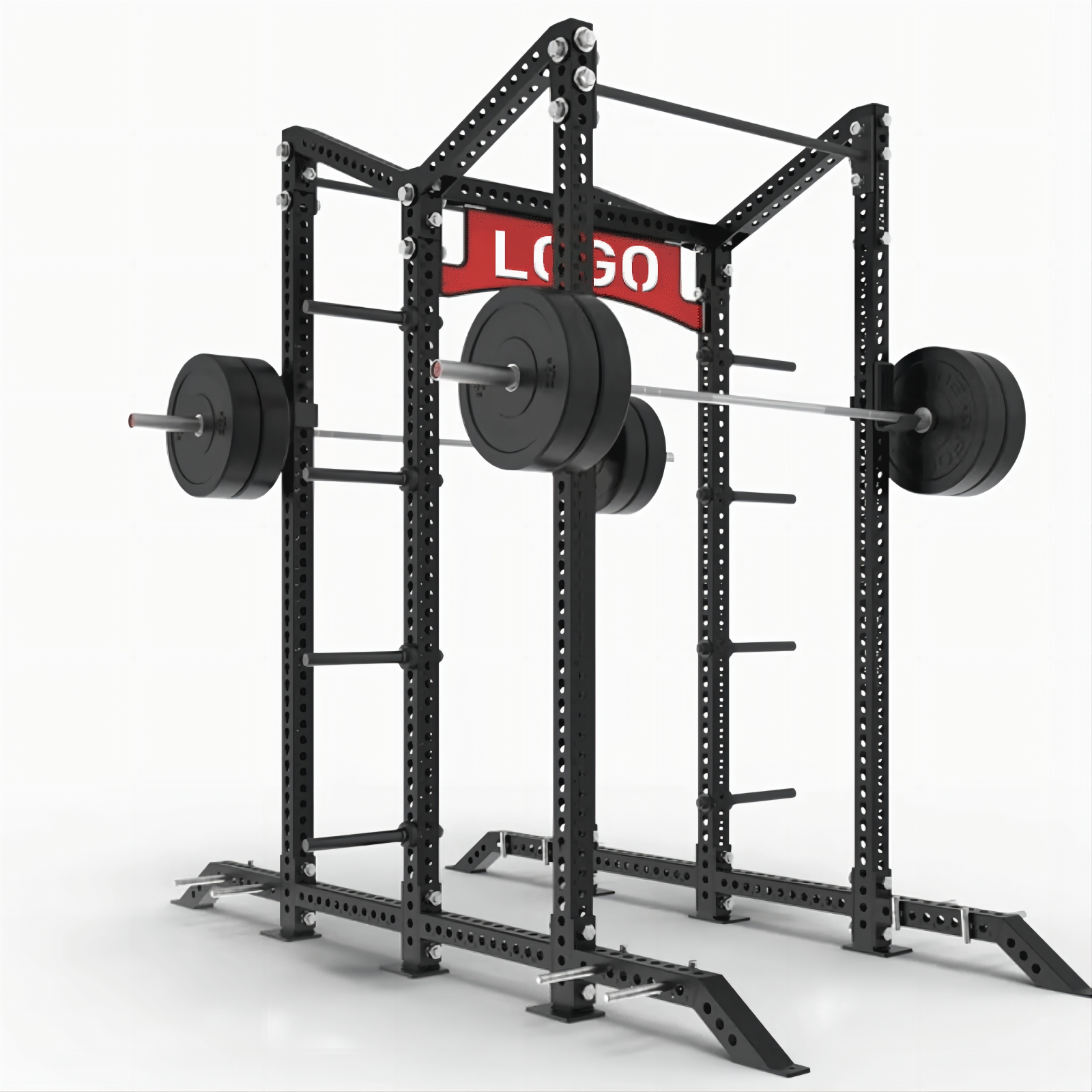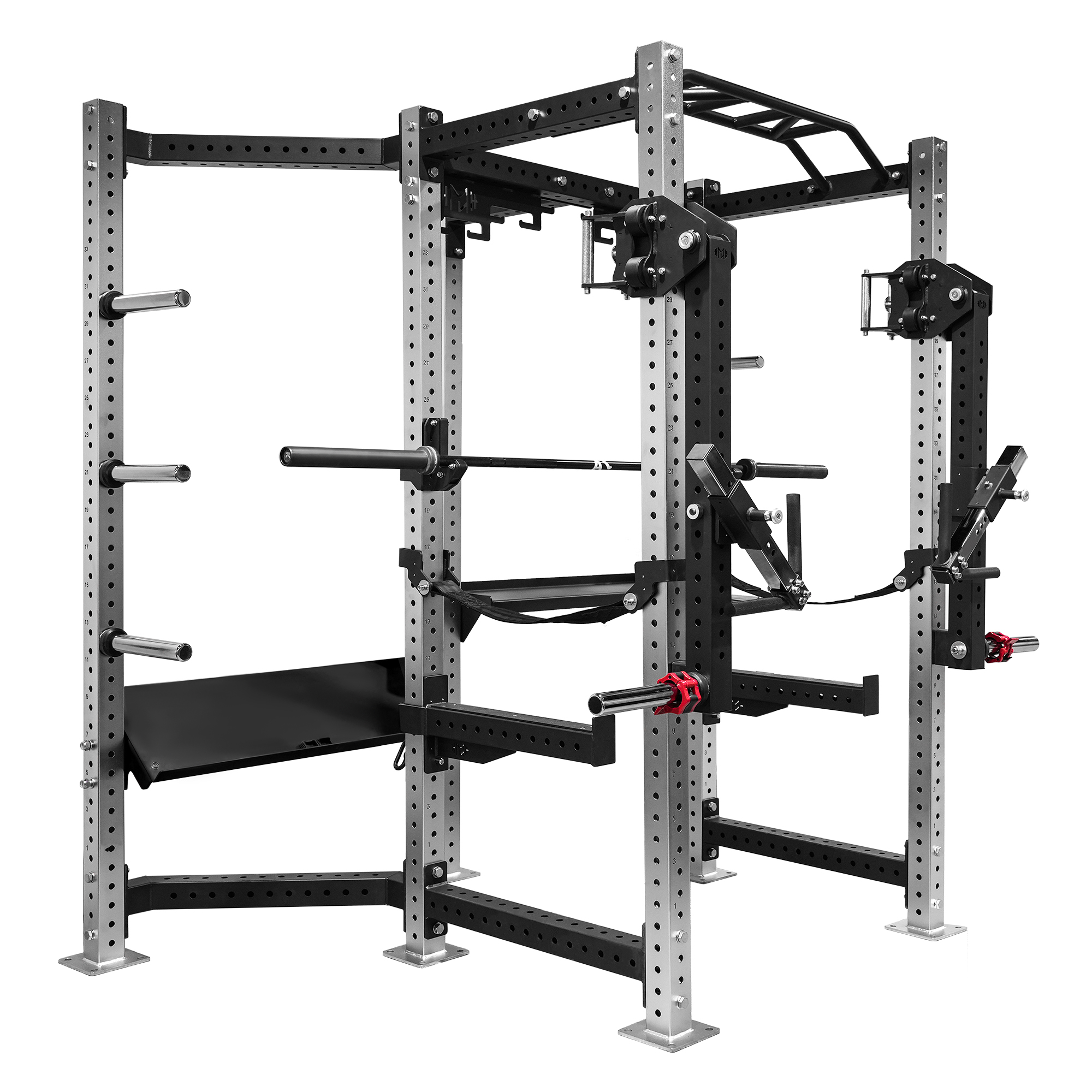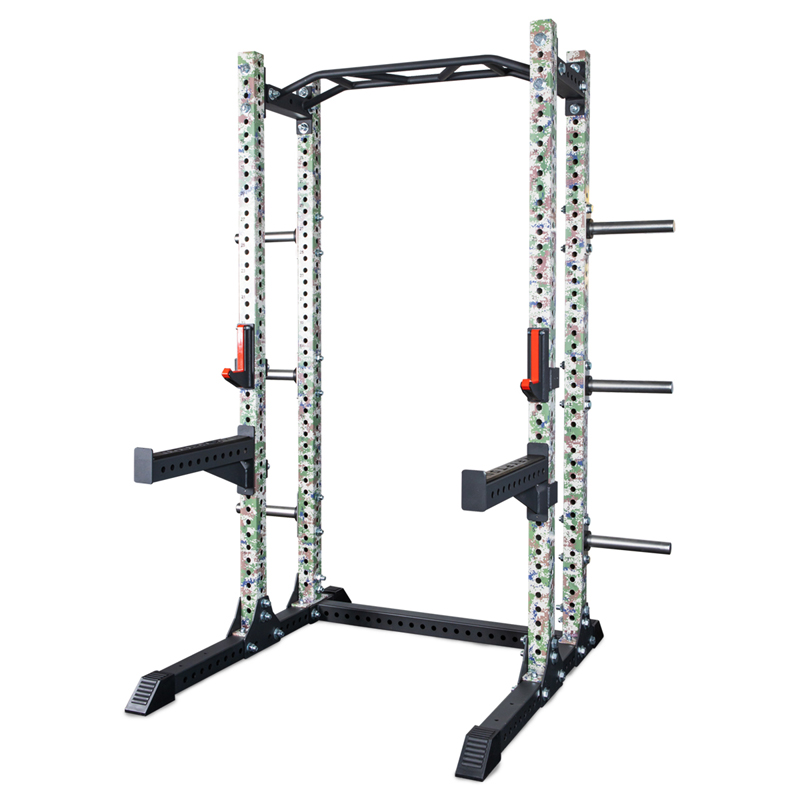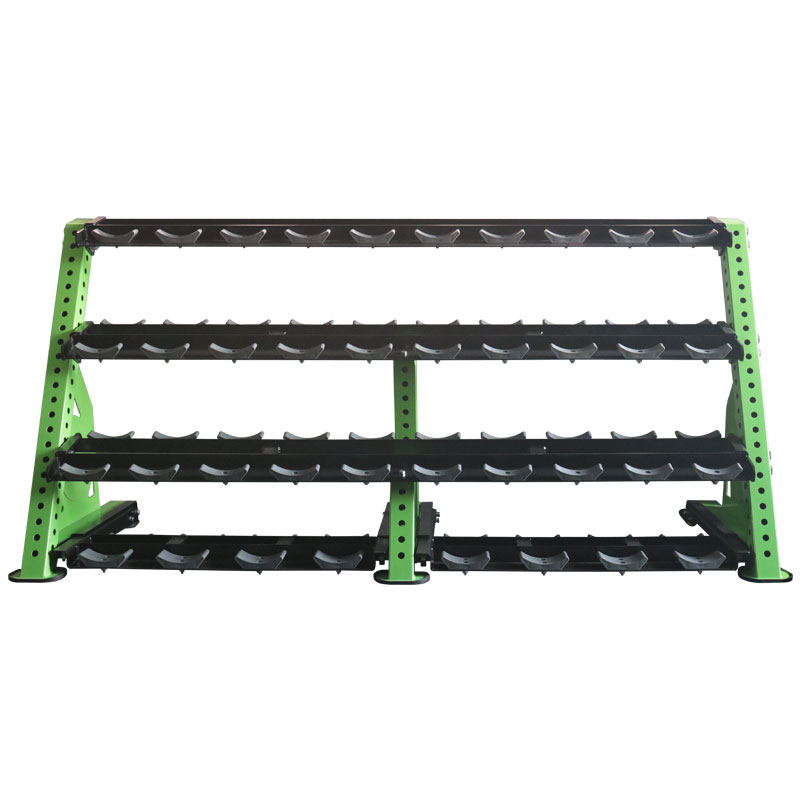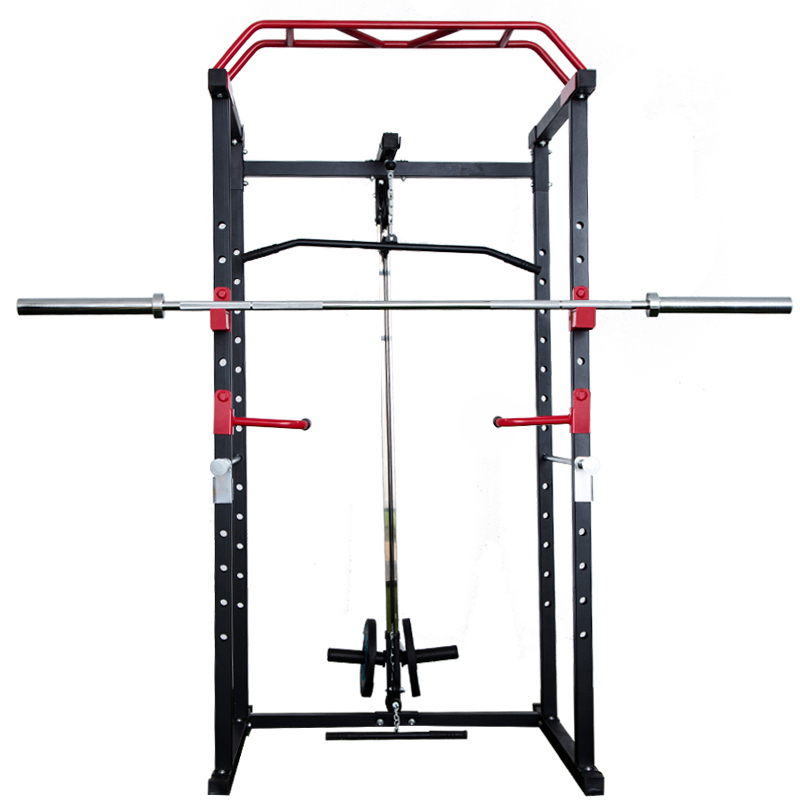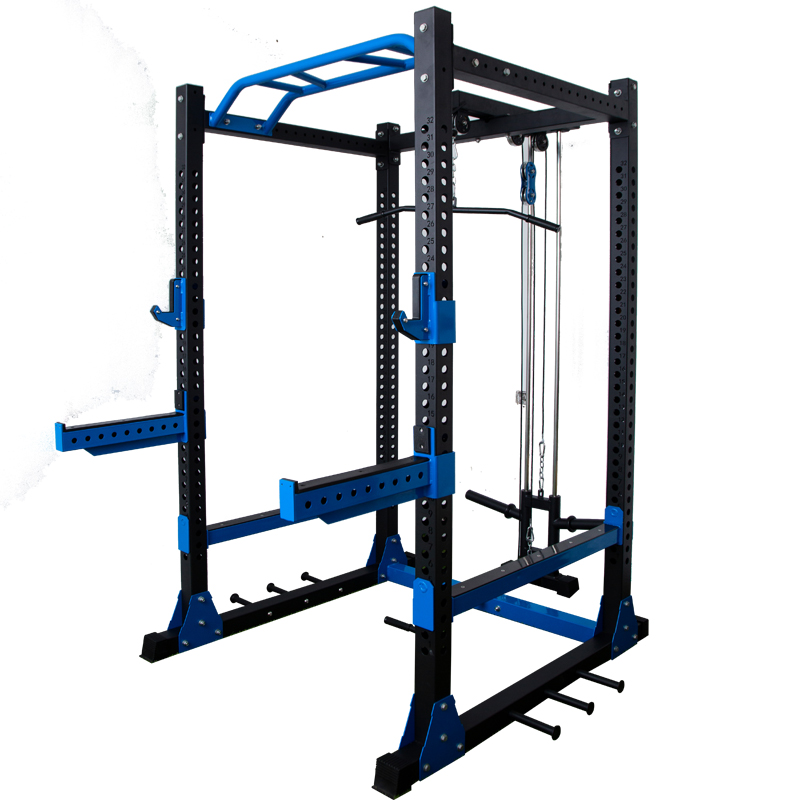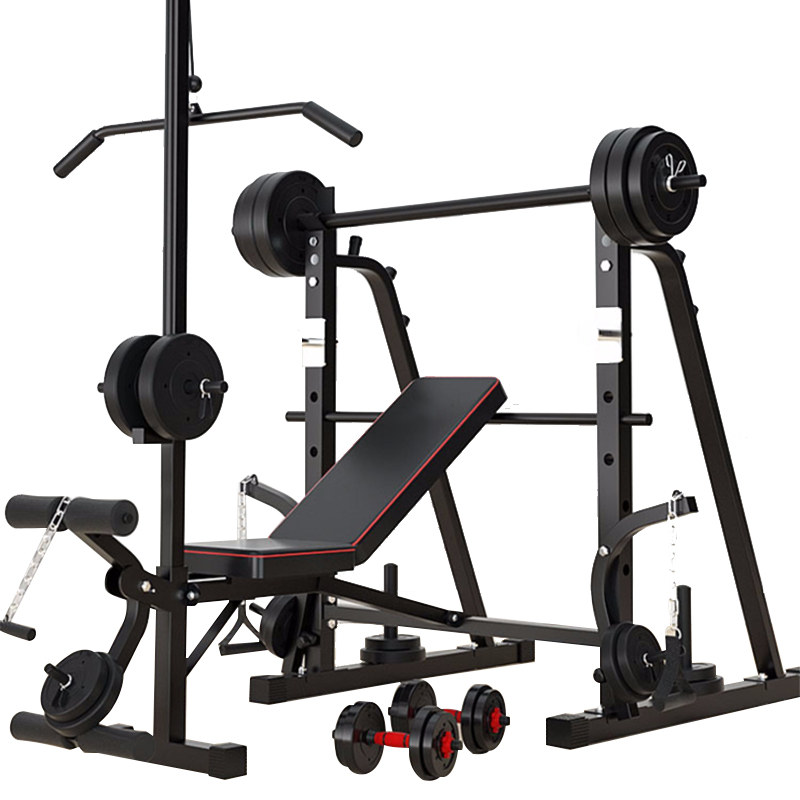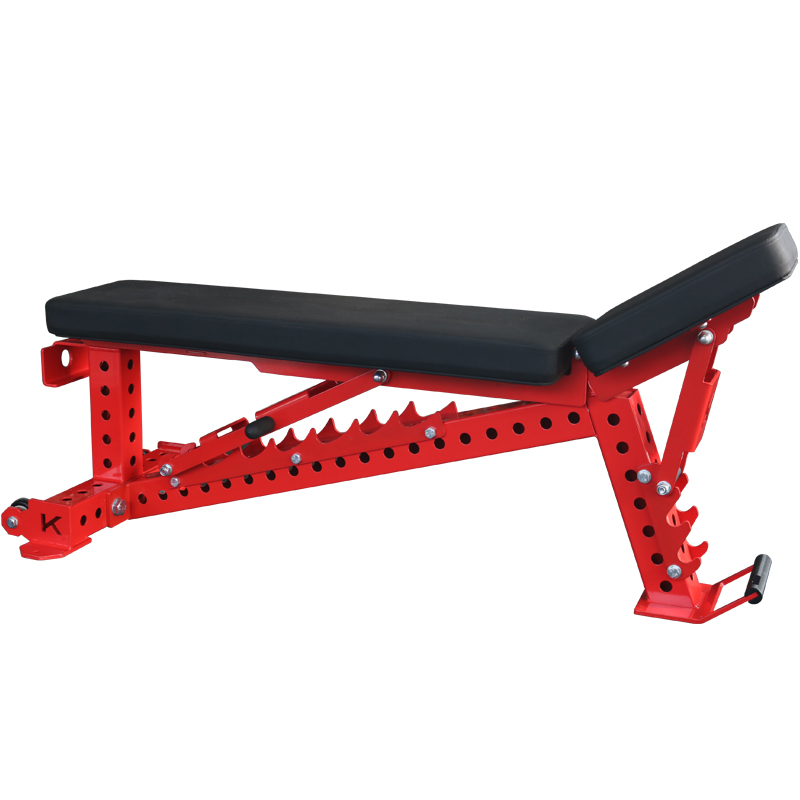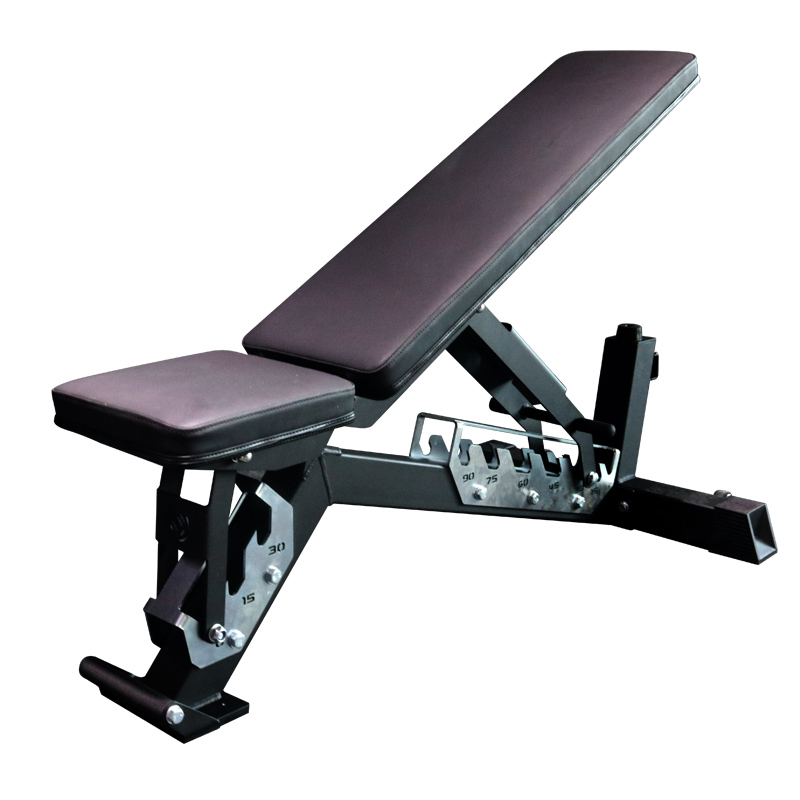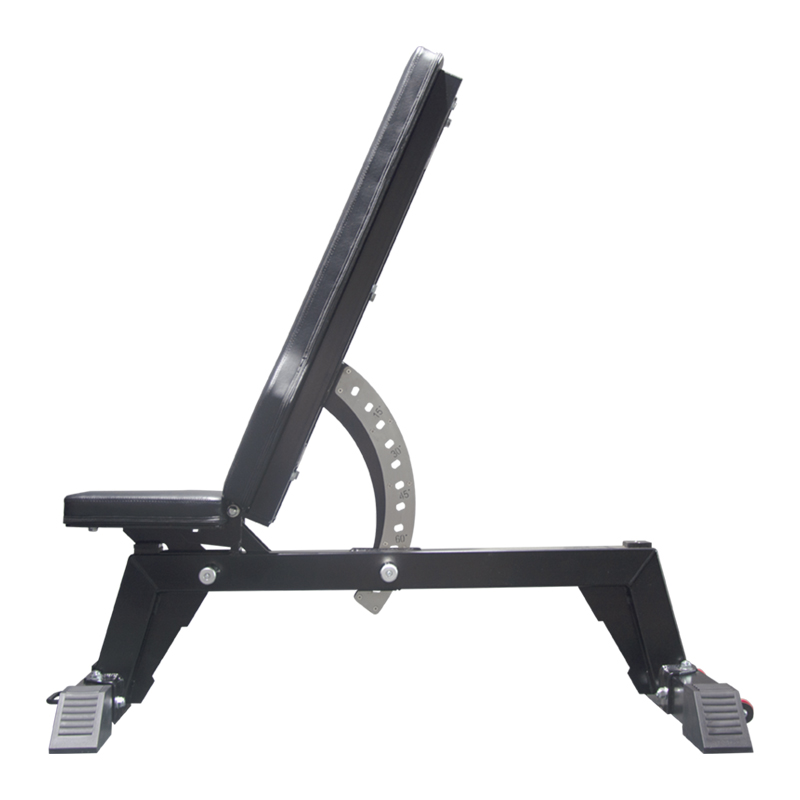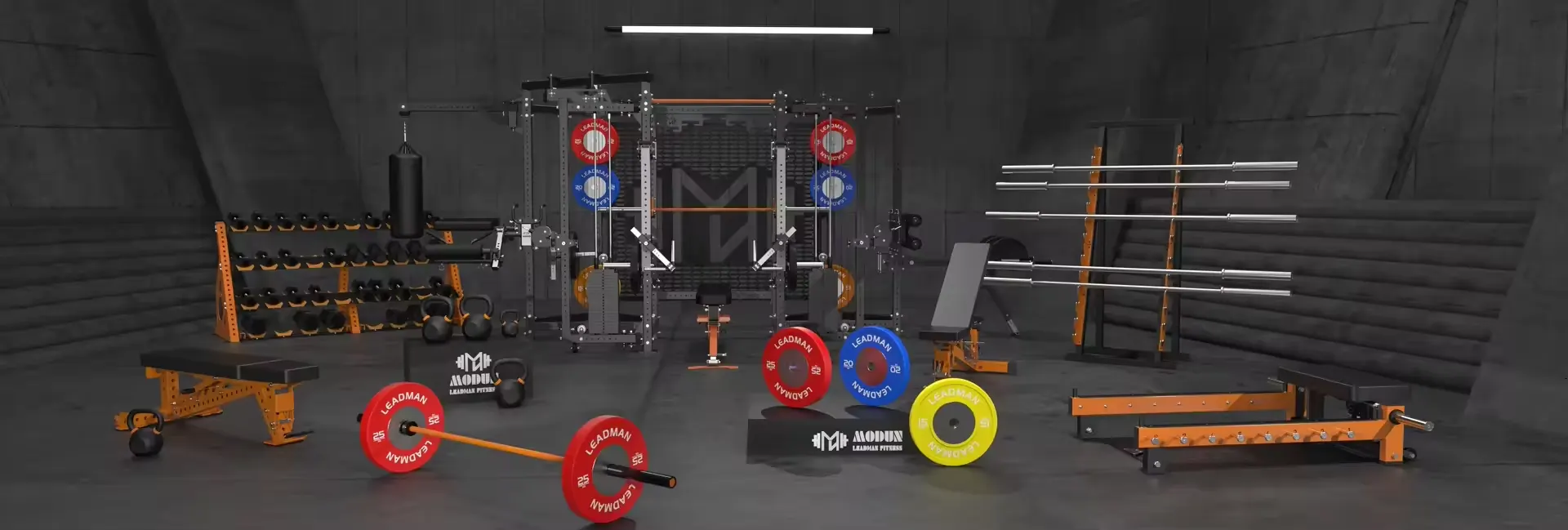
While the modern gym floor is dominated by multi-station racks and half-rack variants, the post squat rack remains the foundational element of serious strength training facilities. This minimalist architecture—two upright steel columns secured to a base or floor, equipped with adjustable J-hooks and safety pins—offers an unparalleled combination of raw stability, spatial efficiency, and functional simplicity. For facility managers and strength coaches who prioritize unadulterated performance, the post squat rack delivers a lifting experience that is both highly customizable and mechanically transparent, allowing athletes to train with complete confidence.
The engineering requirements for a commercial-grade post squat rack are deceptively demanding. The most critical performance metric is the column's resistance to lateral deflection and forward tilt under heavy eccentric loads. Leading manufacturers address this through wider base footprints, strategic rear stabilizer bars, and superior wall thickness in the steel tubing. A recent structural analysis of popular commercial models revealed that uprights with a minimum 11-gauge steel wall thickness provide the necessary rigidity to accommodate elite-level athletes handling in excess of 700 pounds, while simultaneously mitigating the annoying 'wiggle' that undermines lifter confidence.
Beyond raw material gauge, the design of the upright's hole spacing and numbering plays a pivotal role in user experience. Post squat rack systems equipped with Westside-style hole spacing—narrow 2-inch or 1-inch increments—offer precise J-hook positioning, eliminating the common frustration of being forced to choose between a too-high or too-low catch position. The visual numbering of holes, while seemingly a minor detail, dramatically streamlines workout transitions, reducing the time athletes spend adjusting racks and maximizing the intensity of their training blocks.
Versatility is another hallmark of the post squat rack's enduring appeal. Unlike specialized machines, a well-designed squat stand can serve as the nucleus for a multitude of exercises. With optional attachments available, these racks seamlessly convert into platforms for barbell lunges, seated overhead presses, and even specialized accessory work with bands and chains. This functional adaptability not only enhances the value proposition for the facility owner but also fosters a more dynamic and engaged training environment, where members are not merely using equipment but mastering it.
Security features represent a crucial evolution in the modern post squat rack. The integration of robust, easily adjustable spotter arms—often independent of the main J-hooks—allows for a failsafe mechanism that is both immediate and intuitive. Commercial squat rack designs now frequently incorporate a high-visibility, brightly colored contact point on the safety catches, ensuring that lifters can visually confirm the safety bar's position mid-set. This psychological reassurance, coupled with the mechanical reliability of the rack's base, creates a training atmosphere that encourages maximal effort and progressive overload without the fear of catastrophic failure.

Let our experts design the perfect gym solution for your business. Get a free consultation and quote today.