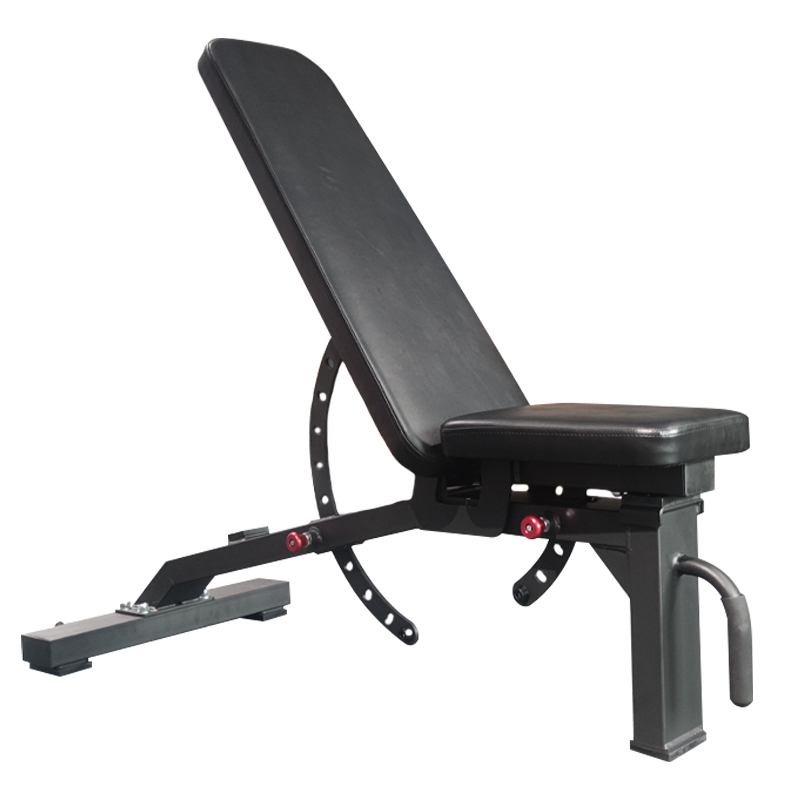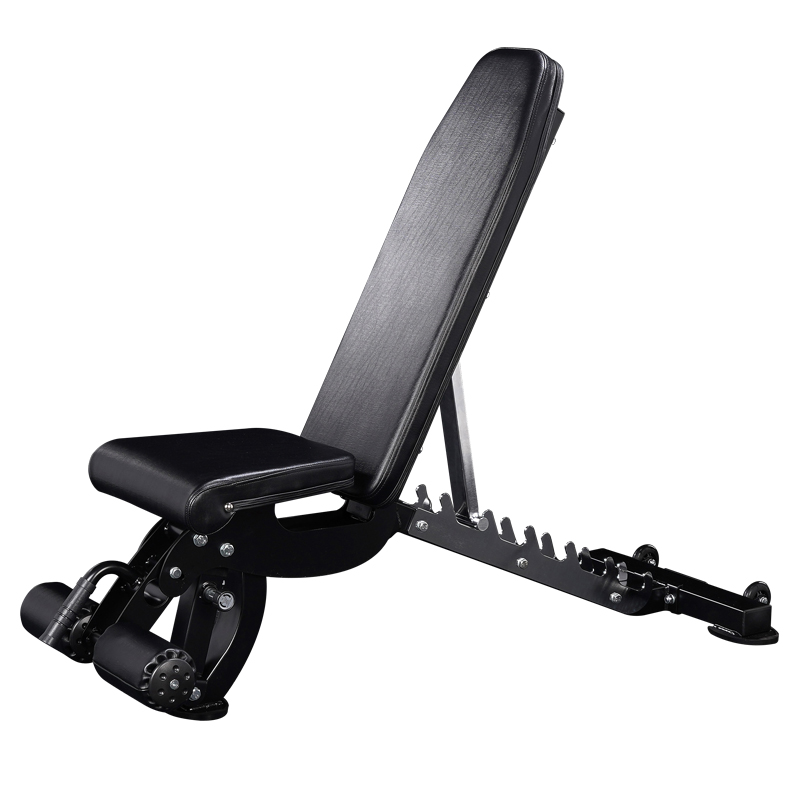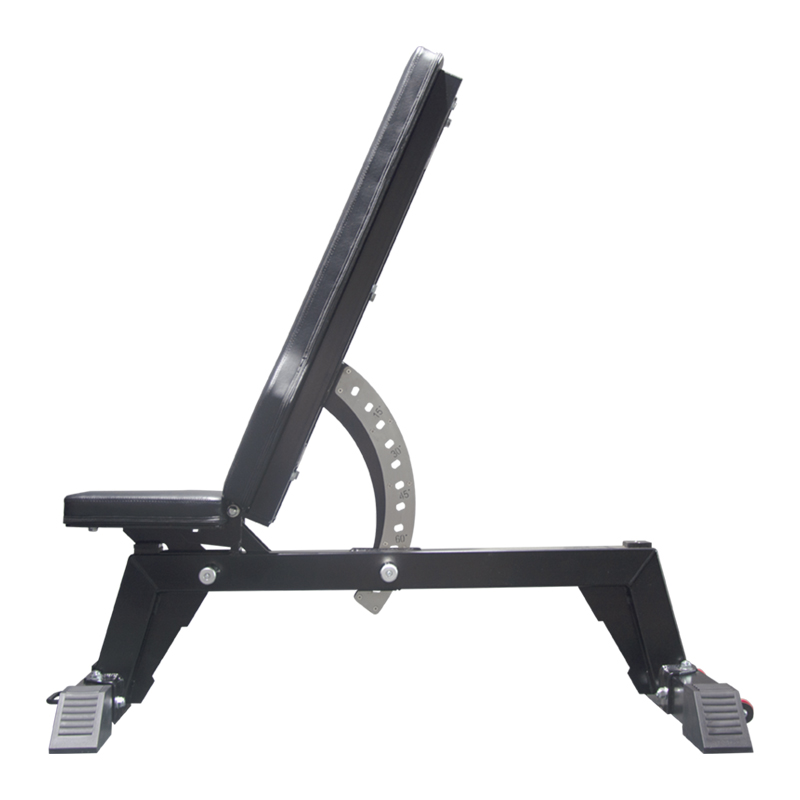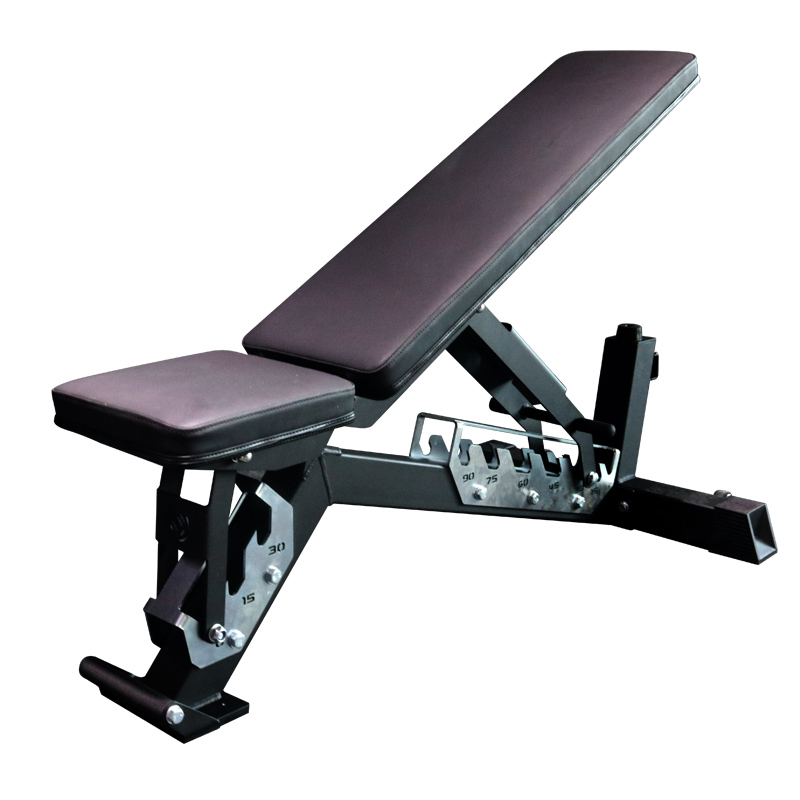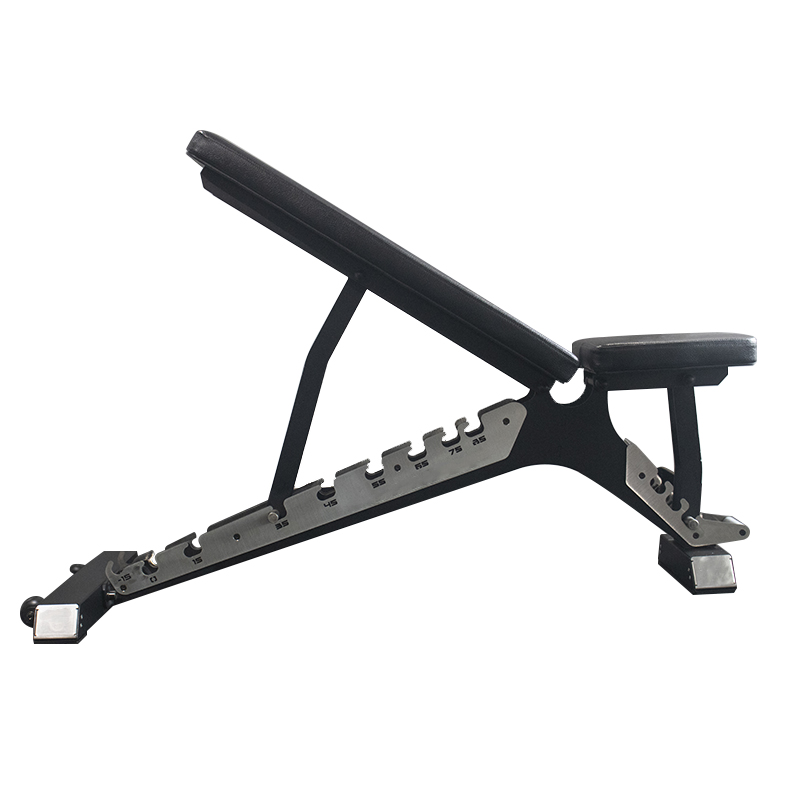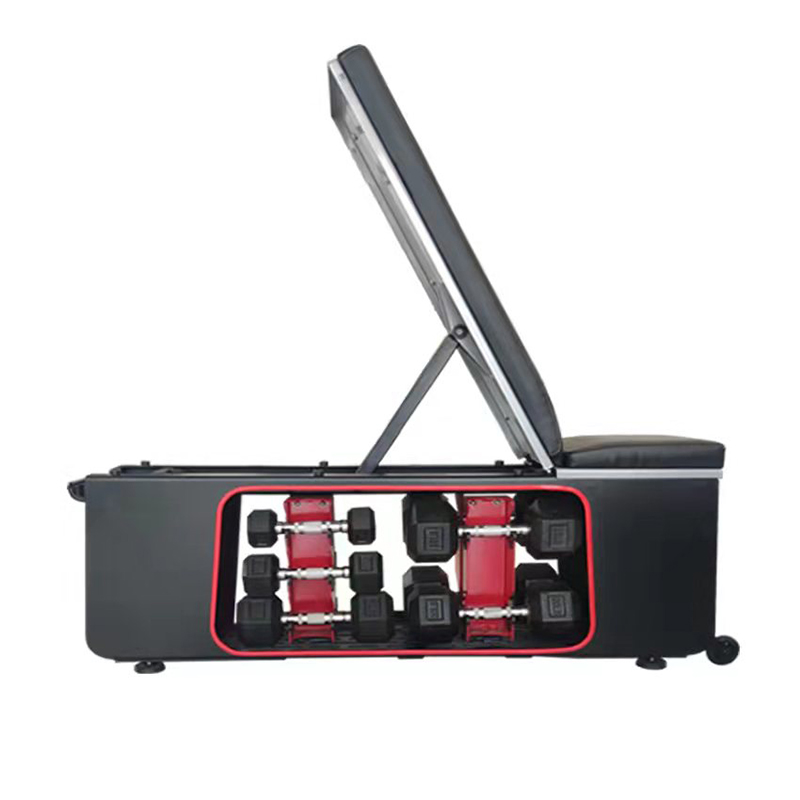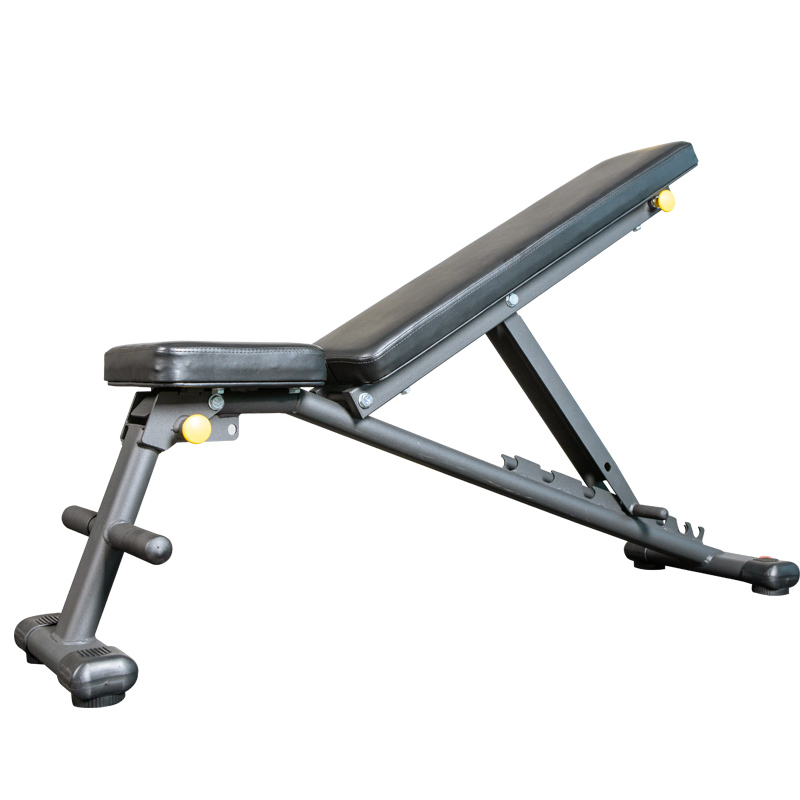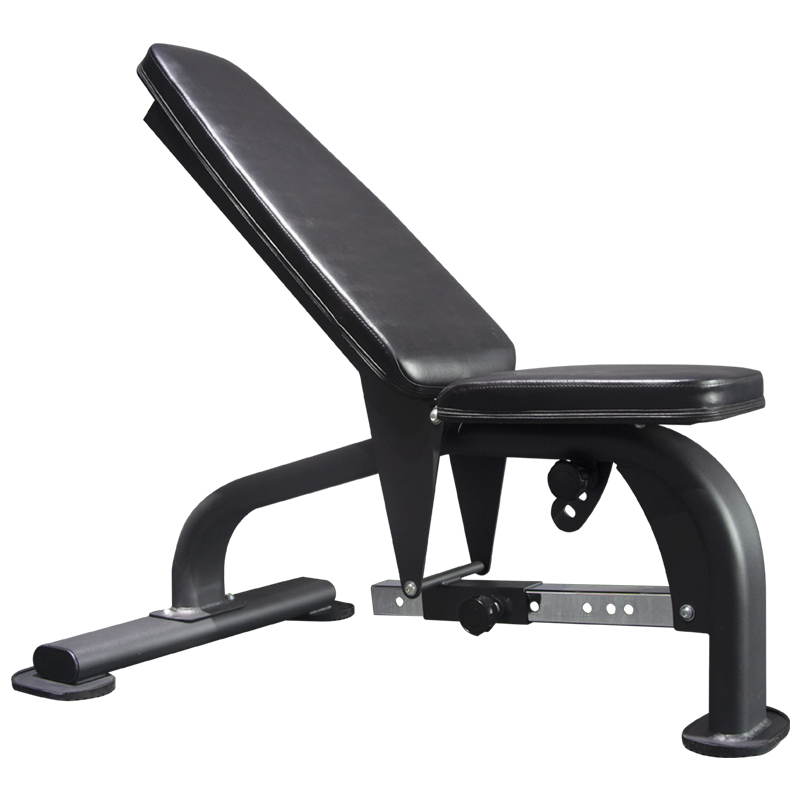
A plastic weight bench represents the entry-level tier of strength training furniture, typically constructed with hollow plastic frames, foam padding encased in vinyl, and limited steel reinforcement. Unlike steel benches, plastic models prioritize affordability and portability over load capacity and long-term durability, suiting light-duty home use rather than commercial or heavy strength training.
The engineering limitation of plastic weight benches centers on material creep and joint stress. Injection-molded polypropylene or ABS plastic flexes under load, particularly at connection points between the back pad hinge and the frame. Over time, plastic benches develop permanent deformation or cracking at stress concentrations—typically after 6-12 months of 2-3 weekly workouts with loads exceeding 100-150 lbs. Steel benches with plastic end caps or adjustment levers (rather than full plastic frames) maintain structural integrity significantly longer.
Consumer product testing data indicates significant safety concerns with all-plastic benches. A 2022 analysis of online reviews across 40 plastic bench models found that 28% of purchasers reported frame cracking, hinge failure, or leg buckling within 12 months. The most common failure point was the rear stabilizer attachment, where hollow plastic tubes connect to the main frame via small steel bolts—plastic threads strip or tubes split under repeated load cycling. Heavier users (200+ lbs bodyweight) experienced failure rates nearly double the average.
For buyers considering a plastic weight bench, understand the use case limitations. Plastic benches suit light resistance band training, bodyweight exercises, or dumbbell work under 50 lbs total. They are not appropriate for heavy barbell bench pressing, loaded squats (using a bench as a seat), or commercial facility installation. If budget constraints require plastic, look for models with steel reinforcement plates at hinge points and metal threaded inserts rather than plastic-on-plastic bolt connections. Verify the stated weight capacity—many plastic benches claim 300-500 lbs capacities that are not achievable in real-world dynamic loading. Consider spending 30-50% more for an entry-level steel bench, which offers 3-5x longer usable life and vastly superior safety margins.

Let our experts design the perfect gym solution for your business. Get a free consultation and quote today.